Buy Custom Designed Tote Bags for High-Impact Branding
Custom designed tote bags do one job unusually well: they keep a brand visible after the checkout moment is over. A shopper leaves with the product, the tote, and a bag that can show up again on a commute, in a studio, at work, or folded into another purchase later. That second and third use is where the real value lives.
The best tote is rarely the biggest one or the cheapest one. It is the one that fits the product, survives the load, and looks intentional instead of generic. Some programs need a lightweight giveaway. Others need a retail carryall that feels closer to merchandise than packaging. Custom designed tote bags can serve either brief, but only if the spec matches the job.
That is why it helps to think about tote bags as part of a packaging system, not a standalone print item. If you are comparing formats, it is worth reviewing Custom Packaging Products alongside the tote spec so the bag, carton, insert, and shipping pack all point in the same direction.
Why Tote Bags Became a Retail Carryall Staple
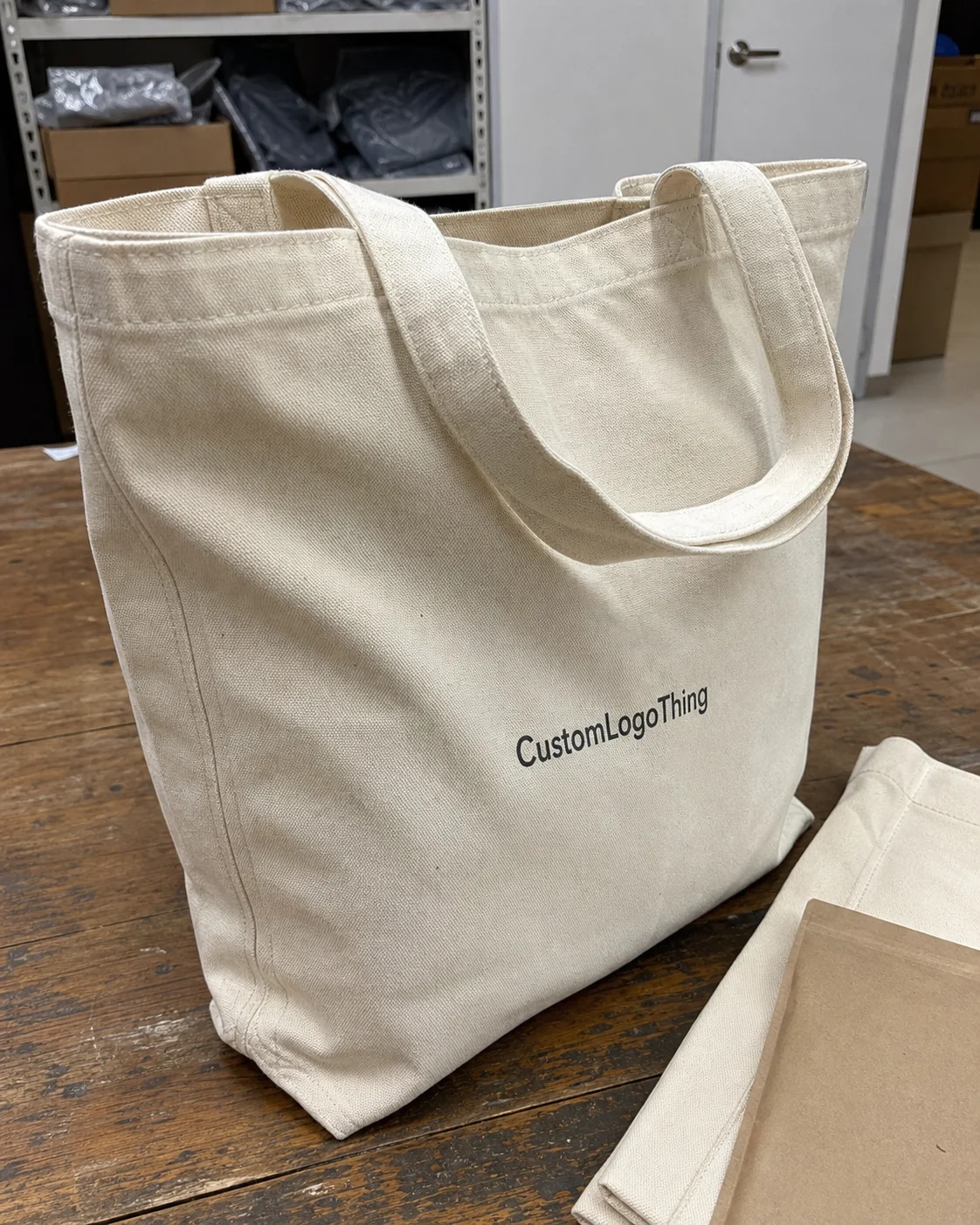
A tote is not just a carrier. It is a moving ad that keeps working after the sale. That is the basic reason custom designed tote bags keep showing up in retail launches, museum shops, trade shows, brand activations, and gift-with-purchase programs. A well-made tote travels farther than disposable packaging and stays visible long after the original transaction is forgotten.
From a buyer’s perspective, the appeal is simple. Totes combine utility, presentation, and a lower-waste story than single-use bags. They also give customers something they can actually use. That matters. If the bag feels sturdy and looks considered, people keep it. If it feels flimsy, it gets stuffed in a drawer or tossed. No mystery there.
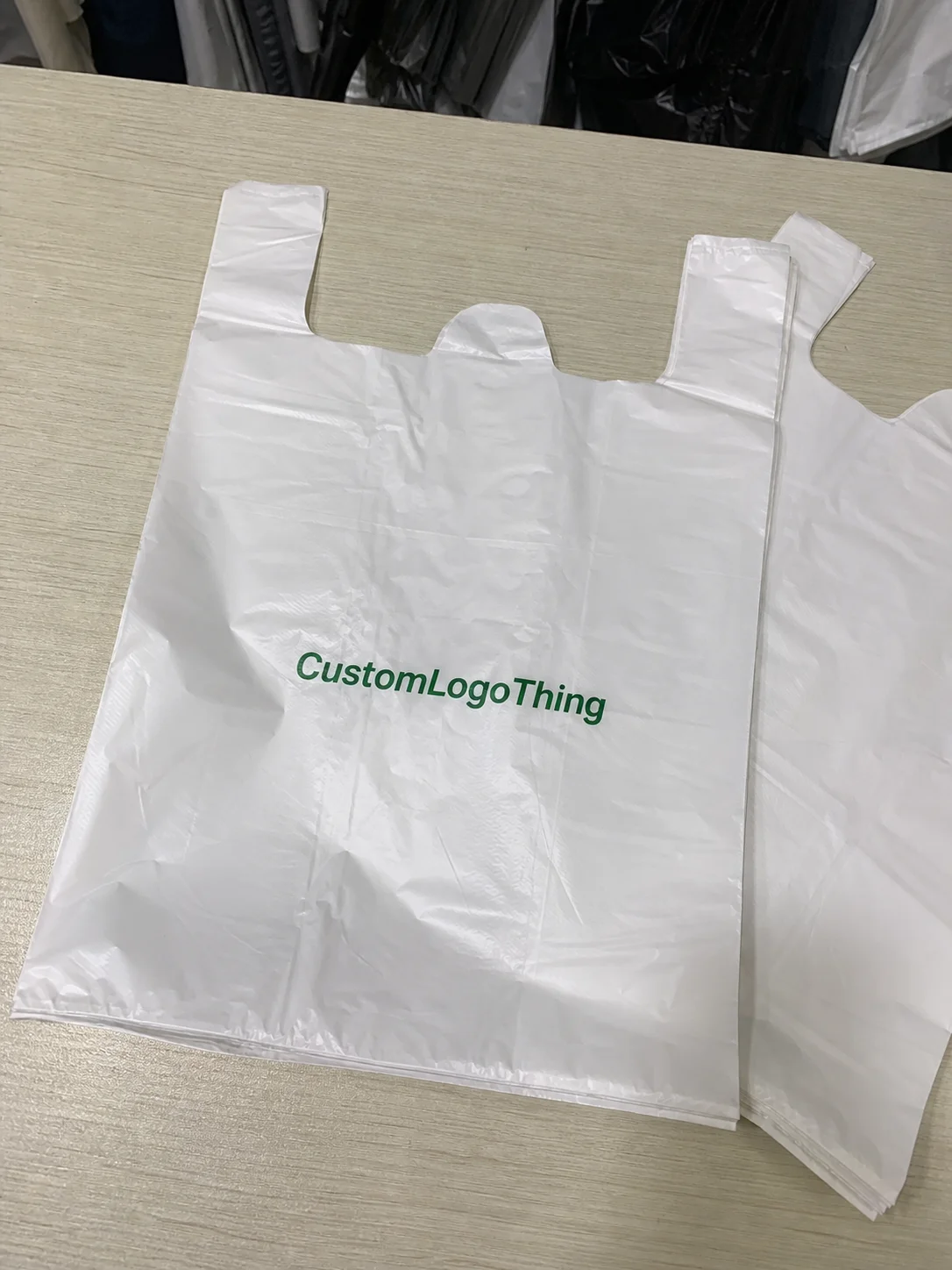
Different programs need different tote behavior. A soft cotton tote for a boutique launch behaves differently from a laminated nonwoven bag for an event, and both are different again from a structured promotional tote carrying heavier merchandise. The use case should drive the material, handle style, and print method. Treating custom designed tote bags like a generic promo item usually produces a bag that looks fine in a mockup and mediocre in the real world.
One practical question helps narrow the brief fast: should the bag disappear into the background, or should it signal value the second it is handed over? That answer affects structure, decoration, and finish more than the logo does.
How Tote Bag Printing and Construction Work
Every tote starts with a few decisions: base material, bag shape, handle length, gusset depth, decoration area, and reinforcement points. Those details sound minor. They are not. A 10 oz cotton tote with stitched seams and a boxed gusset feels completely different from an 80 gsm nonwoven bag with welded handles and a flat bottom. Same category, different outcome.
Decoration method matters just as much. Screen printing is usually the cleanest option for bold logos, spot colors, and durable runs. Heat transfer and digital methods handle more detail, gradients, and multiple colors better, especially when the artwork includes fine lines or image-based graphics. If the design is simple, screen printing often keeps the price in check. If the artwork is complex, a transfer method may preserve detail that would otherwise get lost in the weave or texture.
The production flow is usually straightforward, but each step can introduce error if the brief is vague. Artwork is cleaned up, the print area is confirmed, material is prepared, pieces are cut, handles and seams are stitched or bonded, and the order is inspected before shipment. On tight timelines, proof approval becomes the bottleneck more often than the press run itself.
Construction choices shape both look and performance. Reinforced handles reduce failure risk. Boxed corners increase usable volume. A stiffer body makes the bag feel more premium. A lighter build reduces cost and shipping weight. If the tote is meant to carry real merchandise, test it with real merchandise. That sounds obvious until a bag that looks great empty fails once the actual load goes in.
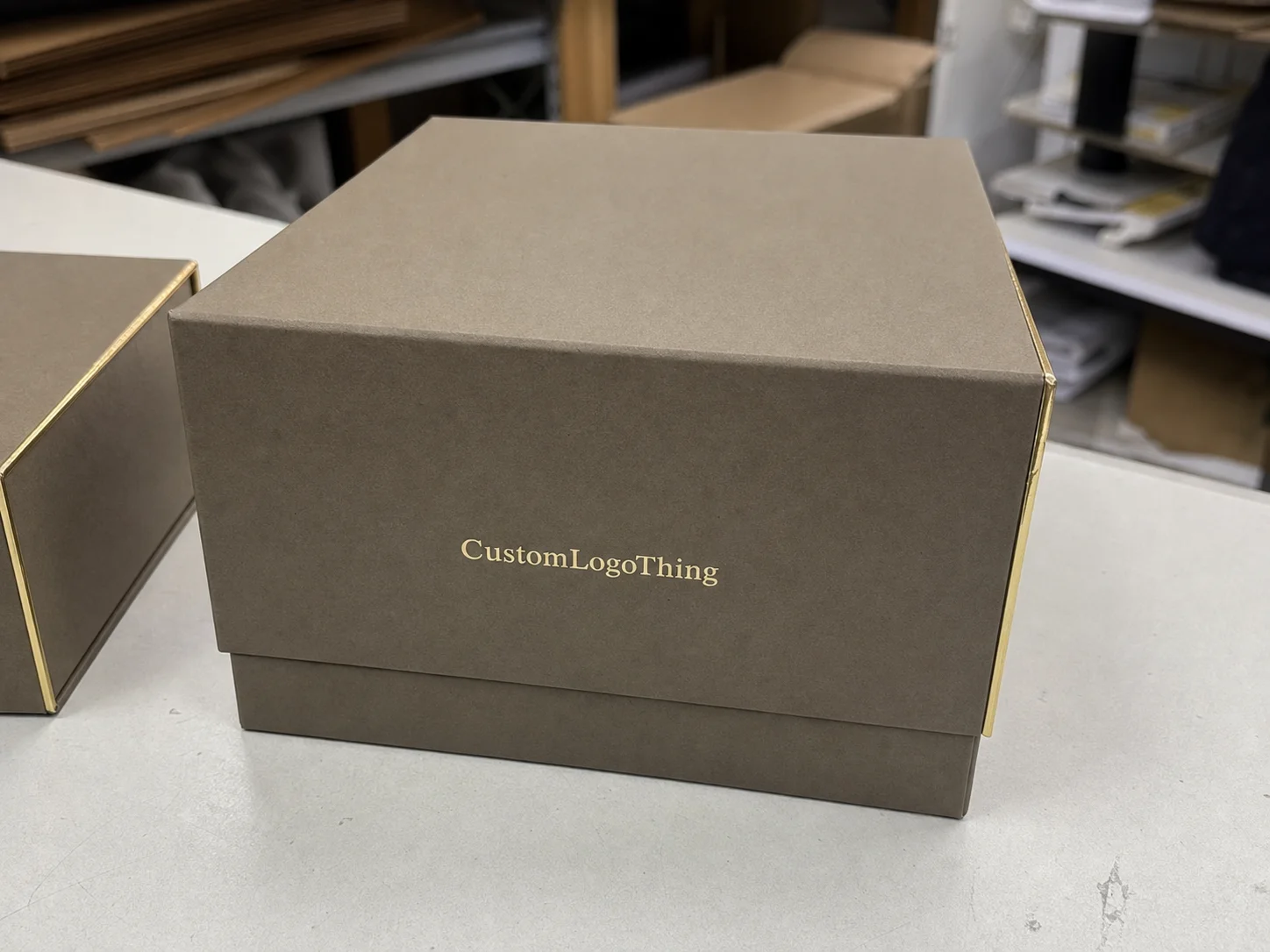
For brands comparing totes with other branded packaging, the tote should sit in the same system as the box, insert, and shipper. If the materials and graphics feel disconnected, the package feels assembled rather than designed. That is a small difference on paper and a very visible one in hand.
If the tote will carry actual product, test it with the actual product. Weight, shape, and sharp corners expose weak seams faster than any spec sheet.
Cost, Pricing, and MOQ Decisions That Shape the Order
The main cost drivers are predictable: material weight, bag size, print colors, print coverage, handle style, and finishing. Special details such as lining, lamination, custom labels, or added structure raise the price quickly. For custom designed tote bags, the jump from a basic one-color run to a polished retail-style tote can be substantial.
Unit price usually drops as quantity rises, but minimum order quantities can make smaller runs feel expensive. A 250-piece order often carries more setup cost per unit than a 5,000-piece order, even when the artwork is identical. Buyers sometimes focus on the per-unit quote and forget setup, proofing, sampling, and freight. Those extra pieces change the landed cost more than people like to admit.
Planning ranges are more useful than fake precision. Actual quotes vary by supplier, market conditions, decoration complexity, and shipping destination, but buyers often see something like this:
| Bag Type | Typical Use | Common MOQ | Indicative Unit Price | Notes |
|---|---|---|---|---|
| Nonwoven polypropylene tote | Events, giveaways, light retail carry | 500-1,000 | $0.55-$1.20 | Economical, fast to decorate, lighter hand-feel |
| Cotton canvas tote | Boutiques, lifestyle retail, premium gifting | 250-1,000 | $1.80-$4.50 | Better tactile feel, stronger perceived value, heavier freight |
| Laminated or structured tote | Merch kits, premium promotions, high-impact branding | 500-2,000 | $1.40-$3.75 | More structure, broader print options, more finishing steps |
That table is a planning tool, not a quote. It helps a buyer decide whether the brief belongs in a lightweight event bag or a more durable retail package. If the tote will be reused often, price it as a marketing asset, not just as a carrier. One bag that gets used twenty times is doing more work than most paid media placements ever will.
For sustainability-minded programs, ask whether the material contains recycled content, whether any paper components are FSC-certified, and whether the finished bag folds or ships efficiently. If the program has to survive transit abuse, consult testing resources such as ISTA before placing a large order. Drop, compression, and vibration are not theoretical problems once the cartons are in the truck.
Production Steps, Lead Time, and Approval Milestones
The usual timeline starts with a quote, moves into artwork proofing, then sample or mockup approval, production, inspection, and shipment. That sounds tidy on paper. In real ordering, each handoff can add time if the file is messy or the spec changes after quoting. A missing Pantone callout or unclear print placement note can cost a day. Sometimes more.
Standard lead time depends on material and decoration method, but many tote orders land around 12 to 20 business days after proof approval, before freight. Rush orders can happen, though they narrow the material choices and raise cost. Freight should always be treated separately from production time, especially for launches and events that cannot slip. “It shipped” and “it arrived” are not the same thing.
The biggest delays usually come from three places: incomplete art files, color matching revisions, and construction changes after the quote. If the design includes fine text, ask for a larger proof size so legibility issues show up early. If the brand palette is strict, expect textile ink and fabric to behave differently than coated paper or custom printed boxes. A digital proof helps, but it will never be the same as a finished tote in hand.
For time-sensitive programs, lock the order earlier than the event date suggests. Launches move left. Shipping does not care. If the tote is tied to a seasonal drop, trade show, or store opening, build in buffer time for reproofing, transit, and one round of human error. That buffer is not luxury. It is the difference between usable stock and apology emails.
Spec Choices That Change Performance on the Floor
Material is the first signal customers notice. Cotton feels familiar and premium. Nonwoven polypropylene is lighter and more economical. Laminated options add structure, wipe-clean surfaces, and a more polished finish. None of them is automatically better. The right one depends on what the tote carries and what you want the customer to remember after they leave.
Dimensions matter more than many buyers expect. A logo can look balanced on a tall, narrow tote and crowded on a shorter, wider one. A 12 x 15 inch imprint area does not mean the whole area should be filled. White space often makes the bag look more expensive, especially in retail or gift-oriented programs. That same rule applies to packaging more broadly. Empty space is only wasted if it makes the design weaker.
Before approving a spec, check these points:
- Weight capacity and whether the tote has been tested with the intended load.
- Gusset width so boxed items, folded apparel, or rigid kits fit without bulging.
- Handle drop so the bag can be carried comfortably by hand or over a shoulder.
- Closure style if the contents need extra protection or presentation control.
- Print placement relative to seams, edges, and handle attachments.
For buyers comparing custom designed tote bags with other branded packaging, the best choice is usually the one that matches the product, not the one with the largest decoration area. A small beauty set needs different structure than a stack of apparel. Heavy catalogs need different reinforcement than a lightweight promo insert. That sounds basic because it is basic. It still gets missed all the time.
Quality control should be concrete, not vague. Check print registration against the artwork proof. Verify handle stitch count and seam consistency. Confirm color against the approved standard under normal light, not just under a bright workbench lamp. Measure dimensions against tolerance, because a tote that is off by half an inch can still cause problems when the content is rigid or pre-packed. For retail programs, ask for carton pack counts and a quick count verification before shipping. Small mistakes get expensive once the cartons leave the dock.
Common Ordering Mistakes That Inflate Risk and Waste
The most common mistake is also the most expensive one: choosing the bag on price alone. A low-cost tote that fails to fit the product, feels flimsy in hand, or looks generic on shelf can hurt the brand more than it helps. Saving a few cents while losing the premium signal is a bad trade.
Artwork causes trouble too. Fine detail placed too close to a seam, edge, or handle attachment often prints poorly or wears badly. Small type can disappear into woven texture. Dark ink on dark fabric can flatten the logo unless the method and underbase are chosen carefully. If the artwork is complex, simplify it for the substrate instead of asking the material to do the impossible.
Color is another trap. Brand teams often expect textile ink to behave like coated paper, but those surfaces are not the same. Proofs help, but they only go so far. For strict brand palette work, ask for a realistic production proof and confirm whether the supplier can match the intended color range or only approximate it. That difference matters when the tote sits beside cartons, inserts, or custom printed boxes.
Quantity mistakes happen in both directions. Underordering raises unit cost and risks running out mid-campaign. Overordering leaves inventory sitting in a back room until somebody decides it is “for next year.” Better to model expected use, add a modest buffer for spoilage and reorders, and choose a quantity tier that makes financial sense. Custom designed tote bags are only useful if they get used.
Transit and storage get ignored more often than they should. Totes can crease, stain, or deform if packed badly. If the order will travel a long distance or sit in a warehouse, ask about carton counts, compression, and outer case labeling. The tote itself matters, but the way it arrives matters too. A premium bag in a crushed carton is still a problem.
Expert Specs Checklist and Next Steps for Ordering
Before you request pricing, gather the basics: use case, target quantity, material preference, dimensions, print method, budget, and delivery window. That one step saves time and keeps the quote honest. It also reduces the chance that a supplier has to fill in missing details with assumptions.
A solid quote request for custom designed tote bags should include artwork files, the expected load, number of print colors, whether you want a sample or mockup, and how the bags will be used. Event giveaways can tolerate lighter construction. Retail programs usually need better finishing. Merch bundles often need more structure. Those are not small differences. They change the bag and the price.
If the tote is tied to a launch, ask for a sample or proof. If it is for ongoing retail use, compare a few spec combinations side by side. That is usually more useful than chasing the lowest number on a quote sheet. A buyer who narrows three real options makes a better decision than one who approves a vague idea and spends the next week correcting avoidable problems.
For teams already comparing formats, it helps to review Custom Packaging Products alongside tote options so the full customer experience stays consistent. The bag should support the product, not compete with it. It should also look like it belongs to the same brand system as the rest of the branded packaging.
My short version: start with the use case, choose the material that fits that use, and confirm the print method before chasing the lowest price. Do those three things and custom designed tote bags become a reliable branding asset instead of a budget surprise.
What should I check before ordering custom designed tote bags?
Confirm the tote size, material, print method, and intended load so the bag fits the real use case. Ask for artwork requirements early so the design can be adjusted before proofing.
How do custom designed tote bags pricing and MOQ usually work?
Pricing is typically driven by quantity, material, print complexity, and setup requirements. MOQ matters because smaller runs often carry a higher unit cost than larger orders.
What is the typical lead time for custom tote bag orders?
Lead time usually includes proof approval, production, quality checks, and shipping separately. Rush orders are possible in some cases, but they can increase cost and reduce material options.
Which printing method is best for custom designed tote bags?
Screen printing is often efficient for bold logos and simple color builds. Digital or transfer methods can be better when the artwork is more detailed or color-heavy.
How can I make custom designed tote bags feel more premium?
Use a sturdier material, cleaner artwork placement, and proportions that leave enough visual breathing room. Add reinforcements, structured shapes, or refined finishing if the bags will be tied to retail or event gifting.