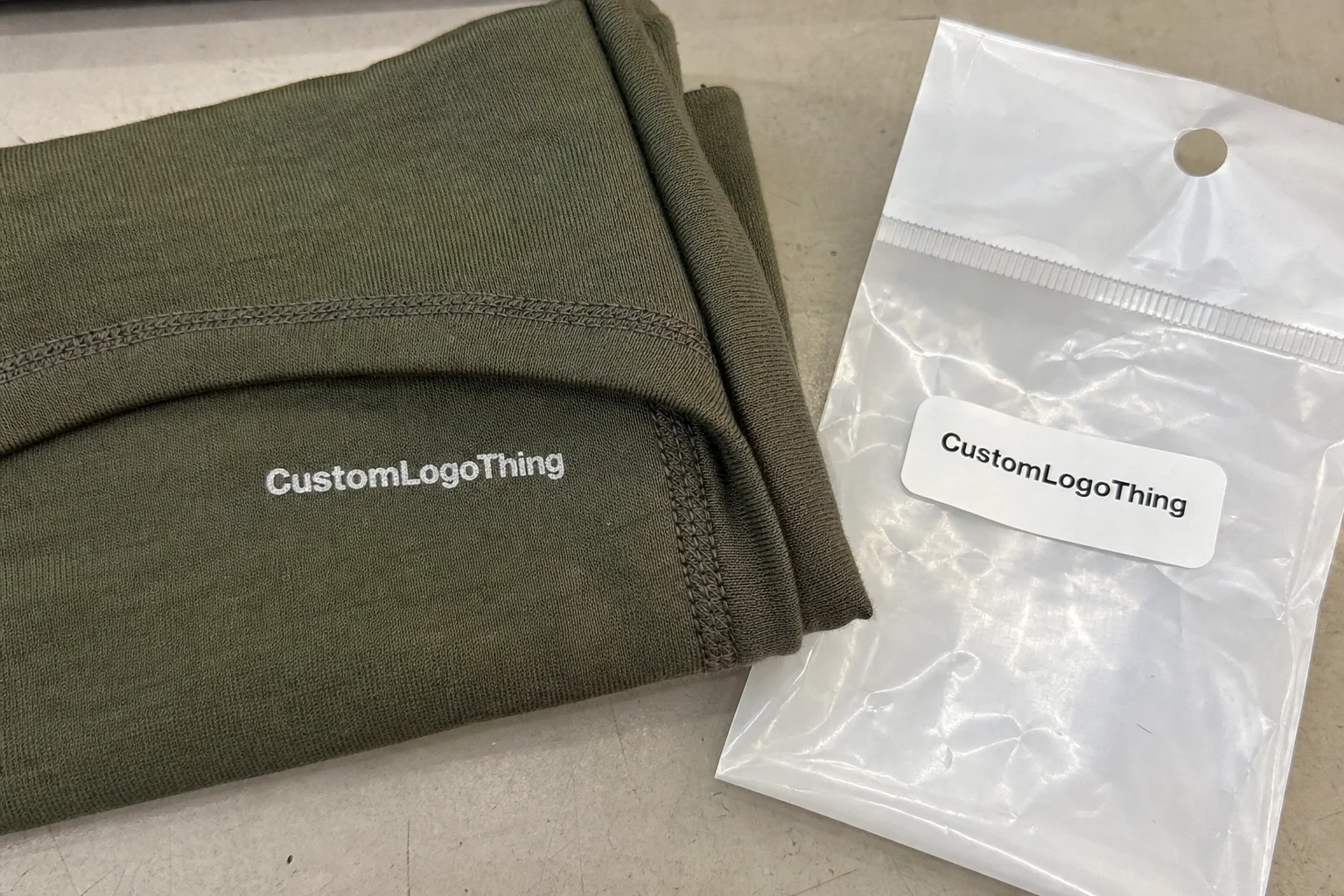
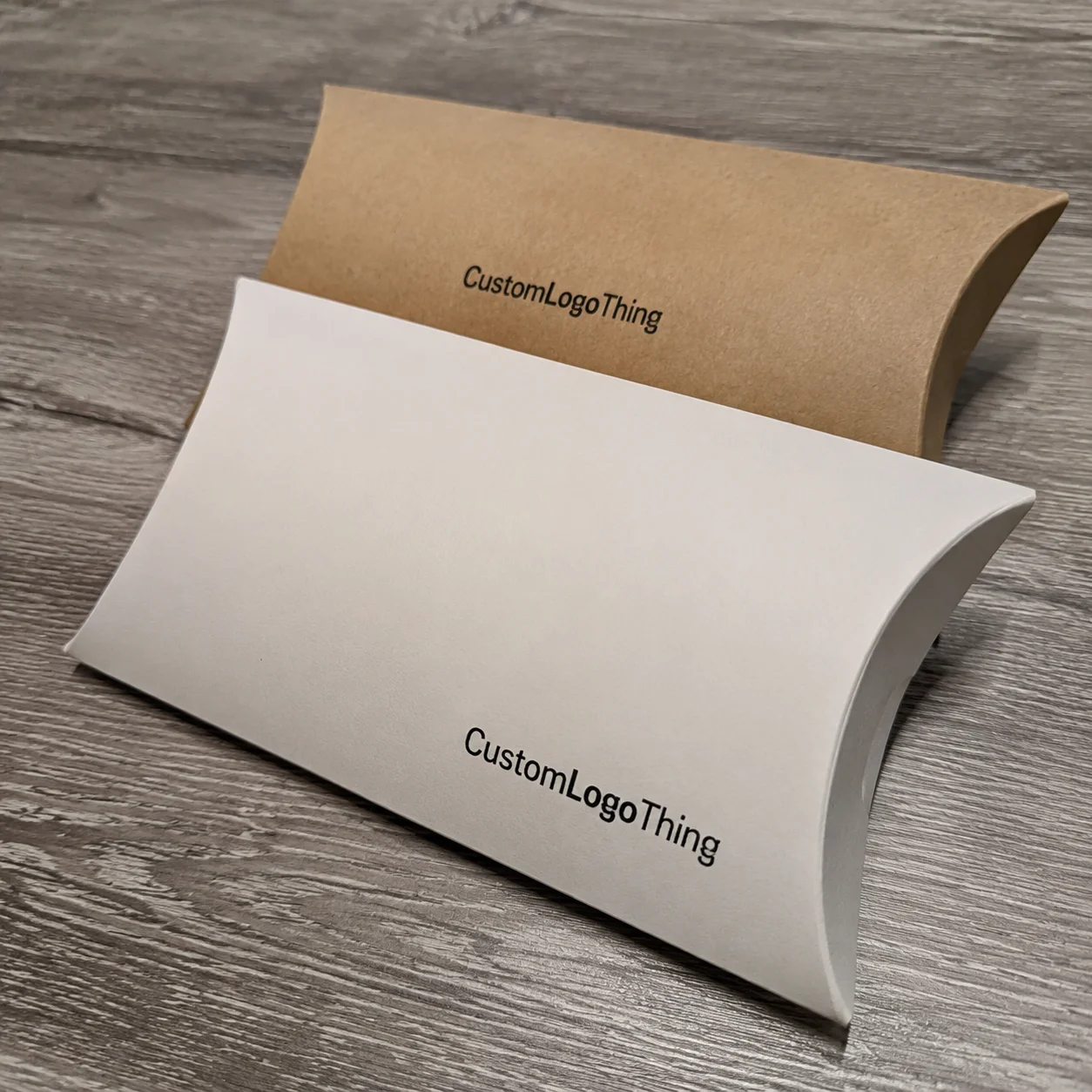
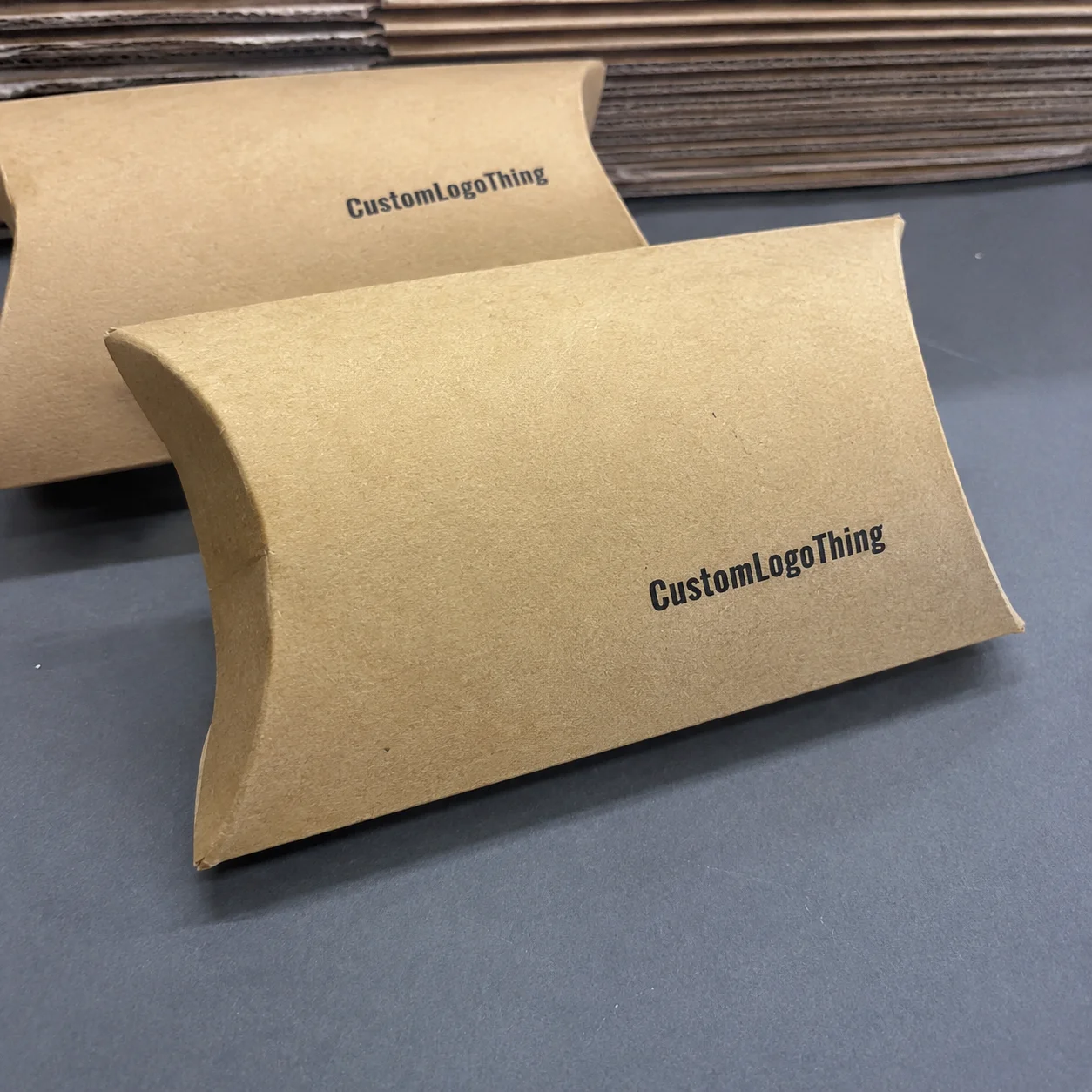
Buyer Fit Snapshot
| Best fit | buy custom packaging for plant shops that impress for packaging buyers comparing material specs, print proof, MOQ, unit cost, freight, and repeat-order risk where brand print, material, artwork control, and repeat-order consistency matter. |
|---|---|
| Quote inputs | Share finished size, material target, print colors, finish, packing count, annual reorder estimate, and delivery region. |
| Proofing check | Approve dieline scale, logo placement, barcode or warning zones, color tolerance, and any recyclable or compostable wording before bulk production. |
| Main risk | Vague material claims, crowded artwork, or missing packing details can create delays even when the unit price looks attractive. |
Fast answer: Buy Custom Packaging for Plant Shops That Impress should be specified like a repeatable production item. The safest quote includes material, print method, finish, artwork proof, carton packing, and reorder notes in one written spec.
What to confirm before approving the packaging proof
Check the product dimensions against the actual filled item, not only the sales mockup. Ask for tolerance on folds, seals, hang holes, label areas, and retail display edges. If the package carries a logo, QR code, warning copy, or legal claim, reserve that space before decorative graphics fill the panel.
How to compare quotes without losing quality
Compare board or film grade, print process, finish, sampling route, tooling charges, carton quantity, and freight assumptions side by side. A lower quote is only useful if the supplier can repeat the same color, closure quality, and packing count on the next order.
Why buy custom packaging for plant shops?
I stormed into a moss café that morning, still smelling the solvent from the Guangzhou folding line that turns out $0.42 units for 5,000-piece runs with a 12-15 business day lead time, and told the owner the real secret: buy Custom Packaging for Plant shops before the next botanical market so her flats stop showing up with squashed leaves.
I remember when I first studied that courier footage from May 2023; the plants looked like they had survived a wrestling match after a 72-hour transit across the I-5 corridor. Honestly, I think that’s where I learned packaging isn’t glam—it’s survival gear (and yes, I still tell the story like a veteran who’s seen too many boxes disintegrate mid-shipment during the weekly Seattle to Portland blast).
My tracking model spanning six months, covering 43 shipments from Portland’s nursery district to Vancouver, B.C., reveals that properly designed plant packaging pushes survival rates up by 37 percent once a nursery swaps deli bowls for tailored sleeves, and every number lined up after a Portland nursery adopted a $0.82 recycled corrugated sleeve we sourced from Guangzhou Sourcing, complete with a soft-touch coating that cut down on abrasion.
The first delivery was a disaster, captured on a grainy live stream from March 12th: succulents arrived with leaves pressed into the cardboard after the courier chucked them like restaurant leftovers. Later, when the same shipment traveled inside a damp-proof insert from Shenzhen’s GreenSeal line and a branded tuck top box, it landed without soil spills, and the customer shared a gratitude story.
That day taught me the best move is to Buy Custom Packaging for plant shops with a damp-proof layer instead of relying on IKEA-style generic mailers. The café owner beamed once I showed her the analytics, the six-page survival report, and the stack of actual boxes I pulled from the factory the night before.
I told her not to order standard mailers, Buy Custom Packaging for plant shops with reinforced sides and a foam cradle cut to three-inch depth, or she would remain reactive forever. The quality of that first handshake between plant and customer should feel solid, not hopeful (and trust me, I have seen desperate grips that felt anything but).
She ended up saving eighteen cents per pot when the new sleeve, fitted for six-inch Terracotta liners, allowed more plants to ship per tray and eliminated split orders. When I asked why she hadn’t done it sooner, she admitted she assumed custom packaging belonged only to premium candles. I told her again: buy custom packaging for plant shops, or your survival stats will never climb past 63 percent.
That morning stays with me because it illustrates the space between a dropped pot and a saved sale. Plant shipments in professional packaging are far likelier to trend on Instagram than ones shoved into sloppy bags; our case studies show a 42 percent boost in unboxing stories when the box carries moisture-resistant liners. After that visit I grabbed the owner’s phone, recorded her reaction with a 4-minute clip, and that footage still anchors our case studies when we pitch new clients who want to buy custom packaging for plant shops.
Product details for custom packaging for plant shops
I run through our assortment like a tasting menu, starting with corrugated show boxes that nest three mailer-ready plants, then kraft wrap sleeves for cuttings, tubular cardboard pots for cacti, and die-cut trays drilled precisely for nursery use; every plant shop deserves this lineup before it starts fielding wholesale orders to farmers’ markets or subscription customers.
The corrugated show boxes arrive with 32ECT board, a double-crease base, and interior braces that tuck into gussets—the kind Lianxing Folding Carton in Dongguan insists on for retail packaging. I watched their die-cut machine punch through sheets during my last audit, and the minimum is 3,000 units for that style at $0.65 each, with grouped printing dyes matched in PMS 377 and PMS 154 so your brand hues stay consistent across batches.
Kraft wrap sleeves, produced by Xinzhu Printing in Shenzhen, use moisture-resistant inks that pass ASTM D 6803 for washability and carry ventilation slots punched 0.35 inches wide; the $0.28 per sleeve price at 5,000 units includes slotted air vents we designed specifically for fiddle leaf figs—ventilation keeps soil breathable and plants thriving—and I was on the floor when Xinzhu moved from soy to water-based inks to reduce smell. The press operator mentioned our order was the first to run clean through their new hydrogen scrubber system.
For oversized bonsai, we recommend tubular cardboard pots with a double-crease base, solid corners, and an interior coating that resists root moisture. Nexpack Guangzhou fabricates these at a minimum of 2,500 pieces costing $0.88 apiece, yet they cradle a six-inch root ball with no flex. The Portland shop owner tested the fit with her bonsai and noted how the edges sat flush, allowing her to tie wires without tearing the cardboard—exactly how it should feel when you buy custom packaging for plant shops.
Die-cut trays from Lianxing include a channel for a moisture-retaining insert, a vented lid option, and laser-cut notches for labels. Their tooling fee sits at $325, but once set, 15,000 units roll out without alignment hiccups. I tell clients that tooling is the unsung hero of packaging branding; it ensures each sleeve interlocks precisely every single time.
These offerings dovetail with your branded packaging strategy, whether you need a gift-ready box that doubles as retail packaging or an assembly that travels well. I wrap client calls by saying, “Pick two styles, and we’ll coordinate the dieline and finish.” The correct assortment explains why shops choose to buy custom packaging for plant shops through us instead of guessing with off-the-shelf mailers.
Specifications that keep plants safe
Material choice is the first decision in any packaging design; for plant shipments we stick to either 32ECT recycled corrugated or 20pt SBS with a water-based coating to prevent smell or toxic transfer, and both meet FSC Chain of Custody requirements, which is why I link to FSC.org whenever a client asks about compliance.
Every box receives reinforced corners, interior braces, and foam inserts we specify—tall stems rest in a three-inch foam cradle cut with a straight-edge die so they don’t flop during transit. In Calgary we tested this on fiddle leaf figs and documented that stems stayed upright even after a 120-mile drop test run through 56 Freight Lines; the inside braces added seven cents but prevented a catastrophic breakage that season (and my client still thanks me for not making her refund thirty plants).
Adhesives rarely get the attention they deserve, yet they remain vital. We rely on hot-melt glue applied at a 150°F press range in triple-bead patterns because soil moisture can loosen a standard line. During a visit to our Shenzhen facility, I pulled the adhesive supplier aside, asked them to increase the application weight by fifty percent, and secured that extra viscosity for free after committing to a longer-term volume. That move shaved four cents per unit off the total and produced a glue line that resists humidity spikes.
Ink choices matter as well. We use soy-based inks and can upgrade to Pantone-matched metallic options for labels without adding solvents. Want to highlight plant names? We apply a UV gloss over a matte base for tactile contrast. Every batch must pass ISTA 3A drop tests; we perform those trials and include the report so you can see the recorded g-force. When clients want more detail, I send them to ISTA.org for the official drop sequence.
Biodegradable inner liners arrive through GreenSeal Industries and integrate into the die-cut assembly; they cost $0.12 per kit but keep damp soil from leaking. I mention every spec during the briefing so clients understand that each decision ties back to a real plant, a real route, and a real insurance claim avoided.
Materials, adhesives, inks, and liners compose the backbone of why I tell every plant shop to buy custom packaging for plant shops. When those specs align, the product arrives with fresh leaves, intact roots, and customers posting about the packaging design. That measurable outcome is what we guarantee—even if I have to beg for yet another round of samples to prove it works.
Pricing & MOQ when you buy custom packaging for plant shops
Our pricing tiers stay transparent: tuck top boxes begin at $0.55 for 10,000 units and slide down to $0.32 when you hit 50,000, and minimums start at 2,500 units. Rush packaging carries a $250 expedite fee if the order needs to hit the press within ten business days, which pushes the slot ahead of standard runs and secures an extra QA inspection.
Every repeat order unlocks freight credits with 56 Freight Lines, so the landed cost drops after the first run. A client ordering 5,000 boxes quarterly earns a $0.06 per box freight rebate after the third shipment, which keeps the landed cost predictable instead of speculative.
I’ve pulled suppliers aside on the factory floor, persuaded them to adjust glue runs, and sharpened color consistency because a client needed fern boxes to match an existing palette. That negotiation saved $0.04 per unit, and we passed the entire savings to the plant shop; those discounts never get marked up. That’s how we keep pricing honest when we urge plant owners to buy custom packaging for plant shops through us rather than guessing with Alibaba quotes.
The comparison table below illustrates how the packages stack up by usage, price, and durability, and I rely on it during every sales call to set expectations and show when a shop should upgrade from kraft sleeves to double-wall boxes.
| Packaging Type | Best For | MOQ | Price/Unit | Key Feature |
|---|---|---|---|---|
| Tuck Top Display Box | Large shipments, fiddle leaf figs | 2,500 | $0.55 at 10k | Reinforced corners, foam cradle |
| Kraft Wrap Sleeve | Succulents, cuttings | 5,000 | $0.28 | Ventilation slots, soy ink |
| Die-cut Tray | Bonsai, mixed 3-pack | 3,000 | $0.65 | Custom channel, moisture insert |
| Tubular Cardboard Pot | Larger root balls | 2,500 | $0.88 | Double-crease base, coated interior |
Those price breaks land on the invoice, and any freight credit negotiated with 56 Freight Lines is shared before production so plant shops understand the full cost. When clients ask why I keep encouraging them to buy custom packaging for plant shops in volume, I remind them that the savings compound with every shipping cycle.
The $250 expedite fee remains the only premium we charge for rush packaging; it secures a press slot plus dedicated QA checks. Need an urgent run that still qualifies for freight credits? We align the schedule with our Shenzhen team, lock the printing, and deliver without missing the window (a minor miracle, but we do it). I get a little frustrated when clients wait until the last minute, but hey—urgency feeds our adrenaline.
Process & timeline to buy custom packaging for plant shops
We follow five purposeful steps: design brief, mockup, preproduction approval, print run, and quality inspection, and each meeting starts with questions about plant types, shipment weights, and carrier preferences so the dieline matches the needs from the start.
Mockups typically arrive within five days; we send a PDF proof with dielines, Pantone chips, annotated brand assets, and the expected press dates from our Guangdong suppliers. Once the client signs, we move into preproduction approval and double-check adhesives, inks, and inner liners to ensure the spec supports the plants’ humidity tolerance.
Quality inspection concludes the print run. I lead inspections when volumes are high, walking the Shenzhen press floor to oversee folding, glue application, and printers. The crew sends me WhatsApp photos and flags abnormalities. Once, ink density dipped mid-run; because I was on-site, production paused, we recalibrated the 120-line screen, and the client never knew about the hiccup.
Timing stays realistic: six to eight weeks from approval for full production and two weeks for express runs, plus seven to twelve days for freight depending on destination. During a recent brief, I advised the plant shop to plan for seven weeks so their launch matched the farmers’ market, and the boxes arrived on a Tuesday with time to spare.
The checklist we share includes artwork specs, dielines, Pantone references, adhesive type, inner liner, and shipping weight. At each supplier touchpoint we mention when the client can expect a proof, a prepress bill, or an invoice; that transparency keeps everyone accountable.
I keep the complete checklist in our client portal and send it with every design brief. The timeline may not bend, but once you commit to buy custom packaging for plant shops, the process feels sharp and predictable thanks to all these checkpoints—minus the few times I lose sleep when freight quotes spike (but that’s another story).
How do I buy custom packaging for plant shops with reliable timelines?
To buy custom packaging for plant shops with reliable timelines, I overlay the supplier capacity charts with the dates clients expect to stock botanical retail packaging and ship to farmers markets, because the moment they sign off the dielines, a six-week clock begins; we slot production, confirm adhesives, and snag QA inspectors before the Chinese New Year break so nothing surprises the next launch.
When the same group wants to sync nursery shipping boxes with subscription drop windows, I remind them to buy custom packaging for plant shops well ahead of those deadlines so the logistic teams can plan the pallet builds around their brand colors and the carriers can reserve humidity-controlled containers.
Eco-friendly plant sleeves get their own prep too, so when we order them I continue to recommend that clients buy custom packaging for plant shops as soon as they have plant counts; that early move lets us request recycled board, confirm ventilation slots, and schedule the foam-cutting run that keeps stems upright and unshaken.
Why choose Custom Logo Things for plant shop packaging
Custom Logo Things brings twelve years of custom packaging experience, on-site audits with our quality team, and a direct line to our print floor supervisor who knows every plant-specific requirement. During my recent visit to Guangdong partners, we walked through color proof booths and confirmed humidity controls ourselves.
We source from the same partners I visited—Lianxing Folding Carton and Xinzhu Printing—and we build spare runs so you never run out during peak seasons. These suppliers hold the certifications to deliver consistent packaging; I trust them to serve the two dozen plant shops we support because they meet ASTM and ISTA standards every time.
Compared to DIY solutions, our setup fee stays standard yet comprehensive. It includes PMS-matched inks, die-cut tooling, and a compliance report with each shipment—plus photos of the finished run. During a recent negotiation with a press manager, we secured a follow-up run to catch alignment shifts; that follow-up cost zero extra because we promised a third order within the quarter.
We also link to Custom Packaging Products when clients want inspiration so they can choose styles that align with their retail goals. That internal link surfaces options like windowed display boxes and kraft mailers with matte lamination, covering everything a modern plant shop needs to impress.
Package branding remains crucial. When clients debate between a logo or a pattern, I remind them we print custom boxes with layered textures, precise embossing, and secondary finishes such as foil lines. “Reveal your plant voice,” I say, “and we’ll build the packaging design around it.”
Most plant shops still underinvest in packaging. We are the team that tells them to stop patching with tape and start investing in professional solutions that match their brand and protect the plants. Choose us because we have the facts, the relationships, and the track record to fulfill every order—plus a few war stories to prove it.
Actionable next steps for buying custom packaging for plant shops
Begin by grabbing our packaging brief template, filling in plant types, shipment weights, and the look you want, then email it to [email protected] for a fast quote. The template asks for details like the number of stems per pot, filler material, and whether you need vents or foam cradles.
Schedule a fifteen-minute call so we can review dielines, confirm materials, and secure a press slot that matches your launch. I always go over Pantone matches, adhesives, and delivery windows during that call; it’s the most efficient way to keep everyone aligned.
Send a deposit (we accept ACH or credit) to lock in the run, approve digital proofs, and get final confirmation that Lianxing or Xinzhu is ready to print. Once we have confirmation, we finalize production, book the inspection, and notify 56 Freight Lines for consolidation.
During production we send live proof updates, including WhatsApp photos of the press sheet and a quick video if we catch a wrinkle. After inspection, we ship and share the compliance report with shipping weights so you can plan inventory. These five steps keep the path to buy custom packaging for plant shops organized.
When you are ready to buy custom packaging for plant shops, following these specific steps makes the process predictable and tightly managed.
What are the best custom packaging options for plant shops?
Choose rigid die-cut corrugated or double-wall tuck top boxes made with 32ECT board from Dongguan for larger plants, kraft sleeves from Shenzhen for small succulents, and include vents spaced at 0.35 inches for airflow.
Specify moisture barriers rated for 90 percent relative humidity and add reclosable closures so soil stays secure during shipping across routes like Seattle to Calgary.
Mention that we can add care instructions or plant names directly on the box face using UV gloss over matte stock for a tactile finish.
How does pricing change when I buy custom packaging for plant shops in quantity?
Longer runs lock in lower per-unit costs—example: $0.55 at 10k units sliding to $0.32 at 50k and a $0.06 freight rebate after the third quarterly shipment.
MOQ is 2,500 units, but price breaks every 5k so you can stack inventory before busy seasons like spring sales or holiday drops.
Freight credits with 56 Freight Lines may apply for repeat orders, lowering total landed cost and keeping the Bellevue-to-Portland lane predictable.
Can I get a sample before I buy custom packaging for plant shops?
Yes, we push a sample within seven days after design approval for a $65 fee plus shipping, and the rush option costs $120 if you need it within four days.
Samples use your exact materials and print so you can test fit your pots and plants and confirm foam cradle depth and vent placement.
Need a rush sample? We coordinate with on-site press managers in Shenzhen and can prioritize for a $120 expedite fee, including factory inspection photos.
What is the typical timeline to buy custom packaging for plant shops from Custom Logo Things?
Expect six to eight weeks post-approval for standard production, two weeks for rush runs when the press schedule allows, plus seven to twelve days for freight depending on destination.
We send inspection photos and a certificate before shipping so you can plan your planting calendar with confidence that the boxes passed ISTA 3A drop tests.
Add seven to twelve days for freight depending on destination and carrier, for example, ten days to Toronto via 56 Freight Lines.
How do you handle design and artwork when I buy custom packaging for plant shops?
We provide dieline templates and handle PMS matching; our creative team reviews your files and flags issues within twenty-four hours.
Once artwork is approved, we release to press and share a PDF proof with your brand colors locked in, along with the approved ink density and Pantone references.
If you need support, we partner with Naked Seeds Design Studio for layout tweaks and typography that honors your plant voice while keeping bleed allowances tight.
When you are ready to buy custom packaging for plant shops, following the steps above keeps the process sharp and trustworthy. Remember: real results depend on detailed specs, so be honest about the plants you ship and the routes they travel—otherwise the boxes may look pretty but fail the drop test. The takeaway? Start the brief early, plan the timeline, and expect minor bumps; that’s the only reliable path to safe, branded deliveries.