Buyer Fit Snapshot
| Best fit | Buy Custom Printed Mailers in Bulk projects where brand print, material claims, artwork control, MOQ, and repeat-order consistency need to be specified before quoting. |
|---|---|
| Quote inputs | Share finished size, material target, print colors, finish, packing count, annual reorder estimate, ship-to region, and any compliance wording. |
| Proofing check | Approve dieline scale, logo placement, barcode or warning zones, color tolerance, closure strength, and carton packing before bulk production. |
| Main risk | Vague material claims, crowded artwork, missing packing details, or unclear freight terms can make a low unit price expensive after revisions. |
Fast answer: Buy Custom Printed Mailers in Bulk: Pricing, Specs, and Process should be specified like a repeatable production item. The safest quote records material, print method, finish, artwork proof, packing count, and reorder notes in one written spec.
Production checks before approval
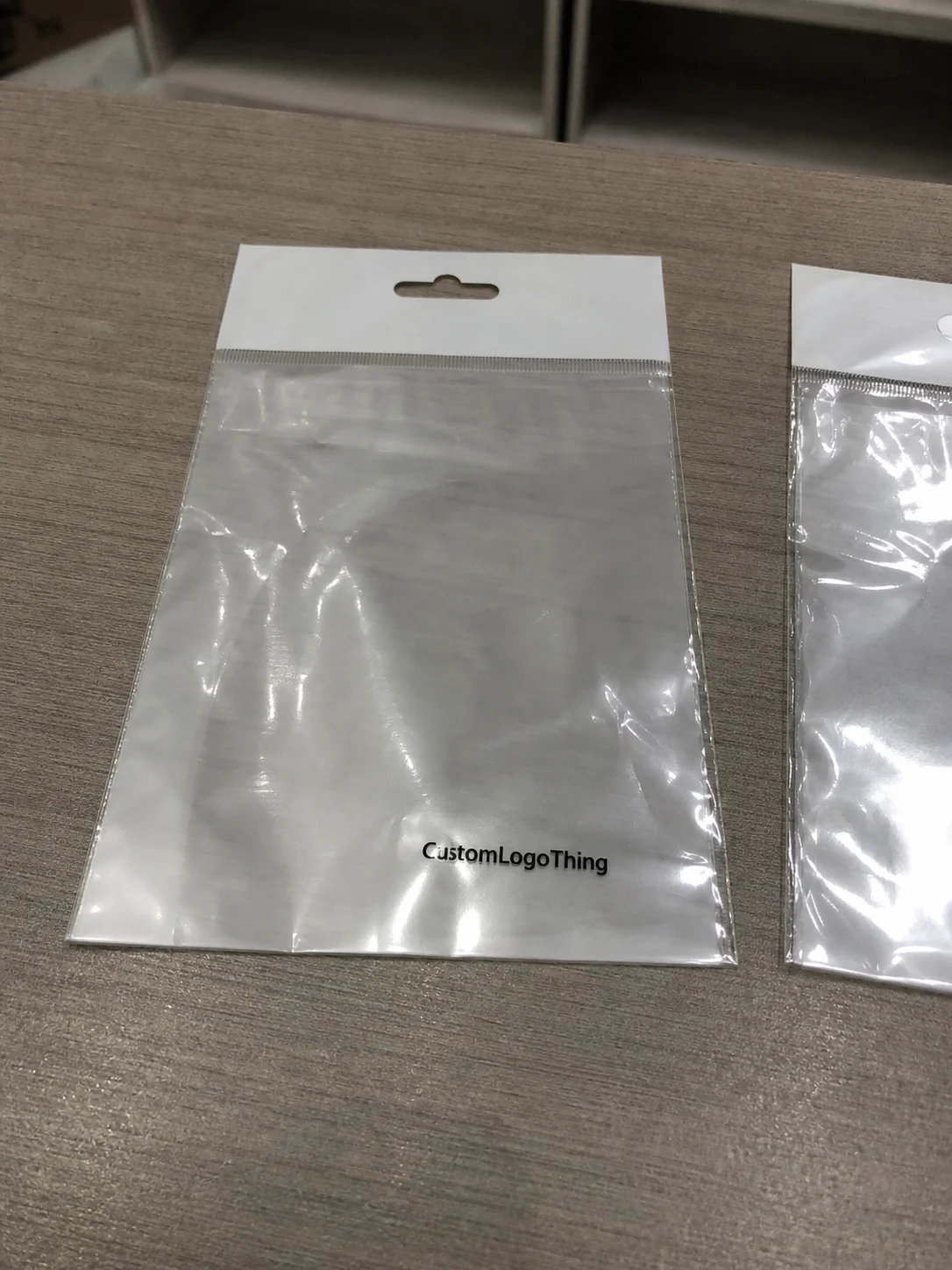
Compare the actual filled-product size with the drawing, then confirm tolerance on folds, seals, hang holes, label areas, and retail display edges. Reserve space for logos, QR codes, warning copy, and material claims before decorative graphics fill the panel.
Quote comparison points
Review material grade, print process, finish, sampling route, tooling charges, carton quantity, and freight assumptions side by side. A quote is only useful when the supplier can repeat the same color, closure quality, and packing count on the next order.
Brands that buy Custom Printed Mailers in bulk usually learn the same lesson after the first few quotes land in their inbox: the real savings show up once the job moves through a production line built for repetition. I remember standing on a film converting floor in Dongguan, where a 5,000-piece order looked expensive on paper, then watching the same construction at 25,000 pieces settle into a much better unit cost because press time, slitting, folding, and bag-making setup were spread across a far larger run. That difference matters for apparel labels, accessory brands, and subscription programs that need a steady packaging rhythm instead of a parade of one-off purchases, especially when the line is running 350gsm C1S artboard cartons in one bay and poly mailers in another.
Bulk buying is not only about shaving cents off a piece price. It keeps branding consistent, cuts down on reorder chaos, and prevents the mismatch that happens when one shipment leaves in plain mailers and the next goes out in branded packaging. I have seen that inconsistency confuse customers more than once, especially for direct-to-consumer labels trying to build trust quickly. Honestly, consistency gets underrated a lot. If you plan to buy Custom Printed Mailers in bulk, you are buying predictability as much as you are buying packaging, and that predictability carries weight in branded packaging, package branding, and everyday product packaging alike.
There is a practical upside people overlook. A printed poly mailer adds very little freight weight, yet it can lift the unboxing moment in a way that plain shipping cartons sometimes cannot, especially for soft goods. On the factory floor, I have watched jobs run cleaner when artwork was planned correctly: rollstock printing held tighter registration, seam integrity checks caught weak spots before carton-out, and finished mailers arrived more consistent from case to case. Steady volume makes it much easier to buy custom printed mailers in bulk without turning every reorder into a fresh negotiation with five different people and a spreadsheet that somehow grew legs.
“The brands that do best with mailers are the ones that think in monthly volume, not one-off orders. Once the quantity is stable, the whole program gets easier to manage.”
Why Brands Buy Custom Printed Mailers in Bulk
Buyers are often surprised that branded mailers can cost less than expected once the order is scaled on equipment designed for long, repeatable runs. In a Shenzhen converting plant I visited, the operators were running multi-up lanes of mailer film, and the gap between a small run and a bulk run was obvious: setup time, color adjustment, and waste were all spread across more units, which brought the cost curve down in a way that plain quoting sheets do not always make clear. That is why companies choose to buy custom printed mailers in bulk instead of treating every shipment as a separate purchase, and why a 10,000-piece run often prices very differently from a 1,500-piece test order.
The business value is straightforward. Lower unit cost is part of it, but so is consistency across fulfillment centers, seasonal launches, and warehouse replenishment cycles. If you are shipping 2,000 to 10,000 parcels a month, bulk buying helps keep the same mailer spec on hand, which reduces packaging mismatches between orders and avoids the awkward moment where customer service says one thing and the package on the doorstep says another. For growing labels, that consistency is a form of brand control, and it is one reason many teams decide to buy custom printed mailers in bulk once the monthly volume becomes predictable, often after their second or third replenishment cycle in a year.
There is another layer here that has nothing to do with price alone. Printed mailers support unboxing, recognition, and trust without adding much weight or freight expense. I have seen apparel brands move from plain gray poly to a simple one-color logo mailer and immediately look more established, even though their material spend barely changed. That kind of improvement matters in retail packaging and direct-to-consumer shipping, especially when the package is the first physical touchpoint the customer sees. Teams that want to buy custom printed mailers in bulk are usually after that same practical lift in presentation, whether they ship from Los Angeles, Newark, or a third-party warehouse in Atlanta.
From the factory side, scale helps quality, too. Rollstock printing on a properly tuned line gives tighter registration than rushed small-batch printing, and seam checks are easier to standardize when the mailer spec stays fixed. In one supplier meeting, I watched a buyer compare three quotes and assume the lowest one was best, until we pointed out that one quote used a thinner film, a narrower seal, and lighter ink coverage. The price looked good until the build was compared piece by piece. Experienced buyers buy custom printed mailers in bulk only after they compare structure, not only the unit cost, and they usually ask whether the film is 2.5 mil, 3.0 mil, or 3.5 mil before signing off.
Bulk buying works best for companies with predictable monthly volume, subscription shipments, e-commerce fulfillment, or multi-SKU programs where the mailer is part of a repeatable process. A one-time campaign with uncertain demand may justify a smaller order. The honest answer is simple: not every brand needs to buy custom printed mailers in bulk immediately, but once the run rate stabilizes, the economics usually improve quickly, especially when you are ordering 5,000 pieces or more at a time.
Buy Custom Printed Mailers in Bulk: Material Options and Construction Details
When buyers start to buy custom printed mailers in bulk, the material conversation usually begins with polyethylene, and for good reason. The most common constructions are low-density polyethylene (LDPE), co-extruded film, recycled-content film, and tamper-evident security mailers. Each one behaves a little differently on the line and in the field, and the right choice depends on product weight, shipping environment, and the look you want your customer to see on the porch or in the mailroom. A mailer made in a Guangzhou facility may feel different from one run in a Suzhou plant if the resin blend, seal pattern, and extrusion die settings are not matched carefully.
LDPE mailers are popular because they are flexible, light, and easy to seal. Co-extruded films are often a stronger fit when you want a tougher outer layer and a more forgiving inner layer, which can help with puncture resistance and print presentation. Recycled-content films have become more common as buyers look for practical sustainability options without moving away from poly performance. Security mailers are built for tamper evidence, opacity, and controlled access, which makes them useful for high-value soft goods, membership kits, or confidential shipments. If you plan to buy custom printed mailers in bulk, material choice should be part of the quote review from the start, not something added after the artwork proof is already circulating.
Several format choices change how the mailer feels in use. Some brands want a plain exterior with a printed inside, which creates a subtle reveal when the customer opens the package. Others prefer a full exterior print with a one-color logo that stays clean and economical. Multi-color branding can look excellent, but it takes tighter press control and usually adds cost. In my experience, one-color brand marks on a well-sized mailer often outperform busy artwork because the package reads clearly from a distance. That is especially true for apparel and accessories brands trying to make custom printed boxes and mailers feel like part of the same package branding system, whether the job is shipping from a warehouse in Dallas or a fulfillment center in Toronto.
Practical features Matter More Than most people realize. A self-seal adhesive strip should close firmly after one pass, not after the customer has to press and re-press the flap. A tear strip can improve opening behavior, but only if the film and seal design support it correctly. Opacity is critical if the contents should not be visible through the wall. Puncture resistance matters for zippers, belts, hardware, and boxed items with sharp corners. Waterproof performance matters everywhere, especially for e-commerce deliveries that may sit on loading docks or porch steps. If you want to buy custom printed mailers in bulk, ask for the construction details, not only the artwork mockup, and ask whether the adhesive is a 1.5 cm permanent seal or a wider tamper strip.
Film gauge changes the feel of the mailer in a very real way. A lighter mailer may be fine for T-shirts or socks, while a heavier product often needs a thicker film or stronger side seams to avoid split corners. I have seen buyers try to save a fraction of a cent by specifying a thinner film, only to lose money later when returns rose because the package failed in transit. That is not theory; it happens. If you are planning to buy custom printed mailers in bulk for items with any weight or edge profile, choose the structure that protects the shipment first, and do not accept a vague description like “durable” when the spec should say 2.75 mil or 3.0 mil.
Common use cases include apparel, accessories, soft goods, promotional kits, subscription bundles, and direct-to-consumer fulfillment. I have also seen beauty accessories, printed collateral, and folded textile goods shipped in mailers that were branded cleanly and economically. For many teams, the mailer becomes part of the broader retail packaging and product packaging strategy alongside inserts, labels, and Custom Packaging Products. If your order needs broader purchasing support, a Wholesale Programs arrangement can make repeated replenishment much easier to manage when you buy custom printed mailers in bulk.
- LDPE: flexible, light, economical, good for everyday e-commerce shipping
- Co-extruded film: improved strength balance, better feel, stronger shipping performance
- Recycled-content film: useful for sustainability-minded brands, depending on construction
- Security mailers: opaque, tamper-evident, designed for controlled access shipments
If sustainability is part of your sourcing criteria, review standards and claims carefully. The FSC program applies to paper-based materials, while recycled poly claims should be verified by the supplier with clear material origin details. For shipping performance, I also like to check common test references through the ISTA framework, because a mailer that looks good on a desk still has to survive handling, stacking, and transit. Those details help separate marketing language from actual performance when teams want to buy custom printed mailers in bulk.
Specifications to Confirm Before You Order
Before you buy custom printed mailers in bulk, confirm the basics in writing: width, length, usable interior space, film thickness in mil, print coverage, adhesive type, and flap depth. I have seen orders delayed because a buyer assumed the listed size referred to the usable interior space when, in fact, it was the outside dimension after sealing. That kind of detail matters. If the mailer is too tight, the seam takes stress; if it is too loose, the package looks sloppy and wastes material. Nobody wants a mailer that behaves like a stubborn suitcase at the airport, especially when the packout line is moving 600 units per hour.
The easiest way to size a mailer is to measure the folded product dimensions first, then add the closure allowance and a little clearance for a clean fit. For a soft item like a folded hoodie, you may need more room than expected because the air trapped inside the fold can create bulk. For thin accessories, a narrower mailer may be enough. A lot of buyers focus on artwork before fit, and that order is backwards. When you buy custom printed mailers in bulk, the first job is making sure the product physically belongs inside the mailer without forcing the seal, ideally with at least 10 to 20 mm of buffer on each critical side.
Print file requirements should be confirmed early. Ask for vector logo files, Pantone or CMYK targets, bleed requirements, safe area notes, and whether reverse print is needed on the inside or exterior. If the artwork has fine type, thin lines, or a complex gradient, get a proof from the supplier before production begins. I once worked with a brand that had a beautiful logo, but the thin script disappeared against the film because the ink choice and contrast were not discussed until after proofing. That is exactly the sort of thing that can derail a plan to buy custom printed mailers in bulk, especially when the print is being set up on a 4-color line in Ningbo.
Performance testing is not optional if the mailer is customer-facing and part of a repeatable program. Ask about seal strength, drop handling, and print adhesion after the film is formed. A decent supplier should understand the difference between ink that merely looks sharp at press and ink That Holds Up after folding, sealing, and shipping. For some programs, ASTM and ISTA-related test methods are worth referencing because they help the buyer and supplier speak the same language. If your team intends to buy custom printed mailers in bulk, testing is the shortest path to fewer surprises and fewer replacement shipments.
Request samples or a production proof before releasing a large order, especially if the mailer is part of a premium brand moment. A sample tells you more than a rendering ever will: the film hand feel, the opacity, the adhesive grab, the way the print sits on the surface, and the way the flap closes. I have sat in meetings where a client changed the entire spec after touching a sample because the mailer felt too slick or too thin for their brand. That is normal. If you want to buy custom printed mailers in bulk with confidence, sample early and sign off on the real construction rather than a mockup on a screen.
- Width and length: confirm outside and usable interior dimensions
- Film thickness: specify mil, not only “thick” or “durable”
- Print coverage: one side, both sides, inside print, or full wrap
- Adhesive: permanent seal, tamper-evident strip, or repeat closure if needed
- Flap depth: enough for reliable closing without wrinkling the film
Pricing, MOQ, and What Impacts Your Quote
Pricing is where most buyers start, but it should not be the only lens. When you buy custom printed mailers in bulk, the main cost drivers are material grade, size, print colors, number of printed sides, ink coverage, and total quantity. A larger mailer uses more film. A heavier gauge uses more resin. Full-coverage artwork takes more press control than a small logo in one corner. A two-color print is usually more complex than a single-color logo, and a security-style construction can add another layer of cost because of the structure and adhesives involved. Even the factory location, whether in Shenzhen, Dongguan, or Xiamen, can influence the final freight and setup math.
The quantity effect is real. Setup, plate creation, press registration, and converting time do not disappear on smaller runs; they are simply spread across fewer pieces. That is why a 3,000-piece run may price higher per unit than a 15,000-piece run even if the design is identical. In one negotiation with a buyer in the apparel sector, we compared two quotes that looked close at first, but the larger run won because the added quantity cut the effective setup burden sharply. If you want to buy custom printed mailers in bulk, quantity is one of the strongest tools you have for lowering unit cost, and a 5,000-piece order can often land in a much more efficient price band than 1,500 pieces.
Minimum order quantity expectations vary by supplier and spec. Custom printed mailers usually require a higher MOQ than stock mailers because the artwork, printing, and converting are tied to a specific job. Very small orders can sometimes be done, but the unit price usually reflects the setup cost more heavily. I tell clients to ask for the true minimum on their exact spec instead of guessing. A quote on one size and one film may not translate to another. If you plan to buy custom printed mailers in bulk, give the supplier the actual dimensions, print count, and target volume so the MOQ is meaningful, whether the job starts at 3,000 pieces or 10,000 pieces.
Hidden costs deserve attention, too. Freight can make a big difference if the shipment is large or if the factory and delivery location are far apart. Rush production may add a premium, and artwork revisions can cost time even if they do not appear as a separate line item. Special finishes, extra print sides, and custom carton pack-out instructions can also affect the final number. I have seen buyers focus on the unit price and then be surprised by freight, especially on heavy film orders leaving factories in Jiangsu or Guangdong. That is why anyone trying to buy custom printed mailers in bulk should compare landed cost, not only factory cost.
Compare apples to apples. If one quote uses 2.5 mil film, another uses 3.0 mil, and a third uses recycled-content film with different performance, the pricing gap means very little until the structures are normalized. The same is true for print method, dimensions, and adhesive type. Honest comparison is the only reliable comparison. If you want to buy custom printed mailers in bulk intelligently, review the same construction across every supplier bid and make sure each line item matches down to the seal width and film spec.
For reference, many programs fall into a range where a straightforward one-color Custom Poly Mailer might land around $0.18 to $0.42 per unit depending on size, material, and quantity, with larger quantities usually sitting toward the lower end of that range. For a larger repeat order of 5,000 pieces, some factories may quote closer to $0.15 per unit for 5000 pieces on a simple one-color build with standard LDPE film, while a 10,000-piece run can come down further if the artwork stays simple. That is not a promise; it depends on the build, the shipment lane, and the artwork complexity. Still, it gives buyers a useful working frame when they start to buy custom printed mailers in bulk and want to budget realistically.
- Material grade: LDPE, co-extruded, recycled-content, or security film
- Size: larger mailers use more resin and more press area
- Print complexity: one-color logo versus full-color branding
- Quantity: higher volume reduces per-unit setup burden
- Freight: shipping method and destination affect the landed cost
Order Process and Production Timeline
The order process should be simple, but only if the buyer is prepared. The usual path is quote request, artwork review, proof approval, production, quality check, and shipping. If you want to buy custom printed mailers in bulk without delay, have the dimensions, quantity, logo files, and target ship date ready when you request pricing. The cleaner the input, the faster the quote and proof cycle usually moves, especially when the supplier is already handling a queue of jobs from factories in Shenzhen and Ningbo.
Delays most often happen during artwork setup and proof revisions. That is where many first-time buyers lose days, sometimes weeks, because file resolution is too low, brand colors are not specified, or placement details are unclear. I remember a client in the promotional kit space who approved the general design but kept changing the logo placement by a few millimeters. On a mailer line, that small change becomes a real production question. If your team plans to buy custom printed mailers in bulk, lock the design decisions early and avoid asking the factory to chase moving targets.
On the manufacturing side, the flow usually looks like this: film extrusion or sourcing, printing, slit-and-fold, bag making, counting, and carton pack-out. Each stage has its own quality checks. Film thickness should be measured, print should be checked for registration and color consistency, the seals should be inspected, and carton counts should be verified before loading. When a plant runs well, those checks happen repeatedly, not only once at the end. That is one reason bulk orders often turn out cleaner than tiny rush jobs. If you want to buy custom printed mailers in bulk, you benefit from that repeatable manufacturing discipline, whether the line is in Dongguan or a coastal industrial zone near Qingdao.
Bulk orders may move faster once artwork is approved, but lead times still depend on factory schedule and shipping method. Ocean freight, air freight, or domestic forwarding all change the calendar. A repeat order is often faster than the first order because the supplier already has your spec and artwork on file, but I would still build in buffer time. For seasonal peaks, launch campaigns, or subscription relaunches, I recommend leaving room for at least one round of proofing and a practical shipping cushion. If you plan to buy custom printed mailers in bulk ahead of a launch, that buffer can save the schedule, especially if you are coordinating with a July or November campaign date.
From my floor experience, the cleanest projects are the ones where the buyer confirms details in writing and responds quickly to proofs. The worst delays come from ambiguity. It is not glamorous, but it is the truth. If your mailers are tied to a branded packaging rollout that also includes custom printed boxes, inserts, or labels, align those timelines early so nothing lands out of sequence. A steady buyer who knows how to buy custom printed mailers in bulk will usually place the order well before the final shipping deadline.
- Send your size, quantity, artwork, and delivery window.
- Review the spec sheet and confirm film, print, and adhesive details.
- Approve the proof only after checking dimensions and logo placement.
- Allow production, inspection, and pack-out time before shipping.
- Keep the approved spec for faster reorders later.
Why Buy Custom Printed Mailers from Our Team
We position ourselves as a packaging partner with factory knowledge, not just a sales desk, because buyers deserve practical guidance on sizing, material, and print choices when they buy custom printed mailers in bulk. I have worked with teams that were sold a visually appealing option they could not actually use in their fulfillment line. That is avoidable if someone asks the right questions up front: what is shipping weight, what is the fold profile, what is the storage volume, and how much abuse will the package take on the way to the customer?
Quality control is where the value becomes visible. On a proper mailer line, we check film thickness, seal strength, color consistency, and carton count verification before the shipment leaves the plant. That matters because a mailer that fails in the field costs more than a mailer that was priced a little too high. I have seen a 1,000-piece savings disappear after two weeks of damaged parcels. If you want to buy custom printed mailers in bulk, you should expect your supplier to care about the details that keep returns low, including whether the print holds after a 24-hour adhesive cure and a 1-meter drop test.
We also support artwork, proofing, and reorder planning so the same brand spec can be repeated over time without drift. That is important when a company is building out package branding across shipping bags, inserts, and Custom Poly Mailers. A stable spec makes procurement easier and helps the fulfillment team work faster because they do not have to relearn the packaging every quarter. If your company needs ongoing replenishment, a clear record of what was approved makes it much easier to buy custom printed mailers in bulk again later.
We also help buyers balance budget, durability, and branding without overengineering the order. Not every brand needs heavy film, full-coverage printing, and multiple special features. Some need a clean one-color logo on a well-sized mailer and a reliable adhesive strip. Others need higher puncture resistance and stronger side seams. The right answer depends on the product and the shipment lane. Our job is to match the mailer to the use case so you can buy custom printed mailers in bulk with confidence rather than guesswork, whether the order ships from a partner plant in Guangdong or a contract packer in the Midwest.
“A good mailer program should hold up in a warehouse, look good on a doorstep, and stay consistent on reorder. If one of those three fails, the buyer feels it immediately.”
How to Place Your First Bulk Mailer Order
If you are ready to buy custom printed mailers in bulk, start by gathering four things: size, quantity, print colors, and shipping timeline. Those details give the supplier enough information to quote a real spec instead of a generic placeholder. If you already have packaging samples from a current vendor or from a previous run, send them too. A physical reference is often more useful than a long email description, especially when the buyer is trying to match an existing brand standard and a prior run used 3.0 mil LDPE with a 40 mm seal.
Next, send your logo files and any brand rules that affect color or placement. Vector artwork is best, and if you have a PMS target, include it. If not, provide the closest approved color values you have. The fastest orders I have seen were the ones where the buyer had a decision maker who could approve artwork within one day. That speed matters when you want to buy custom printed mailers in bulk and keep a campaign on schedule, especially if the launch is tied to a fixed date in New York, Chicago, or Vancouver.
Then decide whether you want standard poly mailers, recycled-content mailers, or security-style options. Do not wait until the proof stage to figure that out. Material choice changes the spec, the feel, the shipping behavior, and sometimes the price. If sustainability is part of your brand story, ask whether the film is post-consumer, post-industrial, or a blended structure, because those details help you make a better sourcing decision. When teams buy custom printed mailers in bulk, clarity at the start saves time later and reduces revision cycles that can add three to five business days.
Finally, confirm the delivery address and the timing window before the order is released. The most efficient path is usually the simplest one: approve the artwork quickly, choose a realistic quantity, and make sure the factory knows where the cartons need to go. If your order supports a launch, subscription relaunch, or seasonal peak, allow buffer time for proofing and shipping. I would rather a buyer plan for a few extra days than rush the job and compromise the result. That is how experienced teams buy custom printed mailers in bulk without drama, and it is the difference between a calm receiving dock and a last-minute scramble.
If you want a clearer comparison, request a spec sheet or a side-by-side quote review. Compare film thickness, dimensions, print area, adhesive type, and landed cost before you sign. That is the best way to make a confident purchase decision, and it is the same process I would use if I were sourcing for my own warehouse. When you buy custom printed mailers in bulk with that level of discipline, the program becomes easier to repeat, easier to reorder, and easier to explain internally.
For teams building out a broader packaging system, this is also a good time to review other Custom Packaging Products that may need to match your mailer graphics or color system. A coordinated packaging design across mailers, boxes, labels, and inserts can make the whole shipment feel more intentional, whether you are shipping apparel, accessories, or subscription bundles. If you also need volume planning across multiple packaging formats, our Wholesale Programs page is a useful place to start before you buy custom printed mailers in bulk.
Buy Custom Printed Mailers in Bulk: decision table
| Decision area | Best fit | What to verify | Risk if skipped |
|---|---|---|---|
| Board or flute choice | Product protection, stacking strength, and shipping distance | Caliper/flute, crush resistance, and sample fit | Weak structure or oversized cartons increase damage and freight cost |
| Print and finish | Retail presentation, unboxing, and shelf recognition | Color proof, coating, scuff resistance, and logo placement | A good dieline can still look cheap if finish and color drift |
| Packing method | Hand packing, ecommerce fulfillment, or retail-ready cartons | Inner count, master carton, label position, and warehouse handling | Good packaging slows operations if pack-out is ignored |
Frequently Asked Questions
How do I buy custom printed mailers in bulk if I don’t know the right size?
Measure the folded product dimensions first, then add room for the closure flap and a small amount of clearance. If you are between sizes, choose the option that protects the product without forcing the seam or overstretching the film. In practice, that usually means checking the product thickness in its folded state, not only the flat dimensions on paper, before you buy custom printed mailers in bulk, and it helps to test-fit at least 10 sample pieces before placing a 5,000-piece order.
What is the typical MOQ when I buy custom printed mailers in bulk?
MOQ depends on size, print complexity, and material, but custom runs usually require a higher quantity than stock mailers. Requesting a quote with your exact specs is the best way to see the true minimum for your project. In many factory programs, the minimum changes depending on whether you want one-color print, full exterior coverage, or recycled-content film, so the surest way to buy custom printed mailers in bulk is to quote the actual construction rather than a generic placeholder.
Can I get recycled-content options when I buy custom printed mailers in bulk?
Yes, recycled-content and eco-focused film options are commonly available depending on the construction and print method. Ask whether the material is post-consumer, post-industrial, or a blended film so you can match your sustainability goals. If sustainability is part of your brand positioning, it is smart to confirm the claim language before you buy custom printed mailers in bulk so your marketing and sourcing teams stay aligned, especially if your labels are printed in a separate facility from your mailers.
How long does production usually take for bulk custom printed mailers?
Timing depends on artwork approval, quantity, and factory workload, but the proof stage is often the biggest variable. Once proofs are approved, production and shipping move more predictably, especially for repeat orders. For first-time jobs, I always recommend leaving extra time for review and transit planning if you need to buy custom printed mailers in bulk for a campaign or seasonal peak, with typical timelines of 12 to 15 business days from proof approval before freight is added.
What files do I need to buy custom printed mailers in bulk?
Vector artwork is preferred, along with logo files, brand colors, and any print placement notes. If you do not have press-ready files, send the best available artwork and request support during proof preparation. The cleaner your files, the faster the proof process usually goes, which makes it easier to buy custom printed mailers in bulk without adding revisions that slow production or forcing a last-minute rerun in the press room.
If you are ready to buy custom printed mailers in bulk, the smartest move is simple: confirm the size, define the material, approve the artwork, and compare the full spec before you place the order. I have seen enough packaging programs on real factory floors in Guangdong, Jiangsu, and beyond to know that the brands who win are not always the ones chasing the lowest quote; they are the ones choosing the right construction, the right print plan, and the right supplier relationship. When you buy custom printed mailers in bulk with that approach, you get better consistency, fewer surprises, and a mailer program that actually supports the business instead of slowing it down.