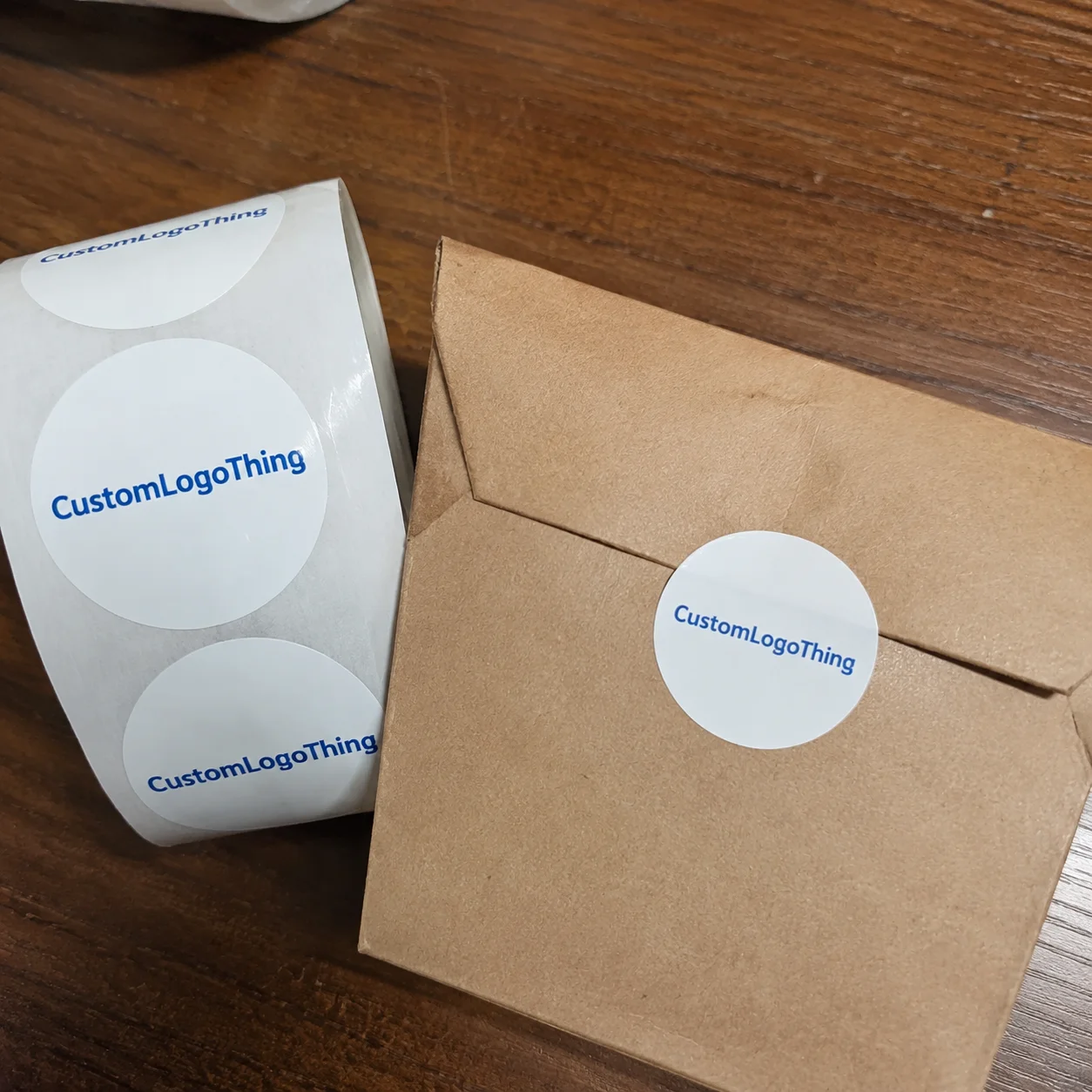
Picture two identical candles arriving on the same doorstep. One sits loose in plain void fill; the other is wrapped in custom printed tissue paper sheets, sealed with a small sticker, and tucked neatly into the box. The wax, scent, and jar have not changed. The perceived value has.
Inner packaging is easy to underfund because it is thin, light, and usually hidden until the box opens. Yet it often shapes the first emotional reaction a customer has after delivery. For ecommerce brands, boutiques, subscription boxes, gifting programs, and product launches, branded tissue can make a modest item feel closer to a gift without adding much shipping weight.
That does not mean every brand needs elaborate printed wrap. Tissue has limits. It will not replace structural cushioning, fix a poor carton, or make low-resolution artwork look premium. Used well, though, it connects the practical work of packing with the visual work of branding.
What Custom Printed Tissue Paper Sheets Actually Do for Packaging
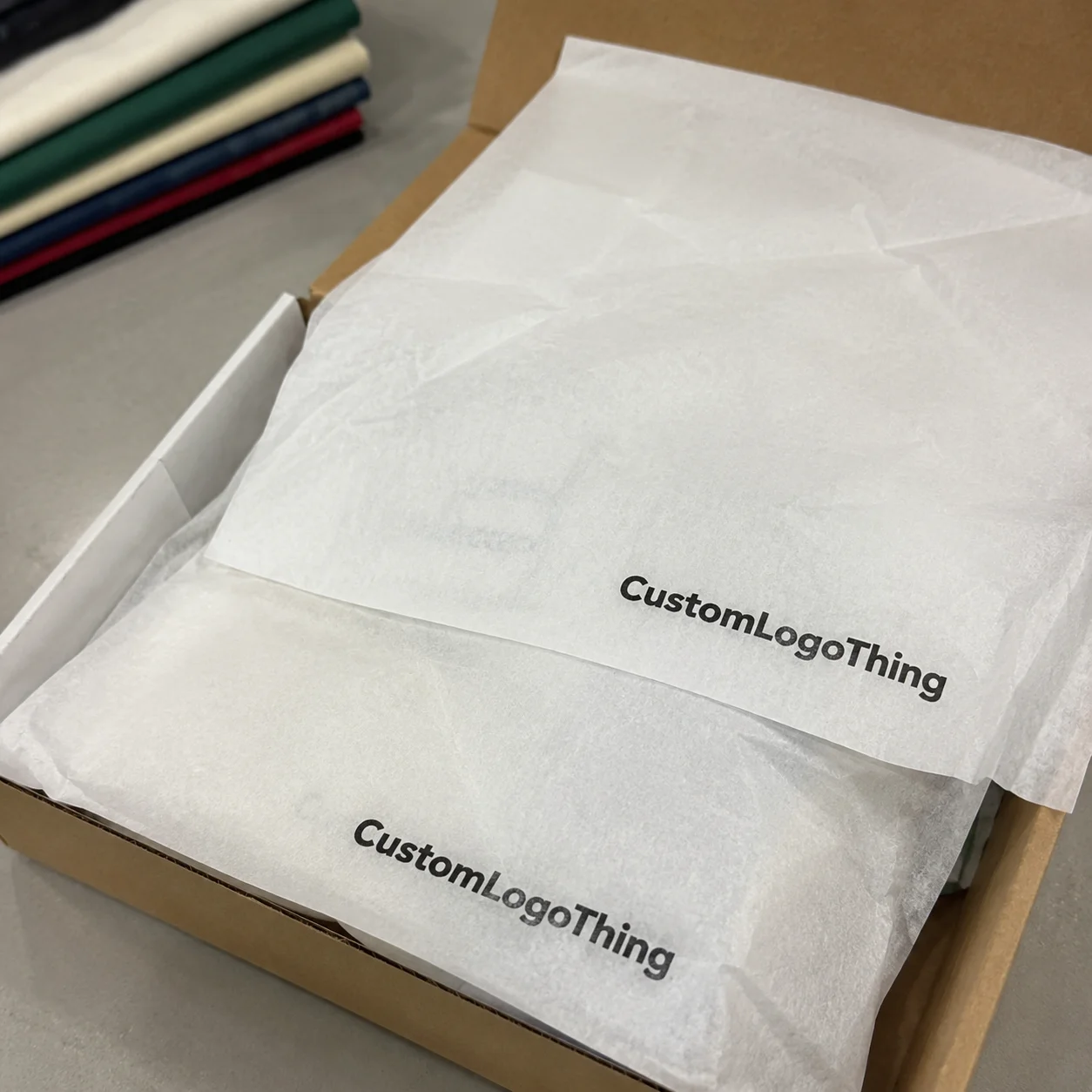
Custom printed tissue paper sheets are lightweight wrapping sheets printed with a logo, repeat pattern, brand message, seasonal artwork, or graphic motif. They can wrap apparel, cushion jewelry boxes, line retail bags, separate cosmetics, or create a clean reveal inside a mailer. In practice, they sit between decoration and function.
Good tissue does four jobs at once. It protects surfaces from light scuffing. It slows the unboxing moment by a few seconds. It hides the product until the customer unwraps it. And, commercially, it makes the packaging look intentional instead of assembled from whatever was closest to the packing bench.
Buyers often group several different products under the same name. Stock colored tissue is off-the-shelf and unprinted. Custom logo tissue usually means one logo or a repeating logo pattern. Full-pattern tissue uses broader artwork, icons, illustrations, or brand motifs. Metallic-ink tissue can add shine, although availability depends on paper color, ink system, and supplier capability. Seasonal short-run tissue works for holiday drops, limited collections, and promotional kits, but the unit cost may rise if the run is small.
The useful comparison is not tissue versus no tissue in isolation. It is the full package experience. A 17 gsm to 28 gsm sheet can change how product packaging feels in the hand, how it photographs, and how protected the surface looks when the customer opens the carton. That is a lot of perception from a few grams of paper.
Packaging reality check: customers often photograph the inside of a box before they photograph the product. The inner wrap may become the first piece of package branding shared socially.
If your brand already invests in Custom Packaging Products, tissue can connect the outside of the box to the inside experience. The effect is small in material weight but large in presentation.
How Printed Tissue Works: Paper, Ink, Pattern, and Fold
Printed tissue starts with thin paper stock, commonly described by gsm, or grams per square meter. Lighter tissue feels airy and delicate. Heavier tissue feels more substantial and usually resists tearing better during packing. Common commercial ranges vary by supplier, but many branded tissue projects sit around 17 gsm to 28 gsm, with specialty options outside that range.
The sheets are printed, then cut to size for wrapping, box lining, gift bag filling, or product presentation. Sizes vary widely. A small jewelry box may need a compact sheet around 10 x 15 inches. A hoodie, scarf, or folded dress may need something closer to 20 x 30 inches or larger. A subscription box may only need enough tissue to cover the tray and fold over the top.
Print approaches vary as much as sheet sizes. A repeat logo pattern is popular because it still looks branded after folding. A single centered logo can feel premium, but placement has to be planned carefully. Edge-to-edge artwork creates stronger visual impact, while also increasing ink coverage and possibly changing cost or production feasibility. Tone-on-tone designs, one-color printing, two-color printing, diagonal repeats, and specialty finishes all have a place.
Tissue does not print like a rigid box, label, or coated card. It is porous, semi-translucent, flexible, and delicate. Fine lines can soften. Heavy ink can change the hand feel. Dark ink on white tissue behaves differently than pale ink on black, kraft, or pastel tissue. If color precision is critical, ask what proofing method is available and whether the supplier can work to a Pantone target or only approximate the brand color.
Fold planning matters more than many buyers expect. A logo that looks perfect on a flat PDF may disappear into the crease when the sheet is tucked around a candle jar. A pattern that looks elegant at 100% scale may become noisy once crumpled into a gift bag. For custom printed tissue paper sheets, the design should still read as branded after folding, layering, tucking, and handling by fulfillment staff.
Sustainability deserves a careful conversation, not a slogan. Buyers may ask about recycled content, FSC-certified paper, soy-based inks, or water-based inks. FSC offers useful context on responsible fiber sourcing at fsc.org. Compostability claims should be verified before they appear in marketing copy, especially if inks, coatings, adhesives, stickers, or mixed packaging components are involved.
Key Specs Buyers Should Decide Before Requesting a Quote
A packaging quote is only as good as the specifications behind it. If you ask for “branded tissue” without details, the supplier has to guess. Those guesses affect the price, timeline, print method, and final look.
Start with the essentials: sheet size, tissue color, paper weight, print color count, logo repeat size, order quantity, packing format, and delivery location. Add your deadline and tell the supplier whether the tissue is for ecommerce, retail packaging, gift bags, subscription boxes, or event kits. The use case changes the recommendation.
GSM is worth slowing down on. Lighter tissue can feel soft, airy, and elegant, especially for apparel or accessories. Heavier tissue feels more premium and holds up better during wrapping, but it can increase material cost, carton bulk, and storage space. If a packing team wraps 600 orders a day, a tissue that tears every tenth wrap is not cheap; it is a labor problem wearing a low unit price tag.
Base color changes almost everything. White tissue gives the cleanest print visibility for most logos. Black tissue looks dramatic but may require light ink, metallic ink, or simplified artwork. Kraft tissue feels natural and works well for earthy or handmade brands, though some colors look muted on it. Pastel bases can be beautiful, but contrast needs testing. Custom-colored tissue may be possible, yet it often raises minimums and lengthens lead time.
Artwork readiness is another cost-control lever. Vector files such as AI, EPS, or editable PDF are preferred for logos because they scale cleanly. Raster artwork can work for certain patterns, but it needs high resolution at actual print size. A 500-pixel logo pulled from a website will not become sharp because it is printed on tissue.
Ink coverage is the hidden spec. A small repeating logo may print efficiently and preserve the soft feel of the sheet. Dense flood printing can increase cost, affect drying, create rub-off concerns, or be rejected by some printers depending on the paper and ink system. Many tissue designs fail because the artwork tries to act like wrapping paper instead of breathable, delicate brand tissue.
Storage format also belongs in the quote. Flat sheets may be easier for neat wrapping, while folded bundles can save space. Carton quantity, inner packing, moisture protection, and pallet configuration matter if the tissue is going into a warehouse or fulfillment center. A beautiful sheet packed in inconvenient bundles can slow the line every day it is used.
Pricing, MOQ, and Unit Cost: What Really Moves the Number
The price of custom printed tissue paper sheets is usually driven by quantity, sheet size, paper stock, print method, number of ink colors, ink coverage, finishing, proofing, and freight. MOQ means minimum order quantity: the lowest quantity a supplier can produce efficiently without setup cost overwhelming the job.
Very small runs often look expensive per sheet because setup, artwork handling, printing, cutting, packing, and machine time still have to happen. The printer may spend nearly the same prep time on 500 sheets as on 5,000 sheets. That is why the unit cost usually drops as quantity rises.
Sheet size has a sharper effect than many buyers expect. Doubling the sheet area uses much more paper even if the logo is identical. A 20 x 30 inch sheet uses four times the area of a 10 x 15 inch sheet. Buyers sometimes compare quotes without checking size, then wonder why one supplier looks cheaper. The answer may be simple: it is not the same product.
| Cost Variable | Typical Buyer Choice | How It Affects Price |
|---|---|---|
| Sheet size | 10 x 15 in, 15 x 20 in, 20 x 30 in | Larger sheets use more paper and increase carton weight |
| Print colors | One-color logo, two-color pattern, specialty ink | More colors can add setup, registration, and proofing cost |
| Ink coverage | Small repeat, large repeat, dense pattern | Heavy coverage may slow production or require different handling |
| Quantity | Trial run, replenishment run, volume run | Higher quantities often reduce unit cost by spreading setup |
| Freight | Ground, expedited, split shipment | Rush or split delivery can erase savings from a low unit price |
For budgeting, ask for two or three quantity breaks: a test run, a standard replenishment run, and a larger volume run. A buyer might compare 1,000, 5,000, and 10,000 sheets. Exact thresholds depend on the supplier, but the pattern is consistent. Price efficiency usually improves once setup is spread over more units.
Hidden cost variables deserve attention. Oversized sheets, rush timelines, multiple artwork versions, special color matching, physical samples, repeated proof revisions, split shipments, and unusual packing requirements can all move the number. A low quote that excludes freight, proofing, or packing details is not necessarily a better quote.
Realistic retail and ecommerce tissue budgets vary widely. Simple one-color logo tissue in a practical size can land in the low cents per sheet at higher quantities, while short runs, large sheets, specialty inks, or complex artwork may cost several times more. Freight can distort the math because tissue is light but bulky. If cartons are oversized, you may be paying for space more than weight.
Value is broader than unit cost. A slightly higher tissue price may be justified if it reduces scuffs on glossy boxes, replaces a separate insert, improves gift presentation, or strengthens branded packaging enough that customers keep and share the unboxing. Compare the finished package, not just the line item.
Process and Timeline: From Artwork Approval to Delivery
The ordering path is straightforward, but each stage can create delays if details are missing. The buyer sends specifications and artwork. The supplier checks feasibility. The quote is approved. A proof is created. Revisions are handled. Production begins. Sheets are printed, dried or cured as needed, cut, packed, and shipped.
A digital proof is usually the first checkpoint. It shows layout, repeat spacing, approximate color, and sheet orientation. It is fast, but it cannot fully show paper transparency, ink softness, or hand feel. A physical sample helps when color, texture, or opacity matters. A production proof is closer to the final job, although it can slow the schedule and may not be practical for every order size.
Typical timeline variables include artwork quality, proof response speed, order volume, material availability, print complexity, drying time, and shipping distance. A simple one-color repeat on white tissue will usually move faster than a dense two-color pattern on a dark base with a tight color target. Freight can also become the bottleneck, especially for bulky cartons of flat-packed sheets.
The buyer controls part of the timeline. Slow artwork approvals, late color decisions, missing logo files, or changing sheet size after proofing can add days even if the printer is ready. If the tissue is for a product drop, retail opening, or subscription box ship date, work backward from the delivery deadline. Build in time for proofing, internal review, production, freight, receiving, and a small contingency buffer.
Rush orders are possible in some cases, but speed narrows choices. You may have fewer paper colors, fewer sheet sizes, fewer print finishes, and fewer freight options. If launch timing matters more than perfect customization, say that early. A practical supplier can often recommend the safest route, such as one-color logo tissue on available stock paper.
For fragile or high-value shipments, packaging testing can matter beyond appearance. The International Safe Transit Association publishes test procedures for transport performance at ista.org. Tissue alone is not a structural protective system, but it can be part of a broader product packaging plan that includes boxes, inserts, mailers, and cushioning.
Step-by-Step Guide to Ordering Tissue That Fits Your Product
- Identify the job of the tissue. Is it wrapping one item, lining a box, separating products, filling a gift bag, or creating a branded reveal? One sheet cannot solve every packaging design problem equally well.
- Measure the product and packaging together. Product length and width are not enough. Box depth, fold style, and the amount of overlap determine whether the tissue actually covers the item.
- Choose the base color and paper weight. Match the decision to brand mood, product fragility, wrapping speed, and opacity. A black cosmetics set may need different tissue than a pastel babywear order.
- Prepare artwork properly. Use vector files where possible. Decide whether the logo should repeat, sit centered, run diagonally, or form a full pattern. Keep fine lines realistic for porous tissue.
- Request a complete quote. Include quantity, sheet size, color count, delivery deadline, shipping destination, and whether you need a digital proof, physical sample, or both.
- Review the proof at actual scale. Check logo spacing, edge margins, color contrast, pattern direction, and how the sheet will look once folded around the product.
A simple test helps before ordering: wrap the product with plain tissue cut to the proposed size. Photograph it from the customer’s point of view. If the fold looks messy with plain tissue, custom printing will not fix the geometry. It will only make the problem more visible.
For fulfillment teams, the best test is not a styled desk photo. Put the proposed sheet size into the normal packing flow for 10 to 20 mock orders. Watch whether packers can grab one sheet cleanly, fold it consistently, keep the logo oriented, and close the box without crushing the presentation. A design that adds 20 seconds per order becomes expensive at volume.
Buyers managing a larger packaging refresh should also look at how tissue interacts with stickers, mailers, inserts, bags, and Custom Packaging Products. Package branding works best when the layers feel related. They do not need to match perfectly, but they should not fight each other.
Common Mistakes That Make Branded Tissue Look Cheap
The first mistake is making the logo too large. Big logos can work on shopping bags or mailers, but tissue gets folded, tucked, crumpled, and overlapped. A giant mark may appear chopped up around small products. Smaller repeats often look more premium because the brand remains visible from several angles.
The second mistake is using low-resolution artwork. Blurry source files create fuzzy print edges, and tissue already softens detail more than coated labels or folding cartons. If the goal is a premium feel, start with clean art.
The third mistake is ignoring transparency. Light tissue over dark, patterned, or high-contrast products can show more than expected. That can be attractive if planned. It can look careless if the product color clashes with the tissue color or makes the logo hard to read.
The fourth mistake is overloading the sheet with ink. Dense coverage can make tissue feel stiff, slow drying, increase cost, or create production limits. A restrained one-color repeat often performs better than a full flood of brand color, especially for high-volume fulfillment.
The fifth mistake is ordering the smallest possible sheet to save money. If packers need two sheets per order, the savings disappear. Worse, the wrapping process gets slower. Test the sheet size with real products and real boxes before approving a large run.
The sixth mistake is skipping fulfillment testing. On a desk, every wrap looks calm. On a packing line, speed exposes weak choices quickly: sheets tear, folds open, logos land upside down, or the tissue blocks barcode scanning. A five-minute packing trial can prevent thousands of annoying packages.
One more: assuming every branded layer must carry the whole identity system. Tissue is often strongest when it stays quiet. If the box, sticker, insert card, and packing slip are already loud, a subtle tissue pattern may look more expensive than another heavy logo hit.
Build a Tissue Paper Spec Sheet Before You Order
Before contacting a supplier, build a one-page spec sheet. Include product dimensions, box or bag dimensions, desired wrap style, sheet size, tissue color, paper weight target, quantity, delivery deadline, shipping destination, brand colors, logo file type, and budget range. It does not need to look fancy. It needs to be complete.
Photograph a test wrap with plain tissue first. Use the proposed size. Fold it the way staff will fold it. Place it in the exact box, mailer, bag, or tray. Then look at the reveal as a customer would see it. This test costs almost nothing and catches size mistakes before custom production begins.
Prepare two artwork options if you can: one conservative repeat pattern and one more expressive design. The supplier can then advise on printability, ink coverage, cost difference, and timeline risk. Sometimes the quieter option wins because it prints cleaner and wraps faster.
- What is the MOQ for this sheet size and paper type?
- What file type do you need for the logo or pattern?
- Can you match or approximate my brand color?
- What affects lead time most on this order?
- Are samples or physical proofs available?
- How are the finished sheets packed for storage and fulfillment?
Compare quotes side by side, not by headline price alone. Check sheet size, gsm, print colors, ink coverage, quantity, proofing, freight, packing method, and delivery timing. A quote for 5,000 small one-color sheets is not comparable to a quote for 5,000 oversized two-color sheets packed in smaller cartons.
If you are already planning labels, stickers, mailers, or retail cartons, keep the tissue decision connected to the broader packaging system. Custom Logo Things can help buyers think through coordinated Custom Packaging Products so each layer supports the same brand message. The strongest orders usually start with the least glamorous document: a clear spec sheet for custom printed tissue paper sheets that states what the tissue must do, how it will be packed, and when it must arrive.
FAQ
What are custom logo tissue paper sheets used for?
They are used to wrap products, line boxes, add a branded reveal, protect surfaces from light scuffing, and make ecommerce or retail packaging feel more gift-ready. They work especially well for apparel, cosmetics, jewelry, candles, accessories, subscription boxes, boutique retail, and promotional gift sets.
How much do custom printed tissue paper sheets cost?
Cost depends on sheet size, paper weight, print color count, ink coverage, order quantity, proofing needs, and shipping distance. Higher quantities usually lower the unit cost because setup and production time are spread across more sheets. Large sheets, rush timelines, specialty inks, and split shipments can raise the final price quickly.
What is the typical MOQ for printed tissue paper?
MOQ varies by manufacturer, print method, paper type, and customization level, so buyers should confirm minimums before designing around a specific quantity. If you are testing a new product line, ask for price breaks at several quantities to compare trial-run cost against replenishment pricing.
What artwork file is best for custom tissue paper printing?
Vector files such as AI, EPS, or editable PDF are usually best for logos because they scale cleanly without losing sharpness. Raster artwork may be acceptable for some patterns, but it should be high resolution and checked carefully at actual print size.
How long does custom printed tissue paper production take?
Lead time depends on artwork approval, proofing, order size, material availability, print complexity, drying time, and shipping method. To avoid delays, finalize sheet size, artwork, color choices, and delivery deadline before requesting the quote.