What Custom Boat Stickers Need to Survive on Water
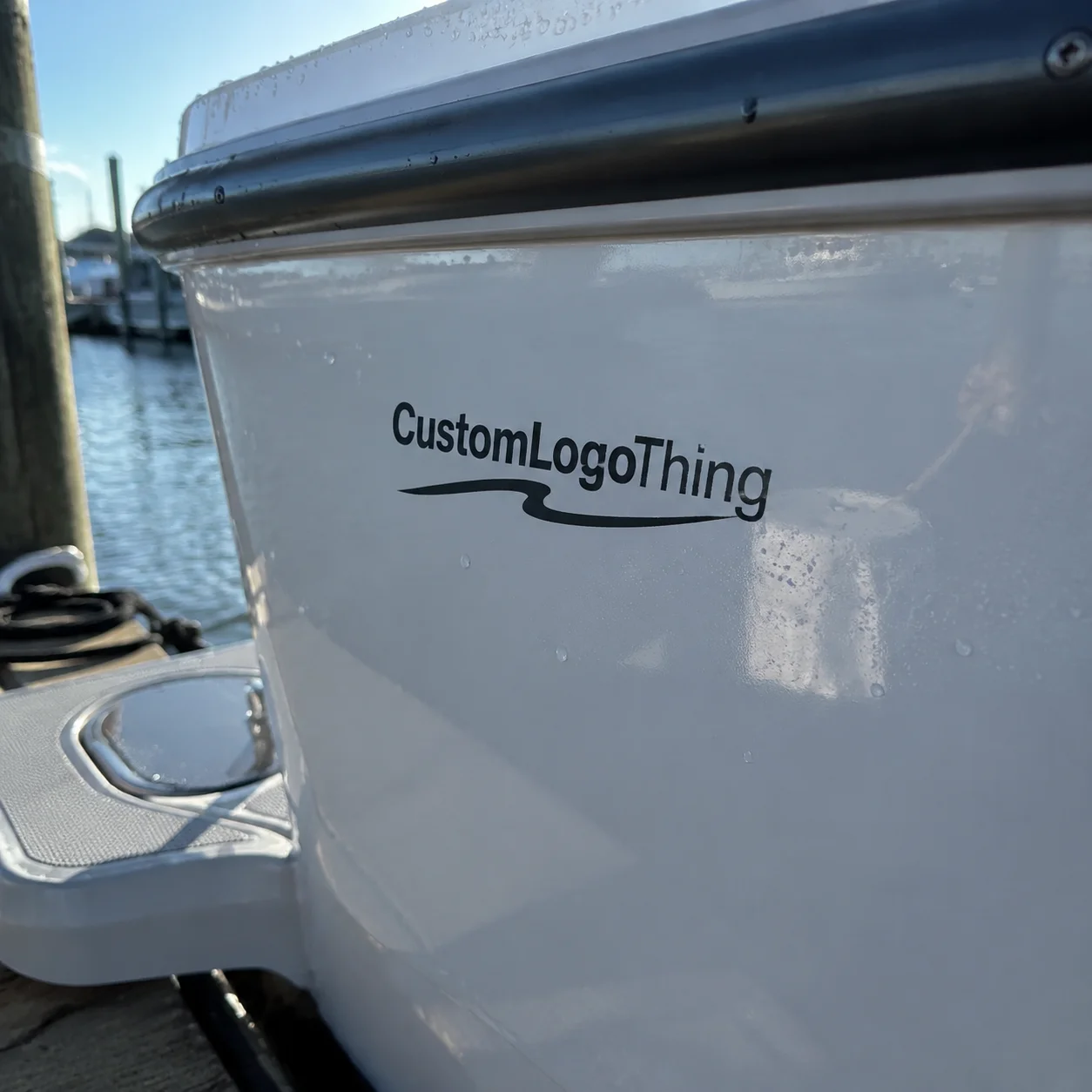
Boats punish stickers harder than cars do. A decal on a hull or transom sits in the overlap of UV exposure, salt spray, dock abrasion, fuel residue, wax, flexing fiberglass, and daily temperature swings. Ordinary adhesive gives up early there.
That is the first buying lesson. A boat decal is not just a graphic with a shiny face. It is a small engineered product expected to stay flat on a curved, wet, reflective, moving surface. If the wrong vinyl or adhesive is used, failure usually starts at the edge: one corner lifts, water gets underneath, dirt follows, and the whole piece looks tired long before the hull does.
By custom boat stickers, I mean marine-ready decals used for boat names, registration numbers, marina branding, yacht club marks, safety labels, rental fleet IDs, sponsor logos, cooler graphics, paddleboard labels, and promotional boat graphics. Some are decorative. Some are legal identifiers. Some do quiet brand work every time the boat sits at a dock.
The difference between an ordinary decorative sticker and a boat-ready vinyl graphic comes down to four components: outdoor-rated film, UV-resistant ink, protective laminate, and pressure-sensitive adhesive selected for exposed surfaces. A paper sticker with a glossy coating may survive a weekend on a cooler. It will not behave like marine vinyl on a transom through sun, washdowns, and storage.
Typical application areas include hull sides, transoms, consoles, coolers, gear cases, boat trailers, dock boxes, paddleboards, kayaks, marina equipment, and rental fleet assets. Each surface changes the risk profile. Gelcoat with wax residue is different from powder-coated aluminum. A textured cooler lid is different from a smooth fiberglass console. A trailer decal sees road grit; a console label sees sunscreen, hands, and glare.
Packaging buyer mindset: treat boat decals like outdoor product packaging. The design sells the message, but the material stack decides whether that message survives the season.
Most sticker problems are not design problems. They are specification problems. The right decal is a materials, surface-prep, and installation decision first, and a color decision second.
How Marine Vinyl Decals Are Built and Protected
A marine vinyl decal usually has five layers: vinyl face stock, printed ink, optional laminate, pressure-sensitive adhesive, and release liner. Cut vinyl lettering may skip printed ink entirely because the color comes from the vinyl itself. Full-color graphics add ink and usually need laminate if they will face sun, salt, cleaning, or abrasion.
Cast vinyl is often preferred for curved hulls and long-term outdoor use because it is thinner, more conformable, and less prone to shrinkage. Typical cast films run around 2 mil thick. Calendared vinyl, often around 3 to 4 mil, can work well for flatter panels, short-term promotional decals, equipment labels, and budget-sensitive fleet uses. It is not automatically “bad.” It is simply less forgiving on compound curves and long exposure.
Print method matters too. Full-color digital printing is the practical route for logos, gradients, photos, sponsor marks, illustrated fish graphics, and marina branding. Cut vinyl lettering is cleaner for boat names, port names, registration numbers, and simple one- or two-color marks. For legal registration decals, confirm height, spacing, and color contrast requirements in your state before ordering. Many buyers assume the supplier will know every jurisdiction’s rule. That assumption can be expensive.
Laminate is the layer buyers often skip, then regret. Gloss laminate gives shine and a wet look. Matte laminate reduces glare, especially on consoles, safety labels, and equipment panels. Clear UV laminate helps resist fading and abrasion. A common premium construction is printed cast vinyl with a 2 mil clear UV overlaminate. That stack costs more than unlaminated economy vinyl, but it usually wins on boats stored outdoors.
Adhesive selection is just as important as the face film. Most boat graphics use pressure-sensitive adhesive, but tack level, flow-out, removability, and surface compatibility vary. A removable adhesive may suit a short tournament sponsorship. A permanent outdoor adhesive is usually better for boat names, marina fleet IDs, or equipment labels expected to stay put for several seasons. Textured plastics, low-energy surfaces, and powder-coated metals can require different testing than smooth gelcoat.
Freshwater lake boats, saltwater fishing boats, rental fleets, and boats stored outside under partial covers need different durability assumptions. Salt accelerates edge contamination. Rental fleets face repeated handling and cleaning. A lightly used freshwater runabout stored indoors has an easier life. Waterproof does not mean indestructible. Pressure washing at the edge, fuel spills, strong solvents, and installation over wax can shorten decal life fast.
Key Specs to Decide Before You Request Artwork
Before artwork starts, lock down the physical facts. Size, shape, color count, finish, adhesive type, quantity, and intended surface all affect the finished decal. A clean 18-inch cut vinyl boat name is a different job from a 48-inch laminated full-color transom graphic with contour cutting and metallic accents.
Measurements should include flat width and height, available visual space, surface curvature, nearby hardware, clearance from rub rails, and distance from the waterline. Use a flexible tape, not just a phone photo. If the decal crosses a curve, measure the usable surface along the curve and mark the visual center. A graphic that looks balanced on a rectangle can look oddly stretched once it wraps around a transom.
Artwork requirements depend on production method. Vector files such as AI, EPS, SVG, or print-ready PDF are best for cut lettering, logos, and contour-cut decals because they scale without pixelation. High-resolution PNG or TIFF files can work for printed graphics if the resolution is adequate at final size. A 900-pixel logo pulled from a website may look acceptable on a laptop and fuzzy at 30 inches wide.
Readability deserves more attention than it usually gets. Boat names, fleet numbers, safety labels, and registration decals need to be read from real distances: across a dock, across a ramp, or from a moving tender. As a rough design check, simple block lettering around 3 inches tall can often be read from 30 to 50 feet under decent conditions. Decorative scripts may need more height, cleaner spacing, and stronger contrast.
Special effects change the production path. White ink may be needed for clear decals or dark surfaces. Reflective vinyl can improve visibility but may have tighter cutting limits. Metallic finishes look sharp on yacht branding, yet they may not reproduce brand colors the same way standard printed vinyl does. Contour cutting also needs safe margins, often at least 0.125 inch around key details, to avoid trimming into the design.
Finish is not only aesthetic. Gloss can make colors feel deeper, but it also reflects sunlight and dock lighting. Matte reduces glare and hides minor scuffs better, though it may look less “wet” on polished gelcoat. Clear decals can look refined on glass or light surfaces, but opacity becomes a concern on dark hulls unless white ink is used under the print.
A small cooler sticker can tolerate tiny type, thin outlines, and playful detail because the viewer is usually within arm’s reach. A transom name read from 50 feet away cannot. That is the same logic used in retail packaging and Custom Labels & Tags: shelf-distance graphics behave differently from hand-held graphics.
Pricing, MOQ, and Quote Factors for Boat Decals
Pricing for custom boat stickers is usually driven by square inches, vinyl grade, print method, laminate, finishing complexity, and order quantity. The unit cost drops as quantity rises because setup, file prep, proofing, and machine calibration are spread across more pieces. That is true whether the job is boat decals, branded packaging, Custom Printed Boxes, or short-run product packaging.
For planning, a small laminated vinyl sticker in a batch of 250 might land around $0.90 to $2.25 per piece depending on size and finish. A one-off boat name in cut vinyl may run $25 to $90 depending on length, height, color layers, and transfer tape setup. Larger printed transom graphics can move into the $75 to $250 range per piece, especially with cast vinyl, UV laminate, and contour cutting. These are practical budget ranges, not universal quotes.
Minimum order quantity depends on workflow. One-off boat names are possible because cut vinyl can be produced efficiently from vector lettering. Fleet decals, sponsor graphics, rental IDs, and promotional boat stickers usually price better in batches of 25, 100, or 500. If you need 12 now and 12 later, ask whether a 24-piece run saves money before splitting the order.
| Boat Decal Type | Typical Use | Common Spec | Indicative Price Range |
|---|---|---|---|
| Cut vinyl lettering | Boat names, port names, registration numbers | 2 mil cast vinyl with transfer tape | $25-$90 for one set |
| Printed laminated decals | Logos, sponsor marks, marina fleet IDs | Printed vinyl plus 2 mil UV laminate | $1.25-$6.00 each in small batches |
| Reflective marine stickers | Safety labels, dock gear, night visibility | Reflective film with outdoor adhesive | Often 25%-60% above standard vinyl |
| Large transom graphics | Boat names, luxury branding, illustrated graphics | Cast vinyl, laminate, contour trim | $75-$250 per finished graphic |
Add-ons can raise the quote quickly: Custom Die Cuts, premium UV laminate, reflective film, metallic vinyl, split-back liners, individual bagging, color matching, and rushed production. A split-back liner may sound minor, but on a large decal it can reduce installation errors. Individual bagging can matter for dealer kits, marina welcome packs, and promotional distribution.
The cheapest decal can become expensive if it fades by mid-season or has to be removed and replaced. Removal takes time. Adhesive cleanup takes more. For a rental fleet or dealer event, a peeling logo also sends the wrong signal. Ask suppliers to separate material, size, quantity breaks, proofing, shipping, and rush fees so comparisons are fair.
Quality-control checks should be part of the price discussion. For printed boat graphics, a production team should be checking print sharpness, cut alignment, laminate coverage, color consistency across the run, and liner condition before packing. For cut lettering, the practical checks are weed quality, transfer tape alignment, clean edges, and whether thin strokes can survive installation. A beautiful proof means little if small islands of vinyl lift off with the waste material.
Process and Timeline from Design Proof to Delivery
The production flow is usually straightforward: request details, submit artwork, receive a proof, approve size and color, print or cut, laminate if needed, trim, quality check, pack, and ship. Simple jobs move fast. Messy inputs slow everything down.
Low-resolution artwork is the most common delay. Unclear sizing is next. Missing color references, last-minute spelling edits, specialty materials, and high-volume seasonal demand can also stretch the timeline. In many production environments, simple cut vinyl lettering may be ready in 3 to 7 business days after proof approval. Full-color laminated decals often run 7 to 12 business days. Specialty reflective, metallic, or larger fleet orders may need 10 to 20 business days, especially during peak boating season.
Proofing is the buyer’s checkpoint. Check spelling, registration numbers, port names, proportions, placement, cut lines, and color expectations before production begins. The proof is not just a design preview; it is a manufacturing instruction. If the approved proof says “Sea Breeze II” instead of “Sea Breeze III,” the production team will usually make exactly what was approved.
Color deserves a practical disclaimer. Screens are backlit. Vinyl is not. Gelcoat color, sunlight angle, laminate gloss, and nearby hardware can all shift perception. If brand color matters, ask for a physical sample or a printed color strip. The same discipline applies to packaging design, package branding, and premium Custom Packaging Products, where a small color miss can change the perceived quality of the whole presentation.
Plan around actual use dates: marina launch, fishing tournament, dealer open house, rental fleet onboarding, or yacht club event. If the boat is being detailed, repaired, or ceramic coated, coordinate timing. Some coatings and waxes interfere with adhesion. Approve artwork only after checking the real application area because a decal that looks right on screen can feel oversized on a curved transom.
Ask how the order will ship, especially for larger graphics. Rolled decals should not be crushed, tightly curled, or exposed to heat for long periods. Flat packing may be better for smaller high-finish pieces. Transfer-taped cut vinyl should arrive clean, dust-free, and labeled clearly enough that the installer knows which piece belongs on which side of the boat.
For buyers managing multiple branded assets, the packaging industry offers a useful parallel. Organizations such as ISTA focus on testing packaged goods through distribution stress. Boat stickers are not usually ISTA-tested, but the mindset is valuable: identify the stress conditions before choosing the material. For paper-based hang tags, cartons, or inserts paired with marine promotions, FSC sourcing may also matter if sustainability claims are part of the campaign.
Step-by-Step Installation Without Bubbles or Peeling
Installation is where good decals often fail. Start with surface inspection. Avoid oxidized gelcoat, waxy residue, loose paint, wet surfaces, chalky fiberglass, or areas exposed to constant rubbing from fenders, ropes, dock posts, straps, or trailer bunks. If the surface feels slick from wax, assume adhesion will suffer.
- Wash first. Remove dirt, salt, and grit with mild soap and clean water. Dry fully.
- Degrease carefully. Use an appropriate cleaner recommended by the decal supplier. Avoid oily solvents that leave residue.
- Mark placement. Use painter’s tape to create a hinge. Check level from multiple angles, then step back at least 10 feet.
- Apply with pressure. Start from the center and push outward with a squeegee, using firm overlapping strokes.
- Remove transfer tape slowly. Pull at a low angle so the vinyl stays on the surface.
- Let it cure. Avoid washing, launching, or pressure spraying until the adhesive has had time to bond.
Dry installation is usually better for smaller decals and cut vinyl lettering because it gives strong initial tack and less trapped moisture. Wet installation may help with larger graphics by allowing repositioning, but not every adhesive is designed for it. Follow supplier instructions. Some air-release vinyls are engineered to release bubbles without application fluid, and adding fluid can delay bonding.
Temperature matters. Many pressure-sensitive adhesives apply best around 50°F to 90°F, though the exact range depends on the film. Cold surfaces reduce tack. Hot surfaces can make vinyl grab too fast. Wind is another enemy. A 36-inch graphic can behave like a sail before it ever reaches the hull.
Use steady squeegee pressure. Do not stab bubbles with a knife unless the supplier recommends a pin release method for that film. If transfer tape resists removal, wait a few minutes and squeegee again. Pulling upward can lift the vinyl; pulling back on itself at a low angle is safer.
Cure time varies, but 24 to 72 hours is a sensible planning window before heavy water contact, aggressive cleaning, or pressure washing. Adhesive strength builds over time. That small delay can add months of cleaner edge performance.
Removal deserves the same care. Gentle heat can help soften vinyl and adhesive, but too much heat can damage paint or leave stubborn residue. Work slowly, keep the pull angle low, and use a surface-safe adhesive remover if needed. If the old graphic has been on the boat for years, expect some ghosting where surrounding gelcoat faded at a different rate.
Next Steps Before You Order Boat Graphics
Before placing an order, gather the facts a production team actually needs. Measure the application area. Photograph the surface straight on and from an angle. Decide the viewing distance. Choose gloss, matte, reflective, metallic, or clear. Gather vector files or high-resolution artwork. If the decal has legal information, confirm the exact text and spacing before proofing.
Choose the decal type by use case, not by habit. A boat name may need cut vinyl. A sponsor logo may need full-color printed vinyl with laminate. A marina fleet ID may need serialized numbering. A safety label may need abrasion resistance and high contrast. A promotional giveaway may prioritize cost per piece and easy-peel liners over maximum lifespan.
Watch for common mistakes: ordering indoor vinyl, skipping laminate on full-color outdoor graphics, using tiny lettering, applying over wax, ignoring hull curves, approving proofs without checking spelling, and placing decals where ropes or fenders constantly rub. These errors are predictable. Better, they are preventable.
Ask targeted supplier questions:
- What vinyl grade is being used: cast, calendared, reflective, metallic, or specialty film?
- What outdoor lifespan is realistic for saltwater exposure and outdoor storage?
- Is UV laminate included, optional, or unnecessary for this design?
- What adhesive is recommended for gelcoat, painted aluminum, plastic, or textured surfaces?
- What is the turnaround after proof approval, and what rush fees apply?
- Are care instructions included for installation, curing, washing, and removal?
Request a sample if the finish is unfamiliar, the decal is large, the order supports a fleet rollout, or the boat is part of luxury branding where color accuracy matters. A 4-inch sample can reveal gloss level, opacity, adhesive feel, and print sharpness before a full run is produced. For larger brand systems that also include retail packaging, custom printed boxes, hang tags, or product packaging, sampling keeps the boat graphic from feeling disconnected from the broader package branding.
Small decal, big signal. Custom boat stickers protect identification, improve presentation, support marina or sponsor branding, and help a vessel look intentional rather than patched together. Buy them like a durable outdoor label, install them like a finished graphic, and they will usually return far more value than their invoice suggests.
FAQ
How long do custom boat decals usually last outdoors?
Lifespan depends on vinyl grade, laminate, sun exposure, saltwater contact, cleaning habits, and whether the boat is stored indoors or outdoors. Marine-grade vinyl with UV laminate generally lasts longer than unlaminated economy stickers, especially on hulls and transoms. Pressure washing edges, applying over wax, or using harsh solvents can shorten durability significantly.
Are custom boat stickers waterproof or just water-resistant?
Quality marine vinyl stickers are designed to resist water, rain, spray, and normal washdowns once properly cured. They are not immune to poor installation, submerged edges, fuel spills, abrasion, or high-pressure washing. For constant outdoor use, ask for waterproof vinyl plus UV laminate rather than paper-based or indoor sticker stock.
What artwork file is best for personalized boat stickers?
Vector files such as AI, EPS, SVG, or print-ready PDF are best for lettering, logos, and contour-cut decals. High-resolution PNG or TIFF files may work for full-color printed graphics if the size and resolution are adequate. Avoid screenshots, compressed web images, or tiny logo files because they can print blurry at boat-scale dimensions.
Can boat name stickers be applied over old decals?
Applying over old decals is not recommended because trapped edges, adhesive residue, fading, and uneven thickness can show through. Remove the old decal, clean adhesive residue, and inspect the gelcoat or paint before installing the new graphic. If the old decal left a ghost image, polish or surface-correct the area before placing the replacement.
What affects the cost of custom marine stickers the most?
Size, quantity, vinyl grade, laminate, print complexity, specialty finishes, and contour cutting usually have the biggest pricing impact. Rush orders, individual packaging, color matching, and premium materials can increase the quote. Ordering multiple decals together often lowers the unit cost compared with buying one piece at a time.