Custom stickers New York: sizes, prices, materials, and turnaround
Why stickers punch above their weight in New York
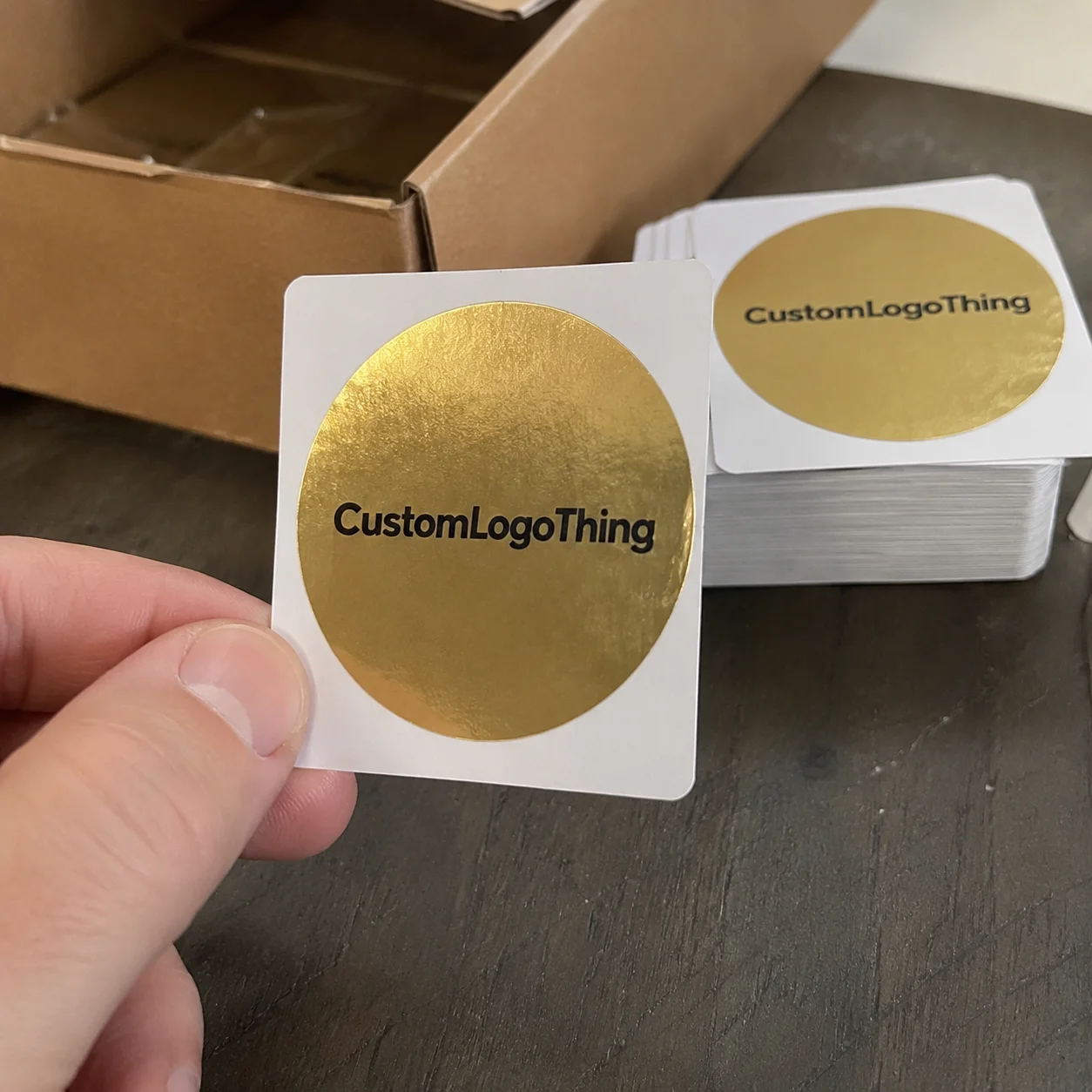
A sticker can cross three boroughs before lunch. That is the quiet power behind custom stickers New York buyers keep using: one small adhesive piece can ride on a coffee cup, bakery box, laptop, mailer, water bottle, shopping bag, or delivery order without buying another inch of ad space.
In a dense city, visibility behaves differently. A 3-inch sticker on a takeout bag may be handled by a courier, seen by a doorman, photographed by a customer, and left on a kitchen counter where someone else notices the logo. A poster stays where it is. A sticker travels.
Custom stickers are branded adhesive pieces used for product labels, promotional giveaways, event badges, packaging seals, QR-code campaigns, shipping labels, retail packaging accents, and street-level brand recognition. They can be tiny, like a 1.5-inch circular seal on tissue paper, or large enough to brand a window, cooler, display bin, or sample kit.
New York use cases also move faster than generic sticker advice admits. Pop-ups open with 10 days of notice. Food brands ship hundreds of local orders per week. Beauty and apparel companies test limited drops before investing in printed cartons. A restaurant may need 2,000 tamper-evident delivery seals. A gallery may need 500 matte die-cut stickers for a weekend opening.
Packaging buyer reality: stickers are often the cheapest way to test package branding before committing to printed cartons, sleeves, or full custom retail packaging.
The common mistake is treating stickers as decoration. Better orders treat them as small pieces of packaging engineering. Material, adhesive, finish, cut line, color, surface, and shipping conditions all affect whether the sticker looks premium or peels before the customer gets home.
How the ordering and print process works
The ordering process is straightforward, but the details decide the outcome. A typical job starts with artwork upload or file submission, then moves through prepress review, digital proofing, print setup, cutting, finishing, quality checks, packing, and delivery. For many local campaigns, the printer may spend more time clarifying the file than printing the stickers.
Before asking for a quote, gather the basics: quantity, finished size, shape, material, finish, intended surface, indoor or outdoor use, and deadline. Those eight inputs usually determine whether the job is a standard label run or a more technical custom sticker order. A 2-inch paper circle for bakery boxes is not the same job as a 4-inch laminated vinyl die-cut for outdoor bike racks.
Artwork is the next checkpoint. Vector files such as AI, EPS, or print-ready PDF files are ideal because the edges stay clean when scaled. Raster files can work, especially PNG or TIFF, but they should usually be 300 dpi at final print size. Bleed is commonly 0.125 inches beyond the trim line, with key text kept at least 0.0625 to 0.125 inches inside the cut line, depending on shape and equipment tolerance.
Proofs protect the buyer. They show final size, crop, cut path, colors, finish notes, and sometimes material callouts before production starts. A proof can catch a logo sitting too close to the edge, a QR code that shrinks below reliable scan size, or a black background that should print as rich black rather than flat black.
- File review: checks resolution, bleed, fonts, dielines, color mode, and transparency issues.
- Proof approval: confirms size, shape, artwork position, material, finish, and quantity.
- Production: includes printing, cutting, lamination if needed, weeding for die-cuts, and packing.
- Delivery: depends on destination, shipping method, and whether the order is packed on sheets, rolls, or individual pieces.
Slowdowns are predictable. Missing vector artwork. Unclear dielines. A proof sitting unapproved for two days. A last-minute change from paper to waterproof vinyl after the quote is issued. For sticker orders tied to store openings or product launches, approve the specs before artwork review begins.
Materials, finishes, and sizes that change performance
Material choice decides how the sticker behaves after the customer touches it, chills it, ships it, or peels it. Paper is economical and sharp for indoor use. Vinyl and polypropylene are tougher. Specialty stocks add texture or a more premium feel, but they can change print color, drying time, minimums, and cost.
For short-run indoor packaging, a paper sticker often makes sense. Think candle boxes, bakery bags, stationery, thank-you inserts, and dry retail goods. Typical paper label stocks range from about 60 lb to 80 lb face stock, though specs vary by supplier. Paper can look crisp, but it does not love moisture, freezer condensation, or heavy abrasion.
Vinyl is the durability workhorse. It is common for laptop stickers, water bottles, window decals, outdoor promotions, and packaging that faces rough handling. Polypropylene, often called BOPP in label conversations, is another strong option for cosmetics, food jars, wellness products, and shipping-heavy brands. It tends to resist water and oils better than basic paper while keeping a clean, retail-ready surface.
Finish changes perception fast. Gloss makes color look brighter and more saturated, especially on bold logos or illustrated graphics. Matte reduces glare and feels calmer, which works well for premium packaging design. Lamination adds a protective layer, often used to improve scuff resistance, moisture resistance, and handling durability.
Not every order needs lamination. Buyers sometimes overbuy it for short indoor campaigns and underbuy it for products that will be handled in transit, chilled, stacked, or rubbed against other packaging. The use case should lead the finish decision, not the other way around.
| Sticker Type | Best Use | Typical Size Range | Common Cost Range |
|---|---|---|---|
| Paper circle or square | Indoor seals, bakery bags, tissue wrap | 1.5-3 inches | $0.05-$0.18 each at mid-volume |
| Matte polypropylene | Retail jars, cosmetics, dry goods | 2-5 inches | $0.10-$0.35 each depending on coverage |
| Laminated vinyl | Laptops, bottles, outdoor handouts | 2-4 inches | $0.18-$0.60 each for common runs |
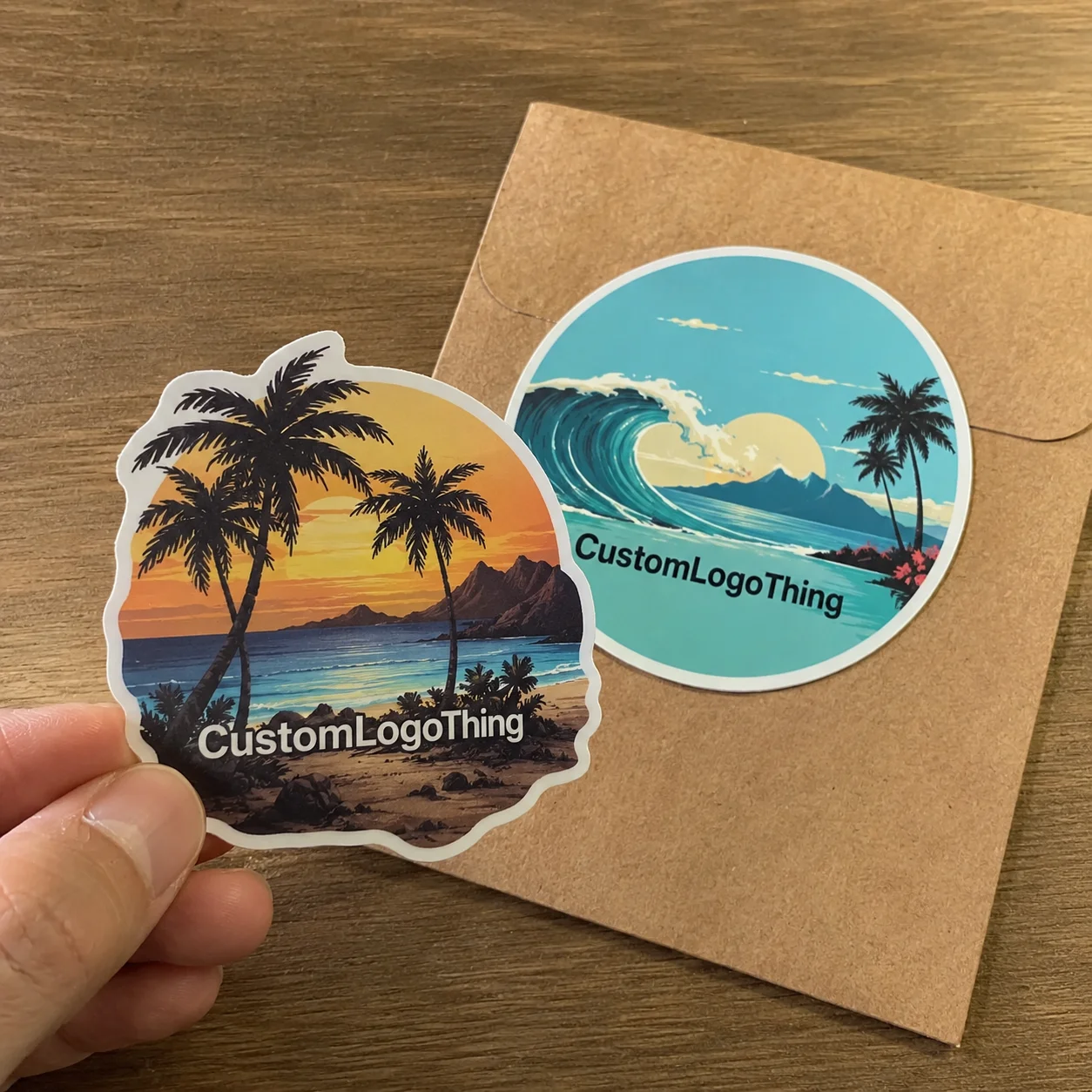
| Custom die-cut | Event swag, brand drops, premium inserts | 2-6 inches | $0.25-$0.90 each, driven by shape and volume |
Size deserves more attention than it gets. A 1.5-inch sticker can seal tissue paper beautifully, but it may fail as a readable promo sticker if the logo has fine type. A 3-inch sticker gives most brands enough space for a logo, URL, and small graphic. Larger formats, such as 4 by 6 inches, help on mailers, windows, sample kits, and display packaging.
Shape affects both appearance and production. Circles, squares, rectangles, and ovals are efficient because they impose fewer cutting headaches. Die-cuts feel more custom and usually get more attention, but complex outlines need cleaner vector paths and more tolerance around thin points. If a script logo has delicate tails, the cut line may need simplification so the sticker does not tear during peeling.
For broader packaging programs, stickers also pair well with Custom Labels & Tags. Labels usually carry compliance, ingredients, barcodes, or product names. Stickers can carry campaign energy: a launch badge, a founder note, a seasonal graphic, or a limited-edition seal.
Custom stickers New York pricing: what drives cost
Sticker pricing is a math problem with a brand problem hiding inside it. Quantity, size, material, print coverage, finish, shape, packing format, and deadline all move the quote. Two 3-inch stickers may look similar on screen, but a gloss paper circle on sheets and a laminated vinyl die-cut packed individually are different production jobs.
Quantity has the most visible effect. Setup, file review, machine calibration, and proofing get spread across more units as the run grows. A 250-piece run may cost $0.60-$1.20 per sticker depending on size and material. At 2,500 pieces, that same general format may fall closer to $0.15-$0.35. At 10,000 pieces, simple paper or BOPP labels can drop further, especially when the artwork is press-friendly and packed on rolls.
But volume is not automatically smart. If the sticker supports a 3-week pop-up, seasonal flavor, or one-time event, tying up cash in 10,000 pieces can create waste. The better question is not “What is the lowest unit price?” It is “How many will we use before the artwork, offer, or packaging changes?”
Rush work raises cost because it compresses prepress, scheduling, production, and shipping. Specialty stocks can do the same. Outdoor-rated materials, UV-resistant inks, white ink layers on clear film, metallic effects, soft-touch coatings, or individually kiss-cut pieces often add cost even when the design looks simple. Clear stickers may also need white ink underprinting so the logo does not disappear on dark surfaces.
Quote comparisons should include more than the headline number. Check setup fees, proof revision limits, shipping, minimum order quantity, packing method, and reorder pricing. A supplier offering $0.12 per sticker may be less attractive if shipping adds $85, proofs take three rounds, and the adhesive is wrong for refrigerated packaging.
For businesses building product packaging around stickers, the pricing discussion should include consistency. Reorders need matching color, material, finish, and cut position. If stickers sit next to Custom Printed Boxes or pouches, even a small shift in red, black, or metallic tone can make the whole package look patched together instead of intentional.
Material sustainability can also influence cost and sourcing. If your packaging program has fiber or chain-of-custody requirements, ask about paper stocks and certification early. The Forest Stewardship Council is a useful reference point for responsibly sourced paper-based materials, although certification availability depends on the exact stock and supplier.
Timeline, proofing, and production steps to expect
Most sticker timelines look simple until approvals enter the room. A standard order may move from proof approval to shipment in roughly 3-7 business days, while custom die-cuts, specialty finishes, clear film with white ink, or larger runs can land closer to 7-12 business days. Rush options may exist, but they depend on material availability and current production capacity.
The clock usually starts after proof approval, not after the first email. That distinction matters. If artwork arrives Monday, the proof is sent Tuesday, but approval comes Thursday afternoon, the production timeline begins Thursday or Friday depending on the printer’s cutoff. Many deadline problems are really approval problems wearing a production costume.
Proofing is the decision point. Check size, spelling, logo placement, cut line, bleed, QR code readability, finish, material, and quantity together. Do not approve the proof while mentally planning to change the size later. A 2.5-inch circle and a 3-inch circle may require a new layout, different sheet yield, and revised pricing.
Complexity changes turnaround. Stock circles and rectangles are usually faster because the cutting path is familiar and efficient. Custom die-cuts need more prepress review. Specialty coatings may need curing or extra handling. Very large runs can also take longer because they occupy press time, cutting time, and packing labor.
Standards help buyers ask better questions. For shipped goods, packaging teams often look at test methods from groups such as ISTA to understand distribution stress, vibration, compression, and handling. Stickers are only one component, but if a label scuffs, lifts, or wrinkles during transit, the customer sees packaging failure before they see the product.
For launch dates, build in buffer. A reasonable planning window is 10-15 business days for many non-rush projects, longer if the order uses unusual materials or must coordinate with cartons, mailers, inserts, or other Custom Packaging Products. Trade shows, store openings, influencer mailers, and multi-location rollouts punish late ordering. One late sticker can delay an entire kit.
Practical rule: if the sticker must be applied to something else before shipping, treat the sticker deadline as earlier than the campaign deadline.
Common mistakes that cause weak adhesion or delays
The most common mistakes are boring, which is exactly why they keep happening. Low-resolution artwork. No bleed. Fonts not outlined. A cut line that hugs the logo too tightly. Text placed so close to the edge that normal cutting tolerance makes the sticker look off-center.
Small type is a repeat offender. A line that looks readable on a 27-inch monitor may vanish on a 1.5-inch sticker. As a working rule, avoid tiny reverse text under 5-6 points, especially on textured stocks or heavy ink coverage. QR codes need breathing room too. Many brands keep QR codes at least 0.8-1 inch wide for reliability, though final scan performance depends on contrast, quiet zone, print method, and phone distance.
Surface mismatch causes real failures. A sticker that performs well on kraft paper may not stick cleanly to low-energy plastic, frosted glass, powder-coated metal, oily jars, or refrigerated packaging. Cold, condensation, dust, and curved surfaces all challenge adhesive performance. If the sticker will go on a chilled beverage, flexible pouch, reusable bottle, or coated mailer, say that before the quote is built.
Finish-only thinking is another trap. Gloss may look exciting on screen, but it can show scratches if the sticker rides on a mailer through sorting equipment. Matte may look premium, but unlaminated matte surfaces can scuff under heavy handling. Soft-touch finishes feel excellent, yet they can be more sensitive to fingerprints and abrasion unless specified properly.
Scheduling mistakes are harsher in New York because campaigns move quickly. Event swag, restaurant delivery seals, limited-edition product packaging, and seasonal retail packaging often have fixed dates. If the stickers arrive two days late, the lowest unit cost no longer matters.
Version control can also derail production for multi-location projects. Store addresses, neighborhood names, SKU codes, batch information, or QR destinations may vary across designs. Put those variations in a simple spreadsheet or marked PDF. Six email threads with six slightly different files invite errors that are hard to catch after printing.
How to get cleaner quotes and fewer production surprises
A good quote request is short, specific, and honest about use. Send the final size, target quantity, and intended surface first. Then add material preference, finish, shape, deadline, and packing format if you know them. If you do not know the best material, describe the job. “2.5-inch logo sticker for matte black candle boxes” is more useful than “premium sticker.”
Check the artwork before requesting final pricing. If the printer quotes a simple square sticker and later discovers a complex die-cut dieline with metallic ink and tiny reverse text, the quote will change. That is not a pricing trick; it is a different job. Clean files reduce revisions and keep the production schedule intact.
Compare suppliers on more than price. Proof speed matters. Material guidance matters. Reorder consistency matters. Delivery timing matters. A packaging supplier that understands package branding can often steer buyers away from problems before they cost money, especially if the stickers will sit on boxes, bags, mailers, jars, or cartons.
- Choose paper for short-term indoor seals, dry packaging, event handouts, and lower-cost promotional use.
- Choose polypropylene for cleaner product labels, moisture resistance, cosmetics, jars, and higher-touch product packaging.
- Choose laminated vinyl for laptops, bottles, outdoor exposure, mailer stickers, or swag that needs durability.
- Choose die-cut shapes when the sticker itself is part of the brand experience and the artwork can support a clean cut path.
From a buyer’s point of view, the smartest path is simple: decide what the sticker must survive, then choose the material and finish around that reality. A sticker for tissue wrap does not need the same adhesive as a sticker for a cold glass bottle. A sticker for a 48-hour event does not need the same spec as one expected to live on a laptop for a year.
Custom stickers also work best when they support the larger packaging system. If your brand uses mailer boxes, folding cartons, inserts, or bags, keep sticker colors, typography, and finish aligned with the rest of the branded packaging. The goal is not to make every component expensive. The goal is to make every component look planned.
Before ordering, send three things first: final artwork, intended use, and target quantity. Standard stock is usually enough for indoor seals and short campaigns. Upgrade materials for moisture, heavy handling, outdoor exposure, or premium retail presentation. That one decision can prevent peeling, scuffing, late proofs, and wasted spend.
FAQ
What should I know before ordering custom stickers in New York?
Have your finished size, quantity, and intended surface ready before requesting a quote. A sticker for cardboard packaging needs different assumptions than one used on glass, laptops, plastic jars, or outdoor signage. Ask for a proof so you can confirm the cut line, colors, text, and finish before production begins.
How much do custom sticker quotes usually depend on quantity?
Quantity can change the unit price sharply because setup and proofing are spread across more pieces. A small run may cost less upfront but more per sticker, while a larger run lowers unit cost if you can use the inventory before the design changes. Check whether setup, proof revisions, and shipping are included before comparing quotes.
Which material is best for custom stickers NYC brands use on packaging?
Paper works well for short-term indoor packaging, tissue seals, bakery boxes, and dry retail goods. Vinyl or polypropylene is better when moisture, shipping, handling, oils, or condensation are part of the job. For a premium look, pair the right material with matte, gloss, or laminated finishing instead of choosing finish by appearance alone.
How long does the process usually take from proof to delivery?
Simple standard orders often move faster once the proof is approved, sometimes within several business days depending on workload and shipping distance. Custom shapes, specialty finishes, clear film, white ink, and large quantities can add time. Fast turnaround depends heavily on quick artwork approval and complete specs at the start.
What file should I send for custom stickers New York printers can use quickly?
Vector files such as AI, EPS, or print-ready PDF are ideal because they keep edges clean and make cut paths easier to confirm. Include bleed, outline fonts, and keep important text away from the trim edge. If you only have a raster file, send the highest-resolution version available and request a prepress review before approving the proof.