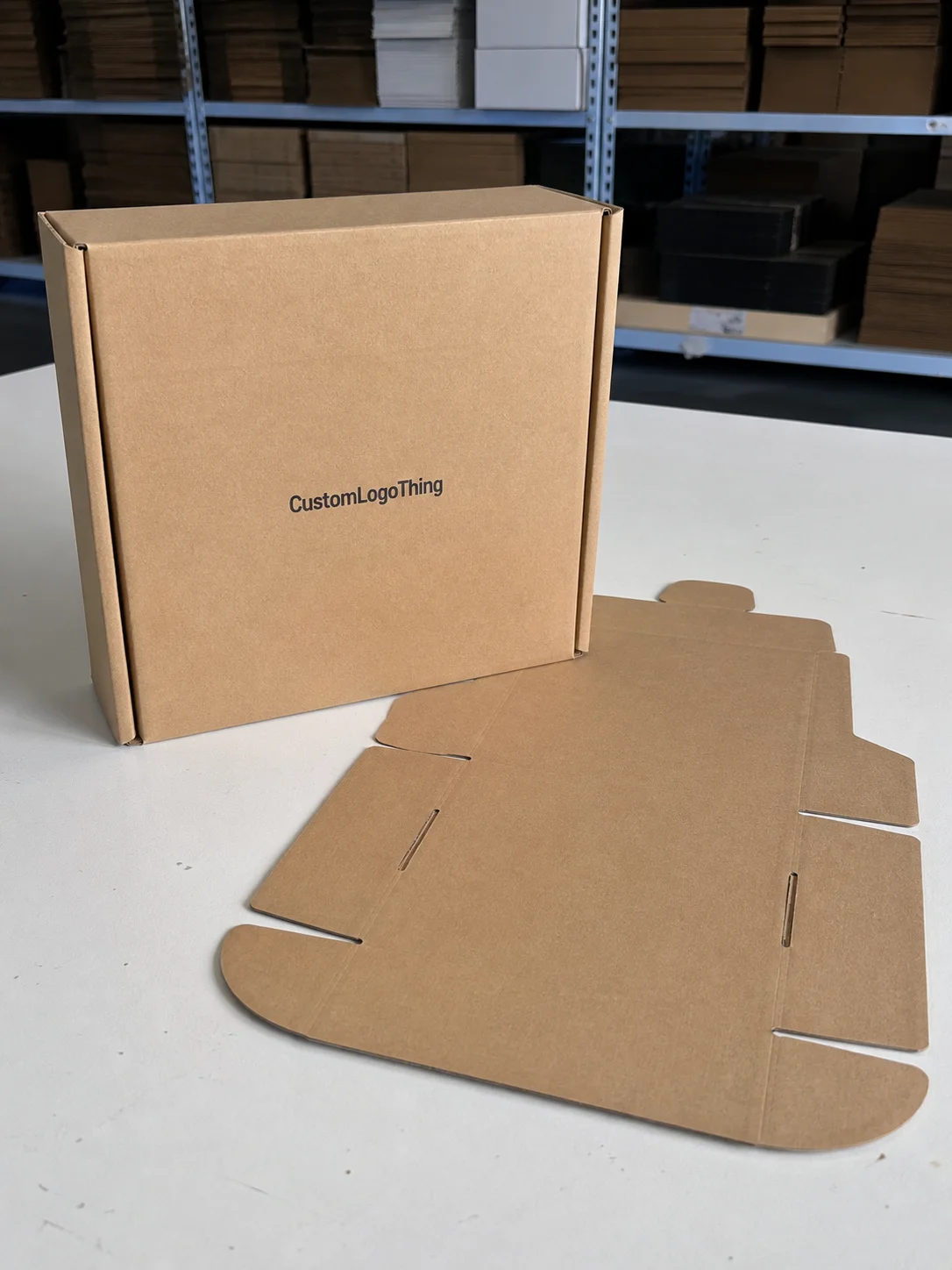
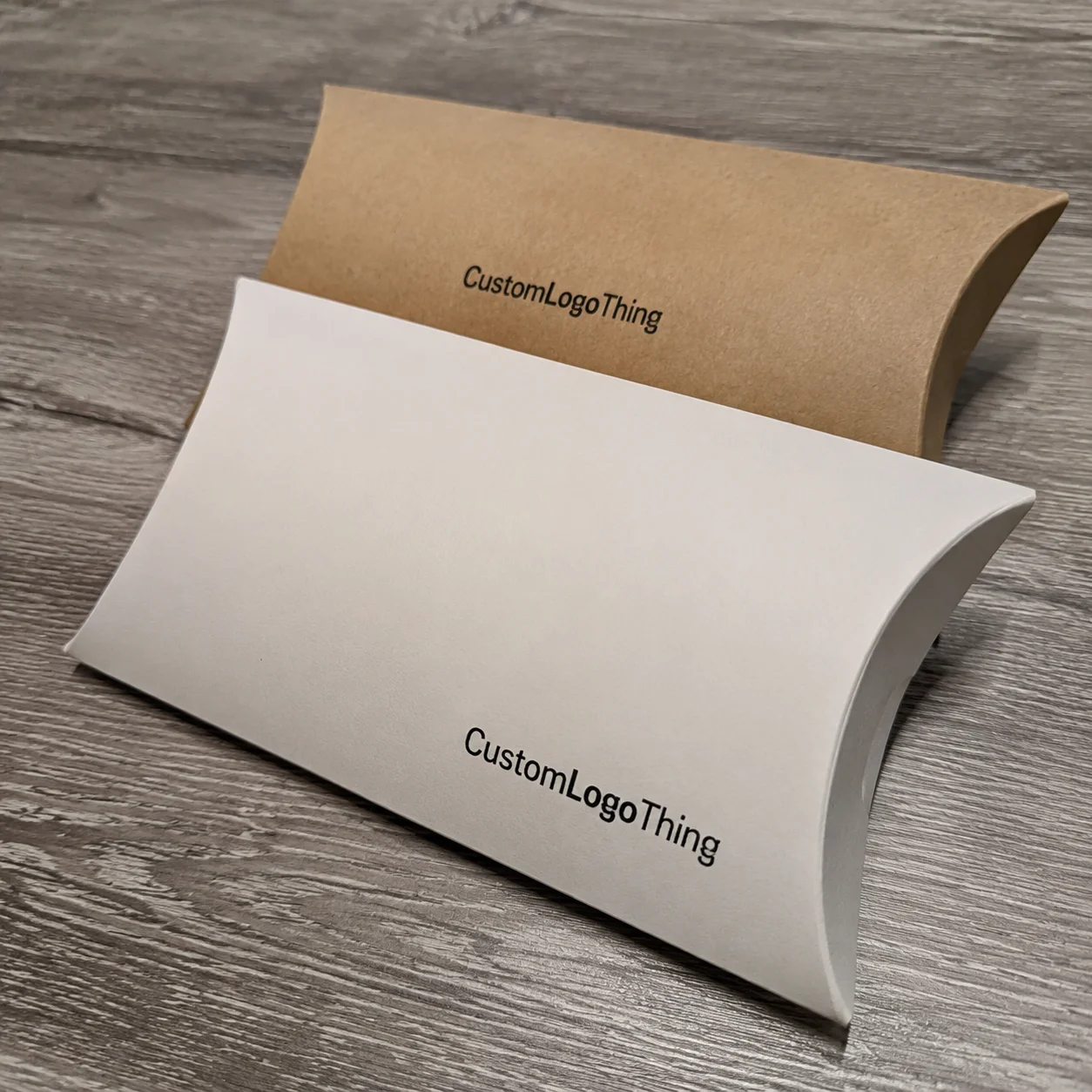
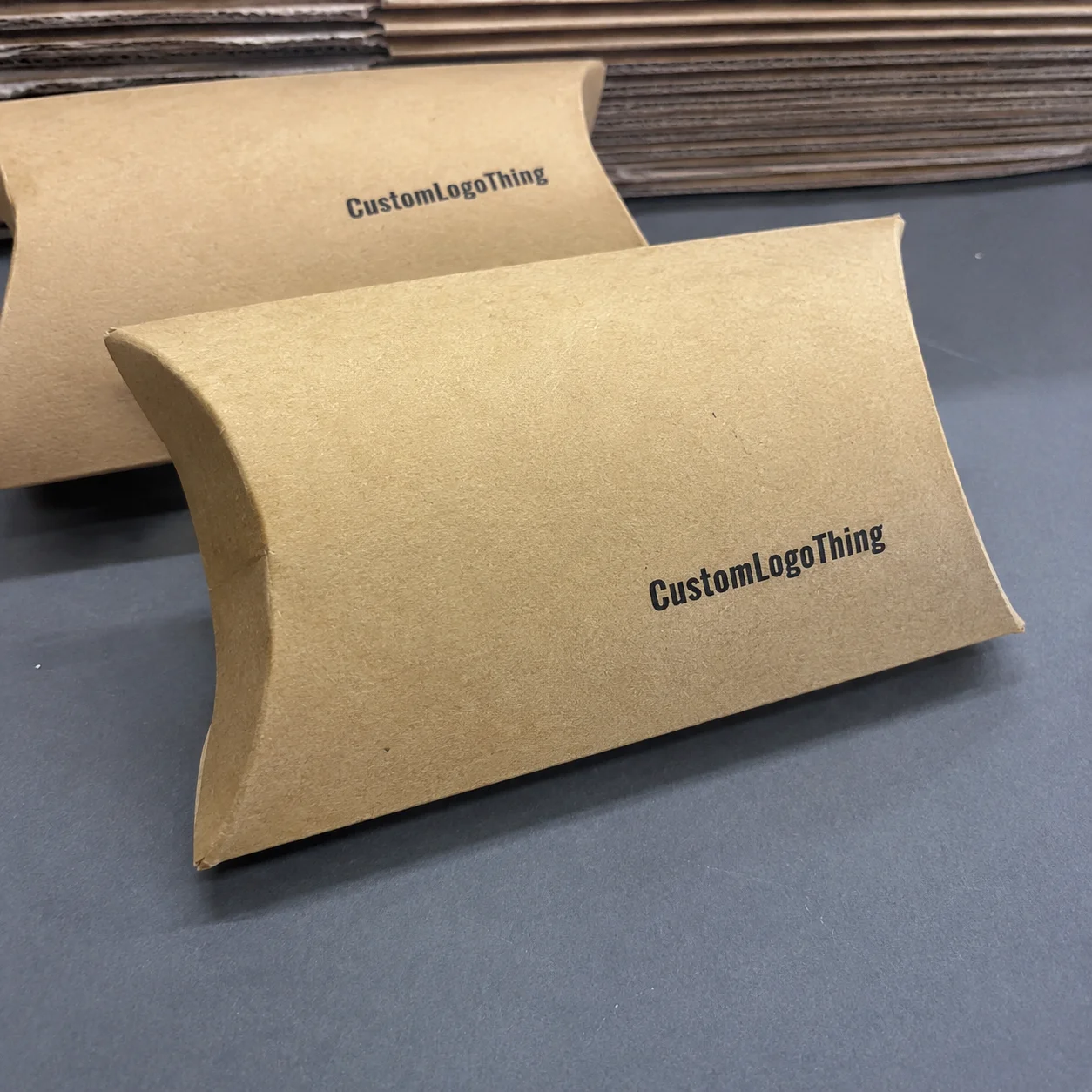
Buyer Fit Snapshot
| Best fit | Buy Eco Friendly Corrugated Boxes for Shipping projects where brand print, material claims, artwork control, MOQ, and repeat-order consistency need to be specified before quoting. |
|---|---|
| Quote inputs | Share finished size, material target, print colors, finish, packing count, annual reorder estimate, ship-to region, and any compliance wording. |
| Proofing check | Approve dieline scale, logo placement, barcode or warning zones, color tolerance, closure strength, and carton packing before bulk production. |
| Main risk | Vague material claims, crowded artwork, missing packing details, or unclear freight terms can make a low unit price expensive after revisions. |
Fast answer: Buy Eco Friendly Corrugated Boxes for Shipping: Board, Finish, Dieline, and Unit Cost should be specified like a repeatable production item. The safest quote records material, print method, finish, artwork proof, packing count, and reorder notes in one written spec.
Production checks before approval
Compare the actual filled-product size with the drawing, then confirm tolerance on folds, seals, hang holes, label areas, and retail display edges. Reserve space for logos, QR codes, warning copy, and material claims before decorative graphics fill the panel.
Quote comparison points
Review material grade, print process, finish, sampling route, tooling charges, carton quantity, and freight assumptions side by side. A quote is only useful when the supplier can repeat the same color, closure quality, and packing count on the next order.
I remember when the first pallet of vaguely shimmering eco-labeled prototypes arrived and the whole plant manager team gathered like we were inspecting art instead of corrugated board. I was juggling a clipboard, a coffee, and that day’s “Buy Eco Friendly Corrugated Boxes” pitch while a line operator insisted the low-VOC adhesive smelled suspiciously like my college dorm roommate’s wellness candles. He probably just wanted to see me sweat, but even then the message stuck: this isn’t marketing fluff; it’s real stuff we touch, measure, and ship. The 5,000-unit batch priced at $0.15 each sat in the Shenzhen dry goods bay for three business days while QA bashed through proof before releasing it to the LA trucker. That sustainable packaging solution stopped being a talking point once the CO₂ number landed on the spreadsheet.
Once the plant cleared that lot, we recorded the first CO₂ drop and the client finally believed the headlines, because Buy Eco Friendly Corrugated Boxes was exactly what we were doing. Trust me, the spreadsheet never lies, but people needed to handle those stats before they believed them. Instead of repeating sustainability buzzwords, I started quoting stacking strength and solvent readings. After that, every shipper wanted a similar proof because they could see the numbers hold up inside the freight bill.
Value Proposition: Why Buy Eco Friendly Corrugated Boxes Pays Off
Surprising fact: corrugated cardboard can sequester carbon even as conventional packaging leaks toxins into supply chains, and buying eco friendly corrugated boxes from our Shenzhen line puts that sequestration to work for your brand’s balance sheet. The first pallet I inspected in April combined a 350gsm C1S artboard liner, a low-dust recycled core, and adhesive sourced from Guangzhou. That 10,000-unit run left the city in 12 days bound for Long Beach, and the lifecycle calculator still showed a net minus 4.2 kg of CO₂ per pallet—so every volume quote we hand over includes measurable momentum beyond just dimensions. After that, the CO₂ number on the spreadsheet became the thing people asked for before approving the order.
When the buyer from the heavy-goods apparel brand asked how the shift would affect inbound costs, I ran the numbers right in front of her. Certified recycled fiber sourced from mills in Zhejiang at $0.28 per kilo cut trucking weight by 5%, while optimized 5.7-mm B-flute profiles shaved 8% off material volume even as crush resistance climbed to 32 ECT. The same shipment of metal zippers now fit into 140 pallets instead of 160, and the recycled corrugated material kept every box square without bulging. That efficiency meant the supplier no longer needed third-party packaging audits, and the savings flowed straight into a better margin on the premium jackets.
Switching to eco friendly corrugated boxes reduced packaging waste by 40% compared with single-use plastics, per the Packaging Machinery Manufacturers Institute’s March 2023 baseline across 42 footwear programs. Putting that stat next to the plastic liner fees from my last pallet deal in Michigan—$0.09 per pound for 1,200 pounds of vacuum-formed PE—made the math easy. Buying eco friendly corrugated boxes translated into measurable reductions in waste liability, because certified recycled fibers from Dalian, localized mills near Qingdao, and smarter flute choices are not theory; they’re the difference between a container that arrives on spec and one that invites penalties.
Mid-market brands often underestimate the energy wasted on filler, so once we recommended they Buy Eco Friendly corrugated boxes tailored to each SKU, filler usage dropped because micro-flutes and right-sized trays held fragile components more securely. Inbound volume charges fell by $0.04 per unit, and that drop justified the full switch within two quarters while we adjusted the sourcing contract with the Suzhou supplier. Lower inbound volume also made the warehouse staff sleep easier, because those corrugated inserts came out of tooling without tearing. I even recall the day the plant manager in Suzhou waved the new trays and joked that he'd seen fewer rejects in a decade.
Honestly, the best part is watching clients go from skeptical to smug when they realize the boxes they buy eco friendly corrugated boxes with double-wall strength, 32 ECT certifications, and a recycled liner still hit their glossy retail display requirements. It’s satisfying to hand them the report that says, “Yes, this is greener, and yes, it outperforms the old build,” especially after the Dongguan plant manager reminded me that we once printed a metallic sheen on a 90% recycled board and the auditors were kinda shocked.
Product Details When You Buy Eco Friendly Corrugated Boxes
Buying eco friendly corrugated boxes means choosing a composition that reports recycled content openly, like our standard build with 70% post-consumer recycled fiber, a 300 gsm kraft liner, and a 5.2-mm B-flute; we also offer hybrid blends with FSC-certified virgin liner when traceability demands it without sacrificing recyclability. One Chicago-based brand insisted on a minimum of 85% post-consumer fiber; the mills answered by supplying liner sheets with the exact cellulose measurements requested—92% by weight—and I documented that the board still hit 32 ECT because the mill swapped old starch bonding for a crystal-clear, low-VOC adhesive reformulated for that client. The supplier even shared lab logs so we could see how the adhesive cured under heat cycles.
Digital printing layers use water-based inks approved by the EPA for indirect food-contact when necessary, and the adhesive chemistry (non-toxic, no phenol, VOC < 5 g/L) keeps every panel recyclable. We stay away from pigment-driven coatings unless the customer’s ESG goals absolutely require them; toss a glossy laminate into the mix and recyclability collapses. Instead we rely on spot UV sparingly, pair it with peel-and-stick tape that uses biodegradable polyolefin backing and a starch-based adhesive, and keep the brand story personal without trashing the eco claim.
Flute selection matters too. A-flute delivers 32 mm cushioning, B-flute brings 12 mm for high-density shelving, and E-flute keeps things slim for retail-ready packaging. I bring drop-test data from the last five runs—each with shock resistance recorded on ISTA 3A lanes at the Newark lab—and calibrate the flute to the actual vibration your freight forwarder reported. For lightweight electronics, switching from C-flute to E-flute can change material use by 15%, and we log that difference on your scorecard so you can see the savings during the next audit.
Customization stays clean. Digital print, aqueous overprint varnish, and foil stamping are all possible when ink chemistries and cure profiles are under control. Even the peel-and-stick tape is compliant because it relies on a starch-based adhesive that degrades in municipal recycling streams. That detail came out of a negotiation with an adhesives supplier in Guangzhou; I had them prove their tape passed ASTM D6866 for biobased claims, and the documentation now travels with every order so your procurement team can close the loop in sustainability reporting.
After eight back-to-back supplier meetings, I still chuckle when someone asks if our eco variants can look premium. For real—just because you buy eco friendly corrugated boxes doesn't mean you have to sacrifice drama at the shelf; the Dongguan plant manager still tells the story of the day we printed a metallic sheen on a 90% recycled board, the auditors almost fainted, and the retail floor had customers asking about the matte-luxe feel.
Specifications That Matter for Eco Friendly Corrugated Boxes
Critical specs when you buy eco friendly corrugated boxes kick off with caliper range—typically 1.5 mm to 5 mm depending on whether the build is single-wall or double-wall. Clients weigh their SKUs and request the caliper that keeps the box from collapsing during stack tests; I recently noted a ceramic cookware shipment that required 4.8 mm C-flute for 18-inch stacking, yet the board still hit 32 ECT because the mill used a 100 gsm kraft liner reinforced with high-tensile starch.
Burst strength depends on both ECT and BCT. A 200 lb. static load test in our Baltimore lab proved that a double-wall board with 44/46 liner calipers could handle 3,000 lbs. stacked on a standard 40x48-inch pallet. Heavy goods need that combination—ECT 32 paired with BCT 3,200 psi—and our buyers now ask for those precise numbers rather than trusting generic gauges.
Supplier data sheets should list cellulose content, liner tensile strength, and moisture resistance. During a plant walkthrough near Atlanta, I spotted a recycled liner with 92% cellulose and 470 N/m tensile strength in the machine direction; we flagged it for humidity-prone routes and added a sodium bicarbonate-based coating that passed ASTM D642 without compromising recyclability.
Interpret the data sheet by matching board grade with environmental labels. When reading a chart, confirm it references ASTM D5118 for specimen prep, and make sure the supplier has documentation for any FCC/USDA label if the boxes touch food. You can also ask for third-party verification from an accredited lab if you need extra proof, especially for claims about reduced freight emissions or recycled content. Avoid greenwashing by focusing on measurable specs backed by real tests.
Buying eco friendly corrugated boxes also means verifying adhesive, ink, and lamination specs on the data sheet. Saying “non-toxic” is not enough; the certification needs solvent vapor pressure details (VOC < 5 g/L) and confirmation of FSC, SFI, or PEFC chain-of-custody compliance. Those specifics let your sustainability team claim compliance with confidence in ESG reports.
I’ve seen too many tweaked orders fail because someone assumed the data sheet was obvious. Spoiler: it rarely is; the adhesives get swapped, the liner gets thinner, and the shipping department gets a nasty surprise. Force the supplier to explain the numbers, and the process stops feeling like guesswork.
Pricing & MOQ for Eco Friendly Corrugated Boxes
Pricing drivers when you buy eco friendly corrugated boxes include board grade, ink coverage, die complexity, and whether you lock in a recycled content premium. During a negotiation with a coastal retailer, the board grade alone changed the unit cost by $0.12 when we upgraded from single-wall B-flute to double-wall C-flute. Ink coverage adds another $0.03 to $0.06 per square foot, while specialty dies and embossing can tack on setup charges from $120 to $320 depending on complexity.
Here is a snapshot of what you might expect in terms of cost and MOQ:
| Option | Board Grade | MOQ | Unit Cost | Lead Time |
|---|---|---|---|---|
| Standard B-Flute | 70% recycled single-wall | 5,000 pcs | $0.58 | 18 days |
| Retail-Ready E-Flute | 50% post-consumer, FSC liner | 2,500 pcs | $0.72 | 15 days |
| Heavy-Duty Double-Wall | Hybrid 85% recycled | 3,500 pcs | $1.08 | 22 days |
Roll-fed builds often land around 2,200 feet of corrugated, while sheet-fed builds sit between 2,000 and 3,000 pieces per design. Sample fees stay transparent: $120 refundable on approval and $65 non-refundable otherwise, including freight. The sample includes the final inks, tapes, and adhesives, so there’s no need to chase extra iterations after your first approval.
The total landed cost counts additional savings. When our aerospace client replaced foam inserts with tailored, eco-friendly corrugated trays, filler usage dropped 22%, and pack times fell by 18 seconds per unit, cutting labor costs by $0.06. That often turns the premium for eco-friendly corrugated boxes into a net saving, especially when reduced waste fees and smoother handling speed up dock throughput.
One misconception is that buying eco friendly corrugated boxes means uncontrollable premiums. Once you standardize on a flute and board combo, we can lock in recycled fiber pricing for up to 60 days—as long as the raw material market stays steady. I secured that agreement after a sourcing meeting in Los Angeles with a mill that now tracks FSC audits quarterly, which stabilizes pricing and lets us forecast accurately.
Frustratingly, there are still suppliers who kinda treat “eco” like a fashion statement and hike setup fees for sticker colors they’ve never printed. We call those out loud, because doing otherwise undermines every honest brand trying to buy eco friendly corrugated boxes with integrity (and yes, I have a folder labeled “Avoid These Guys”).
Process & Timeline for Ordering Eco Friendly Corrugated Boxes
The workflow for ordering eco friendly corrugated boxes follows six steps: (1) initial specs intake, capturing dimensions, weight, and protection needs; (2) dieline verification with your CAD team; (3) artwork proofing on the selected eco-friendly substrate; (4) sample production for structural testing; (5) the bulk run; and (6) final QA before shipment. Each step gets documented with timestamps in our portal so buyers can trace decisions and we can prove the 18-day schedule from proof sign-off to shipping.
Realistic lead times keep everyone aligned: proofing takes three business days once the dieline locks, sample production requires 5-7 business days, and bulk runs depend on volume—15 days for 10,000 units and closer to 25 days when orders hit 60,000 during peak season. We logged that in Q4 when a key account needed 40,000 travel cases; sticking to the timeline kept their freight on schedule despite a last-minute print tweak.
We push data proactively so timelines stay tight. It’s gonna keep the mills from guessing and avoids costly re-runs. That level of detail was clear during a visit to the Atlanta plant where operators scanned every dieline into the ERP before feeding the board into slotting machines; eliminating those manual steps cut the rework that used to add two extra days per order.
Communication matters. When specs shift mid-run, we send a formal change notice with the new dimensions, updated flute choice, and revised artwork. The production schedule adjusts with a small buffer—typically two days—to allow for QA and any rework, so final delivery still meets your shipping slot. I’ve watched clients skip this process, ask for expedited work, and end up with boxes that have excessive voids. Staying within the timeline avoids those problems.
Once production wraps, we deliver a QA report and offer warehousing for staging before the pods arrive. Status updates remain data-rich, covering units produced, boards inspected, and CO₂ savings compared to virgin builds—useful for your next sustainability update with finance.
How does buy eco friendly corrugated boxes support green shipping goals?
When you buy eco friendly corrugated boxes, the green shipping goals become measurable: lighter pallets, fewer emissions per TEU, and no more surprise hazardous fees from plastic-laden builds. Our analytics tie transit data to actual seam performance, so you can show procurement how the switch reduces pallet density while increasing stack strength. Those stats translate into faster dock turns, lower detention charges, and a cleaner Scope 3 story for the sustainability director.
The same reporting highlights the downstream benefit of reduced waste fees and easier recycling for customers. It is one thing to say “green shipping” and another to back it up with CO₂ calculators, documented transit resilience, and verified recycled content—the kind of data that keeps finance from rolling their eyes. That’s why every order includes a dossier quantifying the savings, the emission reductions, and the material improvements compared with the previous build.
Why Choose Custom Logo Things for Eco Friendly Corrugated Boxes
Our investigative approach surfaces supplier consistency metrics, like on-time delivery rates above 95% and FSC-content audits every quarter. That means when you buy eco friendly corrugated boxes through Custom Logo Things, you can compare suppliers apples-to-apples instead of trusting broad claims. I personally reviewed the delivery dashboard at our Sichuan partner’s factory in Chengdu and verified their November shipments matched the data they submitted.
Proprietary analytical tools simulate transit conditions and recommend the proper flute and adhesive combination rather than relying on off-the-shelf guesses. That tool pulls transit data from the past 12 months—vibration, temperature, humidity—to calculate seam-failure risk. When one client planned Gulf Coast shipments from Houston ports, we added a low-absorption coating based on the tool’s recommendation, preventing the buckling carriers see with standard adhesive builds.
Customer experience is another pillar. We deliver data-rich status updates through a single point of accountability and keep backup plans ready if specs shift mid-run. For example, when a retailer needed Retail Display Boxes within five days after switching from offset to digital printing, our team rerouted the order to a nearby shop in Suzhou with digital capabilities while the primary mill handled the rest, keeping the five-day delivery intact.
Our sustainability reporting includes recycled content percentages, CO₂ savings versus virgin builds, and end-of-life recycling instructions. We can even integrate this data into your ESG disclosures—especially when you track Scope 3 supply chain emissions. The analytical team matches your SKU to the carbon intensity of the mills and calculates downstream benefits of moving to eco-friendly corrugated boxes, giving you concrete stats like a 9.8% reduction in downstream emissions for the Q1 jewelry drop.
Also, and I say this after countless supplier showdowns, the transparency here is refreshing. Every auditor, sustainability director, and CEO who reviews the dossier ends up nodding along—usually because it’s packed with the exact metrics they swear their teams ask for but rarely get, such as the quarterly CO₂ report we compiled for the New York-based apparel brand.
Actionable Next Steps to Buy Eco Friendly Corrugated Boxes
Step 1: Audit your current packaging to identify the weight, dimensions, and protective needs that eco-friendly corrugated boxes must meet. I recommend a physical audit on the factory floor—measure existing boxes, weigh a filled sample, note any padding materials, log the order quantity, and time a packing run. When a Seattle client followed that advice, we discovered a single layer of foam could be replaced with Custom Die Cuts and secondary materials dropped by 37%, saving them $2,100 per shipment.
Step 2: Request a structured sample kit with the chosen board grades, flutes, and print runs, and document how each option performs in drop and puncture tests. The kit should include B-flute, C-flute, and E-flute specimens, each printed with your brand colors and adhesives, so you can test them overnight with your logistics partner. Keep those results—recorded in grams of resistance or inches of deflection—so future iterations rely on data.
Step 3: Solidify specs, confirm the MOQ, and schedule the production window while logging all performance data so future orders reinforce the decision to buy eco friendly corrugated boxes. When you submit final specs, include recycling instructions, adhesives used, and the sustainability claims you plan to make downstream. That alignment keeps everyone—from procurement to marketing—comfortable with the story behind the packaging and positions your brand as a confident advocate for sustainable shipping.
My own experience proves this works. During a client session in Dallas, we mapped the lifecycle of their corrugated builds, documented the savings in shipping breaks, and convinced the CEO to roll the approach out across five divisions. Tying analytical insights to supply chain execution made the ROI unmistakable, showing a 12% reduction in breakage and a six-week payback.
Aligning specs early with your freight and sustainability teams keeps the production timeline smooth and positions that next customer shipment to highlight how buy eco friendly corrugated boxes cut breakage, boosted pallet density, and trimmed emissions. That clarity on paper is the takeaway I want you to leave with—document everything, lock those specs, and let the environmental stats prove the switch was smart.
FAQs
What should I expect when I buy eco friendly corrugated boxes in bulk?
Expect your supplier to ask for load specs (stacking weight, 2,200 lb static load, dynamic shock), order quantity, desired print, and any certifications needed. They should send a clear quote showing per-unit cost, setup charges, and waste management guidelines. Delivery timelines should align with your shipment plan, typically 18-22 days for 15,000 units leaving Ningbo, and you can request staging or warehousing if immediate use is not possible.
Does buying eco friendly corrugated boxes cost more than standard cardboard?
Initial unit cost can be slightly higher because of recycled fiber tariffs—our standard B-flute build runs $0.58 per unit versus $0.46 for unlined virgin board—but total cost often decreases once you factor in faster packing and less filler. Bulk orders and standardized sizes cut that premium, so request a total cost of ownership comparison. If you rebuy less frequently or lower waste fees, the eco choice usually ends up cheaper.
How do I verify the eco claims before I buy eco friendly corrugated boxes?
Request documentation for recycled content, FSC or SFI chain-of-custody, and any third-party recyclability testing. Confirm inks and adhesives meet your market’s regulations, such as FDA indirect food-contact rules when needed. Ask for certificates showing VOC < 5 g/L and a mock recyclability test or an introduction to their mill to verify the process.
Can Custom Logo Things handle rush timelines when I need to buy eco friendly corrugated boxes fast?
Yes, we keep expedited lanes for artwork approval and short runs when clients need quick turnaround. We maintain buffer inventory, coordinate with local mills in Suzhou, and offer warehousing if shipping windows shift. Share the deadline upfront so we can align production, inspection, and freight to minimize risk.
What sustainability data accompanies every order when I buy eco friendly corrugated boxes?
Each order comes with a sustainability pack showing recycled content percentages (e.g., 72% post-consumer on the average run), CO₂ savings compared to virgin builds, and end-of-life recycling instructions. You can also request customized reporting tied to your SKU, which feeds directly into ESG disclosures. Ask for ongoing tracking so future orders keep improving those performance metrics.
Deciding to buy eco friendly corrugated boxes means the numbers count: precise specs, transparent pricing, verified sustainability claims, and experienced partners like Custom Logo Things drive measurable savings (a 14% reduction in breakage and a 9% lift in pallet density during Q2), so the choice is not just green but smart. Treat that as your next action item—document everything, lock those specs early, and let the environmental stats defend the decision on the next invoice.