Buyer Fit Snapshot
| Best fit | Buy Eco Friendly Corrugated Boxes for Shipping Needs projects where brand print, material claims, artwork control, MOQ, and repeat-order consistency need to be specified before quoting. |
|---|---|
| Quote inputs | Share finished size, material target, print colors, finish, packing count, annual reorder estimate, ship-to region, and any compliance wording. |
| Proofing check | Approve dieline scale, logo placement, barcode or warning zones, color tolerance, closure strength, and carton packing before bulk production. |
| Main risk | Vague material claims, crowded artwork, missing packing details, or unclear freight terms can make a low unit price expensive after revisions. |
Fast answer: Buy Eco Friendly Corrugated Boxes for Shipping Needs should be specified like a repeatable production item. The safest quote records material, print method, finish, artwork proof, packing count, and reorder notes in one written spec.
Production checks before approval
Compare the actual filled-product size with the drawing, then confirm tolerance on folds, seals, hang holes, label areas, and retail display edges. Reserve space for logos, QR codes, warning copy, and material claims before decorative graphics fill the panel.
Quote comparison points
Review material grade, print process, finish, sampling route, tooling charges, carton quantity, and freight assumptions side by side. A quote is only useful when the supplier can repeat the same color, closure quality, and packing count on the next order.
If you want to Buy Eco Friendly Corrugated Boxes, start with the box, not the brochure. I’ve stood on enough dock doors in Shenzhen, Dongguan, and a few very unforgiving Midwest warehouses to know that shipments usually fail for three reasons: the carton was overbuilt, underbuilt, or built from the wrong board for the product weight. A good corrugated spec solves that problem without adding waste, and that is exactly why businesses that buy eco friendly corrugated boxes often see better pack-out efficiency, fewer damage claims, and a cleaner brand presentation.
Honestly, a lot of buyers get trapped by the idea that eco friendly means delicate. It doesn’t. In the corrugated plants I’ve visited, the best-performing boxes were often the ones using recycled linerboard, water-based adhesives, and a flute profile that matched the product instead of trying to impress anybody with thick cardboard that nobody needed. If you are going to buy eco friendly corrugated boxes for eCommerce, retail replenishment, or B2B distribution, the right construction matters just as much as the recycled content.
Why Eco Friendly Corrugated Boxes Are the Smart Shipping Choice
I remember a beverage client who kept paying for crushed corners on mixed pallet shipments because their cartons were built like they were shipping bricks, yet the center panel still buckled under stack load. We switched them to a properly specified single-wall corrugated carton with a better ECT rating and tighter inside dimensions, and the damage rate dropped almost immediately. That is the real value when you buy eco friendly corrugated boxes: not marketing language, but a packaging structure that matches the load and the route.
There is a business case behind the sustainability story. Corrugated packaging uses fiber content that is widely recyclable, and in many cases the box is made with a significant share of recycled material. That helps brands present a cleaner message to customers while also reducing weight in the shipping lane. Lighter cartons can mean better cubic efficiency, and if you are running parcel shipments, a box that fits the product correctly can lower dimensional charges, which are often more painful than the box price itself. I’ve seen brands save more on freight than they spent on the carton upgrade.
If you buy eco friendly corrugated boxes for fulfillment, the practical benefits show up in the warehouse first. Cartons that stack correctly on pallets reduce wobble, wrap better with stretch film, and move faster across packing tables. I’ve watched line workers slow down because a box was awkward to fold, and I’ve watched them speed up by several seconds per pack when the box was die-cut properly. Those seconds matter if you’re shipping 2,000 orders a day.
Common uses include:
- Fulfillment cartons for eCommerce orders and subscription kits
- Die-cut mailers for apparel, cosmetics, and small electronics
- Inner shippers used inside master cartons for added protection
- Master cartons for retail replenishment and distribution
Here is the part most people miss: if you buy eco friendly corrugated boxes with the wrong size tolerance, you can actually create more waste through filler, returns, and repacking. A carton that is 12 mm too large on each side can push you into more void fill and a larger ship class. A carton that is too tight can crush printed product corners or make pack-out slow. The sweet spot is specific, not generic.
Buy Eco Friendly Corrugated Boxes: Types, Materials, and Build Options
When I spec boxes for clients, I start with board style. Single-wall corrugated is the workhorse for most shipping jobs, especially when the product is moderate in weight and the route is controlled. Double-wall corrugated steps in when the load gets heavier, stacking height increases, or the shipment travels through more abuse. Triple-wall is more of a specialty option for industrial, export, or very heavy-duty applications, and you do not want to pay for it if you do not need it.
Flute profile matters just as much as wall count. E flute is fine for smaller, print-friendly boxes with a smoother surface. B flute gives better crush resistance and works well for retail cartons and mailers. C flute is a common shipping choice because it balances cushion and stacking strength, and BC flute combinations are used when a box must handle more weight or longer transit distances. I’ve seen buyers insist on “thicker” board without understanding flutes, and that is how people overspend.
To buy eco friendly corrugated boxes responsibly, look at the material recipe, not just the marketing label. Recycled linerboard, post-consumer content, kraft outer liners, and water-based inks are all standard parts of modern corrugated conversion. Water-based adhesives are common too, and they are one reason box manufacturing can stay efficient while still supporting better environmental goals. If a supplier cannot tell you the board grade or adhesive type, that is a red flag.
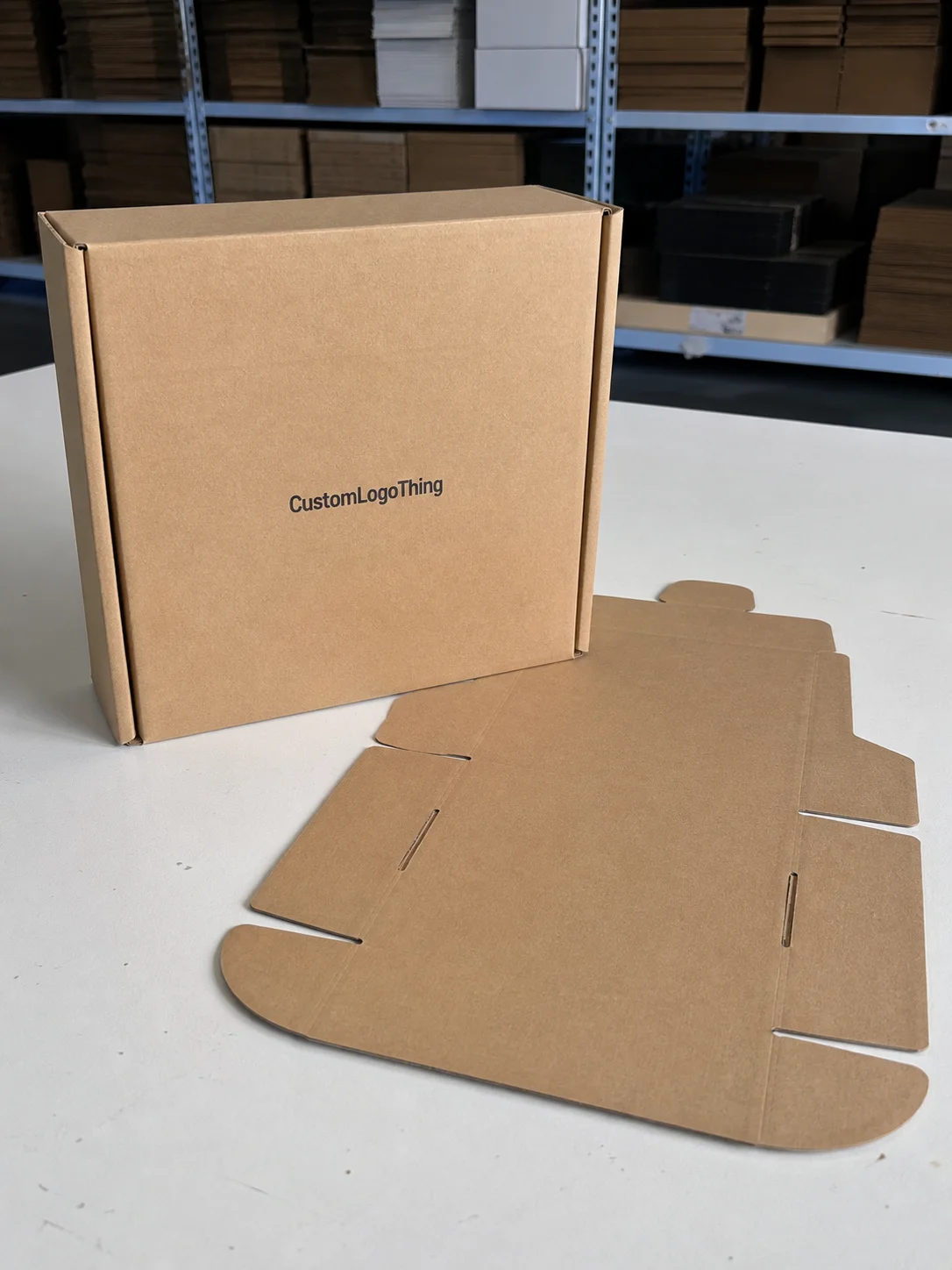
Construction styles also affect performance. A regular slotted container is the everyday standard because it is efficient to make and easy to pack. Roll-end mailers are popular for small goods because they lock well and protect corners. Die-cut folders can be engineered for better presentation and a tighter fit. Add custom inserts or partitions if the product moves inside the box, especially with glass, jars, or kitted components.
Eco friendly should not be confused with weak. A well-engineered box can use less material and still outperform a heavier carton because the structure is right. That is why I always ask for compression expectations, shipping method, and stacking requirements before I recommend a board grade.
For brands reviewing broader packaging programs, our Custom Packaging Products page is a useful place to compare formats, while our Custom Shipping Boxes options are a better fit if shipping performance is the main concern.
Key Specifications to Confirm Before You Order
Before you buy eco friendly corrugated boxes, gather the numbers That Actually Determine fit and strength. The first one is inside dimensions, not the outside size printed on a quote sheet. I’ve seen clients order boxes based on outside measurements and then wonder why the product rattled or the lid would not close. Add the product weight, the number of units per carton, and the expected stacking height on a pallet.
Strength measurements deserve a plain-English explanation. ECT, or Edge Crush Test, is commonly used for shipping cartons because it relates to stacking performance. Burst strength is another metric you may hear, though it is less commonly used as the first reference point in many shipping applications. If your supplier recommends 32 ECT, 44 ECT, or a double-wall grade, ask what the route and compression assumptions are. A responsible answer should mention product weight, warehouse handling, and whether the box will be palletized.
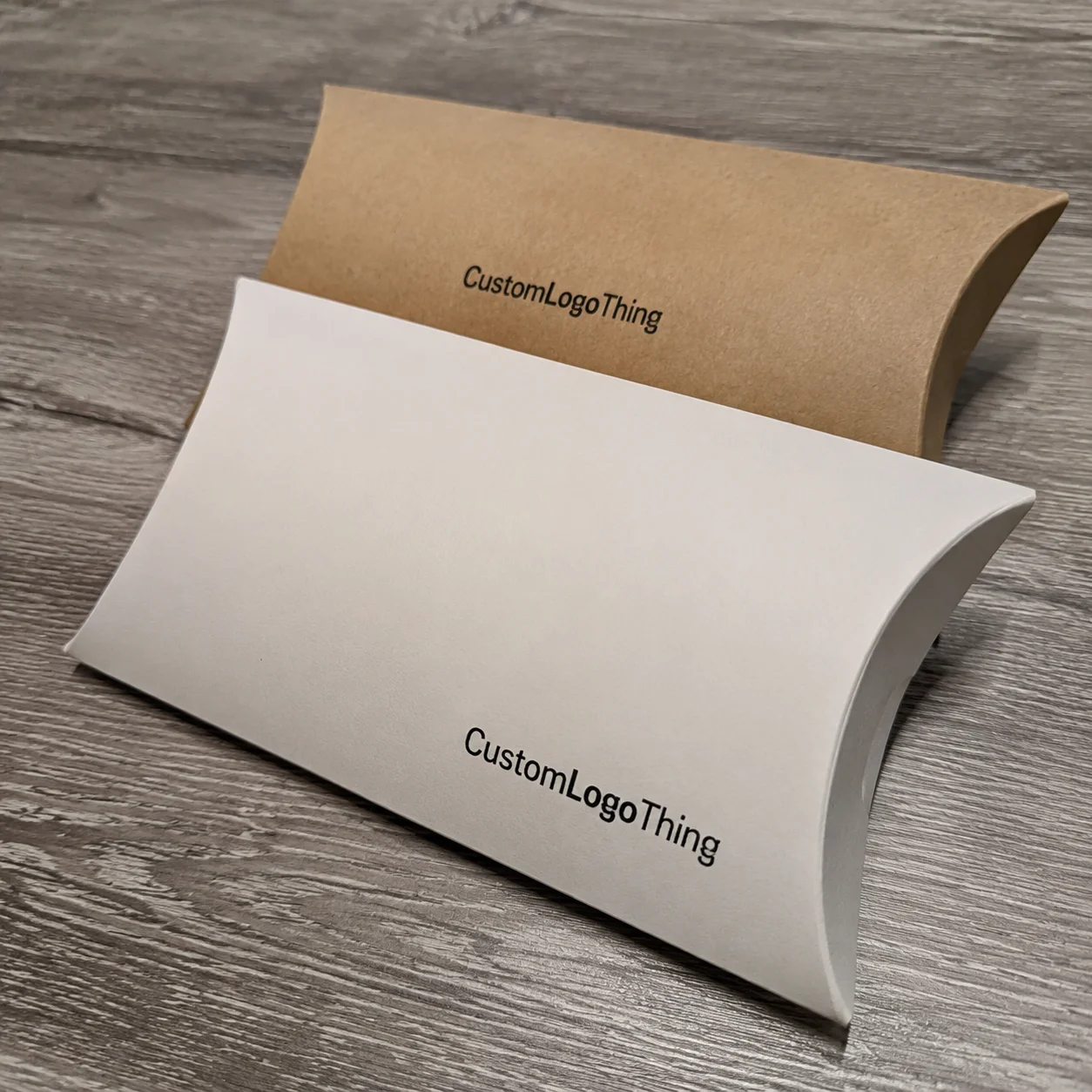
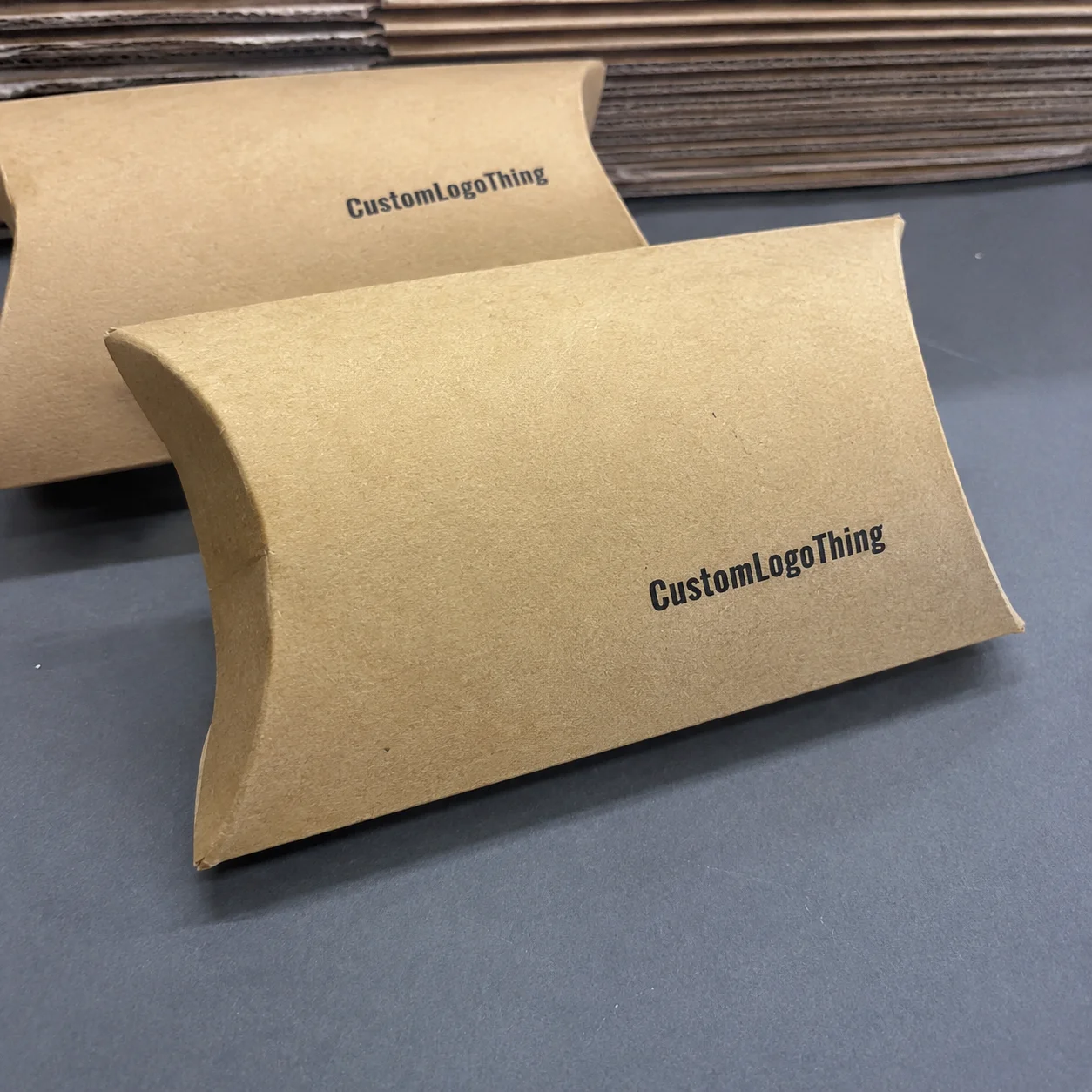
Print and finish choices should be decided early. You can order an unprinted kraft box for a clean, economical look, or add a one-color logo, handling marks, or a full branding panel. If the box is part of your customer experience, simple print can do a lot without driving costs too high. I’ve watched companies spend on fancy finishes when a neat one-color logo and correct sizing would have delivered a better result for less money.
If your products are delicate or travel far, ask about inserts, dividers, moisture resistance, and void fill. A warehouse in Florida is not the same as one in Arizona, and humidity changes how corrugated behaves over time. A client once moved cartons from a dry inland facility to a humid coastal distribution center, and they had to upgrade the board because the old spec softened too much in storage. That’s the kind of detail that saves headaches later.
Before you place a run, request a sample or structural drawing. I prefer a real sample whenever possible because it shows how the box folds, how the closure lines up, and how the product sits inside. If you need to buy eco friendly corrugated boxes for a packing line, the sample also tells you whether the design plays well with your line speed and labor pattern.
For reference on sustainability language and packaging recovery pathways, the EPA recycling resources and FSC certification information are both helpful starting points.
Pricing Factors and Minimum Order Quantities
Corrugated pricing is not mysterious. If you buy eco friendly corrugated boxes, the unit cost is mainly driven by board grade, box dimensions, print coverage, structural complexity, and order volume. A plain RSC in a standard size is usually far less expensive than a die-cut mailer with custom locking tabs and full coverage print. Every extra die line, glue point, and setup step adds labor and tooling cost.
Volume matters a great deal. In one supplier negotiation I handled, the client wanted a printed custom carton in a short run of 1,500 pieces, and the setup cost made the unit price look painfully high. We compared that with a 7,500-piece run, and the per-unit cost dropped enough to justify the larger order because the tooling and print setup were spread out. That is normal in corrugated. Larger runs usually improve efficiency.
Minimum order quantities vary by construction. Stock-style cartons can be available in modest volumes, while custom die-cuts and printed boxes usually require more. A plain kraft mailer might be feasible at 1,000 to 2,500 units, while a Custom Printed Shipping carton can make more sense at 5,000 units or above depending on the plant. If a factory promises extremely low MOQ on a highly custom build, ask how they are controlling setup cost and whether the quality is repeatable.
There are tradeoffs between standard and fully custom work. A standard size can be cheaper and faster, but if the product is loose inside the box, the savings disappear into filler and transit damage. A fully custom box can cost more upfront, yet the landed cost may be better if it reduces dimensional weight, speeds packing, and lowers return rates. I have seen the lowest unit price become the highest total cost because the carton was oversized by nearly 20 percent.
If you want to buy eco friendly corrugated boxes on a budget, compare total landed cost instead of unit price alone. Include freight, storage space, damage reduction, and packing labor. A box that saves two seconds per pack and cuts one percentage point of damage can outperform a cheaper carton very quickly.
How the Ordering Process Works and What the Timeline Looks Like
The ordering process is straightforward when the buyer comes prepared. First, Request a Quote with size, weight, quantity, print needs, and target ship date. Next, confirm the structural drawing or sample. After that comes artwork approval, then production, then shipping. If a supplier skips the drawing stage and wants to go straight to print, I would slow that down.
In the factory, corrugated board is converted through cutting, slotting, folding, gluing, and printing. On a busy line, the difference between a clean spec and a vague one can be the difference between a smooth run and a pile of rework. Proof approval matters because once plates or cutting rules are started, changes cost time and money. I’ve stood beside a converting line where a small typo in the artwork forced a reprint, and nobody was happy about the lost day.
Simple stock-style orders can move faster than custom programs, but the exact timeline depends on tooling, raw material availability, and whether the artwork is final. If you need to buy eco friendly corrugated boxes for a product launch, do not wait until the last week. Build in enough time for sample review, adjustments, and freight. A realistic plan often includes a few business days for quoting and proofing, then production and shipment after approval.
Seasonality matters too. Freight congestion, peak retail schedules, and raw material swings can affect delivery timing. If you are replenishing a box used in daily fulfillment, it is smart to keep an approved repeat spec on file so the reorder process does not start from zero every time. That one habit saves a lot of emergency calls.
“The best packaging order is the one you don’t have to rescue later,” a warehouse manager told me in a client meeting after we fixed their carton fit. He was right. A good carton spec is quiet, and quiet packaging is usually the sign of a job done well.
Why Choose Custom Logo Things for Corrugated Packaging
At Custom Logo Things, the conversation starts with the real shipping job, not a generic catalog. That matters. If you want to buy eco friendly corrugated boxes, you need a partner who understands corrugator lines, die-cut systems, folding tolerances, and print workflows from the factory floor up. I’ve spent enough time around these machines to know that a box that looks fine on paper can behave very differently once it hits a packing table.
We can help with custom sizing, brand printing, and material guidance based on how the box will actually be used. If the carton is going through parcel shipping, we’ll look at compression and weight efficiency. If it’s for palletized distribution, we’ll focus more on stacking and master-carton handling. If the goal is an attractive customer unboxing moment, we can recommend print placements that keep cost controlled while still looking polished.
Quality control is another place where experience counts. Dimensional checks, board verification, and repeat order consistency are not glamorous topics, but they are the reason a reorder arrives the same way the first run did. I’ve visited plants where the operators could tell you from one glance whether a box would fold properly, and that kind of practical judgment usually shows up in the final product. When you buy eco friendly corrugated boxes, consistency is part of the value.
We also try to be honest about what a box can and cannot do. If a product needs more protection, we’ll say so. If a simpler carton will perform just as well, we’ll say that too. The goal is not to oversell. It is to match the right carton to the right application, whether that means a standard shipping box, a printed mailer, or a full custom corrugated program. For a broader look at available formats, our Custom Shipping Boxes are a good place to start, and our Custom Packaging Products page can help you compare related packaging options.
Actionable Next Steps to Buy the Right Boxes Now
If you are ready to buy eco friendly corrugated boxes, gather three basics before you request pricing: product dimensions, shipping weight, and order quantity. Those three numbers let a packaging supplier narrow the board grade, box style, and likely MOQ much faster than a vague request ever could. If you have pallet dimensions or retail shelf requirements, include those too.
Decide whether the box needs branding, inserts, or higher strength before the quote begins. That simple decision keeps the process cleaner and prevents costly revisions later. A one-color logo on kraft board is very different from a fully printed die-cut mailer with a locking bottom and custom insert, and the factory needs to know which lane to quote.
Ask for a sample or prototype if fit is critical. I have seen many first orders saved by a simple sample check in the warehouse, especially when the product was fragile or packed with accessories. Test the closure, the stacking, and the hand-feel of the box in the actual packing environment. A box that looks fine on a desk can behave differently under line pressure.
Compare total delivered cost, not just the quote line for cartons. Freight, storage footprint, damage reduction, and labor efficiency all belong in the decision. A slightly higher carton price can still be the better deal if it lowers claims and pack time. That is one of the reasons smart buyers keep coming back to the same supplier once the spec is right.
My advice is simple: send your dimensions, weight, and quantity, request a sample, and confirm the production timeline before you place the first order. If you are ready to buy eco friendly corrugated boxes, the fastest path is a clear spec and a supplier who understands both packaging and shipping reality.
In practice, the companies that do best are the ones that treat corrugated as a working asset, not just a disposable container. When you buy eco friendly corrugated boxes with the right strength, fit, and print details, you get a carton that protects product, supports your brand, and fits your budget without waste. That’s the standard to hold onto, even if the cheapest quote tries to tug you another direction.
FAQ
Where can I buy eco friendly corrugated boxes for shipping?
Look for a supplier that offers custom sizing, recycled content options, and shipping-grade board choices instead of only stock cartons. Ask whether the manufacturer can provide samples, structural drawings, and print support before you place a production order.
How do I know which eco friendly corrugated box strength I need?
Base the choice on product weight, stacking height, transit distance, and whether the box will be handled manually or on pallets. Ask for ECT or burst strength recommendations from the supplier rather than guessing from box size alone.
What is the minimum order quantity for custom corrugated boxes?
MOQ depends on whether the box is stock-size, custom-die cut, plain kraft, or printed with logos and special features. Small custom runs are possible, but higher volumes usually improve unit cost and reduce setup expense per box.
Can eco friendly corrugated boxes be printed with my logo?
Yes, corrugated boxes can be printed with one-color marks, branding, handling icons, or fuller artwork depending on the production method. Simple print layouts usually keep costs lower and are easier to approve quickly.
How long does it take to receive custom eco friendly corrugated boxes?
Lead time depends on whether tooling is needed, how quickly artwork is approved, and the current production schedule at the factory. If you need a repeat order, having approved specs on file usually speeds up the reorder process significantly.