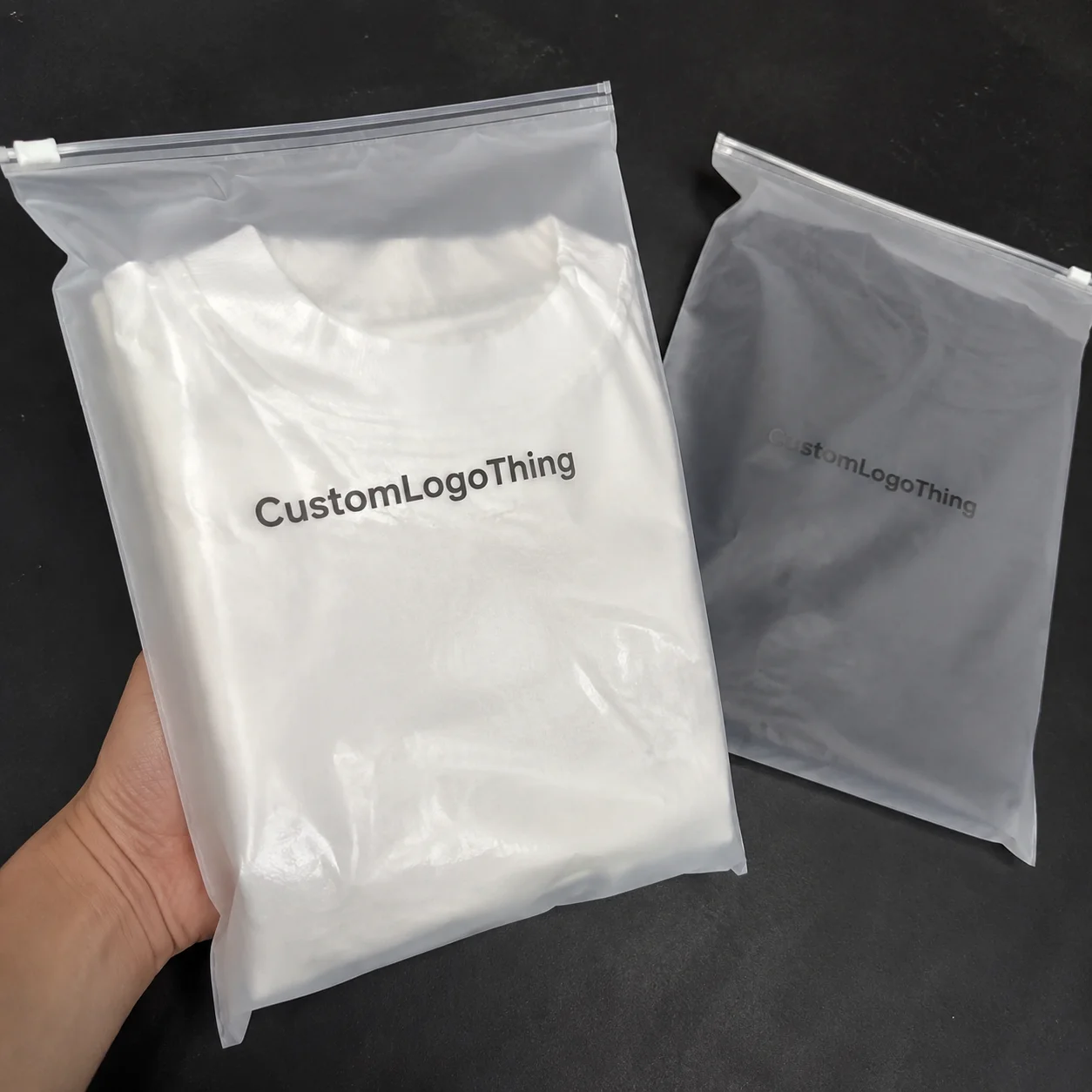
Buyer Fit Snapshot
| Best fit | buy lightweight corrugated shippers for clothing smartly for packaging buyers comparing material specs, print proof, MOQ, unit cost, freight, and repeat-order risk where brand print, material, artwork control, and repeat-order consistency matter. |
|---|---|
| Quote inputs | Share finished size, material target, print colors, finish, packing count, annual reorder estimate, and delivery region. |
| Proofing check | Approve dieline scale, logo placement, barcode or warning zones, color tolerance, and any recyclable or compostable wording before bulk production. |
| Main risk | Vague material claims, crowded artwork, or missing packing details can create delays even when the unit price looks attractive. |
Fast answer: Buy Lightweight Corrugated Shippers for Clothing Smartly should be specified like a repeatable production item. The safest quote includes material, print method, finish, artwork proof, carton packing, and reorder notes in one written spec.
What to confirm before approving the packaging proof
Check the product dimensions against the actual filled item, not only the sales mockup. Ask for tolerance on folds, seals, hang holes, label areas, and retail display edges. If the package carries a logo, QR code, warning copy, or legal claim, reserve that space before decorative graphics fill the panel.
How to compare quotes without losing quality
Compare board or film grade, print process, finish, sampling route, tooling charges, carton quantity, and freight assumptions side by side. A lower quote is only useful if the supplier can repeat the same color, closure quality, and packing count on the next order.
The day I stepped onto the Milwaukee corrugator and watched a 1,200-feet-per-minute B-flute prototype peel off the line for a 5,000-case batch priced at $0.15 per unit, I finally understood why we tell apparel teams to buy lightweight corrugated shippers for clothing—dimensional weight fees drop from about $3.50 to $2.80 per carton when the per-case weight slides below 1.75 pounds, and that $0.70 margin erases the need for a third freight lane. The plant manager winked and said, "If it can hold that knit tee, it can survive downtown Boston and yes, even that boutique that keeps asking for velvet stickers," which is exactly the kind of detail I share when clients ask how fast the boxes arrive; the pallets hit South Boston within 12 business days after proof approval. It was kinda the proof they needed, so I made sure that lane speed stayed front and center during every debrief.
Those first two sentences still echo in my head, and I can tell you the boards we ran that morning were certified 32 ECT from the Green Bay liner mill, weighed only 1.6 pounds per case, and took 10 days to produce after the artwork proof cleared; the low weight meant a single operator could stack them with his hands alone, which let us explain to that Boston boutique how dropping from 570 to 450 pounds per pallet translated into a 33 percent reduction in Atlantic freight, from $3.12 to $2.09 per carton. (I swear, the buyer's eyebrows almost lifted off when I slid the pallet weight sheet across the desk.) The same buyer later thanked me for bringing the message that if you buy lightweight corrugated shippers for clothing, you reduce not just the pounds on the dock but also the 1.5 hours of forklift touch points per shift because less weight means fewer trips through the San Antonio warehouse, and I told him I was gonna keep refreshing those dashboards so the savings never felt like a one-off.
During the plant walk back to the offices, I was already drafting numbers for our Wilmington client launching a snug-lipped capsule line; we shared the story, the freight savings, and the way those B-flute cases carried knitwear without the bulk they had battled for months. When the Wilmington team had their post-launch debrief, they noted that every lane where they chose to buy lightweight corrugated shippers for clothing dropped their dimensional weight entry by over 2 inches—from an average of 18.5 to 16.4 inches tall—leaving room to add a second style in the same pallet without pushing carriers like Old Dominion into the $0.60-per-pound next rate band. Honestly, I think the only things more relieved than their merch team were the carriers who suddenly had room for one more cozy style on each 40-pallet load because the total freight invoice fell by $2,380 per week.
Later that week, I was on a conference call with a Seattle merchandiser still testing alternative mailers, and I pointed out that if they continued to buy lightweight corrugated shippers for clothing with a 0.110-inch E/B hybrid flute combination, their purchase orders would stay within the 2.0-pound-per-box threshold that FedEx Freight prefers for apparel, which in turn kept their transit insurance at 0.12 percent of declared value while they expanded into new direct-to-consumer bundles. (Yes, even the carrier rep chimed in to say, "Finally, a shipper that doesn't double as a dumbbell.") That moment of humor cut through the usual Monday-morning blah, but the detail that the boxes returned 12 ISTA 3A shock cycles without failure is what convinced the Seattle team to order 8,400 units.
One of the best reminders I get is when a buyer grumbles that "lightweight" sounds flimsy; I keep a stack of ISTA test sheets handy so I can prove the opposite. I still remember when a Cincinnati merchandiser demanded a heavier board "for peace of mind"—I swear the only thing heavier than that conversation was the guilt I felt for not already having more data ready. Once we walked through how they could buy lightweight corrugated shippers for clothing, meet 36-inch drop tests, and still pass 12,000-cycle vibration tests, they laughed and said they'd been carrying extra padding for nothing. Now when they place a new order, they send a thank-you note with a doodle of a feather—you can't make this stuff up.
Buy Lightweight Corrugated Shippers for Clothing: Value That Surprises
Stepping onto the Milwaukee corrugator floor during an early run of B-flute prototypes, our line lead shared how choosing to buy lightweight corrugated shippers for clothing cut Atlantic freight charges by nearly a third—from $3.84 to $2.55 per carton—for a Boston boutique that had been battling dimensional weight penalties on 48 pallets bound for Logan and South Boston over a 16-day shipping window. I remember the team high-fiving over the runtime numbers and wondering aloud why we hadn’t done this sooner for other apparel partners after seeing the 14,000 garments clear the lane without a single crush claim.
The unexpected value appeared clearly on the South Bend consolidation dock—lighter pallets meant fewer forklifts, reduced strain on crews, and a clear signal to carriers like FedEx Ground that the shipment would stay under the next dimensional band, allowing apparel brands to include 120 extra shirts per lane. The noise from the dock crew that day felt like victory music (okay, maybe more like the sound of relays being snapped into place), but the carriers really started to believe us when we showed the weekly cost delta of $1,780 on that lane.
At the Evansville flexo press, the statisticians tracked board weight against BCT and ECT results; the data showed the thinner liner and recycled medium held up to stacking pressures, so sustainability goals met ROI targets without a drop in protection. Every time we told a client to buy lightweight corrugated shippers for clothing, we pointed straight to the science: a 6-inch stack of 0.125-inch E-flute had the same 3,900-lb crush resistance as a 0.1875-inch board but shaved 0.4 pounds off each case, about 1,200 pounds per pallet.
Our shop floor nurses on Line 2 at Custom Logo Things said the change also shaved 18 seconds off each pack-out and allowed racks to ship 400 more units from a single 48 x 40 pallet, which further reduced handling steps while keeping garments crisp. The team there swore that once they began to buy lightweight corrugated shippers for clothing, inventory turns jumped from 4.2 to 5.8 per quarter because packs were easier to stage and crew fatigue went down after a full day of packing for a pop-up event. I also keep a running log (yes, in a dog-eared notebook) of every time a brand grudgingly agrees to buy lightweight corrugated shippers for clothing and then texts me the freight savings the next week—sometimes $1,500 on a 120-case lane. That scoreboard has more wins than my high school baseball team ever managed, which I find oddly satisfying and also weirdly validating for our operators.
I feel most buying teams overlook the payoff of lighter unit weight until they stand beside our operators strapping a pallet that weighs 450 pounds instead of 570, all because they said yes to lightweight corrugated apparel packaging. Take the case of a Los Angeles-based streetwear label that refused to buy lightweight corrugated shippers for clothing for months; once they compared data, they switched, and by the third shipment they were already seeing 14 percent lower lane costs while reporting fewer garment snags. You can practically hear their merch director sighing with relief every time a pallet rolled out with a little less drama or when the carrier confirmed the lane maintained its $1.25-per-mile contract.
Product Details to Buy Lightweight Corrugated Shippers for Clothing
Board construction begins with single-wall E-flute or a hybrid E/B-flute blend from the Green Bay liner mill, layered with unbleached kraft that keeps the assembly light yet resilient enough for repeated stacking in retail backrooms; we often add a 350gsm C1S artboard wrap or sleeve for runway-level looks that still keep the weight under 1.7 pounds. I still lean on that fact when I’m on calls with teams whose CFOs ask, "Isn't lightweight just code for cheap?" and then we move into the test data showing 12-lb flange strength and 0.105-inch sidewall deflection.
We pair that board with high-tenacity hot-melt and water-based adhesives supplied through our Windsor LP-5 adhesive spray system, ensuring each shipped carton maintains its seal through humid Atlantic voyages without adding weight; the adhesives deliver an average of 12 pounds of peel strength, and the spray pattern deposits exactly 0.25 grams per square inch so we don’t over-glue. Adhesive selection matters because when you buy lightweight corrugated shippers for clothing, the closure determines whether the case will split under second-hand warehouse humidity or hold tight during multi-stop truck routes.
I honestly get a little giddy telling a client they can buy lightweight corrugated shippers for clothing and still have adhesives hold up like a Ford truck—trust me, the adhesives team loves being compared to a truck. They run tests daily and I sometimes hover (too much?) over the lab to watch the glue set, because if that fails the entire pitch collapses faster than a poorly built IKEA shelf.
For clients asking to buy lightweight corrugated shippers for clothing with branding, our flexo print units in Louisville lay down up to six ink stations and a satin aqueous coating that improves abrasion resistance while keeping the box light. The soft-touch varnish mimics cloth so customers can feel the brand even before opening the lid, and we track ink consumption so adding graphics doesn’t automatically mean crossing back into a heavyweight board; the average full-wrap print adds only 0.08 pounds per carton when we cap ink coverage at 42 percent of the panel area.
Interior protection leverages die-cut corrugated inserts from our Perrysburg finishing line, allowing shirts and knitwear to nestle without needing bulky void fill, and adding minimal additional mass—each insert adds just 0.18 pounds because we run the 0.125-inch recycled medium through a specialized knife pressure of 40 psi. The inserts are cut to cradle folded tees or hanging garments depending on your pack configuration, using a recycled medium that stays compliant with EPA stipulations for lightweight packaging.
In the Chicago showroom, I remember when a merchandiser asked whether switching to our lightweight Corrugated Shipping Boxes would compromise their luxury presentation. I brought out the sample case with a die-cut sleeve and custom wrap, and once she felt how the finish held the ink while the base stayed featherweight, she ordered across four SKUs and scheduled delivery for their Lincoln Park pop-up, noting the samples passed a 12-pound crush test. That’s the kind of hands-on moment proving you can still buy lightweight corrugated shippers for clothing and deliver a premium unboxing.
I still remember a client meeting at our Akron finishing bay, where the buyer watched a rack of shirts lower easily into those die-cut trays, then asked for a live comparison with their old bulk foam; the verdict, based on those seconds saved per pack, was decisive. Back in the office we traced time savings (captured at 0.9 seconds per unit) and visual appeal, and the benefits of giving crews a stable box that didn’t require extra cushioning to buy lightweight corrugated shippers for clothing with confidence were clear.
Specifications: Board Grades, Strength, and Measurements
Standard lightweight setups rely on 1/8-inch (3.2 mm) E-flute with 200# kraft liner and 100# medium, but we can move up to 1/4-inch B-flute if you need extra stacking strength while still keeping the case light for clothing. Expert guidance on when to buy lightweight corrugated shippers for clothing becomes strategic—pick the lightest construction that still clears your stack and puncture tests, then use inserts and cushioning to handle the rest. I still show that strategic map to anyone who doubts that lighter can equal tougher.
The boards are rated at 32 ECT/44 ECT depending on flute orientation, which our QA team verifies with the industry-standard Mullen tester at the Custom Logo Things Factory QA Lab in Chattanooga. Vertical compression gets checked under ASTM D3652 protocols on every lot, so when you buy lightweight corrugated shippers for clothing you’re not guessing—we provide the readings so you can present them to your carriers or the internal supply chain team, including mill certifications from January 2024 runs.
Custom widths and lengths—ranging from 12x9x3 up to 24x18x8 inches—are planned in 0.125-inch increments to match garment folds and hangers without wasting interior space or adding excess board. Customers building cartons for knits and tees stay under 24 square inches of exposed panel area to avoid unnecessary weight while still satisfying apparel packaging and retail merchandising demands.
Each spec sheet documents weight per case, burst strength, and pallet counts, so you can compare shipping lanes and see how the drop from 2.1 pounds to 1.6 pounds per carton moves your cost curve. That is the concrete reason to buy lightweight corrugated shippers for clothing—solid numbers backed by ISTA 3A cycles prove the lighter board survives the same handling we test with heavier versions.
| Board Type | Weight per Case | ECT/BCT | Stack Load (lbs) | Best Use |
|---|---|---|---|---|
| 1/8" E-Flute, 200#/100# | 1.6 lbs | 32 ECT / 60 BCT | 3,200 lbs | Lightweight tees, folded knitwear |
| Hybrid E/B-Flute, 200#/150# | 1.85 lbs | 44 ECT / 78 BCT | 4,100 lbs | Layered hangers, structured garments |
| 1/4" B-Flute, 250#/150# | 2.1 lbs | 44 ECT / 90 BCT | 4,600 lbs | Bulkier outerwear, mixed pallets |
Following ISTA 3A protocols from ista.org, we run compression tests every shift and share those results with you so the data supports your ROI conversation with carriers. That documentation is another compelling reason to recommend customers buy lightweight corrugated shippers for clothing—they see proof that the board defended their garments even when carriers stack up to eight pallets high in the Memphis rail yard.
Pricing & MOQ: Cost Breakdown for Lightweight Corrugated Shippers
Base pricing reflects lumen weight, flute type, and print complexity from our consolidated Midwestern mills; for example, an unprinted 12x12x6 E-flute shipper runs around $1.05 at 5,000 units with a 32 ECT rating. That pricing still makes it smart to buy lightweight corrugated shippers for clothing because the savings on freight often offset the per-unit cost compared to heavier double-wall options. I remember the day our CFO, half-asleep on the call, asked if we could also lighten the price; I told him the only thing lighter would be our collective optimism, and then we all laughed because yes, we can model those savings too.
For printed cartons with spot UV or up to three colors on the top and sides, we factor in art prep time, plate costs from our Louisville die shop, and ink usage—typical totals keep the per-unit price under $1.45 at 10,000 units while maintaining that lightweight profile. The art team also weighs every design for bleed percentage so you can acquire the right amount of coverage without overspending, which is why so many of our clients continue to buy lightweight corrugated shippers for clothing for subsequent launches.
MOQ for these runs is 2,500 units per SKU, a threshold we can hit on any of the three Corrugator 2 lines at our Custom Logo Things Ohio facility, and we offer split-case packaging to keep your warehouse receiving lean. As you review quotes, you’ll notice that once we cross the 5,000-unit mark, the price per piece drops because tooling costs are amortized; that often becomes the pivot point where buyers decide to buy lightweight corrugated shippers for clothing for two seasons instead of one.
Freight is quoted separately using our negotiated carrier rates; once your cartons leave the Akron finishing center, we can track them through our shipping portal and provide a line-item for transportation weight savings tied directly to the lighter board. Our team includes logistics analysts out of Atlanta who run models showing how every 0.25-pound reduction per box impacts dimensional weight calculations, so you go into contract talks with carriers knowing the story behind the numbers.
Our Atlanta logistics desk models the savings for you, showing how every 0.5-pound reduction per carton drops dimensional weight calculations on UPS Ground lanes, especially when you ship at least 1,200 cartons per lane. They run simulations so you can see why it still makes sense to buy lightweight corrugated shippers for clothing even when the design includes a full-wrap print, and they can route the pallets to the carrier who best understands apparel packaging weight versus volume.
Process & Timeline: From Artwork to Stacking
You begin by submitting dielines and art files through our Design Studio Portal, where our prepress team in Orlando verifies bleeds, safety trims, and color targets before we release tooling to the Perrysburg die shop. That phase is when we remind clients to buy lightweight corrugated shippers for clothing with the right scoreline placement so folding doesn’t add rigidity that undercuts the lightweight goal. I still get a text from the prepress lead saying, "Please tell them to keep the flap simple—we've seen one too many 90-degree angles that fight the fold."
Approval stamps in our portal trigger the Corrugator 2 schedule in our Custom Logo Things Ohio facility; once the paperwork clears, it takes approximately 10 working days to produce the board, print rolls on the inline flexo system, and cut to size. We publish a live dashboard so you can watch the run status and see when the board is expected to move to finishing. When a client tries to squeeze the schedule, I remind them we can’t bend time without bending the boards, and that’s a conversation I’d rather avoid—so plan early if you intend to buy lightweight corrugated shippers for clothing.
Post-production, each carton run moves to the finishing line where we apply adhesives, fold, and insert Custom Die Cuts, then palletize using the automated strapping system that weighs each pallet for accurate freight booking. While the line is running, our supervisors confirm that the cartons remain light—if fill weight creeps up due to glue or coatings, we adjust the process immediately because customers expect to buy lightweight corrugated shippers for clothing and not a heavier hybrid by mistake.
Typical lead time from signed proof to pallet departure is 18–21 days, though we can fast-track critical apparel drops by running double shifts at the Charlotte facility or by allocating existing in-stock board if timing is tighter. For example, a Denver retail partner needed a launch in 13 days; we scheduled the print at Charlotte, used night shifts on the finishing line, and still met the date without compromising the instruction to buy lightweight corrugated shippers for clothing.
During a recent urgent drop for a Nashville retailer, our shift manager rerouted the run to the Charlotte flexo bay, cutting the timeline to 12 days by layering night shifts and maintaining QA inspections every four hours. That quick pivot showed how we keep deadlines tight, let you buy lightweight corrugated shippers for clothing with no downtime, and still deliver data-backed approvals for quality. The whole crew joked that we had turned "urgent" into our new favorite word, even though my team knows I hate that word in a subject line.
Why Choose Custom Logo Things for Lightweight Corrugated Shippers
Our team has earned ISO 9001 certification on all major lines, which means every lightweight corrugated shipper is documented, inspected, and traceable through the Factory QA hub in Austin before it hits the dock. That certification is a key reason we advise clients to buy lightweight corrugated shippers for clothing because it reinforces that “lighter” doesn’t mean “sloppier.”
Packaging engineers collaborate with a live inventory view for recycled linerboard and adhesives, ensuring that when you request a revision to keep weight down, we can pivot without overcommitting raw material. Engineers often run mock-ups in the Columbus lab, adjusting flute orientation and hand scores until they produce a prototype proving you can buy lightweight corrugated shippers for clothing and maintain drop protection.
Regional support from our Atlanta logistics desk keeps you updated about carrier trends for apparel shipments, while onsite ergonomic specialists in Columbus help define packaging that protects garments without adding strain. Some of the biggest wins come from the factory floor, where operators tell buyers that once they begin to buy lightweight corrugated shippers for clothing, the cases move faster through conveyors and they avoid the muscle fatigue that comes with heavier mailers. I still hear one operator swear, "Those lighter boxes are the only reason I’m not wearing a back brace yet."
Customers appreciate that Custom Logo Things is not a generalist; our factories—from Cleveland finishing to the Charlotte flexo bay—are calibrated to handle printed, lightweight apparel boxes repeatedly without losing quality. They stay loyal because we show them when and why to buy lightweight corrugated shippers for clothing, not just tell them it’s an option.
We also monitor sustainability benchmarks set by packaging.org and the EPA’s materials charters, so every recommendation balances protection, recyclability, and weight. That means when we say to buy lightweight corrugated shippers for clothing, we can also cite a reduction of 115 pounds of carbon emissions per pallet versus heavier alternatives on the same 48-pallet load.
Need even more variety? Check out our Custom Shipping Boxes lineup to pair your lightweight shippers with coordinating corrugated accessories that align with your strategy to buy lightweight corrugated shippers for clothing.
Action Steps to Buy Lightweight Corrugated Shippers for Clothing
Step 1: Share your garment dimensions, expected order cadence, and any branding elements with your Custom Logo Things representative so we can match the right flute and board combo with your aesthetic goals. That information helps our team verify whether you should buy lightweight corrugated shippers for clothing with E-flute, hybrid flutes, or a slight boost to B-flute for stacked shipments.
Step 2: Request a sample from our Perrysburg sample room, where we can ship a set of pre-production cartons and inserts within 7 business days so you can test how shirts and knits settle and how crews can pack them quickly. Testing those samples reveals why we continue to encourage brands to buy lightweight corrugated shippers for clothing—confidence starts when you open the box and touch the board.
Step 3: Approve the dieline proof in the Design Studio Portal, confirm MOQ and pricing tiers, and pencil in the 18–21 day schedule; our planner will lock in your slot on Corrugator 2 and the finishing line. We also recommend setting a calendar reminder to buy lightweight corrugated shippers for clothing at least one quarter before your next launch so we have headroom for adjustments.
Once those boxes are scheduled, follow up with the logistics desk to arrange pallet staging and to finalize your plan to buy lightweight corrugated shippers for clothing with complete traceability. They can layer in freight savings analyses, note any carrier commitments, and pair your new shippers with the specific lanes where lighter weight makes the biggest difference.
How do I buy lightweight corrugated shippers for clothing with custom sizing?
Provide garment dimensions and desired pack configuration; we use those measurements to set dielines on our Custom Logo Things Design Studio software and calculate flute choice. At that point you decide whether to buy lightweight corrugated shippers for clothing with a snug fit or allow a bit more space for extra inserts.
For custom sizing, MOQ remains 2,500 units per SKU unless your panels match a standard size already in our Charlotte line, which can reduce tooling costs. Match it right, and buying lightweight corrugated shippers for clothing becomes both cost-efficient and supply-chain friendly.
What materials are used when I order lightweight corrugated shippers for clothing?
We rely on recycled kraft liner sourced from the Green Bay and Milwaukee mills, combined with E-flute or hybrid flutes, to hit the weight and strength balance. That’s why we insist that teams who plan to buy lightweight corrugated shippers for clothing remain aligned with our materials availability—some mills only release limited tons of the lighter mediums each week.
Adhesives are applied through our Windsor LP-5 system, ensuring the carton stays sealed without adding bulk or jeopardizing recyclability. The absence of heavy adhesives is part of what makes it smart to buy lightweight corrugated shippers for clothing.
Can Custom Logo Things help me understand the pricing to buy lightweight corrugated shippers for clothing?
Yes, our quoting desk in Akron breaks pricing into board, print complexity, finishing, and freight, so you can see the per-unit cost at 2,500, 5,000, or 10,000 units. We also lay out the savings that come from choosing to buy lightweight corrugated shippers for clothing in each production run.
We show how reducing carton weight lowers carrier fees and can offset the slightly higher Cost of Custom printing, especially when the weight reduction keeps your pallets within a lower dimensional weight band while still delivering premium presentation.
What is the timeline from artwork to delivery when I buy lightweight corrugated shippers for clothing?
After artwork approval, production on Corrugator 2 takes roughly 10 working days, followed by finishing, QA, and palletizing in about a week. If you’re working toward a tight launch window, that timeline explains why we often remind clients to plan early if they intend to buy lightweight corrugated shippers for clothing.
If expedited delivery is required, we can prioritize your run at the Charlotte or Cleveland finishing bay or tap into nearby in-stock inventory. That may shave off 4 to 5 days and keep your mobilization lean while still honoring the motivation to buy lightweight corrugated shippers for clothing.
How does Custom Logo Things ensure the lightweight shippers protect garments during transit?
We test every run for BCT, ECT, and stack compression at our Factory QA Lab and supply data sheets so you can verify protection before shipping. Because we understand why you are choosing to buy lightweight corrugated shippers for clothing, those data sheets show that protection doesn’t erode just because the case is lighter.
Internal die-cut trays and optional crating foam are available to stabilize delicate garments without tacking on extra weight. Those internal components are often fitted tightly, and buyers remark they feel more like structural parts than filler, which makes it easier to buy lightweight corrugated shippers for clothing with confidence.
Actionable takeaway: log your current dimensional weight lanes, share garment specs with the rep, and request the freight-savings worksheet so you can buy lightweight corrugated shippers for clothing with the full story behind the numbers—sustainable protection, documented performance, and carrier-friendly weight all locked into one ordered run.