A premium product can lose the sale after the sale in about ten seconds. Use this matte zipper bags unit cost Packaging Insert Checklist before ordering, because the wrong pouch can make a $28 snack, supplement refill, apparel accessory, pet treat, hardware kit, or sample set feel like something pulled from a clearance bin.
When a Matte Zipper Bag Costs Less Than a Bad Unboxing
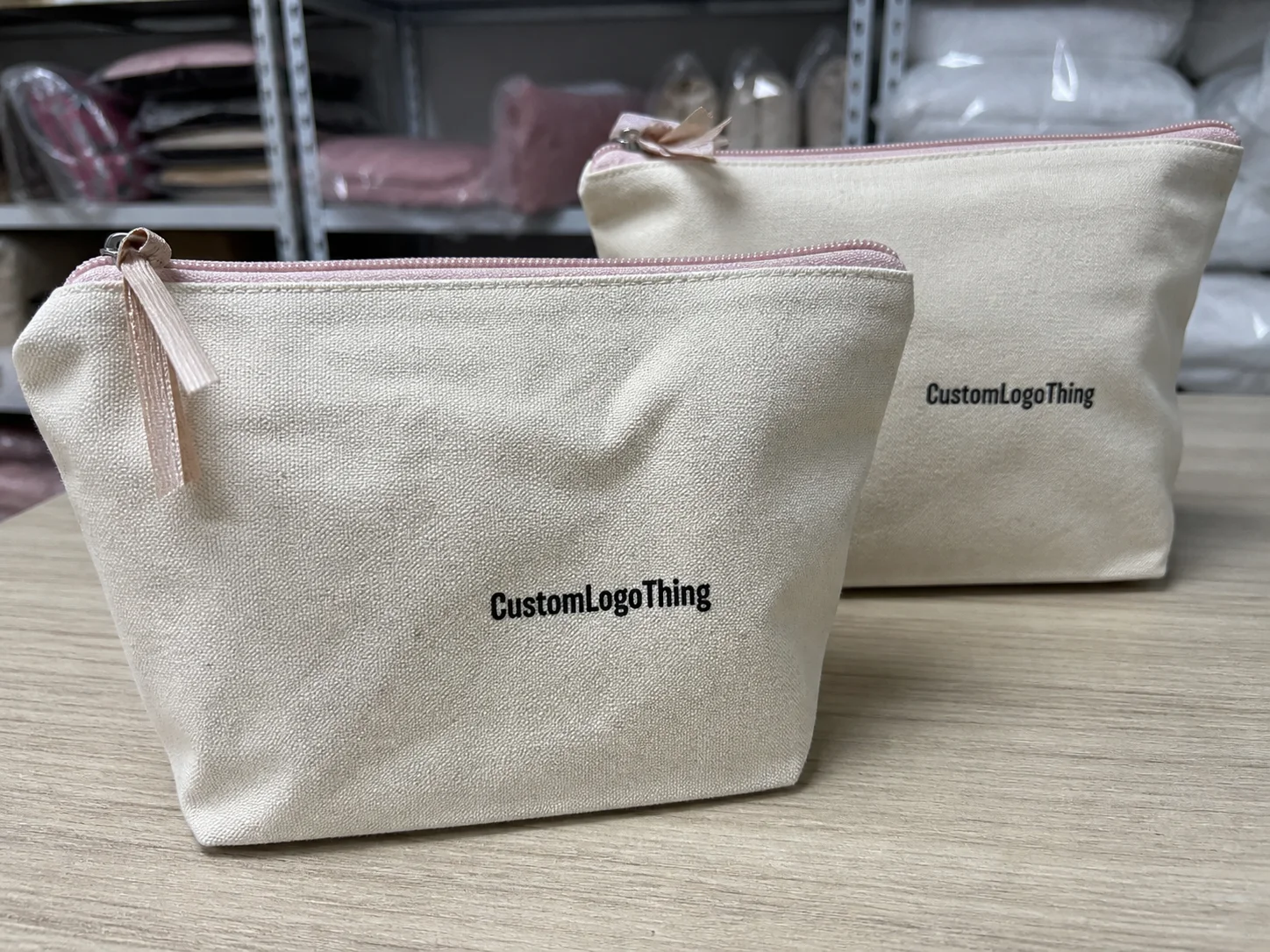
The customer opens the mailer. The pouch looks thin. The print is dull in the wrong way, not premium-matte dull. There is no insert, no care note, no reorder prompt, no QR code, and no basic explanation of what to do next.
That is not just a design miss. It is a margin problem.
A matte zipper pouch might add $0.18 to $0.65 per unit depending on size, film structure, print coverage, zipper type, finish, and order quantity. A lost repeat order can cost $20, $40, or more. Buyers often debate the pouch cost down to the cent and barely measure the cost of silence after delivery. Strange habit. Expensive one.
Matte zipper bags earn their place because they combine retail packaging function with a calmer, more premium finish than glossy film. Matte reduces glare in product photography, keeps bold logos readable, and gives packaging a soft-touch feel that works across food, beauty, apparel, pet products, refill packs, and subscription items.
The insert is not decoration either. A flat card, folded leaflet, warranty note, authenticity card, coupon, compliance insert, or QR reorder card can reduce support tickets by explaining dosage, storage, washing, assembly, batch information, warranty terms, or promotion details. For regulated or semi-regulated categories, the insert can also carry required copy without turning the front panel into a legal disclaimer poster. Nobody wants that.
Buyer reality: the bag is often cheaper than the missed second order, especially when packaging fails to explain use, storage, authenticity, or the next purchase step.
The buying lens should stay practical: material structure, zipper quality, print method, insert size, insertion labor, MOQ, freight, inspection rules, and defect allowance. Compare those items before judging the visible pouch price. That is the difference between buying a bag and buying a package that actually works.
Matte Zipper Bags Unit Cost Packaging Insert Checklist
A Matte Zipper Bags Unit Cost packaging insert checklist is a procurement tool. Not a mood board. It keeps quotes honest by forcing every supplier to price the same pouch size, material, thickness, zipper type, gusset, print method, matte finish, insert stock, insertion labor, cartons, and freight.
Start with the core inputs. A useful quote should show pouch dimensions, film type, print coverage, number of colors, matte coating or lamination, zipper grade, tear notch, hang hole, valve if needed, and quantity tier. Setup charges matter too. Digital print may avoid plates on shorter runs. Flexographic or rotogravure production can include plate, cylinder, or prepress fees that make more sense when spread across larger volumes.
Separate the pouch from the insert. Then price the combination. A plain matte pouch can look competitive at first glance. Add a 350gsm C1S insert card printed on two sides. Add hand insertion. Add carton labeling. Suddenly the real landed unit cost changes. That is not a problem; it is the number buyers need before setting retail margin.
| Quote Scenario | Typical Cost Drivers | Best Fit | Buyer Watchpoint |
|---|---|---|---|
| Pouch only | Film, zipper, print method, finish, freight | Simple refills or products with separate instructions | May miss reorder, care, or compliance messaging |
| Pouch plus loose insert | Insert paper, print sides, fold count, packing method | Ecommerce launches, sample kits, promotions | Insert can shift, bend, or hide behind the product |
| Pouch plus inserted card | Insertion labor, count checks, pack-out sequence | Subscription boxes, retail sets, premium kits | Labor must be quoted, not assumed |
| Pouch plus product kitting | Product handling, inspection, cartons, storage, fulfillment prep | Launch bundles and multi-SKU programs | Requires clear receiving, defect, and count rules |
Inspection belongs in the checklist. Ask about zipper alignment, seal strength, print registration, matte scuff resistance, odor control, and food-contact documentation where applicable. For transit expectations, the International Safe Transit Association is a useful reference point. Pouch performance is not only about looking good on a shelf; it has to survive cartons, parcel movement, warehouse handling, and the occasional delivery driver who treats boxes like sporting equipment.
Request price breaks at realistic volumes. One headline number can hide setup, freight, duties, pack-out fees, or defect allowance. A disciplined checklist makes the comparison visible before money moves.
Product Details Buyers Should Confirm Before Artwork
Do not start with artwork. Start with use.
Matte zipper bags come in several formats: stand-up pouches, flat zipper bags, three-side seal bags, bottom-gusset pouches, and hang-hole retail bags. Each format changes shelf posture, carton efficiency, fill speed, and insert placement. A pouch that looks right in a mockup may not stand properly once filled, especially if the product is light, uneven, oily, sharp, or bulky.
Material structure deserves careful attention. Common layers include PET for stiffness and print quality, PE for sealing, CPP for seal performance, kraft laminates for a natural retail look, metallized film for light and oxygen protection, and foil barriers for sensitive products. Recyclable mono-material options can work when barrier demands allow. They are not automatically right for every powder, oil, treat, or aroma-heavy product.
Matte finish changes the buying experience in practical ways. It reduces glare, improves packaging photography, and gives bold marks stronger contrast. It can also show scuffs more visibly than gloss if bags rub during shipping or retail handling. For premium soft-touch finishes, carton count, interleaving, and outer-pack protection may matter more than buyers expect.
Zipper choice is not a footnote. A standard press-to-close zipper is enough for many dry goods. Powder-resistant zipper profiles help with protein powders, drink mixes, spices, and fine granules. Heavier zippers suit products opened repeatedly. Child-resistant options may be required for some categories depending on product type and jurisdiction. Confirm legal requirements before art approval, not after production starts.
The insert must fit the product, not just the pouch. A flat 3 x 4 inch card may sit cleanly behind a snack pouch. A folded leaflet can bulk up near the zipper and interfere with closure. A coupon card might need coated stock for scannable QR codes. A warning card may require larger type, stronger contrast, or a layout that keeps mandatory copy readable. If food contact is possible, confirm whether the insert needs separation, compliant stock, or a placement rule inside the pack-out process.
Use case drives the final specification. Snacks need barrier and seal strength. Beauty refills need leak resistance and clean dispensing. Apparel accessories need tactile packaging design. Hardware kits need puncture resistance. Sample packs need low-bulk efficiency and clear instructions. Same matte finish, different job.
Specifications That Change Performance and Shelf Appeal
Dimensions are more than width and height. Confirm the bottom gusset, usable fill space, zipper-to-top distance, hang-hole location, seal width, tear notch position, and whether the insert sits above, behind, or beside the product. A 6 x 9 inch pouch can behave very differently after gusset expansion and zipper clearance are accounted for.
Thickness is usually expressed in mils or microns, but thicker is not always better. A 4 mil pouch may feel substantial for accessories. A high-barrier food pouch may use a different laminated structure measured by total microns. Too much stiffness can slow filling, increase shipping cube, and make the pouch harder to close. Too little structure can collapse on shelf or wrinkle under product weight.
Barrier specifications should match the product’s risk profile. Ask about oxygen transmission rate, moisture vapor transmission rate, light blocking, aroma retention, puncture resistance, and grease resistance. Coffee, dehydrated fruit, pet treats, hardware parts, supplements, and cosmetics do not fail the same way. The bag should be engineered around the likely failure mode, not around a generic “premium” label.
Print specifications affect both cost and shelf appeal. Digital printing is useful for smaller quantities, SKU testing, seasonal copy, and faster revisions. Flexographic and rotogravure printing tend to make more sense at higher quantities where setup cost is spread across more units. Confirm spot colors, gradients, barcode zones, nutrition panels, warning copy, varnish effects, and matte-gloss interactions before proofing.
- Common finish options: matte laminate, soft-touch matte, spot gloss, clear window, rounded corners, tear notch, euro slot, degassing valve, and tamper-evident seal features.
- Common insert specs: card size, paper weight, coating, fold count, print sides, batch coding, variable QR codes, and food-safe handling requirements.
- Common standards to reference: ASTM test methods for materials, ISTA transit guidance, and FSC paper sourcing where certified insert stock is requested.
For paper inserts, the Forest Stewardship Council is worth knowing if your brand claims responsible sourcing. FSC-certified insert stock can support retail packaging claims, but certification language must be accurate and traceable through the supplier chain. A recycled-looking card does not magically become a certified card because the color is beige. Packaging has enough pretend sustainability already.
A serious matte zipper bag checklist should capture these details before artwork is locked. Artwork built on vague structure assumptions often comes back for resizing, barcode movement, copy reduction, or panel changes. That creates delay, and delay has a cost even when nobody puts it on the quote.
Unit Cost, MOQ, and Quote Variables to Compare
The cheapest visible unit price can be misleading. Setup charges, insert printing, insertion labor, overrun policy, freight, duties, cartons, and inspection costs may sit outside the headline pouch price. The useful number is landed unit cost.
MOQ is driven by more than supplier preference. Custom film procurement, press setup, machine time, zipper material, insert production minimums, and stock-size availability all influence the threshold. A stock matte pouch with a custom label or digital print may support lower quantities. A fully custom laminated pouch with specialty barrier, custom dimensions, and spot gloss usually needs a larger run to make economic sense.
As a planning range, small custom pouch runs can sit near $0.45 to $1.20 per pouch before insert and freight, depending on size and decoration. Mid-volume programs may move closer to $0.18 to $0.55. Larger custom runs can go lower, but only if structure, print method, and freight plan are controlled. Simple inserts can add roughly $0.04 to $0.25 each, with insertion labor adding more when manual handling, count checks, or kitting are required. These are planning ranges, not universal prices.
Ask Custom Logo Things to quote several scenarios: pouch only, pouch plus printed insert, pouch plus inserted card, and pouch plus product kitting if pack-out support is needed. That comparison shows whether a higher MOQ truly lowers cost or only increases inventory risk.
Cost controls are usually practical, not glamorous. Standardize one pouch size across multiple SKUs. Use one insert size across a product line. Avoid oversized pouches that ship air. Batch artwork revisions. Choose barrier levels based on shelf-life requirements, not fear. Limit specialty finishes unless they support the retail price, product protection, or brand position.
This is also where Custom Packaging Products planning helps. If matte zipper bags sit alongside custom printed boxes, mailers, labels, sleeves, or product cards, the full packaging system should be costed together rather than piece by piece. Coordinated planning reduces surprise handling fees, mismatched materials, and packaging that looks like it came from three different companies having an argument.
Production Steps, Lead Time, and Approval Timeline
A normal project moves through inquiry, product details, quote, dieline, artwork, prepress proof, sample or digital proof, production approval, printing, converting, insert production, quality check, and shipping. Skip one step and the risk does not disappear. It just moves downstream, where it gets more expensive.
Delays usually start with missing facts. Fill weight is unclear. Product dimensions are estimated. Barcodes are not approved. Compliance copy arrives late. The insert changes after the pouch proof is already built. Freight method stays undecided until the launch date is too close. None of these issues is dramatic alone; together, they can burn a week quickly.
Buyers should provide product dimensions, target quantity, artwork files, insert copy, barcode files, compliance statements, and destination address before final pricing. If there is a retail buyer requirement, marketplace rule, or internal QA checklist, share it early. A 1.5 mm barcode quiet-zone problem is easy to fix at proof stage. After printing, it becomes a very boring and very avoidable problem.
Proof stages have different jobs. Dieline confirmation checks size, panels, gusset, zipper clearance, bleed, and safety zones. Digital proof checks artwork placement, copy, colors, barcode location, and insert layout. A physical sample checks hand feel, structure, zipper action, matte finish, seal behavior, and insert fit when timing allows.
Lead time depends on structure, print method, insert complexity, order volume, quality testing, and freight. Stock structures with simpler print can move faster. Custom film, high-barrier laminates, specialty zippers, folded inserts, variable QR cards, and multi-SKU packing add time. Build a launch buffer because packaging sits upstream of photography, fulfillment setup, retail sell-in, and inventory receiving.
A practical timeline often includes several business days for quoting and dieline confirmation, several more for artwork and proofing, then production after approval. Shipping can be short or long depending on domestic availability, international freight, carton volume, and customs documentation. Do not treat the ship date as the launch date. Receiving, inspection, fulfillment setup, and product photography still need room.
How Custom Logo Things Reduces Packaging Risk
Custom Logo Things treats matte zipper bags as a cost, material, and presentation decision at the same time. That matters. A pouch can be beautiful and wrong. It can also look cheap and become expensive once returns, damaged product, customer confusion, or missed reorders are counted.
The practical support starts before production: dieline guidance, material recommendations, insert sizing, artwork review, MOQ planning, quote transparency, and production coordination. Buyers can start with stock-size matte zipper pouches or move into custom dimensions, premium finishes, specialty barriers, and coordinated insert programs as volume grows.
Using one source for bag and insert planning reduces small failures. The insert fits better. The art feels coordinated. Production sequencing is clearer. Landed unit cost comparisons are more accurate because the quote can show pouch, insert, insertion, cartons, and freight instead of isolating one attractive number and leaving the rest to surprise everyone later.
Quality checkpoints should be visible. Artwork verification catches missing bleed, low-resolution logos, and barcode conflicts. Material confirmation checks structure and finish. Zipper and seal inspection protects function. Print review catches registration and color problems. Insert count checks reduce packing errors. Carton labeling helps receiving teams find the right SKU quickly.
Brands that already buy Custom Packaging Products can align matte pouches with custom printed boxes, inserts, labels, sleeves, or mailer programs. That is useful for retail and ecommerce brands that need one visual system across multiple touchpoints without rebuilding specs from scratch every time a new SKU launches.
The goal is not the most expensive pouch. It is the bag and insert combination that protects the product, supports the sale, fits the margin, and gives the customer enough information to use the product correctly.
Next Steps Before You Request a Matte Zipper Bag Quote
Before requesting a quote, gather the facts a supplier actually needs: product type, fill weight, pouch dimensions, target quantity, storage needs, shelf-life concerns, artwork status, insert dimensions, and delivery deadline. If you have current packaging, send photos or samples so structure and insert placement can be judged against real use.
Decide what the insert must do. Informational inserts explain use, dosage, storage, care, assembly, or warranty. Promotional inserts push coupons, subscriptions, referral offers, or QR reorders. Regulatory inserts carry warnings, ingredient context, batch information, or compliance copy. Operational inserts help fulfillment, retail receiving, authentication, or customer support. Each purpose changes paper stock, copy density, placement, and inspection needs.
Request two or three quantity tiers. A higher MOQ may reduce unit cost meaningfully if setup charges spread across more units. It may also tie up cash in slow-moving inventory. The only way to know is to compare pouch-only, pouch-plus-insert, and landed packed-unit pricing side by side.
Send Custom Logo Things the bag size, quantity, artwork status, insert plan, and target ship date. If the project also needs boxes, mailers, labels, or coordinated product packaging, review Custom Packaging Products at the same time so package branding decisions do not collide later.
Before ordering, use a checklist to align specs, pricing, approvals, and launch timing. It is a simple filter, but it catches the expensive mistakes: wrong structure, missing insert labor, weak zipper choice, hidden freight, late artwork, and a unit cost that only looked low because the real work was left out.
Frequently Asked Questions
What should a matte zipper bags unit cost checklist include?
A matte zipper bags unit cost Packaging Insert Checklist should include pouch size, film structure, thickness, zipper type, print method, finish, setup fees, quantity tiers, insert cost, insertion labor, freight, and expected defect allowance. Ask for landed unit cost rather than pouch-only cost so cartons, freight, setup, inspection, and insert handling are visible.
How does a packaging insert affect the unit cost of matte zipper bags?
An insert adds paper, printing, and possibly insertion labor. It can also support instructions, QR reorders, compliance copy, warranty details, authenticity checks, or promotional offers. The final impact depends on insert size, paper stock, print sides, fold count, count checks, and whether the card is packed manually or during a coordinated kitting step.
What MOQ should I expect for custom matte zipper bags?
MOQ depends on bag size, print method, material structure, zipper choice, and whether the project uses stock pouches or fully custom production. Buyers should request multiple quantity tiers because setup costs spread differently across small, mid-size, and bulk runs.
Can matte zipper bags be made with recyclable or high-barrier materials?
Yes. The right structure depends on moisture, oxygen, puncture, aroma, light exposure, and shelf-life requirements. Recyclable mono-material options may work for some products, while foil or metallized barriers may be better for sensitive foods, powders, pet treats, or aroma-heavy goods.
How do I prepare artwork and inserts for a matte zipper bag quote?
Prepare logo files, dieline-ready artwork if available, barcode files, regulatory copy, insert copy, target pouch size, quantity, and destination address. Confirm whether the insert is a flat card, folded leaflet, coupon, QR card, warning card, or instruction card so size and labor can be quoted accurately.

