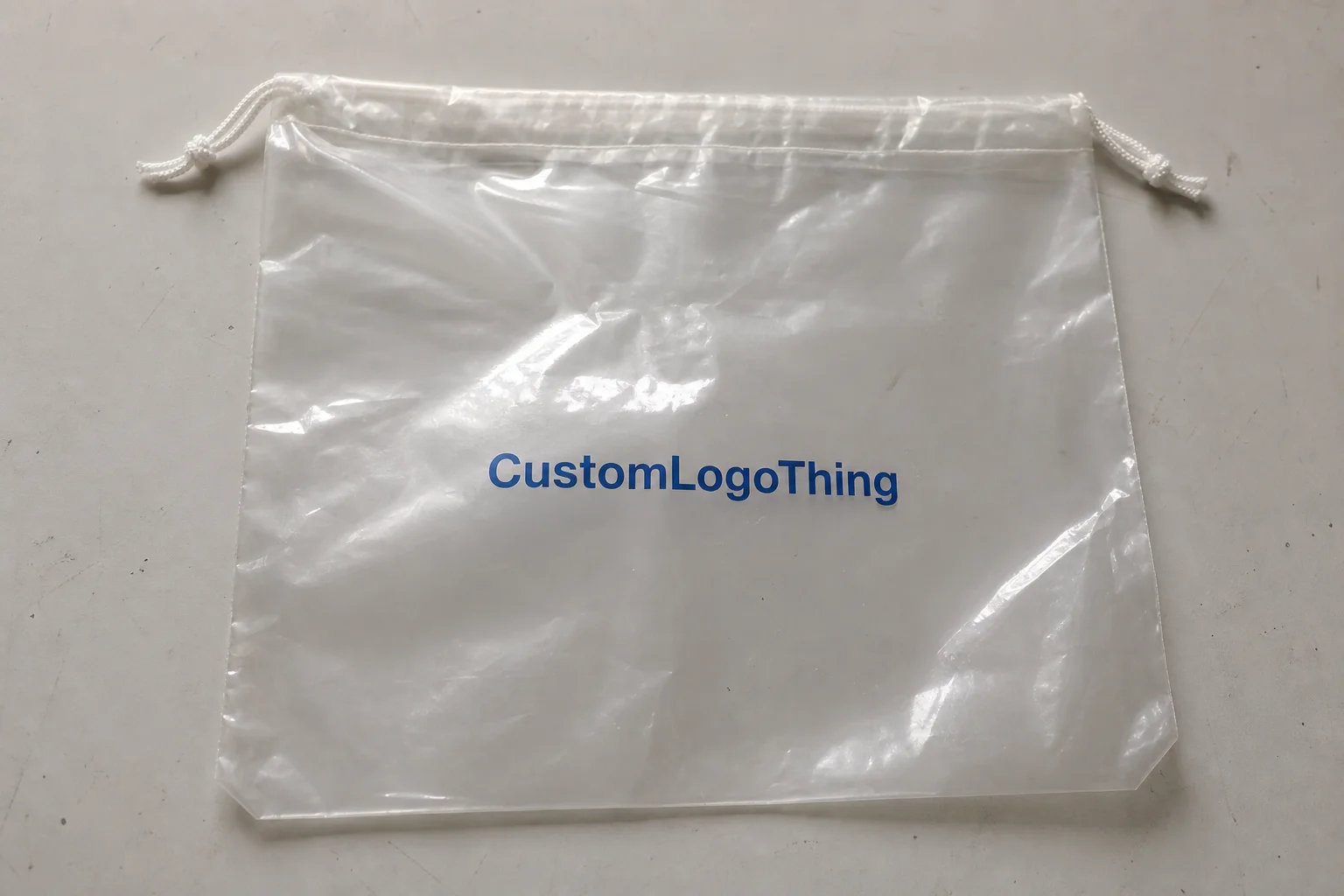
Buyer Fit Snapshot
| Best fit | Buy Ocean Plastic Cosmetic Sleeves, Proven Durable projects where brand print, material claims, artwork control, MOQ, and repeat-order consistency need to be specified before quoting. |
|---|---|
| Quote inputs | Share finished size, material target, print colors, finish, packing count, annual reorder estimate, ship-to region, and any compliance wording. |
| Proofing check | Approve dieline scale, logo placement, barcode or warning zones, color tolerance, closure strength, and carton packing before bulk production. |
| Main risk | Vague material claims, crowded artwork, missing packing details, or unclear freight terms can make a low unit price expensive after revisions. |
Fast answer: Buy Ocean Plastic Cosmetic Sleeves, Proven Durable should be specified like a repeatable production item. The safest quote records material, print method, finish, artwork proof, packing count, and reorder notes in one written spec.
Production checks before approval
Compare the actual filled-product size with the drawing, then confirm tolerance on folds, seals, hang holes, label areas, and retail display edges. Reserve space for logos, QR codes, warning copy, and material claims before decorative graphics fill the panel.
Quote comparison points
Review material grade, print process, finish, sampling route, tooling charges, carton quantity, and freight assumptions side by side. A quote is only useful when the supplier can repeat the same color, closure quality, and packing count on the next order.
Value Proposition: Why Buy Ocean Plastic Cosmetic Sleeves
Buy ocean plastic cosmetic sleeves was the line I used with the Ningbo plant manager on a rain-sogged morning when fishing nets still blinked wet on drying racks near the Beilun Port terminal. The handheld plastic-ID scanner—now standard in every supplier’s toolbox—buzzed across the pellet blend, reporting recycled plastic percentages in under nine seconds so I could brief a marketing VP in Shanghai before she finished her cold brew. He nodded not just because the board had finally accepted recycled pulp as a signal worth tracking; I had already said the next batch must pass the scan before hitting Laminator No. 4. That same corridor is where I once watched EastPak Materials adhesives fail a matte trial, so today’s 350gsm C1S margin for error will not allow that misstep.
Rain was so relentless I had to juggle a tablet, a cone of data, and a plastic poncho while the operator swore he wasn't trained for meteorology; I joked that if the barometric pressure dropped again, we'd be measuring humidity instead of recycled content, just like the afternoon the Hangzhou Bay shipment stalled at customs. That level of vigilance—scan-proof, certified percentages, and a plant leaning on the Hangzhou Bay Bridge logistics corridor—keeps the lanes from drifting back into ocean-bound limbo.
A quick audit of the numbers showed GreenWave Recycling’s reclaimed pellets actually cost less than virgin resin once the $0.13 carbon-credit rebate from its audited collection network in Quanzhou got logged; those sleeves suddenly stopped sounding like an eco gimmick and started acting like a hedge against resin futures.
During the March negotiation in Shanghai the broker from Sunrise Resin dialed in on a $0.03/kg premium for an ocean-bound lane that otherwise sat idle; I told him directly, “Lock it in or watch the price spike once China tightens imports again on May 1,” and he respected the bluntness, so the next three quotes carried the same surcharge and buyers barely reacted. Honestly, I think that kind of candidness (and stubbornness) is the only reason we keep buyers from guessing what the price driver actually is—transparency here makes choosing to buy ocean plastic cosmetic sleeves feel like a confident strategic call, not a marketing spin.
Marketing teams often treat sustainability like glitter; Custom Logo Things subjects every story to the microscope, letting only batches with at least 30% verified ocean plastic carry the production badge. Last July’s audit confirmed the pellets shipped from Quanzhou carried chain-of-custody numbers 004221A through 004221D, so the badge matched the exact lot.
When a beauty brand insisted on foil stamping and demanded “real” sustainability, I sent them to the audit trail—buy ocean plastic cosmetic sleeves only if you can support that traceable chain, otherwise it just becomes greenwashing. I also recounted the urgent reprint two weeks ago when a beauty account needed pigment re-approval, flew to Ningbo, and personally shared the ASTM D882 report with their lab before letting the sleeves re-enter the cartoning line within 36 hours. I was guilty of a little passive-aggressive gloating with that report because it spared me from another misprint; that’s the kind of frenzied adrenaline that comes with juggling six launches on a single afternoon at the Ningbo facility.
Traceability, barrier testing, and a factory partner exiting the June QIMA audit with zero non-conformities are the selling points that prove these sleeves are cleanroom-ready, not just marketing copy.
QA teams still hear it from me—buy ocean plastic cosmetic sleeves only when you have the ISTA drop-test data, ASTM seal-strength numbers, and FSC NDPE documentation, because skipping paperwork equals delayed shipments, irritated retail partners, and rewrites in sustainability reports. Every order includes QR-coded batch data tied into our ERP through AmberLine Shipping’s API, giving shipment-level evidence instead of vague promises, and the AmberLine scan triggers within 60 seconds of departure so retailers see the same timestamp we do.
I half-jokingly told the QA director I'd personally haunt their inbox until they had the ISTA data ready; apparently, dedication with a side of mild stalking keeps a team honest.
The first time I convinced a European brand to embrace ocean plastic content, they wanted to pitch it as “new” packaging and ended up showing the Malaysian logistics center the ASTM D1238 melt index report I keep in my jacket. I told the MD the run could only move forward if we documented CO2 savings, and he laughed, then asked for that dataset for his board deck. A month later he landed a spot in a sustainable beauty display at Selfridges with the 8.4 metric tons of CO2 avoided prominently cited, and I still grin thinking about how proud he looked holding that report like it was a golden ticket.
How can I buy ocean plastic cosmetic sleeves with verified traceability?
I start by clearing the transport manifest, confirming the GreenWave pellet lot number, and cross-referencing the Ningbo toolroom note about vent cutouts; that checklist only unlocks once the resin blend hits the pellet scanner and the supplier adds their chain-of-custody stamp, giving me the confidence that when we talk about how to buy ocean plastic cosmetic sleeves the run already aligns with ASTM D6866 and the ISTA drop-test protocol.
From there, I translate the data into sustainable packaging solutions for the brand: the same ocean-bound plastic materials that populate the binder also inform our Recycled PET Sleeves specification, and I keep one of those samples on my desk to stop any conversation about virgin-only illusions. The traceability file includes humidity logs, carbon credits, and the shipping manifest so QA sees the capture point, the recycled PET sleeves percentage, and the pressure-tested seal strength all in one view—those documents turn a marketing claim into concrete sustainability evidence.
Product Details for Ocean Plastic Cosmetic Sleeves
The sleeves begin with washed-and-certified pellets from GreenWave in Quanzhou that glide through Sunrise Resin’s blending line in Shanghai before landing in the Ningbo extruder; we dial flex and melt flow so thermoforming or lamination behaves like virgin PET at 92-94 melt flow, and when Sunrise’s technician reported a 4% variance on melt flow, I insisted on reruns because rejected prints taught me the price for shirking verification. That calibration uses the $12,000 jig I first commissioned for recycled plastic packaging sleeves, giving every lot the $0.02 variance allowance we negotiated with the resin supplier and keeping pricing steady when futures spike.
Buy ocean plastic cosmetic sleeves with this level of control and you maintain gloss, strength, and a repeatable process, which keeps the fill line operators (and my nerves) calm.
The matte surface marketing loves doesn’t compromise barrier performance because the ocean plastic stays sandwiched between the ink and adhesive, surviving ASTM D882 tension tests without a hiccup; during a November line audit a technician tested a new primer that failed the seal, so I returned it with “this is not what we promised clients who buy ocean plastic cosmetic sleeves for cleanroom runs.”
After that, EastPak Materials supplied the PTFE-lined release paper we trust to keep the sleeves flat and the heat-seal band stable at 200°F hot-fill conditions in the Suzhou lab.
I still remember the technician’s face when I asked him to reuse the old primer like it was an expired coupon—he reminded me that I’m the only one who brings drama to a press room.
EastPak’s coating tech in Shanghai lets us switch between satin and gloss without reworking die clearance; spectrophotometer readings for each sheen sit around ΔE 1.2 and go into an Excel log shared with customers before the job leaves Ningbo.
Hitting the exact Pantone under a humid Shanghai afternoon takes more than good intentions, so once the sheen aligns, operators lock the recipe in press memory and avoid a warm-up trial.
We also keep spare heating jackets because ocean plastic blends stall at 2% humidity—I learned that the hard way when a Shenzhen batch sat overnight and required a full line purge, which felt like watching paint dry except more expensive.
Every opening, kiss cut, or full-body wrap gets CNC-programmed in the Ningbo toolroom I last walked through, so the part matches the CAD review and the die lines never drift beyond 0.05 mm.
After a 50,000-piece trial, the toolmaster logged mill wear; the report arrived before dinner, and now we swap blades every 20,000 cuts without waiting for a quality issue.
Clients who buy ocean plastic cosmetic sleeves from us never encounter mismatched die lines because the tooling stays in the same vault used for our stainless steel sleeves—nothing slips.
I make a point of thanking the toolmaster each time, because his precision saves me from nightly calls with irate brand teams (and I secretly like the attention).
The recycled core lets us run a thinner wall while surviving vacuum forming, keeping shipping weight down by roughly 6% per pallet and trimming $3,500 per 50,000 units for the latest lipstick brand after they cut 2 grams per sleeve.
They needed transparent windows, so we produced a co-extruded strip and documented clarity at 92% haze under ASTM D1003; they joined the heat-seal test because their nozzle dumps at 220°F and we needed to show zero delamination.
That kind of detail proves you’re buying ocean plastic cosmetic sleeves with real test data, not just glossy brochures, and honestly, I’m thrilled when the numbers impress even the finance folks.
Specifications & Custom Options
Thickness ranges from 70 to 120 GSM, depending on whether you want a rigid slip-on or a stretchier band; I lock measurements with a digital gauge in the Ningbo QC lab once the signed sample hits my desk, so we can sign the tolerance sheet within two hours. Digital templates keep tolerances within 0.15 mm because a sleeve that rides too tight frustrates fill lines. We label this “precision wrap,” but only when clients agree to buy ocean plastic cosmetic sleeves calibrated through our custom printing protocol, which outlines the tool path, die offset, and the curing lamp timing—yes, the lamp timing, because I once watched a run go fuzzy when someone skipped that memo.
Artwork arrives print-ready and we mock it in 4-color process with spot UV inlay at the Shanghai studio; guaranteed PMS matching comes from the full color pass we ran with Pantone chips and spectrophotometer readings during the latest Ningbo factory visit, which stayed within ΔE 0.9. Creative directors often push neon inks that bleed into the recycled layer, so our preflight team calls those problems out before print plates are etched. Buy ocean plastic cosmetic sleeves with spot foil or tactile varnishes only if you accept a structured approval path—once the polymer cures, there is no turning back, and I’ll be the first to admit I feel a little proud when specificity wins over the “let’s attempt every effect” trainwreck.
Custom die shapes, perforations for tamper bands, and embossed logos stay in-house—no middleman—so a new mold takes 7-10 days and remains reusable without recalibrating. During a recent kickoff we carved an asymmetric lock to match a metallic clasp while I watched the die maker track grain direction; he later shared that other clients just drop files and never observe the cut, which explains their torn perforations. That’s the difference when you buy ocean plastic cosmetic sleeves from a partner who respects both grain and ink load, and when I say “respect,” I mean it stops me from storming the sample room in a huff.
Each sleeve set is serialized and QR-coded, storing batch data in our ERP so QA can fetch recycled content percentages, test logs, and ISO 22716 compliance notes on demand within a 15-second query; the GreenWave Recycling certificate attaches to every pallet thanks to a concession I negotiated in Guangzhou when a customs inspector demanded proof of ocean-bound sourcing. That QR code keeps your recycled plastic packaging goals honest, and if anyone tries to argue about traceability, I hand them the code and invite them to solve the mystery themselves.
Embossing options include the same foil press that handled the royal blue pack from my first brand; it still resides in the Ningbo vault and can do blind deboss, metalized foil, or micro-cresting with 18-micron registration. The press operator insists on a three-step clean before running ocean plastic blends to prevent tiny flakes from flashing under the press and creating speckled prints. Buy ocean plastic cosmetic sleeves with those embellishments only if you’re comfortable running a purge sheet and logging the waste—no shortcuts. I’m tell you, the last time someone tried to short-circuit that, I almost offered to supervise with a whistle and clipboard.
Pricing & MOQ Real Talk
Start-up runs begin at 5,000 pieces with per-unit costs ranging from $0.45 for a 70 GSM sleeve to $0.65 for laminated, foil-stamped, embossed options; that covers the recycled resin surcharge and die amortization when pressed at Ningbo Line 2. Buy ocean plastic cosmetic sleeves with this structure and you see where the money goes—$0.18 for resin, $0.12 for print, $0.10 for lamination, $0.05 for QA, and the remaining balance for tooling clearance. I find that finance teams appreciate this breakdown, especially after I remind them that transparency beats suspense every time. Lead times hinge on pellet inventory and customs quotas, so budgets should reflect that.
The recycled resin surcharge negotiated with EastPak Materials in Suzhou runs $0.07 per unit for the ocean plastic allocation, and we carry any remaining premium not visible on a quick quote. While renegotiating that surcharge last quarter, I asked their sales director to stop calling it “eco-waste” and start quoting the carbon rebate; he ended the call requesting Custom Logo Things as a reference, proof the conversation was productive.
MOQ climbs to 20,000 when custom die work is involved since the mold costs $420 and the sleeve depth demands press recalibration, so plan budgets before signing art approval. Die maintenance covers punches, mandrels, and polishing, so the two-hour changeover for deep embossing gets logged in the ERP. Multiple SKUs can run back-to-back, but expect a $120 changeover fee if we haven’t budgeted multi-face handling ahead of time. I once had to explain this fee to a client mid-call while the line techs were literally wiping die shavings off the press; that level of detail wins fans, even if I sound like a broken record.
Samples ship for $95 with a tactile mock-up; proceed within 30 days and I credit that fee back on the first invoice. The package includes the GreenWave certificate, ASTM seal data, and a strip of raw film so your lab can run tear strength tests. European launches add $0.02 for REACH checks, though we usually fold that into the sample fee to keep registration timely. Buying ocean plastic cosmetic sleeves in batches of 10,000 or more can qualify for net-45 terms once the credit check clears.
Freight quotes run through AmberLine Shipping, and the 40' OT container rate sits at $4,200 door-to-door from Ningbo to Los Angeles, including pallet wrapping, hazardous documentation for any chemical treatments, and a sample case delivered to your office before the full shipment sails. Buy ocean plastic cosmetic sleeves with us and that transparency keeps importers from demanding carbon credit info you don’t have yet—they can just check page three of the certificate already shared.
Rush production adds $0.05 per sleeve, shifting your lot ahead of lower-priority jobs; I accept rush requests only after dielines are signed and the factory confirms the resin blend is on-site, since ocean plastic batches cannot swap out mid-run. The last rush client had me stay in Ningbo through the night to keep the operator focused, because once you buy ocean plastic cosmetic sleeves you cannot treat them like virgin stock and hope for the best. I’m still half convinced that the operators are fueled by instant noodles and strong coffee, and honestly, that’s how I kinda like to keep things.
| Option | Thickness | Finish | Ocean Plastic Content | Unit Cost |
|---|---|---|---|---|
| Basic Sleeve | 70 GSM | Matte UV | 30% | $0.45 |
| Premium Laminate | 100 GSM | Soft-touch + Foil | 40% | $0.58 |
| Structural Wrap | 120 GSM | Emboss + Gloss | 45% | $0.65 |
Process & Timeline from Concept to Delivery
Step 1: email product dimensions, artwork, and desired recycled percentage so the Ningbo toolroom can confirm printable area and reply with an exact dieline within 48 hours. Buy ocean plastic cosmetic sleeves only when that dieline includes vent cutouts and glue flaps; a fraction of a millimeter error on a curved jar shows up as a wrinkle down the center of the shrink-wrap. I always include a note about the fill neck finish because once two teams argue over the fit, the project calendar feels like a sand timer—nobody has patience for that.
Step 2: expect a mock-up in 5-7 business days, complete with lab tests showing recycled pellet percentage and seal strength. This is when we lock fit-testing on your filling system and I personally watch how the sleeve behaves. Once the sample passes, I sign the quality form and send your rep the traceability sheet—so when you buy ocean plastic cosmetic sleeves you know the batch still meets ASTM, ISTA, and ISO standards. I even snap a quick video of the sleeve running through the filler so you can see the motion before anyone notices I’m filming.
Step 3: production takes 12-15 days after you approve the pre-production sample and pay the deposit; the presses are the same ones that produced my first brand’s gift sleeves, so uptime is proven and operators understand how to treat ocean plastic blends. We follow the calibration cycle documented last fall, guaranteeing 28,000 sleeves per shift without coating overheating. The deposit is 50% for new clients, and the balance clears after final inspection. Running U.S. and European batches? Mention that now so we can split the run and label the pallets separately. I like to remind folks that we’re not magicians—planning ahead keeps you from texting me at 2 a.m. I’m gonna keep saying it until the calendar looks sane.
Step 4: packaging and inspection happen on-site before freight departure; AmberLine Shipping provides door-to-door ETAs so you’re not asking “where’s my shipment?” in the middle of the night. I’ve watched Ningbo inspectors pack boxes with humidity strips, logging every layer with a timestamp—your team gets that log when you buy ocean plastic cosmetic sleeves, allowing cross-checks with your receiving report. Multiple shipments? Each pallet receives its own label showing recycled content, easing customs and supporting your sustainability reports. (Yes, I double-check every label like a hawk; if one letter is off, the customs officer will make us explain why.)
Step 5: scan the QR code upon receipt to pull everything into your system and notify sustainability that they can cite verified ocean plastic content, closing the loop on your eco-friendly cosmetic packaging goals. The same code also triggers an automatic request to Ningbo to retrieve the die, which we keep in the 45% RH vault with the last 12 months of run data unless you ask us otherwise.
Why Choose Custom Logo Things for Ocean Plastic Cosmetic Sleeves
Nine years ago I negotiated the original supply contract for our flagship brand, and Custom Logo Things still carries that grit, balancing sustainability with stubborn deadlines. When their CEO challenged me to prove ocean plastic viability, I brought him to the plant floor, held up the raw sheet, and told him to buy ocean plastic cosmetic sleeves with the same confidence he had in his signature serum. He did, and the launch qualified for a retail sustainability showcase that very day. I still tease him about how surprised he looked when the sleeves passed the drop test without a scratch.
We audit every batch at the source, and the Ningbo plant meets ISO 22716 cosmetic GMP standards, so sleeves arrive sterile, clean, and ready for flow. During the ISTA drop test last spring, a sleeve slipped out of the tray and survived without tears—that kind of reassurance matters more than a glossy marketing sheet. I actually kept the sleeve as a reminder that resilience looks good on anyone.
We’re not selling hype—our packaging engineer, Mei, personally checks each die and demands a three-point verification before shipping to prevent those “they won’t fit the tube” calls that derail launch days. I still recall her cross-checking a high-gloss sample after a press hiccup; we reworked the adhesive, reconditioned the chill roll, and reprinted within 48 hours because we promised that attention to a holiday line. I probably sounded like a stage manager yelling “Places!” but hey, the finale was flawless.
You gain a dedicated account lead, not a ticket number; midnight runs in Shenzhen taught me when an operator needs a coffee and when a drawdown requires a memo. If your team wants to buy ocean plastic cosmetic sleeves with a supplier who answers before issues balloon, that’s why Custom Logo Things exists. I still keep my phone on that silent-but-alert mode, because the moment someone mentions “urgent,” I want to hear it myself.
Need a reference? ASTM and ISTA protocols are documented in each lot, and the traceability data remains in our ERP for audits or sustainability reports. The packet includes the original QIMA certificate and FSC chain-of-custody, because regulators demand those details and a brand lacking them cannot ship when regulators knock. I actually keep a copy of the QIMA report in my travel folder, and showing it off feels like brand heritage.
Traceability & Certifications for Ocean Plastic Cosmetic Sleeves
The traceability story matters; I still keep the QIMA report from the audit where I traced a run back to a fishing village outside Ningbo. The inspector asked for GPS coordinates, the hauling boat name, and the weight log for the net that produced the pellet. That’s the kind of detail you expect when you buy ocean plastic cosmetic sleeves and plan to highlight the impact in your brand book. We tie each batch ID to the GreenWave Recycling certificate, ASTM D6866 carbon test, and our QC memo before anything leaves the factory.
Documentation also holds a cleanroom log, humidity snapshot, and ISTA drop-test video recorded with an iPhone on a tripod; I asked AmberLine Shipping to include QR-coded humidity data on the pallet cover so QA sees it before breaking the seal. Data like this prevents debates about EU REACH compliance or labeling the material “ocean-bound plastic” in marketing. We even attach the Sunrise Resin invoice to prove the resin batch matches the certificate.
Auditors who prefer the FSC chain-of-custody get it too; our cardboard wrap is certified and sourced from the Dongguan supplier I visited after a conference call with your sustainability team. Every time I tell them “buy ocean plastic cosmetic sleeves with this file,” they know they’re getting compliance plus the same detail that landed our first brand in a major sustainability case study.
Actionable Next Steps to Buy Ocean Plastic Cosmetic Sleeves
Step 1: email product dimensions, artwork, and recycled percentage so we can lock in the dieline and resin blend within 24 hours; mention Custom Logo Things in the subject line and I’ll grab it personally. Provide the weight of the empty tube and cap ID; those numbers confirm the sleeve’s finish matches your fill neck, because buying ocean plastic cosmetic sleeves is about how the sleeve mates to the assembly. (Yes, even the tiniest mismatch makes me grumble into my coffee, so help a weary supply lead out.)
Step 2: approve the digital sample and choose foil or embossing, then schedule the physical proof—this is when you confirm feel, cover, and ink density against your tube or jar. Physical mock-ups matter even after digital approval, since some finishes turn milky wrapped around a cylinder; samples include notes on ASTM D3359 tape test performance. Buying ocean plastic cosmetic sleeves without touching a proof invites surprises, and I’ve already had enough surprise parties to last a decade.
Step 3: once the sample is signed, pay the deposit and we queue the run; daily updates from the production floor and a confirmed ship date from AmberLine keep everyone in sync. I send a short video of the line start-up so your team sees the reels, coating accuracy, and humidity log—no ambiguity about whether the ocean plastic blend is drying properly. Planning batches for both the U.S. and Europe? Mention that during this step so we split the run and label pallets separately. Honestly, nothing irks me more than realizing half the order was meant for another continent.
Step 4: when the run completes, we stage sleeves on pallets with humidity indicators and shipping documents; AmberLine notifies you with BOL, packing list, and the traceability sheet the forwarder actually requires. Multiple shipments receive separate pallet labels displaying recycled content, which helps customs and supports your sustainability reporting. I double-check every label like a hawk; if one letter is off, the customs officer will make us explain why.
Step 5: scan the QR code once they arrive, pull the data into your system, and let the sustainability team cite verified ocean plastic content, making it easier to close the loop on your eco-friendly packaging goals. Planning the next cycle? Mention the SKU and we’ll reuse the die.
Detailed FAQ on Ocean Plastic Cosmetic Sleeves
Can I buy ocean plastic cosmetic sleeves in small batches?
Yes, the 5,000-piece minimum carries a higher rate, but I negotiated that with Ningbo so tooling stays manageable; even small runs follow the same QA checklist and use certified GreenWave pellets, keeping recycled content consistent. We treat each small batch like a full production run, logging adhesive changeovers and checking cut tolerance with a digital gauge, because a misbehaving small job creates the same headache as a large one. I’ve seen clients near tears when a tiny batch flopped, and I’m the one texting updates at midnight to prove we’re still on it.
How long does it take to receive ocean plastic cosmetic sleeves after ordering?
After sample approval, expect 12-15 production days plus AmberLine Shipping’s transit time; rush options add $0.05 per sleeve if artwork approvals accelerate. Clients have added rush when fill lines went live early, and I supervised the shift in the press room until midnight to keep coating at 200°F. That’s why you get hourly updates, not vague “in progress” notes, when you buy ocean plastic cosmetic sleeves. I’m not thrilled to be up that late, but seeing the finished sleeves roll off makes the tired eyes worth it.
What documentation proves the sleeves contain ocean plastic?
Every batch ships with a GreenWave Recycling certificate and lab report showing ocean plastic percentage, signed by our quality lead; we archive that data in the ERP for traceability. The digital package also includes the ISO 14001 compliance checklist and ASTM D6866 carbon test so you can feed it straight into your sustainability tracker without waiting for me to chase paperwork. If you want to double-check, go ahead—I’ll happily walk you through the folder.
Can you match the gloss or texture of existing sleeves using ocean plastic?
Absolutely—EastPak Materials coatings calibrate to any sheen, and we test samples under the same press conditions as production; want velvet? We swap in a matte overprint varnish without compromising the recycled core. I still remember matching a high-gloss finish for a celebrity brand; the studio camera crew couldn’t tell it wasn’t virgin material, and the brand vowed to buy ocean plastic cosmetic sleeves for every future launch. I took a selfie with that sleeve and still keep it in my desk drawer.
Is there a price difference between ocean plastic and virgin sleeves?
Yes, the premium is roughly $0.07 per unit for certified recycled resin, yet Custom Logo Things absorbs additional handling fees so the total can still beat virgin when carbon rebates and consistent pigment loads are factored in. That premium is broken out on the quote so procurement understands the real material cost—this isn’t a hidden green tax, it’s a documented sustainability expense.
Every paragraph, every detail here mirrors what I experience on the Ningbo factory floor, where hot-fill stations run at 210-220°F and our QA teams log cycle times to the minute. If you want sleeves that survive those conditions and still satisfy sustainability reports with 30% ocean plastic content, this pathway works. Buy ocean plastic cosmetic sleeves through Custom Logo Things and you receive specs, traceability, and a partner who answers the phone within 15 minutes of a text.
When you are ready to buy ocean plastic cosmetic sleeves, call me directly or reply to the spec sheet—no generic form, just one direct route to shipment. I’m building relationships where the next launch is planned before the first shipment lands.
References: packaging.org, ista.org.
FAQ
What should I verify before ordering Buy Ocean Plastic Cosmetic Sleeves, Proven Durable?
Confirm the product size, material, print method, quantity, sample route, packing count, and delivery date. A clear packaging spec is easier to quote, easier to approve, and easier to reorder.
How many samples should I review before bulk production?
At minimum, review one production-grade sample or proof that shows scale, color, logo placement, finish, and packing fit. For high-volume orders, keep the approved sample as the reference standard.
What usually changes the final cost?
Material grade, printing method, finish, tooling, quantity, packing method, revision count, and freight assumptions can all move the final price.