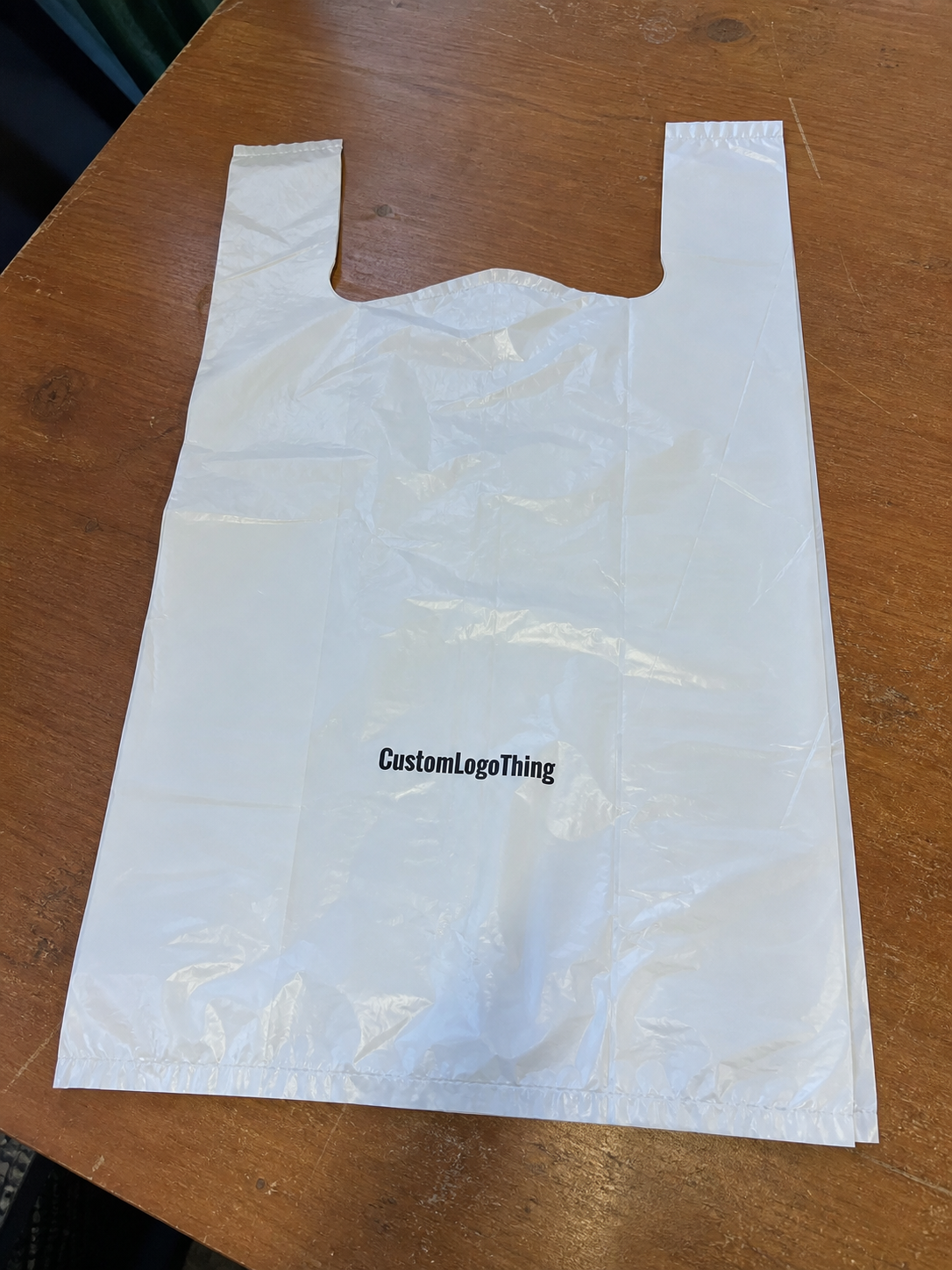
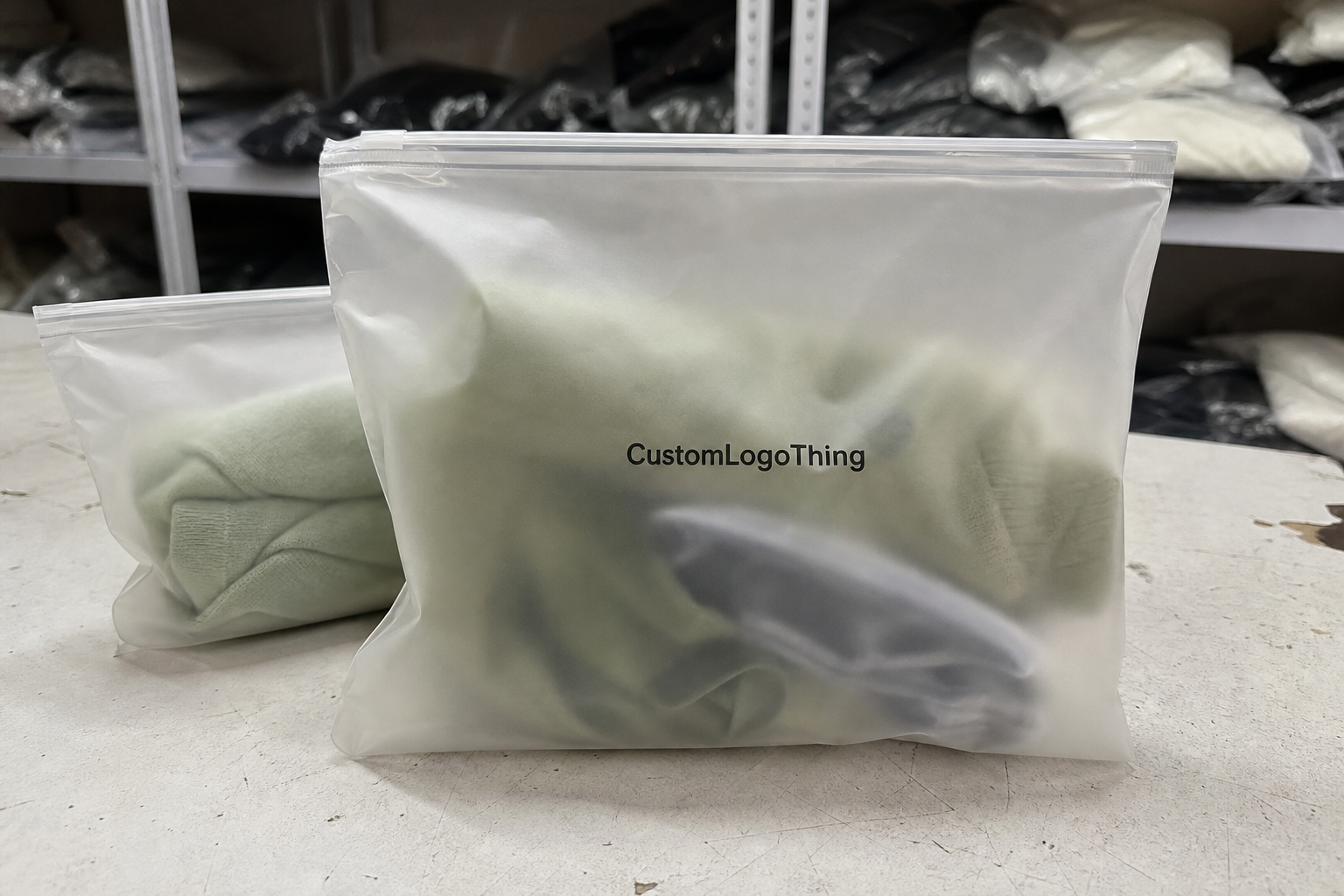
For cosmetic brands, a simple switch in packaging can change how a product is perceived before anyone opens it. A serum vial in a frosted zipper pouch feels more deliberate than the same item in a plain clear sleeve. That is why Frosted Zipper Poly Bags for cosmetic Brands MOQ Planning is not a side detail. It affects presentation, unit economics, and how much inventory you can realistically carry without clogging the warehouse.
The appeal is obvious: soft matte look, reusable closure, and a cleaner retail read. The harder part is turning that look into a spec that works at scale. Buyers have to think about dimensions, film gauge, zipper construction, artwork, and the actual minimum order quantity, not just the mockup that looks nice in a pitch deck.
There is also a practical reason these bags show up so often in beauty packaging. They are flexible enough for samples, minis, travel kits, and accessory sets, but not so elaborate that they demand box-level budgets. That middle ground is exactly where a lot of cosmetic brands live.
Why frosted zipper bags make cosmetic sets look more premium
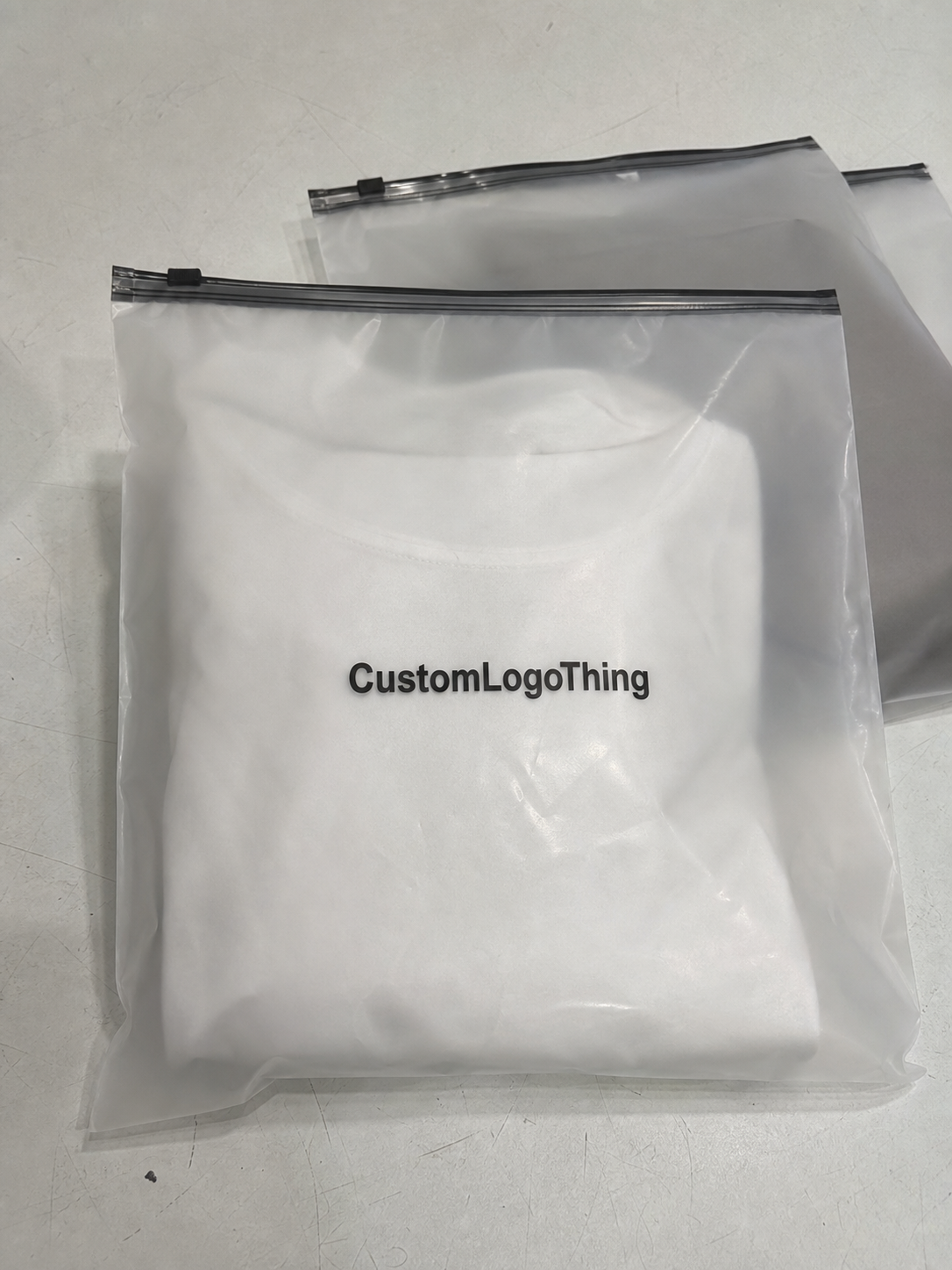
A clear bag can make a product look busy. Reflection bounces around, contents show every edge, and the whole thing can look more like storage than retail packaging. Frosted film changes that immediately. It softens glare, reduces visual clutter, and gives the set a quieter, more controlled appearance.
That visual control matters for skincare bundles, sheet masks, sample kits, cotton rounds, applicator sets, and travel-size products. Instead of a pile of items sealed in plastic, the assortment reads as a planned collection. For cosmetic buyers, that matters because “organized” usually translates into “more premium” without adding much cost.
The zipper matters too. A press-to-close or slider closure turns the bag into something reusable, which is useful when the contents are meant to be accessed more than once. Customers open and close these pouches for mini cleansers, patches, swabs, tools, and samples. A bag that can be reused feels more considered than packaging that only works once and then gets tossed.
“A cosmetic pouch has a simple job: protect the product and make the set look intentional. If it misses either one, the shelf tells on it fast.”
One common mistake is judging the package only by how it photographs. A frosted pouch often looks better in real life than in a bright mockup because the finish calms down reflections and helps the artwork sit more naturally on the surface. That can be a real advantage for brands that want a polished look without moving into rigid cartons or specialty boxes. For buyers comparing packaging formats, our Custom Packaging Products page is a practical place to start, and our Case Studies page shows how different package styles support different selling goals.
Frosted material, zipper style, and print options that affect performance
Most frosted cosmetic zipper bags use soft poly film, often LDPE or a similar flexible material, with the frosted look built into the finish rather than layered on with a heavy coating. That gives the pouch a semi-opaque appearance while still letting the customer see enough of what is inside to recognize the set. The balance matters. Too transparent, and the bag looks busy. Too opaque, and the contents disappear.
Zipper style changes both usability and cost. A standard press-to-close zipper is the most common because it is simple, dependable, and usually the easiest option to source at scale. Slider zippers are easier for some customers to open and close, but they typically add cost and can push MOQ higher because the closure system is more complex. If the bag will be reopened frequently, the extra convenience may justify the increase. If it is for a one-time sample pack, probably not.
Print choices deserve more caution than they usually get. One-color logos, small registration marks, and restrained graphics are easier to control and usually less expensive. Full-coverage printing, metallic effects, or white ink can raise setup cost and change how the frosted surface reads. On frosted film, contrast behaves differently than it does on paperboard. Dark artwork may sink into the finish. Fine typography can soften. Always ask for a digital proof, and if the order is large enough to justify it, request a physical sample before you approve production.
Seal quality matters more than pretty mockups. A pouch with a weak side seal, crooked zipper track, or uneven top edge will create problems on the packing line and complaints in the field. Film thickness, sealing temperature, and zipper consistency all affect the final result. Lighter sample packs can usually live in a thinner gauge. Heavier kits, especially those holding glass droppers or multiple accessories, need more material strength so the bag does not feel flimsy after one use.
These bags are functional packaging, not a compliance shortcut. They can help with dust protection, light moisture resistance, and product organization, but they do not replace child-resistant packaging or tamper-evident features where regulations require something more specific. For general packaging standards and transport testing references, the Institute of Packaging Professionals and ISTA are useful industry sources.
Size, gauge, closure, and finish specifications buyers should lock in early
If the dimensions are vague, the quote will be vague too. Width, height, gusset depth if there is one, fill area, and zipper placement all affect fit and cost. “About 6 by 8 inches” is not enough for procurement. A supplier needs the exact measurements and a clear understanding of how the product sits inside the pouch once it is loaded and sealed.
Film thickness should match the product weight and intended use, not only the look you want from the sample photo. A sachet or single swatch can work in a thinner gauge. A bundle with mini bottles, a dense set of accessories, or heavier items needs more substance. For brands planning reorders, reuse also matters. If the customer is likely to keep the pouch in a drawer or travel bag, the hand-feel should justify that.
Think about the contents before you finalize the spec. Lip kits, bath salts, sheet masks, mini cleansers, and accessory bundles all stress the bag differently. Bath salts place different pressure on seals than cotton pads. A set of glass dropper bottles needs a sturdier pouch than flat masks stacked in a carton. That is where Frosted Zipper Poly Bags for cosmetic brands moq planning stops being a packaging choice and becomes a packing workflow decision.
| Bag Style | Typical Use | Common Spec Range | Approx. Cost Impact |
|---|---|---|---|
| Thin frosted press-to-close bag | Samples, swatches, light accessories | 2–3 mil film, simple one-color print | Lower cost per piece |
| Mid-gauge frosted zipper bag | Travel kits, minis, mask sets | 3–4 mil film, standard logo print | Moderate unit cost |
| Heavier frosted zipper bag | Reusable retail kits, mixed product bundles | 4–6 mil film, stronger zipper, firmer feel | Higher cost per piece and higher MOQ pressure |
Finish tone also matters. Some frosted films are only lightly translucent. Others lean toward a denser matte look. That changes how color prints behave. Dark logos can lose definition if the contrast is too low. Small type can blur if the film is too cloudy. Ask for a mockup, but do not stop there. A physical sample tells you more about zipper feel, bag stiffness, and fill capacity than a screen ever will.
A clean internal checklist helps a lot: bag size, film thickness, zipper style, print area, finish level, and target quantity. That one page can save days of back-and-forth when comparing vendors. If your packaging program also includes other flexible formats, our Custom Poly Mailers page shows how the same ordering logic carries over to other products.
Pricing and MOQ: how unit cost changes as order volume rises
Pricing for Frosted Zipper Poly Bags depends on size, thickness, zipper type, print coverage, number of colors, and how the bags are packed for shipment. The film itself is only part of the equation. Setup work, printing prep, and closure sourcing can matter just as much. That is why frosted zipper poly bags for cosmetic brands moq planning should begin with an exact spec, not a rough idea and a hope.
MOQ is tied to manufacturing efficiency. If the order needs custom artwork, printing plates, or a less common zipper style, the supplier has to spread those fixed costs across a certain number of units. On a small run, setup charges take a bigger bite out of unit price. On a larger run, those costs spread out and the price per piece drops. That is the basic math behind bulk pricing. No magic. Just math with a nicer zipper.
A useful way to compare quotes is to force every supplier to price the same spec. Same dimensions. Same film thickness. Same zipper style. Same print coverage. Same pack count. A lower quote may simply mean thinner film, a simpler closure, or a smaller print area. If the specs are not identical, the comparison is fiction.
| Order Type | Typical MOQ Pressure | Unit Cost Trend | Best Use Case |
|---|---|---|---|
| Test run / launch trial | Higher relative setup cost | Higher cost per piece | New SKU validation, small retail test |
| Proven SKU replenishment | More favorable | Lower unit cost | Repeat sales, stable packaging demand |
| Consolidated multi-SKU order | Often easier to justify | Better bulk pricing | Brands with several bag sizes or colorways |
For a new product, paying slightly more per piece can still make sense if it lowers inventory risk. A launch is not the time to overbuy packaging you are not sure you will need. For a repeat seller, higher volume often makes more sense because the pouch becomes part of a predictable replenishment cycle. The best quote is not always the cheapest one. It is the one that matches your demand pattern.
One more thing buyers underestimate: simplifying artwork or consolidating sizes can improve MOQ terms more effectively than aggressive price negotiation. Fewer variants usually mean less setup friction. In packaging, complexity has a habit of costing more than people expect.
Production steps, lead time, and approval checkpoints before shipment
Most custom runs follow the same path: spec confirmation, artwork review, proof approval, production, packing, and shipment. The lead time only moves when approvals are done. If the size is unclear or the artwork keeps changing, the schedule stretches fast. That is not a supplier mystery. That is just how production works.
The usual delay points are predictable. Unclear dimensions cause revisions. Low-resolution artwork creates print issues. Switching from press-to-close to slider zipper changes sourcing. Even a small edit to the proof can add days if files need to be rebuilt or internal signoff slows down. Buffer time is not pessimism. It is planning.
For most cosmetic packaging programs, the clock starts after final approval. That detail gets missed a lot. If artwork is still in flux or samples are still under review, the order is not really moving toward shipment yet. Depending on order size and customization, a run may take roughly 12–20 business days after approval, though larger or more complex jobs can take longer. Transit time, inspection requirements, and carton packing all affect the full schedule.
Before shipment, good suppliers should check seal integrity, print alignment, zipper function, and count accuracy. Those are basic controls, not extras. If your team fills bags by hand, ask for samples that reflect real use. A pouch that looks fine flat may behave differently once it is loaded, sealed, and stacked in a carton. That is especially true for heavier product bundles.
For brands reviewing material choices or recovery claims, the EPA’s packaging and waste guidance is a useful background reference: EPA recycling guidance. It does not replace supplier specs, but it helps keep internal conversations grounded in actual material behavior rather than marketing language.
How to choose a packaging partner for repeat cosmetic reorders
Repeat orders reveal whether a supplier is actually good or just good at quoting. The real test is consistency. Can they hold dimensions from one run to the next? Can they keep zipper quality stable? Can they match color across reorders without awkward drift? For a cosmetic brand, those details matter more after launch than they do during the sample stage.
Clear communication beats vague reassurance every time. Ask how the supplier handles tolerances, proof approvals, and replacements if an order lands outside spec. If the answer is slippery, that is the answer. A reliable packaging partner should be able to explain file formats, print controls, and how changes are handled when you update artwork or size. If they cannot explain the process in plain language, expect confusion later.
It also helps if the supplier can support future growth without forcing a full reset. Cosmetic brands often expand from sample size to retail set to promo bundle. If the manufacturer can keep the same basic construction and adjust only the necessary details, reorder planning becomes much easier. That is the difference between a vendor and a partner, although people use those words way too casually.
For brands that want a broader sustainability reference, the FSC certification information resource is useful when evaluating paper components, inserts, or outer packaging in the larger pack-out. The frosted poly bag itself is a different material category, so keep the claims precise. Sustainability language gets sloppy fast when people try to make every material sound the same.
Next steps for ordering the right bag spec and quote
Before you request pricing, gather the details that actually affect cost and fit. Product dimensions. Fill weight. Artwork files. Preferred quantity range. Ship-by date. If the pouch will hold samples, minis, or a mixed kit, include that too. Specific input gets specific quotes. Vague input gets a lot of email.
It helps to request two or three quantity scenarios so you can compare MOQ, unit cost, and lead time side by side. A test volume, a mid-range run, and a full replenishment order usually tell a more honest story than one lonely quote. Sometimes the slightly larger run lowers unit cost enough to justify the extra inventory. Sometimes the smaller run protects cash flow and keeps the launch flexible. Both outcomes are useful.
- Bag size: width, height, gusset, and zipper placement
- Film thickness: chosen for weight, feel, and reuse
- Zipper style: press-to-close or slider
- Print area: logo size, number of colors, and coverage
- Quantity: test run, refill order, or bulk pricing target
- Ship date: your launch or replenishment deadline
Ask for a sample, proof, or spec sheet before production is confirmed. That single step catches a lot of avoidable issues, especially with frosted film, where color contrast and zipper feel are easy to misjudge on screen. If you need a quick reference for common packaging questions, our FAQ page is a useful companion resource.
For cosmetic brands, Frosted Zipper Poly Bags for cosmetic brands moq planning comes down to a practical balance: presentation, protection, cost, and timing all have to line up. Get the spec right, compare quotes on the same basis, and choose a supplier that can repeat the result cleanly when the reorder lands.
What affects the MOQ for frosted zipper poly bags for cosmetic brands?
MOQ usually depends on bag size, print complexity, film thickness, zipper type, and whether the order is stock-style or fully custom. Anything that adds setup time, sourcing complexity, or print preparation tends to push the minimum higher.
How do I estimate unit cost before requesting a quote?
Use the exact dimensions, material finish, closure style, print count, and order quantity so quotes are based on the same spec. If you compare different bag styles or different print coverage, the unit cost will not be apples to apples.
Can frosted zipper poly bags be used for skincare samples and travel kits?
Yes, they are commonly used for sample sets, minis, mask packs, and accessory bundles because the reclosable zipper supports repeat handling. They also help the set look more organized and retail-ready.
How long does production usually take after artwork approval?
Lead time depends on order size and print method, but it starts after final proof approval and can extend if revisions or sampling are needed. For planning purposes, many buyers allow roughly 12–20 business days after approval, then add transit time.
What should I send first when asking for a custom quote?
Send product dimensions, intended fill weight, desired finish, print artwork, target quantity, and your ship-by date so the quote is accurate. If you also share whether you need a test run or a replenishment order, the supplier can recommend a more realistic MOQ and production path.