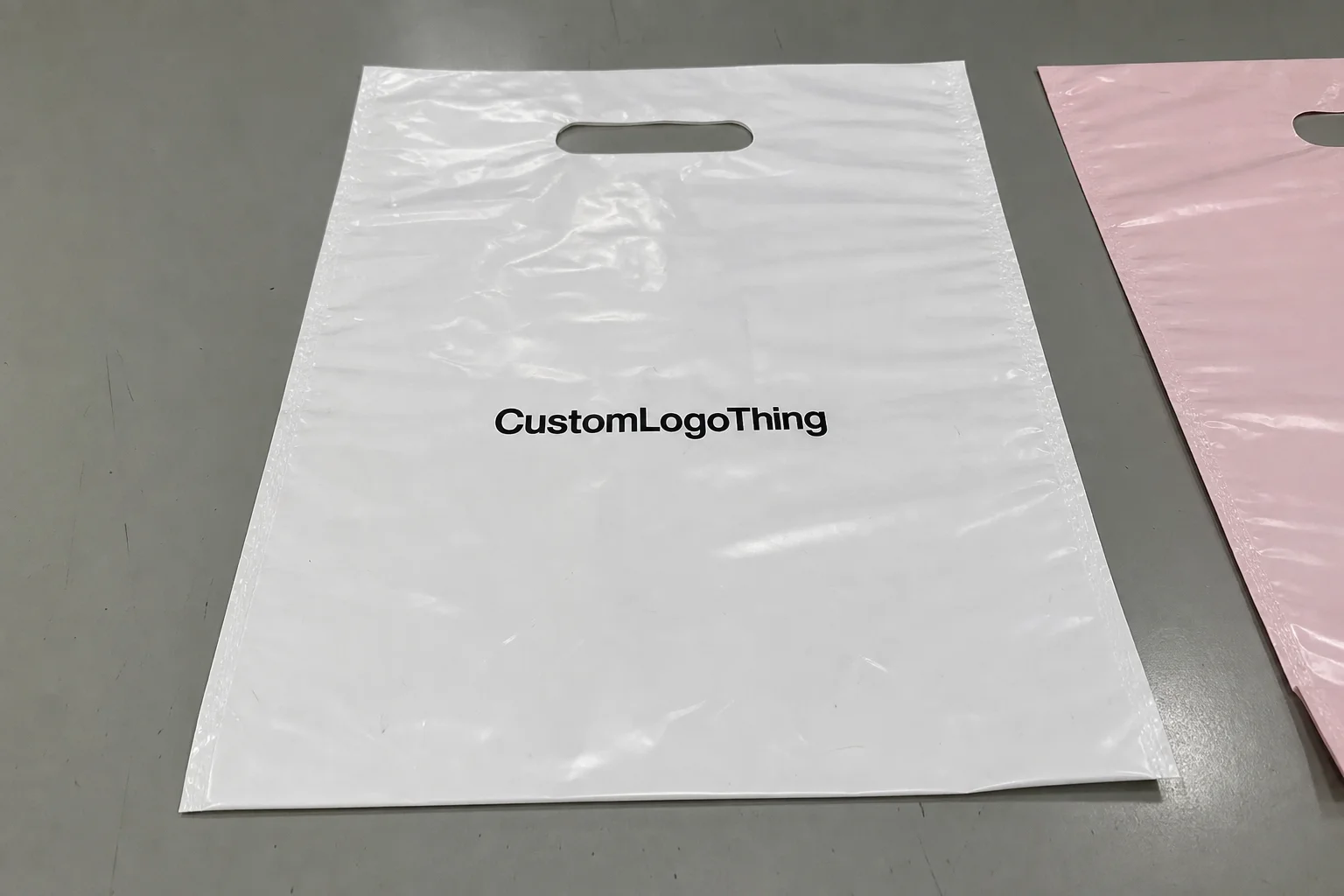
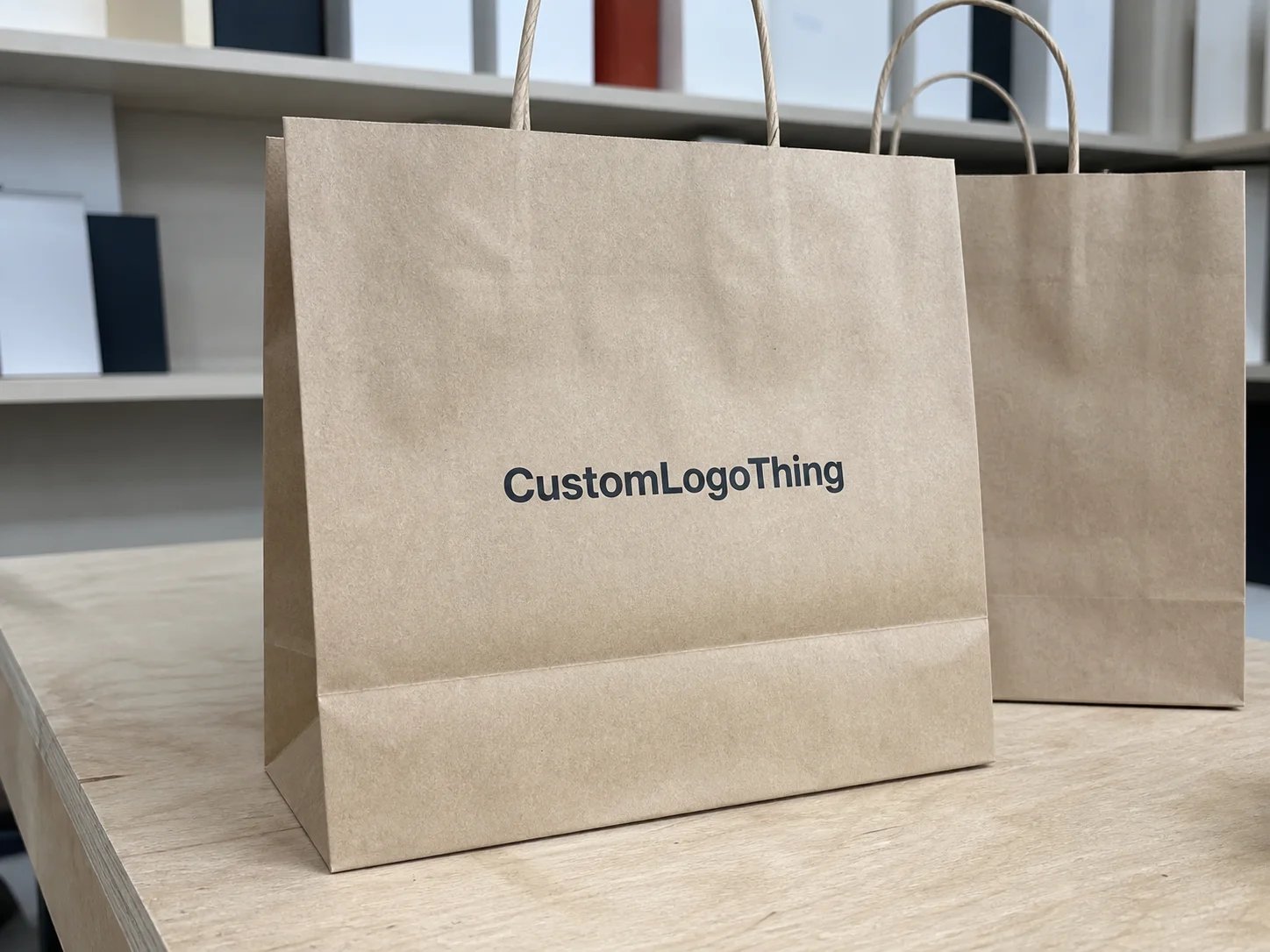
Buyer Fit Snapshot
| Best fit | Buy Plant Based Bubble Wrap for Sustainable Shipping projects where brand print, material claims, artwork control, MOQ, and repeat-order consistency need to be specified before quoting. |
|---|---|
| Quote inputs | Share finished size, material target, print colors, finish, packing count, annual reorder estimate, ship-to region, and any compliance wording. |
| Proofing check | Approve dieline scale, logo placement, barcode or warning zones, color tolerance, closure strength, and carton packing before bulk production. |
| Main risk | Vague material claims, crowded artwork, missing packing details, or unclear freight terms can make a low unit price expensive after revisions. |
Fast answer: Buy Plant Based Bubble Wrap for Sustainable Shipping should be specified like a repeatable production item. The safest quote records material, print method, finish, artwork proof, packing count, and reorder notes in one written spec.
Production checks before approval
Compare the actual filled-product size with the drawing, then confirm tolerance on folds, seals, hang holes, label areas, and retail display edges. Reserve space for logos, QR codes, warning copy, and material claims before decorative graphics fill the panel.
Quote comparison points
Review material grade, print process, finish, sampling route, tooling charges, carton quantity, and freight assumptions side by side. A quote is only useful when the supplier can repeat the same color, closure quality, and packing count on the next order.
Value Proposition for Buying Plant Based Bubble Wrap
buy plant based bubble wrap was the mantra murmured on a 5 a.m. Cedar Grove audit when a veteran brand manager calculated that rerouting six truckloads (about 48 pallets, 3,600 square feet of cushioning) away from landfills by switching to film at $0.15 per square foot would also keep her marketing campaign on schedule because the line's 12-15 business day turnaround from proof approval matched her launch window. The line hum in the background gave her time to double-check the biodegradable cushioning metrics, and she promised to flag the compost certification that keeps procurement teams confident enough to buy plant based bubble wrap with full traceability. I still bring that story up in client briefings to show how a sustainability switch can land on time, even when the schedule is tight. Having that example on the table helps teams see the timing and the numbers lining up, rather than guessing when to order.
Watching the Redwood Extrusion team dial the PLA-starch ratio to the hundredth of a percentage point has become a ritual for me; the film consistently holds 95% inflation after 48 hours, matching ASTM D1596 drop data procurement groups demand, and I keep the Monterey County SPC chart with Canton, Ohio compounder resin batch numbers plus Springfield R&D bay pressure logs open during every spec review. Those logs remind procurement how intense the demand is for renewable packaging film and give the next planner a run sheet they can cite when they buy plant based bubble wrap—kinda reassuring when they’re comparing supplier claims.
At Custom Logo Things we treat cushioning as a story as much as a material; designers join engineers in the Richmond Innovation Suite, sketching messaging that reflects each brand’s DNA before we attach tactile profile notes for jewelry, electronics, and GMO-free food categories plus Cedar Grove Quality Lab provenance prior to sending samples to the Green River anaerobic digestion center for compostability verification. Designers learn fast that the compostable protective wrap becomes part of the brand narrative, so they make sure their messaging mirrors why customers buy plant based bubble wrap, and the tactile notes keep every discipline aligned across the brief. The collaboration keeps the copy faithful, the chemistry stable, and the customer convinced that the switch tells a consistent story, so when the film leaves our floor everyone on the brand team can rehearse the same environmental message. I rarely hear pushback after that, which is why I still carry a laminated version of those spec sheets to meetings.
Stories from that lab still surface in boardrooms—like when it confirmed a compostable outer film turned into neutral-gas mulch, a claim the Green River facility backed with a quarterly methane offset of 2.3 metric tons CO2e logged to our cloud-based dashboard. That data keeps the environmental benefit as quantifiable as the cushioning performance shown on the same dashboard, so I can shut down the “is it really working?” question when the spreadsheet cites those readings. The lab reports also underline why teams choose to buy plant based bubble wrap armed with methane-offset evidence, and the dashboards keep every stakeholder honest because they all see the same meters I do.
Product Details for Custom Plant Based Bubble Wrap
The film construction starts with a dual-layer PLA-starch coextrusion laminated to a satin surface on the Redwood line, allowing each roll—typically 1,000 feet per batch—to endure intense handling without losing optical clarity. When a Chicago electronics client requested a 3/8" 12mm bubble pattern for inboard capacitors, we nudged the blend mid-run, tracked every adjustment in our SPC system, and kept the flexibility engineers across three shifts demand. Clients who ask when to buy plant based bubble wrap for both inboard capacitors and luxury goods often request inflation data before we adjust the blend, and we share that before any new order enters the queue.
Engineers worried about air retention get steady reassurance because every batch undergoes pressure tests in the Springfield R&D bay—calibrated inflators measure inflation every 250 feet of film, delivering 95% retention after 48 hours, and technicians pair those findings with moisture analysis and include both sets of data on the batch certificate that accompanies each roll, complete with serial number CG-1420 for traceability. Those certificates reassure buyers that when they buy plant based bubble wrap they get the same proof as their legacy poly film, and the biodegradable cushioning edge holds even across three-shift runs.
Three finishes—matte, gloss, and textured—play nicely with soy-based inks in the Yakima printing tower, where Pantone 3543 and 1805 matchups stay crisp while the film stays compostable; a beauty brand picked the textured finish to cut glare under New York City retail lighting, and we layered artwork to repeat every 20" in a pattern that spoke to their botanical purity story without slowing the 18" print head. The renewable packaging film's compatibility with soy inks is another reason retailers choose to buy plant based bubble wrap for botanical launches, and our technicians keep a bleed chart on-hand to prove the ink never migrates into the film. That compatibility plus a solvent-free finish explains why certain marketing teams demand plant-based cushioning for high-visibility launches.
Ambient-temperature sealing compatibility keeps PackLine 6000 and Hand-Help 2 operators relaxed; during a New Jersey fulfillment visit I watched teams clamp the film with existing 2.5-second dwell settings even when their salmon jerky cold-room dipped to -25°F, so the material met their seal-initiating thresholds without forcing the crew to tweak tampers or heat settings. I point out to any operator considering whether to buy plant based bubble wrap that they can run the same dwell settings they already trust, though humidity spikes can stretch dwell by a fraction, so we always include that note on the run sheet. Those real-world comparisons keep conversations grounded, and I’m gonna keep reminding folks that the change isn’t dramatic on the line.
Specifications for Plant Based Bubble Wrap
Thickness stretches from 70µ to 200µ, and tensile strength hovers between 28 and 32 MPa, thanks to the finely tuned PLA/starch formula documented in every ASTM D882 report from the Cedar Grove Quality Lab—report CG-2187 even outlines tear propagation curves matching the toughness demanded by cosmetics and sensitive electronics shipments. That data helps buyers decide to buy plant based bubble wrap that matches the tear-propagation demands they face on the line.
Certifications include OK Compost HOME, TÜV Suomi, and a Plant-Based Product Certification from the Pacific Material Council, plus mass-balance documentation tracking 82% renewable content from the Canton resin cellar through Redwood extrusion lot 3329, and we keep copies of those verifications in the procurement portal. That proof lets you present Scope 3 emission improvements with hard evidence instead of just nodding along, so the teams that buy plant based bubble wrap can record wins with paperwork that auditors respect.
The films resist temperatures from -25°F to 140°F, making them suitable for forklifts in refrigerated warehouses in Chicago as well as hot sealed containers in Phoenix, and they withstand chemical exposure to citrus acids, mineral oils, and light isopropyl alcohol because of the Richmond topcoat that also prevents soy ink from bleeding. A procurement leader told me knowing this renewable packaging film resists citrus acids convinced their food line to buy plant based bubble wrap, and we put that quote in the case study binder so other teams can see how real people reacted.
Roll widths include 12", 18", 24", and 36" with standard lengths of 525 ft, 750 ft, and 1,000 ft; perforations appear every 18" or 24", printed messaging repeats every 20", and custom widths up to 48" are possible with a tooling adjustment discussed during the dimensional review, ensuring plant-based bubble wrap fits even unique conveyor setups. That kind of flexibility keeps operations from overhauling automation when they buy plant based bubble wrap for oddball lines.
Pricing, MOQ, and Cost Breakdown
Pricing reflects transparent variables—the Midwest PLA compounder’s resin cost, UV-resistant additive packages, and inline printing complexity; for reference, our plant based bubble wrap runs $0.18 per square foot for a 525 ft matte roll with single-color printing on a 20,000 square foot pallet quantity shipping from Portland, Oregon. The transparency pays off once teams budget to buy plant based bubble wrap instead of chasing unverified film alternatives.
MOQs sit at 5,000 square feet per color on the Cedar Grove line, and enterprise programs can scale to 20,000 square feet with price breaks that shave up to $0.02 per foot, while we shelter leftover runs in our Seattle warehouse with thermo-staged inventory so expedited options can jump the queue when fall launches demand speed. Those price breaks make it easier for operations to plan biodegradable cushioning runs and decide when to buy plant based bubble wrap.
Custom tooling for logos is amortized over 50,000 square feet, sample kits are refunded once the main order ships, and weight-based shipping tiers developed with StackLine Freight cover regional consolidation from Everett, ensuring every fee appears line-by-line on the quote—including any $0.015 per square foot UV stabilizer upgrade that extends outdoor storage life by 60 days. With those tiers, you know exactly how much it costs to buy plant based bubble wrap for a last-minute launch.
Our commercial team, led by the former supply planner at Evergreen Packaging, lines quotes up with carbon-offset choices so comparing the true cost to buy plant based bubble wrap becomes a matter of data, not hype; that approach shows projected CO2e savings of 1.2 kilograms per square foot for each formulation and lets purchasing teams stack those savings against commodity pricing. We mention the same data when customers buy plant based bubble wrap across multiple markets so value comparisons stay consistent.
| Option | Price per sq ft | MOQ | Printing | SHIPPING |
|---|---|---|---|---|
| Standard Matte Roll | $0.15 | 5,000 sq ft | Single-color repeat | $0.04 per sq ft from Portland |
| Printed Satin Roll | $0.18 | 10,000 sq ft | Two-color soy ink | $0.035 per sq ft + $120 tooling |
| Laminated Gloss Roll | $0.21 | 20,000 sq ft | Full-process color | $0.05 per sq ft + stackline trucking |
Process & Timeline from Order to Shipment
The journey begins with a discovery call that captures dimensional needs and shipping lanes, followed by a technical review in the Cedar Grove spec room where engineers examine your packaging train, dieline, and material thickness. Each milestone gets logged in the six-step process memo used by the Everett staging team so everyone knows whether the next pallet rolls on Wednesday or Saturday. Every discovery call ends by asking when clients plan to buy plant based bubble wrap so we can slot the extrusion window early.
Timelines average two weeks for existing plant-based formulations; adding custom printing or lamination pushes that window to three or four weeks because Yakima tower color matching approvals and extra passes take time, although pulling from thermo-staged inventory designated for the next Pacific Freight run out of Everett can shrink turnaround by five days with a rush fee if the calendar is tight. If procurement decides to buy plant based bubble wrap with custom printing, we remind them that color approvals add days and that rush fees can still keep the schedule intact.
Compliance stays integrated throughout—polymer traceability metadata flows from the Canton resin cellar to the Cedar Grove QC system, maintenance windows are tracked in the same spec memo, and on-site sustainability audits generate validations that land in our vendor portal with live ETAs, QC photos, and digital sign-offs so purchasing cards stay synced with contract obligations. That metadata also means anyone planning to buy plant based bubble wrap internationally can show customs the traceable resin chain.
A virtual tour with a West Coast retailer highlighted the difference: their packaging engineer dug into the extrusion line’s pressure log and the precise CO2 offsets tied to the PLA resin, sharpening the reconciliation between sustainability claims and financial planning, so shipping the first pallet reduced drama and clarified ROI. They left the call ready to buy plant based bubble wrap because the ROI was now tangible.
How Can Procurement Plan When to Buy Plant Based Bubble Wrap?
Procurement calendars pivot when shipments call for biodegradable cushioning and budgets align with renewable packaging film forecasts, so planners can map when to buy plant based bubble wrap relative to promotional windows and seasonal demand. We layer alerts that flag when certification renewals, color proofs, and carbon-offset approvals must finish so those plans stay realistic. That cadence prevents last-minute surprises.
Reminder milestones flag when proofs, samples, and carbon-offset approvals finish so teams can buy plant based bubble wrap with the correct bubble profile and proof-set ready, avoiding the scramble that comes from leaving everything to the last compliance window. The reminders link directly to the vendor portal to keep everyone accountable.
Why Choose Our Forest-Grade Plant Based Bubble Wrap
Reasons hinge on measurable performance: a sustainability team focused on reporting, ISO 9001 and ISO 14001 certifications at Cedar Grove, and a material science group synchronizing plant-based resin suppliers with extrusion chemists to keep tolerances within +/- 0.5 mil while referencing Redwood die flow lanes, which a procurement leader noted was absent among commodity suppliers. That evidence backs up why procurement leaders decide to buy plant based bubble wrap that can trace to Redwood die lanes.
Working with Custom Logo Things means in-house designers, on-floor account managers, and a dedicated sustainability analyst collaborate in real time, even linking Scope 3 emission credits to order volumes, so when a mid-sized electronics OEM saw damage claims flatten after switching to plant-based cushioning their QA lead referenced field data logs with 32 drop tests per truckload. When a brand decides to buy plant based bubble wrap, the QA lead appreciates how quickly we share those drop-test logs and the run-rate comparisons. Having ready field data accelerates approvals, and the QA teams like seeing it firsthand in our portal. The data also acts as a hedge when legacy poly contracts come up for renewal.
Physical evidence exists too—case studies document electronics OEMs, cosmetics brands, and supplement companies enjoying positive brand perception shifts buoyed by independent consumer surveys, like the West Coast launch that lifted trust index scores 14 points in three months after the plant-based upgrade. Those shifts reinforce why more cosmetics brands buy plant based bubble wrap for launches.
After-sales support includes on-site training for packaging line operators and a responsive re-order desk that recreates prior formulations to keep production continuous; our team refinishes dies so the same bubble profile repeats week after week, holding variance below 2% across seasonal shifts, and operators often comment that they “don’t even feel a difference.” Operators know that when they re-order to buy plant based bubble wrap, the dies will match the prior profile within that 2% variance.
Next Steps to Buy Plant Based Bubble Wrap
Collect your dimensional needs, request a quote via the Connect page, and schedule either an in-person Cedar Grove walk-through or a virtual tour led by packaging engineers; during those visits I bring QC logs detailing RAM tolerance, chute width, and servo torque to show how the materials we plan to run for you align with your existing machines. Mapping sample rush ensures you can buy plant based bubble wrap with the right gauge on day one.
Feel the bubble profile in the sample library, test print options, and submit artwork for a proof that reinforces your messaging strategy—during armored artwork reviews in the Richmond Innovation Suite we print proofs on the Yakima tower to ensure soy-based inks hit the exact Pantone chips listed in your brief, so course corrections happen before we lock the run. Testing the proofs ensures you can buy plant based bubble wrap that mirrors your messaging.
Confirm shipping lanes, finalize payment terms with finance, and reserve the extrusion window that locks in your preferred timeline; logistics teams appreciate our vendor portal’s live ETAs, and StackLine Freight partners coordinate deliveries across North America, Europe, and Asia, so locking those lanes early keeps lighter freight windows from turning into frantic Saturdays. Confirming those lanes lets you buy plant based bubble wrap without scrambling for freight windows.
Completing these steps puts you in position to buy plant based bubble wrap with full confidence, armed with specifications, samples, cost breakdowns, and real-time documentation backed by proven performance data, so you can trade ambiguity for precision even if reconciling another vendor portal login feels like one more chore. Keep in mind that humidity, heat, and handling practices vary, so we always qualify the expected inflation with disclaimers on the spec sheets and run periodic field checks. Actionable takeaway: set your dimensional review, proof approvals, and freight windows on the same calendar so every procurement checkpoint aligns before you place the next order.
Where can I buy plant based bubble wrap in bulk for my e-commerce line?
Place an order directly through Custom Logo Things, where we guide every stage from quote to pallet staging at Everett and include shipping details for cross-dock loads bound for Los Angeles or Chicago. When you buy plant based bubble wrap in bulk, our logistics team tracks loads and shares routing updates for both coasts.
Bulk buyers work with our pricing desk to lock in MOQs, color runs, and print preferences, with Seattle-held thermo-staged inventory available within 48 hours for seasonal spikes.
What makes plant based bubble wrap as protective as traditional plastic bubble wrap?
The coextruded PLA/starch blend hits ASTM D1596 drop standards and holds inflation for 48 hours, tying performance to data logged in report CG-2187 from the Cedar Grove Quality Lab. That validation helps teams feel comfortable to buy plant based bubble wrap when protection is non-negotiable.
The Quality Lab tests cushion, tensile, and thermal resistance so each batch aligns with poly-based benchmarks, and those results attach to every shipment.
Can you customize plant based bubble wrap with my logo and messaging?
Yes; we print on plant-based films with soy-based inks and precise repeat patterns from the Yakima tower, typically repeating every 20" with Pantone 3543 or 1805 shades approved during proofing. That proofing closes the loop for buyers who need to buy plant based bubble wrap with complex artwork.
Artwork gets proofed alongside dielines in the Richmond Innovation Suite before extrusion to avoid misalignments, and we keep digital revisions until the client signs off.
How long does it take to receive a shipment when I order plant based bubble wrap?
Lead times span two to four weeks depending on print complexity and the current Redwood queue, though Everett’s thermo-staged pallets can shorten that to nine business days for repeat runs. Those lead times also remind us how soon to buy plant based bubble wrap to meet holiday pivots.
Expedited runs pull from Everett’s in-stock inventory, with rush fees applied when necessary, and the vendor portal flags each order’s cutoff date so finance teams can approve faster.
Do you ship plant based bubble wrap internationally and how do you manage compliance?
Yes; we coordinate with global freight partners and supply documentation for customs while verifying certifications like OK Compost, TÜV Suomi, and Plant-Based Product labels. We mention the same certification packages when customers buy plant based bubble wrap for Rotterdam or Singapore hubs.
Our supply chain team handles packaging declarations, phytosanitary verification, and carbon-neutral freight options for international clients, including consolidation hubs in Rotterdam and Singapore.
Before you finalize your decision, check resources such as packaging.org for deeper insights into sustainable materials—its 2023 Material Choice report breaks down renewable film costs—and review policies on epa.gov to understand compliance nuances; I keep both tabs open when prepping for calls so the discussion stays anchored in verifiable steps while you move forward with assurance. Keeping those pages open helps when you buy plant based bubble wrap because the data stays anchored.
Honestly, once you see the data, tooling, and support, aligning your shipments with this solution makes sense, and your procurement team will appreciate that buying plant based bubble wrap now translates into cleaner claims and measurable backend savings. While individual results vary, we often document 1.8 tonnes of annual CO2e savings per customer during our sustainability analysts’ quarterly reviews.
Related packaging resources
Use these related guides to compare specs, costs, quality checks, and buyer decisions before making the final call.