Buyer Fit Snapshot
| Best fit | Wholesale Biodegradable Mailers Bulk projects where brand print, material claims, artwork control, MOQ, and repeat-order consistency need to be specified before quoting. |
|---|---|
| Quote inputs | Share finished size, material target, print colors, finish, packing count, annual reorder estimate, ship-to region, and any compliance wording. |
| Proofing check | Approve dieline scale, logo placement, barcode or warning zones, color tolerance, closure strength, and carton packing before bulk production. |
| Main risk | Vague material claims, crowded artwork, missing packing details, or unclear freight terms can make a low unit price expensive after revisions. |
Fast answer: Wholesale Biodegradable Mailers Bulk: Specs & Pricing should be specified like a repeatable production item. The safest quote records material, print method, finish, artwork proof, packing count, and reorder notes in one written spec.
Production checks before approval
Compare the actual filled-product size with the drawing, then confirm tolerance on folds, seals, hang holes, label areas, and retail display edges. Reserve space for logos, QR codes, warning copy, and material claims before decorative graphics fill the panel.
Quote comparison points
Review material grade, print process, finish, sampling route, tooling charges, carton quantity, and freight assumptions side by side. A quote is only useful when the supplier can repeat the same color, closure quality, and packing count on the next order.
Wholesale Biodegradable Mailers Bulk: Specs & Pricing
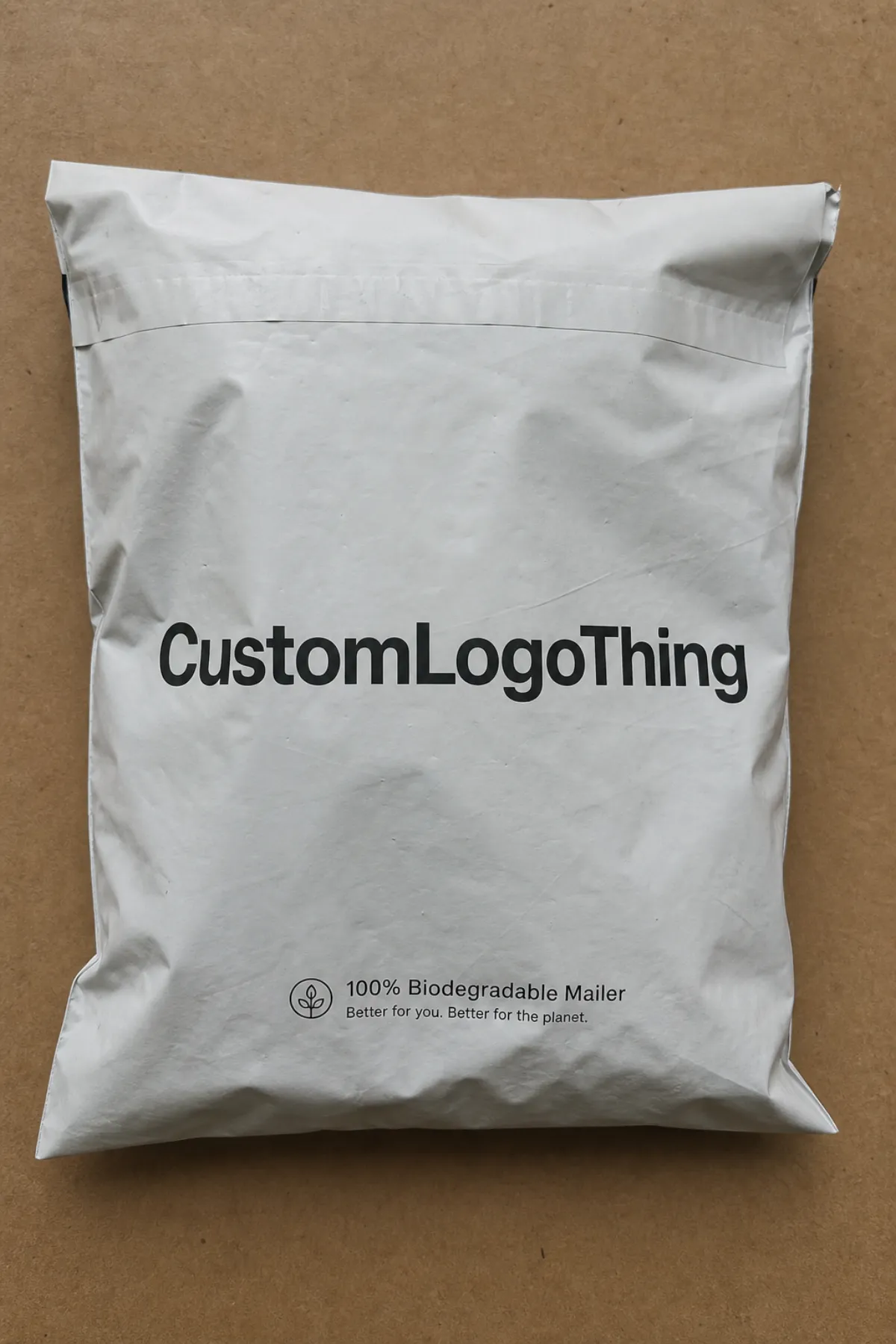
wholesale biodegradable mailers bulk is usually the smarter move once a brand starts shipping every week instead of every once in a while. The mistake is rarely the mailer price alone. It is buying the wrong size, because every extra inch adds material, postage, and dead space in the carton that still gets billed to somebody.
If you ship apparel, soft goods, accessories, or lightweight kits, bulk biodegradable mailers keep parcels slim without making them look flimsy or oversized. That matters more than people admit. A mailer that fits the product correctly cuts dimensional weight surprises, keeps the pack-out clean, and stops your box from looking like it swallowed a sleeping bag for one T-shirt.
For a growing eCommerce store, bulk buying also breaks the annoying cycle of panic reorders. You get a better unit cost, steadier print quality, and fewer mid-season scrambles when inventory gets tight and freight quotes decide to become dramatic. The job is simple: ship product in packaging that does its work, supports the brand, and leaves less waste than a standard plastic-only option.
The cheapest mailer is not always the cheapest order. A better fit and better construction usually save more money than shaving a few cents off the unit price.
Why Wholesale Biodegradable Mailers Bulk Beats Piecemeal Buying
Buying biodegradable mailers one batch at a time looks flexible on paper. In real life, it usually turns into the expensive path. Small orders shrink your bargaining power, drive freight costs up per unit, and make color or print consistency harder to keep from one reorder to the next. If the package is part of the customer experience, that inconsistency shows up fast.
Bulk buying starts to make sense once you know your parcel profile. You already know whether the core shipment is a folded hoodie, a scarf, a tote, or a multi-item order. At that point, the question is not whether you need packaging. It is which size, which structure, and which price point gives you the best landed cost over the next few months.
From a packaging buyer’s point of view, the benefits are practical and boring in the best way:
- Lower unit cost from larger runs and better material use.
- Fewer reorders, which cuts admin time and rush shipping fees.
- More consistent branding across every shipment leaving the warehouse.
- Less freight panic because replenishment can happen before inventory gets scary.
- Better size matching so you are not paying for empty air.
The most expensive mailer is usually the wrong size. Too small, and you get weak seals, stress tears, or pack-out teams fighting the bag like it insulted their family. Too large, and you pay for extra film or paper, extra space, and a parcel that looks sloppy on arrival. Bulk purchasing gives you room to test the fit once, then keep using the same spec until the product mix changes.
Biodegradable mailers are working packaging, not a halo badge. They should protect the product, move through the shipping system cleanly, and offer a lower-impact disposal path than conventional plastic mailers where appropriate. That is the actual job. Everything else is branding sugar.
What Wholesale Biodegradable Mailers Bulk Are Made Of
Not all biodegradable mailers are built the same, and that is where plenty of buyers get tripped up. A supplier may call a mailer biodegradable, compostable, or eco-friendly, but those words do not mean the same thing. Some structures are designed to break down under industrial composting conditions. Others use blends that reduce persistent plastic content. A few are paper-based options with a bio layer or adhesive system.
Common constructions include PLA blends, PBAT-based films, and kraft paper laminated options. PLA is often paired with other materials because it can be brittle on its own and less forgiving in transit. PBAT is common in compostable film blends because it adds flexibility and toughness. Kraft-based mailers bring a paper look that many brands prefer, especially for apparel, gifts, and subscription packaging. If paper is part of the build, FSC-certified stock may be available; that matters if your sustainability story includes responsible fiber sourcing.
The material label is only one piece of the decision. You also need to look at how the mailer performs once it hits the shipping line. Useful features usually include:
- Self-seal strips that close cleanly without extra tape.
- Tear resistance so the seam does not split when packages are tossed, stacked, or overfilled.
- Opacity for product privacy and a cleaner branded look.
- Water resistance to handle rain, dock handling, or damp sorting lines.
- Print surface quality so logos do not look muddy or thin.
For disposal claims, do not trust a single green word printed on a box. Ask for the exact certification and the disposal condition behind it. ASTM D6400 and EN 13432 are common compostability standards, but that does not mean your customer can toss the mailer into backyard compost and expect it to vanish on command. Many products still need industrial composting, and some markets do not have a practical collection stream at all. If a supplier skips that part of the explanation, that is a clue.
If you want a plain-English starting point on how composting fits into waste management, the U.S. EPA has a useful reference here: EPA composting guidance. For shipping performance, transit testing matters too. Standards from organizations such as ISTA help buyers compare packaging durability with more than wishful thinking: ISTA testing standards.
Specifications That Matter Before You Place an Order
Specification sheets are where good packaging decisions get made, and where sloppy ones get exposed. If you want the right wholesale biodegradable mailers bulk order, compare the numbers side by side instead of asking for “something green and sturdy.” That request gets you a guess, not a usable packaging spec.
The core details to review are straightforward:
- Size range so the mailer fits your actual product footprint.
- Thickness or gauge for film constructions, or GSM for paper-based options.
- Seal strength so the closure holds during sortation and delivery.
- Gusset style if you need room for bulkier items.
- Print area for logos, messaging, and compliance marks.
- Color options if your brand uses a specific look.
Thickness affects both performance and price. Thinner mailers are lighter and cheaper, but they puncture more easily and can feel flimsy if the product has sharp edges, buttons, zippers, or awkward folds. Heavier constructions cost more, but they can save you from transit failures that end up costing far more in replacements and customer service time. A thin mailer that tears once is not a bargain. It is a complaint with postage attached.
For apparel, common stock sizes often fall around 6 x 9 inches for small accessories, 9 x 12 inches for tees and light garments, and 10 x 13 inches or 12 x 15.5 inches for bulkier folded items. Multi-item orders may need gusseted formats or a larger flat bag so the seal does not get stressed. If one mailer only fits your thinnest product, you will end up with a second spec anyway. That doubles complexity and eats into any savings.
Branding details matter just as much as the base material. Ask whether the supplier can handle one-color printing, full-wrap graphics, or Pantone matching. Matte finishes usually look cleaner on eco packaging, while gloss can make print pop more strongly on certain films. A simple logo near the closure can be enough. You do not need to cover every square inch in ink just because the press can do it.
If you are comparing options across product lines, it helps to review your broader packaging stack too. Many buyers pair eco mailers with other formats in the Custom Packaging Products catalog or compare them against Custom Poly Mailers to see whether the biodegradable version actually fits the shipment profile.
Wholesale Biodegradable Mailers Bulk Pricing and MOQ
Price depends on more variables than most buyers expect. Material type, thickness, size, print complexity, order quantity, and freight distance all move the number. The quote with the lowest unit price is not always the lowest landed cost. That is where plenty of orders go sideways.
Here is the practical pricing picture I would use as a starting point. These are market-style ranges, not promises, because exact numbers shift with stock availability, decoration, and freight mode.
| Option | Typical MOQ | Unit Price Range | Best Use | Tradeoff |
|---|---|---|---|---|
| Plain stock biodegradable mailer | 500-1,000 units | $0.18-$0.32 | Testing fit, low-volume replenishment | Less branding, fewer size choices |
| Custom printed biodegradable mailer | 2,000-5,000 units | $0.24-$0.48 | Branding, repeat apparel shipments | Higher setup cost, longer lead time |
| Heavier gauge or larger format | 2,000+ units | $0.30-$0.62 | Multi-item orders, heavier soft goods | More material, higher freight weight |
| Kraft-based eco mailer | 1,000-3,000 units | $0.26-$0.55 | Premium natural look, retail brands | Paper may crease more easily in transit |
MOQ, or minimum order quantity, usually rises when the job needs printing, special sizing, or unique material sourcing. A stock item may start with a few hundred pieces. A custom run often needs several thousand to cover setup and print efficiency. That is not a supplier being difficult. It is how production economics work.
The cleanest way to compare quotes is to ask for tiered pricing. Request numbers at 1,000, 3,000, and 5,000 units, then compare the real break point. Sometimes the jump from 1,000 to 3,000 units lowers the unit price enough to justify the extra inventory. Sometimes it does not. The data will tell you. Guessing usually costs more.
Ask for the landed cost, not just the factory price. Freight, customs, duties, sample charges, plate fees, and print setup can shift the actual spend fast. If you only look at the per-piece number, you might pick the wrong supplier and find out later that the “cheap” order was anything but.
For brands already buying through our Wholesale Programs, this is the sort of quote structure that makes comparison easy. You want the same size, the same print scope, and the same shipping assumption across every line item so the real difference stands out.
Process and Timeline: From Quote to Delivery
The order process should be boring. That is the goal. Fewer surprises, better packaging run. A clean workflow usually follows a simple path: Request a Quote, confirm specs, review artwork, approve a sample or digital proof, start production, then ship.
Timelines depend heavily on whether you are buying stock or custom. Stock biodegradable mailers move faster because the material is already available and there is no print setup to lock in. Custom Printed Mailers need more time for artwork review, layout checks, color approval, and production scheduling. If a supplier says every run is “quick,” ask them to define quick in business days and shipping days. Vague speed claims are cheap.
A realistic range looks more like this:
- Stock orders: often 5-10 business days before shipment, depending on warehouse location and quantity.
- Custom printed orders: often 12-20 business days after proof approval.
- Complex runs or overseas freight: longer, especially if shipping lanes or customs slow things down.
Most delays happen for ordinary reasons. Missing artwork files slow proofing. Unclear sizing creates back-and-forth. Certification requests can add review time. Freight congestion can push the delivery window even after production is finished. None of this is rare. It is the normal mess of procurement.
If the mailer is part of a product launch or seasonal replenishment, ask for three things up front: the estimated lead time, the sample timeline, and the production slot. That gives you a realistic replenishment schedule. It also tells you whether your order should be placed now or after the next sales cycle. Waiting until stock is almost gone is how brands end up paying rush freight for no good reason.
One more practical point: test the mailer with your real product before approving a full run. Put the exact item, in its real folded state, into the sample. Shake it. Seal it. Stack it. If the package feels loose or the closure looks stressed, fix the spec now. It costs much less to revise before production than to rework 5,000 pieces after they arrive.
Why Choose Us for Sustainable Packaging
People do not buy sustainable packaging because they want a lecture. They buy it because they need packaging that performs, looks consistent, and stays inside budget. That is where a supplier has to earn trust. Not with slogans. With specs, samples, and honest guidance.
Custom Logo Things focuses on the practical side of packaging selection. If the mailer is for apparel, we look at fit first. If it is for accessories, we look at puncture risk and seal strength. If the brand wants a premium feel, we check print surface and finish before recommending a format that looks nice in a mockup but behaves badly in a shipping lane.
That kind of guidance matters because one weak run can erase the savings from a lower quote. A mailer that seals poorly, prints off-center, or splits at the seam creates returns, reships, and customer complaints. The unit cost suddenly looks clever on the invoice and very dumb in the warehouse. Buyers usually learn that lesson once.
Our role is to narrow the field so you do not over-spec the order. Some brands need a heavy compostable film. Others are better served by a lighter bag with a clean one-color logo. Sometimes the right answer is not the most expensive one. It is the one that matches the product, the route, and the budget.
That is also why sample availability matters. A good sample can show you seal performance, print clarity, opacity, and how the surface feels in hand. A spec sheet cannot do all of that. And if you are comparing sustainable options against standard packaging, it is often useful to line them up beside your existing poly mailer baseline so the tradeoff is clear.
If your team is building out a broader packaging line, this is usually the point where you map the eco mailers alongside your other custom formats. That keeps brand presentation consistent and helps purchasing avoid a pile of mismatched packaging decisions made by different people in different weeks.
Next Steps to Order the Right Mailer Run
Before you request quotes, gather the basics. Product dimensions. Average parcel weight. Branding files. Target quantity. Delivery location. If you have that information in one place, the quoting process gets faster and cleaner. If you do not, the supplier will spend time guessing, and guessing is how you get quotes that look fine but do not actually fit your job.
Use this short checklist before you commit:
- Measure the folded product in its real shipping state.
- Decide whether you need a flat mailer or a gusseted format.
- Choose the print scope: logo only, one-color branding, or full wrap.
- Ask for two or three sample options with different thickness levels.
- Compare landed cost, not just unit cost.
- Confirm lead time for both production and shipping.
Then test the samples with the real product. Open and reseal them. Check whether the adhesive grabs properly. Look for corner stress, seam stretch, and whether the finish holds up after handling. If the bag feels thin or the seal is weak, do not talk yourself into it because the price was attractive. A bad mailer is not a value buy. It is a packaging problem in disguise.
Ask for the full cost picture before approving the order. That means freight, customs, any setup fees, and any artwork adjustments. A supplier who gives you a clean landed-cost comparison is helping you make a real decision. A supplier who only quotes the unit price is helping themselves.
If you want the shortest path to a good decision, use one rule: send the folded product dimensions, the target quantity, and the disposal claim you are willing to support, then ask for two quote tiers and a physical sample. That gives you a usable comparison and keeps the order from drifting into vague, expensive optimism. That is the point of wholesale biodegradable mailers bulk anyway: buy the right spec in the right quantity, then let the packaging do its job without creating more work for everyone else.
What is the minimum order for wholesale biodegradable mailers bulk?
MOQ depends on whether you choose stock plain mailers or custom printed mailers. Stock items often start lower, while custom runs usually need a larger quantity to cover setup and print costs. Ask for tiered pricing at several volumes so you can see where the best break point sits.
Are wholesale biodegradable mailers bulk actually compostable?
Not always. Biodegradable and compostable are not the same claim. A mailer may break down under specific conditions but still need industrial composting or a defined disposal stream. Ask for the exact certification and disposal guidance before you buy.
How much do wholesale biodegradable mailers bulk usually cost?
Cost depends on material, thickness, size, print method, and quantity. Plain stock mailers are usually the lowest unit price, while custom printed or thicker mailers cost more. Compare landed cost, not just the factory quote, because freight can change the real number quickly.
What lead time should I expect for wholesale biodegradable mailers bulk?
Stock orders are usually faster than custom runs because there is no print setup or artwork approval delay. Custom production adds time for proofing, setup, and inspection before shipment. Ask for both production lead time and shipping time so you can plan replenishment accurately.
Can I print my logo on wholesale biodegradable mailers bulk?
Yes, most suppliers can print a logo, brand color, or simple messaging on the mailer surface. Confirm the print area, color limits, file format, and whether the finish supports your design. If branding matters, request a sample or digital proof before approving full production.


