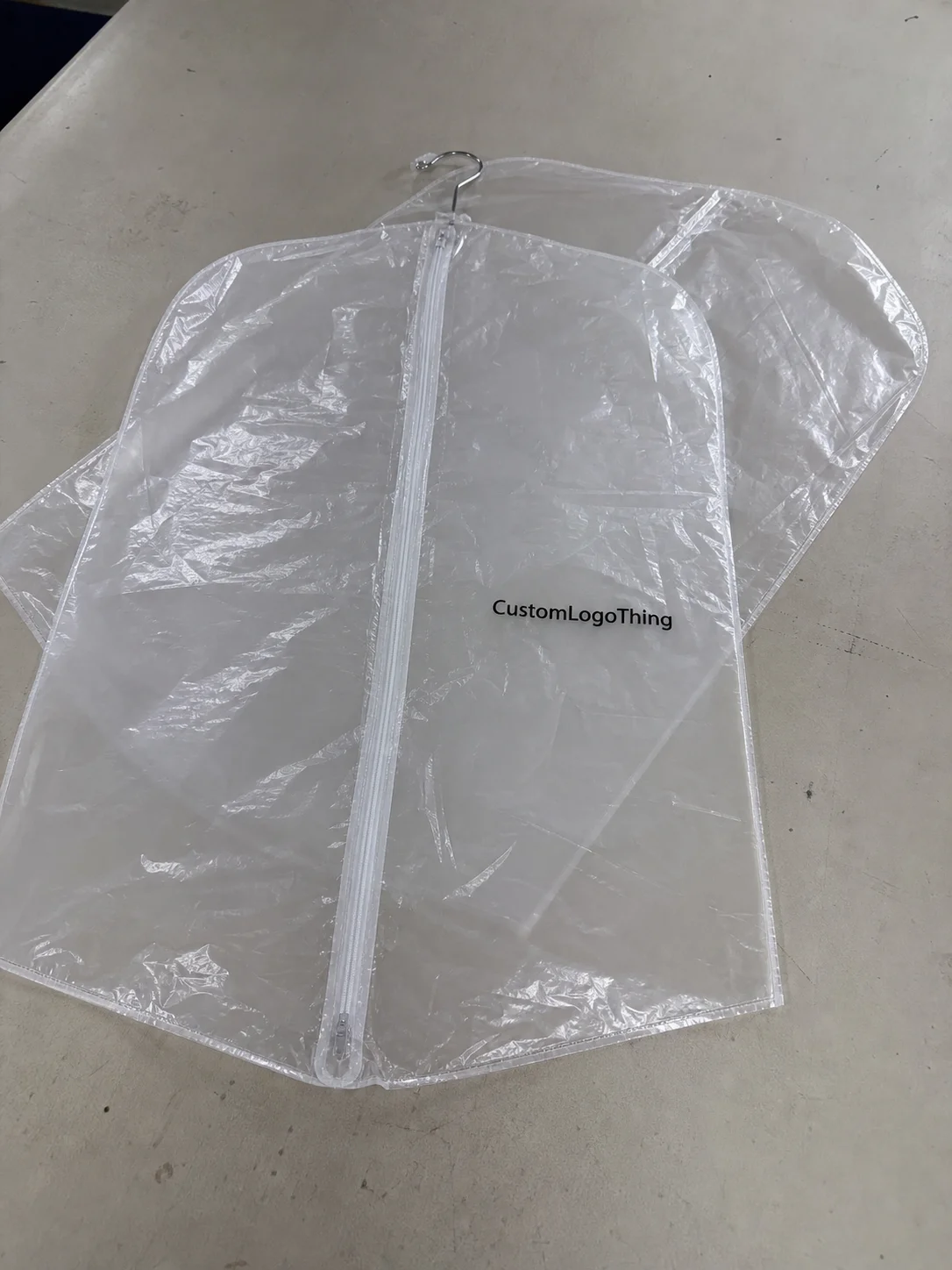
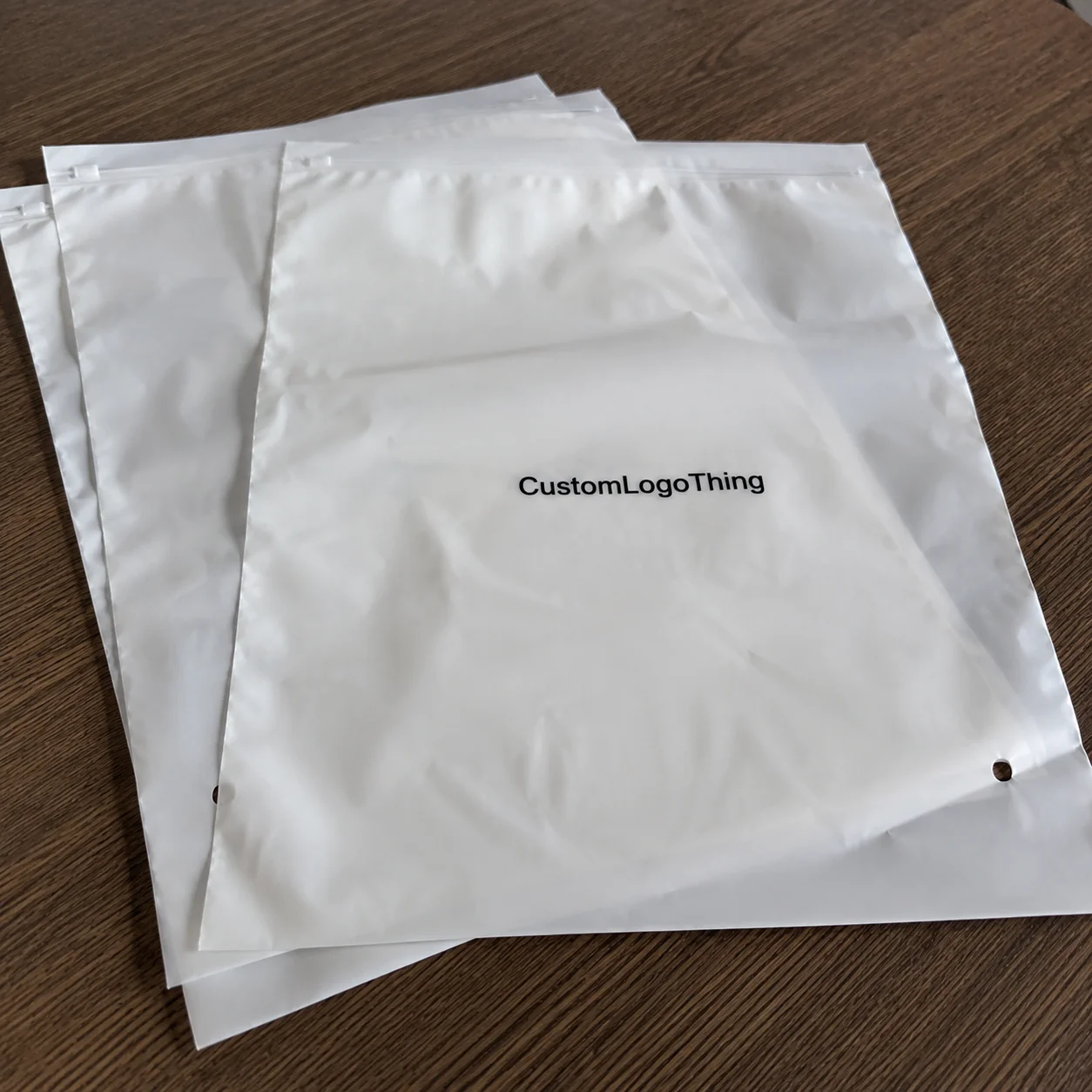
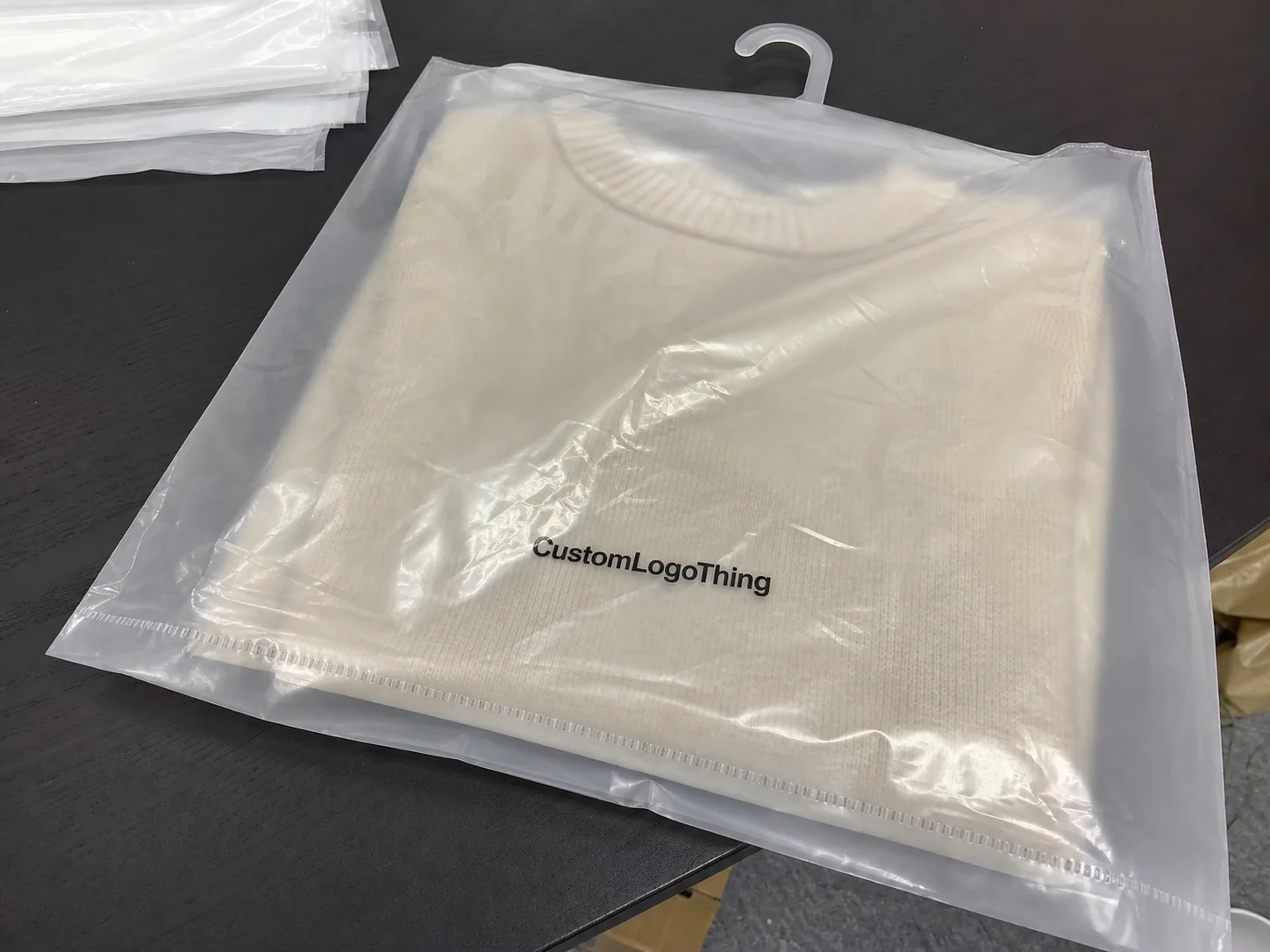
Buyer Fit Snapshot
| Best fit | Buy Reusable Poly Mailers Online Store projects where brand print, material claims, artwork control, MOQ, and repeat-order consistency need to be specified before quoting. |
|---|---|
| Quote inputs | Share finished size, material target, print colors, finish, packing count, annual reorder estimate, ship-to region, and any compliance wording. |
| Proofing check | Approve dieline scale, logo placement, barcode or warning zones, color tolerance, closure strength, and carton packing before bulk production. |
| Main risk | Vague material claims, crowded artwork, missing packing details, or unclear freight terms can make a low unit price expensive after revisions. |
Fast answer: Buy Reusable Poly Mailers Online Store: Pricing, Specs should be specified like a repeatable production item. The safest quote records material, print method, finish, artwork proof, packing count, and reorder notes in one written spec.
Production checks before approval
Compare the actual filled-product size with the drawing, then confirm tolerance on folds, seals, hang holes, label areas, and retail display edges. Reserve space for logos, QR codes, warning copy, and material claims before decorative graphics fill the panel.
Quote comparison points
Review material grade, print process, finish, sampling route, tooling charges, carton quantity, and freight assumptions side by side. A quote is only useful when the supplier can repeat the same color, closure quality, and packing count on the next order.
If you want to buy Reusable Poly Mailers online store options that actually hold up in shipping, not just on a product page, start with the numbers. I remember standing on factory floors in Shenzhen while operators tested seal strength with gloved hands and 2 kg load samples, and the brands that came out ahead were the ones asking about film gauge, adhesive strip quality, and landed cost on day one. Not the ones asking for “something eco” and hoping the box fairy handled the rest. In one Dongguan facility, a supervisor even pulled a 70-micron mailer through a hand tear test and a tape-pull test back-to-back, which told me more in five minutes than a polished sales deck ever could.
Reusable mailers are not a passing fad in my book. They’re a practical answer to brands getting squeezed between shipping costs, customer expectations, and return logistics, especially for apparel programs moving 2,000 to 20,000 units a month. Honestly, I think they’re one of the few packaging formats that can pull double duty without making your warehouse team grumble too loudly, which is saying something. If you’re ready to buy reusable poly mailers online store, you need Pricing, Specs, and Lead Times fast. Pretty packaging is nice. A mailer that survives a corner drop and can be reused for a return is better, especially when the order lands at $0.14 to $0.26 per unit instead of something wildly optimistic.
Why Buy Reusable Poly Mailers Online Store Options Make Sense
The biggest shift I saw wasn’t design. It was behavior. On one client visit in Los Angeles, a mid-sized apparel brand told me their customers kept folding the shipping mailers and using them again for returns, gym clothes, and storage. That started a conversation no glossy sustainability brochure could fake. They didn’t want a throwaway bag. They wanted something with enough strength to justify the price, and their original mailer spec had been upgraded from 55 microns to 80 microns after a failed drop test from 36 inches. And to be fair, I get it — nobody wants to pay for packaging that gives up after one trip like it’s made of anxious tissue paper.
That’s the real business case when you buy reusable poly mailers online store. You’re not just buying a bag. You’re buying a shipping format that can improve perception, reduce damage complaints, and keep freight light. Compared with rigid cartons, reusable poly mailers are still easy to store, cheaper to ship, and far less annoying to pack in volume. I’ve seen brands save $0.12 to $0.28 per shipment just by moving from bulky corrugate to a well-specified poly mailer for soft goods, and I’ve seen another $0.05 to $0.09 disappear when tape, void fill, and labor were removed from the equation.
They fit especially well for apparel, socks, swimwear, accessories, subscription boxes, and ecommerce returns. If a product is soft, flat, or semi-compressible, a reusable mailer often makes more sense than a box. If a product is fragile, heavy, or oddly shaped, no, don’t force it. I had one cosmetics client in New Jersey try to cram glass jars into poly mailers because someone in marketing loved the “minimal look.” That ended exactly how you think it did: broken units, refund requests, and a very awkward meeting. I still remember the silence in that room. You could practically hear the packaging budget evaporating.
Customers also notice the difference. A stronger mailer with a clean logo and a clear reuse instruction panel feels more deliberate than a thin, anonymous bag. Buyers who want to buy reusable poly mailers online store expect numbers, too. They want film thickness, MOQ, print method, and whether the thing can survive a second trip. Not a sustainability speech with no specs. Not a parade of buzzwords. Actual information, which is refreshingly rare and, frankly, should be more common than it is. A 2024 client in Austin specifically asked for a 12 x 15.5 inch mailer with a dual seal, and that one detail reduced re-pack complaints in their returns center within three weeks.
“We cut damaged returns, and our customers actually reused the mailers. That was the point.”
— Apparel buyer I worked with after switching to a dual-seal mailer
Here’s the part people get wrong: reusable does not automatically mean expensive. A recycled-content mailer with a smart closure can cost less than a premium carton system once you factor in packing labor, tape, and void fill. It depends on the size, the print coverage, and the supplier’s setup model. If you’re serious about buying reusable poly mailers online store, ask for unit price and total landed cost side by side. Anything else is theater. One Shenzhen quote I reviewed last spring came in at $0.18 per unit for 5,000 pieces on a 70-micron recycled PE blend, while the carton alternative was $0.31 once inserts and tape were added.
For buyers comparing packaging types, I usually point them to Custom Packaging Products first, then narrow into shipping formats like Custom Poly Mailers. That keeps the conversation grounded in function instead of buzzwords. Packaging should earn its keep, whether it’s printed in Guangzhou or converted in a smaller facility outside Suzhou.
For reference on packaging and recovery topics, the EPA recycling guidance is useful when your team is sorting claims and end-of-life language. It won’t tell you which closure strip is best, because obviously it won’t. That part is on the supplier and the spec sheet, ideally backed by material data and a simple peel-strength test at 10 to 15 reseals.
What Reusable Poly Mailers Are Made Of
A reusable poly mailer is usually made from multi-layer polyethylene film. Most of the good ones use either virgin PE, recycled PE blends, or a mix depending on cost targets and print performance. The layers matter because they affect puncture resistance, tear behavior, and how the mailer feels in hand. I’ve held 60-micron mailers that felt flimsy and 100-micron mailers that still tore at the seam because the lamination was sloppy. Thickness helps, but construction matters more than people think. I’ve got a healthy respect for that lesson now, because the factory can absolutely make a mailer look tough and still leave you with a weak seam that folds under pressure like it owes somebody money. In one factory in Guangzhou, a technician showed me a side-seal width of just 8 mm on a supposedly heavy-duty bag, and that narrow seam explained the failure immediately.
If you want to buy reusable poly mailers online store, ask what the film actually is. “Eco” is not a material spec. I’ve heard suppliers toss that word around like confetti, and if I had a dollar for every time that happened, I could probably pay for a very decent sample run. Better questions: Is it virgin PE? Post-consumer recycled content? A blend? Is the surface matte or gloss? Can it take flexographic or gravure printing? Those answers change pricing, shelf appearance, and durability. A matte recycled film may run 8% to 12% higher than a standard gloss film if the supplier is sourcing from a tighter resin lot in Jiangsu or Zhejiang.
Most reusable mailers use a self-seal closure, but the better versions add a second adhesive strip or a dual-seal design for return use. That way the same mailer can ship outbound, be opened by the customer, then be resealed for a return or storage. In a factory visit in Dongguan, I watched operators run a closure adhesion test by opening and resealing the same flap ten times. Cheap strips failed by the fifth peel. Better strips held consistent tack and left cleaner edges. That little test told me more than a dozen sales emails ever could. A stronger strip also matters in colder warehouses, especially below 50°F, where adhesive performance can drop noticeably.
Customization is straightforward when the supplier knows what they’re doing. You can print logos, QR codes, return instructions, size marks, care icons, recycled-content callouts, or warning text. I like QR codes on reusable mailers because they can send customers to a returns portal, brand page, or reuse instructions. That small detail often reduces customer service emails. One client cut “how do I return this?” tickets by about 18% after adding a simple instruction panel in a 1-color black print on a natural gray mailer. Which, to be honest, was a lot more satisfying than staring at another complaint spreadsheet.
Still, not every reusable mailer deserves the label. Some are just thicker single-use poly mailers with a second strip slapped on. That may be fine for your business, but don’t let a supplier sell you a story instead of a spec. If you plan to buy reusable poly mailers online store, ask how many cycles the mailer is designed for, whether there is a reinforced gusset, and what closure system supports reuse. A proper reusable design should survive at least two shipping passes and one return reclose without splitting at the edge.
Common material choices
- Virgin PE film for cleaner print quality and consistent seal behavior, often preferred for 1- to 2-color branding.
- Recycled PE blend for better cost control and stronger sustainability claims, if documented properly with resin percentages.
- Matte finish for a softer brand look and less glare in photos, especially on dark navy or charcoal mailers.
- Gloss finish for vivid print contrast and lower perceived grain on dark colors.
- Dual-adhesive closure for outbound shipping and return reclosure, typically with a second strip placed 20 to 30 mm below the first.
For testing and transport durability, I always ask whether the mailer aligns with basic industry standards like ISTA testing guidance. That doesn’t mean every supplier has a full lab report, but it does mean they should know what puncture, drop, and compression resistance mean in real terms. If they can’t speak that language, keep walking. A reputable factory in Shenzhen or Dongguan should be able to reference at least basic drop and vibration checks, even if the report is internal.
Specifications to Check Before You Order
Here’s where most purchase orders go sideways: vague specs. If you want to buy reusable poly mailers online store without headaches, lock down the core details before you ask for quotes. Size, film thickness, seal type, print method, color, and load capacity are the big six. Leave those fuzzy, and you’ll get five quotes for five different products. Then everyone acts surprised when the samples don’t match. I’ve seen that movie enough times to know the ending, and it is never fun. A buyer in Chicago once approved “about 12 by 15” only to learn the actual internal space was 11.2 x 14.1 inches after seam allowances were removed.
Size should match the product, not the warehouse mood board. Small accessories usually fit in 10 x 13 inch or similar formats. Medium apparel often lands in 12 x 15.5 inch or 14 x 19 inch. Larger garments, sets, or multi-item shipments may need 19 x 24 inch or bigger. I’ve seen brands save a few cents by sizing down properly, and I’ve seen them lose money because they ordered a mailer too small and had to rework the entire packing flow. That’s the kind of penny-wise, pound-foolish mistake that makes everyone wish they had taken five extra minutes with a ruler. In one case, a 14 x 19 inch bag replaced a 16 x 24 inch option and saved $0.06 per unit across a 7,500-piece run.
Film thickness is usually measured in microns or mils depending on the supplier. Thicker mailers generally handle abuse better, but overbuilding can raise cost without adding real value. A 60-micron mailer may be fine for lightweight tees. A 90-micron or 100-micron structure may make more sense for heavier hoodies, return cycles, or multiple items. If you’re trying to buy reusable poly mailers online store, ask for a sample in your actual product weight, not just a flat empty bag on your desk. That flat sample might look decent until you put a folded sweatshirt inside and the whole thing starts behaving like a disappointed balloon. One supplier in Zhejiang even recommended a 75-micron film for a 480-gram hoodie pack, and they were right to do so.
Print is where the budget can climb fast. One-color logos are cheaper. Full coverage, edge-to-edge printing costs more. Metallic inks, white underbase, or multi-panel layouts can add setup fees and production time. A client once asked me for a full-wrap gradient print on a recycled mailer with two adhesive strips and a matte finish. Nice idea. Ugly quote. The factory came back with a $0.42/unit cost at 5,000 pieces, which was not shocking, just expensive enough to make everyone quiet. Even switching to a 2-color layout on a C1S artboard-style proof sheet can tighten approvals and reduce corrections before print.
Then there’s compliance and quality. Ask for puncture resistance, tear strength, water resistance, and whether the supplier can share material data or sample testing. A mailer that fails a basic tape pull or splits at the seam during transit is not reusable. It’s just annoying. Buyers looking to buy reusable poly mailers online store should also ask about cold-weather performance. Some adhesive strips get temperamental in low temperatures, and that matters if your warehouse ships in winter. I’ve watched perfectly good-looking mailers act moody the second the temperature drops, especially when a supplier used low-tack adhesive that performed fine at 72°F but failed around 40°F in a Minnesota fulfillment center.
| Spec | Lightweight Apparel | Mid-Weight Apparel | Returns / Multi-Use |
|---|---|---|---|
| Suggested size | 10 x 13 in | 12 x 15.5 in | 14 x 19 in or larger |
| Film thickness | 50-60 microns | 70-80 microns | 90-100 microns |
| Closure | Single self-seal | Dual-seal preferred | Dual-adhesive recommended |
| 1-color logo | 1-2 colors | Full brand panel or QR code | |
| Best use | Light tops, socks | Hoodies, sets | Returns, resale, storage |
One more practical note: always confirm whether the supplier quotes internal size or external size. Yes, that tiny detail changes everything. I’ve seen buyers approve a 12 x 15.5 inch mailer only to find the usable space was barely enough for folded denim because the seam allowance ate up the margin. Tiny line item. Big headache. The sort of thing that makes a packing team stare at you like you’ve personally betrayed them. If the supplier also references a print proof on 350gsm C1S artboard, that’s a sign they’re organized enough to separate mockup language from the actual film spec.
Reusable Poly Mailers Online Store Pricing and MOQ
Let’s talk money, because that’s usually the real reason someone wants to buy reusable poly mailers online store. Pricing depends on five things: size, thickness, print complexity, recycled content, and closure style. Stock mailers are cheaper. Custom Printed Mailers cost more, but the brand value and return-use function can justify it quickly if you ship enough units every month. And if you don’t ship enough units yet, that’s fine too — you just need to be a little smarter about the spec so you don’t overpay for features you won’t use. In a Guangdong factory last quarter, I saw a clean 12 x 15.5 inch dual-seal bag priced 11% higher than the single-seal version, but the return-use value easily justified the difference for a 9,000-unit apparel run.
Here’s the honest pricing logic I use when quoting buyers. A plain stock reusable mailer might land around $0.08 to $0.14 per unit depending on size and volume. A Custom Printed Reusable mailer with a dual-seal strip and moderate coverage often sits around $0.16 to $0.32 per unit at mid-volume. If you want recycled-content film, special finishes, or full-coverage print, that range can go higher. You can absolutely find cheaper. You can also find cheaper wine in a plastic cup. Doesn’t make it better. One Shenzhen quote I reviewed for 5,000 pieces came in at $0.15 per unit before freight, which was acceptable because the print was a simple 1-color logo and the film was a standard 70-micron recycled blend.
MOQ matters just as much as unit price. Smaller MOQ usually means a higher per-unit cost because setup, ink, plates, and machine time have to be spread across fewer pieces. Larger runs bring the unit price down and make custom printing much more economical. I’ve seen 3,000-piece orders come in at $0.24 each while 20,000-piece runs dropped closer to $0.13. Same size. Same print. Different economics. That is why buyers who want to buy reusable poly mailers online store should ask for two or three quantity tiers, not one quote and a prayer. If the supplier has a 5,000-piece threshold and a 15,000-piece threshold, those two numbers often tell you more than a polished price card.
There are also hidden costs. Artwork setup is common. Plate charges can apply for flexo printing. Samples may cost $20 to $80 depending on complexity. Freight can swing the landed cost more than people expect, especially if the shipment is large and air shipping gets involved. Dual-adhesive or specialty closure systems can add a few cents per unit. If you forget to include those, your “cheap” quote becomes expensive fast. I’ve had buyers call me after the fact sounding like they’d just been personally ambushed by arithmetic. One order out of Qingdao looked fantastic at $0.17 per unit, then climbed to $0.23 after plates, sample courier fees, and a second adhesive strip were added.
One buyer came to me after getting a quote that looked excellent on paper. The factory quote was $0.17/unit. Great. Then came $45 for sampling, $120 for plates, $380 for shipping, and an extra $0.03/unit for the return-strip adhesive they forgot to specify. The final landed price was closer to $0.25. That’s not fraud. That’s what happens when you don’t ask the right questions before you buy reusable poly mailers online store. A clear purchase order should always separate factory price, proof cost, and freight to avoid surprises.
Use the table below as a rough guide. These are not universal prices, because no serious supplier should pretend they are. But they’re good enough to help you compare options without getting tricked by one shiny line item.
| Order Type | Typical MOQ | Approx. Unit Price | Best For |
|---|---|---|---|
| Stock plain reusable mailer | 500-1,000 pcs | $0.08-$0.14 | Testing, small launches, fast replenishment |
| Custom 1-color print | 3,000-5,000 pcs | $0.12-$0.20 | Growing ecommerce brands |
| Custom dual-seal printed mailer | 5,000-10,000 pcs | $0.16-$0.32 | Returns-heavy apparel and subscriptions |
| Full-coverage premium mailer | 10,000+ pcs | $0.24-$0.45 | Brand-led shipping experience |
When you compare quotes, don’t just compare unit price. Compare total landed cost, print quality, sample availability, and whether the supplier includes proofing. If you’re deciding where to buy reusable poly mailers online store, those details matter more than a low number in a spreadsheet. A slightly higher quote from a factory in Shenzhen or Huizhou can still be the smarter buy if it includes faster proofing and cleaner seam consistency.
How Ordering Works: Process and Timeline
The ordering process should be simple, but people still make it dramatic. First comes inquiry. Then spec confirmation. Then artwork. Then proof. Then sample approval. Then production. Then shipping. That’s the clean version. The messy version is ten emails, three revised dielines, one color complaint, and a warehouse manager asking where the order is before the proof is even approved. I’ve seen that exact kind of chaos, and I swear it ages everyone involved at least six months. A straightforward custom run in Guangzhou usually moves much faster when the buyer sends size, closure style, and logo files in one bundle.
If you want to buy reusable poly mailers online store and keep your timeline under control, start with the size and closure style before you touch design. I learned that the hard way on a factory visit where a client changed from single-seal to dual-seal after artwork approval. It cost them four extra days, two revised mockups, and an annoyed production scheduler who had already loaded the press. Nobody looked thrilled. I certainly didn’t. The proof had already been set up on a 350gsm C1S artboard mockup sheet, which made the visual easy to review but did nothing to speed up the actual film change.
Realistic timing depends on whether you buy stock or custom. Stock reusable mailers may ship in a few days if inventory is ready. Custom reusable poly mailers usually take longer because print plates, proofs, and sample checks take time. A typical custom run often lands around 12-15 business days from proof approval for standard quantities like 5,000 to 10,000 pieces, while larger runs can stretch to 18 or even 20 business days depending on factory load. Freight is separate. Ocean transit, air transit, and domestic delivery each add their own clock. Ask whether the supplier is quoting factory lead time only or door-to-door timing. That distinction saves arguments later. In late spring, a Ningbo shipment took 14 business days to produce, then another 7 days by air plus domestic last-mile delivery, which was still acceptable because the client had planned ahead.
Here’s what slows things down most often:
- Unclear artwork files with missing fonts or low-resolution logos.
- Spec changes after the quote is already issued.
- Color matching revisions when Pantone references were not agreed early.
- Late sample approvals because someone on the brand side is out of office.
- Shipping confusion over whether the quote includes freight or not.
My practical advice? Lock the size, material, and closure first. Finalize artwork second. Approve the sample before you celebrate. That sounds obvious, but I’ve watched enough buyers place rush orders and then spend a week reworking a logo that was too close to the seam. If you want to buy reusable poly mailers online store without pain, be precise up front. Precision is cheaper than rework. A one-day delay at the proof stage is usually less costly than a 10,000-piece reprint in the wrong Pantone blue.
For quality-minded buyers, ask whether the supplier can share references to packaging test protocols from groups like the Institute of Packaging Professionals. You don’t need a lecture. You need enough confidence to know the product will ship your goods without becoming a customer complaint generator. A factory that can explain seal-width tolerance in millimeters is usually one that respects production detail.
Why Choose Custom Logo Things for Reusable Poly Mailers
Custom Logo Things is a manufacturing partner, not a random marketplace reseller pretending to be a factory. That matters. When you want to buy reusable poly mailers online store, you need someone who understands how film thickness affects sealing, how print placement affects cost, and how MOQ affects the unit price. That’s not fluff. That’s how packaging gets bought without wasting money. We also know the difference between a good-looking mockup and a mailer that can survive a 24-inch drop from a loading dock in a warehouse outside Shenzhen.
In my experience, buyers usually need guidance in three places: sizing, print layout, and cost tradeoffs. A lot of teams overspec the mailer because they’re afraid of complaints. Then they spend an extra $0.06 to $0.12 per unit for no real benefit. Or they underspec it and get seam failures. Neither outcome is clever. A good supplier helps you land in the middle: durable enough, printable enough, and priced like a business decision instead of a vanity project. If your order is 5,000 pieces and the difference between a 60-micron and 80-micron film is only $0.02 per unit, that’s exactly the kind of detail worth discussing.
Sampling is another place where good support pays off. I’d rather catch a weak adhesive strip, a misaligned logo, or a seam issue in a sample than on 10,000 units sitting in a warehouse. That’s not some lofty packaging philosophy. That’s basic expense control. One of my old clients in Austin once approved a sample without checking the return strip. The factory used a strip with poor cold-weather tack. The first winter shipment produced enough open-flap complaints to make customer service miserable for two weeks. That kind of mistake is avoidable, and it’s exactly why I get a little twitchy when someone says, “It should be fine.” Famous last words, right?
Supplier relationships matter too. I’ve negotiated with film mills and printing lines long enough to know that a direct factory connection usually gives you better pricing discipline and more honest lead times. You don’t want three middlemen adding margin while nobody owns the actual spec. If you’re ready to buy reusable poly mailers online store, you should expect direct answers on material, schedule, and setup fees. A direct line to a factory in Guangdong, Zhejiang, or Fujian often saves more time than another round of email forwarding ever could.
We also care about keeping the packaging useful. A reusable mailer should not just look good in a product photo. It should ship light, seal properly, and survive real handling. If that means recommending a 70-micron structure instead of a 50-micron one, I’ll say it. If it means telling you not to add a full-coverage print because it will push the price from $0.18 to $0.31, I’ll say that too. Honest numbers beat pretty promises. And if the best option is a simple 1-color logo on a matte gray bag, that can be the smartest brand decision by a mile.
“I don’t need the cheapest quote. I need the quote that still looks good after freight, samples, and actual shipping abuse.”
If you want to build out a broader packaging program, explore Custom Packaging Products alongside your mailer specifications. For brands that need a shipping-focused format, our Custom Poly Mailers page is the natural starting point. That keeps the buying process grounded in what you actually ship, not what looks clever in a mockup.
Next Steps to Buy Reusable Poly Mailers Online Store
If you’re ready to buy reusable poly mailers online store, prepare the basics before you request quotes. Send the mailer size, estimated monthly volume, artwork files, desired thickness, closure preference, and shipping destination. If you have a return-use requirement, say so upfront. If you need recycled content, specify what claim language you plan to use. That avoids a lot of back-and-forth and saves days. A clean inquiry with a 12 x 15.5 inch size, 80-micron film, and dual-seal closure can often get a usable quote within one business day.
When comparing suppliers, use a simple checklist:
- Unit price at your actual quantity.
- MOQ and whether it can flex for a test run.
- Lead time from proof approval, not from the first email.
- Sample availability and sample cost.
- Print quality and color consistency.
- Closure style and whether the mailer is truly reusable.
- Total landed cost including freight and setup.
I also recommend asking for two quotes: one standard spec and one upgraded spec. That gives you a real comparison between cost and durability. A lot of buyers think they need the premium version until they see the price delta. Then they realize the standard version may already solve the problem. Or they discover the upgraded version only adds $0.04 per unit and is worth every penny because it reduces returns damage. You only know once you see the numbers. I’ve seen that exact conversation play out in a Toronto buying meeting where the upgrade from 60 microns to 75 microns saved them from a seasonal complaint spike.
Here’s a very practical way to move fast: request samples, approve the proof, and confirm shipping terms before you place the order. Not after. Not “roughly.” Confirm it. The difference between factory lead time, ocean freight, and door delivery can wreck your launch schedule if nobody defines it clearly. I’ve seen brands miss campaign dates by ten days because they assumed “production time” included shipping. It didn’t. Surprise. A factory in Ningbo may promise 12 business days to produce, but that still leaves transit, customs, and final delivery to your warehouse in California or New Jersey.
For brands that care about durability and claims, check the supplier’s testing references and material transparency. If they can’t explain what the mailer is made of or how the closure works, they probably shouldn’t be supplying it. If you want to buy reusable poly mailers online store with fewer headaches, start with specs and total landed cost, not the cheapest number on a quote sheet. Cheap is easy. Correct is profitable. A clean spec sheet, a realistic timeline, and a sample approved before production will do more for your margin than any slogan ever could.
And if your team is still debating whether reusable mailers are worth it, ask one question: how much does one damaged or awkward return cost your brand in labor, replacement packaging, and customer frustration? I’ve watched that answer justify a better mailer more times than I can count. Sometimes the packaging is the fix. Sometimes it’s just the symptom. But a well-made reusable mailer usually pulls its weight, especially when it ships from a well-run facility in Guangdong and arrives within the 12-15 business day window you planned for.
FAQ
Where can I buy reusable poly mailers online store options with custom printing?
Choose a manufacturer that offers both stock and custom production so you can compare cost and lead time. Ask for artwork proofing, sample options, and MOQ before ordering. Confirm whether the supplier can print your logo on reusable mailers with the closure style you need, and ask if the proof will be prepared on a 350gsm C1S artboard mockup before film production.
How much do reusable poly mailers cost when I buy online?
Price depends on size, film thickness, print colors, and order volume. Custom printed mailers cost more than stock options, but larger runs lower the unit price. A 5,000-piece order might land near $0.15 to $0.24 per unit depending on spec, so always compare total landed cost, including setup, samples, and freight.
What MOQ should I expect for reusable poly mailers?
MOQ varies by supplier and print method. Stock items often have lower minimums than custom printed mailers. A common starting point is 500 to 1,000 pieces for stock and 3,000 to 5,000 pieces for custom work, so if your volume is small, ask for a few size or print options to avoid overbuying.
Are reusable poly mailers actually durable enough for shipping?
Yes, if the film thickness, seam strength, and closure system are properly specified. Ask for material specs and sample testing before placing a large order. They work best for apparel, soft goods, and lightweight ecommerce shipments, especially when the structure is 70 to 90 microns and the closure is tested for multiple reseals.
How long does it take to buy reusable poly mailers online store custom orders?
Stock orders are faster because they skip custom print setup. Custom orders take longer due to proofing, production, and freight. A standard custom run is typically 12-15 business days from proof approval, while delays usually come from artwork changes or slow sample approval, not the factory itself.
If you’re ready to buy reusable poly mailers online store and want the short version: Choose the Right size, confirm the film thickness, verify the closure, check the MOQ, and compare total landed cost. That’s the whole game. Not glamorous. Just profitable. And if your spec is tight enough to quote cleanly, you’ll usually get a better factory response, a faster proof, and fewer surprises once production starts.