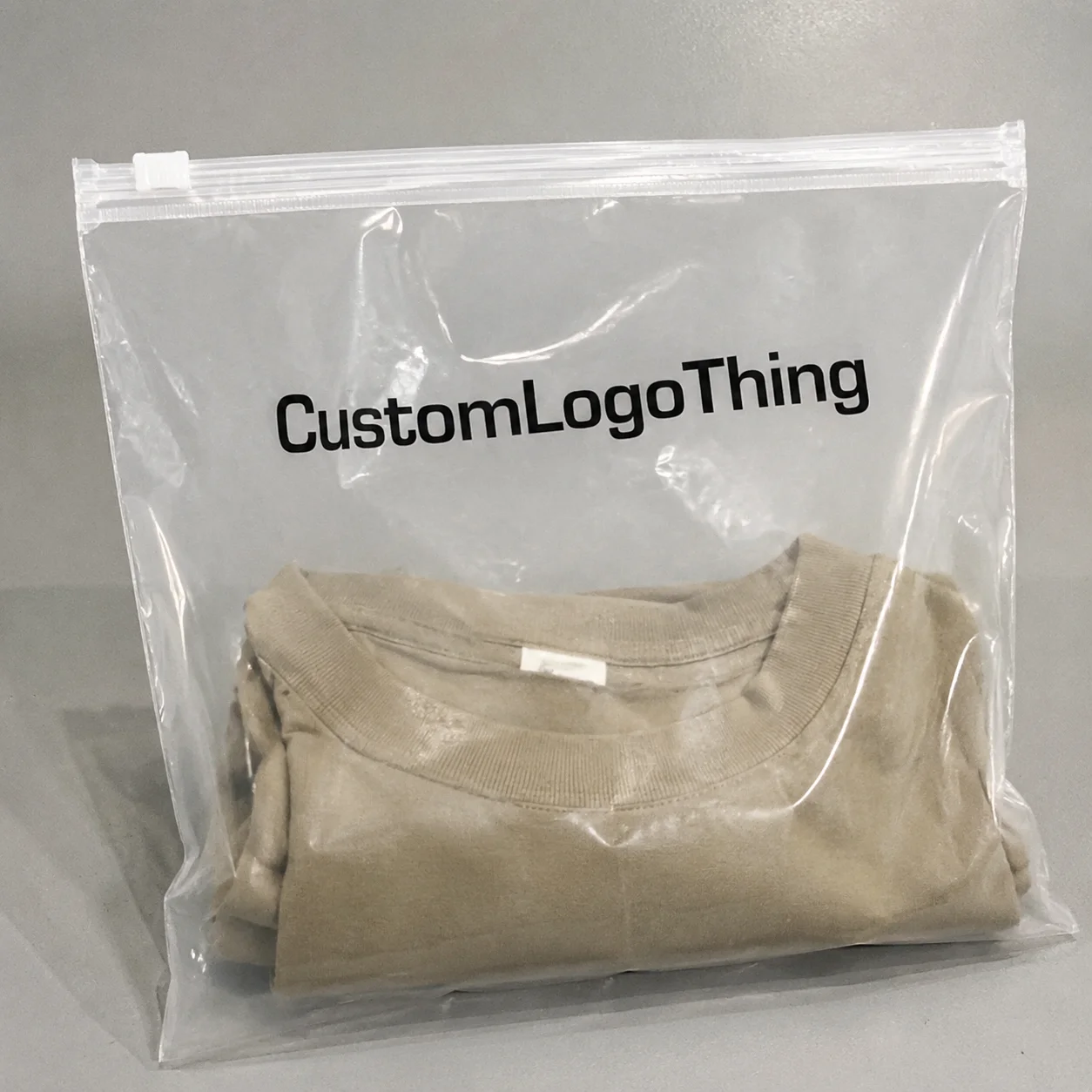
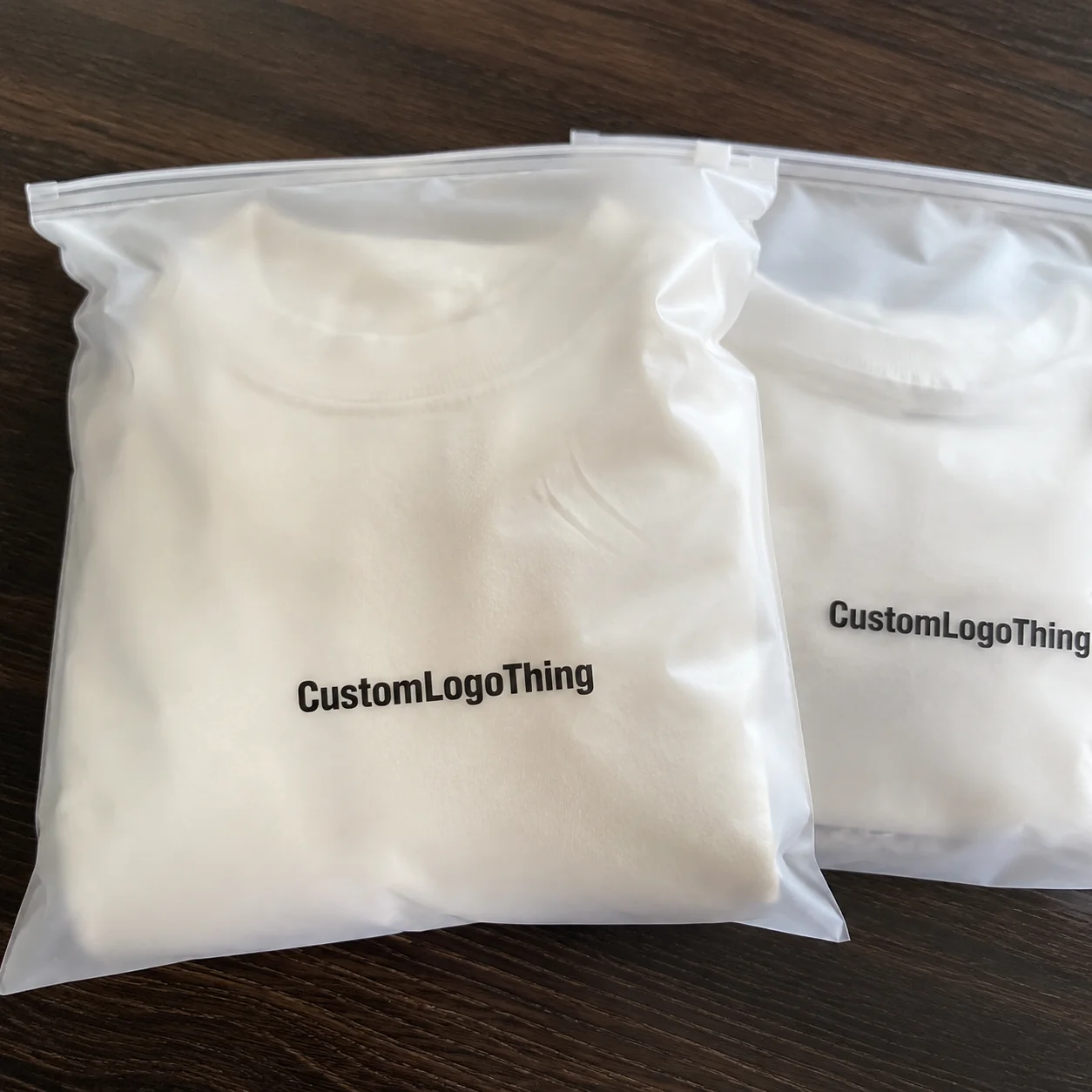
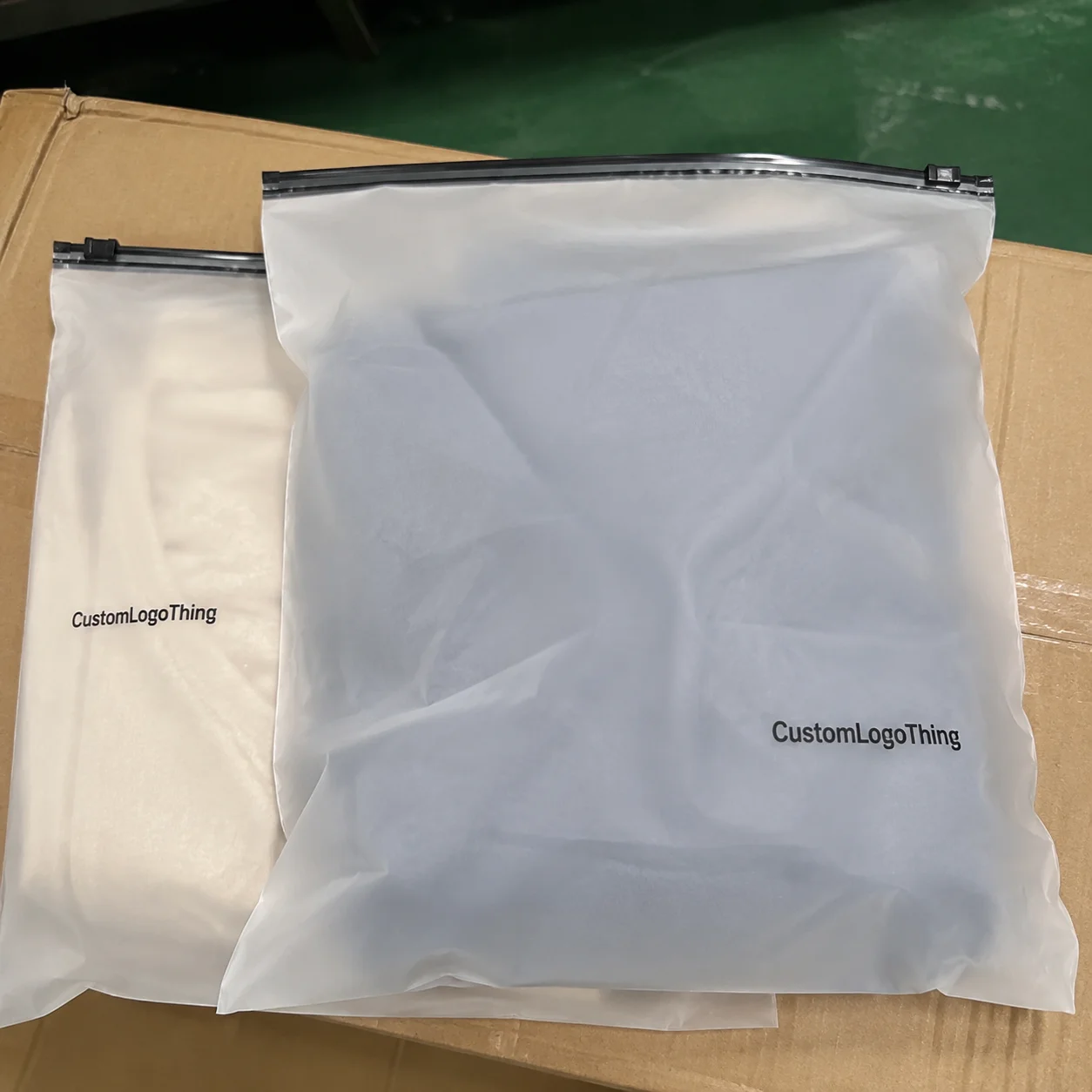
Buyer Fit Snapshot
| Best fit | Custom Poly Bags Affordable projects where brand print, material claims, artwork control, MOQ, and repeat-order consistency need to be specified before quoting. |
|---|---|
| Quote inputs | Share finished size, material target, print colors, finish, packing count, annual reorder estimate, ship-to region, and any compliance wording. |
| Proofing check | Approve dieline scale, logo placement, barcode or warning zones, color tolerance, closure strength, and carton packing before bulk production. |
| Main risk | Vague material claims, crowded artwork, missing packing details, or unclear freight terms can make a low unit price expensive after revisions. |
Fast answer: Custom Poly Bags Affordable: Pricing, Specs, and Lead Times should be specified like a repeatable production item. The safest quote records material, print method, finish, artwork proof, packing count, and reorder notes in one written spec.
Production checks before approval
Compare the actual filled-product size with the drawing, then confirm tolerance on folds, seals, hang holes, label areas, and retail display edges. Reserve space for logos, QR codes, warning copy, and material claims before decorative graphics fill the panel.
Quote comparison points
Review material grade, print process, finish, sampling route, tooling charges, carton quantity, and freight assumptions side by side. A quote is only useful when the supplier can repeat the same color, closure quality, and packing count on the next order.
Custom Poly Bags affordable should never mean thin film that tears in transit, print that looks washed out, or freight charges that show up like an unwelcome invoice from nowhere. I’ve spent enough time around packing tables in Ningbo, corrugate stacks in Los Angeles, and supplier offices in Dongguan to know the real expense usually hides somewhere else: wasted labor, damaged goods, rework, and packaging that slows a line down when it ought to keep moving. Honestly, I think the phrase custom poly bags affordable gets misunderstood because people hear “affordable” and assume flimsy. That’s lazy math. The real target is stable total cost, not the lowest number on the quote sheet.
Too many buyers compare the wrong things. They line up a plain stock bag beside a printed custom bag and decide the custom option is automatically more expensive. That comparison skips the part that matters. I’ve watched brands move out of oversized corrugated cartons and into printed poly bags, trim void fill by 40%, and shave nearly a minute off packing time per order. On a week with 3,000 orders, that can turn into 25 to 35 labor hours saved, lower freight, and a healthier P&L. Custom Poly Bags affordable can deliver that kind of change when the spec is handled with care and when someone actually does the math instead of guessing over coffee.
Why Custom Poly Bags Affordable Can Still Mean Strong Brand Value
There’s a habit in packaging circles to treat “affordable” as if it automatically means plain and forgettable. That has not been my experience. The right Custom Poly Bags affordable can protect the product from scuffs and moisture, carry the brand cleanly, and stay light enough to keep shipping costs under control. Apparel labels in Columbus, accessory brands in Dallas, subscription box teams in Austin, and soft-goods sellers in Shenzhen keep returning to poly film for exactly that reason: the format does more than one job without loading on unnecessary weight.
I still remember a meeting with a DTC apparel brand that insisted on premium cartons because the team liked the unboxing feel. The issue was practical rather than emotional. A folded sweatshirt in a 12 x 9 x 4 carton needed paper fill, packed slowly, and triggered dimensional weight charges on several routes. The switch to printed poly bags, cut to a better fit, lowered freight weight, improved packing speed, and gave the brand a cleaner presentation inside the outer shipper. Their annual volume was 18,000 units, and the change reduced packaging labor by about 12% in the first quarter alone. That was Custom Poly Bags affordable working the way it should work: less waste, better presentation, and lower total cost. I remember one of their ops managers looking at the first packed order and saying, “So we spent all that money on paper peanuts for nothing?” and, well, yes, basically.
A bag is not just a bag. It can function as product packaging, retail packaging, and package branding in the same move. Once the dimensions are right and the artwork is restrained, the whole package feels intentional without paying for extra labels, inserts, or a second layer of packaging that never needed to be there in the first place. A 1-color logo on a white LDPE bag can look crisp, controlled, and professional without pushing production into the territory of unnecessary embellishment.
For buyers who need to watch budget closely, unit price should never be the only number under review. Landed cost per shipped order gives a clearer picture. Film weight, print setup, freight class, packing labor, and the cost of damage or reorders all belong in the calculation. If a slightly stronger 2.25 mil film cuts claim rates by 1% on a 20,000-unit run, the economics can shift fast. That is why custom poly bags affordable ought to be measured by performance and total cost, not just by the cheapest quote. On one run I reviewed out of Foshan, a 0.5 mil increase saved enough in breakage to cover the material difference within six weeks.
“The cheapest bag on paper is often the most expensive bag in the warehouse.” That line came from a plant manager in Shenzhen during a line audit, and it has proven true more times than I can count.
For buyers who want a better handle on packaging standards and testing language, the Institute of Packaging Professionals is a useful reference point. Clear specifications lead to better quotes, fewer revisions, and faster decisions, especially when the program starts with a 5,000-piece pilot instead of a vague request for “something sturdy.”
Custom Poly Bags Affordable: Product Options That Control Cost
Bag style matters more than many teams expect. Some formats naturally hold cost down, while others add material, assembly, or print complexity that never pays back. The easiest way to keep custom poly bags affordable is to choose the simplest structure that still protects the product and fits the packing process. In most programs, that means one of four formats: poly mailers, flat poly bags, gusseted bags, or resealable bags. Each one has its own cost profile, and the wrong fit can quietly add pennies on every unit, which turns into real money on a 10,000-piece or 25,000-piece run.
Poly mailers are usually the first choice for e-commerce apparel, soft goods, and lightweight consumer items. They are light, efficient, and straightforward to print. Flat poly bags can be even less expensive in raw material terms, especially for internal wrapping or bundling. Gusseted bags create room for bulkier items, such as folded blankets or boxed accessories. Resealable bags come in at a higher cost because the zipper or adhesive feature adds materials and assembly time, though they can replace outer wraps in certain categories. If your goal is custom poly bags affordable, begin with the least complex option that still performs on the line and during transit.
Material choice carries just as much weight. LDPE remains the standard workhorse because it is flexible, economical, and easy to run on common converting lines in Guangdong and Zhejiang. Co-extruded film can improve puncture resistance and barrier performance by combining layers, which helps when you need a tougher bag without jumping too far in gauge. Recycled-content options are more common now as well, although pricing depends on resin supply and certification requirements in regions like Jiangsu, Vietnam, and Southern California. The spec should match the product, not a slogan on the mood board.
Thickness is where buyers often overspend. A 1.5 mil bag may be enough for some light apparel. A 2.5 or 3 mil structure may fit better for heavier items or products with sharper corners. The important part is not “thicker is better,” but “strong enough to prevent splits, seal failure, and complaints.” I’ve watched a 2 mil bag outperform a thinner version so consistently that the supposedly cheaper bag turned into the expensive one by the second month. That is a classic custom poly bags affordable lesson, and one I wish more teams learned before they ordered 50,000 units of regret.
Print method changes the math as well. One-color printing on a limited area is usually the most budget-friendly route. Multi-color work raises setup, registration, and ink usage. Full-coverage art can look impressive, but it is not always the economical choice. If custom poly bags affordable is the aim, fewer colors usually means lower setup charges and a better unit price on repeat runs. On a 5,000-piece order in Shenzhen, a 1-color print might land near $0.15 per unit, while a 3-color full-wrap version can move into the $0.22 to $0.28 range depending on bag size and film gauge.
Standard sizes also save real money. A bag built from an existing size matrix often runs more efficiently than a highly customized dimension because the film layout wastes less material. The result shows up in factory efficiency and in freight. The bag folds better, stacks better, and packs better. A few millimeters can matter more than buyers expect, especially when a carton has to fit 200 bags instead of 170 because the layflat width was chosen correctly the first time.
Optional features are where budgets start to stretch. Matte finishes, extra adhesive strips, tamper-evident details, zipper closures, euro slots, vent holes, and specialty perforations all add cost. None of them are bad. They just need a business reason. If the bag is headed into retail packaging or an accessory line, some of those upgrades may be worth it. If not, they can turn custom poly bags affordable into custom poly bags overpriced in one revision cycle.
If you need to compare packaging formats side by side, our Custom Packaging Products page gives a broader view. For soft goods and e-commerce shipments, our Custom Poly Mailers category is usually the most efficient starting point, especially for 10 x 13 inch or 12 x 15 inch formats that move well in fulfillment centers.
| Bag type | Best use | Cost control level | Common extra cost drivers |
|---|---|---|---|
| Poly mailer | Apparel, soft goods, lightweight orders | High | Multi-color print, matte finish, tamper strip |
| Flat poly bag | Internal wrapping, bundling, simple retail packaging | Very high | Custom sizing, heavy gauge, specialty closure |
| Gusseted bag | Bulky or folded products | Moderate | Extra width, thicker film, custom perforation |
| Resealable bag | Multi-use products, accessories, sample kits | Moderate to lower | Zipper, adhesive strip, print coverage |
Specifications That Matter Before You Order Custom Poly Bags Affordable
Lock the spec before you ask for pricing. That may sound strict, though it saves time and cash later. To keep custom poly bags affordable, the buyer needs to define size, film thickness, opacity, seal type, print coverage, and bag style early in the process. If those six items are vague, quotes drift, revisions pile up, and the “affordable” bag starts collecting hidden charges from a factory in Dongguan or a converter in Hanoi before production even starts.
Size comes first. A 10 x 13 inch bag and a 12 x 15 inch bag may look close on paper, yet they can require very different material usage patterns. Yield changes. Carton packing changes. Freight can change too if pallet density shifts enough. In apparel, accessories, literature, and small consumer goods, the fit should be snug without forcing the product. That balance is what keeps custom poly bags affordable over the long term. A good fit can reduce unused film by 8% to 12% on a typical run.
Thickness is usually measured in mils, where 1 mil equals 0.001 inch. Buyers sometimes assume more thickness automatically means better performance. That is not how it works. The right gauge is the one that resists puncture and seal failure without adding unnecessary material. I’ve watched a buyer insist on extra gauge because the internal team equated “heavier” with “better.” Their returns data told a different story: the product needed a better fit, not more film. A well-chosen 2 mil structure can outperform a 3 mil one if the bag is sized correctly and the seal holds.
Opacity affects presentation and privacy. Clear bags are useful for inspection, product visibility, and some retail packaging formats. White or black films create stronger package branding and can hide internal inconsistencies. If the product has print, stitching, or labels you want to highlight, opacity matters. If the shipment needs discretion, it matters even more. On a 350gsm C1S artboard box insert or hang tag program elsewhere in the package, matching opacity across components can also make the whole presentation feel more deliberate.
Seal type deserves attention too. Heat seal, adhesive flap, resealable zipper, and pressure-sensitive closure each fit different workflows. A heat-sealed bag can be efficient in higher-volume lines in Mexico City or Suzhou. Adhesive flaps move quickly for mailers. Zippers support reuse and customer retention, though they add cost. The right seal keeps custom poly bags affordable by fitting the packing line instead of fighting it.
Printing coverage should be planned carefully. A single logo in one corner is very different from edge-to-edge artwork. Partial coverage reduces ink use and often keeps setup simpler. It can also give the bag a cleaner, more modern look, which many brands prefer anyway. I’ve seen “less art” outperform “more art” because the bag looked more expensive even though it cost less to produce. Funny how that works; apparently restraint still has a place in packaging.
Testing standards matter as well. Tear resistance and seal strength can be checked with common ASTM-style methods, while shipping performance may call for ISTA-oriented transit testing depending on the product and distribution route. The right test depends on the category, and it should. If your bag is shipping brittle accessories or moisture-sensitive items, ask for the performance standard before production begins. For sustainability-related claims and materials, the FSC site is useful when your broader packaging program includes certified paper components elsewhere in the supply chain, such as a 350gsm C1S artboard insert or outer sleeve.
Two documents save time fast: a dieline and a print-ready template. A swatch or sample helps even more. I’ve sat in buyer meetings where a quarter-inch change in opening width solved the whole packaging problem. That is why custom poly bags affordable is not only a cost conversation; it is also a spec accuracy conversation that prevents waste before it starts.
- Confirm the finished size before artwork begins.
- Choose thickness based on product weight and handling, not habit.
- Set print coverage so the quote reflects the real layout.
- Request samples or digital proofs before authorizing production.
- Ask about performance tests if the product is sensitive or fragile.
Custom Poly Bags Affordable Pricing and MOQ Breakdown
Pricing for custom poly bags affordable usually comes down to five levers: dimensions, thickness, print colors, order quantity, and shipping destination. That is the short version. The longer version is that each lever affects setup time, film usage, press time, and freight efficiency. If a supplier sends a quote without walking through those factors, ask again. A clear quote tells you more than a low quote ever will, especially when the bags are coming from a plant in Shenzhen, Ningbo, or Ho Chi Minh City.
MOQ, or minimum order quantity, tends to make buyers uneasy. It should not feel mysterious. Lower MOQs help with testing, but the unit price usually rises because setup cost is spread across fewer pieces. Larger runs nearly always lower unit cost. The trick is matching the run size to the sales plan rather than to the budget on hand this month. That is how custom poly bags affordable becomes genuinely affordable instead of only looking cheap for a moment. A 5,000-piece run at $0.15 per unit can make more sense than a 1,000-piece run at $0.31 if the SKU is already proven.
Below is a simple comparison framework I use when reviewing quotes with clients. Exact numbers move with material, artwork, and shipping lane, though the structure stays useful.
| Order size | Estimated unit price | Typical setup impact | Best for |
|---|---|---|---|
| 1,000 pieces | $0.24 to $0.38 each | High | Sample launch, pilot program, urgent test run |
| 5,000 pieces | $0.14 to $0.22 each | Moderate | New SKU launch, limited seasonal run |
| 10,000 pieces | $0.09 to $0.16 each | Lower | Established sales channel, repeat packaging use |
| 25,000 pieces | $0.06 to $0.11 each | Lowest per unit | High-volume fulfillment, annual supply plan |
Those figures are not a universal price list. They are a realistic order-of-magnitude framework for custom poly bags affordable planning. A 1-color flat bag in a standard size can fall near the low end. A multi-color, thicker, resealable mailer will land higher. Freight can add another noticeable bump, especially if the bags are crossing borders or moving on a tight schedule. On a 10,000-piece job from Shenzhen to Los Angeles, ocean freight might add only a few hundred dollars, while air freight can erase the savings from a good per-unit quote in a single billing cycle.
Hidden charges deserve their own warning. Plate fees, artwork revisions, rush charges, proof corrections, compliance requests, and freight surcharges can eat through a good quote quickly. I once watched a buyer celebrate a low per-unit price, then lose the savings to two artwork rounds and an expedited air shipment from Guangzhou. The lesson was plain: custom poly bags affordable requires full-cost visibility. I’m still mildly annoyed on their behalf, to be honest.
Ask for tiered pricing whenever you can. A 1,000-piece quote, a 5,000-piece quote, and a 10,000-piece quote often reveal the break point where the unit price drops enough to justify a larger commitment. If your sales trend is predictable, the larger run may be smarter. If demand is uncertain, a smaller launch may protect cash even when the unit price is higher. Both choices can be right, especially if the production window is 12 to 15 business days from proof approval.
To make the comparison more practical, ask suppliers for two versions: one with the lowest realistic MOQ and one with the strongest value tier. That side-by-side view shows where custom poly bags affordable sits in your specific program, not just in theory. A quote for 5,000 pieces at $0.15 per unit and another at 10,000 pieces at $0.10 per unit gives you a very different planning picture than one vague line item with no assumptions attached.
How Do You Order Custom Poly Bags Affordable?
You order custom poly bags affordable by getting the specifications right before you ever approve a quote. That sounds simple because, in practice, it should be. Start with the finished size, the product weight, the film type, the print count, and the target quantity. Once those details are clear, the supplier can match materials, estimate setup, and calculate freight with much better accuracy. The most cost-effective orders are usually the ones where the buyer knows exactly what the bag needs to do and exactly what the bag does not need to do.
If you want the shortest path to a useful number, send one complete request instead of several partial ones. A complete brief keeps custom poly bags affordable by reducing revision cycles and limiting guesswork. I’ve seen buyers waste days going back and forth on a bag width that should have been settled in the first email. That delay doesn’t just slow production; it also makes rushed shipping more likely, which is where budget-friendly packaging starts to get expensive.
Here is the practical order flow I recommend:
- Send the product details. Include size, weight, and whether the item is soft, rigid, fragile, or moisture-sensitive.
- Choose the bag structure. Poly mailer, flat poly bag, gusseted bag, or resealable bag each changes cost and function.
- Confirm printing. Share logo files, color count, and whether the artwork is one-side or full coverage.
- Request tiered pricing. Ask for at least two quantity levels so you can compare unit cost and total spend.
- Approve a proof or sample. This catches size errors, print shifts, and sealing problems before production starts.
- Confirm freight and delivery. Make sure the lead time matches the launch date, warehouse schedule, or replenishment window.
That process keeps the order grounded in real numbers rather than assumptions. It also helps custom poly bags affordable stay affordable after the quote is approved, which is the part many teams underestimate. A low starting price is helpful, but a clean production run is what protects the budget.
Ordering Process and Timeline for Custom Poly Bags Affordable
The ordering path should feel clear from the first email to the final shipment notice. If it gets messy, the trouble usually shows up later as proof delays, misprints, or missed delivery dates. A clean process for custom poly bags affordable usually moves through six steps: inquiry, quote, artwork review, sampling or proofing, approval, production, and delivery. Each stage has its own clock, and the buyer controls more of that clock than most teams admit, especially when the artwork starts in Chicago and the factory is in Dongguan.
Artwork approval tends to create the biggest schedule swing. A factory can only move as quickly as the files are ready. If the buyer sends print-ready artwork, confirms the size, and returns proof comments within 24 to 48 hours, the schedule stays tight. If the file bounces through four internal reviews and three logo revisions, the timeline stretches no matter how efficient the plant may be. That holds true for custom poly bags affordable orders and premium packaging jobs alike. In one case, a 2-day proof cycle kept a 15,000-piece order on track; in another, a 9-day delay pushed shipment back past a retail reset.
Typical timing, assuming the specs are settled, looks like this:
- Quote preparation: 1 to 2 business days.
- Artwork review and proofing: 2 to 5 business days.
- Sampling if needed: 3 to 7 business days.
- Production: typically 12 to 15 business days from proof approval for straightforward repeat jobs, or 10 to 18 business days for more complex runs.
- Freight and delivery: depends on destination and mode, with air often 3 to 7 days and ocean closer to 20 to 35 days port to port.
These are realistic ranges, not guarantees. A smaller repeat job can move faster. A complicated custom shape or a heavily printed bag can move slower. Rush orders do exist, and sometimes they are worth the fee. I’ve seen rush service save a trade show launch in Las Vegas or a seasonal drop in Toronto where missing the date would have cost more than the surcharge. Rush should be used deliberately, though, not as a substitute for planning. That is how you keep custom poly bags affordable instead of paying for panic.
At each step, the buyer should receive something useful: a quote with specs and assumptions, a proof with dimensions and print placement, a sample or pre-production confirmation if the job calls for one, a production update for longer runs, and a shipping notice with carton counts and tracking once the order leaves the facility. Those checkpoints protect both sides and make it easier to catch a 3 mm artwork shift before it becomes a 3,000-piece problem.
When I visited a converting line in the Pearl River Delta, one plant supervisor showed me how a five-minute proof correction could save a 5,000-piece run from being scrapped. That is the part clients rarely see. Good communication is not decoration. It is cost control. It is also one more reason custom poly bags affordable should be managed like a process rather than a gamble.
Why Choose Us for Custom Poly Bags Affordable
At Custom Logo Things, we focus on what most buyers actually need: clear pricing, correct specs, and a bag that arrives ready to run. That sounds simple. It also happens to be the point where many suppliers miss the mark. We treat custom poly bags affordable as a manufacturing decision, not a marketing line. If the dimensions are off, the bag costs more to handle. If the print is overdesigned, the unit price climbs without a matching return. If the delivery window is unrealistic, the savings disappear into freight from Shenzhen, Los Angeles, or a regional warehouse in Rotterdam.
We work with buyers who need competitive factory pricing, multiple film options, and scalable volumes that can grow from test runs into repeat programs. The real value is not only in the quote. It is in the accuracy of the quote. A clean quote tells you the size, gauge, print method, and lead time before you commit. That keeps back-and-forth to a minimum and helps custom poly bags affordable stay affordable in the way that matters most: no surprises. On a 5,000-piece order, that kind of clarity can be the difference between a $750 packaging line item and a $1,250 headache after revisions.
We also approach waste reduction in practical terms. Better size matching lowers excess film. Smarter print layout lowers press time. Right-sizing lowers freight density. Those are not abstract claims; they are direct cost controls. When a buyer pairs custom poly bags affordable with disciplined packaging design, the result is usually stronger than the original budget case. A correctly sized 1.75 mil mailer can outperform a sloppy 2.5 mil version simply because the product ships flatter and stacks better in cartons.
One buyer I worked with had been ordering bags 1.5 inches wider than necessary because the internal team wanted “room to breathe.” That extra room used more film, created a looser pack, and hurt shelf presentation. We reduced the width by just under 1 inch, and the bag fit better, shipped tighter, and looked cleaner on arrival. No drama. Just better spec discipline. That is the kind of fix I trust, especially when the order is running from a plant in Suzhou or a converter in Southern California.
Repeat-order consistency matters too. Once the spec is approved, the job is to reproduce it with the same gauge, the same print placement, and the same finish. That matters in branded packaging programs because customers notice when a bag changes. Not always consciously, but they notice. Consistency builds recognition faster than flashy effects. In custom poly bags affordable programs, consistency also keeps the budget stable. It also reduces the odds of production drift on the second or third reorder.
If you need more than poly bags, our Custom Packaging Products catalog makes it easy to compare formats. If your goal is light, efficient, branded output, our Custom Poly Mailers are often the cleanest answer, especially for direct-to-consumer shipments moving through fulfillment centers in Dallas, Phoenix, and Atlanta.
“Show me the size, the gauge, the print count, and the ship date, and I can tell you whether the quote is real.” That is the kind of supplier math I trust.
Next Steps to Order Custom Poly Bags Affordable
If you are ready to move, gather the basics first. You need bag size, product type, estimated quantity, print artwork, and delivery timeline. Those five items are enough to start a real quote for custom poly bags affordable. Without them, you get rough guesses. With them, you get numbers that can actually be used, whether the order is shipping to New York, Manchester, or a warehouse in Singapore.
I recommend asking for two quote scenarios right away. First, the lowest unit price at a realistic MOQ. Second, the best overall value with a larger quantity and a better break point. That side-by-side view makes the decision easier, especially when cash flow and volume plans are both in play. In packaging, the wrong order size can be just as costly as the wrong material. A 1,000-piece pilot at $0.31 per unit may be exactly right for a test launch, while a 10,000-piece order at $0.10 per unit may be the smarter choice for an established SKU.
Request a sample or digital proof before approving the run. Even experienced buyers benefit from a visual check. Print placement can look different on a screen than on film. A 1-inch shift in logo position or a small change in opacity can alter the whole feel. That is why custom poly bags affordable should never mean skipping confirmation steps. A pre-production sample also helps catch seal issues, zipper alignment problems, and incorrect layflat widths before the line is committed.
Here is the cleanest path forward:
- Send dimensions, product details, and estimated quantity.
- Specify print colors, coverage, and any closure or sealing needs.
- Review the quote and compare at least two quantity tiers.
- Approve a proof or sample.
- Place the order once the specs match the budget and timeline.
That process keeps the project grounded. It also protects the brand. I’ve seen too many buyers rush into packaging because the per-unit price looked attractive. Later, they paid for adjustments, reprints, or slow packing. The smarter move is to treat custom poly bags affordable as a fit issue, a performance issue, and a landed-cost issue all at once. A factory in Ningbo might offer a lower starting number, but the real win is the quote that survives production without a hidden surprise.
My final advice is simple: do not buy the cheapest bag; buy the bag that gives you the best total economics. If the film holds, the size fits, the print supports the brand, and the delivery lands on time, then custom poly bags affordable is doing real work for your operation. That is the standard worth chasing, whether the run is 5,000 pieces or 50,000.
FAQs
How can I get custom poly bags affordable without lowering quality?
Choose a standard size, limit print colors, and select the right film thickness for the product instead of over-specifying the bag. Ask for tiered pricing so you can balance unit cost against total order commitment. In many cases, a 1-color design on a standard 2 mil gauge bag gives you the best mix of appearance and cost control for custom poly bags affordable, especially on runs of 5,000 pieces or more.
What is the minimum order for custom poly bags affordable?
MOQ varies by size, print complexity, and material, though lower quantities usually carry a higher unit price because setup costs are spread across fewer bags. Request quotes at multiple quantities to see where pricing becomes more efficient. For some programs, 1,000 pieces is enough to test demand; for others, 5,000 or 10,000 pieces delivers a better economics profile for custom poly bags affordable. A 5,000-piece order at about $0.15 per unit is often a practical middle ground.
Do printed custom poly bags cost more than plain bags?
Yes, printing adds setup and production cost, though one-color or limited-color printing is often still cost-effective for branding and can be more affordable than labels on every package. The cost difference depends mostly on color count, coverage area, and run size. For brands focused on package branding, printed custom poly bags affordable can outperform plain bags that require extra labeling labor, especially when the bags are packed in a high-volume facility in Dongguan or Mexico City.
How long does it take to make custom poly bags affordable in bulk?
Lead time depends on artwork approval, proofing, and production queue, but the fastest jobs are those with print-ready files and confirmed specifications. Rush service may be available if the timeline is tight. A straightforward run can often move from proof approval to shipment in typically 12 to 15 business days, depending on the scope of custom poly bags affordable, the number of print colors, and the shipping lane.
What details should I send for an accurate quote on custom poly bags affordable?
Provide bag dimensions, material preference, print colors, estimated quantity, and whether you need mailer-style or flat poly bags. Including artwork files or even a rough layout helps reduce revisions and speeds up pricing. The more precise the brief, the faster we can confirm custom poly bags affordable pricing that reflects the real job rather than an assumption, and the fewer surprises you’ll face once production starts.