Buyer Fit Snapshot
| Best fit | Buy Small Run Custom Die Cut Sleeves for Short Runs projects where brand print, material claims, artwork control, MOQ, and repeat-order consistency need to be specified before quoting. |
|---|---|
| Quote inputs | Share finished size, material target, print colors, finish, packing count, annual reorder estimate, ship-to region, and any compliance wording. |
| Proofing check | Approve dieline scale, logo placement, barcode or warning zones, color tolerance, closure strength, and carton packing before bulk production. |
| Main risk | Vague material claims, crowded artwork, missing packing details, or unclear freight terms can make a low unit price expensive after revisions. |
Fast answer: Buy Small Run Custom Die Cut Sleeves for Short Runs should be specified like a repeatable production item. The safest quote records material, print method, finish, artwork proof, packing count, and reorder notes in one written spec.
Production checks before approval
Compare the actual filled-product size with the drawing, then confirm tolerance on folds, seals, hang holes, label areas, and retail display edges. Reserve space for logos, QR codes, warning copy, and material claims before decorative graphics fill the panel.
Quote comparison points
Review material grade, print process, finish, sampling route, tooling charges, carton quantity, and freight assumptions side by side. A quote is only useful when the supplier can repeat the same color, closure quality, and packing count on the next order.
Buy small run Custom Die Cut sleeves when you need packaging that looks finished without forcing a full box overhaul. That is the practical move. A sleeve can turn a plain carton into branded packaging fast, which is why teams use buy small run custom die cut sleeves for launches, seasonal drops, retail tests, and limited-edition packs that might grow up into something bigger later.
The first thing shoppers notice is usually the face of the pack, not the structure underneath. Print finish, panel balance, and the way the sleeve frames the product do more work than people want to admit. From a packaging buyer’s point of view, buy small run Custom Die Cut sleeves is a controlled-spend decision: less dead inventory, less risk, and enough flexibility to test packaging design before you commit to a larger production order.
Custom Logo Things works with buyers who need the job to make sense on paper and on shelf. No drama. No mystery surcharge at the end. Just the right structure, the right stock, and a sleeve that supports product packaging instead of fighting it.
Buy Small Run Custom Die Cut Sleeves Without Overbuying
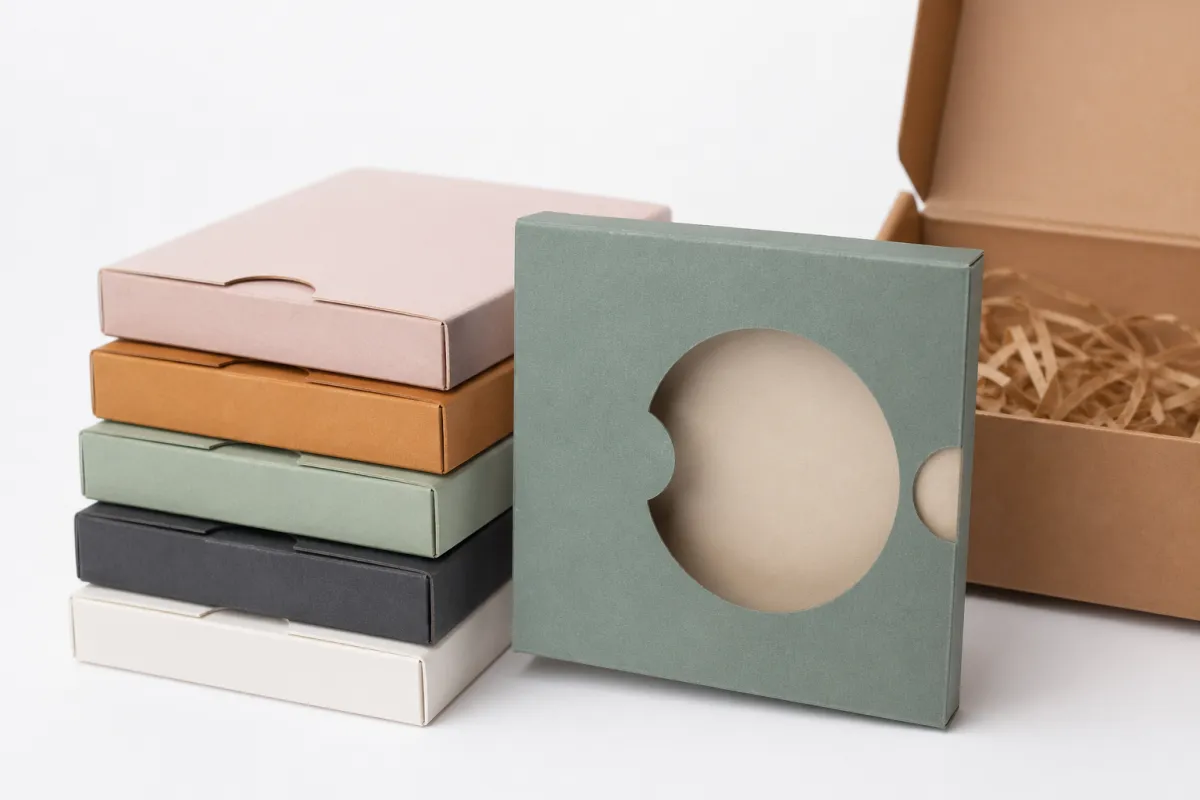
If the base carton already exists, a sleeve is the smarter purchase. That is why brands buy small run Custom Die Cut sleeves for launches, test markets, and short seasonal windows. You get shelf impact without paying for a full custom printed box redesign, and that matters when the product is still changing or the marketing team has not settled on the final version.
In practice, buy small run Custom Die Cut sleeves works best when the packaging has to do one of three things: make an ordinary pack look premium, add temporary promotional messaging, or create a limited-edition look without committing to a warehouse full of leftovers. It is package branding with guardrails. You spend where the shopper sees it, and you do not burn cash on structure you do not need.
That is the real appeal. A well-made sleeve can make a plain carton feel deliberate. It can pull together a product line, make a gift set look retail-ready, and give a new SKU enough visual weight to compete on shelf. The sleeve is not trying to replace the whole box system. It is there to do a specific job well, which is exactly why buy small run Custom Die Cut sleeves keeps showing up in smart packaging plans.
It also helps with risk management. If the formula changes, the net weight changes, the retailer asks for a new barcode panel, or the seasonal artwork needs to move fast, a sleeve is easier to update than a fully printed structure. That flexibility is one reason teams compare sleeve projects against a full packaging refresh before they spend.
I have watched more than one brand save itself from a dumb, expensive mistake by starting with a sleeve instead of a full carton redesign. The box was fine. The label story was not. A sleeve fixed the mismatch without making the buyer order 20,000 units of packaging they were kinda not ready for.
- Launches: Good for testing sell-through before committing to larger volumes.
- Seasonal drops: Useful when artwork needs to change for a short promotional window.
- Retail tests: Lets you compare packaging design versions without overbuying.
- Small SKU changes: Works well when product details are still being refined.
Here is the blunt part: buy small run Custom Die Cut sleeves is not about cheap packaging. If you want cheap, you will get it, and you will probably hate it on shelf. This is about controlled spend, clean presentation, and enough quantity to stay efficient without turning your storage room into a regret museum.
A sleeve should make the package look intentional. If it feels like a patch, the shopper notices that too.
For buyers comparing sleeve-first branding against a larger packaging redesign, it helps to keep the rest of the line simple. If you are also sourcing secondary packs, our Custom Packaging Products page is a practical place to compare formats before you lock the spec. That kind of comparison matters more than people think, because the cheapest-looking solution on paper is often the most expensive one after reprints.
What Custom Die Cut Sleeves Actually Cover
A custom die cut sleeve is a printed wrap that fits around an existing carton, tray, jar, bottle, clamshell, or rigid package. It adds branding, product information, and shelf impact without forcing you to rebuild the base pack. When people say they want to buy small run custom die cut sleeves, they are usually trying to solve one of two problems: the packaging is functional but dull, or the brand needs a fast way to look more finished in retail packaging.
The structure is simple, but the details matter. A sleeve might include die cut windows, lock tabs, tuck areas, or wraparound panels that have to sit flat after folding. The finished carton size, wrap allowance, glue flap width, and fold direction need to match the substrate. If they do not, the sleeve shifts in transit, opens at the seam, or lands crooked enough to make the whole package look rushed.
That is why buy small run custom die cut sleeves starts with measurements, not mood boards. I want the finished dimensions, the product’s final fill size, and the exact point where the sleeve needs to sit. If the item ships flat and gets assembled later, that changes the dieline. If the carton has a tuck flap or a display feature, that matters too. Sleeve buying is not mysterious. It is dimensional math with branding on top.
Common use cases are straightforward:
- Subscription kits: Sleeves add campaign messaging without changing the base box.
- Cosmetics: Ideal for limited colorways, gift editions, or retail-ready presentation.
- Candles: Useful for seasonal graphics and scent-specific branding.
- Food gifts: Great for holiday assortments and event packs.
- Wellness products: Helps communicate formula benefits and regulatory copy cleanly.
There is also a limit, and buyers should respect it. A sleeve improves appearance and helps communicate, but it does not replace real protection. If the product needs crush resistance, moisture control, or tamper resistance, you still need proper product packaging underneath. A sleeve over a weak structure is still a weak structure, just dressed better. That is not a strategy; that is cosmetic damage control.
From an ordering standpoint, buy small run custom die cut sleeves works best when the buyer arrives with the finished package size, a basic idea of overhang or reveal, and the copy that must be visible on shelf. If the sleeve has to carry a barcode, ingredient panel, or compliance text, that should be planned before artwork starts. Small-run jobs leave less room for last-minute “we forgot the legal panel” surprises. Those are expensive, and somehow always happen on Friday afternoon.
For brands that need the sleeve to coordinate with other retail-ready items, it can help to check how the sleeve fits with custom printed boxes and other branded packaging options. A good packaging system looks coordinated, not copied and pasted. That difference shows up immediately on shelf.
Sizes, Stocks, Finishes, and Print Specs That Matter
Most sleeve problems start with sloppy specs. Not with print. Not with finishing. Specs. If you want to buy small run custom die cut sleeves and get a clean result, the measurement package has to be tight: length, width, depth, wrap allowance, glue flap, bleed, safe zones, and acceptable die tolerance. A difference of 1 to 2 mm sounds small until the sleeve hits a real carton and starts wandering.
Stock choice changes everything from feel to price. SBS gives a clean print surface and sharp type. Kraft gives a more natural, understated look that fits artisanal or eco-forward product branding. Coated board brings stronger color density and a more polished finish. Heavier paperboard holds shape better, especially when the sleeve wraps a rigid carton or a gift set with some weight behind it.
For buyers trying to buy small run custom die cut sleeves efficiently, I usually recommend standard stocks unless there is a real reason to go custom. Standard board keeps the quote sane and the lead time shorter. Specialty paper is fine if the visual direction needs it, but do not pay for a textured sheet just because it sounds nice in a meeting. Meetings are cheap. Misprints are not.
Finishes also have a direct cost and time impact. Matte lamination gives a softer retail look. Gloss adds pop and makes color feel brighter. Soft-touch feels premium, but it can raise the unit cost and stretch production. Spot UV can highlight logos or type, foil can create a stronger shelf signal, and embossing adds tactile depth. Each one is useful. Each one also adds setup, inspection, and potential spoilage risk if the art is busy.
If you are building a sleeve for a real retail launch, do not let a designer talk you into six finishing effects because the mockup looked impressive at 400% zoom. On screen, everything looks elegant. In the pressroom, everything looks like money. I have seen a simple two-color sleeve outperform a shiny, overworked version because the clean one read faster from three feet away. That is the shelf test. Not the render.
For practical file setup, I like to point buyers to the guidance offered by the Packaging Association and, for transit-minded projects, the test-method reference from ISTA. Those references are useful because they remind teams that packaging design is not just artwork. It is fit, durability, and legibility.
Print specifications matter just as much. CMYK is fine for most short runs. Spot colors make sense if the brand needs a very specific red, blue, or black. Bleed should be built correctly so trim does not expose white edges. Black density needs checking if the sleeve carries small type. Overprint settings matter more than most non-press people think. Safe zones around folds should protect logos, claims, and QR codes from disappearing into a crease.
What keeps small runs clean
Simple builds usually perform better. A sleeve with one stock, one finish, and one clear dieline is easier to proof, easier to print, and easier to reorder. That is the practical side of buy small run custom die cut sleeves. You are not chasing a trophy spec. You are trying to get a reliable result that looks good and does not create avoidable waste.
Here are a few rules That Save Money and time:
- Keep fine type at a readable size after folding, not just on the computer.
- Reserve extra room for barcodes, especially if the sleeve wraps tight.
- Limit special effects to the panels that actually need emphasis.
- Ask for a dieline before artwork is finalized.
- Check the finished pack with a physical sample if shelf presentation matters.
For most buyers, the real goal is not just to buy small run custom die cut sleeves. It is to buy the right version once, then reorder without redoing the whole file package. That is where good prepress work pays for itself.
Buy Small Run Custom Die Cut Sleeves: Pricing and MOQ
Pricing has a logic to it, even if some suppliers prefer to hide that logic behind a vague quote. The real cost stack for buy small run custom die cut sleeves includes setup, die tooling, material, print method, finishing, quality checks, packing, and freight. If a quote leaves out one of those pieces, it is not cheaper. It is incomplete.
Small runs almost always cost more per unit than larger quantities. That is normal. You are spreading setup across fewer pieces. The upside is better cash control and less inventory risk. If the product is still being tested, that tradeoff usually makes sense. It is the smarter way to buy small run custom die cut sleeves without filling a closet with old artwork that now belongs in a landfill.
Minimum order quantity depends on the stock size, press type, finishing complexity, and whether the supplier can gang-run the job with similar work. A simple sleeve on standard board is easier to place than a complex format with foil, embossing, or multiple cutouts. Buyers who need to buy small run custom die cut sleeves should ask for price breaks at several tiers, because the jump from 250 to 500 pieces often tells you more than the headline quote ever will.
| Quantity | Typical Unit Range | Best Fit | Cost Notes |
|---|---|---|---|
| 250 pieces | $1.25-$2.50 each | Test launches, samples, small influencer kits | Highest unit cost because setup is spread thin |
| 500 pieces | $0.78-$1.60 each | Regional rollouts, short retail tests | Often the sweet spot for first orders |
| 1,000 pieces | $0.42-$0.95 each | Limited editions, steady seasonal programs | Better efficiency if the spec stays simple |
| 2,500 pieces | $0.18-$0.48 each | Broader distribution, repeated drops | Lower unit price, but more cash tied up |
Those ranges are directional, not a promise carved into stone. Print coverage, finish selection, board choice, and shipping all move the number. If you want to buy small run custom die cut sleeves intelligently, ask for the same quote in more than one quantity and compare the step-down. That is where the real buying decision lives.
Headline pricing can be misleading. Some suppliers quote a low base number and add finishing, freight, and file changes later. Others build a more honest all-in figure from the start. I prefer the second method. It is less flashy and more useful. The buyer should be able to see the real tradeoff before approval, not after the invoice lands.
Here are the cost levers that matter most:
- Standard stock: Usually the most efficient choice for short runs.
- Selective finishing: Spot UV or foil only where it matters.
- Simple dieline: Fewer cutouts mean easier production.
- Color control: Keep the design close to the planned print method.
- Flat shipping: Plan carton count and freight before the order is placed.
If your order needs to coordinate with a broader family of Custom Packaging Products, send those dimensions at the same time. Matching sleeve geometry to the base pack after the quote is approved is the sort of “small change” that quietly turns into a new bill. Buyers who know that usually buy small run custom die cut sleeves with fewer surprises.
Proofing, Production, and Timeline
The path from file to finished sleeve is usually straightforward. It starts with artwork intake, then dieline review, then proofing, then production, then finishing, then packing and shipment. If the buyer wants to buy small run custom die cut sleeves on time, the fastest thing they can do is keep the file version clean. One approved version. One decision-maker. One final revision round. That alone removes a lot of friction.
Where do delays usually happen? Not on the press. They happen earlier. Missing dieline dimensions, unclear barcode placement, copy changes after proof, and uncertain color notes create the pileup. The actual press run is usually the least emotional part of the job. It is the prepress cleanup that eats time.
For simple orders, a realistic timeline is often 7 to 12 business days after proof approval. More complex work with foil, embossing, heavier board, or multiple cutouts can push into the 12 to 18 business day range. If freight is long-distance or the order needs assembly, add time. If the buyer keeps changing copy after approval, add more. That is not a punishment. It is reality wearing a name badge.
Digital proofs are good for layout, panel order, and text placement. Physical proofs are better when fit, fold, and finish matter. If you want to buy small run custom die cut sleeves for a retail launch, a physical sample is often worth the extra step because it exposes issues that flat artwork cannot. A sleeve can look perfect on screen and still sit crooked once the carton is in hand. Screen previews are not a substitute for a real fold.
I have seen a sleeve pass every PDF check and still fail the real-world test because the carton supplier changed board caliper by a hair. That tiny difference was enough to throw off the wrap and make the seam obvious from six feet away. Small problems stay small only when somebody checks the physical sample.
What to lock early
Lock the non-negotiables before production starts:
- Finished dimensions: Exact carton size and sleeve wrap allowance.
- Barcode placement: Keep it away from folds and seams.
- Finish plan: Decide where matte, gloss, foil, or UV should sit.
- Ship format: Flat-packed or assembled, depending on your operation.
- Approval owner: One person should sign off final artwork.
The cheapest sleeve is the one you only print once. Bad fit, bad copy, or a rushed proof costs more than a clean setup.
For teams launching a new line, I also suggest planning the sleeve beside the rest of the package, not after it. If the carton, insert, and sleeve all carry different visual logic, the result feels scattered. Good package branding is coordinated, not noisy. That is especially true for subscription sets and retail gifts where the box has to carry the whole first impression.
Buyers who want to buy small run custom die cut sleeves on a realistic schedule should treat timeline as a planning tool, not a wish list. The earlier the measurements and artwork are locked, the cleaner the run moves. That is the difference between a calm launch and a midnight email chain full of “quick tweaks.”
What should you know before you buy small run custom die cut sleeves?
You should know your finished dimensions, your target quantity, and whether the sleeve is doing a branding job or a compliance job. If you want to buy small run custom die cut sleeves without wasting time, send the dieline request, barcode placement, stock preference, and finish plan together. That gives the supplier enough information to quote the work accurately instead of guessing and padding the price.
It also helps to decide early whether the sleeve needs to fit a carton, tray, bottle, or rigid box. Each base package changes the wrap allowance and fold behavior. A clean sleeve design is part math, part print setup, and part restraint. The brands that get good results usually keep the spec simple and the revision count low.
One more thing: if the packaging has to survive shipping, a sleeve alone is not enough. It can make the pack look better, but it will not rescue a weak box, a bad insert, or a product that shifts around inside the carton. The sleeve is the face of the package. It is not a bandage for bad engineering.
Why Choose Us for Small Run Sleeve Orders
Small-run sleeve orders demand honest quoting. Not inflated promises. Not vague “we’ll figure it out” talk. The right supplier should tell you what MOQ is realistic, which finishes are worth the cost, and where the layout is likely to cause trouble. That is especially true if you want to buy small run custom die cut sleeves for a launch that has to look polished from day one.
Packaging expertise matters because sleeves are not just printed paper. They are part of the retail experience. A supplier that understands packaging design can catch fit issues before they become scrap, can flag a barcode placed too close to the seam, and can tell the difference between a nice idea and a spec that will fight the carton. That sounds basic because it is basic. Yet a lot of quote sheets are written like nobody involved has ever folded a package in their life.
Flexibility also matters. Buyers should not have to order 5,000 pieces just to get a sane result. They should be able to buy small run custom die cut sleeves without being pushed into oversized assumptions or padded extras. If the job only needs one stock, one finish, and a simple wrap, that should be the quote. No theater.
At Custom Logo Things, the useful part is the directness. Clear line-item pricing. Straight lead times. File feedback that actually helps. If the dieline needs a correction, say so. If the finish will raise the unit cost by a lot, say that too. Honest prepress is boring in the best way. It keeps the order moving and protects the budget.
That approach also plays well with related packaging needs. If the sleeve has to coordinate with a carton, a rigid box, or a retail set, it helps to compare options inside our custom printed boxes and broader product range. Brands often discover they do not need a full redesign. They need one good sleeve and a base pack that does not fight it.
Here is the short version: the right partner helps you buy small run custom die cut sleeves without overbuying, without guessing, and without carrying dead inventory because someone was afraid to ask a practical question.
How to Order Your Small Run Sleeves Next
The fastest way to move a sleeve order is to send complete specs the first time. Finished carton dimensions. Artwork files. Target quantity. Stock preference. Finish must-haves. Barcode or regulatory copy. If you want to buy small run custom die cut sleeves without a back-and-forth marathon, that bundle of information is the difference between a quick quote and a drawn-out clarification loop.
Start with the simplest viable spec. One stock. One finish plan. One quantity ladder. Once the base version is priced, you can compare the uplift for foil, soft-touch, or other premium elements. Buyers often discover that a small visual change creates a large cost change. Better to know that before approval than after production starts.
Confirm the non-negotiables early: fit, fold direction, barcode placement, and whether the sleeve ships flat or assembled. If the product will sit on a retail shelf, ask for a sample or proof. If it is headed into photography for launch materials, ask for a physical check. A flat PDF is fine for layout. It is not enough to guarantee how the finished sleeve behaves on an actual package.
If the sleeve has to work with other product packaging elements, include those dimensions too. That is how you keep the line consistent across the range and avoid mismatched panels or awkward overhangs. Good branded packaging feels planned because it is planned.
For teams that need a simple path forward, here is the order flow I recommend:
- Collect the finished pack size and target quantity.
- Choose a standard stock unless the brand clearly needs something special.
- Decide which finish, if any, deserves the budget.
- Request a dieline and confirm all fold and cut details.
- Approve proof only after the barcode, copy, and panel order are checked.
Do that, and it becomes much easier to buy small run custom die cut sleeves without wasting time or budget on avoidable revisions. The order stays focused. The quote stays readable. The result looks intentional instead of patched together.
If you are comparing options across multiple products, keep the sleeve spec aligned with the carton spec from the start. That one habit saves rework, protects margins, and keeps the package from looking like it was assembled by three different teams who never met each other.
What is the minimum order to buy small run custom die cut sleeves?
Minimums depend on stock size, print method, and finishing, but small runs are often quoted in the low hundreds rather than full production quantities. A simple sleeve with standard board usually has a lower MOQ than a sleeve with foil, embossing, or specialty coating. Ask for quantity breaks at several tiers so you can compare the real cost difference before ordering.
Do small run custom die cut sleeves need a dieline?
Yes, a dieline is the safest way to confirm dimensions, folds, glue flap placement, and any cutouts. If you do not have one, send the finished package measurements and ask the supplier to build the layout from those specs. Skipping this step is how people end up with sleeves that look fine in a mockup and fail on the actual product.
How long does it take to produce custom die cut sleeves in a small run?
Timing depends on proofing speed, finish complexity, and current shop load, but simple orders are usually much faster than heavily finished ones. Digital proof approval is the biggest factor buyers can control. If you need the sleeves for a launch date, lock the artwork early and avoid last-minute copy changes.
What stock is best for small run die cut sleeves?
SBS is common for sharp print and a clean retail look, while kraft works well for a more natural, understated presentation. Heavier board helps sleeves hold shape, especially if they wrap over rigid cartons or gift sets. The best stock is the one that matches the product weight, print style, and budget, not the trendiest one.
Can I print variable data or barcodes on small run sleeves?
Yes, but the layout must reserve a safe zone so the barcode stays readable after folding and trimming. Variable data works best when the artwork and numbering plan are finalized before production starts. If scan accuracy matters, ask for a proof check on barcode contrast and placement before the run begins.
The cleanest way to buy small run custom die cut sleeves is to send the finished dimensions, quantity, stock choice, finish plan, and barcode placement in one shot. That gives you a real quote, not a guess dressed up as one, and it keeps the sleeve honest from the first proof to the last carton.

