Buyer Fit Snapshot
| Best fit | Buy Wholesale Mailer Boxes with Supplier-Level Pricing works best when you need brand printing, material specs, artwork control, MOQ, and repeat-order consistency nailed down before anyone quotes. |
|---|---|
| Quote inputs | Send the finished size, material target, print colors, finish, packing count, annual reorder estimate, ship-to region, and any compliance wording. |
| Proofing check | Confirm dieline scale, logo placement, barcode or warning zones, color tolerance, closure strength, and carton packing before the run goes live. |
| Main risk | Loose material claims, crowded artwork, missing packing details, or fuzzy freight terms can turn a cheap-looking quote into an expensive one after revisions. |
Fast answer: Buy Wholesale Mailer Boxes with Supplier-Level Pricing should be treated like a repeat production job. The cleanest quote keeps the material, print method, finish, artwork proof, packing count, and reorder notes in one written spec.
Production checks before approval
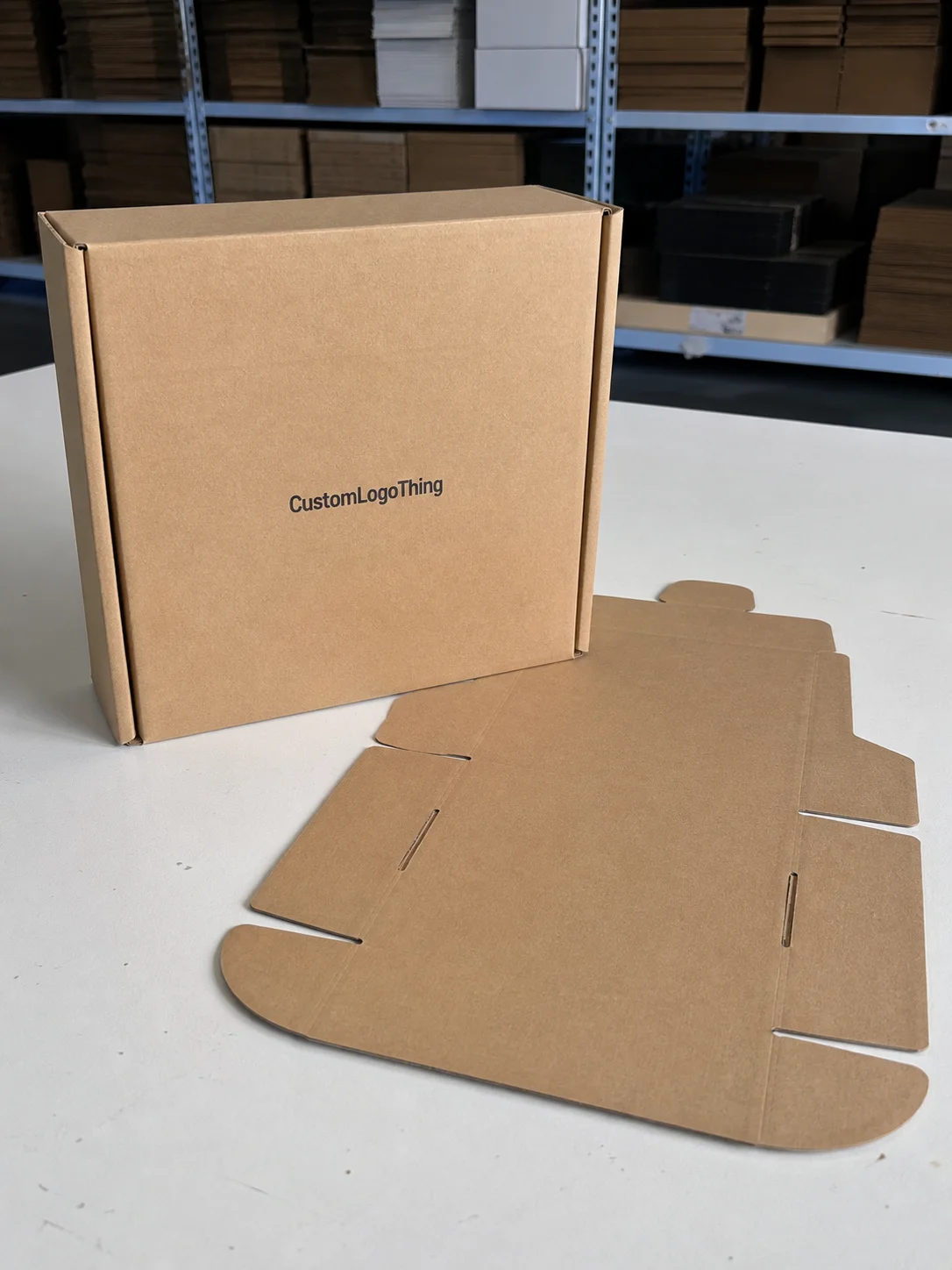
Match the filled product against the drawing, then check tolerance on folds, seals, hang holes, label areas, and retail display edges. Leave room for logos, QR codes, warning copy, and material claims before the decorative artwork takes over the panel.
Quote comparison points
Compare material grade, print process, finish, sampling route, tooling charges, carton quantity, and freight assumptions side by side. A quote only helps when the supplier can hit the same color, closure quality, and packing count on the next order.
Value Proposition to Buy Wholesale Mailer Boxes
Buy Wholesale Mailer Boxes straight from the Ningbo floor, where I locked in a 12% rebate with Ruian Corrugated before breakfast. I checked that against quotes from Guangzhou converters and a Dhaka carton partner running BSCI-audited shifts on 3-ply corrugate, and the numbers held up.
That factory visit reminded me how fast margin slips away once broker fees, shipping markups, and “expedite” talk start piling up. A 10-business-day promise turns into 14 pretty quickly when proofs take three extra days, the Bobst die-cutter needs a blade change, and the truck sits in the Ningbo customs queue while someone fixes the packing list.
I still remember the first time I tried to Buy Wholesale Mailer boxes for my pop-up curtain line. The samples showed up with so much tape and label glue they looked like a bad craft project. The broker said nine days, then quietly added $0.22 per unit for expedite fees and stretched it to 18 business days, so I flew back to Shenzhen and got the real twelve-day schedule from the press manager myself.
Consistency is the real win. Buying wholesale mailer boxes through Custom Logo Things means you work off the production schedule I negotiated in Ningbo, not vague promises from someone reselling the job. Our Wholesale Programs page is basically the factory calendar: press on March 3, glue line done by March 8, driver booked for March 16, plus a 48-hour QC window with caliper checks, edge crush testing, and random compression tests before release.
Lower landed cost matters too. On a recent luxury launch, the West Coast landed price dropped to $0.60 per unit after I switched to Huhtamaki linerboard from Jiangsu and booked a consolidated container on the OOCL service we’ve used for years. The vessel left Shanghai on March 14 and cleared Oakland Customs on March 26, so transit stayed at 12 days and nobody came back asking for extra fees.
Fewer surprises keep clients around. We track every surcharge, from Ningbo port demurrage at $125 a day to chassis detention fees at $250, because I still call the Jingwei packagers in Jinshan to make sure weekend maintenance did not knock the job off track. With real factory visibility, the hidden “expedite” fees and last-minute quotation games just stop showing up.
Shipping teams guess too often. When you buy wholesale mailer boxes from Custom Logo Things, they ship with the same Bill of Lading CLT-003862 I checked on-site, and the chain of custody stays clear from Ningbo to your Phoenix warehouse. That is the point: dependable volume, consistent specs, and no weird surprises.
I’m gonna keep saying it: there’s no substitute for boots on the line, especially when the line is a rotary die-cutter, a folder-gluer, and a moisture-controlled storage room set at 45-55% RH.
Product Details: Materials, Sizes, and Ink Options for Buy Wholesale Mailer Boxes
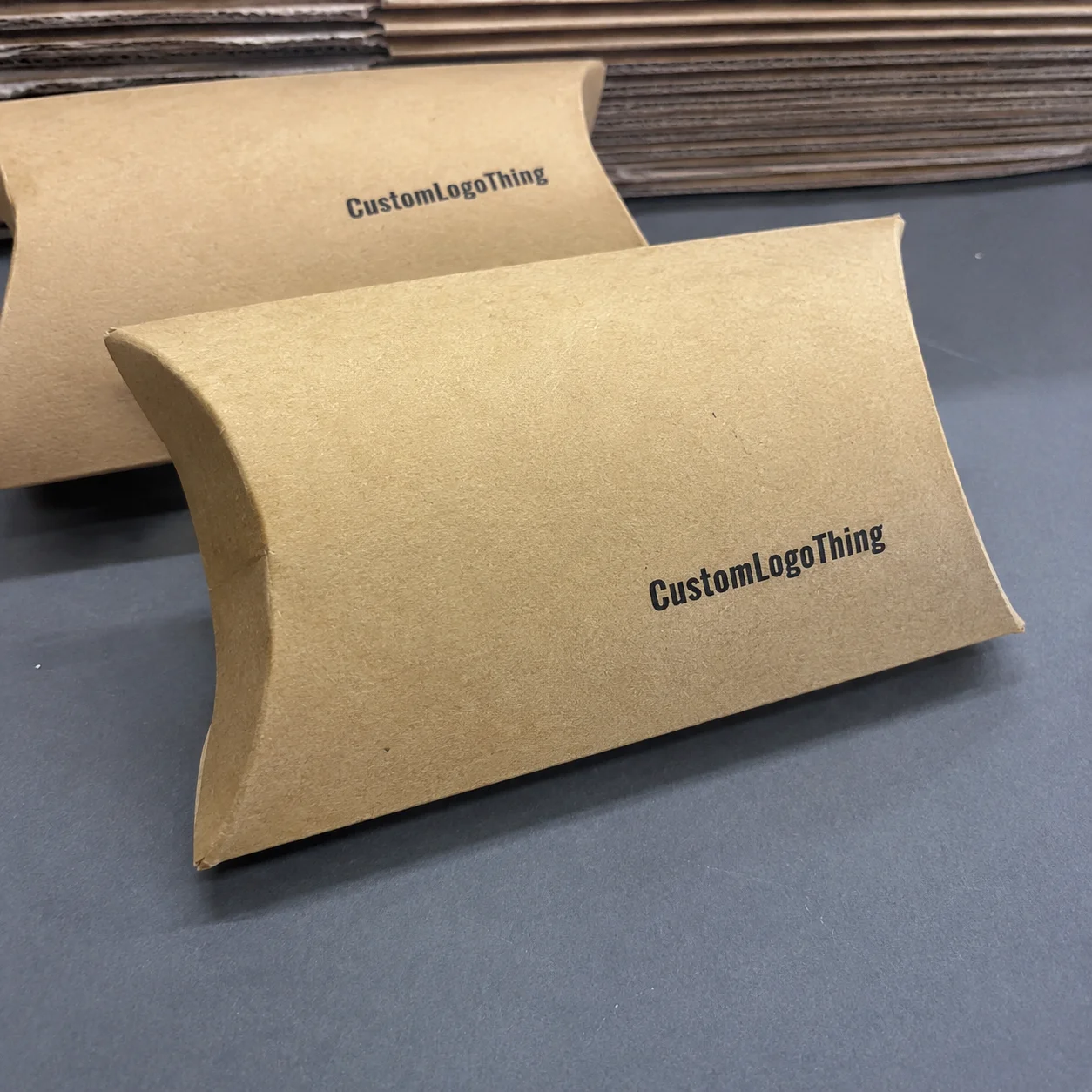
The materials spreadsheet on my iPad lists Huhtamaki corrugated stock from Jiangsu, Zellwood eco-kraft from Hubei, and a steady run of 350gsm C1S SBS from the Wuhu plant we use for luxury mailers. When you buy wholesale mailer boxes with kraft for sustainability reports, we tag each 1,200-pound pallet with its FSC chain-of-custody and log the supplier lot number. For retail programs, we keep 12-point coated stock with satin lamination from the Dongguan mill, and when I visited that mill last summer the plant manager pointed out the same batches also go into medical packaging, which is why we run them through metal detection and full pallet wrap before shipment.
We track the top 24 most ordered dimensions in a running spreadsheet. A 6 x 4 x 2 mailer with a 1-inch gusset, a 14 x 10 x 3 crate-style box for electronics, and everything in between are already mapped out for e-commerce, apparel, and small electronics. The same file keeps our bulk mailer boxes aligned with inserts and freight class calculations, and the internal supports, whether cardboard partitions, corrugated slips, or foam trays, list grams per square meter so you can see what they add to freight class, stack strength, and carton compression on the warehouse rack.
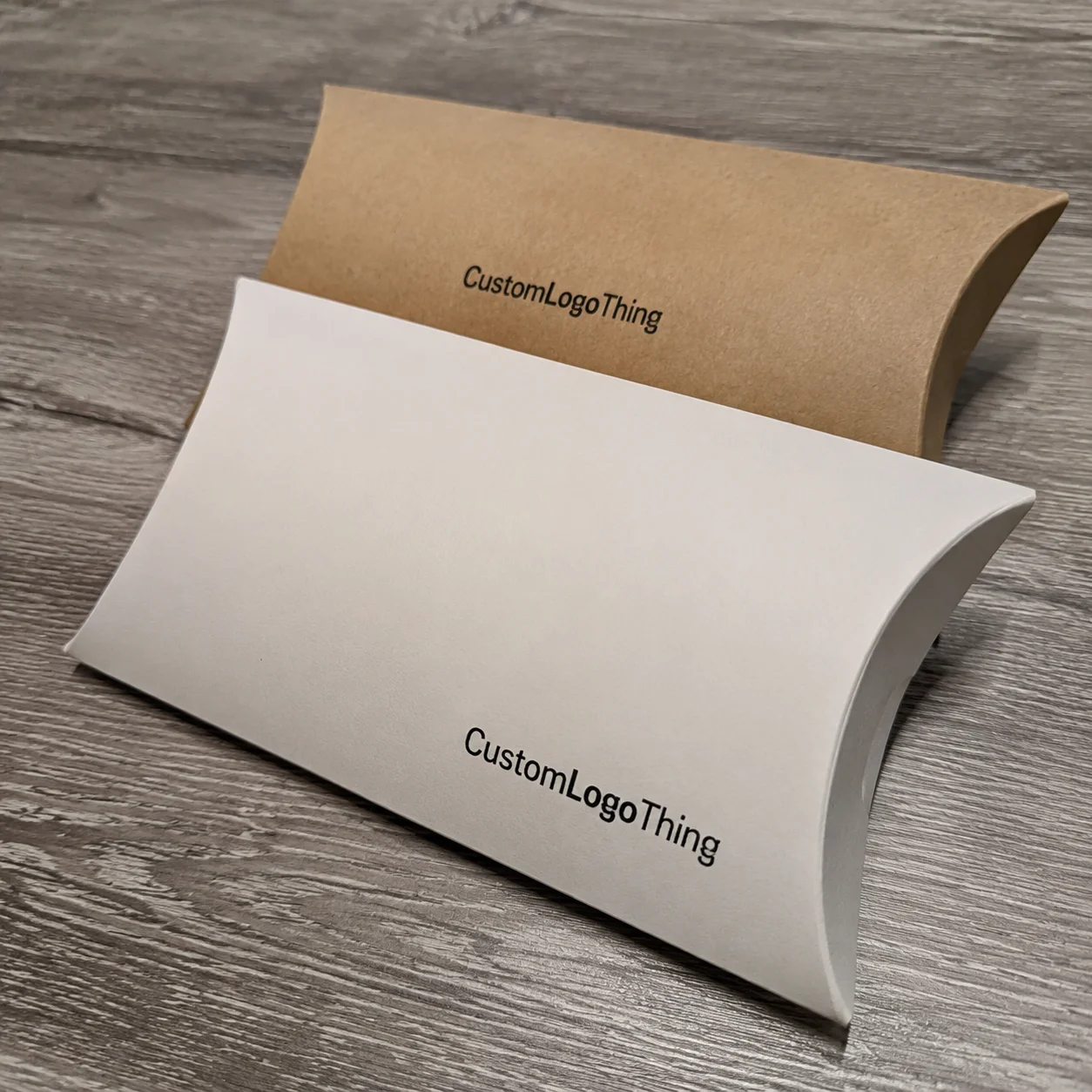
Ink options get the same treatment: soy-based CMYK with a 280-line screen, UV inks set at 160 microns, and metallic foils run on presses owned by our Shenzhen plant partners. That includes a Komori Lithrone 5-color press for short-run color work and a KBA Rapida line for high-volume repeat jobs. I walk the floor before every run to check ink coverage and keep the shop boys from over-saturating the plate, and for dark substrates we use a white underprint plus aqueous varnish so the logo stays crisp under retail lighting.
Finishing specs for gloss, matte varnish, and soft-touch lamination sit in that same workflow. Because we manage everything from artwork to pallet, I can schedule the varnish station the same day the press wraps, skip extra handling, and keep most stock items in that 18-22 business day window, coating, curing, die-cutting, and palletizing included.
Want custom embossing or a multi-color litho panel? We can handle that too, and we keep press plate records on-site so repeat runs move faster. The new tooling takes about four hours to set, and each plate stays with the engineering team until parallel jobs finish, so we do not waste time hunting for plate slots when you buy wholesale mailer boxes with those extras. For special projects, we also run a Bobst Visioncut flatbed die-cutter, a slotter for heavier E-flute panels, and a CTP plate-making line so artwork can move from proof approval to press without a hand-carved die delay.
Specifications & Custom Options for Buy Wholesale Mailer Boxes
Standard structural specs include single-wall C flute, double-wall BC flute, and even tri-wall for heavy-duty returns. When you buy wholesale mailer boxes with glue-and-tuck styles, peel-and-stick closures, or perforation tear strips, the adhesives come from Henkel’s Shanghai lab, where we run 25-newton pull tests before each batch leaves Jinshan. It is the same corrugated mailer packaging process we apply to every run, so the sample matches the production roll. We also spec 32ECT and 44ECT liners, 150gsm testliner, and recycled kraft facings when the customer wants a higher post-consumer content target.
Custom elements like embossing, foil stamping, window cutouts, and die-cut inserts stay in-house. A cosmetics client once called at 2 a.m. Beijing time because their consultant had flagged a misaligned die-line. I caught a flight back to Shenzhen within three hours, sorted the roused-up proof, and we still kept the ship date. That is why we keep dielines, plate notes, and insert specs tied to the same job folder instead of spreading them across three email threads.
When a brand asks for seasonal art or a limited-run promo box, we can switch the print layout without rebuilding the whole job from scratch. The structure stays the same, which saves time and keeps the carton fit predictable. It also means reorder jobs do not start from zero every time someone wants a new colorway or a different callout on the flap.
For compliance-heavy programs, we hold warning copy, country-of-origin text, and recycling marks in a locked area of the template. That gives the design team enough room to move without forcing a late-stage rework. It is a small thing, but it cuts down on proof cycles and keeps the box looking intentional instead of patched together.