Get a Care Labels Supplier Quote for Ecommerce Brands Without Guesswork
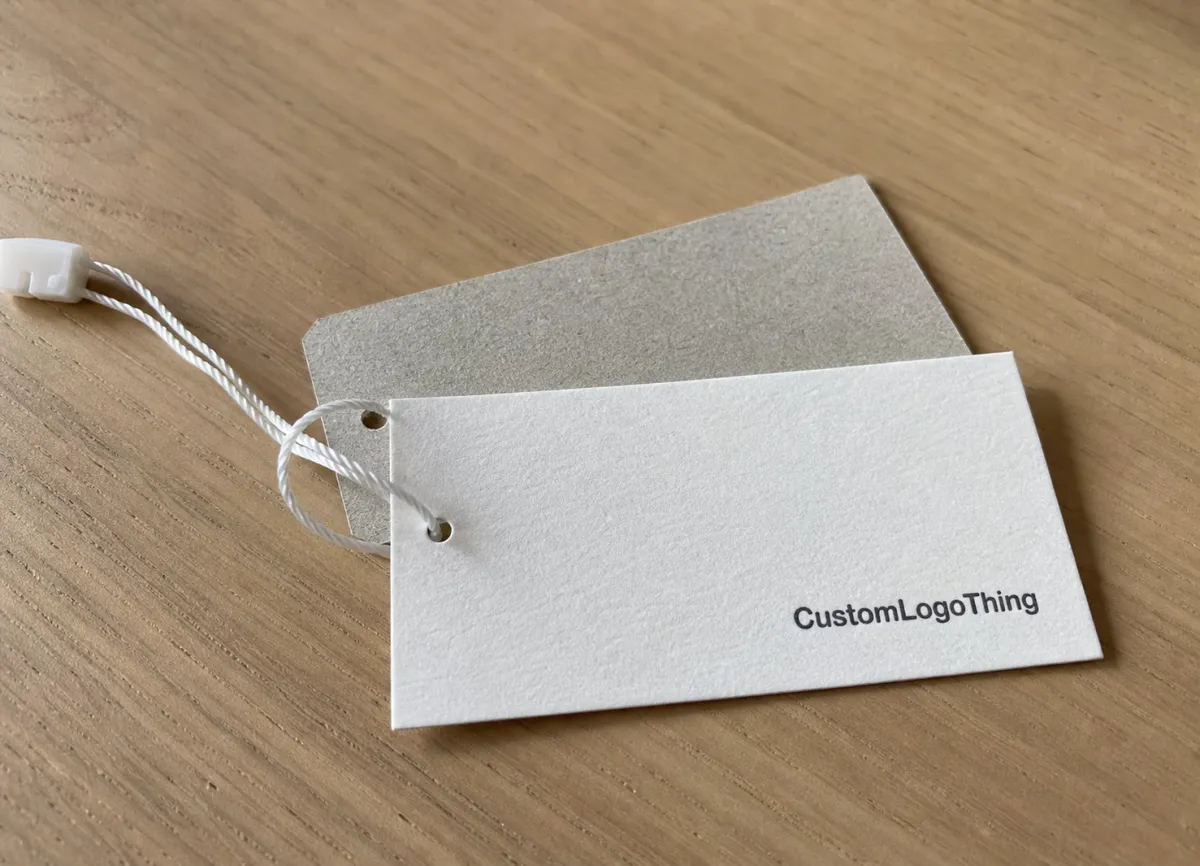
The hoodie launch is ready. Cartons are booked. Product photos are edited. Then someone notices the care labels were never quoted because the team treated them like a tiny strip of fabric with a few wash symbols. A Care Labels Supplier Quote for ecommerce brands should do more than name a unit price. It should confirm substrate, finish, print durability, folding style, attachment method, packing format, and the delivery date your production calendar actually needs.
Labels are physically small but commercially heavy. One missing fiber content line can force relabeling. One unreadable wash icon can create customer complaints. One late shipment can hold finished garments at a sewing line or fulfillment center while paid traffic, influencer posts, and marketplace listings keep moving.
From a packaging buyer’s perspective, care labels are not decoration. They are miniature instruction systems. They help customers wash garments correctly, reduce preventable damage claims, support returns decisions, and give marketplaces or retailers a cleaner documentation trail. The Federal Trade Commission has care labeling rules for covered textile wearing apparel in the U.S.; international selling can add language, symbol, fiber, and origin requirements. A useful starting point is the FTC’s care labeling guidance, while packaging and shipment planning can also be benchmarked against distribution standards such as ISTA where cartons and transit testing are involved.
Custom Logo Things works quote-first because apparel labels rarely price accurately from a logo alone. We ask for garment type, order quantity, country of sale, label dimensions, material preference, artwork format, version count, and launch date before recommending a build. That sounds procedural because it is. Procedure prevents expensive surprises.
Ecommerce brands also need fast comparisons. One drop may include tees, hoodies, leggings, and babywear. Each can have different size runs, fiber blends, care instructions, and skin-contact requirements. A transparent quote is more useful than a generic price table because it lets the buyer compare real choices: satin versus nylon, one shared label versus ten versions, standard delivery versus air freight.
The practical map below covers product options, specs, pricing drivers, MOQ logic, timelines, supplier evidence, common mistakes, and the next steps to request a quote without turning label procurement into a last-minute scramble.
Care Label Product Options That Affect Fit, Feel, and Compliance
Most ecommerce apparel teams request one of six care label formats: satin printed labels, nylon printed labels, cotton printed labels, woven care labels, tear-away labels, or heat-transfer care labels. Each has a different feel, print limit, durability profile, and cost structure.
Printed satin labels are common for fashion apparel because they feel smooth and carry fine text well. Soft nylon printed labels work for tees, underwear, and lightweight basics where skin contact matters. Durable nylon is usually better for workwear, outerwear, uniforms, and products exposed to friction or hotter wash cycles. Cotton printed labels suit brands with a natural or plastic-reduction position, although cotton can be thicker and may not hold ultra-fine detail as cleanly as synthetic substrates.
Woven care labels have a premium texture. The trade-off is space. Tiny characters, QR codes, laundry icons, and multi-language text usually print more cleanly than they weave. Heat-transfer care labels remove neck irritation and are popular for activewear, base layers, and performance tops, but they require compatibility between the transfer, garment fabric, heat press settings, and production workflow.
Practical rule: if the label carries dense care text, fiber content, origin information, SKU traceability, or a QR code under 12 mm wide, ask about printed labels before assuming woven is the premium choice.
Compliance content varies by sales market, garment category, and fiber blend. A care label may need fiber composition, care instructions, country of origin, size, RN or business identification, batch information, and symbols. Apparel sold through marketplaces may also need consistency between the label, product page, packing slip, and return workflow.
Softness is not a luxury issue. Reviews prove it. Close-to-skin products often get negative comments for scratchy neck labels, stiff edges, or bulky folds. For underwear, babywear, and athletic tops, a 15 mm change in label height can alter the wearer’s perception of quality.
Before approving a Care Labels Supplier Quote for ecommerce brands, request samples or production photos of comparable labels. A quote for satin printed labels is not interchangeable with a quote for woven labels or heat transfers. The product type has to be selected before the price means anything.
Specifications to Send Before We Price Your Garment Labels
A clear quote starts with clear inputs. Send label size, material, print colors, artwork file, fold type, cut style, quantity, number of designs, language versions, and required delivery location. If one of those details is missing, the quote may still be possible, but it will include assumptions. Assumptions are where launch risk hides.
Fold style is a major cost and fit detail. Straight-cut labels are simple strips, often sewn on one side or used as inserts. Center-fold labels are folded in half and commonly sewn into necklines or side seams. End-fold labels have both ends tucked under for a cleaner edge. Manhattan folds and book folds help organize more information in limited space. Loop folds work well in side seams. Mitre folds create angled ends, often used for branding or hanging-style applications.
Dimensions matter more than many first-time buyers expect. A label that is too narrow can make wash symbols unreadable after printing and cutting tolerance. A label that is too tall can irritate the wearer or interfere with seam allowance. For dense care content, many brands land around 25 mm to 40 mm wide and 40 mm to 80 mm tall after folding, but language count, icon size, and required legal text can push that larger.
Artwork should be supplied as vector files where possible. AI, EPS, SVG, or clean PDF files reduce prepress questions. High-resolution raster artwork can work in some cases, but low-resolution logos often need cleanup before production. If the job requires exact brand color, send Pantone references or a clear CMYK target and remember that fabric substrate can shift perceived color.
Print durability should match the garment category. Ecommerce apparel labels need to survive repeated laundering, detergent exposure, friction, tumble drying, and heat settings appropriate to the product. A sleepwear label, a gym short label, and a waxed canvas jacket label should not be specified the same way.
For information hierarchy, start with what the customer and regulator need most: brand name, size, care icons, written care instructions, fiber content, country of origin, and tracking code. If the label includes a QR code, test scanability at final print size before ordering thousands. A QR code that scans on a monitor may fail once printed on fabric, folded, sewn into a seam, and washed.
Multi-SKU orders need a spreadsheet. Use columns for style, size, label version, fabric content, care text, quantity, fold type, and packing instruction. This prevents hidden setup costs and avoids the classic mistake of quoting “10,000 labels” that later becomes twenty 500-piece versions with separate proofs and sorting.
State where the labels go. A sewing factory, decorator, warehouse, or 3PL may require different packing and carton labeling. For buyers building a full trim package, the Custom Labels & Tags page is a useful place to compare related label and tag options before sending specs.
Pricing, MOQ, and Unit Cost Factors for Custom Care Labels
A care label quote is usually driven by quantity, label size, material, print method, number of colors, number of versions, finishing style, proofing needs, packing method, and shipping destination. The label itself may be inexpensive. The control work around it is not free.
MOQ exists because setup consumes labor before the first finished label is packed. Material loading, plate or screen preparation, color setup, cutting, folding, inspection, counting, and bagging all take time. That is why 300 labels can feel expensive per unit while 10,000 labels may look efficient.
Here is a practical comparison. These are planning ranges, not final pricing, because specs change the math.
| Order Scenario | Typical Use | Likely Cost Behavior | Buyer Watchpoint |
|---|---|---|---|
| 500-1,000 printed labels | Pilot drop, influencer capsule, test SKU | Higher unit cost because setup is spread over fewer pieces | Ask if the same setup can support a larger reorder |
| 3,000-5,000 printed labels | Typical ecommerce launch across a few sizes | Better unit economics if versions are limited | Confirm whether sizes need separate labels |
| 10,000+ printed labels | Core SKU, planned reorder, wholesale support | Lower unit cost when material, size, and artwork stay consistent | Check storage, future fiber changes, and forecast accuracy |
| Many small versions | Multiple fiber blends, languages, or product lines | Setup and sorting can raise total cost | Use a spreadsheet and request version-level pricing |
Version count changes the quote fast. One 10,000-piece label is not the same job as twenty 500-piece labels. Each version may need separate artwork control, proofing, quality checks, sorting, and packing. Quote gaps often come from version handling rather than raw material.
Common cost traps include rush fees, split shipments, artwork redrawing, specialty materials, ultra-small text corrections, and repacking by SKU. Air freight can make sense for a launch, but it should be chosen knowingly, not discovered after proof approval.
Ask for tiered pricing at launch quantity, likely reorder quantity, and bulk forecast quantity. For example, request 2,000, 5,000, and 10,000 units with the same spec. The cheapest quote is not automatically the lowest-cost option if weak wash resistance, poor legibility, or late delivery creates returns or relabeling.
Custom Logo Things provides structured quotes showing the assumptions behind the price. That lets you adjust material, quantity, finish, or packing before committing. For transactional buyers, that is the difference between procurement and guessing.
Production Process and Timeline From Artwork to Delivery
The order process is straightforward when the inputs are complete: quote request, specification review, artwork check, digital proof, buyer approval, pre-production setup, production, quality inspection, packing, and shipment. The critical clock starter is proof approval. Not inquiry. Not verbal interest. Written proof approval.
Why so strict? Because the proof controls text, symbols, dimensions, colors, fold type, version count, and quantity. If fiber content changes from 80/20 cotton-poly to 70/30 after approval, the label may need a new proof. If the country of origin changes, same problem.
Standard printed labels often move faster than complex woven or multi-version orders. Rush timing depends on material availability, proof response time, production queue, and shipping method. A simple printed label order may be far easier to schedule than a multilingual folded label set with twenty versions and individual size packing.
The ecommerce risk is sharp: labels are often needed before garment finishing or fulfillment receiving. Late labels can hold inventory even when finished garments are otherwise ready. This is especially painful for paid launch windows, seasonal apparel, and marketplace inventory check-in deadlines.
Build a buffer for corrections. Regulatory text, translations, and fiber percentages are often finalized by the apparel factory after the marketing artwork is done. That mismatch causes proof revisions. Two revision cycles can add several business days if approvals move slowly across time zones.
Shipping choice changes landed cost. Air freight is faster and more expensive. Consolidated shipping can reduce cost if the apparel production calendar allows it. If labels ship to a sewing factory, provide the factory name, delivery contact, phone number, and carton marking requirements at quote stage.
Quality-control checkpoints should include material verification, print clarity, symbol legibility, cut accuracy, fold consistency, quantity count, and carton labeling. For paper-based hang tags or backing cards paired with care labels, buyers may also want FSC material options; the Forest Stewardship Council provides a recognized certification framework for responsibly sourced paper products.
Send launch deadlines, factory sewing dates, and final delivery addresses before the quote is finalized. A responsible supplier will flag schedule conflicts early rather than accept a date that cannot be met.
Evidence to Check Before Choosing a Care Label Supplier
Supplier selection should be an evidence check, not a branding exercise. The question is simple: can the supplier produce consistent, readable, durable labels at the required volume and timeline?
Ask for recent production photos, material samples, wash-test information, proofing process details, accepted file formats, packaging options, and examples from similar apparel categories. A supplier that can discuss satin, nylon, cotton, woven, and heat-transfer options with practical trade-offs is more useful than one that only sends a price.
Communication speed matters. If a supplier takes days to clarify basic artwork questions during quoting, proofing may also drag. That does not always mean poor production quality, but it is a scheduling risk. Ecommerce teams often operate with tight launch calendars, and slow clarification can create the same damage as slow manufacturing.
There is also a service-economics balance. Many buyers want domestic-style responsiveness with overseas manufacturing cost logic. The better partner combines clear English-language quoting, disciplined production control, and realistic shipping planning.
Treat care labels as data carriers. That mindset changes approvals. Instead of asking, “Does the label look good?” ask, “Is the care data correct, readable, durable, and packed for the next production step?” Different question. Better result.
Custom Logo Things uses a consultative quote approach. The team reviews artwork, identifies missing specifications, recommends material options, and suggests practical adjustments if a design is too small, too dense, or unnecessarily costly. Multi-SKU organization, reorder consistency, bulk pricing tiers, and packing labels by size or style can also be built into the quote.
Compare quotes on the same specification sheet. If one supplier priced satin printed labels and another priced woven labels, the quotes are not comparable. If one included air freight and another used slower consolidated shipping, the apparent price difference may be misleading.
For buyers who want proof of product range and execution style before sending specs, reviewing relevant Case Studies can help frame the right questions for a care labels supplier Quote for Ecommerce brands.
Common Quote Mistakes That Delay Ecommerce Apparel Launches
The most common mistake is requesting a price with only a logo and quantity. That leaves out dimensions, material, fold type, care content, delivery location, and deadline. A supplier can reply with a rough number, but the real quote will change once the production details appear.
Missing care instructions trigger multiple proof revisions. Wash symbols, written instructions, fiber percentages, and country-of-origin text all need to fit within a limited space. Add two languages and a QR code, and the label may need a larger format or a book fold.
Copying a competitor’s label is another bad shortcut. Their garment may have a different fiber blend, finish, dye process, origin, or sales market. Even two black hoodies can have different care requirements if one uses fleece with a special wash and the other uses a cotton-poly blend with print decoration.
Unreadable micro-text is a real production issue, not a supplier being difficult. Ecommerce brands often want brand story, QR code, care symbols, legal text, batch code, and size on one tiny label. Print physics has limits. If text falls below a practical readable size after cutting and folding, returns and customer confusion become more likely.
Quantity fragmentation also raises costs. Separate small batches for each color may be unnecessary if the garments share the same fiber content, care instructions, and origin. A shared master care label can reduce version count, simplify inventory, and improve unit cost. Do not force sharing if the data differs. Accuracy wins.
Shipping-address errors are surprisingly common. Labels may need to go to a cut-and-sew factory, a decorator, a warehouse, or a 3PL. Sending them to the brand office first can add days, extra freight, and avoidable handling.
Another risk is approving a proof without the production or compliance person reviewing it. Marketing may own the artwork, but the factory owns sewing, and compliance owns label content. All three perspectives matter before approval.
Create a repeatable internal label specification sheet. Include size, fold, material, care text, artwork file name, version count, quantity, packing method, and delivery address. Future drops will quote faster, and the supplier will have fewer reasons to pause for clarification.
Next Steps to Request a Quote and Approve Your Order
Start with a simple action plan. Gather artwork. Choose a preferred material. List label dimensions. Confirm fold type. Prepare care text. Count label versions. Set target quantity. Identify the required delivery date and final delivery address.
If you have multiple SKUs, send a spreadsheet with columns for style name, size, material, care content, label quantity, version name, and packing instructions. For larger drops, add a column for “ship-to location” if some labels go to a factory and others to a warehouse.
Photos help. Send images of current labels or reference samples if you are unsure about material, fold, or finish. Use them for direction only; final artwork should be original, approved by your brand, and checked for correct garment information.
Ask for two or three pricing tiers. A launch-only order may protect cash flow, while a larger order may reduce unit cost if you expect reorders. The correct choice depends on forecast confidence, storage, future fiber changes, and how quickly your apparel line evolves.
After submission, Custom Logo Things reviews the request, flags missing details, recommends production options, sends a structured quote, prepares the proof after order confirmation, and moves to production after written approval. Before approval, check spelling, symbols, fiber content, country of origin, size, dimensions, color, fold type, quantity, shipping address, and delivery deadline.
For a quote package, include material recommendation, unit cost tiers, MOQ, proofing steps, production timeline, and shipping options in the same request. If your team is ready to send specs, use Contact Us and attach artwork plus the SKU spreadsheet.
For the most accurate care label pricing, send complete specs upfront and ask for cost, proofing, and lead time together. Small labels carry big operational weight. Treat them that way before your next launch depends on them.
FAQs
What information do I need for a care label supplier quote for an ecommerce clothing brand?
Send label size, quantity, material preference, fold type, artwork file, care text, fiber content, number of versions, shipping address, and target delivery date. If you sell multiple SKUs, include a spreadsheet showing each style, size run, label version, and quantity. Photos of current labels or reference samples can help the supplier recommend material and finishing options faster.
How much do custom care labels cost for ecommerce brands?
Cost depends on quantity, size, material, print method, number of colors, number of label versions, finishing style, packing requirements, and shipping. Higher quantities usually reduce unit cost, but many small versions can increase setup and handling costs. Ask for tiered pricing so you can compare launch quantity against reorder or bulk-order savings.
What is the MOQ for custom care labels?
MOQ varies by material, print method, and finishing style because setup, proofing, cutting, and packing require labor even for small runs. A shared care label across several SKUs can sometimes help meet MOQ more efficiently. If you need a pilot run, ask whether the supplier can quote both sample quantity and bulk quantity.
How long does care label production take after quote approval?
The timeline depends on artwork readiness, proof approval speed, material availability, order complexity, production queue, and shipping method. Printed labels are often faster than complex woven or multi-version orders, but every job should be scheduled from proof approval, not initial inquiry. Provide your garment sewing date or launch deadline during the quote request so the supplier can flag timing risks.
Can one care label design work across multiple ecommerce apparel SKUs?
Yes, if the garments share the same fiber content, care instructions, origin information, and compliance requirements. Shared designs can reduce version count, simplify inventory, and improve unit cost. Do not combine SKUs if care instructions or fiber percentages differ, because inaccurate labels can create customer complaints or compliance problems.


