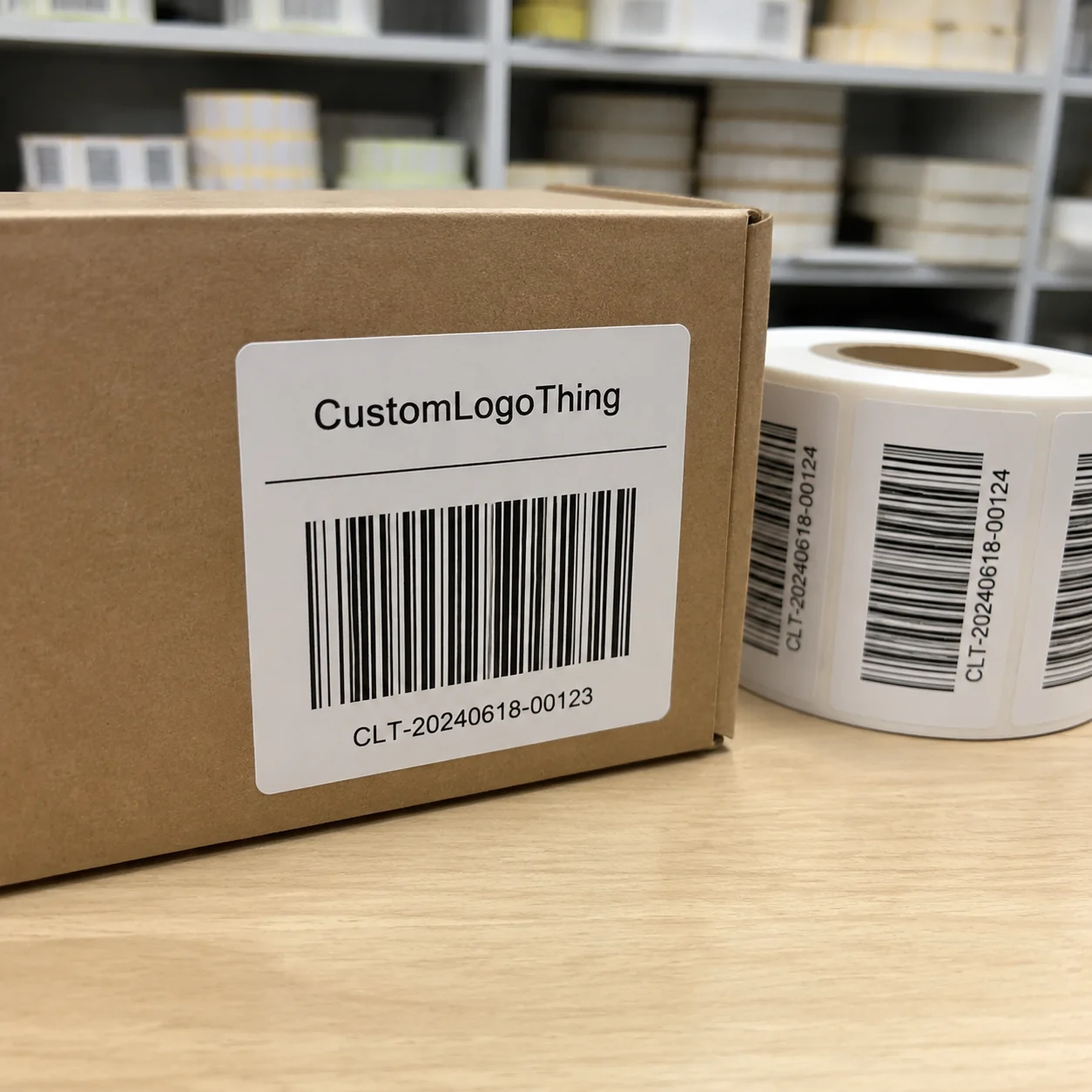
If you are requesting a Care Labels Supplier Quote for vitamin brands, the quickest path to a usable number is to treat it like a production spec, not a casual pricing inquiry. A supplier can quote a label in minutes if the request is clear. If it is vague, the quote usually becomes a placeholder with too many assumptions buried inside it.
The difference shows up later. A label that looks inexpensive at the quote stage can become expensive if the print rubs off, the adhesive fails, the fold hides required text, or the copy is too dense to fit at a readable size. Buyers who source packaging for vitamin brands tend to care about three things at once: accuracy, durability, and how the label affects the final presentation. The right quote should help compare those tradeoffs, not just list a unit price.
There is also a practical point that gets missed often: care labels are not always for the vitamin bottle itself. In vitamin-brand programs, they may be used on apparel, reusable pouches, gift sets, travel cases, promotional bundles, or soft goods that ship with the brand. That changes the label construction, the required content, and the quality checks. A supplier who understands that difference can quote more accurately from the start.
Why vitamin brands need care labels that do more than list materials
Vitamin brands rarely sell just one item through just one channel. A product can move through retail, e-commerce, subscription boxes, sample packs, corporate gifting, and seasonal bundles. That means the label has to survive more handling than many teams expect. If text smears during packing or the adhesive lets go in transit, the packaging loses credibility before the product reaches the end customer.
That is one reason a care label should be written and specified with the end use in mind. In some cases, the label supports compliance. In others, it serves as a brand touchpoint on a reusable item or a soft accessory included in a promotion. Either way, it needs to stay legible and attached long enough to do its job. Too much text, and the label looks cramped. Too little, and it may fall short of retail or fulfillment expectations.
Buyers sometimes focus on the lowest unit price and discover later that the quote was built for a simpler use case. Maybe the label was intended for a light-use pouch, but the actual item is washed, folded, packed, and unpacked repeatedly. Maybe the label needs a premium finish because it sits alongside higher-end packaging. A useful Care Labels Supplier Quote for vitamin brands should make those assumptions visible.
“The lowest label price means very little if the first production run needs rework, reprinting, or manual fixes.”
That is why the request should define the output as clearly as possible: correct specs, dependable turnaround, and a label format that matches the item’s real-world use. If the supplier has to guess at those details, the quote is not doing enough work for the buyer.
Label formats and material options that fit vitamin-brand packaging
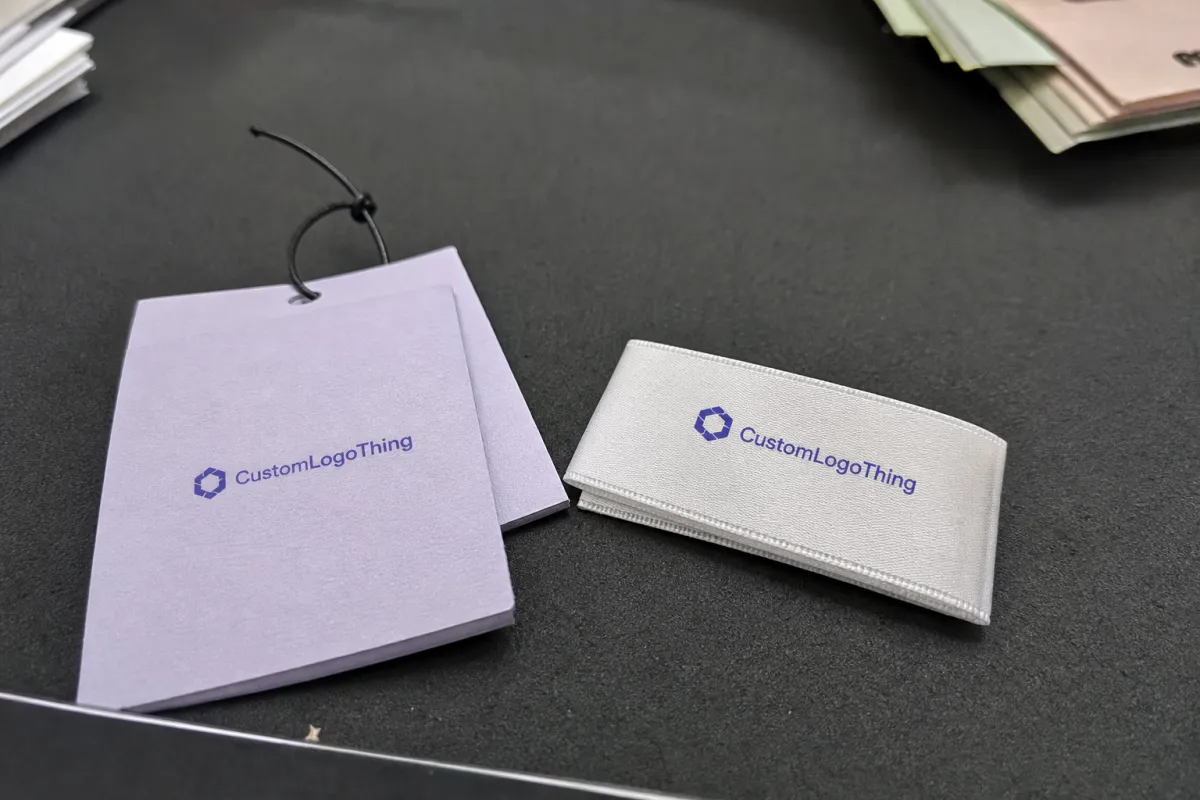
The right label construction depends on the application. For sewn-in use, woven labels are a common choice because they hold detail well and stand up to abrasion. Satin printed labels offer a softer hand feel, which matters when the label sits against skin or inside an item that should feel premium. Printed nylon or polyester labels are often chosen when the copy needs to stay sharp but the label still has to flex. For short-run kits or secondary packaging, adhesive care labels or insert-style labels may be more practical.
In practice, buyers should start with the application and then choose the material. Sew-in labels fit apparel, pouches, and reusable accessories because they stay in place through repeated use. Adhesive formats work better on cartons, bundles, shipper inserts, and promotional packs where sewing is not practical. Heat-transfer labels can also work on some smooth, flexible surfaces, but they depend on the right substrate and a controlled application process.
For vitamin brands, readability and presentation have to balance each other. A label can carry care instructions, fiber content, warnings, or brand-specific handling notes, but if the copy is forced into too small a space, it quickly becomes hard to read. The fold style, width, and material all affect how much text can fit cleanly.
Common label constructions buyers ask for
- Woven polyester for durability, abrasion resistance, and a more finished retail look
- Satin printed labels for softer feel and cleaner presentation in premium kits
- Printed nylon or polyester for flexible, readable text on sewn-in applications
- Adhesive care labels for cartons, bundles, and secondary packaging
- Heat-transfer labels for smooth surfaces that can accept heat application
If the label will face moisture, friction, or repeated folding, say so in the request. Ask whether the edge is heat-cut or ultrasonic-cut, whether the print is intended to resist washing, and whether the adhesive is meant for short-term or long-dwell use. Those details affect both cost and performance, and they should be visible in any serious quote.
For broader context on packaging handling and transit durability, the Packaging Machinery Manufacturers Institute and the International Safe Transit Association are useful references when a label has to survive storage, shipping, and repeated handling.
Care label specifications buyers should confirm before requesting a quote
A supplier can only quote accurately when the core specifications are clear. The most common issue is not missing artwork. It is missing production details. Start with dimensions, because a label that is 1 inch by 2 inches is a very different item from one that is 0.5 inch by 1.5 inches. Then confirm the fold style, such as center fold, end fold, straight cut, or custom fold. That choice affects layout, sewing orientation, and how much text can fit cleanly.
Next, define the print method and number of colors. A one-color black print on white satin is not priced the same way as a multicolor woven label with fine text and a logo mark. Also confirm whether the label is single-sided or double-sided. Hidden copy, stitching notes, or brand information on the reverse side changes both setup and print time.
Content matters just as much as construction. For many vitamin-brand programs, the label may need fiber content, origin information, care symbols, warning language, or brand-specific handling instructions. If you need a batch number, SKU reference, or custom compliance line, include that as well. Small type is another pressure point. The smaller the copy, the more carefully the file has to be built so line breaks, symbol placement, and readability survive folding or stitching.
Quote-ready information to prepare
- Size and finished dimensions
- Material preference, such as woven polyester, satin, or nylon
- Quantity, plus any tiered volume targets
- Attachment method, including sew-in, adhesive, heat-applied, or inserted
- Artwork file or draft copy, even if the design is not final
- Text requirements, including care symbols, warnings, or country of origin
- Packaging needs, such as bagged sets, rolls, cut pieces, or folded bundles
Ask for a digital proof before production starts. The proof should confirm spacing, symbol order, text size, fold direction, and brand color accuracy. If the supplier offers a material sample, use it. A sample is the best way to catch a mismatch between what looks good on screen and what prints well on the actual substrate. That matters especially when the label must survive laundering, friction, or long storage.
One more practical point: include the use case. A label made for a lightly handled pouch is not the same as a label expected to sit through warehouse storage, fulfillment, and repeated customer use. The more specific the request, the less guesswork the supplier has to do, and the closer the quote will match the actual job.
Pricing, MOQ, and unit cost factors in a care labels supplier quote for vitamin brands
Price is driven by a small group of variables: material, print complexity, number of colors, finishing, packing format, and total quantity. A woven label with multiple colors, tight text, and a custom fold will almost always cost more than a simple one-color printed satin label. If the order needs roll packing, folded sets, or individual bagging, that also affects the quote.
Minimum order quantity, or MOQ, matters a great deal. Lower quantities usually carry a higher unit price because setup costs are spread across fewer labels. That is not a trick; it is how file preparation, press setup, and machine time work. In practice, a buyer may see a much better per-piece price once the order moves from 1,000 pieces to 5,000 or 10,000 pieces, but only if the inventory risk still makes sense for the brand.
The best comparison is not the lowest unit price. It is the best landed cost for the quantity the brand will actually use.
| Option | Typical Use | Relative Unit Cost | Buying Advantage | Tradeoff |
|---|---|---|---|---|
| Low MOQ, simple printed label | Trial runs, limited promos, small launch batches | Higher | Less inventory risk | Higher cost per unit |
| Mid-volume woven or satin label | Standard brand packaging, recurring replenishment | Moderate | Balanced cost and supply | Requires more upfront commitment |
| Higher-volume production run | Established SKU, steady fulfillment demand | Lower | Better unit economics | More cash tied up in inventory |
When you request a quote, ask for at least three pricing tiers. A quote at 1,000, 5,000, and 10,000 pieces shows where the price curve drops and whether the savings justify the added inventory. Also ask about tooling, sampling, revisions, shipping, and specialty finishing such as heat-cut edges, lamination, or custom folds. Those extras can move the final number more than buyers expect.
For budget planning, compare unit cost, setup cost, and total landed cost side by side. If the quote includes a revision fee or a separate proof charge, that has to be visible before approval. A transparent quote is easier to compare and much easier to defend internally.
Process, proofing, and turnaround: what happens after you request pricing
After specs are submitted, a good supplier usually moves through a clear sequence: inquiry intake, specification review, artwork check, proof preparation, proof approval, production, inspection, and shipment. If the request is complete, the quote comes back faster because the supplier is not waiting for basic information like size or quantity. If it is vague, the quote can be little more than a placeholder.
Proofing deserves close attention. A digital proof should verify copy placement, line breaks, label orientation, and any symbol or icon arrangement. If the label depends on color matching or tactile finish, ask for a sample or a material reference before the order is locked. Screen color is the least reliable part of the process unless a reference standard is used.
Turnaround depends on the label type and the production load. Simple printed labels are usually faster than woven or specialty constructions, and larger runs need more inspection time. If there is a launch date, ask for production time, shipping time, and rush options separately. That gives you a schedule you can actually manage.
“A clean proof saves more money than a fast quote ever will.”
For brands that care about compliance and material sourcing, external references can help set expectations. The U.S. Environmental Protection Agency is useful when sustainability is part of the packaging discussion, while FSC matters when paper-based components or forest-certified content are involved.
How we help vitamin brands compare quotes and avoid production mistakes
A strong label supplier does more than send a price. The better partner translates brand requirements into a production-ready spec, because many quote errors begin with unclear input rather than bad intent. If the file has too much copy for the size, that should be flagged. If the fold direction hides the key content, that should be addressed before production, not after.
That matters because small technical mistakes become expensive quickly. A misread file, the wrong fold, or a label that is too narrow for the required text can stop a job or create a rework order. Buyers should check text size, placement, and label orientation early, especially when labels will be sewn into soft goods or packed into vitamin kits.
Quality control should also be part of the quote conversation. Ask how the supplier checks color consistency, print clarity, edge integrity, and count accuracy. Ask how labels are packed for shipment so they do not arrive bent, tangled, or exposed to dust or moisture. These details are not flashy, but they are the ones that keep a packaging program moving.
What to look for in a quote review
- Clear specification matching, not just a price line
- Proof that shows dimensions, fold direction, and text placement
- Transparent notes on setup fees or sampling charges
- Reasonable expectations for production and transit time
- Pack-out details that fit your fulfillment process
If you want to compare care labels alongside other label and tag formats, our Custom Labels & Tags page is a practical place to review constructions and formats. If the request is more complicated than a standard reorder, share the spec sheet through our Contact Us page, even if the artwork is still in draft form. For teams trying to understand how packaging decisions are handled in live projects, the Case Studies page can help frame the process.
At the end of a good sourcing cycle, the supplier relationship should feel straightforward. No inflated promises. No mystery line items. Just consistent output that matches the approved spec, with enough communication to keep the order moving.
Next steps to request the right quote and move into production
Before sending the request, gather the essentials: label size, material preference, quantity target, attachment method, artwork file, and any regulatory or brand text that has to appear on the label. If the application environment is known, include that too. A label for a soft pouch, a promo insert, or a sewn-in garment component will not be priced or built the same way.
Request two or three quote options if possible. That makes it easier to compare MOQ, unit price, and turnaround without reopening the conversation every time you need a cost scenario. It also shows where the real cost difference sits: in setup, in material, or in finishing.
Review the proof closely. Confirm the text is readable, the size is correct, the fold is right, and the branding is consistent with the rest of the package. If anything feels crowded, fix it before approval. Once production starts, changes are harder and more expensive.
Delivery timing should align with the launch or replenishment plan. Labels are often the small item that holds up a larger packaging schedule. If they arrive late, cartons, kits, and fulfillment all wait behind them. A precise Care Labels Supplier Quote for vitamin brands should make timing clear enough that you can move from approval to production without surprises.
FAQ
What should I include in a care labels supplier quote for vitamin brands?
Include size, material, print method, fold style, quantity, and how the label will be applied. Add any required care text, warnings, or branding details so the quote reflects the real production cost. Attach artwork if available to reduce revisions and improve quote accuracy.
What is the usual MOQ for vitamin brand care labels?
MOQ depends on construction, but woven and specialty labels usually require higher minimums than simple printed labels. Smaller orders are possible, but unit price is typically higher because setup costs are spread across fewer pieces. Ask for tiered pricing so you can compare low-MOQ and better-value volume options.
How long does production usually take after approval?
Turnaround depends on label type, order size, and proof approval speed. Simple printed labels are usually faster than woven or specialty constructions. Confirm production time separately from shipping time so the full schedule is clear.
Which label material is best for vitamin brands using soft goods or promotional items?
Woven polyester is a strong choice for durable, sew-in use. Satin printed labels work well when a softer hand feel and clean branding are important. Choose the format based on how the item will be handled, washed, or packaged.
Can I get a quote if my artwork is not finished yet?
Yes, a supplier can often quote from draft specs if size, quantity, and material are known. A final proof may still require a completed file or clear text copy before production begins. The more information you provide upfront, the faster and more accurate the quote will be.