Beer Merch Needs Labels That Survive the Wash
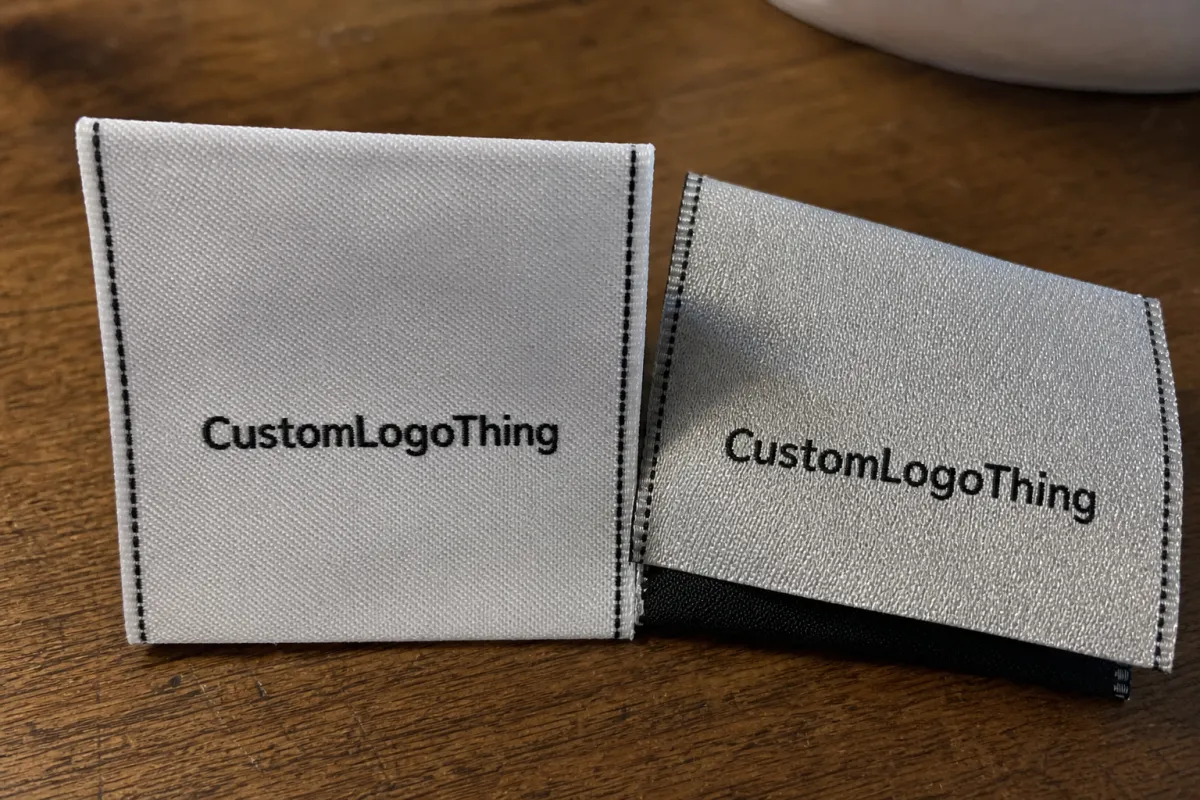
A brewery hoodie can look perfect on the merch wall, then lose trust after one bad wash. Buyers searching for a Care Labels Supplier Quote for beer brands are rarely shopping for a decorative extra. They are trying to get a compliant, durable, brand-consistent label into production without holding up the apparel order.
The label is small. Operationally, it carries more weight than many teams expect. Customers check it before washing a screen-printed tee, fleece hoodie, staff work shirt, beanie, or limited-release club garment because they want to avoid shrinkage, fading, cracked ink, distorted embroidery, or dryer damage. Retailers and fulfillment partners also look for clear garment information, especially on wholesale or multi-SKU programs.
From a packaging buyer’s point of view, a care label affects customer experience, reorder consistency, decorator handoff, and the way the finished garment moves through packing and distribution. If the label copy is missing, too small, or mismatched to the garment fiber content, the whole apparel run can pause while someone tracks down final wording.
Custom Logo Things quotes woven, printed, satin, cotton, polyester, and heat-transfer care labels based on the production details that matter: quantity, finished size, fold style, artwork, required care content, and delivery location. Beer brands often need these labels for more than consumer merch. Taproom staff uniforms, distributor shirts, event apparel, seasonal drops, private-label collaborations, and subscription club merchandise may all need slightly different labeling plans.
Practical rule: the cleaner the label specification, the cleaner the quote. A one-page spec with size, material, fold, quantity, artwork, and final care text can save several rounds of back-and-forth.
A useful quote is built from facts, not assumptions. The sections below cover the specifications to prepare, pricing variables, proofing steps, durability checks, and timeline realities that decide whether a label order moves cleanly or becomes a last-minute production problem.
Care Label Options for Brewery Apparel and Merch
Care labels for clothing are not interchangeable. The best material depends on garment type, wear conditions, sewing method, decoration process, and the amount of information that must fit on the label.
Printed satin care labels are common for retail tees, hoodies, and lifestyle merch because they feel smooth against the skin and hold fine washing instructions well. A typical satin label might run 20 mm to 35 mm wide, with black or dark gray print on white or off-white stock for strong readability. Printed satin also gives enough surface quality for a small brewery logo, website, RN number where applicable, fiber content, and multi-line care instructions.
Printed polyester labels suit staff shirts, promotional apparel, and larger-volume runs because polyester is durable, cost-efficient, and stable through repeated washing. Polyester can be a sensible choice for work shirts used in taprooms, festivals, beer gardens, or distributor events where garments see sweat, friction, and frequent laundering.
Cotton labels fit brands that want a softer, natural, heritage-style presentation. They work well for craft-focused apparel, vintage-inspired tees, and lifestyle merchandise. The tradeoff: cotton can absorb more moisture and may change hand feel after repeated wash cycles, so it should be tested if the label is going into high-use staff apparel.
Woven labels are stronger for premium branding than for dense care copy. A small woven neck label or hem label can carry a crisp wordmark, icon, or brand mark, while a separate printed care label handles fiber content and washing instructions. For beer brands with detailed crests, hop illustrations, distressed type, or fine-line artwork, the logo often needs simplification so the weave does not fill in or blur.
Heat-transfer labels are used for tagless garments, lightweight tops, performance shirts, and some athletic blanks. They remove sewn-label bulk at the neck or side seam, but they require the right application temperature, dwell time, pressure, and garment compatibility. A typical transfer might be applied around 285°F to 320°F, depending on the chemistry and fabric. The final settings should always follow the transfer supplier’s instructions.
| Label Type | Best Fit for Beer Brands | Typical Strength | Common Watchout |
|---|---|---|---|
| Printed satin | Retail tees, hoodies, lifestyle merch | Smooth feel, clear care text | Needs enough label size for legible copy |
| Printed polyester | Staff shirts, event apparel, promotional runs | Durable and cost-efficient | Can feel less natural than cotton |
| Cotton | Heritage-style craft apparel | Soft, natural appearance | May change feel after repeated laundering |
| Woven | Premium neck labels, hem labels, outer branding | Retail finish and strong durability | Not ideal for dense washing instructions |
| Heat transfer | Tagless tees, performance shirts, lightweight tops | No sewn label bulk | Requires correct garment and application settings |
Care labels commonly include fiber content, country of origin, wash method, drying method, bleach and ironing guidance, size, business identification where applicable, and sometimes a small logo or web address. Placement can vary: side seam labels for tees and hoodies, neck seam labels if the garment construction allows it, hem labels for outside branding, and separate size tabs when care copy gets crowded.
Custom Logo Things helps turn brand files and apparel requirements into label-ready production specifications through its Custom Labels & Tags service, rather than asking a buyer to guess the right stock, fold, or print method from a blank form.
Care Labels Supplier Quote for Beer Brands: Specifications to Prepare
A fast quote needs more than “we need labels for shirts.” For a reliable care labels Supplier Quote for Beer Brands, prepare the core production details before sending the request: label type, finished size, material, print or weave colors, fold style, quantity, artwork file, final care text, garment type, and delivery location.
Finished size depends on the label’s job. A small side-seam care label for a cotton tee might be around 20 mm x 50 mm before folding, while a hoodie, jacket, or multi-language label may need 30 mm x 70 mm or larger to keep the type readable. If the care content includes fiber blend, country of origin, five wash symbols, English and French text, and a brand URL, do not squeeze it into a tiny tag just because the mockup looks tidy on screen.
Common Fold Styles
- Straight cut: a flat label with cut ends, often used where the sewing method can secure the edge cleanly.
- End fold: both ends are folded under, useful when the label is sewn down on two sides for a cleaner edge.
- Center fold: a loop-style label sewn into a seam, common for side seam care labels.
- Manhattan fold: a center fold with the top edges folded inward, giving a cleaner seam edge and reducing scratchiness.
- Book fold: a folded construction that creates multiple panels for more information, often used for longer care copy.
Color choices also shape price and production behavior. A one-color black print on white satin or white polyester is usually the most economical and legible option. Brand-color printing, metallic effects, woven logos, or multi-color layouts can add polish, but they may increase setup time, proofing attention, and minimum quantities.
Send vector artwork whenever possible. AI, EPS, or editable PDF files are preferred because the artwork can be scaled, separated, and adjusted for production. High-resolution PNG files can help as visual references, especially for logos pulled from a merch deck, but raster artwork is not always clean enough for small-format printing or weaving.
Incomplete care content is one of the biggest causes of quote delays. A supplier cannot responsibly size or proof a label without knowing how many lines must fit, what font size is acceptable, whether laundry symbols are needed, and whether the garment requires separate versions by fiber blend or origin. If the apparel blank is still being finalized, request a provisional quote using estimated size and expected content, then lock the specification before sampling or bulk production.
Pricing, MOQ, and Unit Cost Factors
Care label pricing is driven by material, finished size, construction, color count, quantity, artwork complexity, finishing method, packing requirements, and shipping destination. The quote can change if labels need to be bundled by SKU, size, garment style, or release date because sorting and handling add labor.
MOQ is practical, not mysterious. Printed care labels generally support more flexible quantities than some woven or specialty labels. Custom Woven Labels, special yarn colors, unusual folds, metallic threads, or multi-component label sets usually need higher minimums because setup cost and machine time have to be justified.
Small runs carry more setup and handling cost per piece. Larger runs spread setup across thousands of labels and normally lower the unit price. As a rough planning range, a simple one-color printed satin or polyester care label might land around $0.035 to $0.12 per piece at several thousand units. Smaller quantities, specialty folds, multi-color branding, woven construction, or SKU sorting can push the unit cost higher. Freight, rush timing, and sampling can also affect the final invoice.
For cost-sensitive beer merch runs, one-color printed satin or polyester is the clean baseline. For a premium retail release, a woven logo label paired with a printed care label gives the garment a more finished feel without forcing dense washing instructions into a weave.
| Quote Scenario | Typical Quantity Range | Planning Price Range | Good Use Case |
|---|---|---|---|
| One-color printed satin care label | 1,000-10,000 pcs | $0.04-$0.12 per pc | Retail tees, hoodies, seasonal merch |
| Printed polyester care label | 2,000-20,000 pcs | $0.035-$0.10 per pc | Staff apparel and larger promotional runs |
| Cotton printed label | 1,000-10,000 pcs | $0.06-$0.16 per pc | Natural-look craft apparel |
| Woven logo label plus printed care label | 2,000-15,000 sets | $0.12-$0.35 per set | Premium drops and retail-ready programs |
| Heat-transfer care label | 1,000-10,000 pcs | $0.05-$0.18 per pc | Tagless shirts and lightweight tops |
These numbers are planning ranges, not a fixed price sheet. Actual pricing depends on the final specification, artwork, production method, and shipping requirements. The best quote requests include target quantity, desired delivery date, and whether the buyer needs samples, bulk production only, or a full program for multiple apparel SKUs.
Ask for two or three quantity breaks. A launch run of 1,000 labels, a reorder level of 5,000, and a seasonal campaign level of 10,000 can show purchasing where the unit cost improves. Common quote line items include setup or tooling if applicable, proofing, production, freight, rush service if available, and special packing.
Process and Timeline From Artwork to Finished Labels
A clean label program follows a direct path: quote request, specification review, artwork and care text check, digital proof, buyer approval, production setup, manufacturing, quality inspection, packing, and shipment. Miss one of those steps and the schedule can drift.
The proofing stage is where the working details are confirmed. Logo position, care text, fold direction, seam allowance, print color, finished size, and panel layout all need review. For center-fold labels, for example, the supplier should know which panel faces outward after sewing and how much seam allowance the decorator expects to capture.
Lead time depends on label type, quantity, complexity, material availability, proof approval speed, and shipping method. Simple printed care labels often move faster than highly customized woven labels or multi-version label sets, especially when the buyer supplies complete artwork and final wording at the start. A reasonable planning window for standard printed labels may be around 7-15 business days after proof approval, while woven or specialty programs may need more time. Rush options depend on capacity and materials; they are not always available.
Beer brands should build label production into the apparel calendar before garment decoration begins. If labels must be sewn into blanks before screen printing, embroidery, finishing, folding, bagging, or retail fulfillment, late labels can hold up the entire merch release. That is painful before a taproom anniversary, festival weekend, collaboration launch, or online preorder ship date.
Sampling has value when hand feel, edge finish, color, or sewing behavior needs verification before bulk production. A physical sample can show whether a satin label feels too slippery, a cotton label curls after handling, a woven edge is too firm, or a heat transfer bonds properly to the chosen garment fabric.
Timeline problems usually come from a few preventable issues: late artwork changes, missing wash instructions, undecided fiber content, unclear country-of-origin data, or waiting until the garment order is already sitting at the decorator. If the label is part of the garment construction, treat it as a production component, not a final accessory.
Compliance, Durability, and Wash Performance Details
Care labels are not just branding pieces. They often carry legally or commercially important garment information, so the content should be accurate for the fabric blend and intended selling region. This is not legal advice, and requirements can vary by market, but the safest practice is to confirm label copy with the garment supplier, compliance team, or retail channel before approving final production.
Basic information buyers commonly need to verify includes fiber content, country of origin, washing method, drying method, bleach guidance, ironing guidance, and any distributor or business identification required for the selling region. Some programs also use care symbols, lot coding, or SKU references, although those choices depend on the apparel plan.
Durability matters for brewery apparel because these garments do real work. Staff shirts may be washed several times a week. Event tees get shoved into bins, packed for festivals, and worn outdoors. Taproom apparel can see sweat, dryer heat, side-seam friction, and occasional exposure to beer, sanitizer, cleaning chemicals, or bar-back conditions.
Polyester and satin printed labels offer clean detail and solid wash resistance for most merch programs. Cotton feels softer and more natural but should be reviewed for shrink behavior and edge stability. Woven labels are durable and retail-friendly, but dense washing instructions can become hard to read if the letters are too small or the yarn count cannot support the detail.
Edge finish and comfort deserve attention. Ultrasonic cutting, woven edges, soft label stock, and the right fold choice help reduce scratchiness, curling, and fraying. If a label sits at the neck or side seam, even a 1 mm rough edge can annoy the wearer. Comfort problems do not show up on a spreadsheet, but they show up in returns, complaints, and garments that never get worn again.
Clear typography is part of performance. Care instructions that look attractive but require squinting create customer service issues and make the garment feel less professionally finished. For small care labels, practical type sizes, clean spacing, and high-contrast print matter more than decorative styling.
For broader packaging and handling considerations, especially if labeled apparel will ship through e-commerce or distributor channels, standards groups such as ISTA provide useful context on packaged-product distribution testing. For paper-based or FSC-certified label components, the Forest Stewardship Council is a recognized reference for responsible sourcing claims. Those standards do not replace garment compliance requirements, but they help buyers ask better questions about materials and distribution.
How Custom Logo Things Builds a Cleaner Label Quote
Custom Logo Things works as a practical manufacturing partner for custom packaging and branded product components. The value is cleaner specifications, production-ready artwork, realistic quoting, and fewer surprises once the order moves from concept to production.
The quoting approach is detail-based. The team reviews label purpose, garment type, material preference, finished size, artwork, fold style, quantity, and delivery needs before recommending a production path. If the buyer asks for a Care Labels Supplier Quote for beer brands but only has a logo and a hoodie mockup, the first step is filling in the missing production details.
That matters for beer brands managing several apparel items in one release. Tees, hoodies, hats, work shirts, and limited-edition merch may need coordinated branding, but they may not all need the same label. A cotton/poly hoodie, 100% cotton tee, and imported work shirt can have different fiber content, origin statements, and wash instructions. One standardized care label works only if the required information is truly the same.
Sometimes the smartest program is simple: one printed care label format across multiple SKUs, with size tabs handled separately. Other times, separate label versions are necessary, and the labels should be packed by SKU, size, or garment style so the sewing team does not have to sort loose bundles at the machine.
Production practicality drives the recommendation. Labels should not merely look good in a mockup; they need to print clearly, cut cleanly, fold accurately, sew efficiently, and hold up after real use. A thin script logo may need heavier strokes. A distressed brewery crest may need cleanup. A 12-line care block may need a larger label or book fold instead of smaller type.
Buyers also receive guidance on missing specs, artwork concerns, quantity breaks, proof approval, and delivery timing. That gives purchasing teams, merch managers, and apparel decorators a clearer handoff. If you want to see how structured specifications support branded production, the Case Studies section offers a useful look at project thinking across custom programs.
Next Steps to Get an Accurate Label Quote
Start with the practical details. Send the logo file, final care label text if available, garment type, estimated label size, preferred material, fold style if known, order quantity, delivery location, and target in-hand date. If you are still comparing garment blanks, say that clearly so the quote can be marked provisional.
Photos or links to the apparel blanks help. Garment construction can influence whether the best fit is a side seam label, neck seam label, hem label, separate size tab, or heat-transfer application. A lightweight performance tee and a heavyweight fleece hoodie should not automatically receive the same label plan.
If final volume is uncertain, request two or three quantity breaks. Beer merch demand may depend on taproom traffic, online preorders, festival attendance, distributor orders, or club membership, and a quantity ladder makes purchasing decisions easier. You might ask for pricing at 1,000, 3,000, and 5,000 pieces, or at levels that match your release plan.
Separate must-have requirements from nice-to-have details. Must-haves may include final care copy, in-hand date, garment compatibility, wash durability, and correct SKU sorting. Nice-to-haves may include exact Pantone color matching, recycled material preferences, soft-touch feel, special bundling, or rush timing. Not every upgrade is expensive, but each one needs to be visible in the quote.
If you do not know the best material or fold, ask for a recommendation instead of guessing. Custom Logo Things can quote a practical baseline and a more premium option so the team can compare cost, appearance, and production timing. To receive a Care Labels Supplier Quote for beer brands, gather the production details above and send them with the artwork through Contact Us so the response can include realistic pricing, MOQ, proofing steps, and lead time.
FAQs
What should I include in a care labels supplier quote for beer brands?
Include label type, finished size, material, fold style, quantity, artwork, final care text, garment type, delivery address, and required in-hand date. If you are not sure about the material or fold, send the garment details and ask for a standard option and a premium option. For faster quoting, provide quantity breaks and note whether the labels are for tees, hoodies, uniforms, hats, or mixed merchandise.
What is the typical MOQ for custom care labels for brewery apparel?
MOQ depends on label construction, material, size, and printing or weaving method. Printed care labels often allow more flexible minimums than custom woven or specialty labels. Ask for pricing at multiple quantities so you can compare launch-run cost against reorder cost.
Which care label material is best for beer brand merchandise?
Printed satin or polyester is a strong default for tees, hoodies, and staff apparel because it is readable, durable, and cost-efficient. Cotton labels work well when the brand wants a softer, more natural look and feel. Woven labels are better for logos and premium branding, while dense washing instructions usually read better on printed labels.
How long does production take after I approve the care label proof?
Lead time depends on label type, quantity, artwork complexity, material availability, and shipping method. Simple printed labels generally move faster than complex woven labels or multi-version label programs. The most accurate timeline is confirmed after the supplier reviews final specs and the buyer approves the digital proof.
Can one care label design work across multiple beer merch items?
One standardized label can work when the garments share the same fiber content, origin, and care instructions. Separate label versions are needed when garment blends, countries of origin, or wash instructions differ. For mixed apparel programs, labels can be bundled by SKU, size, or garment style to make sewing and fulfillment easier.


