Getting a Care Labels Supplier Quote for supplement brands should be a fairly clean process, yet the biggest pricing gaps usually come from incomplete specifications rather than from the label itself. A label for a supplement brand may be sewn into apparel, attached to a travel pouch, packed into a subscription kit, or applied to an insert that has to survive fulfillment, storage, and repeated handling without scuffing or curling. That sounds simple until the details start multiplying.
The quote is not just a number. It should be a check on construction, material, print method, attachment style, and whether the label will hold up in the way the product team expects. If any one of those variables is vague, the estimate becomes less useful and the production risk goes up.
Custom Logo Things helps brands narrow that gap by translating usage into a clear material and finishing choice. For buyers comparing options, the useful questions are usually practical: what drives price, what improves durability, and where do suppliers tend to leave out the details that later turn into rework?
Why supplement brands need care labels that do more than list fabric content
Supplement brands often place care labels in packaging that sits outside the core product but still shapes the customer’s first impression. Apparel, shaker bags, gym towels, hats, accessory pouches, subscription inserts, and bundled promotional kits all create different demands. In those settings, the label has to do more than carry text. It has to stay legible after folding, abrasion, warehouse movement, and rough handling.
From a buyer’s perspective, the label is part of the product experience. A soft satin sew-in label on a premium hoodie feels very different from a printed polyester tag on a utility pouch, and a pressure-sensitive label on an insert sheet plays yet another role. So when you request a Care Labels Supplier Quote for supplement brands, the supplier should ask how the label will be used, not only how many pieces you need.
There is also a compliance angle, and it changes with the product. If the label goes into apparel or accessories, it may need fiber content, origin, care instructions, and brand identification. If it goes into a kit or outer pack, the copy may be more about handling, storage, lot reference, or product safety notes. Good quoting reflects that difference because the wording affects size, print method, and finishing.
“A low price means little if the label cannot survive sewing, folding, or warehouse handling. What looks acceptable on screen can fail fast in production.”
That is the practical value of a tighter spec conversation: fewer change orders, fewer mismatched labels, and fewer surprises between the proof and the finished carton.
Label formats and materials that fit supplement-brand packaging
Not every care label construction makes sense for supplement-brand packaging. The right choice depends on visibility, attachment method, and how much wear the label sees before the customer receives it.
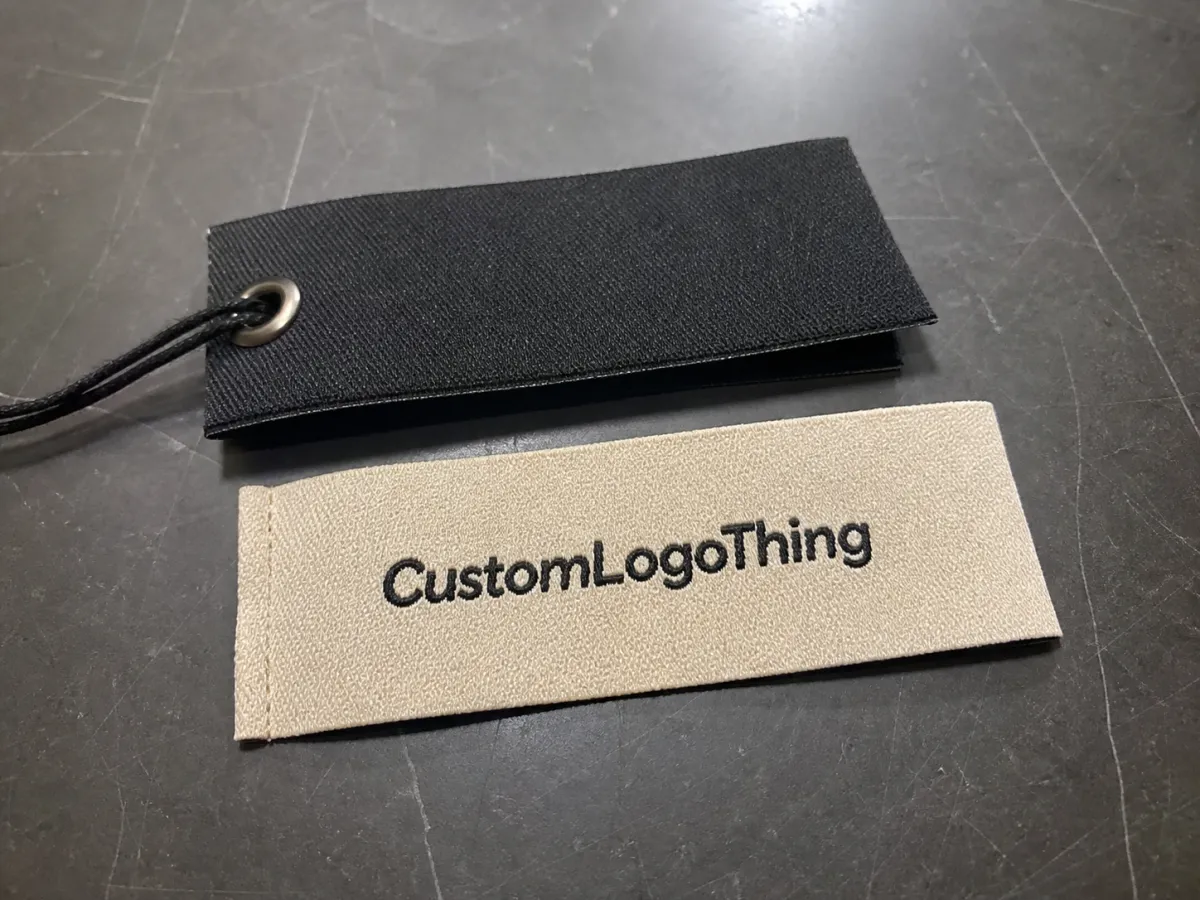
Woven damask labels are the premium option when soft hand-feel and sharp branding matter. They work well for apparel and higher-end merch, and they tend to hold up well in repeated washing. The tradeoff is legibility: tiny text can get crowded, so the artwork should stay clean and restrained.
Printed polyester labels are a practical middle ground. They are durable, cost-effective at many quantities, and better suited to fine copy than woven construction. For supplement brands using pouches, gym accessories, or bundled soft goods, printed polyester often gives the best balance of durability and price.
Satin labels are popular for soft apparel because the surface feels smooth against skin. They work well when comfort matters and the copy area is modest. They become less forgiving if the design is overloaded with small legal text.
Tyvek-style tags are useful when you need a tougher, paper-like option for inserts, hang tags, or short-run handling labels. They resist tearing better than ordinary paper and can hold up through sorting and storage. They are not the first choice for premium sewn-in branding, but they do have a place in kitted goods and fulfillment workflows.
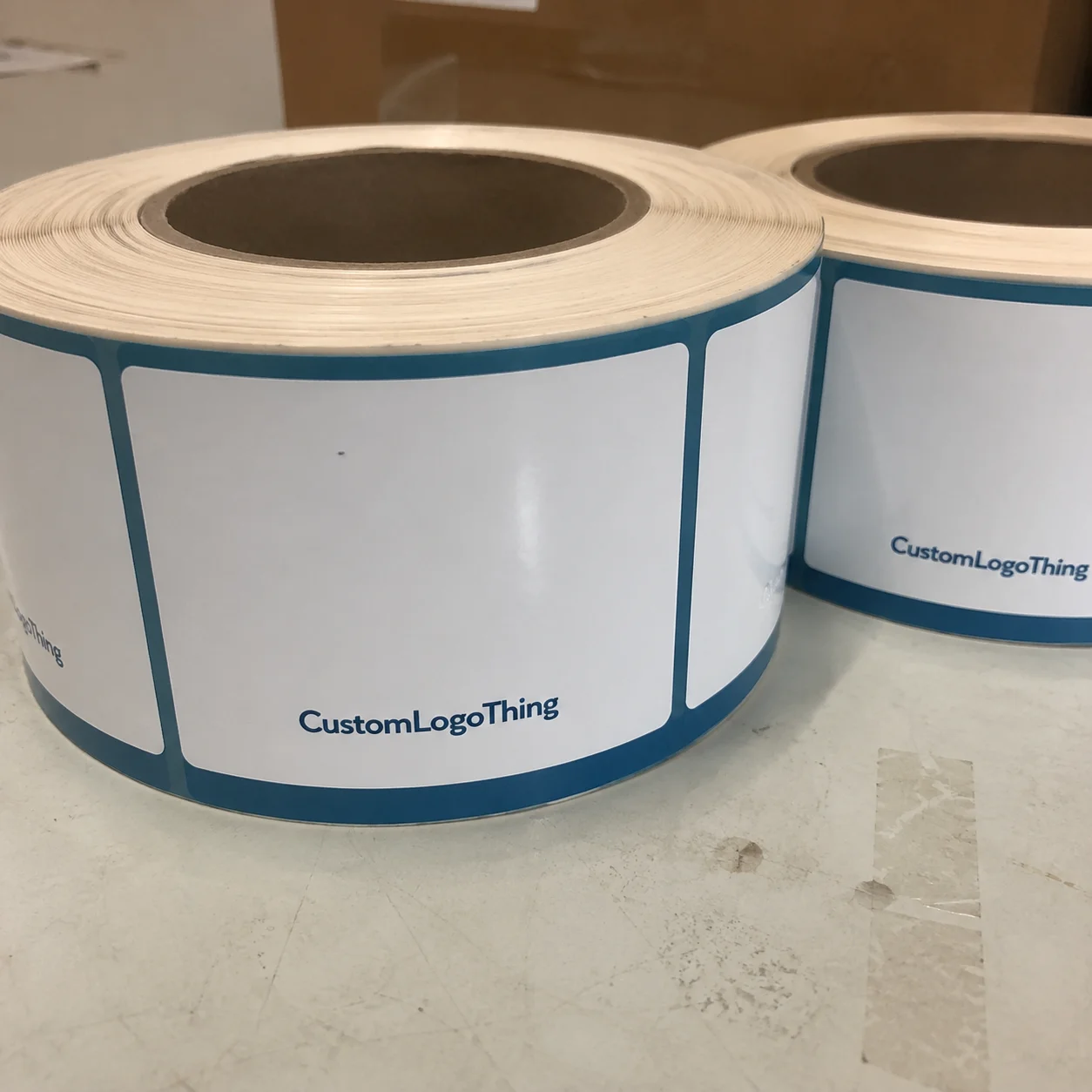
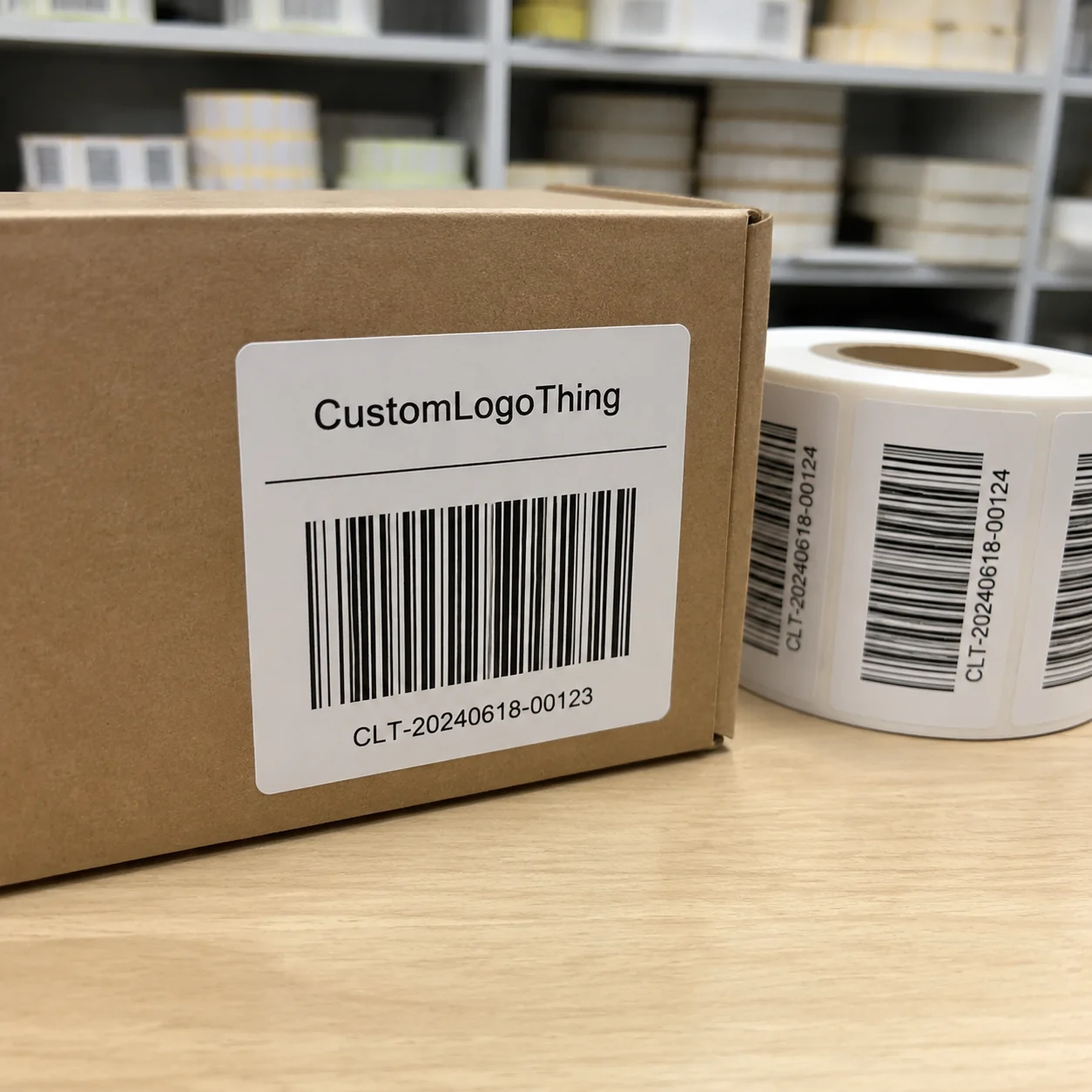
Pressure-sensitive labels work well on cartons, pouches, and inserts where speed matters. They can be die-cut into custom shapes and are often used for barcode or handling applications. If a label is moving through a warehouse line, adhesion and scuff resistance matter as much as print clarity.
Here is a simple comparison of the common options:
| Label type | Best use case | Typical strengths | Typical pricing range |
|---|---|---|---|
| Woven damask | Premium apparel, sewn-in branding | Soft feel, strong brand presentation, durable in wear | $0.18-$0.45 per unit at mid quantities |
| Printed polyester | Apparel, accessories, merch kits | Good detail, abrasion resistance, predictable pricing | $0.10-$0.28 per unit |
| Satin | Comfort-focused sewn-in labels | Soft against skin, clean appearance | $0.12-$0.30 per unit |
| Tyvek-style tag | Inserts, handling labels, kitting | Tear resistance, utilitarian look, good for short-run utility use | $0.08-$0.22 per unit |
| Pressure-sensitive label | Cartons, pouches, fulfillment packs | Fast application, custom shapes, barcode-friendly | $0.06-$0.20 per unit |
Finishing matters as much as the substrate. A folded end label is faster to sew into a seam, while a center fold often suits neck labels and loop placements. Straight-cut labels are simpler and usually more economical, but they can fray if edge control is poor. Die-cut pressure-sensitive labels may look sharper on packaging, though they introduce tooling questions that should appear in your Care Labels Supplier Quote for supplement brands.
One detail that gets missed often: supplement brands frequently want a compact face area that includes a logo, care instructions, origin statements, and handling text without crowding the design. If the text starts fighting the logo for space, the label becomes harder to read and harder to produce cleanly. That is usually the point where a buyer learns that “fit” matters more than “more information.”
Specifications that affect quote accuracy and print quality
The fastest way to get an accurate Care Labels Supplier Quote for supplement brands is to send complete specs in one message. A supplier can still help if the artwork is unfinished, but the quote becomes much more reliable when these details are clear:
- Finished size in millimeters or inches
- Artwork file in AI, PDF, or another clean vector format
- Color count and whether Pantone matching is required
- Print side or whether both sides are used
- Fold style such as center fold, end fold, or straight cut
- Attachment method such as sew-in, heat seal, adhesive, or hang tag application
- Quantity and whether repeat orders are likely
- Delivery destination and required timing
Artwork complexity changes pricing more than many buyers expect. On woven labels, tiny type, thin lines, and dense icons may need a finer weave and tighter setup to stay legible. That affects both cost and quality risk. Printed labels are more forgiving, but even there, low-resolution files can produce fuzzy edges or off-color results.
Color matching is another practical issue. If you are matching a brand guide, Pantone references help, but the result still depends on substrate, ink system, and finishing. Satin and polyester take ink differently. Woven labels build color through thread selection rather than print ink, so the match is close, not identical.
A proper proof stage reduces surprises. It gives you a chance to review text flow, fold direction, logo placement, and copy size before the run starts. On smaller labels, a one-millimeter change can matter more than a paragraph of marketing language. That is not an exaggeration; it is a production reality.
For compliance-related labels, you may also need:
- Fiber content and origin information
- Care icons or written care instructions
- Brand name and size marking where relevant
- Handling notes for packaged goods, inserts, or accessories
If you are unsure whether the copy is too crowded, ask for a proof review before bulk approval. That step costs far less than reprinting 5,000 labels because the font looked acceptable on screen but disappears once sewn.
For standards-minded buyers, it also helps to align packaging and label expectations with familiar industry references such as ISTA for transit testing awareness and EPA guidance where packaging materials and waste handling are part of internal compliance review.
Cost, pricing, and MOQ factors that shape your quote
Price usually comes down to a few consistent drivers: material type, size, number of colors, print technology, fold style, finishing, and whether labels need special packaging or kitting before shipment.
MOQ, or minimum order quantity, is where many buyers first feel the tradeoff between unit cost and flexibility. Smaller runs usually cost more per piece because setup gets spread across fewer units. Larger runs lower the per-unit cost and improve consistency for replenishment, but they also require more storage and better demand planning.
For a care labels supplier quote for supplement brands, the economics usually look like this in practice:
- Printed labels often support lower MOQs than woven labels.
- Simple straight-cut or adhesive formats usually price better than multi-fold sewn labels.
- More colors increase cost, especially on woven constructions.
- Special finishing like die cutting, folding, or packaging adds labor.
- Custom kitting raises cost because it adds handling steps.
Setup charges may apply when tooling, artwork preparation, or special cuts are required. That is normal. The important part is whether the quote clearly separates one-time charges from recurring unit pricing. Once a spec is locked in, repeat orders are usually easier to price and easier to produce because the supplier can reuse the approved build.
Sample costs depend on how the sample is made. A digital proof is often included. A physical sample may carry a fee, especially for woven labels or custom adhesive shapes. In return, that sample can prevent a much larger mistake later, which is why experienced buyers usually treat it as part of the control plan rather than an extra nuisance charge.
If you want the quickest path to a usable quote, send one message with artwork, dimensions, quantity range, label type, and required wording. A supplier can usually return a better estimate than a vague request for “a label quote.” The difference is usually one round of clarification, not three.
If you want a broader view of product styles, our Custom Labels & Tags page is a useful starting point. For examples of how brands structure repeat orders and packaging consistency, our Case Studies page can help you think through the production side before you request pricing.
Process and turnaround from artwork review to final delivery
The workflow is fairly predictable, which helps with planning. A solid care labels supplier quote for supplement brands should lead into inquiry review, spec confirmation, digital proof, sample approval if needed, bulk production, finishing, inspection, and shipment.
Clean artwork and clear measurements can shorten the schedule immediately. If the supplier does not have to chase font sizes, missing copy, or unresolved fold direction, the job can move faster. That matters most when the label is tied to a launch date, a retail reset, or a fulfillment window with little room for delay.
Common delay points are usually mundane rather than dramatic:
- Artwork files are not print-ready
- Fold style is not confirmed
- Color expectations are described loosely instead of by reference
- Copy changes arrive after proof approval
- Application method changes halfway through quoting
Lead time depends on construction. Simple printed labels can often move faster than woven labels, and adhesive labels are usually quicker than multi-step sewn or folded options. For many projects, a realistic range is 12 to 15 business days from proof approval for straightforward printed work, while woven or custom-finished jobs may run longer, especially if samples are required first. Exact timing still depends on quantity and current production load.
Inspection should be part of the plan, not an afterthought. Look for print clarity, cut consistency, fray control, and color alignment before shipment leaves the supplier. If the order is intended for fulfillment or retail, ask whether the labels are packed in counts that match your internal workflow. That small detail can save time on the receiving dock.
Suppliers who understand packaging materials and label application tend to be more helpful here because they can talk through how the label will behave during sewing, heat application, folding, or carton handling. Practical advice usually matters more than a polished promise.
What to compare when choosing a supplier for branded care labels
Not all suppliers quote the same way, and the lowest number on the page is not always the best value. Compare suppliers on material consistency, proof clarity, ability to advise on the right construction, and whether they can support both small and repeat orders without changing the spec every time.
A supplier with real production knowledge should be able to tell you whether the copy is too dense for a woven label, whether an adhesive face stock will survive warehouse handling, or whether a folded sewn label needs a different layout to avoid text loss in the seam. That is the kind of input that saves money later.
Response speed matters too, but only if it comes with good file guidance. A quick quote that ignores fold style or artwork limitations can create more work than a slower, more complete estimate. For a buyer, clear communication beats vague enthusiasm every time.
If you want a practical benchmark, ask these questions:
- Can the supplier confirm the spec before quoting?
- Will they provide a proof for review?
- Do they explain material differences in plain terms?
- Can they support repeat orders with the same build?
- Will they flag print or fold issues before production starts?
That approach aligns with how serious buyers evaluate packaging partners. Predictable quality, transparent pricing, and a spec-driven quote matter more than generic promises. If a supplier can discuss label performance with the same care they discuss cost, that is usually a good sign.
For brands that care about sourcing standards, it may also be worth understanding whether material choices align with certification expectations such as FSC where paper-based components are involved. Not every label uses paper, but where paper or board enters the pack, certification can be part of the decision tree.
Next steps to request a quote and move into production
If you are ready to move, prepare a clear quote request with the label type, size, quantity estimate, artwork file, required copy, preferred finish, and delivery deadline. That gives the supplier enough information to return a real number instead of a placeholder.
When the order includes a new material or a tighter compliance layout, ask for a spec-confirmed quote, a proof, and sample options before bulk production. Those steps matter more than they seem at first glance, especially if the label needs to fit inside a crowded package or survive recurring handling in a fulfillment environment.
Confirm the application method before you approve anything. A label sewn into apparel needs different construction guidance than one used on accessory packaging or inserted into supplement-brand kits. If the attachment method is wrong, the order can still be correct on paper and wrong in practice.
The simplest path is usually the best one: submit your specs, review the itemized quote, approve the proof, and schedule production based on the delivery window. If you want help turning rough requirements into a clean quote request, Contact Us and send the details in one message. A good care labels supplier quote for supplement brands should feel specific, readable, and ready to move.
What should I include in a care labels supplier quote for supplement brands?
Include size, material, fold style, quantity, artwork, and application method. Add any compliance text, care icons, or fiber content if the label will be sewn into apparel or accessories. Provide a delivery deadline so the supplier can confirm turnaround realistically.
What is the usual MOQ for custom care labels for supplement brands?
MOQ depends on construction, with printed labels often available at lower quantities than woven labels. Smaller runs usually cost more per unit, while larger runs improve pricing efficiency. A supplier should quote based on the exact spec instead of giving a one-size-fits-all minimum.
Which label material is best for supplement-brand merchandise and bundles?
Printed polyester is a versatile choice for durability and clarity. Woven labels work well for premium branding and a softer sewn-in finish. Adhesive labels can be useful for packaging, inserts, or short-run application needs.
How long does it take to produce custom care labels after approval?
Lead time depends on quantity, print method, fold style, and whether samples are required. Clean artwork and confirmed specs usually shorten the timeline. Complex woven or multi-finish orders generally take longer than simple printed options.
Can I get a quote if my artwork is not final yet?
Yes, a preliminary quote can be based on size, quantity, and intended material. Final pricing is more accurate once the artwork, copy, and finishing details are confirmed. A supplier may still need the final proof approved before production begins.