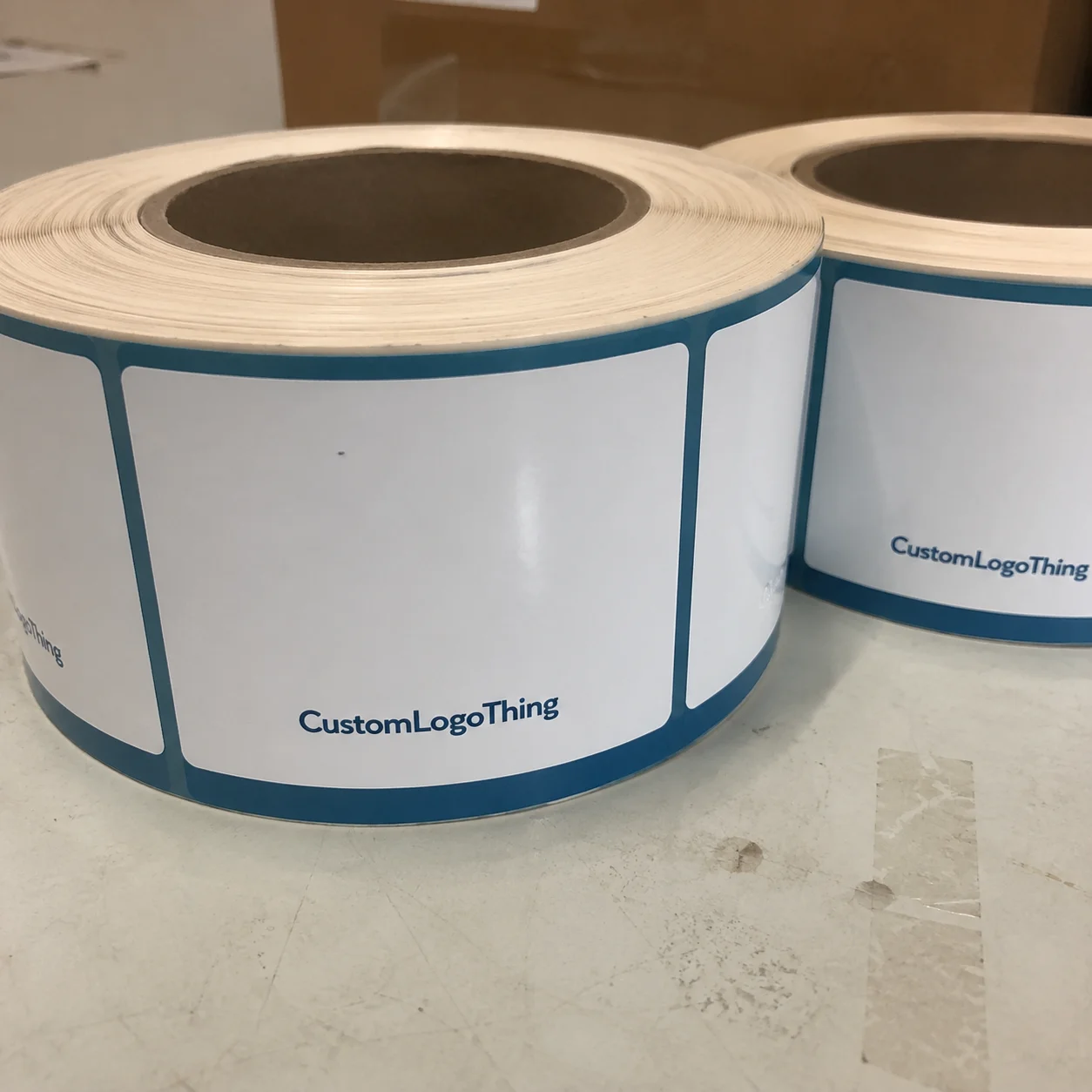
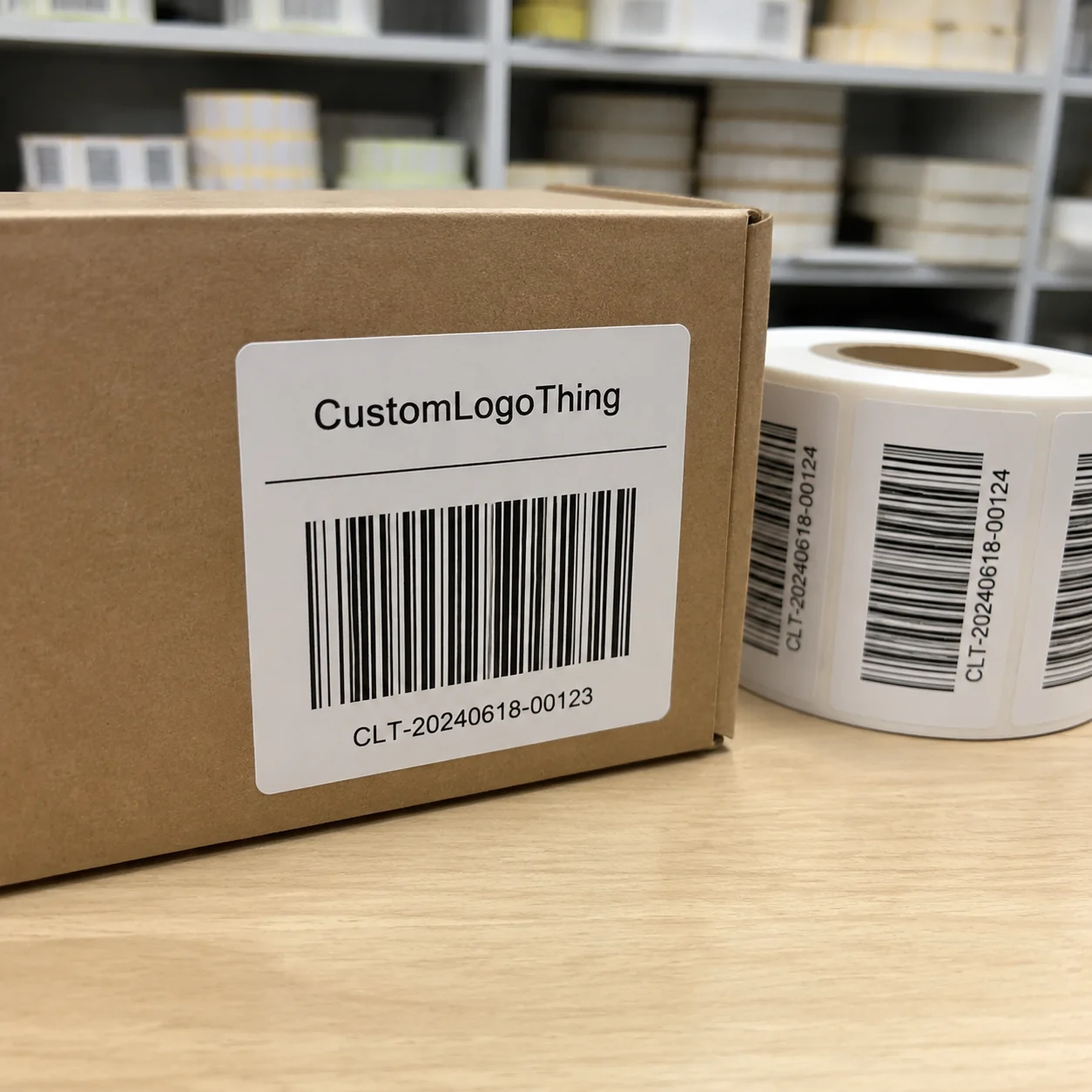
If you need a Care Labels Supplier Quote for wine shops, the number on the quote sheet is only half the story. The other half is whether the labels survive chilled bottles, wet hands, shelf rub, and the everyday rough handling that happens in a busy retail environment. A label that peels, blurs, or scuffs after a short display period is not a bargain. It is waste with a design attached.
Wine shops rarely use labels in just one place. They appear on bottles, gift boxes, reusable bags, sleeve wraps, tasting kits, and bundled sets. Each of those surfaces behaves differently. Glass is slick, kraft board is porous, fabric shifts, and coated cartons can be fussy about adhesive. A useful quote has to reflect those differences from the start.
That is where many buyers get tripped up. They ask for “labels for wine shop packaging” and receive a price that only works for a dry, flat sample. Real packaging is less polite. Condensation forms. Customers grip the bottle with cold fingers. Staff re-stack, re-wrap, and re-price items. Good label specs are built around that reality, not a mockup on a screen.
Why wine shops need care labels that survive handling

Wine packaging gets handled more than most retail packaging. Bottles are chilled, moved between storage and display, tucked into gift bags, wrapped for transport, and often passed through several hands before they leave the shop. If the label stock is wrong, the first symptoms are usually small: a lifted corner, a smear from condensation, or a dull patch where the finish has rubbed off.
Those small failures matter. They make premium stock look discounted. They also create extra labor because staff end up re-labeling products, checking old stock, or explaining why a wrapped bottle does not look the way it should. The label itself may cost only a few cents more or less, but a bad spec can cost far more in rework.
Care labels on wine shop packaging do more than give instructions. They help the store present a clean, consistent brand. That matters for high-value bottles, gift packaging, glassware add-ons, branded totes, and seasonal bundles. A label that stays readable and neat reinforces the sale. A label that curls or marks the surface does the opposite.
There is a common misconception that the cheapest label is the safest budget choice. On paper, yes. In production, not always. Thin paper, weak adhesive, and poor finish choices often cause more waste than a better-built label would have. A serious Care Labels Supplier Quote for wine shops should factor in handling conditions, not just artwork size.
Common wine shop applications include:
- Wine gift boxes with handling or storage instructions
- Branded kraft bags and bottle carriers
- Reusable fabric totes or sleeve wraps
- Accessory packaging for corkscrews, aerators, and glassware
- Gift sets that need ingredient notes, storage notes, or care guidance
If the packaging is chilled, touched often, or wrapped for gifting, specify the label for the worst realistic condition. That is the difference between a quote that looks tidy on paper and one that works in the shop.
Practical rule: if the label is going onto a cold, curved, or textured surface, test for that condition first. Sample-sheet success means very little if the bottle comes out of refrigeration an hour later.
Label formats and materials that fit wine shop packaging
Wine shop labels usually fall into a few practical constructions. Paper is the lowest-cost option and works well for dry packaging, inserts, and temporary labels. Coated paper gives a cleaner print edge and a more polished finish. Polypropylene and vinyl are the tougher options when moisture, rub resistance, or longer display life matters. Removable adhesive can be useful for temporary messaging, but only if it releases cleanly on the actual surface.
For glass bottles, the label must handle a curved surface and, often, a little condensation. For kraft gift bags, matte or lightly coated paper usually looks more natural than high-gloss stock. For folded inserts and tissue wraps, flexibility matters because the material may crack or wrinkle if it is too stiff. For hang tags and sleeve wraps, the substrate needs enough body to stay presentable without making the packaging hard to use.
Matte versus gloss is not just a style preference. Matte tends to read more quietly and can look more premium on understated wine packaging. It also reduces glare under retail lighting, which helps with small text. Gloss generally gives better rub resistance and a brighter finish. If the label will be touched frequently, gloss or a protected matte finish is safer. If readability and a softer presentation are more important, matte is often the better choice.
Adhesive selection deserves more attention than it usually gets. Cold storage, humidity, and surface texture all affect how the label behaves. A label that sticks beautifully on a dry sample card may fail on a chilled bottle with condensation. That is why a useful Care Labels Supplier Quote for wine shops should ask where the label will be applied, what the surface is made of, and whether the item is stored in a refrigerator, cooler, or dry retail area.
Print method changes both cost and performance. Digital printing is efficient for short runs and quick setup. Flexographic and offset printing become more economical as quantity rises and may provide sharper pricing at volume. Variable data printing is useful if you need batch codes, item-specific instructions, or multiple care notes without rebuilding the entire design.
If sustainability is part of the purchase decision, check the actual substrate and certification claims rather than trusting a general “eco” statement. Standards from FSC can help with paper and fiber sourcing, while recycling guidance from EPA recycling resources is useful for understanding disposal language and end-of-life assumptions. Not every label needs a sustainability claim, and not every claim is worth printing.
| Material | Best use | Typical strengths | Tradeoff |
|---|---|---|---|
| Paper | Dry indoor packaging, inserts, low-cost bags | Low cost, easy print quality | Less moisture resistance |
| Coated paper | Gift boxes, branded labels, retail packaging | Crisper print, cleaner finish | Can still scuff under heavy handling |
| Polypropylene | Chilled bottles, high-handling packaging | Moisture resistance, better rub performance | Higher cost than paper |
| Vinyl | Durable sleeves, long-use packaging | Tough, flexible, strong durability | Usually the priciest option |
Specifications buyers should lock in before requesting a quote
Quotes become messy fast when the buyer sends a loose mockup and expects the supplier to fill in the gaps. That rarely ends well. If you want an accurate care labels supplier quote for wine shops, the first step is to lock in the spec before you ask for pricing.
The main cost drivers are straightforward: size, shape, material, adhesive strength, finish, print colors, and whether the labels are supplied on rolls or sheets. Those factors affect cost more than most buyers expect. A 50 x 50 mm paper label on sheets is a very different job from a die-cut synthetic label on rolls with a matte varnish and stronger adhesive.
Application details are just as important. Is the label going onto a flat carton or a curved bottle? Is it hand-applied by staff or fed through a dispenser? Will it sit in a dry stockroom, a humid prep area, or a refrigerator? Those details can change the adhesive choice and sometimes the material itself.
Artwork readiness matters too. Vector logos are easier to work with than low-resolution images. Small legal text is risky unless it is essential. Barcodes should be checked for legibility before production. If a label needs care instructions, storage guidance, or warning text, the wording should be final before the proof stage. Reprints are expensive when the only problem is copy that wrapped badly or became unreadable at the chosen size.
For more technical jobs, ask what testing the supplier can support. Useful checks include rub resistance, moisture exposure, and peel performance after short-term cooling. Those are not the same as full transit testing, but they are the right kind of practical screening for wine shop packaging. ISTA provides a broader framework for package testing and shipping performance at ISTA, and the same mindset applies here: test before you commit volume.
Proofing should also be clarified early. A digital proof is normal. One or two revision rounds are common when the file is ready. If the supplier has to build a die-line or adjust technical artwork, more back-and-forth may be needed. That is routine production work, not a delay by default.
A clean spec list should include:
- Exact label size and shape
- Material choice and finish
- Adhesive type
- Print colors and any white ink needs
- Quantity
- Roll or sheet format
- Application surface and storage conditions
- Artwork file type and compliance text, if any
Cost, pricing, MOQ, and quote factors that move unit cost
Label pricing usually moves in predictable directions. Paper costs less than synthetic stock. High ink coverage costs more than a one-color job. Foil, spot varnish, and soft-touch finishes increase unit cost. Die-cut shapes add tooling complexity. A cold-resistant adhesive can push the quote up again. None of this is unusual; it is the normal cost of making the label do what the buyer expects it to do.
MOQ matters because setup time has to be paid somewhere. Most custom label suppliers set a minimum quantity so press setup, cutting, and proofing remain economical. Small runs are possible, but the unit price rises quickly. That is acceptable for a seasonal bundle or a new line that is still being tested. For repeat packaging, larger quantities usually reduce cost enough to justify holding more stock.
There is a practical buying pattern worth following. Short runs are good when the bottle size, care copy, or packaging format is still changing. Larger runs make sense once the design is stable and reorders are predictable. The mistake is ordering a huge volume before checking how the label performs in actual retail use. That is how buyers end up with a warehouse full of perfectly printed labels that do not suit the final packaging.
Setup fees or plate charges may appear on the quote. That is normal for flexographic printing, custom cutting, and some specialty finishes. A transparent supplier should show those costs clearly instead of burying them in an ambiguous unit price. A strong care labels supplier quote for wine shops separates setup cost from per-label cost so comparisons are honest.
Comparing quotes without checking format leads to false savings. One supplier may quote sheets, another rolls. One may include a stronger adhesive, another a standard one. One may price a coated paper stock, another a synthetic substrate. Those are not equivalent jobs, even if the total line looks similar.
Typical pricing expectations usually fall into these rough bands:
- Simple paper labels: lower cost, suitable for dry packaging and short-term use
- Coated or matte-finished labels: mid-range pricing, better retail appearance
- Synthetic labels: higher cost, better moisture and rub resistance
- Specialty finishes: highest cost, used when presentation or durability is critical
For buyers working to a budget, the best approach is to request two or three comparable options: a standard paper build, a more durable synthetic build, and a premium presentation version. That makes the tradeoffs visible. It is much easier to decide between three real specifications than to argue over a single number that hides the material choices.
Process, timeline, and production steps from artwork to delivery
The usual workflow is simple: inquiry, spec confirmation, artwork check, digital proof, approval, production, quality inspection, packing, and shipping. It sounds basic because it should be basic. Manufacturing is usually better when the process is boring.
Lead time depends on quantity, finish, and file readiness. Simple jobs with final artwork and standard materials can move quickly. If the quote involves custom die cutting, specialty coating, or an adhesive designed for colder conditions, production takes longer. That is not a problem. It is a consequence of specifying something more demanding.
Rush work can be done on simpler orders, but only when the file is complete and the requirements are clear. Missing dielines, low-resolution logos, late copy changes, or a label size that keeps shifting all slow the process down. Suppliers are not usually stalling; they are trying not to print the wrong thing.
Good communication should be visible throughout the job. At a minimum, the supplier should confirm receipt, send the proof, confirm approval, provide a production update, and issue dispatch details with tracking. If you only hear from them at the beginning and the end, that is not efficient process control. It is just a lack of process.
For wine shop packaging, a practical timeline often looks like this:
- Proofing: 1-3 business days once files are usable
- Production: often 5-12 business days for simpler runs, longer for specialty work
- Shipping: depends on destination and service level
Buyers who prepare properly usually move faster. Final artwork, a correct dieline, and a confirmed quantity save more time than any rush request. If the supplier is waiting on information, the schedule slows no matter how urgent the order feels. If you want help checking the setup before you place it, you can Contact Us for guidance.
How to compare suppliers before you place the order
Price matters, but it should not be the only filter. If you want a reliable care labels supplier quote for wine shops, compare the supplier’s questions, sample quality, proof control, and repeat-order consistency. That tells you far more than the headline price.
Start with the samples. Ask for examples that match the finish and material you actually need. Check how the adhesive behaves on the target surface. Look at the print under normal retail light. Touch the material. Does it feel controlled and stable, or flimsy and cheap? Does the label lie flat, or do the edges start to lift? These are the details that shape the final customer experience.
Then look at the questions the supplier asks. A serious vendor will want to know about storage, application method, substrate, and whether the label is for a bottle, bag, box, or insert. If they send back a quote in minutes without asking anything useful, that is not efficiency. It is usually a sign that the quote is broad rather than precise.
Revision rules matter as well. Good suppliers state how many proof rounds are included and what counts as a material change. That prevents endless back-and-forth and keeps small orders from turning into administrative drag. For buyers, that clarity is worth a lot because it lowers the odds of a hidden delay.
Repeat-order consistency is especially important for wine shops. Labels often sit inside a broader packaging system, so color drift or a quiet change in material can make older stock and new stock look mismatched. A supplier who can repeat the same spec without improvising is usually worth more than a slightly cheaper quote that changes with every reorder.
Responsiveness matters too. Slow replies often predict slow problem-solving later. Organized proofs, clear documentation, and direct answers are signs that the supplier understands production, not just sales. That does not guarantee a perfect run, but it reduces the avoidable mistakes that cost time and money.
Buyer rule of thumb: if two quotes are close, choose the supplier who asked better questions and showed tighter proof control. That often saves more than shaving a few cents off the unit price.
If you are comparing label options across bottles, gift items, and carry bags, it can help to review related product formats at Custom Labels & Tags. Side-by-side comparison is usually faster than sorting through separate quote emails.
Next steps for getting a cleaner quote and faster production
The cleanest quotes come from clean briefs. Include label size, quantity, material preference, finish, artwork file, target surface, and delivery date. Say whether the labels are for chilled bottles, gift bags, sleeves, or inserts. That one detail can change adhesive selection and cut out unnecessary revisions.
If you can, request two or three options. A standard paper version. A durable synthetic version. A premium presentation version. That gives you a real comparison instead of a single line that may look attractive but fails on the actual packaging. Buyers make better decisions when the structure of the quote is visible.
If the labels will face condensation, heavy handling, or longer retail display, ask for a sample or test proof before approving the full run. The test does not need to be elaborate. It only needs to show whether the adhesive stays put and whether the print survives normal use. That is enough to catch the obvious failures before they become expensive.
A practical ordering sequence looks like this:
- Send a complete spec sheet
- Confirm MOQ and format
- Review the proof carefully
- Approve production only after copy and size are final
- Plan reorders before stock gets tight
If the goal is consistent label quality across bottles, gift packs, and carry items, ask for a care labels supplier quote for wine shops with full specs attached. That is the fastest route to a quote that is actually useful.
FAQ
What should I include in a care labels supplier quote for wine shops?
Include size, shape, material, finish, adhesive type, quantity, print colors, and whether the labels are for bottles, gift bags, or inserts. Add application details like chilled storage, curved surfaces, and whether the labels will be applied by hand or machine.
What MOQ is typical for wine shop care labels?
MOQ depends on print method and material, but custom labels usually have a minimum quantity that makes setup economical. Smaller runs are possible, though the per-unit cost is usually higher than for larger repeat orders.
Which label material is best for wine shop packaging?
Paper works well for dry, indoor packaging and lower budgets. Synthetic materials like polypropylene are better when the label needs moisture resistance, rub resistance, or a longer retail life.
How long does production usually take after approval?
Simple jobs can move quickly once the proof is approved and artwork is final. Lead time increases with complex finishes, larger quantities, or revisions that need to be resolved before production starts.
Can I get a sample before placing a full order?
Yes, and for wine shop packaging it is smart to request a sample or proof if the label will face condensation, handling, or premium presentation standards. A sample helps confirm adhesive performance, print clarity, and size fit before you commit to a larger run.