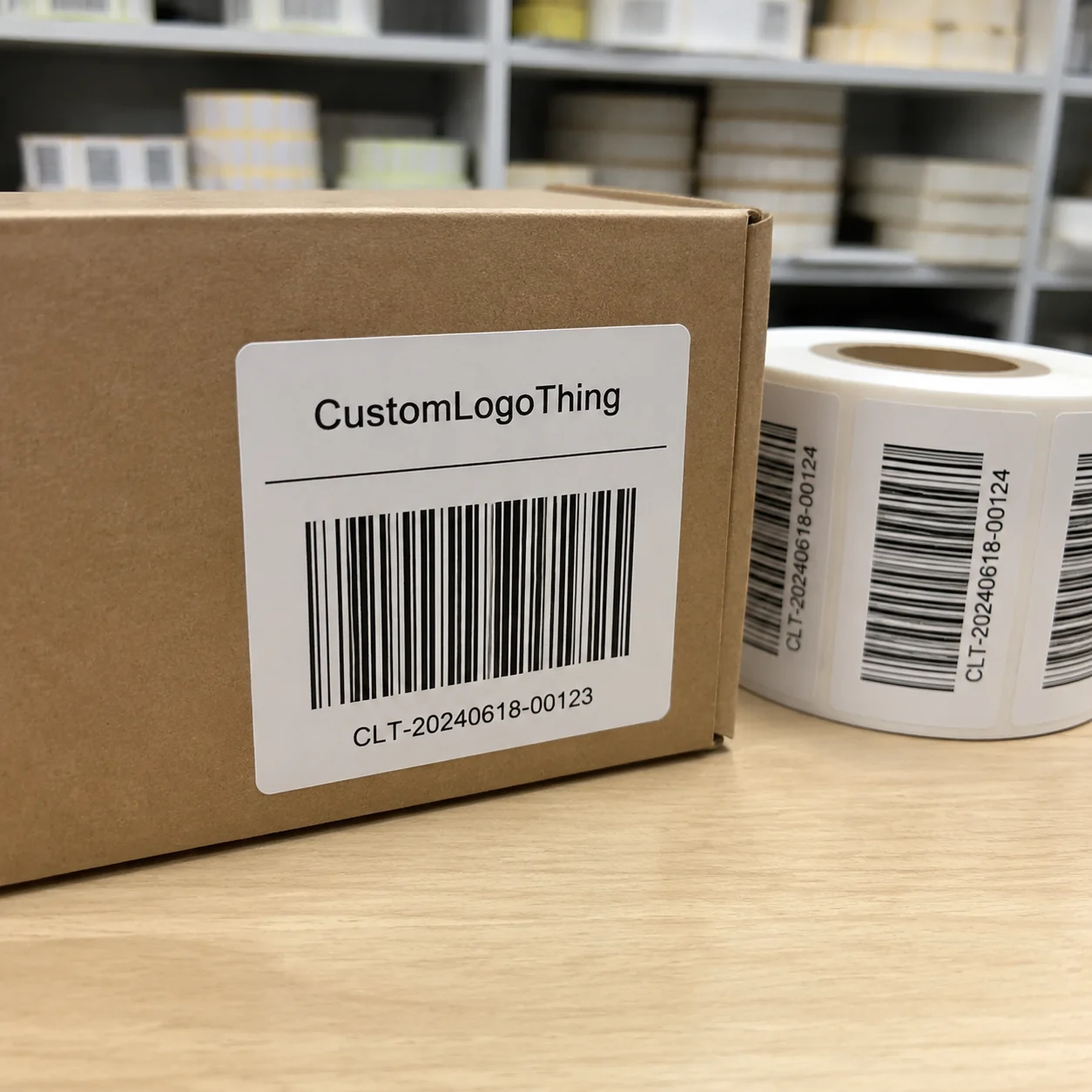
If you need a Care Labels Supplier Quote for home fragrance brands, price is only one line in the equation. A candle label that looks fine on a mockup can start lifting after a warm warehouse week. A diffuser label can smear when oils meet the wrong ink. A room spray bottle can arrive looking clean, then lose legibility after handling, shipping vibration, and a few fingerprints from the sales team.
That is why care labels in this category do more than decorate packaging. They carry warning text, burn or use instructions, batch or SKU data, and enough practical information to reduce complaints. A quote that ignores those realities is not a useful quote. It is a number with missing context.
Home fragrance buyers run into the same problems again and again: labels that curl at the corners, adhesive that behaves well on paper but not on glass, copy that is too small to read once the container is filled, and finishes that look premium until they meet moisture or oil. None of that is dramatic. It is the ordinary breakdown that eats margin.
Why home fragrance labels fail when the packaging looks perfect
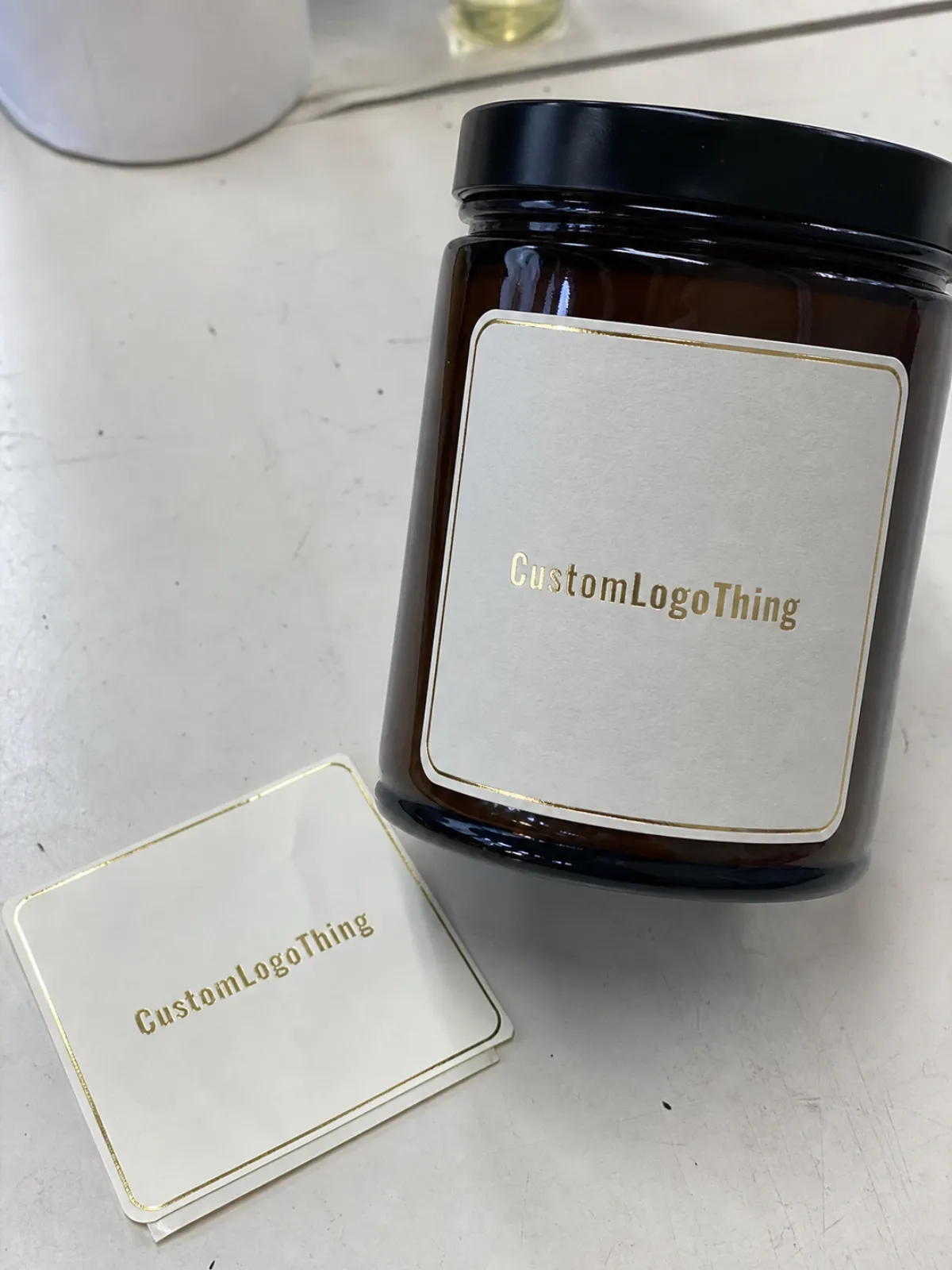
A polished jar, bottle, or carton can hide a weak label spec for only so long. Glass is especially unforgiving. A jar may arrive with a pristine surface, but if there is even a trace of residue from handling or filling, the adhesive can fail at the edge first. That small lift becomes a larger one after heat or transit.
Candles, diffusers, and room sprays all put different stress on labels. Candle jars can see heat during use and stored warmth during transport. Diffuser bottles may be touched more often because customers rotate reeds, reposition the bottle, or wipe away drips. Spray bottles are handled repeatedly, which makes abrasion and moisture resistance more important than most brand teams expect.
The biggest planning mistake is treating these labels like garment care labels. The format may be similar, but the environment is not. Home fragrance packaging deals with heat, oils, moisture, friction, and storage swings. If your quote is based on generic label assumptions, the finished product will show it.
From a packaging buyer’s perspective, the label has to do three jobs at the same time:
- Inform the customer with clear use and safety guidance.
- Survive the product’s storage and handling conditions.
- Fit the package without crowding the brand design.
If one of those pieces is missing, the label becomes either unsafe, unreadable, or awkward. That is usually when brands end up paying for a second run.
The same container that looks flawless on a render can expose every weakness in the label build once it moves through filling, packing, shipping, and shelf display.
When you ask for a care Labels Supplier Quote for home fragrance brands, compare more than unit price. A proper quote should identify the stock, adhesive, print method, finish, size, and application method. If a supplier only gives you a low number with no production detail, you do not yet have a real comparison.
Label formats that work for candles, diffusers, and sprays
Different product types call for different constructions. That sounds obvious, yet many brands still try to make one label format cover every SKU in a range. The result is usually too much copy on too little space, or a premium-looking format that fails in use.
The main formats that make practical sense are:
- Adhesive labels for glass jars, bottles, cartons, and secondary packaging.
- Fold-over care labels for compact packaging that needs more text than a flat label can hold.
- Sewn-in soft labels for fabric sleeves, gift sets, or textile packaging elements.
- Hang tags when care or warning copy should stay separate from the main front panel.
- Printed satin or polyester labels where a softer appearance still has to hold up to handling.
Candle packaging usually benefits from adhesive labels because the surface is hard, visible, and easy to print on. A synthetic face stock is often safer than basic paper if the jar will be handled a lot or stored near oils. For diffusers, a film label or another moisture-resistant material can prevent edge lift and ink distortion. Room sprays need legibility first; a clever layout does no good if the customer cannot read the warnings.
Space is always tighter than buyers expect. A 25 mm by 50 mm label can hold a short instruction or caution line. It cannot hold a brand story, several warning statements, multiple languages, and a large logo without compromise. Tiny text that looks acceptable on screen often becomes borderline once printed at production size.
Typography deserves more attention than it gets. In small-format care labels, 6–8 pt type is usually the workable range for short copy, but only if the font stays clean and the contrast is strong. Fine serif fonts, busy backgrounds, and metallic inks can all reduce clarity. In this category, readability is usually more valuable than decorative effects.
| Format | Best use | Typical strengths | Watch-outs |
|---|---|---|---|
| Adhesive paper label | Cartons, dry outer packaging | Low cost, easy print, quick turn | Less durable near oils or moisture |
| Synthetic film label | Jars, bottles, diffuser packaging | Better resistance to smearing and handling | Higher unit cost than paper |
| Printed satin/polyester label | Soft packaging, sewn-in applications | Clean finish, flexible, brand-friendly | Not ideal for heavy liquid exposure |
| Fold-over care label | Small packs with longer instructions | More copy space, organized layout | Needs careful trimming and folding control |
One practical buyer habit saves a lot of waste: separate your label needs by function. Primary packaging, secondary packaging, and any insert or instruction component should be quoted separately. Otherwise you end up paying for durable stock where it is not needed, or using a decorative label where compliance text really belongs.
Material, print, and compliance specs to request in your quote
A useful quote begins with technical detail. If a supplier does not ask for it, that usually means the quote will be too generic to trust. You should be ready to specify the substrate, adhesive type, print method, finish, cut style, and attachment method. Those choices determine whether the label survives use or just looks right in a proof.
Material selection should follow the exposure profile of the packaging:
- Paper stock for dry cartons and short-run promotional labels.
- Polyester for labels that need better durability and sharper print retention.
- Tyvek where tear resistance matters more than a soft look.
- Synthetic film for jars, diffusers, and surfaces that may see oils or moisture.
- Soft satin for sewn-in or premium gift packaging where touch matters.
Adhesive choice matters almost as much as the face stock. Some adhesives perform well on standard paper or cardboard but struggle on curved glass, coated cartons, or surfaces exposed to residue. For fragrance products, a stronger permanent adhesive is often the safer option, though removability may matter for promotions or test packaging. The best adhesive is the one matched to the container and the way the product will be handled after filling.
Print method also changes the result. Digital print is generally the best fit for short runs, rapid proofing, or variable information. Flexographic print makes more sense at higher quantities because setup costs spread over more pieces. Screen printing can be useful when bold graphics and durability matter more than fine detail. None of these methods is universally best. The right choice depends on order volume, artwork complexity, and durability requirements.
Compliance copy needs real planning. A home fragrance care label may need warnings, basic usage directions, batch or SKU identification, country-of-origin details, retailer-specific wording, or space for regulatory language. The exact requirements vary by market and sales channel, so your brief should spell out what must fit on the label rather than assuming the supplier will fill the gaps. Retrofitting legal text after artwork approval is one of the fastest ways to raise cost.
Sustainability claims also deserve documentation, not vague language. If the stock is FSC-certified or contains recycled content, ask for evidence early. The Forest Stewardship Council explains certification standards at fsc.org. For packaging waste and material reduction guidance, the U.S. EPA maintains practical resources at epa.gov. If those claims matter to your retail pitch, they should be supported before the first run is approved.
Proofing should never be skipped. Ask for a dieline, an artwork mockup, and a final copy check before production begins. For labels with small text, request a proof at actual size or a hard proof if the order size justifies it. A label that looks acceptable on a laptop can become unreadable when printed at true dimensions.
Cost, pricing, MOQ, and what changes the unit cost
Most label pricing is straightforward once the variables are visible. The main drivers are size, material, print colors, finish, attachment method, packaging format, and volume. A change in one of those areas can move the price more than a buyer expects, especially if the label needs a specialty adhesive or a custom shape.
Small orders almost always cost more per unit. Setup, proofing, and press preparation have to be covered somehow, and they get spread across fewer pieces in low-volume runs. Larger orders lower the per-unit cost, but they also increase the risk of holding inventory if a scent line changes or a design gets revised. Home fragrance brands tend to refresh collections often, so over-ordering can be more expensive than the quote suggests.
Typical pricing ranges for custom labels often fall somewhere around these figures:
- Simple adhesive paper labels: about $0.04-$0.12 per unit at higher volumes.
- Synthetic or specialty adhesive labels: about $0.08-$0.25 per unit, depending on finish and size.
- Printed fold-over care labels: about $0.10-$0.30 per unit for smaller to mid-size runs.
- Premium satin or woven-style care labels: often $0.15-$0.40 per unit when print quality and finishing matter.
Those figures are broad ranges, not promises. Quantity, artwork complexity, material availability, and current freight conditions all move the number. Still, a practical range is more useful than a vague “contact us” reply with no substance behind it.
MOQ can be the hidden constraint. Standard adhesive labels may start at relatively low minimums, while specialty finishes, custom shapes, or premium materials often need a higher threshold. For launches with uncertain demand, ask for tiered MOQ options or a staged production plan. That lets you test the market without tying up too much cash in labels.
Before approving any quote, confirm whether these items are included:
- Artwork setup or plate charges
- Digital sample or physical sample
- Material and finishing
- Packaging into rolls, sheets, or cut pieces
- Shipping and any customs-related costs
People often compare only the unit price, then discover the supplier added fees for setup, proofing, or packing format. That is how a low quote becomes a high invoice.
Process and timeline from artwork to delivery
A reliable supplier should move through a clear sequence: inquiry, spec confirmation, quote, artwork review, proofing, production, quality control, and shipping. If a vendor jumps straight to price without asking about the container, exposure conditions, or print content, the process is too thin to trust.
Lead time depends on the build. Straightforward adhesive labels can move from proof approval to dispatch in about 8-12 business days. Custom constructions, specialty materials, or compliance-heavy labels often take closer to 12-20 business days. Transit time is separate and should always be stated separately so the delivery date is not misleading.
These are the main causes of delay:
- Unclear label dimensions
- Late wording changes
- Low-resolution artwork
- Missing barcode or SKU details
- Back-and-forth on proof approval
And these are the things that speed production up:
- Final dimensions in millimeters
- Print-ready files in AI, PDF, or vector format
- Exact copy text for warnings and usage instructions
- Color references if brand matching matters
- A target delivery date stated up front
For packaging that will travel through distribution, it is reasonable to ask whether the supplier tests adhesion and durability under recognized handling conditions. Packaging buyers often reference organizations such as ISTA for distribution and transport scenarios, especially where vibration, stacking pressure, or rough transit may affect the label. Not every label order needs formal lab testing, but the risk should be assessed before production starts.
How we compare as a care label partner for fragrance packaging
The best label partner in this category understands that home fragrance packaging is not a simple paper-print job. The label has to match the container, hold up in use, and still look intentional on shelf. That combination sounds basic, but many suppliers get one of the three wrong.
Practical quality control starts with the obvious checks: legibility at actual size, color consistency across reorders, and adhesion on the intended surface. For packaging that may be touched often or exposed to residue, a tougher face stock and a better adhesive usually make more sense than a decorative stock that looks good only in a sample book.
Reorderability matters more than many buyers expect. Fragrance brands change seasonal collections, update scent names, and adjust packaging faster than they plan for. Keeping the original artwork, dieline, proof, and spec sheet organized makes later runs easier and reduces the risk of small but costly variation between batches.
Useful quality checks usually include the following:
- Legibility at actual print size
- Color consistency across reorders
- Adhesive performance on the intended container
- Finish durability against handling and shelf wear
Buyers comparing suppliers should ask for production examples, not just polished language. For a closer look at the kind of work that supports launches without constant rework, see our Case Studies page. For format options across label types, our Custom Labels & Tags page is the quickest place to compare constructions.
The most useful supplier is not the one that talks the most. It is the one that can explain, in plain terms, what stock will work, where the cost comes from, and what trade-offs you are making if you choose the cheaper option. That is the difference between ordering labels and buying a production solution.
Next steps to get an accurate supplier quote
If you want a quote that means something, send complete specifications. Include the product type, label size, material preference, print content, quantity, finish, and target ship date. If you leave out half the brief, the price you get back will be incomplete or misleading.
For home fragrance brands, it helps to ask for three quote options:
- Budget — basic material, simple print, lowest unit cost
- Balanced — better durability and a cleaner finish
- Premium — strongest appearance and best surface performance
That structure gives you a real basis for comparison. It also makes it easier to weigh a Care Labels Supplier Quote for home fragrance brands against another supplier’s version without comparing unrelated builds.
Before bulk approval, request a sample or digital proof, especially for a first run. Check size, readability, adhesion, finish, and how the label looks next to the actual packaging. Fixing a mismatch before production is always cheaper than correcting a full order after delivery. Labels rarely get more forgiving once they are printed.
Use this checklist before sending the inquiry:
- Product type: candle, diffuser, room spray, or gift set
- Label size and shape
- Material preference and finish
- Exact copy text and required warnings
- Quantity and reorder forecast
- Need for sample, proof, or mockup
- Desired ship date and destination
If the brief is complete, the quote is usually more accurate, the proofing process is shorter, and the final label is more likely to perform as intended. That is the real goal: not the lowest number on paper, but a label that survives the product lifecycle without creating rework.
FAQ
What should I include in a care labels supplier quote for home fragrance brands?
Include the product type, label size, material preference, print content, quantity, finish, and attachment method. Add your target ship date and whether you need a sample or digital proof before production. The more complete the brief, the more reliable the quote will be.
What is the usual MOQ for custom care labels for home fragrance products?
MOQ depends on the label type, size, and printing method. Basic adhesive labels can often be produced at lower minimums than specialty materials or custom shapes. Ask for tiered MOQ options if you want to avoid overbuying inventory.
Which material is best for labels used on candles and diffuser packaging?
For oily or warm environments, synthetic materials and durable adhesives usually perform better than basic paper. Satin or polyester works well for sewn-in or soft packaging applications. The best choice depends on surface type, handling, and the amount of exposure to residue or moisture.
How long does production usually take after I approve the proof?
Lead time varies by material, quantity, and print method. Standard jobs can move faster, while custom finishes, special adhesives, or compliance-heavy copy take longer. Always confirm production time and shipping time separately so the delivery date is accurate.
Can I order a sample before placing a bulk care label order?
Yes, and that is the sensible move for a first run or a new product line. A sample or proof helps verify size, readability, adhesive performance, and finish quality. It is much cheaper to correct the design before production than after a full order has shipped.