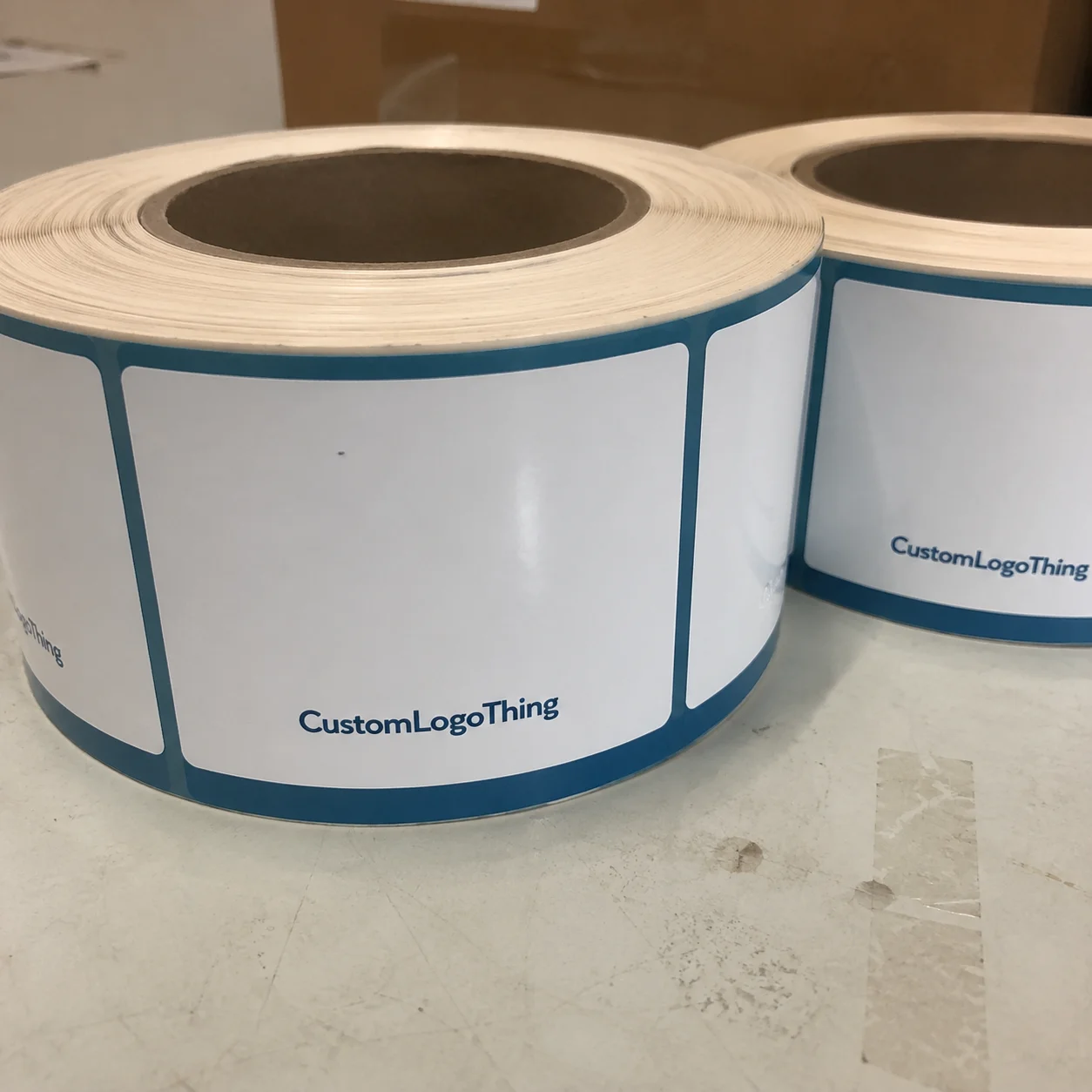
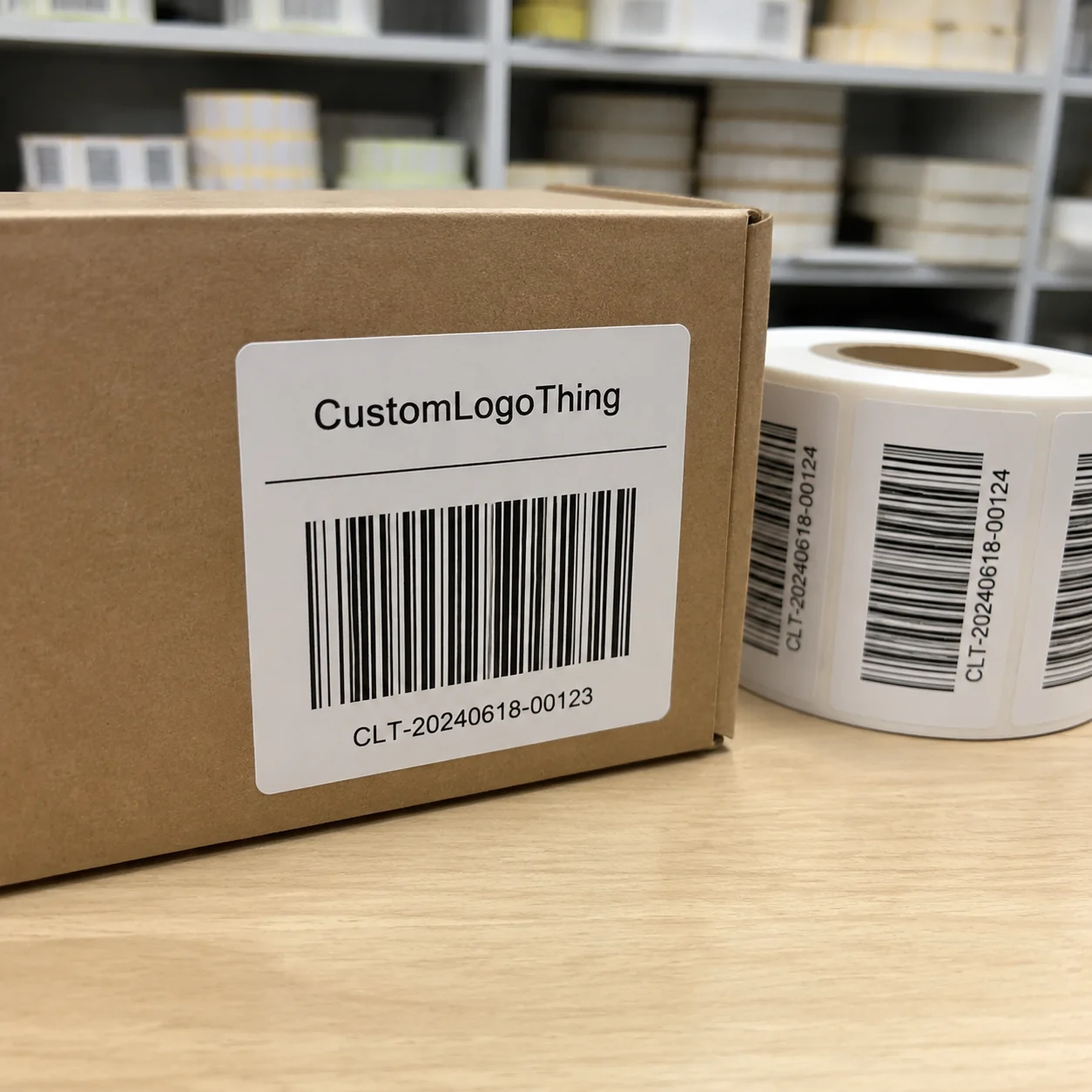
If you need a Care Labels Wholesale Supplier for tea, the key question is not whether the label looks polished in a mockup. It is whether it stays legible after folding, packing, storage, and repeated handling across a full range of tea SKUs.
Bulk buying turns labels into a control issue. A small mistake in fiber content, origin text, care symbols, multi-language copy, or SKU-specific wording can trigger rework, delay a launch, or leave inventory stranded because it no longer matches the packaging plan. For tea brands that ship seasonal blends, sampler packs, private label runs, and gift sets, consistency matters as much as appearance.
Care Labels Wholesale Supplier for Tea: Why Small Errors Become Big Costs
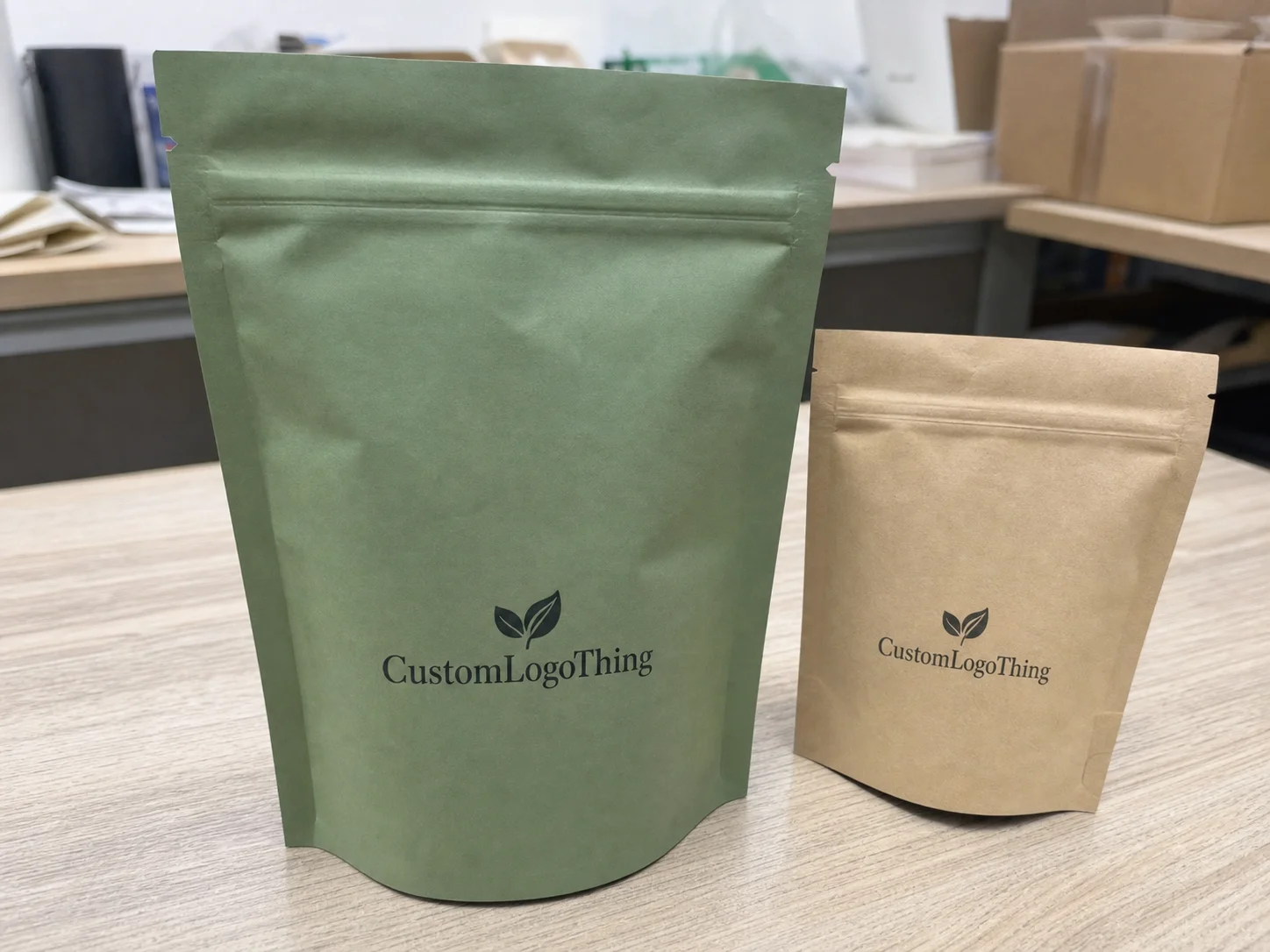
Tea packaging fails in quieter ways than apparel packaging, but the failure points are similar. A label may look right on screen and still misbehave once it is folded into a sachet box, stitched into a gift sleeve, or sealed into a retail pack. The artwork is only one part of the job; the other part is making sure the label survives the pack format and the distribution route.
One missing line can create work across the whole order. If the label omits required fiber content, care instructions, country-of-origin detail, or a translated panel your market expects, the fix is rarely limited to one unit. The entire production lot may need to be checked, and sometimes the surrounding packaging inventory as well. At bulk scale, the cost of error increases faster than the cost of the product itself.
That is why wholesale sourcing should be evaluated on control, not only on unit price. A buyer managing evergreen blends and short-run seasonal releases needs a supplier who can hold the same format steady while changing only the flavor name, language panel, or compliance line. Repetition is not a weakness in this kind of work. It is the value.
Buyer reality: the lowest quote is often the most expensive order if it leads to a proof correction, a second run, or a compliance hold at the end of the schedule.
Tea brands also face a variety problem. One assortment may include a dozen SKUs, each with a different batch code, multilingual note, and packaging finish. Another may be a holiday gift set that uses one base label design across several pack sizes. If the labels drift even slightly between runs, the whole packaging system starts to feel improvised.
For buyers who want a practical benchmark, package-durability and material guidance from organizations such as ISTA and responsible-material references such as FSC are useful starting points. They do not replace supplier checks, but they help anchor the conversation around durability, traceability, and paper sourcing when those factors affect your label program.
Tea-Packaging Label Formats That Hold Up in Real Use
Not every label construction suits every tea product. Some brands need a soft sewn-in look for premium pouches. Others need a clean printed tag that can carry more text in less space. A capable Care Labels Wholesale Supplier for tea should match the structure to the pack, the handling requirements, and the production workflow instead of forcing one format onto everything.
Woven labels usually deliver the most refined finish when brand presentation matters and the label will be touched often. They are durable and visually stable, but very small type can become dense, so they work best when the copy is controlled and the design stays legible at a narrow width. Printed satin labels are more flexible for multi-language content and fine text. They are common when the buyer needs a smoother surface and a cleaner print read.
Satin-finish care tags work well when the label needs a premium feel but still has to carry care instructions, SKU data, or origin text. They can be sewn in, folded, or attached as part of a hang-tag system. Heat-transfer options suit some flexible applications, especially when seam bulk has to stay low, but they are not the answer for every tea pack. If the substrate is delicate, or if the pack sees heavy abrasion in transit, another structure is often safer.
| Format | Best Use | Typical Strength | Watch For |
|---|---|---|---|
| Woven label | Premium tea bags, gift packs, sewn-in branding | Strong finish, durable under handling | Small text can fill in at narrow widths |
| Printed satin label | Multi-language care text, SKU-heavy packs | Sharp copy, easier artwork updates | Finish affects readability and hand feel |
| Satin care tag | Folded inserts, hang-tag hybrids, premium retail | Balance of appearance and function | Requires clean folding and edge control |
| Heat-transfer option | Flexible surfaces, minimal seam bulk | Low profile, clean integration | Not ideal for every substrate or storage condition |
Placement matters just as much as format. If the label is sewn into a pouch seam, the fold has to preserve the most important lines. If it is part of a hang-tag system, the hierarchy has to work at a glance. For sampler sets and gift packaging, the safest approach is usually to keep the essential compliance line on the primary panel and move less urgent detail to the reverse side or a companion insert.
Material, Print, and Compliance Specifications Buyers Should Verify
Before asking for a quote, get the specification sheet straight. A serious Care Labels Wholesale Supplier for tea should be able to confirm material type, weave or print resolution, cut style, backing, attachment method, and the number of colors or print passes. If those details take several emails to answer, expect confusion later in the run.
The compliance content deserves the same attention as the design. For tea products, the label may need fiber content, origin statements, language panels, and care symbols that remain readable at small size. If the pack crosses borders, translation accuracy becomes part of production, not a separate administrative step. A tiny text error in one market may be a cosmetic problem. In another, it can trigger a hold or a reprint.
Artwork readiness is another weak point. Vector files are still the safest starting place. Pantone references help when a brand uses a controlled packaging system. Font choice matters more than most buyers expect, because a typeface that feels elegant at a normal size can collapse at six-point copy or smaller. If the supplier is quoting from a JPEG and a rough description, the price may look simple because the risk has not been priced in yet.
Before approval, check these items:
- Final dimensions and fold style
- Material and finish
- Print method and color count
- Compliance text and language versions
- Placement method: sew-in, hang, adhesive, or transfer
- Quantity by SKU and by version
- Target ship date and receiving location
Color consistency is often underestimated. Tea brands tend to use color as a shorthand across product families: green for herbal, gold for premium blends, deep red for seasonal sets. If a supplier cannot keep those tones stable across repeat orders, shelf presentation starts to drift. That is not only a design issue. It weakens recognition, and recognition supports repeat purchase.
Ask whether the supplier can handle narrow widths, barcode-adjacent layouts, serialized versions, or multi-SKU repeats without rebuilding the artwork from scratch. Those are the details that separate a basic print vendor from a production partner who understands how labels function in a tea line. For buyers building a broader sourcing system, Custom Labels & Tags can be a useful starting point when the label construction has to match the packaging format rather than sit awkwardly on top of it.
Pricing, MOQ, and Unit Cost: What Actually Changes the Quote
Quote differences usually come from a small group of variables. Material choice, print complexity, size, finishing, quantity, and special treatments all affect cost. A simple one-color satin label will cost less than a multi-panel folded format with fine type and several languages. That sounds obvious, but buyers still compare quotes as if each line item were identical.
MOQ is where many tea brands make the first wrong assumption. A lower minimum order quantity sounds convenient, but the unit price is often higher because setup costs are spread over fewer pieces. For evergreen tea lines, higher-volume repeats often make better sense. For limited editions, seasonal collections, or test launches, smaller runs protect cash and reduce stale inventory risk.
Planning ranges help with budgeting, even though every factory structure is different. For a straightforward printed care label, a 5,000-piece order may land around $0.08 to $0.20 per unit, depending on dimensions, finish, and color count. A more complex woven or satin-finish label with tighter finishing and special handling can move into $0.18 to $0.35 per unit or more. Setup, proofing, and freight can move the first order further. Those numbers are planning ranges, not promises.
Setup fees are another driver of first-order economics. Some suppliers include proofing in the quote; others charge separately for sampling, plate work, or revisions. If two quotes are being compared, make sure the numbers line up on the same basis:
- Is proofing included?
- Are shipping and customs included?
- Are revision rounds capped?
- Is there a reprint policy for defect tolerance?
- Does the quote include packing by SKU or by mixed lot?
It is also worth asking whether the vendor keeps specifications on file for reorders. That one detail can save days on repeat tea launches. If the artwork remains stable, the supplier should be able to rerun the job with minimal reapproval. That is where wholesale buying starts to pay back. The value is not just a lower unit price; it is fewer errors, fewer delays, and a more predictable schedule.
Production Steps, Lead Time, and Approval Timing for Bulk Orders
The fastest orders are usually the ones with the least ambiguity. A disciplined care labels wholesale supplier for tea will move through a predictable sequence: inquiry, spec confirmation, artwork review, digital proof, sample approval, production, finishing, packing, and shipment. If any step is unclear, lead time stretches.
Artwork corrections are a common source of delay. So are compliance changes. So is waiting for final color approval from a brand team that has not signed off on the larger packaging system. In practice, the supplier is often ready before the buyer is. That mismatch is where launch dates slip.
For standard runs, a useful planning window is often 12 to 15 business days from proof approval, though the actual cycle depends on complexity, quantity, and shipping method. Faster service may be available for simple repeats, especially if the supplier already has your specifications on file. Rush work is possible in some cases, but it is not a substitute for clean files.
A launch calendar should work backward from the packing date, not the purchase order date. If labels are needed for a seasonal tea release, lock the artwork early, approve the proof without waiting for a cosmetic second round, and hold a small buffer for transit or customs. That buffer is not waste. It is protection against the part of the timeline that almost always moves.
The clearest way to keep production on track is to finalize dimensions, compliance text, and artwork before the order is placed. If the product family has multiple flavor variants, approve the master format first, then push variable fields through as controlled changes. That keeps the packaging system organized and reduces rework across SKUs.
Why Wholesale Label Programs Fit Tea Brands Better Than One-Off Orders
Wholesale programs work because they reduce friction. Once the supplier understands the construction, artwork structure, and compliance needs, reorder cycles get shorter and the chance of mismatch drops. That matters for tea brands with multiple flavors, private label accounts, gift assortments, and promotional packs that all need to feel like one family.
One-off buying sounds flexible, but it often creates hidden cost. Different vendors mean different finishes, different lead times, and different color behavior. Inventory planning gets harder because the same label may look slightly different across lots. For a buyer managing several SKUs, that inconsistency is not cosmetic. It is operational drag.
By contrast, a wholesale label program gives you a repeatable spec, a known proofing path, and a cleaner reorder process. Batch traceability improves. Color matching becomes easier. Your packaging team spends less time explaining the same format to a new vendor and more time managing demand.
That is why the best supplier relationship looks less like a transaction and more like a production system. The supplier is not just printing labels. It is helping standardize the packaging architecture so every tea SKU fits the same rules, even when the artwork changes. If you are building that kind of system, explore Wholesale Programs alongside the label request so the pricing and reorder structure match the way you actually buy.
Next Steps to Order the Right Labels Without Delays
If you are ready to quote a run with a care labels wholesale supplier for tea, send the right information first. That means dimensions, label format, artwork file, compliance text, quantity, target delivery date, and any language or origin requirements. The cleaner the brief, the cleaner the quote.
If the label carries regulated information or will be used across multiple SKUs, request a sample or a digital proof before full production. That step is inexpensive compared with reprinting a bulk order because one field was set too small or one line was translated incorrectly.
Confirm reorder terms as well. Ask whether the supplier can hold specs on file, what the rush options are, and how repeat runs are handled when artwork stays stable. Those details matter if you are planning regular tea releases or seasonal pack refreshes. A supplier with a strong reorder process is usually the safer long-term choice.
What should I ask a care labels wholesale supplier for tea before ordering?
Ask about material options, minimum order quantity, print method, turnaround time, proofing steps, and whether they can match your required compliance text exactly.
Can wholesale care labels for tea products be customized for multiple SKUs?
Yes. The supplier should be able to keep the base format consistent while changing flavor names, language panels, or SKU-specific details.
What affects the unit cost of wholesale care labels for tea?
Unit cost usually changes with label size, material, color count, finishing, quantity, and whether you need setup, sampling, or expedited production.
How long does a bulk care label order for tea usually take?
Lead time depends on proof approval, artwork readiness, and production load, but the fastest orders are the ones that arrive with final specs and clean files.
What files do I need to request a quote from a care labels wholesale supplier for tea?
Send the artwork file, dimensions, required text, quantity, preferred material, delivery timeline, and any compliance or language requirements.