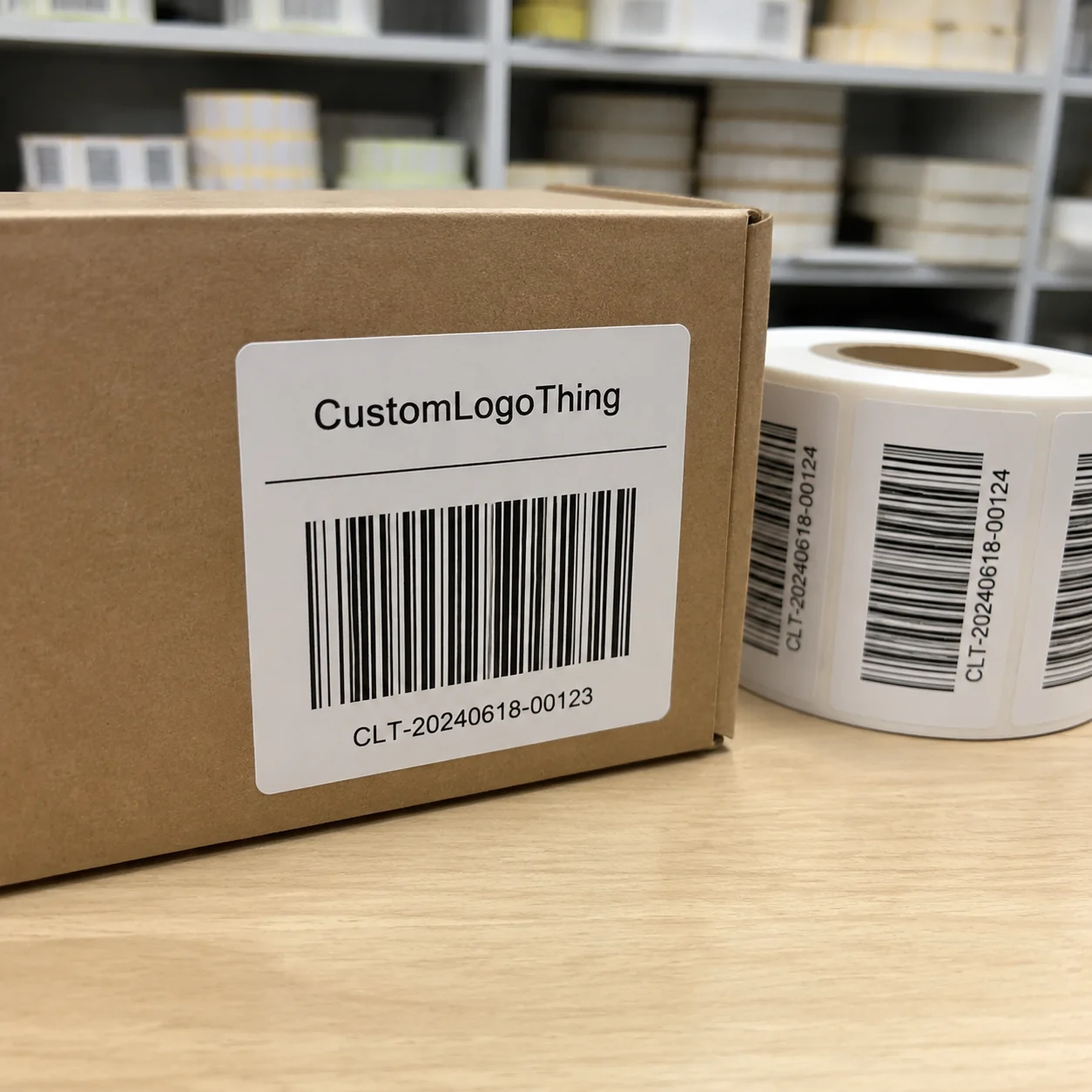
A Care Labels Wholesale Supplier for skincare is usually not the first vendor a brand thinks about during design. That changes after the first batch: a label lifts in humid storage, a barcode refuses to scan, or a back-panel ingredient list shrinks too far once the bottle format changes. By that point, the issue is no longer aesthetic. It is rework, delay, and extra cost.
Skincare labels have a harder job than most buyers expect. They have to hold to curved bottles, glass jars, soft tubes, and pump closures. They may be exposed to oil, hand lotion, condensation, refrigeration, shipping vibration, and bright retail lighting. A wholesale supplier should understand those conditions before the order is printed, not after the damage shows up.
The best label partner reduces uncertainty. They help you keep the same size, adhesive, finish, and color target across reorder cycles so a product line does not drift from batch to batch. That matters whether you are running a single hero SKU or a family of cleansers, serums, creams, and gift sets.
Why a Care Labels Wholesale Supplier for Skincare Reduces Rework
Most label failures are not design failures. They are material, adhesive, or fit problems that surface after filling. A proof can look clean on screen and still fail on a frosted jar, curl on a narrow tube, or wrinkle across a pump bottle shoulder because the stock was chosen for a flat carton rather than a cosmetic container.
A proper wholesale supplier does more than send a price. They ask about the container finish, the formula, the storage condition, and the application method before recommending a stock. That is not overcautious. A chilled serum, an oily balm, and a dry-use toner carton do not need the same label construction. If the supplier treats them as interchangeable, the order is already at risk.
The practical value is simple: fewer substitutions, fewer surprises, fewer emergency reprints. If you are buying for repeat retail runs, seasonal packaging, or direct-to-consumer restocks, stability is more valuable than a low first quote. The cheapest label is often the one that never comes back for a correction.
A useful supplier will also protect reorder consistency. They keep records of the approved facestock, adhesive, finish, and artwork file so the next batch matches the last one. That is the difference between a managed packaging program and a series of one-off fixes.
“A label that looks fine in a PDF is only a starting point. The real test is whether it stays attached, stays readable, and stays consistent through production, storage, and handling.”
That is the standard to use. If the supplier cannot explain how the label will behave on the actual package, the quote may be cheap for the wrong reasons.
Materials and Finishes That Survive Real Use
Material choice determines whether the label survives daily handling. For dry cartons or secondary packaging, paper can work well. For skincare bottles, jars, and tubes that see moisture or oily hands, film stocks are usually the safer choice. BOPP is the common workhorse because it resists water, oil, and scuffing better than standard paper, and it holds up better in bathrooms, shipping, and refrigerated environments.
Clear film is popular for minimal cosmetic designs, especially on tinted bottles and premium-looking packs where the label is meant to disappear into the container. White film gives a stronger print base and can support brighter branding. A matte paper label can look elegant, but on a wet-use pack it may not survive long enough to justify the savings.
| Material or Finish | Best Use | Strength | Tradeoff |
|---|---|---|---|
| Paper stock | Dry-use cartons, secondary packaging, low-handling items | Low cost, strong print clarity | Weak against moisture and oil |
| White BOPP | Lotions, cleansers, body care, face creams | Good water and abrasion resistance | Less tactile character than specialty finishes |
| Clear film | Minimal designs, tinted bottles, premium skincare | Clean shelf appearance, durable in handling | Needs careful print control and background planning |
| Matte or soft-touch finish | Premium jars, gift sets, shelf-display products | Muted glare, refined feel | Can wear sooner on high-contact packs |
| Gloss or spot varnish | Bright retail packaging, accent graphics, strong contrast | Better visual pop and scuff resistance | Can show fingerprints and reflections more easily |
Adhesive matters just as much as facestock. Curved shoulders, narrow necks, chilled storage, and slick container surfaces all punish weak adhesive. A bottle that seems fine on the bench can lose edge hold after a few days in cold storage or after a production line picks up residue from filling. A good supplier should ask about the environment before recommending a permanent or removable adhesive.
Think in terms of package geometry. Serum droppers usually need a label that wraps cleanly and does not lift at the neck. Pump bottles need an adhesive that tolerates frequent handling and a surface that does not wrinkle on the shoulder. Cream jars need enough panel width for directions, ingredient copy, and batch information without squeezing the layout into unreadable blocks. Sachets and flexible packs are more demanding still, because the surface moves and flexes during use.
If sustainability is part of the brief, paper with FSC certification can make sense on cartons or secondary labels, but it should not be forced onto a wet-use pack just to create an eco-friendly impression. That trade usually ends with a replacement run. For reference, the FSC site is a useful source for chain-of-custody and paper sourcing context.
Finish should follow function, not habit. Matte can reduce glare on shelf-facing jars, while gloss can hold up better under scuffing. Spot varnish can sharpen a logo or product name, but it does not rescue weak print quality or a poor substrate choice. A care Labels Wholesale Supplier for skincare should explain those tradeoffs plainly rather than pretending one finish works for every container.
Specs to Approve Before Any Print Run
Before any production starts, the mechanical details need to be locked. Finished size, bleed, corner radius, artwork format, color target, adhesive, finish, and application method all matter. If those are vague, the factory will make assumptions, and assumptions are expensive.
The front label, back label, ingredient panel, and tamper seal are not interchangeable. The front carries the brand message and shelf presence. The back carries directions, warnings, and the ingredient statement. The ingredient panel needs enough space for readable copy, especially once regulatory language and lot coding are added. The tamper seal is a functional component and should be treated that way from the start.
Compliance text deserves a real review. INCI ingredients, net contents, batch codes, country of origin, warnings, and traceability details should be checked before print approval. If the formula includes actives, fragrance allergens, or SPF-related claims, the copy should be reviewed carefully. A label supplier is not legal counsel, but a good one should spot obvious spacing problems, line-break issues, and copy that has no chance of printing cleanly at the requested size.
A simple preflight process prevents most preventable mistakes:
- Measure the container after filling, not only from a spec sheet.
- Check the wrap path and seam placement on curved bottles or jars.
- Review legibility from shelf distance, usually 1 to 2 meters.
- Confirm barcode scan quality at the final print size.
- Approve color against a physical sample or a controlled reference.
If the labels will ship with retail cartons, transit abuse matters too. That is where packaging test standards such as ISTA become relevant. A label that survives a proof table but scuffs, peels, or rubs off in distribution is still a failed label. The same is true for products that move through cold storage, humid warehouses, or long e-commerce routes.
For reorder work, keep the approved specification in one place and do not let multiple stakeholders rebuild it from memory. The fastest way to damage a repeat program is to let each buyer, designer, and production contact create a slightly different version of the same item.
What Drives Cost, MOQ, and Quote Variations
Label pricing is shaped by more than size alone. Material, print method, color count, finish, adhesive, quantity, and how many SKUs are being split across the run all affect the quote. A single-color repeat label on standard white BOPP is one thing. A multi-SKU launch with clear film, a specialty finish, variable data, and a tight deadline is a different production job entirely.
Unit cost usually drops as quantity rises because setup, make-ready, and inspection time are spread across more pieces. That pattern is normal. Small test runs can feel expensive because the setup cost is concentrated in a short order. For rough planning, basic skincare labels can sometimes land around $0.05 to $0.12 per unit at higher quantities, while more complex film labels with specialty finishes or multi-color graphics can move into the $0.12 to $0.28 per unit range depending on volume and artwork complexity. Small sample or test orders usually price higher per piece.
MOQ varies by supplier and process. Standard repeat work may start at lower quantities than custom die-cut or specialty-stock jobs. If you have several variants in a line, ask whether the supplier can combine them into one production schedule without inflating setup cost. Sometimes a larger combined order saves money. Sometimes it does not. A useful quote should make that difference visible.
Compare total landed cost, not just unit price. Include setup, proofs, freight, and the risk of rework if the material choice is wrong. A low quote that cannot hold adhesive on a chilled bottle is not a bargain. It is a future cost with a shorter timeline.
| Quote Driver | Usually Lowers Cost | Usually Raises Cost |
|---|---|---|
| Material | Standard paper or white BOPP | Clear film, specialty facestock, textured materials |
| Print complexity | Few colors, simple artwork | Fine lines, many colors, multiple SKUs |
| Finish | Plain matte or gloss | Soft-touch, spot varnish, specialty coating |
| Quantity | Larger repeat runs | Small tests, split orders, frequent changes |
| Application conditions | Flat, dry surfaces | Curved, oily, chilled, or humid environments |
If you are building a repeatable product line, it helps to standardize the label spec early. That is where Wholesale Programs become useful: they reduce the churn of one-off quotes and make it easier to keep recurring orders consistent over time.
Proofing, Production, and Lead Times
A clean order follows a predictable chain: inquiry, spec review, proof, approval, print, finishing, inspection, packing, and shipment. If a supplier cannot explain that sequence clearly, expect trouble later. The strongest teams show where approval is needed before anything expensive is committed.
Proofing should include more than a polished PDF. A digital proof checks layout, text placement, dieline alignment, and basic color direction. Physical samples are worth the time if the label needs to sit on a curved bottle, cling to a slick container, or survive a cold environment. Flat mockups rarely reveal the wrinkles, edge lift, or seam pressure that show up in real use.
Lead time depends on the job. Simple repeat labels can often move in 7 to 12 business days after proof approval. New SKUs, multi-SKU runs, or jobs that need physical sampling can take 12 to 20 business days before shipment. Freight time still needs to be added. If the launch date is fixed, plan around the slowest likely step, not the most optimistic one.
Most delays are caused by avoidable issues: late artwork changes, missing container measurements, a color correction after approval, or copy changes that arrive after the spec was already signed off. None of those are mysterious. They are process problems. A supplier can only move as fast as the slowest decision in the chain.
Ask whether the supplier documents print tolerances, inspection checks, and packing methods. That discipline matters more than broad claims about quality. For repeat skincare work, you want a file trail, a proof trail, and a reorder policy that keeps the next batch aligned with the last one.
For brands buying through Custom Labels & Tags, the safest approach is to approve one spec and reuse it. That reduces the odds of color drift, dimensional changes, and adhesive surprises on the next production cycle.
How to Evaluate a Supplier Beyond the Sample
Ignore broad claims about premium quality and ask for evidence. Material options, sample photos, print tolerances, reorder consistency, and documented approval steps matter more than a polished sales message. A serious Care Labels Wholesale Supplier for skincare should be able to answer those questions directly.
Good signs show up early. They ask for bottle dimensions. They ask whether the formula is oily. They want to know storage temperature, fill method, and whether the pack will sit in refrigeration or spend time in bathroom humidity. They can explain why one adhesive suits a curved PET bottle and another is safer on a chilled glass jar.
Weak follow-through is usually visible before the order is placed. Slow proof responses. Confusing artwork notes. No answer on material compatibility. Shifting specs after the quote is issued. Those are not minor communication issues. They usually become production issues later.
Use a simple buyer checklist:
- Can the supplier recommend a stock based on the actual container, not just the artwork?
- Can they explain moisture resistance, oil resistance, and shelf-life expectations?
- Can they keep the same spec on reorders without changing finish or adhesive?
- Can they give a clear proof process with one approval owner?
- Can they quote a repeat run without rebuilding the entire job from scratch?
If those answers are vague, the supplier is not ready for consistent skincare work. A wholesale partner should help you protect the label across batches, not just get one order out the door.
Storage and packing matter too. Labels can arrive technically correct and still be damaged if they were packed badly. Flat packing, proper boxing, and protection against crush damage are part of the job. If a supplier ignores that stage, the risk moves downstream to your team.
What to Send for a Fast Quote and Clean Reorder
If you want an accurate quote quickly, send the right inputs the first time. The most useful request includes container photos, dimensions, quantity by SKU, artwork files, preferred material, preferred finish, and your delivery deadline. If you already have an existing label, include a sample or a prior production file. That gives the supplier a reference point and cuts guesswork.
Context helps a lot. Tell the supplier whether the product will be refrigerated, handled with oily hands, sold in travel sizes, or displayed under strong retail lighting. Those details change the label recommendation. A cream jar used in a bathroom is not the same job as a cleanser shipped in an e-commerce box and stored in a dry warehouse.
Include the compliance text and flag any pending packaging changes. If the bottle is changing shape next quarter, say so. If the ingredient panel is likely to expand, note it now. There is no value in approving a label that no longer fits the package.
When the quote arrives, review more than price. Check whether proofs are included, whether freight is included, and whether reorders will match the same specification. If the surface is unusual or the package is sensitive, request a revised sample. That is normal due diligence, not overthinking.
A straightforward workflow usually works best:
- Send the container details and artwork together.
- State the use case, storage condition, and finish preference.
- Ask for material and adhesive options with a clear recommendation.
- Approve the proof only after checking legibility and wrap fit.
- Lock the spec for repeat orders so reorders stay consistent.
Specificity is what makes a wholesale label order manageable. Give the supplier enough information to treat the job like production, not guesswork, and the chances of a clean run rise sharply. That is how you get labels that stay readable, stay attached, and stay consistent from one batch to the next.
What should I send to a care labels wholesale supplier for skincare to get an accurate quote?
Send container dimensions, artwork files, quantity by SKU, preferred material, finish, and adhesive needs. Photos of the bottle, jar, or tube help the supplier spot wrap issues before quoting. If there is compliance text, barcode data, refrigeration, or oil exposure, include that too.
What MOQ should I expect from a wholesale skincare label supplier?
MOQ depends on print method, stock, and how many SKUs are in the run. Simple repeat work can often start lower than custom multi-SKU jobs, but small orders usually carry a higher unit price because setup cost is spread across fewer labels. Ask whether variants can be combined to reduce waste.
Which material works best for skincare labels that may get wet or oily?
BOPP or another film stock is usually the safer choice for moisture, oil, and bathroom humidity. Paper can work for dry packaging, but it is not the first choice for wet handling. Adhesive selection matters just as much as the facestock, especially on curved or chilled containers.
How long does production usually take after artwork approval?
Simple repeat jobs can move in about 7 to 12 business days after approval, while new SKUs or jobs that need physical sampling can take longer. Ask for a lead time range up front and confirm whether shipping time is included, because print completion and delivery are not the same thing.
Can a supplier match my existing skincare care labels for a reorder?
Yes, if you provide a sample, measurements, or a previous production file. A good supplier should match size, finish, material, and color targets closely enough to keep shelf consistency. If the formula or packaging changed, expect a spec review before the reorder is approved.
A reliable Care Labels Wholesale Supplier for skincare is not just printing artwork. They are helping you control fit, durability, compliance, and reorder consistency across the life of the product. The most useful orders start with the container, the environment, and the copy, then move into material and adhesive decisions that actually fit the way the pack will be used.