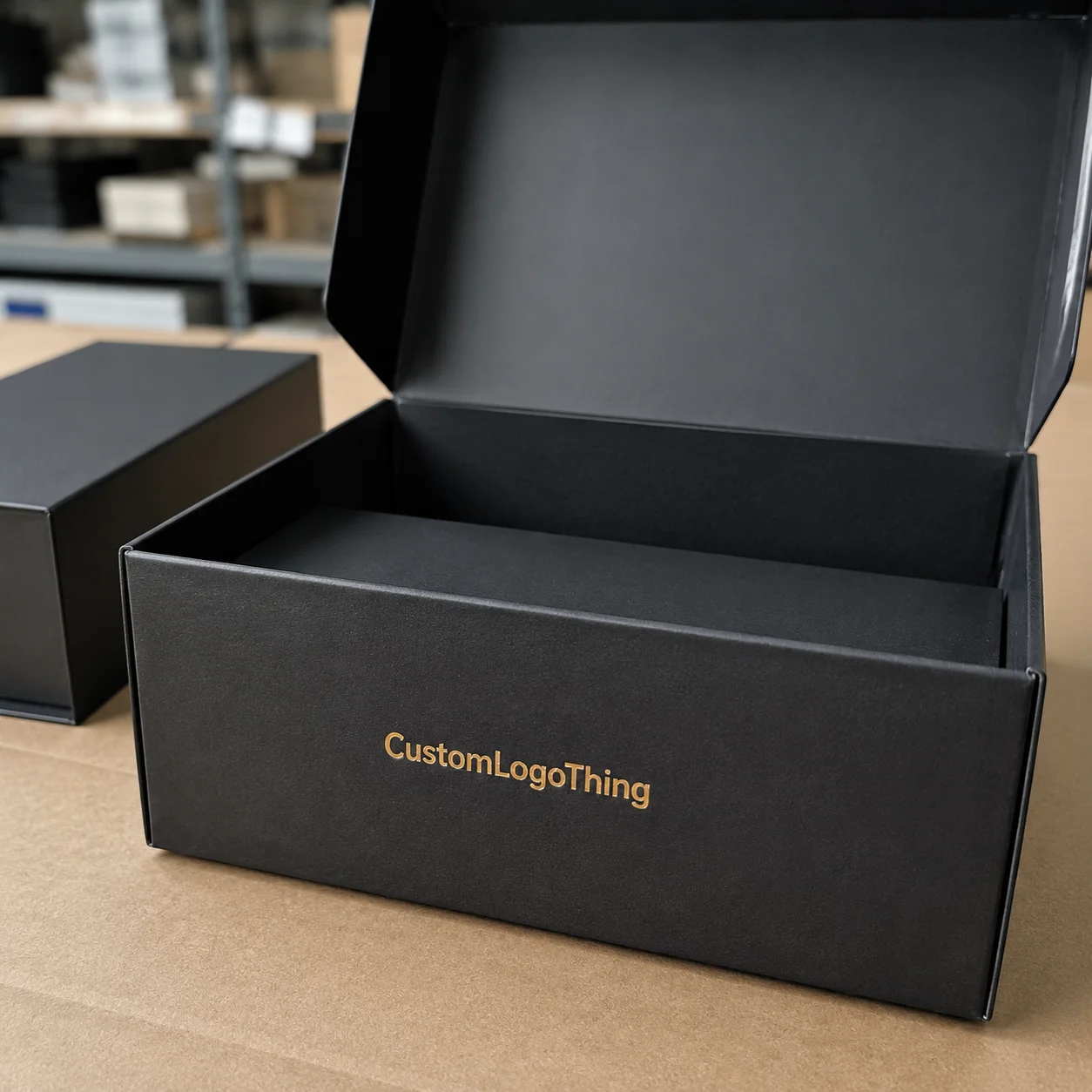
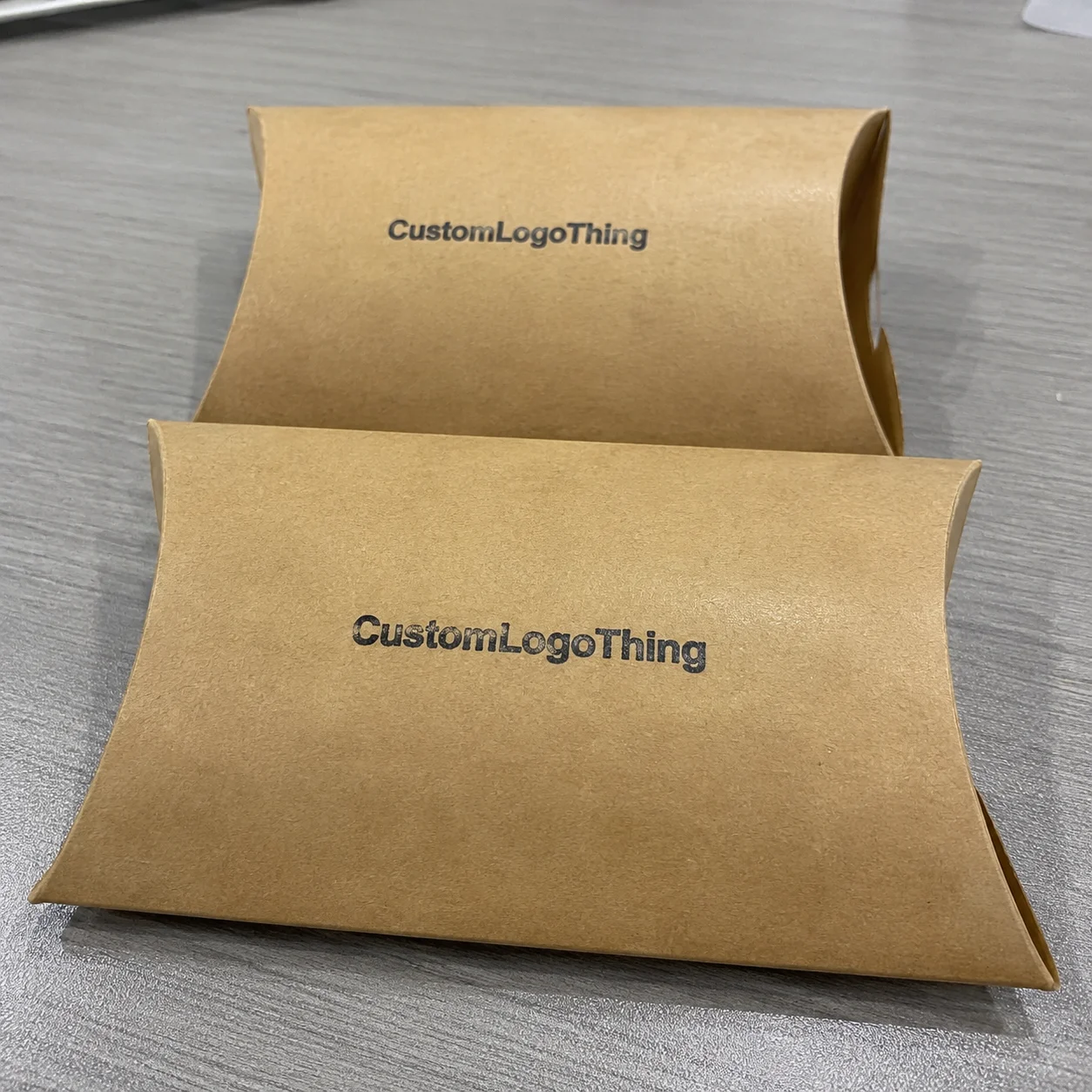
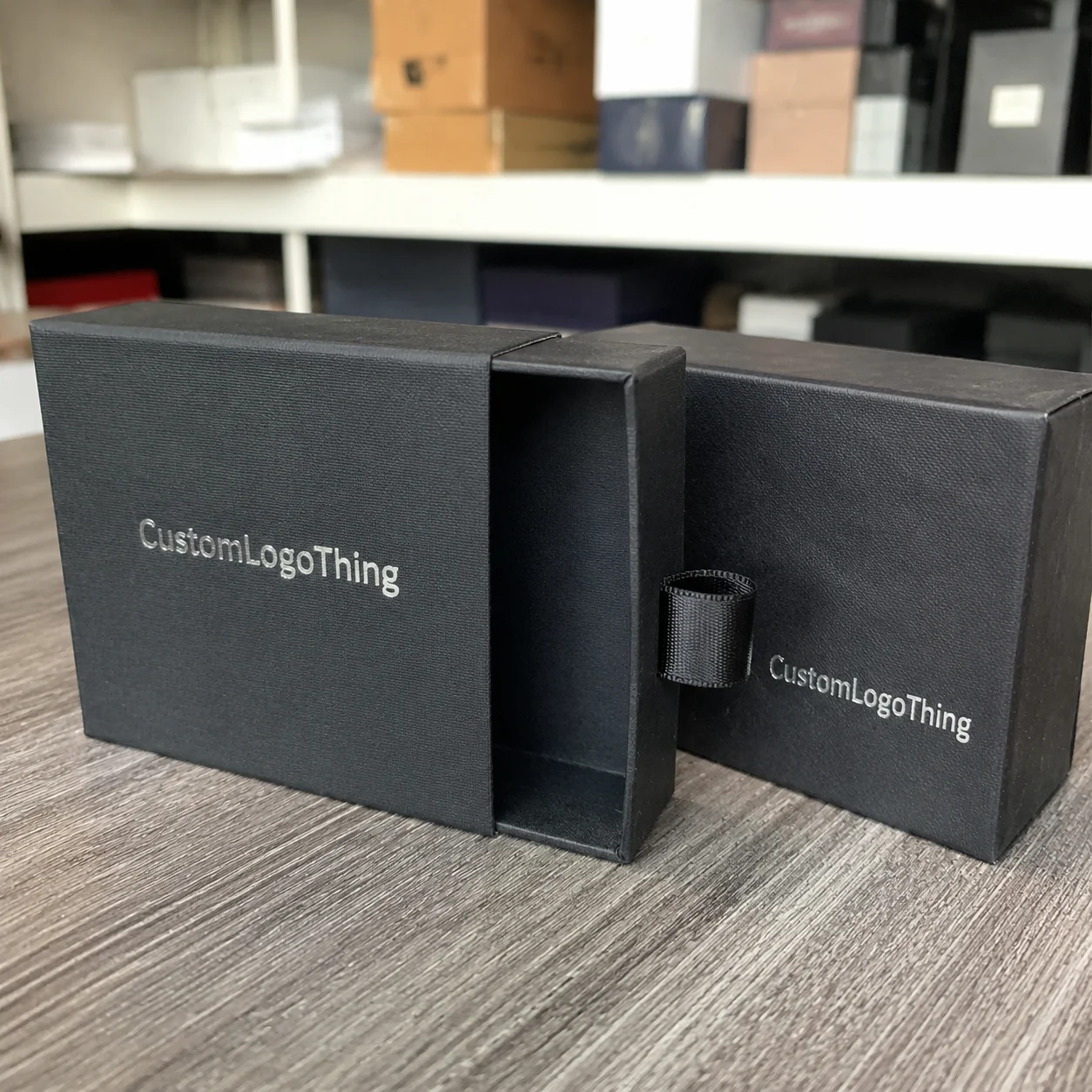
cheap custom boxes are rarely cheap because the supplier lowered standards. They are cheap because the spec removed waste. That distinction matters. A box can be custom-sized, printed, and still cost less than a generic carton if the dimensions are tighter, the board is matched to the product, and the finish does not ask for more than the job needs.
Buyers usually notice price first, then damage rate, then freight, then the real cost of handling. Packaging has a habit of exposing weak assumptions. A box that looks inexpensive on paper can become expensive the moment it is oversized, overprinted, or built from material that is stronger than necessary for the load. The opposite is also true. A disciplined spec often saves money in places that never show up on the first quote.
That is why a practical packaging brief is more useful than a vague request for “the lowest price.” If the carton has to protect a product, fit a shelf, survive parcel transit, and still look branded, the design has to be honest about tradeoffs. Clean structure, right-sized dimensions, and restrained decoration usually beat clever packaging that costs more to make and more to ship.
What Cheap Custom Boxes Really Save You
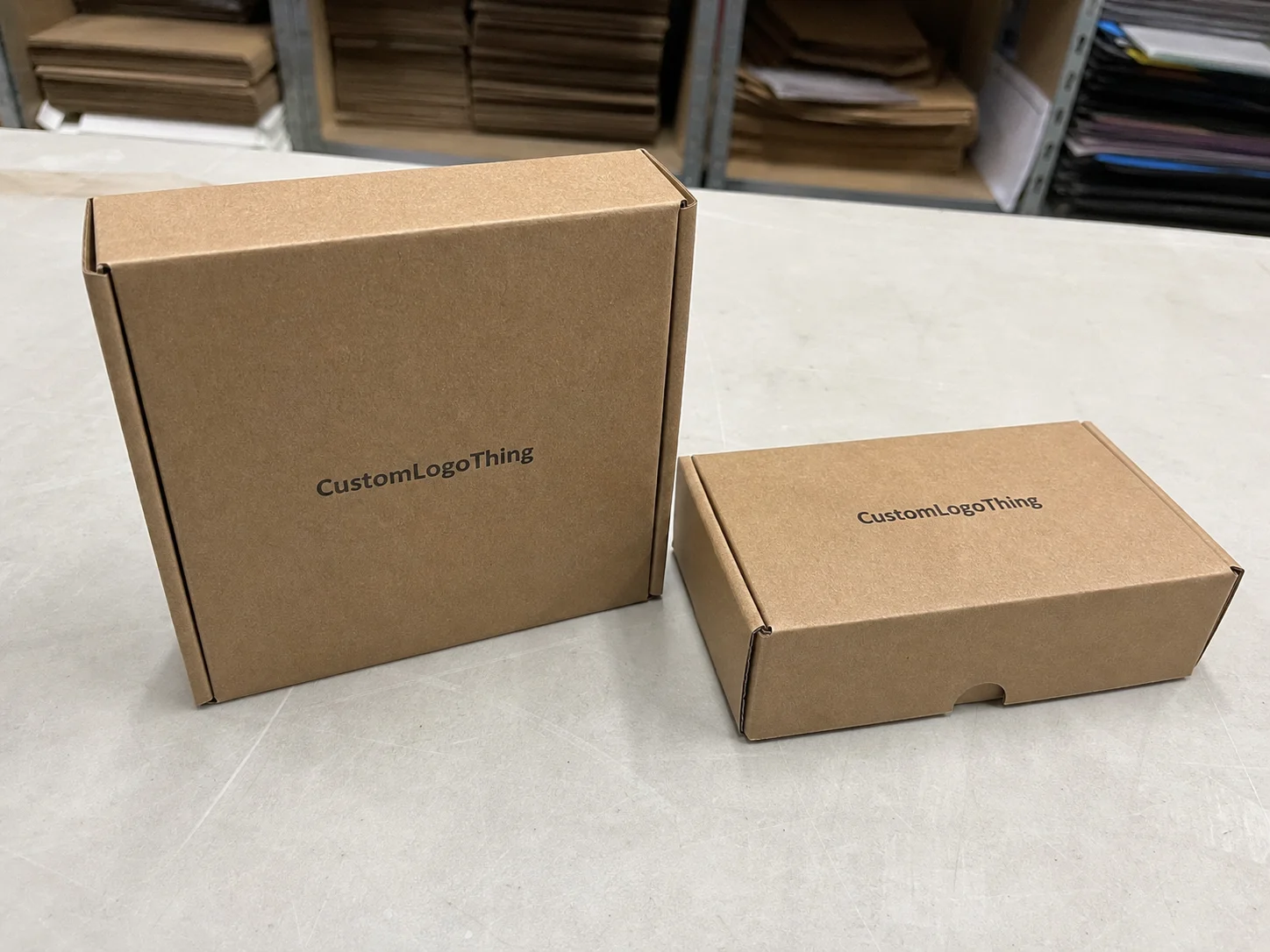
The first savings come from material efficiency. A box that matches the product closely uses less board, takes up less freight space, and reduces the need for void fill. That matters more than most buyers expect. A few millimeters on each side can change carton count per pallet, increase dimensional weight, or force a larger shipping tier. Packaging is one of the few product categories where “small” can mean lower cost in several departments at once.
The second savings come from lowering the amount of process work. A one-color print on a standard structure is cheaper to manufacture than a complex box with multiple coatings, special inserts, and unusual folds. Labor adds up quickly. So do setup steps. Even a modest dieline change can introduce more cutting waste or a slower assembly line. Cheap should mean efficient, not stripped to the point of failure.
Cheap custom packaging still has to do the basics well. It should close square, stack cleanly, survive handling, and keep the product where it belongs. If a carton crushes, scuffs, or opens under pressure, the low unit price disappears in returns and replacements. A buyer saving four cents on the box and losing two dollars on the shipment has not found value. They have shifted cost downstream.
For ecommerce programs, the best savings usually come from five moves:
- Use the smallest safe inner dimensions.
- Choose a standard structure instead of a highly customized build.
- Keep print coverage simple, especially on large exterior panels.
- Match board strength to product weight instead of overspecifying.
- Avoid finishes that add cost without improving handling or shelf performance.
If you are comparing options, start with the product and work backward. Our Custom Packaging Products range is a better reference point than a generic “cheap” request, because the numbers only make sense once dimensions, weight, and shipping method are known. A good quote is specific. A vague one usually just hides assumptions.
“Cheap packaging works when the spec removes waste. It fails when it tries to look premium, ship safely, and cost the least all at once.”
Box Styles and Product Details That Cut Waste
Box style decides a large part of the cost before ink ever touches paper. Mailer boxes, folding cartons, Corrugated Shipping Boxes, and rigid boxes all solve different problems. They also carry different cost structures. A rigid setup box is a poor choice for a lean shipping program. A thin folding carton is not a substitute for structural protection in transit. The wrong format creates cost on both sides of the quote.
For ecommerce, mailer boxes often make sense because they assemble quickly, present neatly, and work well with branded unboxing. For retail shelves, folding cartons are often the better fit, especially for lightweight products where visual presentation matters more than crush resistance. For heavy or fragile items, corrugated is the safer choice, but the board grade and flute profile need to match the load. There is no prize for overbuilding a box if the product does not need it.
What the product brief should include
Start with inside dimensions, product weight, fragility, surface sensitivity, and whether the item needs an insert. That is the basic information a packaging team needs to stop guessing. If a product shifts inside the carton, the design is incomplete. Padding can hide poor sizing for a while, but it also raises cost and can make packing slower.
A bottle, a candle in a glass jar, and a compact cosmetic kit may all be “small.” They do not behave the same way in transit. One may need a molded pulp tray. Another may only need a snug tuck-end carton and a corrugated shipper. Another may need a paperboard insert to keep the label from rubbing. The package has to reflect the item, not the mockup.
Simpler structures usually cost less
Standard tuck-end cartons, auto-lock bottoms, and common mailer layouts are usually more economical than unusual dielines. Every custom fold increases the chance of slower assembly or production waste. Special shapes can look attractive in a render, but production and fulfillment teams pay the real price. If the box is awkward to fold, slow to pack, or inconsistent in stacking, it will create hidden costs long after the sample has been approved.
That is why a clean rectangular format still dominates many budget packaging programs. The geometry is predictable. It uses material efficiently. It stacks well on pallets. It gives carriers fewer excuses to punish the shipment with dimensional weight. Function first. Decoration second.
For transit-heavy orders, benchmark the design against carrier size limits and common damage modes. Vibration, compression, and drop events are not theoretical. The ISTA test methods exist because shipments fail in repeatable ways. A package that passes a practical drop or compression check is usually a better investment than one that looks impressive in a pitch deck and weak on a warehouse floor.
Material Specs, Printing, and Structural Choices
Material choice shapes both cost and performance. Lightweight SBS, kraft paperboard, corrugated board, and rigid board all behave differently. They have different print surfaces, different crush resistance, and different freight implications. There is no single “best” stock. There is only the stock that fits the product, the route, and the budget.
For lower-cost custom printed boxes, the cheapest path is usually a straightforward board with limited ink coverage. A restrained design can look sharp if the hierarchy is clean. One-color or two-color artwork often reads better than a crowded full-bleed layout, especially on smaller cartons. A busy design can hide flaws. It can also hide the fact that the package spent too much on decoration and too little on structure.
| Option | Typical Use | Relative Cost | Practical Notes |
|---|---|---|---|
| SBS folding carton | Cosmetics, supplements, light retail items | Low to moderate | Good print surface, efficient at scale, not ideal for heavy shipping loads |
| Kraft paperboard mailer | DTC ecommerce, subscription programs | Moderate | Natural look, useful for branding, usually works best with tight sizing |
| Corrugated shipping box | Parcel transit, heavier products, stacked freight | Moderate to higher | Better crush resistance, more bulk, cost depends heavily on board weight and dimensions |
| Rigid setup box | Premium presentation, gift packaging | Higher | Strong shelf feel, but rarely the budget choice for bulk shipping |
Board thickness matters more than many buyers realize. A 14pt or 16pt folding carton can be perfectly adequate for lightweight retail items. Corrugated options are often selected by flute, with E-flute, B-flute, and single-wall constructions serving different needs. E-flute gives a cleaner print surface and compact profile. B-flute offers more rigidity. Single-wall corrugated can be enough for many shipping applications, but only if the product weight and transit conditions support it. The right choice is usually the least material that still protects the item.
Printing method changes the price curve too. Digital printing can be practical for smaller runs and frequent artwork changes. Offset printing is often stronger on consistency and cost efficiency at higher volumes. Flexographic printing can be a good fit for corrugated runs where print complexity is low and quantity is high. None of these are automatically better. Each one has a sweet spot. Ask for the method that fits the run size rather than asking for a process you saw on a competitor’s brochure.
Finishing is where many “cheap” plans quietly lose discipline. Soft-touch lamination, foil, spot UV, and heavy coating systems all add cost. Some also increase lead time and handling risk. If the box is going inside a shipper, a plain matte or gloss finish often makes more sense. If the box sits on a shelf, a modest finish can still look polished without turning the order into a premium build. The goal is not to eliminate every nice detail. The goal is to avoid paying for details that do not improve the result.
If inserts are needed, define them clearly. Paperboard inserts, molded pulp trays, and die-cut retainers each serve a different purpose. They also introduce tooling and packing labor. A cheap outer carton with a complicated insert system can stop being cheap very quickly. Internal protection needs to be part of the comparison, not an afterthought added after the quote is approved.
For sustainability claims, check the language. Recycled content, recyclable structure, and FSC certification are not interchangeable. FSC claims require chain-of-custody discipline, not just a green label on a spec sheet. The Forest Stewardship Council provides the certification framework, and the EPA has useful guidance on waste reduction and packaging efficiency. Good sustainability choices usually start with less material, not more marketing.
Cost, MOQ, and Quote Variables That Move Price
Price is driven by a few variables that matter more than the rest: size, quantity, material thickness, print complexity, and finishing. If any of those change, the quote changes. That sounds simple, but buyers often compare estimates that are not based on the same spec. One vendor quotes a larger size, another assumes a lighter board, and a third excludes freight. The result is a false comparison and a lot of unnecessary back-and-forth.
MOQ exists because setup work is real. Dielines, plates, cutting forms, press setup, proofing, and machine changeovers all have to be covered by the order. Smaller runs carry more overhead per unit. A 500-unit order will often cost more per box than a 5,000-unit order, even if the design is identical. That is not a markup trick. It is production math.
A useful quote request asks for pricing at several quantity breaks. If you can see 500, 1,000, and 3,000 units side by side, the breakpoints become obvious. Sometimes the middle quantity offers the best balance of unit cost and inventory risk. Sometimes it does not. The point is to see the curve rather than guess at it.
Typical budget ranges vary by structure and decoration, but these planning numbers are realistic for many programs:
- Plain folding cartons: often about $0.18 to $0.45 per unit at moderate volumes, depending on size and print coverage.
- Mailer boxes: often about $0.60 to $1.40 per unit, with size and board weight driving most of the variation.
- Corrugated shipping boxes: often about $0.70 to $1.60 per unit, especially when dimensions are custom and print is more than minimal.
Those are planning ranges, not promises. Small cartons with simple print can land below them. Larger cartons with inserts, special coatings, or high coverage can move above them quickly. That is normal. Packaging quotes are sensitive to material usage and production steps.
Always compare landed cost, not just unit price. Freight, duties, insert assembly, packing labor, and waste can erase a cheap quote if they are ignored until the end. A box that appears inexpensive ex-factory may be expensive once it is oversized for the product or padded heavily to compensate for weak sizing. The smartest buyers ask what the carton costs in the warehouse, not only what it costs on the invoice.
A clean quote should state material, inside dimensions, print method, finish, MOQ, proof type, production time, and freight assumptions. If those pieces are missing, the number is incomplete. It may still be useful as a rough indicator, but it should not be treated like a final price.
Process, Timeline, and Lead Time Expectations
A normal packaging order moves through quote, dieline confirmation, artwork setup, proofing, production, inspection, and shipping. Skip one of those steps and the risk usually shows up later. Most packaging failures are not dramatic. They come from a few small mistakes that were allowed to stack up because the schedule got tight.
Lead time depends on structure complexity, artwork readiness, material availability, and shipping method. A simple carton with approved artwork can move faster than a box with inserts and specialty coatings. If the brief is stable, production usually stays predictable. If the buyer keeps changing dimensions, finishes, or copy after quoting, the schedule slips. That happens faster than people expect.
Proofing is where expensive errors are prevented. A digital proof catches layout problems, text issues, barcode placement, and color intent. A physical sample is better when fit, fold behavior, or print placement matters. If the carton has a tight tolerance or an insert system, sampling is worth the time. No one wants to discover that a product fits only when cartons are already boxed and in transit.
A realistic timeline for many bulk orders looks like this:
- Quote and spec review: 1 to 3 business days.
- Dieline and artwork setup: 1 to 4 business days.
- Proof approval: depends on the buyer’s review cycle.
- Production: often 10 to 20 business days, depending on complexity.
- Freight booking and transit: varies by destination and shipping mode.
Special finishes, inserts, and unusual board choices can extend that timeline. So can a sample round before mass production. If the launch date is fixed, say so early. Clear deadlines help more than vague urgency. Suppliers can schedule around a real deadline. They cannot schedule around moving specs.
Quality Checks That Prevent Expensive Mistakes
Cheap boxes stay cheap only if the first run matches the approved spec. That depends on quality control. The practical checks are not glamorous, but they prevent the most expensive failures. Dimensional verification matters first. If the inside measurements are off by even a small amount, the product may rattle, crush, or fail to fit with an insert installed.
Material checks matter next. Buyers Should Ask for board grade confirmation, caliper, and, where relevant, compression ratings such as ECT for corrugated structures. A carton that looks fine in a photo can still be underbuilt for the load. Print checks matter too. Registration, ink density, and rub resistance affect how the box looks after handling. A smudged logo on the first shipment creates a credibility problem that has nothing to do with unit price.
Useful checks before release include:
- Fit test with the actual product, not a placeholder sample.
- Seal and fold test to confirm the box closes correctly.
- Barcode scan test if the package carries retail labeling.
- Rub test for printed surfaces and coatings.
- Drop or compression test for shipping programs with fragile contents.
Small quality issues often cost more than they look like on a spreadsheet. A glue seam that opens under heat, an insert that shifts during assembly, or a box that bows on the shelf can create waste at scale. That is why the cheapest order is not always the order with the lowest quote. It is the order that arrives stable, consistent, and easy to pack.
Why Buyers Reorder With Us Instead of Shopping Around Again
Repeat business in packaging usually comes from consistency rather than sales language. Buyers reorder when the second run behaves like the first. Same dimensions. Same fold. Same print result. Same pricing logic. Once a carton has been approved and proven in use, the value shifts from chasing the lowest new number to preserving a working spec.
That matters most for recurring ecommerce programs and retail SKUs that reorder on a schedule. A box that arrives on time but varies in fit can slow fulfillment and create unnecessary adjustments on the line. A box that looks correct but changes material thickness can also disrupt inserts, tape usage, and pallet count. These are small failures with a habit of multiplying.
Clear communication helps more than polished language. A buyer needs to know what is included, what is excluded, and what can change the price. That clarity makes reorders easier, especially when multiple teams touch the same packaging program. Procurement cares about cost. Operations cares about pack-out speed. Design cares about print fidelity. Good packaging supports all three without pretending the priorities are identical.
Stable specs also make cheap custom boxes genuinely valuable over time. The first order is only part of the equation. The real savings come from a repeatable program that uses the right board, the right format, and a quote structure that does not shift every time the artwork file changes.
Next Steps to Place a Smarter Order
Measure the product, not the carton you wish it came in. Send the inner dimensions, product weight, fragility notes, and whether the item needs an insert or extra crush protection. That is the starting point for a quote that reflects the real job instead of a guess.
Decide what matters most. Lowest unit cost, better shelf appearance, faster turnaround, or stronger shipping performance. You can optimize for any of those. You cannot fully optimize all of them at once. Packaging forces tradeoffs, and the best orders are the ones that name the tradeoff early.
Before requesting pricing, gather the basics:
- Quantity break.
- Box style.
- Inside dimensions.
- Product weight.
- Print colors and coverage.
- Finish, if any.
- Shipping destination.
- Target delivery date.
Ask each supplier for the same spec. Otherwise the quotes are not comparable. One may include freight, another may not. One may assume a heavier board. Another may price a different box style entirely. Precise specs make the market readable. Loose specs make price look random.
For buyers who want a practical order path, start with the product dimensions, a realistic quantity estimate, and the artwork files that are actually going to print. Then request pricing on cheap custom boxes with exact measurements. That is how you get a quote that behaves like a real production number instead of a placeholder.
How do I get the lowest price on cheap custom boxes without making them flimsy?
Use the smallest safe dimensions and avoid oversized cartons that waste material and freight. Keep the print and finish simple unless the packaging has to do retail display work. Choose a board grade that matches the product weight instead of overbuilding the box. If the item needs protection, add it intentionally through the structure or insert, not through extra board everywhere.
What MOQ should I expect for budget custom box orders?
MOQ depends on the box style, tooling, and print method, so there is no universal minimum. Standard structures and simpler print usually start lower than complex die-cuts or specialty finishes. Ask for pricing at several quantities so you can see where the unit cost begins to flatten out. That tells you whether a larger run is actually worth the inventory.
Can I get a sample before I order a full run of custom boxes?
Yes. Ask for a digital proof for layout approval and a physical sample if fit, fold behavior, or print placement matters. A sample is the least expensive way to catch sizing problems before production starts. If the packaging uses inserts or tight tolerances, sampling is usually worth the extra time.
How long does production usually take for cheap custom boxes?
Lead time depends on artwork approval, material availability, box complexity, and shipping distance. Simple orders move faster. Specialty finishes, inserts, and unusual structures add time. If you need a firm delivery window, lock specs early and avoid late-stage changes.
What information do you need for an accurate quote on custom boxes?
Send the product dimensions, weight, box style, quantity, print details, finish, and shipping destination. Include whether you need inserts, sample approval, or a specific delivery deadline. The more exact the brief, the less likely you are to receive a quote that changes later. That is the difference between a real price and a rough estimate.