If you are comparing Cheap Custom Stickers on a roll, price per label is only part of the decision. The labels also need to feed cleanly, stick to the right surface, and survive the conditions they will actually see on a packing bench, in transit, or on a retail shelf. A roll can save time across an entire shift when the adhesive is matched properly, the unwind direction fits the dispenser, and the print holds up under handling.
That practical side matters because roll format is built for speed. It reduces sheet waste, keeps the labeling step more consistent, and works well for mailers, jars, pouches, cartons, and product packaging that needs a neat branded finish. For many buyers, the value is not just a lower quote, but fewer interruptions during packing and fewer surprises after the labels arrive.
Why Roll Labels Cut Packing Time Without Cutting Corners
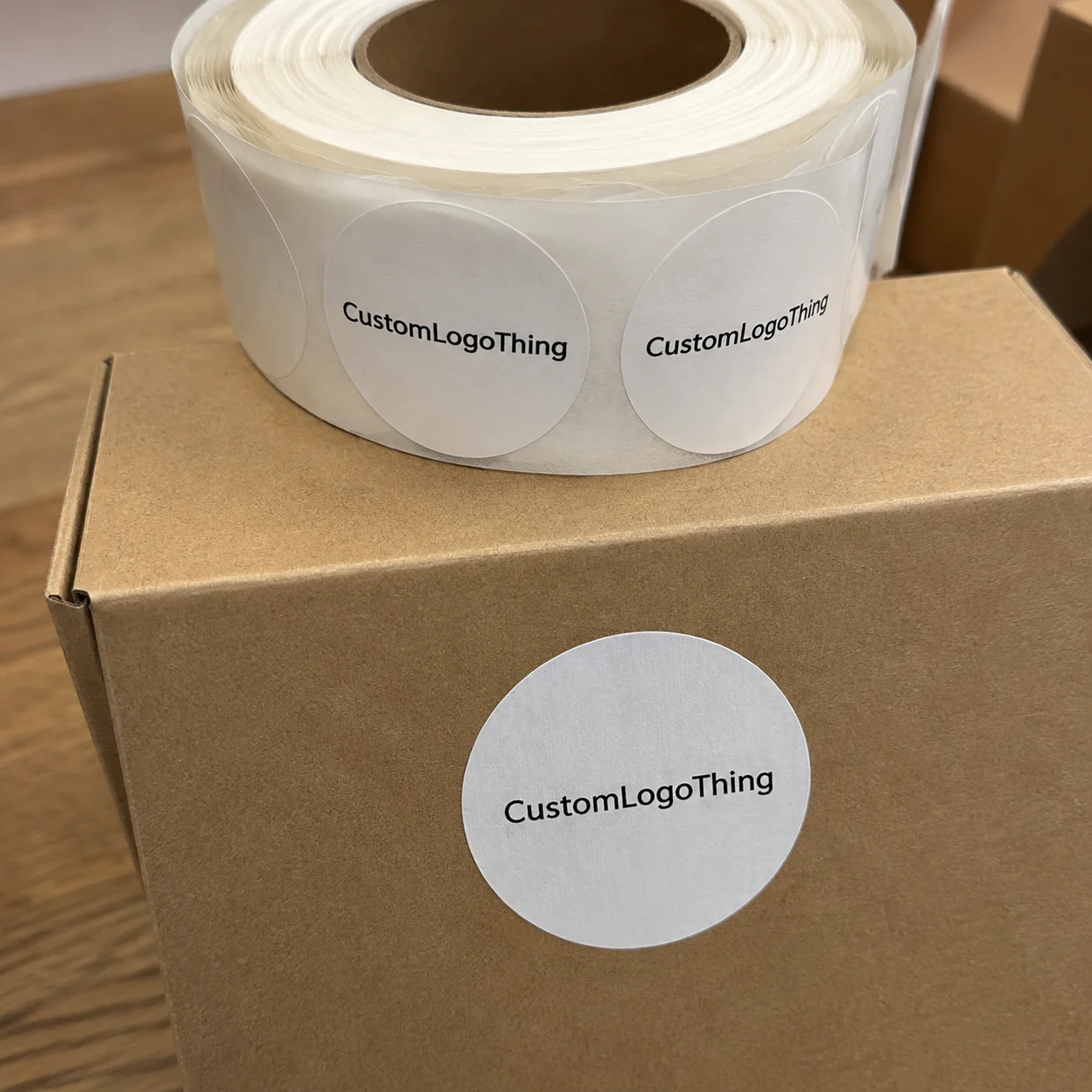
On a busy line, the difference between sheets and rolls becomes obvious quickly. Sheets tend to require more handling, more alignment, and more pauses between applications. Rolls keep the operator moving, which is why they are common in ecommerce packing, retail kitting, and small product runs where consistency matters as much as speed.
Cheap Custom Stickers on a Roll can still look polished if the spec is chosen well. The face stock, adhesive, print coverage, and finish do most of the work. A clean white BOPP label with strong ink density often looks better than a paper label that was chosen only because it shaved a little off the quote. In practice, labor and rework usually cost more than the difference between two label materials.
“A label that feeds cleanly saves more money than a label that only looks inexpensive on the quote sheet.”
The best roll labels lower friction in three places: setup, application, and reordering. Setup is smoother when the core and unwind direction match the dispenser. Application is faster when the roll diameter is manageable for the run. Reordering is easier when the artwork, dimensions, and material are already documented, because the next order does not need a fresh round of corrections.
For brands that use multiple packaging components, roll labels also fit into a broader system. One label may go on a jar, another on a carton, and another on a seasonal promo pack. That is where the lower unit price becomes part of a larger efficiency gain: fewer pauses, more predictable output, and a packaging line that keeps its rhythm.
Materials, Adhesives, and Finish Options That Affect Performance
Material choice determines how the label behaves after it leaves production. Paper is still the lowest-cost option for short-term indoor use, dry goods, and straightforward shipping labels. BOPP, also called polypropylene, is a better fit when the label may face moisture, abrasion, refrigeration, or repeated handling. Vinyl is used less often for basic packaging labels, but it can make sense when durability and flexibility matter more than the lowest unit cost.
Adhesive choice deserves just as much attention. Permanent adhesive works for most retail packaging, shipping cartons, jars, and pouches because it stays put on cardboard, glass, and many plastics. Removable adhesive is useful when the label needs to come off cleanly from smooth surfaces. Freezer-grade adhesive is used for cold storage, condensation, or low-temperature application where standard adhesive may fail early. None of these is universal; surface texture, temperature, and the actual use environment all affect performance.
Finish changes both appearance and readability. Matte reduces glare and often helps text and barcodes read more clearly under bright lights. Gloss adds shine and can make colors feel richer, though it reflects more in some settings. Uncoated finishes can suit a handmade look, but they are not always the best choice if the label needs moisture resistance or a more polished retail presence.
For buyers comparing Cheap Custom Stickers on a roll across vendors, the whole construction matters more than the print alone. A low paper-stock price can hide a weaker adhesive or a finish that scuffs too easily. For product categories like food jars, cosmetics, supplements, and small electronics, the wrong combination can lead to curl, edge lift, smudging, or fading that costs more to fix later.
If sustainability claims or paper sourcing are part of the buying decision, it helps to check what the material can actually support. References like the FSC can be useful when paper sourcing matters, and broader industry resources such as packaging.org help buyers keep up with current material and print trends.
Size, Shape, Core, and Roll Specs Buyers Should Confirm
Before quoting, confirm the basics: width, height, shape, core size, roll diameter, and winding direction. These details affect both the appearance of the label and the way it runs through a dispenser or applicator. A label can be printed correctly and still create problems if it is wound the wrong way or built for the wrong core.
Shape is partly branding and partly production practicality. Round labels suit jars and caps. Square and rectangle labels maximize print area and usually work well on cartons, pouches, and bottles with flat panels. Ovals tend to feel refined on cosmetics and specialty goods. Custom die-cut shapes can strengthen recognition, but they add tooling complexity and can affect minimums. If the goal is cheap custom stickers on a roll that still feel deliberate, standard shapes usually keep pricing more controlled.
Core diameter and rewind direction are not small details. A 1-inch core often fits manual dispensers, while 3-inch cores are common in semi-automatic equipment. Roll diameter affects how many labels fit on each roll and how often the operator has to change rolls during a shift. Unwind direction must match the machine, or the label will present upside down or peel from the wrong edge.
Artwork setup matters just as much as the physical spec. Use high-resolution files for images and vector artwork for logos and type whenever possible. Keep a safe zone inside the cut line so key copy does not sit too close to the edge. If the label runs full bleed, allow the correct bleed margin so the trim does not leave an unwanted white border. Color matching should be discussed early when the label needs to coordinate with cartons, pouches, or other branded packaging.
- Confirm dimensions before proofing so the label fits the container.
- Match the core to the dispenser or applicator already in use.
- Verify unwind direction so the roll feeds correctly the first time.
- Send print-ready art whenever possible to reduce revision cycles.
Pricing, MOQ, and Unit Cost: How to Compare Quotes
Roll label pricing is driven by several moving parts: substrate, size, print coverage, finish, die-cut shape, and quantity. A small one-color paper label can cost much less than a waterproof BOPP version with a Custom Die Cut and heavier ink coverage. That is why quotes only make sense when the specs are matched line for line.
MOQ, or minimum order quantity, affects unit cost in a predictable way. As quantity rises, setup cost is spread across more labels, so the per-label price usually drops. That does not mean the largest run is always the best run. The right quantity balances unit cost against storage, cash flow, and how often the design is likely to change.
For buyers comparing cheap custom stickers on a roll, the most useful approach is to request pricing at two or three quantity breaks using the same spec sheet. Compare paper to paper, BOPP to BOPP, and the same size with the same finish. A paper quote should not be compared with a film quote unless you want a misleading answer.
| Option | Typical Use | Relative Cost | Performance Notes |
|---|---|---|---|
| Paper with permanent adhesive | Short-term indoor labels, cartons, dry goods | Lowest | Good print quality; less moisture resistance |
| BOPP/PP with permanent adhesive | Jars, pouches, refrigerated items | Moderate | Better moisture resistance and handling durability |
| BOPP/PP with removable adhesive | Temporary promotions, test runs | Moderate to higher | Cleaner removal, but surface compatibility still matters |
| Custom die-cut premium finish | Brand-forward retail packaging | Higher | Stronger shelf presence; tooling and setup can raise cost |
There are a few cost-saving levers that do not weaken the finished label. Using a standard shape, reducing color count if the design allows it, and ordering enough quantity to avoid repeat setup are all sensible moves. Most buyers do best when they treat labels as part of the total packaging budget, not as a separate line item with its own shortcuts. A slightly better spec can save time on the line and reduce spoiled inventory.
Process and Turnaround: From Artwork Approval to Delivery
The production sequence is straightforward, but each stage matters. First comes file review, where the printer checks resolution, bleed, fonts, and line thickness. Next is proofing, which confirms layout, color intent, and die-cut details. After approval, the order moves into print, die cutting, slitting, roll winding, packing, and shipment.
Turnaround depends on proof speed, material availability, and whether the order needs special finishing or a custom shape. A straightforward run with print-ready artwork can move faster than a complex die-cut order with several revisions. For many roll label jobs, the schedule often falls in the 12 to 15 business day range after proof approval, although that can shift with quantity and inventory availability.
Buyers can avoid delays by sending complete information on the first pass. That means artwork, size, quantity, adhesive preference, core size, unwind direction, and any need for moisture resistance, oil resistance, or cold storage performance. If the labels need to work with a dispenser or label gun, include that equipment detail immediately. It is far easier to match the roll correctly at the start than to troubleshoot a feed problem after production has begun.
A reliable supplier should also provide clear communication checkpoints. You should know when the order is received, when the proof is ready, when production starts, and when the job is queued for dispatch. That kind of follow-through matters for product launches, replenishment orders, and seasonal packaging where missing the date matters more than saving a few cents per roll.
What Makes a Reliable Roll Sticker Supplier Worth Reordering From
Consistency is the first test. Labels should arrive with accurate counts, clean die cuts, stable color, and rolls that feed smoothly without curling, adhesive ooze, or edge damage. If a supplier gets those basics right repeatedly, reordering becomes simple, and that matters more than a polished sales pitch.
Prepress support is another strong signal. Good support means someone checks margins, barcode space, small text legibility, and whether the face stock suits the intended surface. If a buyer is labeling glass, coated board, or a slick plastic pouch, the supplier should be able to flag concerns before the job runs. That avoids failures that only appear after the product has already moved through packing.
Packaging and transit protection matter too. Roll edges need to arrive undamaged, especially when labels will run through a dispenser. Tubes, cartons, and wrap should keep the roll from scuffing or flattening. Clear proof files, predictable lead times, and honest advice about material limits build trust. If a supplier is careful with the details, they are usually careful with the production itself.
From a buyer’s point of view, value is not just a low sticker price. It is fewer surprises, fewer reprints, cleaner application, and labels that fit back into the same workflow on the next order. That is the real reason many packaging teams reorder from the same source after a successful run.
For buyers comparing cheap custom stickers on a roll across vendors, the best supplier is the one that helps you avoid hidden costs: misfeeds, inconsistent print, wasted labor, and labels that need to be replaced before the inventory is sold through.
Next Steps to Order the Right Roll Labels for Your Run
Start with the basics: label size, shape, quantity, surface type, and whether the labels will be applied by hand, through a dispenser, or on a semi-automatic applicator. Then add the use conditions, such as moisture, oil, refrigeration, or short-term indoor display. Once those points are clear, it becomes much easier to Choose the Right material and adhesive without overbuying performance you do not need.
Send artwork with a note on finish, color expectations, and any special requirements for barcode readability or edge-to-edge print. If you need a specific unwind direction or core size, say so in the first message. A proof that shows roll direction and core details clearly is worth requesting before production starts, because it reduces setup surprises and keeps the order aligned with your equipment.
If you want to compare value properly, ask for pricing at two quantity tiers. That will show how unit cost shifts and help you decide whether a slightly larger run is worth the lower per-label price. For many buyers, the best order size is the one that supports a few reorders without tying up too much cash or storage space. Done well, cheap custom stickers on a roll are not just inexpensive labels; they are a practical buying choice that keeps labeling fast, controlled, and ready for the next run.
FAQ
What is the best material for cheap custom stickers on a roll?
Paper works well for short-term indoor labeling and the lowest price point. BOPP or polypropylene is better when moisture, handling, or refrigeration are concerns. The right choice depends on where the label lives and how long it needs to stay presentable.
How do I choose the right adhesive for roll labels?
Permanent adhesive is best for most shipping, packaging, and retail applications because it stays in place on many common surfaces. Removable adhesive is useful when labels need to come off cleanly from smooth surfaces, but it still needs to be matched to the exact substrate.
What MOQ should I expect for custom stickers on a roll?
MOQ varies by size, material, and print method, but roll labels are usually ordered in practical production quantities. Ask for pricing at two or three quantity breaks so you can see how the unit cost changes before placing the order.
How fast can custom roll stickers be produced?
Turnaround depends on proof approval, material choice, and order size. Print-ready files and fast approvals usually shorten the schedule, while complex die cuts or specialty finishes can add time.
Can I use roll stickers with a label dispenser or applicator?
Yes, but the core size, roll diameter, and unwind direction must match the dispenser. Confirm those details before ordering so you avoid feed problems on the line and keep the application step moving.

