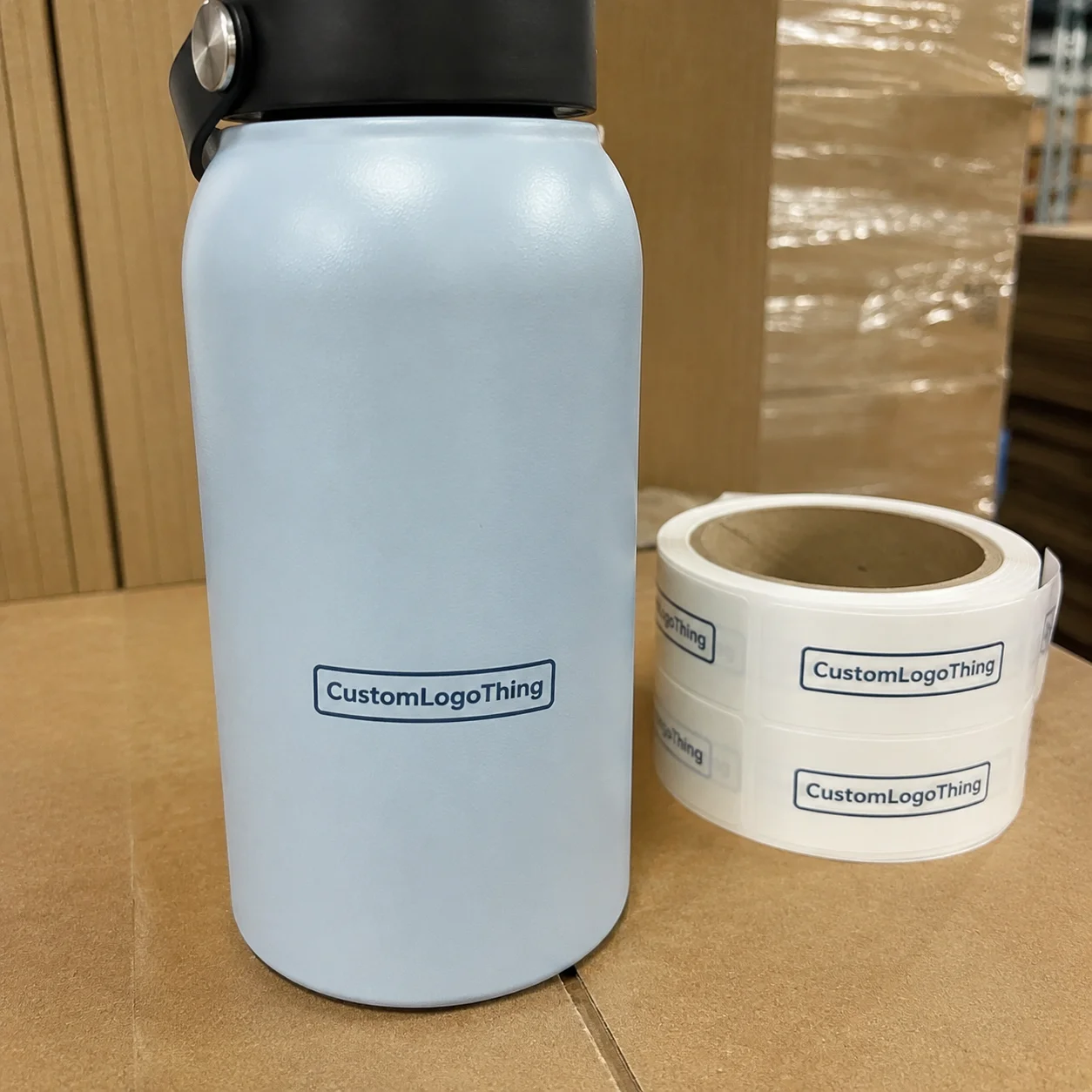
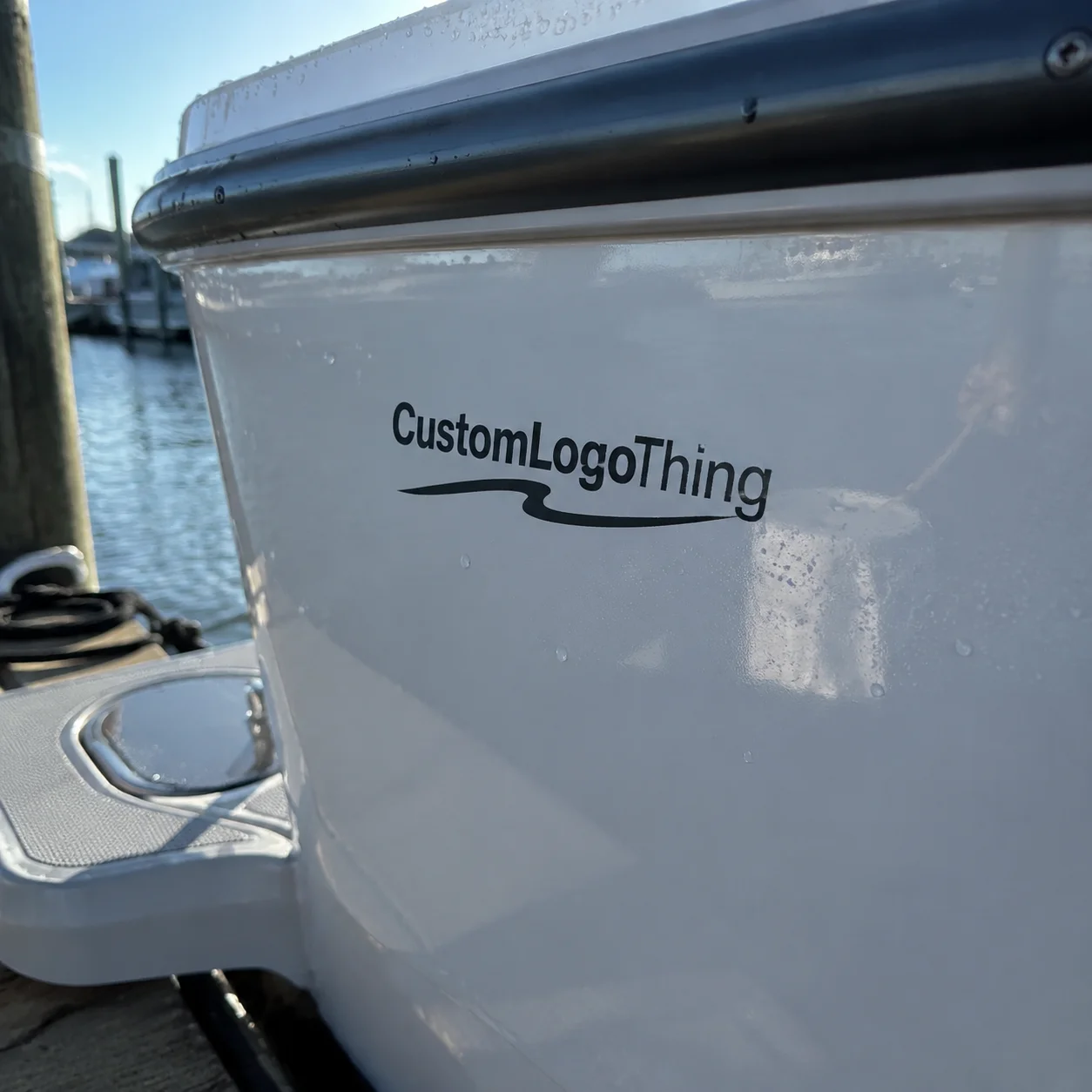
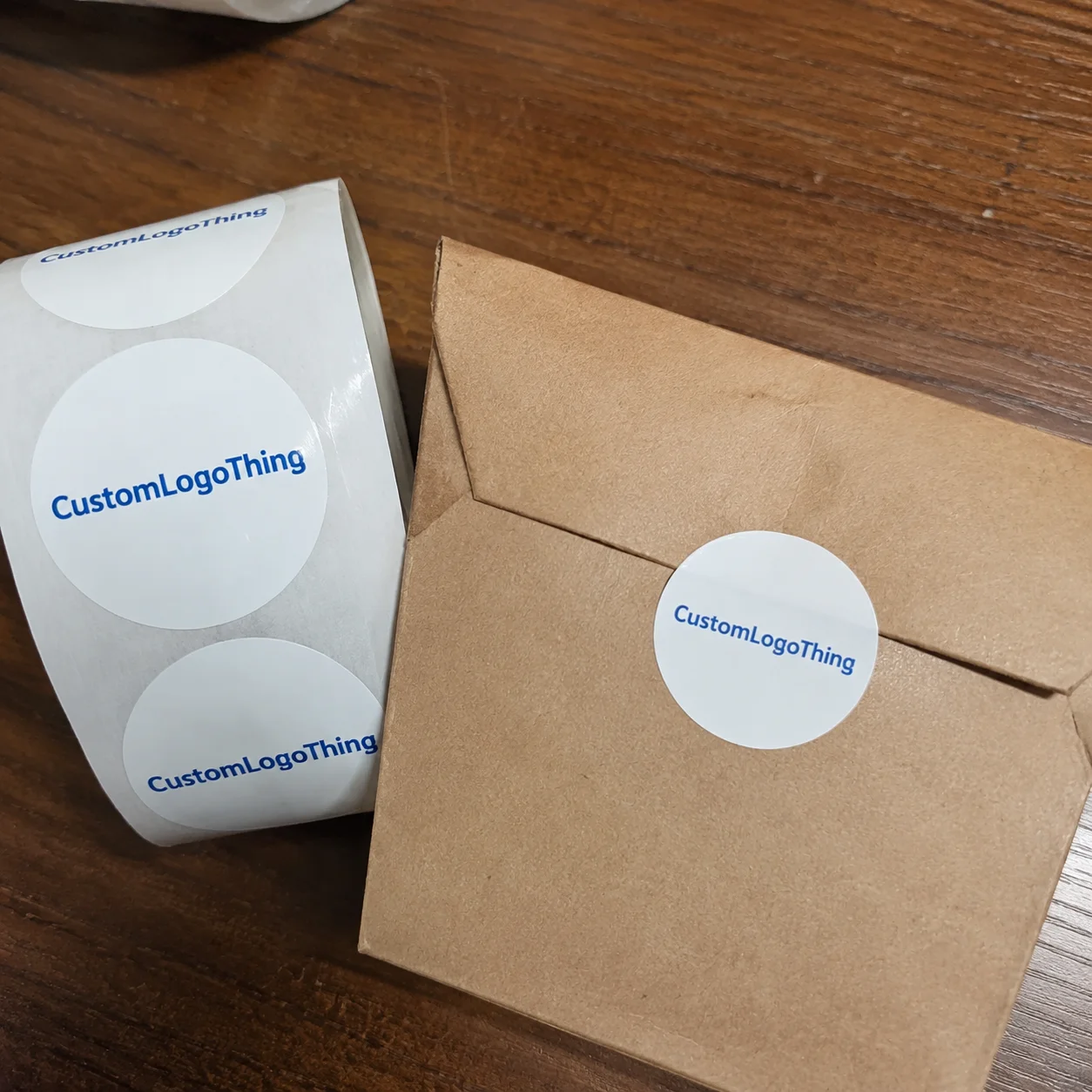
Cheapest Custom Stickers Online Without Guesswork
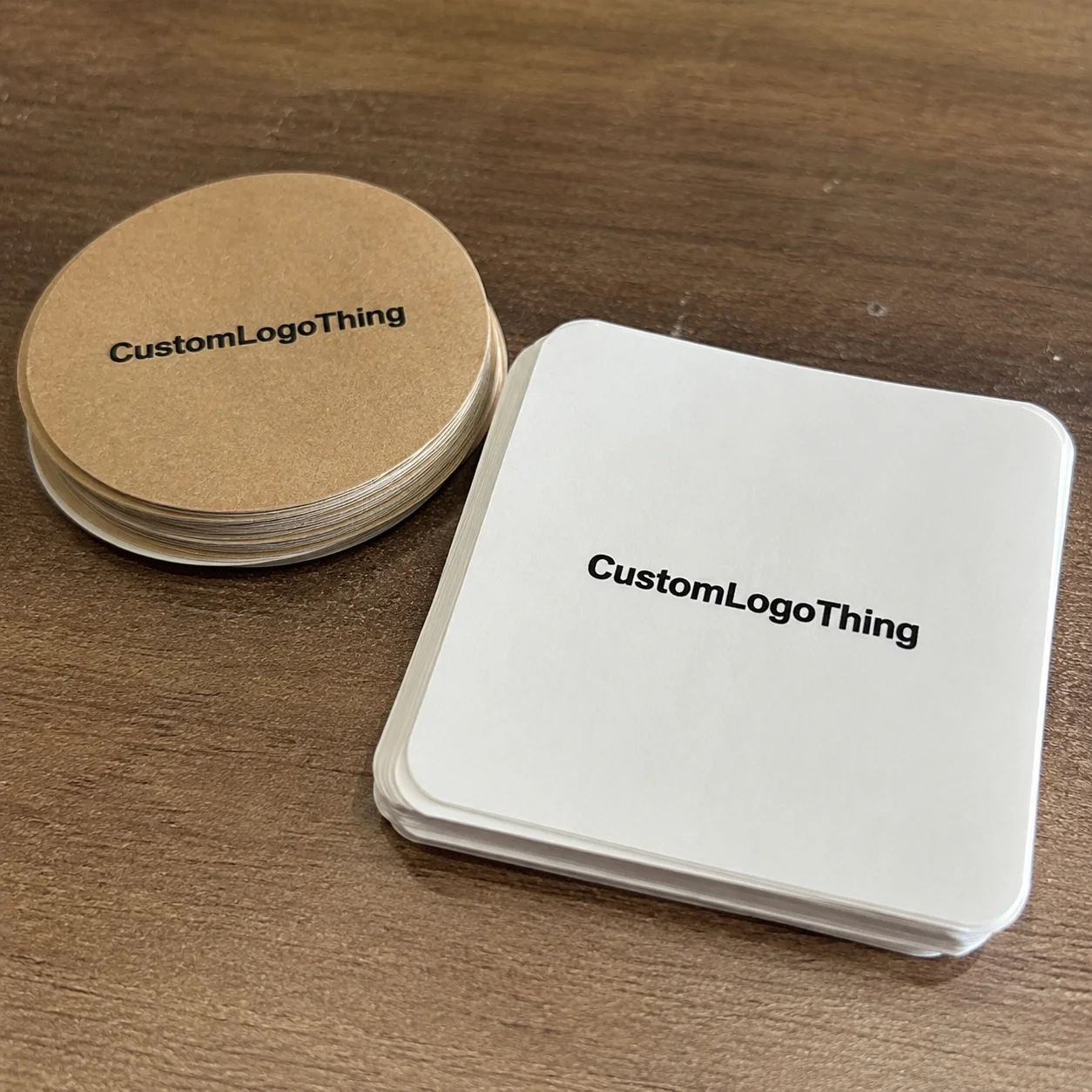
A small brand needs 2,000 product stickers before a launch. The artwork looks finished. The deadline seems reasonable. Then the quote arrives with a setup charge, shipping, limited material options, possible artwork fees, and a warning that the lowest-priced adhesive may not hold on the pouch film.
That is the gap buyers run into while searching for the cheapest custom stickers online. They are not usually chasing the thinnest possible label. They want a sticker that looks clean on packaging, arrives before the packing date, and does not create a second bill through peeling edges, dull color, bad cuts, or confusing quote terms.
Cheap should not mean careless. A sticker is a small engineered part: face stock, adhesive, liner, ink, coating, cut path, and packing format. If one part is wrong, the result can curl, smear, lift, scan poorly, or make otherwise strong product packaging look unfinished. The damage is small in size but visible in every customer’s hand.
Real value starts by matching construction to the job. Paper labels are usually the economical choice for dry indoor cartons, mailers, candle boxes, hang tags, inserts, and short promotions. Vinyl or BOPP film makes more sense around moisture, oils, bathroom products, refrigerated goods, or heavier handling. Lamination adds cost, but it can protect ink from scuffing when stickers are touched, stacked, shipped, or handed out as giveaways.
Practical rule: the cheapest sticker is not the lowest number on the first quote. It is the lowest total cost for a sticker that survives the surface, environment, timeline, and brand presentation required.
Custom Logo Things is most useful as a quoting partner when buyers need clear options, not inflated premium language. The practical work is straightforward: review artwork, confirm size and surface, recommend a sensible material, and price the order in quantity tiers. If a simple paper sticker will do the job, there is no reason to dress it up. If a wet bottle label needs film stock, the quote should say so before production starts.
The sections below cover materials, print details, specification choices, MOQ, price drivers, timelines, order steps, and what to prepare before requesting a quote for affordable Custom Stickers That still represent the brand properly.
Sticker Materials That Keep Orders Affordable
Material choice has the largest effect on both price and performance. Gloss paper is often the lowest-cost face stock for indoor retail stickers, box seals, thank-you labels, and promotional labels used on dry surfaces. Matte paper prices similarly in many specifications and gives a quieter finish, which works well for natural products, stationery, boutique retail packaging, and brands that do not want a shiny label.
White vinyl costs more than paper, but it is more durable and flexible. It is common for decals, laptop stickers, jar labels, and stickers that may be handled often. Clear vinyl creates a transparent effect on glass, plastic, or colored packaging, although white ink backing may be needed if the design must stay opaque. BOPP, a biaxially oriented polypropylene film, is widely used for bottles, jars, tubes, and moisture-prone products because it resists water better than standard paper and has good dimensional stability.
| Material | Best Use | Cost Position | Common Watchout |
|---|---|---|---|
| Gloss paper | Dry boxes, mailers, inserts, short promotions | Lowest in many standard runs | Not suited to moisture or heavy abrasion |
| Matte paper | Soft retail presentation and branded packaging | Low to moderate | Can show scuffs without coating |
| White vinyl | Durable decals and handled stickers | Moderate | May be more than needed for dry cartons |
| Clear vinyl | Glass, plastic, transparent design effects | Moderate to higher | Color opacity needs review |
| BOPP film | Jars, bottles, refrigerated goods | Moderate | Surface and adhesive must match the container |
Finish choices create another price fork. Gloss coating makes color look brighter, especially on bold logos and high-contrast art. Matte coating reduces glare and can improve readability under store lighting. Soft-touch lamination adds a velvety feel, but it usually belongs on higher-margin products or presentation pieces because it raises unit cost. Standard lamination is more practical for stickers packed as singles, handled at events, applied to shipping cartons, or exposed to repeated rubbing.
Adhesive should stay simple unless the application demands more. Permanent adhesive works for most packaging. Removable adhesive helps with temporary promotions, limited-time offers, and stickers that should peel away without tearing the surface. Freezer-grade, high-tack, or specialty adhesives are useful in cold, rough, curved, or low-surface-energy situations, but they should be specified for a reason. They are not automatic upgrades.
For sustainability-minded buyers, material and liner choices can be reviewed beside broader packaging goals. If the sticker sits on cartons, sleeves, or paper-based sets, it may be useful to review forest-based packaging references from the Forest Stewardship Council and align the sticker decision with the rest of the packaging design. The cleanest selection rule does not change: choose the least expensive material that survives the product environment. Over-specifying wastes budget. Under-specifying creates peeling, smearing, and replacement costs.
Print Specs, Shapes, and Finishes Buyers Should Confirm
A useful sticker quote needs more than a logo file. Confirm size, shape, quantity, material, finish, adhesive type, print colors, and packing format. Also state whether the order needs kiss-cut stickers, die-cut stickers, roll labels, sheeted labels, or individually cut pieces. One missing detail can move the price because cutting time, waste, setup, and packing labor change from format to format.
Standard shapes keep orders economical. Circles, squares, rectangles, ovals, and rounded rectangles usually run efficiently because setup, nesting, cutting, and finishing are predictable. A complex custom die-cut shape can look excellent, but it may add setup time or slow finishing if the cut path has tight corners, narrow points, or delicate edges. Fine points also lift more easily on some surfaces, especially when the sticker is handled often.
Digital printing is efficient for short to mid-size runs, fast schedules, and multiple artwork versions. It helps when a buyer needs 500 pieces of four designs rather than 2,000 pieces of one design. Larger runs may benefit from production methods that lower unit cost after setup, especially if the artwork is stable and repeat orders are likely. The right method depends on run length, color needs, finishing, and how many versions are involved.
CMYK printing works well for most sticker artwork: logos, icons, illustrations, barcodes, and promotional graphics. Brand-critical colors need more scrutiny. Dark backgrounds, gradients, metallic-looking effects, and clear substrates can shift from screen to print, so proof review is not paperwork theater. If an exact corporate color is required, provide a Pantone reference or brand guide and ask how closely the selected process can hold it.
Artwork quality is one of the easiest cost-control points to fix early. Vector files such as AI, EPS, or print-ready PDF files are preferred for logos because they scale cleanly and keep edges sharp. High-resolution raster artwork should be prepared at final print size, commonly 300 dpi for standard sticker work. Add bleed where ink runs to the edge, keep text and barcodes inside the safe area, and include cut lines where applicable.
QR codes deserve a separate check. They should be large enough to scan after printing and coating; many small product labels need a QR code around 0.8 inches square or larger, depending on contrast, code density, and the scanner distance. A code that works on a bright monitor may fail once it is reduced, coated, and wrapped around a curved container.
Format affects the buyer’s workflow. Rolls suit labeling machines and faster hand application. Sheets are convenient for small teams applying stickers at a packing bench. Singles are better for giveaways, inserts, retail counter distribution, or promotional bundles. If the sticker is part of a larger packaging set, it can be coordinated with Custom Labels & Tags or broader Custom Packaging Products for consistent package branding.
Pricing, MOQ, and Unit Cost Factors
Sticker pricing is built from several pieces: material, size, quantity, print coverage, finishing, cutting complexity, packing format, proofing, shipping, and any special adhesive or lamination requirement. A small one-color paper rectangle on rolls will almost always price better than a large laminated waterproof vinyl die-cut sticker packed as individual pieces. That does not make one better. It means each sticker should be quoted against its real job.
MOQ is practical, not mysterious. Lower minimums help startups test artwork, seasonal messages, flavor variants, and product-market fit. Higher quantities usually reduce unit cost because setup time, file handling, machine calibration, material staging, waste, and finishing labor are spread across more pieces. In many sticker orders, the price drop between 250 and 1,000 pieces is more noticeable than the drop between 5,000 and 6,000 pieces because fixed production steps have already been absorbed.
For planning, compare three tiers: a test run, a likely reorder quantity, and a bulk order. The actual price depends on the specification, but a simple 2-inch paper sticker sits in a different cost bracket than a 4-inch laminated vinyl decal. Ask for tiered quotes rather than one quantity only. Seeing 500, 1,000, 2,500, and 5,000 pieces side by side helps identify the point where the unit cost drops enough to justify a larger order.
The lowest quote may not become the cheapest finished order if it excludes shipping, artwork cleanup, proofing, material upgrades, or rework caused by unclear files. Buyers get caught here more often than they expect. A low unit price looks attractive until the sticker fails on a refrigerated jar, the logo prints muddy, or the cut line trims too close to small text. Reprints are expensive because they cost time and momentum, not just paper or film.
Send complete specs with the first inquiry: dimensions, quantity, material preference, application surface, indoor or outdoor use, artwork file, and target delivery date. If you are comparing the cheapest custom stickers online, give every supplier the same information. Otherwise, one quote may be paper with no lamination, another may be BOPP with gloss coating, and a third may not include freight.
For broader transit planning, especially when stickers are applied to cartons or e-commerce shipments, buyers may also find useful standards through the International Safe Transit Association. A sticker does not carry the shipping load, but abrasion, compression, humidity, and handling can affect the finished look of branded packaging.
Order Process and Turnaround Timeline
A clean order process protects both price and schedule. The usual sequence is simple: submit artwork and specs, receive a quote, approve material and finish, review the digital proof, confirm payment, move into printing, complete cutting and finishing, inspect, pack, and ship. Each step is small. Skipping one can create a larger delay later.
Clean vector artwork, confirmed dimensions, standard materials, simple shapes, and quick proof approval can speed up production. A 2.5-inch round gloss paper sticker on rolls is easier to schedule than a multi-version clear vinyl order with white ink, tight registration, and individual cutting. Standard choices are not dull. They are often the reason affordable sticker orders move predictably.
Several items slow production. Missing bleed requires artwork revision. Low-resolution images may need replacement before printing. Complex die-cut paths can require adjustment so small points do not tear or lift. Specialty adhesives may need extra sourcing time. Multiple design versions increase proofing and file checks. Color-critical jobs need more review, and custom samples add days before full production begins.
Proofing is a cost-control step. A digital proof catches spelling, sizing, cut-line, and layout issues before production. For low-cost sticker orders, proof approval is especially valuable because one missed typo across 5,000 pieces can erase the savings that brought the buyer to the lowest quote in the first place.
Discuss turnaround during quoting because production time and transit time are separate. A sticker can print quickly and still miss a launch if the shipping service is too slow. Share the required in-hands date, destination ZIP code or country, and whether partial shipment is acceptable. If the schedule is tight, splitting a shipment can sometimes get enough stickers to the packing team while the balance follows by standard service.
Quality Checks That Prevent Cheap-Looking Stickers
There is a real difference between affordable stickers and stickers that simply look cheap. Clean edges, consistent color, readable small type, correct adhesive, and a suitable finish all shape the final impression. A customer may not know the sticker material by name, but they notice crooked cuts, dull ink, peeling corners, and labels that feel wrong for the package.
Quality checks should start before printing. Artwork resolution must match final size. Bleed should extend past the cut line, and important details should stay inside the safe zone. Cut registration matters on borders and circles because even a 1/32-inch shift can look obvious on a tight outline. Coating consistency matters on dark solids. Adhesive suitability matters on glass, pouches, corrugated board, plastic jars, and coated paper cartons because those surfaces behave differently.
Roll direction is another detail worth confirming for machine-applied labels. If labels feed the wrong way, the packing line may have to rewind rolls or apply by hand, which can erase the value of buying roll labels. Edge protection during packing matters too. Loose singles can get corner dings if they are not bundled, shrink-wrapped, or boxed properly.
Common buyer mistakes are easy to avoid with a careful review. Paper labels should not be chosen for wet environments only because they are cheaper. Small text should not be pushed below readable size; many buyers regret anything under 5 or 6 points on small product labels, especially with thin script fonts. Important details should not sit near the cut line. Complex shapes should not be selected only because they look interesting on screen.
Good sticker design is usually clear design. Use strong contrast. Simplify fine details. Keep QR codes large enough to scan after coating. Avoid relying on very subtle color differences that may shift in CMYK printing. If the sticker is applied to textured surfaces, curved containers, refrigerated packaging, or retail displays, a material sample or smaller test run can reduce risk before a larger order.
These checks protect the budget. A low unit price only matters if the finished stickers apply cleanly and represent the brand well. That is especially true when stickers sit beside custom printed boxes, hang tags, tissue, sleeves, or other visible package branding pieces.
Next Steps to Get a Fast, Accurate Sticker Quote
Fast quoting starts with complete information. Send the sticker size, shape, quantity, material preference, finish, adhesive needs, roll or sheet format, number of artwork versions, delivery location, and required arrival date. If the material is uncertain, describe the product and application environment instead. A useful quote can recommend the construction from there.
Surface details matter more than many buyers expect. Cardboard, glass, plastic, pouch film, paper bag, metal tin, bottle, jar, and mailer surfaces do not all accept adhesive the same way. Surface energy, texture, coatings, and exposure conditions affect whether a sticker bonds cleanly or lifts at the edge. A smooth glass jar in a dry pantry is different from a curved plastic bottle in a refrigerated case.
Describe the environment in plain language: dry shelf, freezer, bathroom counter, shipping box, outdoor use, frequent handling, or refrigerated display. Mention oils, moisture, condensation, sunlight, or abrasion if they are part of normal use. These details help prevent overpaying for the wrong upgrade or underbuying a material that cannot handle the job.
Ask for price breaks and alternatives. A slightly smaller size may fit more efficiently on the sheet or roll. A standard shape may reduce cutting time. A paper-to-film comparison can show whether the upgrade is worth it. A higher quantity tier may lower the unit price enough to support a planned reorder. This is the practical route to the cheapest custom stickers online without gambling on hidden tradeoffs.
- Size: width and height in inches or millimeters
- Quantity: test run, reorder level, and bulk target if known
- Material: paper, vinyl, clear film, BOPP, or request a recommendation
- Finish: gloss, matte, soft-touch, or protective lamination
- Use: surface type, indoor or outdoor exposure, moisture, handling, and temperature
- Schedule: required arrival date, destination, and shipping preference
After details are sent, expect a spec review, material recommendation, quote, proof stage, production schedule, and shipping estimate. Custom Logo Things can also help align stickers with related packaging pieces if the brand is building a product launch or refreshing its retail presentation.
The smartest buying move is not to ask for “cheap stickers” in vague terms. Send complete specs and artwork so pricing reflects the real sticker, not a placeholder estimate. Clear details produce cleaner quotes, fewer revisions, and a finished sticker that does its job without wasting budget.
FAQ
Where can I buy cheap custom stickers online without losing print quality?
Choose a supplier that reviews artwork before production, recommends materials based on the application, and provides a proof before printing. Keep the sticker size, shape, and finish practical because standard shapes and common materials usually keep pricing lower. Ask for quantity price breaks so the unit cost can be compared at test-run and bulk-order levels.
What is the cheapest material for custom product stickers?
Gloss or matte paper is often the lowest-cost option for dry indoor packaging, shipping boxes, inserts, and short-term promotional stickers. Vinyl or BOPP costs more, but it may be the better value for bottles, jars, refrigerated items, or stickers exposed to moisture and handling. The cheapest useful material is the one that performs correctly in the product environment.
How do I lower the unit cost on custom stickers?
Increase quantity where practical because setup and file handling are spread across more pieces. Use standard shapes, avoid oversized dimensions, limit complex die-cut paths, and choose only the finish the application truly needs. Send complete specifications upfront to avoid requotes, delays, or production changes.
What MOQ should I expect for affordable custom stickers?
MOQ depends on material, size, finishing, and print method, so buyers should Request a Quote based on the exact sticker specification. Small runs are useful for testing designs, while larger runs generally produce better unit pricing. Ask for multiple quantity tiers to see whether ordering more pieces creates a meaningful savings point.
How fast can cheap custom stickers be printed and shipped?
Turnaround depends on artwork readiness, proof approval, material availability, finishing complexity, and shipping distance. Simple stickers with clean artwork and standard materials usually move faster than specialty adhesives, complex die cuts, or multi-version orders. Provide the required in-hands date during quoting so production time and transit time can be planned together.