Chocolate Brand Belly Bands Quote: Request Pricing
Chocolate Brand Belly Bands quote requests can look simple on a spreadsheet, but the small choices inside them carry a lot of weight. A narrow printed wrap can change how a shopper reads a chocolate product before the box is even opened, sharpen the shelf line, and make a gift set feel finished instead of hurried. In proof reviews, a two-millimeter mistake is often enough to make a clean package feel off-center, and that is kinda the whole story here: the quote is really a specification check dressed up as pricing.
Packaging buyers usually notice the economics first. A belly band can give a chocolate line a premium look without the cost of a fully printed carton on every SKU. It also helps seasonal flavors move quickly, which matters when holiday runs, limited editions, and gift assortments need new artwork without a full structural redesign. A useful chocolate Brand Belly Bands quote should show those tradeoffs clearly, line by line, so you can compare options without guessing what is really included.
The practical question is simple: what does a chocolate Brand Belly Bands quote include, and what pushes the price up or down? Size, stock, print coverage, finishing, quantity, and whether the band is shipped flat or pre-assembled drive most of the answer. The fuller answer is where buyers find savings, where costs creep up, and where a vendor should be offering grounded guidance instead of vague promises.
Chocolate brand belly bands quote: why a small wrap changes shelf math
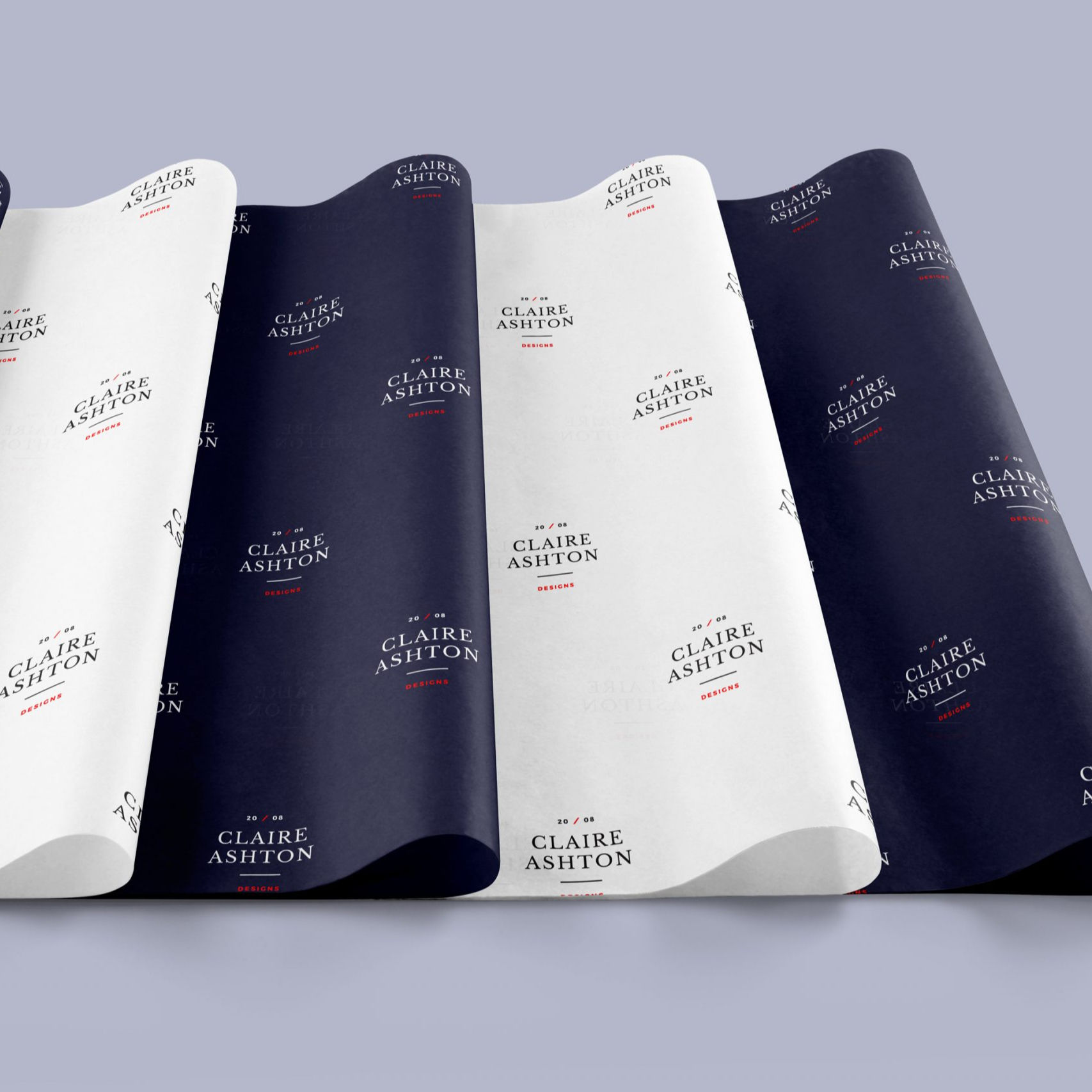
A chocolate brand belly bands quote can say as much about your packaging strategy as the final mockup. A small wrap is easy to underestimate because it covers less surface area than a carton sleeve, but that narrow strip often carries the logo, flavor name, barcode, seasonal callout, and the first visual signal a shopper sees. In real use, that means the belly band can do the heavy lifting for brand identity while the box underneath stays simple and cost-controlled.
That matters most in chocolate, where assortment changes are common. One retailer may want a format for the core bar line, another for a truffle gift box, and a third for a short holiday release. If each version needs a fully custom carton, the budget and timeline rise fast. A chocolate brand belly bands quote gives buyers a way to update copy, colors, and variant names without rebuilding the full package every time the line shifts. For brands balancing margin with visual branding, that is a practical advantage, not a decorative one.
The same pattern shows up in a lot of packaging programs: teams spend their attention on the outer carton, then miss the fact that the outer wrap often shapes the first impression. The band adds structure to shelf-ready chocolate boxes and gift assortments. It creates a cleaner retail read, and it can lift customer perception without adding unnecessary material coverage. For brands that want a premium look without premium waste, a chocolate brand belly bands quote is often the most direct route to a stronger shelf result.
Packaging truth: a low unit price means little if the band misses the seam, prints dull on a dark stock, or arrives with uneven score lines. Real value comes from the match between the quote and the package it needs to serve.
There is also a retail math angle that buyers should keep in view. A belly band can support tighter SKU management because the base box stays the same while the printed message changes. That reduces inventory fragmentation, which is useful for seasonal flavors and smaller chocolate runs. It also helps preserve brand consistency across product families. One well-specified band can carry multiple forms of branding logic: logo placement, flavor coding, promotional messaging, and even a sustainability claim if the material supports it.
When buyers ask for a chocolate brand belly bands quote, they are usually weighing three priorities: speed, presentation, and cost discipline. The best quote makes those tradeoffs visible. It should show where the savings come from, what is being printed, and how much control exists over finish and fit. If it does not, the buyer ends up comparing numbers that may not describe the same product.
What a chocolate brand belly bands quote should include
A strong chocolate brand belly bands quote starts with clarity about the product. A belly band is a printed wrap that slips around a carton, tray, sleeve, or assortment box to identify the chocolate brand and variant. That sounds obvious, but confusion appears quickly when one supplier treats a band as a simple paper strip and another treats it as a scored, folded, partially glued component. If the scope is loose, the quote comparison becomes misleading.
The minimum quote inputs are practical, not decorative. Buyers should provide finished band size, stock choice, print sides, quantity, and whether the job needs folding, gluing, scoring, or perforation. If the band wraps a rigid gift box, the tolerance window differs from a folded kraft sleeve or a display carton. That changes the quote because it changes the production method. A chocolate brand belly bands quote that skips those details usually misses cost, fit, or both.
Artwork requirements matter just as much. The supplier needs bleed, safe area, dieline alignment, and any barcode or regulatory copy that must land in a precise place. If you have multiple chocolate flavors, each version may need a separate panel for the flavor name, ingredient statement, or promotional message. A good quote should note whether those versions are priced as one master layout with variable data or as multiple separate setups. That distinction affects prepress time and final unit cost.
There is also a difference between a quote that prices the paper and a quote that prices the work. The work includes proofing, file checks, die creation if needed, trimming, scoring, and shipping. If those are not named, they may show up later as extra charges. Experienced buyers ask for line-item clarity for exactly that reason. A simple order can look inexpensive until prepress, proof revisions, or freight are added. A useful chocolate brand belly bands quote avoids that trap by showing the full path from file to finished bands.
Most belly bands are printed flat and applied during pack-out, which keeps the job economical. If you need the bands pre-glued, pre-mounted, or shipped as a finished sleeve rather than a loose wrap, say so early because that changes labor, yield, and freight. It is one of those little details that can quietly move the quote by a lot.
For sourcing and material control, some packaging teams also ask whether paper can be certified or chain-of-custody tracked. If that matters for your program, it is worth discussing early and verifying claims against a standard such as FSC. If the band is part of a broader retail display or club-store program, that conversation can affect stock selection and lead time.
Specifications that shape fit, finish, and print accuracy
Fit is where many chocolate programs get exposed. A belly band that is two millimeters off may still wrap the package, but it will not look deliberate. The main measurements are box circumference, band overlap, fold depth, and seam placement. If the seam lands on a logo or flavor panel, the whole presentation feels less disciplined. A chocolate brand belly bands quote should be built from actual box dimensions, not from a rough visual estimate. In packaging, small errors are visible errors.
Material choice changes both appearance and performance. A text-weight stock may work for simple wraps, while a 14pt or 16pt cover stock gives more body on premium chocolate boxes. Kraft can support an artisan or natural visual direction, but it behaves differently under heavy ink coverage. Coated sheets usually hold sharper detail and brighter color, which can strengthen brand recognition on shelf. Each option affects cost, feel, and how the customer reads the product before opening it. A chocolate brand belly bands quote should spell that out rather than leaving buyers to decode paper jargon.
Finish is another lever. Matte can feel restrained and elegant. Gloss pushes contrast and color intensity. Soft-touch raises the tactile experience and can support a more premium unboxing experience, though it often adds cost and may show handling differently. Foil and spot UV are useful when a brand wants the logo to stand apart, but they are not free decoration. They add press steps, registration demands, and sometimes waste if the design is too fine. Buyers asking for a chocolate brand belly bands quote should expect each finish to be tied to a real production effect, not a vague aesthetic promise.
Print accuracy becomes especially important on narrow wraps. Fine text, ingredient lines, and barcode symbols all have limits. Dark stocks can mute detail if the white underlay is not handled well. Heavy ink coverage can create drying issues if the finish sequence is not planned in advance. A reliable quote should describe whether the production uses digital print, offset, or another method, and whether the artwork is likely to need trapping or expansion. That level of specificity protects both visual branding and compliance.
Structural options also change the job. A single band may work for a bar carton, while a double-wrap format can secure a larger gift box or multi-piece assortment. Perforations can make promo packaging easier to open. Tear-strip features can support special retail sets, though they add a setup decision and may change waste yield. These details matter because the same chocolate brand belly bands quote can hide very different construction paths. If the structure is not defined, the buyer may receive a price that solves the wrong problem.
When brands compare material choices, the comparison should rest on use case, not on a generic label of better or worse. A heavy coated stock is not always the smartest choice for a short seasonal run. A kraft band is not automatically cheaper if it requires more ink coverage or a higher reject allowance. The real question is whether the material supports the shelf position, the production method, and the intended customer perception. That is where the quoting conversation becomes useful.
For performance-driven programs, transport testing can matter too. If a banded box is going into distribution with multiple handling points, it is reasonable to think about packaging abuse testing standards such as those published by ISTA. Not every chocolate order needs that level of scrutiny, but the reference is useful when a premium set has to survive repeated movement before it reaches the shelf.
Chocolate brand belly bands quote: cost, pricing, MOQ, and unit cost
Price is where every chocolate brand belly bands quote gets tested. Buyers want a number that fits the launch budget, but the lowest number is not always the best buy. The real cost drivers are size, quantity, material, print sides, and finishing. Size changes substrate usage and trim waste. Quantity changes how much setup gets spread across each unit. Finish changes press time and the amount of handling required. Those variables explain most of the spread between quotes.
MOQ is often where the first surprise appears. Some jobs can start low if the band is simple, the print is straightforward, and the stock is standard. Other jobs need a higher minimum because finishing or setup makes short runs inefficient. That does not mean small runs are impossible. It means the quote should be honest about where the break point sits. A good chocolate brand belly bands quote will show whether the line is suited to test quantities, seasonal orders, or recurring replenishment. If the supplier can support multiple chocolate flavors on one order, the per-SKU economics may improve as long as the layout is handled cleanly.
Unit cost drops as quantity rises, but not in a straight line. The first thousand units carry setup burden, proofing, and make-ready. The next few thousand usually improve the unit number quickly. After that, the savings flatten because material and press time still have floors. That is why buyers should ask for several price tiers. A 2,500-piece order may look very different from 5,000 or 10,000 pieces, and the best selection is not always the lowest unit price if the stock or timing creates extra inventory risk.
Use the table below as a planning tool, not a final offer. It shows the kinds of pricing relationships buyers often see when they request a chocolate brand belly bands quote for a chocolate bar or gift-box application.
| Option | Typical use | MOQ | Estimated unit cost | Notes |
|---|---|---|---|---|
| Simple C1S band, 1-color print | Core bars, low-decor packs | 1,000-2,500 | $0.12-$0.22 | Best when the design is clean and the band size is standard |
| Premium cover stock, 4-color print | Gift boxes, seasonal assortments | 2,500-5,000 | $0.18-$0.34 | More visual impact, better for brand consistency across retail sets |
| Kraft stock with selective finish | Artisan or natural-positioned chocolate | 2,500-5,000 | $0.20-$0.36 | Kraft can need heavier ink coverage or a white underprint |
| Soft-touch + foil accent | Premium gifting, holiday releases | 5,000+ | $0.30-$0.55 | Higher decoration value, but more setup and tighter registration control |
Those figures are not one-size-fits-all numbers. They shift with trim size, press method, shipping destination, and whether the job is a straight band or a scored, glued component. Still, they are useful because they frame the quote conversation in real terms. A buyer can look at a chocolate brand belly bands quote and quickly see whether a premium finish is adding 8 cents or 25 cents. That kind of visibility changes how teams prioritize visual branding.
Ask what is included before you compare offers. Does the price cover prepress? Are PDFs checked before proofing? Is the physical proof included or billed separately? Does freight appear in the final landed cost? A quote that looks cheaper on paper may become more expensive once those pieces are added. This is where many buyers make avoidable mistakes: they compare numbers that do not describe the same scope. A disciplined chocolate brand belly bands quote should allow like-for-like comparison across quantity tiers and shipping destinations.
There is a second pricing issue that matters for chocolate specifically: waste. A band with a poor seam allowance or weak registration can create reject risk. That risk is not just a production headache; it changes the effective unit cost because the printed pieces you paid for may not all be usable. The best vendors think about that before the order starts. They recommend dimensions that fit the package, check artwork against the dieline, and reduce surprises. In other words, the quote should support the project, not merely price the paper.
If you need a broader sense of packaging economics, industry references from organizations such as the Institute of Packaging Professionals can be useful for terminology and process context. That does not replace a project-specific quote, but it helps buyers ask better questions and avoid vague comparisons.
Process, timeline, and turnaround from files to finished bands
A reliable chocolate brand belly bands quote should also explain how the project moves. The path is usually simple on paper: request details, review specifications, confirm artwork, approve proof, print, finish, and ship. In practice, most delays happen before the press ever starts. Missing dimensions, incorrect dielines, and late proof approval are the biggest causes. If a buyer wants a realistic timeline, the quote process has to begin with accurate inputs.
The fastest way to move a project is to send the finished box dimensions, quantity by SKU, target delivery date, and a sample or dieline if one exists. When the supplier can see the exact wrap geometry, they can catch fit issues before production. If a bar size changes by even a small amount, the overlap may shift enough to affect seam placement. That is why a chocolate brand belly bands quote depends so heavily on detail. One missing dimension can slow the entire schedule.
Lead time should be broken into pieces. Proofing time is not production time. Production time is not shipping time. Buyers who combine all three into one vague estimate often get burned. A simple order may move quickly once artwork is approved, but complex finishing or multiple SKUs can stretch the schedule. If the program is tied to a launch date, seasonal promotion, or holiday retail window, the buffer should be real, not optimistic. I would rather see a buyer plan early than rush a last-minute approval and accept avoidable compromise.
For chocolate packaging, timing pressure is rarely just about the band. It is also about freight, fill schedule, and store setup. The band has to arrive before the boxes are packed, or the whole flow stalls. That is why a practical chocolate brand belly bands quote should define the real delivery date, not just the press date. The arrival date is what matters when multiple vendors are involved.
Here is the kind of sequence that keeps a project under control:
- Step 1: confirm box dimensions and band style.
- Step 2: review artwork, copy, and barcode placement.
- Step 3: approve a digital or hard proof.
- Step 4: schedule print, finishing, and trimming.
- Step 5: add shipping time and receiving time.
That sequence matters even more when the order includes multiple flavors or holiday versions. Each SKU can introduce a different file set or variable text panel. A tight workflow prevents one slow approval from holding up the entire batch. It also improves brand consistency because every version is checked against the same proofing logic.
Buyers who want a deeper operational view often start with supplier communication, then review previous work. Our Case Studies page is a useful place to see how packaging decisions are translated into practical production outcomes. If you are ready to move faster, you can also start with our Contact Us page and send the basic specs in one message.
One more timing note: if your chocolate line needs certification language, sustainability claims, or special handling notes on the band, build in time for copy review. That is not only a design issue; it is a compliance and approval issue. The earlier it is caught, the fewer surprises later. A good chocolate brand belly bands quote should help you plan for that reality instead of hiding it.
Why buyers choose us for chocolate brand belly bands
Buyers do not need hype. They need packaging that fits, prints cleanly, and lands on time. That is the real reason many teams ask us for a chocolate brand belly bands quote. The focus is on packaging accuracy, not a generic template. If the box is a little deeper than standard, the band should be adjusted. If the logo needs tighter registration, that should be flagged before production. If the finish will affect readability, the quote should say so plainly.
Chocolate launches are unforgiving in one specific way: they do not wait. Seasonal assortments, retailer resets, and promotional gift sets usually have fixed windows. A vendor that understands that pressure is worth more than one that only talks about print capability. We look at the band the way a packaging buyer does: does it match the package, does it support the brand identity, and does it protect the schedule? That practical lens is what turns a chocolate brand belly bands quote into a usable sourcing document.
Consistency matters too. When a brand runs the same format across several flavors, the print color, fold logic, and trim placement need to stay stable across lots. That protects customer perception and keeps the shelf look coherent. A good quote process should identify whether the same setup can be reused on reorders and whether later runs will match the earlier lot. That is a small detail until the reorder arrives and the boxes no longer line up visually.
There is also value in knowing what not to overbuild. Many chocolate brands pay for a more complicated carton than they need, especially on short runs. A belly band can give the package a premium cue without forcing a full structural redesign. That gives the buyer more room to manage margin. It also gives marketing teams a cleaner way to test seasonal graphics, flavor callouts, and campaign messages without carrying high inventory risk.
A transparent chocolate brand belly bands quote should include written specs, not just a number. It should say what stock is being used, what finish is included, what the fold or score looks like, and what the quoted quantity really means. That level of clarity reduces friction later. It also makes reordering easier because everyone can compare the current job to the last one without digging through old emails.
If you are comparing suppliers, ask the same questions every time: what is the exact size, what finish is included, what proof is provided, and how is freight handled? Those four questions expose most quote differences quickly. They also show whether the vendor is thinking like a packaging partner or just a print seller. For a chocolate brand, that difference affects both the unboxing experience and the numbers on the invoice.
Next steps before you request your final quote
Before you request a final chocolate brand belly bands quote, gather the basics. You need the box dimensions, the quantity by SKU, the artwork files, the preferred stock or finish, and the delivery deadline. If you have multiple flavors, list them clearly. If the band must align with a logo, barcode, or flavor strip, mention that upfront. Good packaging quotes start with clean inputs, and clean inputs save time for everyone.
It also helps to ask for more than one scenario. A quote at 2,500 pieces may look very different from a quote at 5,000 or 10,000. Sometimes the jump in quantity lowers the unit cost enough to justify a larger run. Sometimes it does not, because storage and forecast risk cancel out the savings. That is why a useful chocolate brand belly bands quote should give you options, not a single number with no context.
Ask for proof review before production if the band has to align tightly with a logo panel or barcode. Ask whether the price includes prepress and shipping. Ask if the supplier can support a reorder without rebuilding the artwork setup. Those questions sound basic, but they are the ones that protect budget and timing. In packaging procurement, the simplest questions usually save the most money.
One practical way to handle the project is this:
- Define the package size and the band style.
- Choose the material based on shelf position and finish needs.
- Decide whether the run is a launch, a seasonal refresh, or a reorder.
- Request tiered pricing so you can compare unit cost properly.
- Confirm proofing, shipping, and arrival timing before you approve.
That order works because it keeps the decision grounded in the real packaging job. The buyer gets the practical details first, then the price, then the timeline. It is a cleaner sequence than asking for a number and hoping the rest fits later. For chocolate, where presentation and timing are both tied to sales performance, that order matters.
If you are ready to move, send the specs and ask for a chocolate brand belly bands quote that reflects your actual box, not a generic format. The more precise the information, the more accurate the response. Start with size, quantity, finish, and delivery need, and the quote can be built around the real packaging requirement instead of a loose estimate.
The smartest chocolate brand belly bands quote is the one that makes your shelf presentation stronger, your inventory cleaner, and your reorder path easier. Send the finished dimensions first, include the target quantity by SKU, and ask for tiered pricing with proofing and freight called out separately; that is the cleanest way to get a number you can actually compare.
FAQ
How do I request a chocolate brand belly bands quote?
Send the finished box dimensions, quantity by SKU, and the artwork file format you have available. Include the preferred stock, finish, and whether the band needs folding, scoring, or gluing. Ask for a proof and a unit-cost breakdown so you can compare quantity tiers cleanly. A complete chocolate brand belly bands quote usually comes back faster when those inputs are in one message.
What changes the price of custom belly bands for chocolate packaging?
The biggest drivers are size, quantity, material, print sides, and finishing. Complex artwork, foil, spot UV, and specialty stock usually raise the price. Shipping, prepress, and proofing can also affect the landed cost. If you want a fair comparison, ask each supplier to quote the same scope for the chocolate brand belly bands quote.
What is a typical MOQ for chocolate belly bands?
MOQ depends on the material, print method, and whether the job is a short test run or a recurring order. Some projects can start with smaller quantities if the artwork and specs are simple. Ask for multiple quantity options so you can see where the unit cost drops most sharply. That is usually the fastest way to judge whether a chocolate brand belly bands quote fits your production plan.
How long does the process usually take after I approve the proof?
Timeline depends on production complexity, finishing, and current press schedule. Simple bands move faster than jobs with foil, special folds, or multiple SKUs. Shipping time should be added separately so you know the real delivery date. A solid chocolate brand belly bands quote will separate proof time from production time instead of blending them together.
Can one belly band work for different chocolate flavors or box sizes?
One size can work across flavors if the package footprint stays consistent. Multiple box sizes usually need separate dielines or adjusted overlap allowances. If the variants are numerous, ask about a shared format that only changes the variable artwork panels. That approach can keep brand consistency intact while still letting the chocolate brand belly bands quote stay practical. The best next step is to send one finished size per box style, plus the target quantity and delivery date, so the quote is built around the actual packout instead of a rough guess.


