Pet Treat Pom Pom Beanies Material Sample Guide for Brands
For a brand sourcing a novelty accessory, a material sample is where the idea stops being decorative and starts acting like a product. Photos can flatter almost anything. A physical sample shows whether the knit has enough body, whether the pom looks full after handling, and whether the beanie still feels premium once the logo, label, and pack-out are added.
That matters because a sample is not just a smaller version of the final hat. It is the first proof that the fabric, stitching, trim, and presentation can survive inspection, folding, shipping, and shelf display without falling apart in the details.
Why a sample reveals real texture, loft, and trim behavior
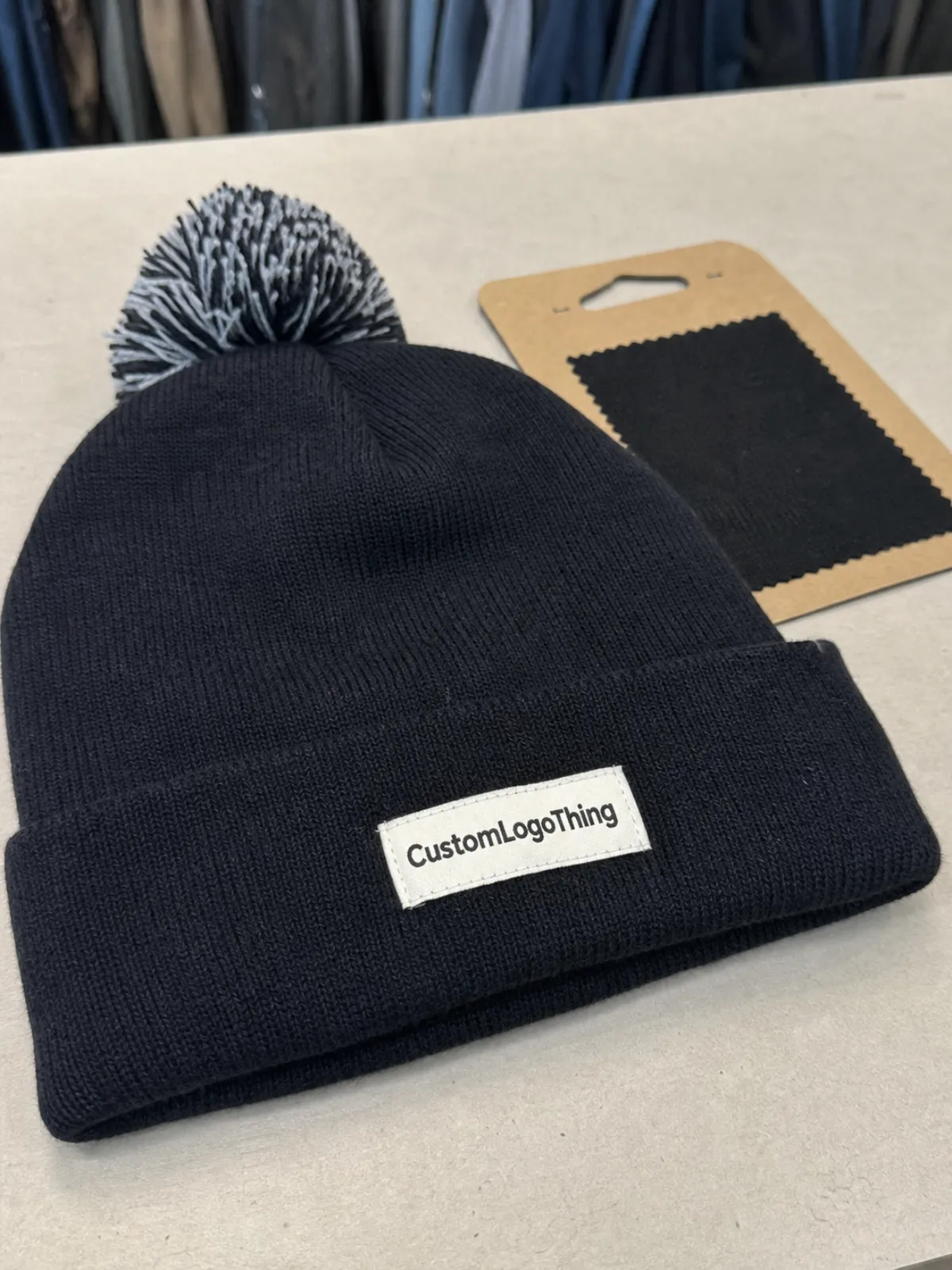
A flat image cannot show knit density, and that is usually the first surprise buyers run into. One beanie may look plush online, then arrive with a looser gauge that feels thin at the cuff and collapses once it is handled a few times. Another may look simple, yet hold its shape because the yarn, stitch pattern, and rib structure were chosen with care.
The practical value of a sample is simple: it shows how the product behaves, not just how it photographs. For a pet treat pom pom Beanies Material Sample guide, three things matter most: knit density, pom shape, and whether the beanie keeps its silhouette after it is squeezed, folded, and placed back on a table.
That last part sounds minor until someone opens a carton of production goods and finds a hat that has lost its crown line or a pom that leans sideways. By then, the problem is expensive. A sample catches it early.
A good sample answers one question clearly: does this still feel like the brand after a buyer has handled it ten times?
From a packaging and merchandising point of view, the sample also shows seam visibility, stretch recovery, and overall proportion. Does the cuff bounce back after being pulled? Does the top slump? Do stitches near the logo sit flat, or do they pucker enough to make decoration look uneven? Those details are small on paper and obvious in hand.
It also shows whether the piece can survive the rest of the supply chain. A sample may need to be folded, bagged, boxed, and shipped with other units. If the shape distorts too easily, the issue can surface during inspection or retail display long after artwork approval.
What goes into the sample build: knit body, pom, lining, and finish
A useful beanie sample is built in layers, and each one changes how the final piece feels and sells. The knit shell is the foundation, but the cuff shape, rib structure, pom construction, and any inner comfort features all affect the final impression. If one element is off, the whole hat reads differently.
- Shell yarn: The main fiber blend that determines softness, body, and color clarity.
- Gauge and stitch: Tighter knitting gives a cleaner face and more structure; looser knitting can feel softer but usually loses shape faster.
- Cuff profile: A taller cuff feels more substantial, while a shorter cuff looks lighter and less bulky.
- Pom construction: The attachment method and trimming method matter as much as the pom size.
- Interior finish: Lining, seam binding, woven labels, and heat transfers influence comfort and perceived quality.
The pom deserves special attention. A display-ready pom can look full in a photo and still feel flimsy if the fibers are trimmed too aggressively or the attachment point is weak. A sample should show the real pom size, the real attachment method, and the real balance between bounce and durability. If the pom twists, sheds, or hangs too low, that needs to be caught before bulk production.
Finishing details often get rushed, but they are where premium perception is built or lost. A woven label with clean edges, a heat transfer that lies flat, or embroidery that does not distort the knit can lift the product quickly. On the other hand, a rough inside seam, a loose edge binding, or a label stitched too close to the neckline can make the beanie feel more basic than expected.
For brands using logo decoration, sample approval should include the decoration method itself, not just the blank body. That means checking embroidery density, thread sheen, and how much the knit pulls under the stitches. If the logo area is too soft or too stretchy, the decoration may look fine at a glance and still fail close inspection.
Material choices that change handfeel, durability, and retail appeal
Fiber choice changes almost everything a buyer can feel. Acrylic is common because it is cost-effective, easy to color-match, and usually soft enough for retail presentation. Polyester blends can improve durability and help the beanie keep its shape, while wool blends often bring better warmth and a more natural handfeel, though they raise cost and need more care in washing and labeling.
Soft-touch specialty yarns sit in a different lane. They can produce a smoother, more plush feel that works well for premium programs, but they need careful evaluation because softness can come at the expense of structure. A buyer may love the handfeel and still decide the sample is too limp once it is stretched over the cuff and worn for a few minutes.
There is also the matter of wear and recovery. A sample should be pulled, folded, and handled more than once. Look for pilling resistance, color consistency, and whether the hat springs back after the cuff is stretched. If the knit stays distorted, the final product may look tired before it even reaches retail.
The material decision should follow brand position, not just cost. A value-focused pet accessory can work with a straightforward acrylic build and clean decoration. A higher-end retail capsule may justify a denser knit, a better blend, and cleaner finishing around the label and pom. That difference is visible in hand, and buyers usually feel it within seconds.
Packaging matters here too. If the product is meant to look premium on arrival, a simple pack-out using corrugated cardboard, kraft paper, and an insert printed on FSC certified stock can support the story without adding much waste. For sustainability-minded brands, ask about recycled materials, post-consumer waste content, and whether any outer wrap truly needs to be biodegradable packaging or whether a lighter paper-based solution makes more sense for the shipping lane.
For broader packaging and fiber sourcing context, the FSC system is a useful reference point: fsc.org.
Cost, MOQ, and quote variables that affect sample pricing
Sample pricing is rarely one number, because the real cost depends on how much development the product needs. Yarn type, custom dyeing, embroidery, woven labels, pom work, and how many revisions are built into the project all change the quote. If a factory is sourcing a specialty fiber or making a unique trim, the sample can cost more than a simple prototype even when the final unit price looks attractive.
MOQ also affects how the quote is framed. Some suppliers will produce a single prototype with standard materials, while others need a minimum order before they will set up a custom yarn or unique pom detail. That does not always mean the sample is expensive; it means the development cost is being spread differently. Ask whether the sample fee is credited back on production, because that one detail changes the real testing cost.
Here is a practical way to compare options:
| Sample type | Typical quantity | Usual price range | What drives the cost |
|---|---|---|---|
| Basic knit prototype | 1 piece | $35-$90 | Standard yarn, simple knit, minimal finishing |
| Refined sales sample | 1-2 pieces | $75-$140 | Better yarn match, cleaner pom, label or logo work |
| Custom development sample | 1-3 pieces | $110-$220 | Custom-dyed yarn, special trims, embroidery, revisions |
| Pre-production sample | 1-3 pieces | $95-$180 | Approved materials, final construction checks, pack-out review |
Shipping is another line item that can distort a quote if it is not separated clearly. A sample sent by courier in a rigid corrugated cardboard shipper with kraft paper cushioning may cost more than a lightweight mailer, but it also protects the knit shape better and reduces the chance of receiving a flattened or crushed pom. That tradeoff is worth seeing on paper before anyone approves the wrong option.
If a quote looks unusually low, check what is excluded. Some prices cover only the prototype, while others hide courier charges, label changes, or a second round of revisions. The cleanest comparison is the one that breaks out one-time development, unit sample cost, decoration Cost, and Shipping separately.
Process and lead time from sample request to approval
The process usually moves in a straight line if the brief is clear: product brief, material selection, sample specification, prototype build, review, revision, and final sign-off. The best teams keep each step separate. They do not ask for five changes at once and then wonder why the sample drifts away from the original intent.
Lead time depends on material availability and how custom the build is. If the supplier is using standard yarn and a familiar cuff structure, a first sample often takes about 7-12 business days after the brief is locked. If the project needs custom dye matching, special pom work, or a new label setup, 15-25 business days is more realistic. Add shipping time on top of that, especially if the sample must move through multiple hands for review.
Clear inputs speed things up. A concise tech pack, vector artwork, trim placement notes, and reference photos reduce back-and-forth because the factory can interpret the construction without guessing. A useful brief usually includes measurements, target handfeel, logo size, color references, and packaging expectations. If the sample needs to arrive in a specific presentation format, say so early.
For shipment protection and transit testing, some teams use ISTA standards as a reference point. That does not mean every hat needs full lab testing, but it helps to think about how the sample will behave inside the shipper, not just on a worktable. A beanie that arrives perfect in a padded packet is still a weak sample if the pack-out cannot support bulk fulfillment later.
The fastest approval path usually comes from making one decision at a time. Approve the fabric first, then the pom, then the logo, then the packaging. That approach keeps the review clean and reduces the risk of fixing one variable only to break another.
Expert checks and final approval before production
By the time a sample reaches approval, the job is no longer about whether it looks nice on a screen. It is about whether the approved piece matches the brief in the ways that matter for production, merchandising, and fulfillment. A careful buyer checks dimensions, stitch consistency, trim security, color approval, label placement, and pack-out requirements before anything moves forward.
A simple final checklist keeps the decision honest:
- Dimensions: Confirm body length, cuff height, and pom size against the spec.
- Construction: Inspect stitch uniformity, seam tension, and edge finishing.
- Decoration: Review logo size, thread density, and placement accuracy.
- Durability: Tug the pom, stretch the cuff, and check recovery after handling.
- Packaging: Confirm carton size, tissue, inserts, and any retail-ready presentation.
One mistake that shows up often is approving a sample because it feels close enough, then discovering later that it missed a core requirement from the brief. Maybe the cuff height drifted. Maybe the logo was scaled down to fit the knit. Maybe the packaging was switched to a lighter pack-out that saved cost but damaged the unboxing experience. Those are not small issues once production starts.
Another useful habit is documenting the approved sample in one place. Keep the yarn code, measurements, label artwork, finish notes, and pack-out specs together so production, quality control, and purchasing all work from the same version. That sounds basic, but it prevents a lot of avoidable rework.
If the program includes eco claims, make sure they are tied to actual materials and not just nice language on the carton. Recycled materials, post-consumer waste content, and FSC certified paper all need to match what is actually sourced. That is where buyers get the most scrutiny, and where a good sample packet can help prove the story before bulk order decisions are locked in.
One more practical point: do not approve based only on the best-looking sample in a set. Compare the sample against the exact spec, not the nicest one on the table. Variation is normal in knit goods, but variation still has limits.
The final step is not dramatic. Confirm the approved sample, lock the construction notes, and release production only after everyone is looking at the same version. That is what keeps the job controlled.
How long does a pet treat pom pom beanies material sample usually take?
Most timelines depend on whether the yarn, pom trim, and labels are standard or need sourcing. A straightforward sample can come back in roughly 7-12 business days, while custom dyeing, special trims, or extra revision rounds can push the process into the 15-25 business day range before shipping.
What should I check first in a sample?
Start with fabric handfeel, stretch recovery, and whether the beanie keeps its shape after handling. Then inspect pom attachment, seam quality, and label placement, because those are the details most likely to affect durability and presentation once the product is packed and displayed.
Do sample requests have an MOQ?
Some factories will make a single prototype, while custom dyeing or special trim work may trigger minimums for the development run or the production order. Ask whether the MOQ applies to the sample, the bulk order, or both, since that changes how you compare quotes.
Why do sample costs differ so much between beanie styles?
Knit complexity, fiber choice, trim details, and decoration method all change labor and material cost. Extra revisions, rush work, and shipping can also raise the final sample price, so the cheapest quote is not always the best indicator of total project cost.
What should I approve before bulk production starts?
Approve measurements, yarn or fabric codes, color, logo placement, pom size, and packaging specs. Keep the approved sample on file so production and quality checks follow the same standard, and confirm that any sustainability claim matches the actual materials used.
A disciplined review is the simplest way to avoid surprises. The sample tells you whether the product can hold its shape, survive handling, and still look like it belongs on a retail shelf after the shipping carton opens.


