Chocolate Brand Gift Boxes Cost: Get a Fast Quote
Chocolate Brand Gift Boxes cost less than many buyers expect once the structure matches the product and the order size matches the sales plan. The box is not decoration sitting on top of the chocolate. It shapes the first impression, the shelf story, the gifting moment, and the chance that the set feels premium instead of ordinary. A holiday launch, a corporate assortment, and a retail bar line all ask different things from the packaging, so the quote should reflect the actual job rather than a generic carton size.
Brands lose money when they chase the cheapest box on paper. The carton may shave a few cents off the unit price, then add hidden cost in weak shelf presence, crushed corners, or a presentation that looks closer to supermarket filler than a gift. A smarter spec can do the opposite. It can raise perceived value fast enough to protect margin. That is why the real question behind chocolate brand gift boxes cost is not simply price. It is whether the box supports sales, transit, and brand image at the same time.
For boxed truffles, bonbons, bars, and mixed assortments, the practical decision is usually about structure. A rigid box sends a very different signal from a folding carton. A drawer box changes the ritual. A window box changes how quickly the buyer understands the product. The lowest quote is rarely the best one. The better question is which build gives the best result at your MOQ without creating waste in freight or assembly.
I have seen brands spend heavily on the chocolate itself, then underinvest in the packaging and wonder why the set sold like a commodity. That mismatch is common. The chocolate might be excellent, but if the box feels flimsy, the whole gift reads cheaper than it should. Packaging is doing the persuasive work, whether teams admit it or not.
Why Chocolate Brand Gift Boxes Cost Less Than Discounting
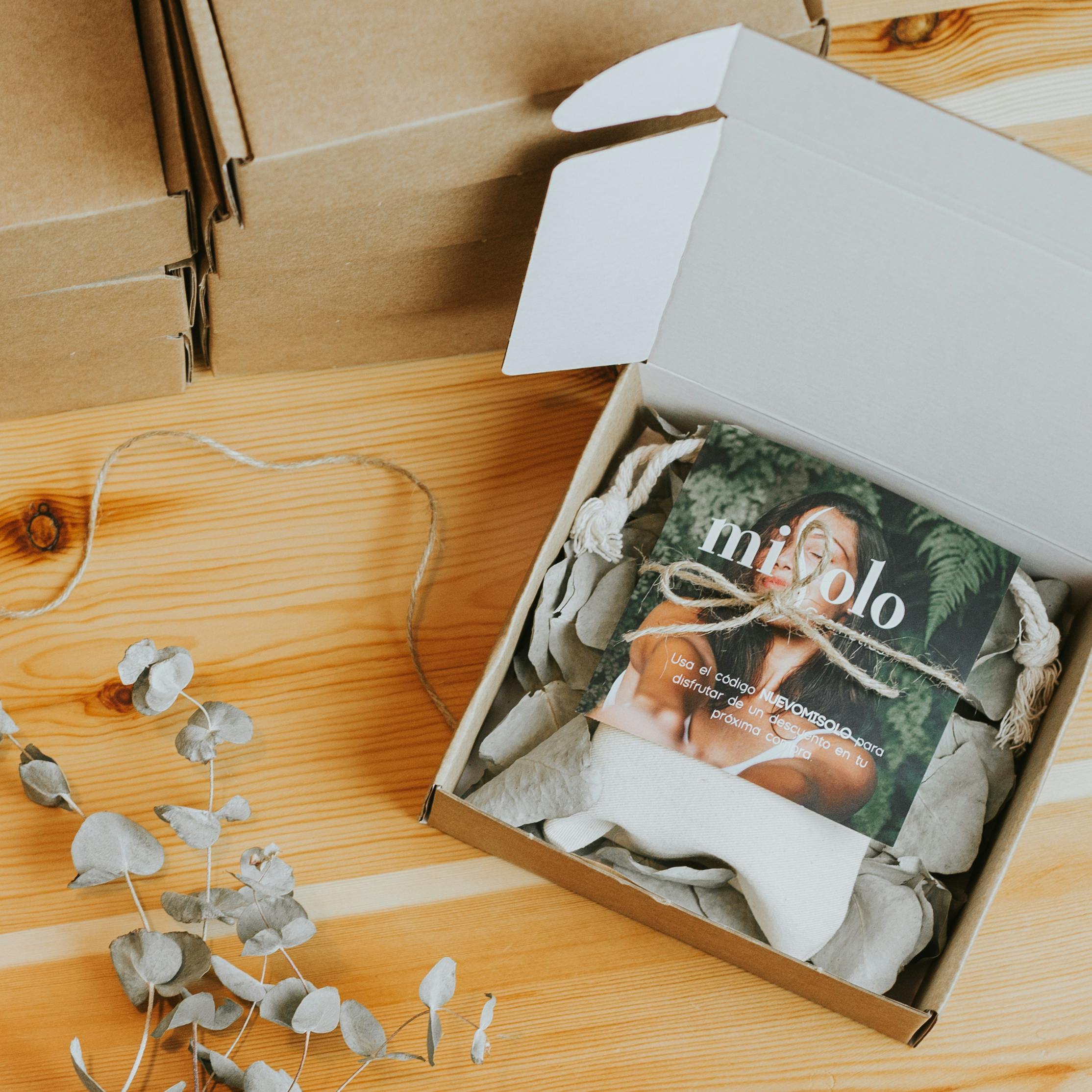
Most buyers judge the package before they taste the chocolate. Retail does that. Gifting does that. Even repeat purchases do that. A plain box has to survive on price alone, and that usually turns the product into a commodity. A more considered box changes the framing immediately. The same truffles can feel handcrafted, deliberate, and gift-ready, which strengthens brand recognition without forcing the product into a markdown cycle.
Discounting looks quick. The math is rougher than it appears. Cut shelf price by 10%, and the lost margin rarely comes back in a neat, symmetrical way. Better packaging can defend the ticket price because the product still looks worth it. For packaging buyers, that is the core reason to study chocolate brand gift boxes cost with care instead of treating the box as a throwaway line item at the bottom of a spreadsheet.
Seasonal buying makes the point sharper. Holiday baskets, weddings, corporate thank-you sets, and limited-run gifts are all presentation contests with chocolate inside them. In those moments, buyers choose the option that feels ready to hand over. The box becomes part of the decision, not a wrapper around it. That makes chocolate brand gift boxes cost a conversion question as much as a production question.
The math is plain. If a better package keeps your price steady, the packaging can pay for itself on the first sale. If a weak box forces the product to compete on discount, the brand loses twice: lower revenue and weaker customer perception. A serious quote needs to account for finish, structure, and freight weight because those details decide whether the box helps the margin or drains it.
Chocolate brand gift boxes cost also changes with handling demands. A display box for a boutique counter can run lighter than a mailer that needs to survive parcel networks and warehouse stacking. If the same package must sell in store, travel in transit, and feel premium on arrival, the spec should be built around the hardest use case. Crushed corners and broken pieces are not minor defects when the product is positioned as a gift.
A box has to earn its place twice: once on the shelf, and again when the lid comes off.
Start by asking how much visual work the package must do. A simple printed carton with a tidy insert can handle mass gifting well. A rigid set with a layered reveal suits premium assortments better. The point is not to overspend for the sake of it. The point is to match the package to the sale so chocolate brand gift boxes cost supports margin rather than eating it.
In practice, the strongest packages tend to be the ones with the fewest unnecessary decisions. One clear structure, one clear opening action, and one clear presentation goal usually beat a box that tries to do everything at once. That is the kind of thing buyers only learn after a few rounds of sampling, and honestly, that learning curve can be kinda expensive if the first version is too clever.
Product Details That Make Chocolate Gift Boxes Sell Themselves
Box style changes the entire experience. A folding carton is the workhorse. It is light, easier to ship, and usually the lowest-cost entry point for retail assortments. A rigid gift box feels more substantial in the hand and usually earns a higher perceived value. Drawer boxes add ceremony, which works well for tasting sets and limited editions. Magnetic-closure boxes sit in the premium lane because they feel polished, but they also push chocolate brand gift boxes cost upward because of board, wrapping, and the labor involved in assembly.
Window boxes help when the chocolate itself should do part of the selling. That works for hand-finished bonbons, branded bars, and colorful assortments that look better than any printed claim. A clear window can reduce overprinting and help control unit cost. If the product is light-sensitive, or if the brand wants a slower reveal, a closed box with a well-built insert often works better. The package should fit the product, not just the mood board.
Opening action matters more than most teams admit. A lid that lifts cleanly, a drawer that slides without sticking, or a magnetic flap that closes with a firm snap all signal quality before anyone tastes the chocolate. That is branding in the practical sense. No drama, no theory. The box is doing sales work quietly, across retail shelves, e-commerce images, and gift orders where presentation has to carry weight quickly.
The details buyers should watch are straightforward:
- Chocolate count - How many pieces, bars, or truffles fit inside without shifting.
- Insert layout - Whether the cavities are round, square, custom-cut, or tray-based.
- Opening style - Lift-off lid, tuck-end, drawer, sleeve, or magnetic flap.
- Travel performance - Whether the set can survive shipping and retail handling.
- Presentation - Whether the box supports premium gifting or everyday retail.
For brands selling across channels, chocolate brand gift boxes cost should also reflect what happens after the box leaves the warehouse. A rigid box may look richer in person but add too much shipping weight for direct-to-consumer programs. A folding carton can be cheaper and lighter, yet if the tray shifts or the lid flares open, the premium feeling disappears. The cheapest option is not cheap if it produces returns, replacement shipments, or damaged product.
To see how other brands handle the tradeoff, review Case Studies and compare the structures used for gift sets, subscription packaging, and promotional boxes. Different goals call for different builds. That is not a slogan. It is just packaging reality.
There is also a visual hierarchy at work that buyers sometimes underestimate. The box does not have to shout. In fact, when the print, texture, and opening reveal are tuned properly, the package feels more expensive than it looks in a render. That tiny gap between digital mockup and physical sample is where a lot of repeat business gets won.
Specifications That Move the Price, Fit, and Protection
If you want accurate chocolate brand gift boxes cost, lock the specs first. Internal dimensions, cavity size, product weight, board thickness, and insert type all shape the quote. A box that is too large looks sloppy and wastes material. A box that is too tight can crush product or make assembly annoying at scale. A change of a few millimeters can alter the whole run.
The first thing I check is the product map. How many pieces sit in the tray? Are they round, square, domed, or wrapped? Does the set need room for a branded card or tasting note? Should there be a paper liner under the insert? Once those questions are answered, the quote gets cleaner and rework becomes less likely. That is one reason chocolate brand gift boxes cost can jump after a vague brief is turned into an actual drawing.
Board thickness matters more than first-time buyers expect. A light folding carton may use 250gsm to 350gsm art paper over 400gsm to 800gsm board, while a rigid box often uses 1.5mm to 2.0mm grayboard wrapped with printed paper. Those numbers are not decoration. They affect stiffness, shipping weight, and how the box feels in the hand. Luxury shelf presence depends on material that can hold itself together instead of collapsing into a thin, forgettable shell.
Print and finish choices also move chocolate brand gift boxes cost. CMYK is usually the baseline. Spot color helps when a logo needs precise consistency. Foil stamping adds shine and setup time. Embossing adds depth. Soft-touch lamination feels premium, though it can cost more and it does not always love rough handling. Matte looks cleaner and more restrained. Gloss makes color pop, yet it can show scuffs faster on some papers.
Protection details are not optional. Chocolate is sensitive to heat, compression, and grease migration. Even wrapped product needs a liner or finish that resists oil marks. If the brand ships direct, the outer carton must hold shape through transit. For shipping programs, ask about ISTA-style distribution testing and outer-carton performance. For broader context on packaging standards and shipping considerations, the ISTA distribution testing standards are a useful reference point. The packaging industry resources at packaging.org are also worth reading when you need a wider view of materials and compliance.
Food-related details should be written down clearly. Ask whether liners, coatings, and inks are suitable for the intended use. If you need FSC-certified paper or board, say so before the quote is locked. That keeps procurement tidy and avoids a late scramble. Sloppy material specs are how a simple quote turns into a delay.
Chocolate brand gift boxes cost can also change because of the insert. A simple paperboard insert costs less than molded pulp or a thick custom-cut tray system. Cheaper is not automatically smarter. If the chocolates slide, break, or land crooked, the box did not save money. It wasted it. The right insert protects the product and makes the unboxing feel controlled, not improvised.
One more thing: the same spec can behave differently depending on the route it takes. A carton that looks fine in a local delivery can still fail after pallet stacking, climate swings, or a longer cross-country move. That is why I always ask where the boxes are going, not just what they look like on the table.
Chocolate Brand Gift Boxes Cost: MOQ, Unit Price, and Quote Drivers
Now to the part most buyers care about first: chocolate brand gift boxes cost in actual budget terms. The price depends on material grade, print coverage, insert complexity, finish, quantity, and the way the boxes are packed for shipment. That sounds simple because it is simple. The same design can price very differently depending on MOQ and structure, which is why a quick guess rarely helps.
MOQ matters because setup cost gets spread across the run. A small order carries a bigger share of the fixed cost per unit. A larger order lowers that burden and often improves material efficiency. That is why chocolate brand gift boxes cost can feel high at 500 pieces and then fall sharply at 5,000 pieces. The factory still needs plates, machine setup, finishing prep, and packing labor. Those costs do not disappear because the order is small.
For budgeting, a practical range before freight and before unusual artwork corrections looks like this:
| Box style | Typical MOQ | Typical unit price at mid-volume | Best use | Cost notes |
|---|---|---|---|---|
| Folding carton | 1,000-3,000 pcs | $0.25-$0.70 | Retail bars, simple assortments, high-volume launch runs | Lowest weight, fast to pack, fewer premium finishes |
| Rigid gift box | 500-1,000 pcs | $1.20-$2.80 | Premium assortments, corporate gifts, seasonal sets | Higher material and assembly cost, stronger shelf presence |
| Drawer box | 500-1,000 pcs | $1.60-$3.10 | Tasting sets, gift kits, layered presentation | More labor, more parts, good for memorable reveals |
| Magnetic-closure box | 500-1,000 pcs | $1.80-$3.40 | High-end gifting, limited editions, luxury assortments | Premium feel, but finishing and assembly push unit cost up |
Those figures are a planning range, not a promise. Chocolate brand gift boxes cost can climb if you add foil, embossing, custom inserts, unusual sizes, or heavy outer packaging. It can fall if you use standard dimensions, reduce print coverage, or simplify the structure. The real tradeoff is simple: spend where the buyer sees value, and cut where the extra detail only adds noise.
Buyers often ask for a quote without enough data, then compare two very different proposals as if they were identical. That is how sourcing mistakes get made. A request should include the following:
- Box type and opening style.
- Internal dimensions and chocolate count.
- Artwork file status or mockup.
- Insert type and cavity layout.
- Finish requirements such as foil, lamination, or embossing.
- Quantity, ship-to location, and target delivery date.
Send that information and chocolate brand gift boxes cost becomes easier to compare across suppliers. Leave it vague and you are comparing guesses. That is rarely a smart place to start.
Packing method matters too. Flat-packed folding cartons are cheaper to ship than fully assembled rigid boxes. Rigid boxes often arrive with better structure and less labor on your side. Freight can move the total landed cost more than a small print upgrade, especially when the boxes cross regions or move into time-sensitive programs. Sometimes the best choice is not the lowest unit price. It is the box that lowers the full program cost over the entire run.
For brands trying to improve brand identity without blowing the budget, I usually suggest a side-by-side comparison: one standard finish version and one premium version. That makes the tradeoff visible. A small upgrade, such as a cleaner foil treatment or a better insert, often gives the package more lift than a stack of expensive extras.
In a procurement meeting, the fastest way to lose clarity is to compare a stripped-back sample against a fully dressed one and call them equivalent. They are not. The box with the heavier board, tighter insert, and more careful finish will almost always land differently, and that difference is exactly what customers pay for when the product is meant as a gift.
Production Process and Timeline for Chocolate Gift Boxes
Production should not feel mysterious. A good supplier will walk you through the stages so chocolate brand gift boxes cost and delivery timing stay under control. The usual path starts with the brief, moves to sizing, then dieline setup, artwork review, proof approval, sampling, mass production, packing, and final shipment. Any weak point in that chain can stretch the schedule quickly.
For a custom run, the flow usually looks like this:
- Brief and sizing - Confirm the chocolate count, box style, and internal dimensions.
- Dieline setup - Build the structure and insert layout around the actual product.
- Artwork review - Check color, bleed, fold lines, and logo placement.
- Proof approval - Sign off on the layout before material is committed.
- Sampling - Review a prototype or pre-production sample if the project needs one.
- Mass production - Print, cut, finish, assemble, and pack.
- Shipping - Dispatch in flat or assembled form, depending on the spec.
Simple folding cartons may move through production in roughly 10 to 15 business days after proof approval, assuming the artwork is ready and the finish is basic. Rigid Boxes with Custom inserts and special finishing often need 15 to 25 business days, sometimes more if sampling is part of the job. Chocolate brand gift boxes cost can rise on rushed orders because speed compresses setup, scheduling, and freight choices. Rush work is almost never as cheap as the optimistic spreadsheet makes it look.
Delays usually show up in the same places. Artwork arrives late. Proofs go through too many revisions. A custom insert gets redesigned after the box is already sized. A holiday launch leaves no buffer for freight. That is how a reasonable timeline turns into a scramble. If the box uses foil, embossing, or unusual die cuts, build extra time into the schedule from the start.
The safest rule is plain and boring: the more custom the structure and finish, the earlier you should lock the spec. That protects delivery and also chocolate brand gift boxes cost, since late changes often trigger fresh tooling, more proofing, and avoidable rework. A few days spent on clear sizing can save more money than a quick yes to a vague drawing.
Seasonal planning matters as much as design. Retail calendars do not bend around production convenience. Holiday windows, event dates, and corporate gifting deadlines arrive whether the box is ready or not. Miss the window and the best design loses value. Early ordering is not cautious behavior. It is the difference between paying for the box and paying for avoidable delay.
If sustainability is part of the brief, say it early. FSC-certified board, reduced plastic, and recyclable structures can be built without flattening the presentation. The sourcing needs to be explicit, though. If the target is a recyclable set, say that before the quote is final. If the target is premium presentation with minimal waste, say that too. Clear direction reduces the chance of a surprise change order later.
For buyers who need to explain procurement logic internally, the timing connection matters. The same box needs to arrive on time, match the artwork, and open the same way every run. That is what keeps the program looking organized instead of improvised.
I also encourage teams to keep one internal owner on the project. Too many cooks create the kind of revision churn that turns a neat estimate into a moving target. A packaging project does not need drama; it needs decisions made on time.
Why Choose Us for Chocolate Brand Gift Boxes
Brands usually come to us for one reason: they want packaging that behaves. Not big promises. Not inflated claims. Clean construction, clear quoting, and a box that supports the product. Chocolate brand gift boxes cost should be understandable from the first conversation, and the spec should hold together through production and transit. That is the baseline.
Working direct matters because it cuts markup layers and gives more control over materials, finishes, and reorder timing. A middle step usually adds delay and expense. Direct production makes unit cost easier to compare across finishes and gives you room to adjust MOQ without starting from scratch every time. For a growing brand, that flexibility is real value.
We pay attention to the details that matter after the box is opened. Does the insert keep the chocolates aligned? Does the closure stay neat after handling? Does the printed surface stay clean in transit? Those are not cosmetic questions. They decide whether the package helps the product or gets in its way. Good packaging should support brand recognition, not fight it.
If you want examples that show how packaging choices translate into repeat orders, review Custom Packaging Products for formats that fit retail, gifting, and subscription programs. You can also use the examples in Case Studies to compare how different structures affect presentation and cost.
There is a practical benefit to choosing a supplier that understands chocolate. Confectionery packaging is not the same as general folding carton work. Heat sensitivity, grease resistance, insert fit, and gift presentation all matter. A supplier that ignores those points may hand over a cheaper quote, but the finished box can cost more once damaged product and reprints are counted. That is why I prefer to talk about chocolate brand gift boxes cost in terms of total value rather than the lowest line item.
We keep the conversation concrete. If a client needs a lower price, I look first at structure, insert style, and finish count. If the box needs a more premium feel, I look at board thickness, paper wrap, and closure type. That approach is boring in the best way. It keeps the project honest.
The best packaging partners also tell you when not to spend. A box does not need three special effects to feel premium. Sometimes a better paper wrap and a cleaner insert do more than a pile of embellishments. That judgment call saves money and usually improves the final result.
What to Prepare for the Fastest Accurate Quote
If you want a quick, accurate answer on chocolate brand gift boxes cost, send the basics first. Box type, internal dimensions, chocolate count, order quantity, target finish, and shipping destination. That is enough to build a real quote instead of a guess. If the packaging is still in development, attach reference photos, a rough sketch, or a sample box you are using as the target. That usually cuts the back-and-forth in half.
I recommend a short checklist before a buyer asks for revisions:
- Confirm the MOQ you can actually order.
- Choose the insert style before requesting a finish upgrade.
- Decide whether the box ships flat or assembled.
- Set the launch date and work backward from it.
- Pick one premium feature, not five.
That last point saves money. Chocolate brand gift boxes cost rises fast when every surface gets a special treatment. Foil, embossing, soft-touch, custom windows, and heavy inserts all add up. A smarter move is usually to upgrade one visible detail and keep the rest clean. That gives the box a sharper look without making the order expensive for no clear reason.
If you are comparing options, ask for two quote levels at once. One version should show the lean spec. The other should show the polished version. Then compare the finished box, not just the unit price. A package that is 18 cents cheaper but feels flimsy is not a win. A package that costs a little more and protects the product while improving the unboxing experience is usually the better buy.
Before you send the final brief, make sure the quote request answers these questions:
- What exact product is going inside?
- How many pieces must fit in each box?
- Will the box sit on shelf, ship direct, or do both?
- Do you need FSC paper, foil, embossing, or special coatings?
- What is the target delivery window?
Those answers help us price chocolate brand gift boxes cost with fewer assumptions and less waste. They also make it easier to protect brand consistency from one order to the next. If you are still balancing presentation and budget, compare a standard finish against a premium finish, request both numbers, and choose the version that gives the best total landed cost. That is how you avoid paying too much for pretty packaging that does not actually sell more chocolate.
The cleanest takeaway is simple: lock the structure, insert, finish, and delivery timing before you ask for pricing. Do that, and the quote stops being a moving target. It becomes a decision tool.
Chocolate brand gift boxes cost should stay low enough to protect margin and strong enough to support the product and the brand. That balance is the whole job.
FAQ
What affects chocolate gift box cost the most?
Material choice, print coverage, and finishing usually move the price first. Insert complexity and box structure can add more cost than buyers expect. Order quantity matters because setup cost spreads out faster at higher volumes, which is why chocolate brand gift boxes cost can change a lot between a sample run and a repeat order.
What is a typical MOQ for custom chocolate brand gift boxes?
MOQ depends on structure, size, and print method rather than one fixed number. Rigid and highly finished boxes usually have higher minimums than simple cartons. Ask for tiered pricing if you are comparing a launch run against a repeat order, because that shows how chocolate brand gift boxes cost behaves at different volumes.
How can I lower chocolate brand gift boxes unit cost without hurting quality?
Simplify the structure before you cut print or board quality. Use standard dimensions and fewer special finishes where possible. Increase quantity if the launch plan allows it, since that usually drops per-box cost and lowers chocolate brand gift boxes cost without making the package look cheap.
How long does production usually take for chocolate gift boxes?
Timelines depend on proof approval, sampling, and the finish package you choose. Simple printed cartons move faster than rigid boxes with custom inserts or foil. Build extra time for seasonal orders, because shipping and production windows tighten fast, and rushed work usually raises chocolate brand gift boxes cost.
Do inserts and foil stamping change the quote a lot?
Yes, inserts can change both material cost and assembly time. Foil stamping adds setup and finishing cost, especially on small orders. If budget is tight, compare a standard insert against a premium finish first, then decide where chocolate brand gift boxes cost should be spent for the best result.


