Corporate Gifting Pom Pom Beanies Bulk Order Planning Tips
Corporate Gifting Pom Pom Beanies Bulk Order Planning: The Mistake That Drains Budget
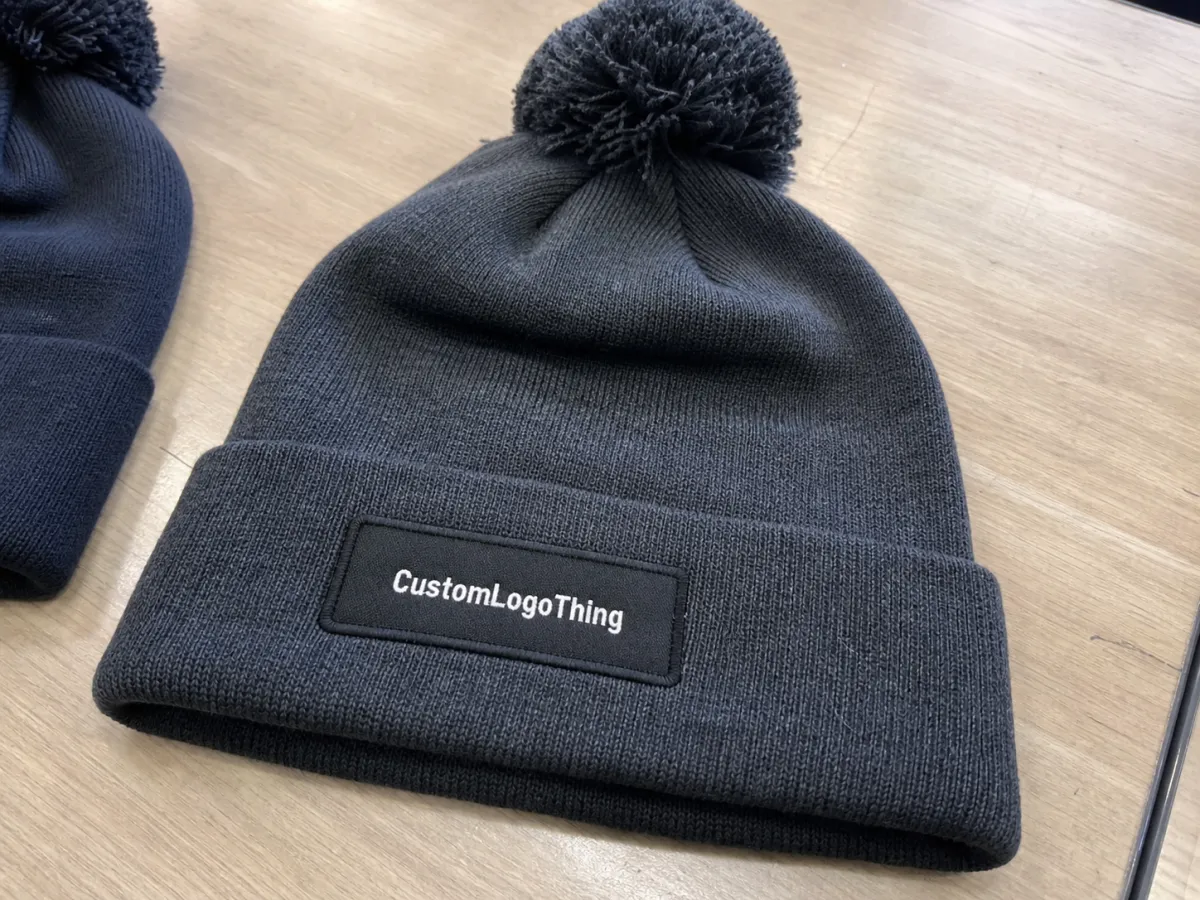
If a beanie order goes sideways, the beanie is usually not the villain. In corporate gifting Pom Pom Beanies bulk order planning, the money disappears in bad art prep, last-minute color changes, and endless proof revisions. That is the annoying part. The hat itself is often the cheapest piece of the puzzle.
Pom Pom Beanies work well for winter gifting because people actually wear them. They are size-flexible, easy to ship, and less awkward than another desk object that will end up in a drawer. For employee gifts, dealer kits, event giveaways, and client mailers, they hit a decent balance of utility and perceived value.
Buyers usually make the same mistake: they ask for the lowest unit price and ignore the rest. A real decision should be based on landed cost, decoration method, and delivery date. If those three are not aligned, the “cheap” quote gets expensive fast.
Here is the order of operations that saves money and time:
- Lock the quantity range.
- Choose the hat build and pom style.
- Pick one decoration method.
- Confirm packaging and shipping method.
- Approve the proof once, then move.
That sounds basic because it is. Most budget blowups come from not making those decisions early enough. If you are building a corporate gifting Pom Pom Beanies bulk order planning workflow for a winter campaign, start with the full picture, not the unit price alone.
Pom Pom Styles, Materials, and Branding Options
Not all pom pom beanies are built the same. A cuffed knit beanie has a different feel than a slouch fit, and a fleece-lined version changes the price and the wear experience. For most corporate buyers, the sweet spot is usually an acrylic knit with a cuff, because it is warm enough, consistent, and easier to decorate cleanly. Wool blends feel a bit more premium, but they also push cost up and can narrow color options.
The pom itself matters more than people expect. A tonal pom gives a cleaner look. A contrast pom reads more playful and usually photographs better. Mixed-yarn poms look fuller but can compete with a logo if the design is already busy. Removable poms are useful when storage or shipping matters, though they add complexity and cost.
Branding choices should match the art, not the ego. Front cuff embroidery works well for simple logos with bold shapes. Woven patches handle detail better. A leather patch gives a more rugged, premium tone. A custom woven label is a smart choice when you want subtle branding and a softer handfeel. If the logo is tiny or too detailed, embroidery on knit can get messy. That is not a guess; it is just how textured fabric behaves.
Common build and branding choices
| Option | Typical use | Approx. unit impact | Best fit |
|---|---|---|---|
| Cuffed acrylic knit | Everyday corporate gifting | Lowest | Simple logo, broad audience |
| Fleece-lined knit | Higher warmth, colder markets | + $1.25 to $3.00 | Premium gift programs |
| Woven patch branding | Detailed artwork | + $0.35 to $1.00 | Fine lines, multi-color logos |
| Leather patch branding | Premium look | + $0.60 to $1.50 | Muted, upscale branding |
| Custom label | Subtle branding | + $0.25 to $0.75 | Minimal logo placement |
Packaging is part of the product, whether procurement likes that or not. Individual polybags are the cheapest route. Branded boxes raise the perceived value and help if the beanies are being gifted in person. Direct-mail kits make sense for distributed teams, but the insert card, fold method, and carton pack-out need to be planned early or freight will eat the margin. If you want a broader sourcing framework, our Wholesale Programs page covers the kind of order structure that works better for bundled gifting.
From a buyer’s point of view, the safest build is the one that makes the logo readable and the packaging simple. Fancy is fine. Confusing is not.
Specs That Control Fit, Warmth, and Decoration
Fit sounds boring until someone tries on a beanie that rides up, stretches out, or sits strangely on the crown. Even when a hat is marketed as one size fits most, the actual feel depends on stretch recovery, cuff depth, and knit shape. A cuff that is too shallow looks cheap. A crown that is too tall can make the hat feel oversized in photos and awkward in real life.
Yarn weight and knit gauge matter because they control density. A tighter knit usually feels warmer and handles embroidery better. Looser knits can be softer, but they may show distortion if the artwork is too dense. Acrylic is the workhorse material for bulk programs. Wool blends add warmth and a more natural hand, though they typically bring a higher price and a more limited color range.
For decoration, sample approval is worth the extra day or two. It shows whether the logo is too large for the cuff, whether the stitch density is too heavy, and whether the color drifts once the yarn and thread meet. That is exactly the kind of problem you want to catch before production starts. If your program needs recycled packaging or environmental review, check material claims against real standards and certifications, not marketing language. Resources like FSC and EPA recycling guidance are useful starting points when procurement wants cleaner packaging language.
Care instructions matter too. If the beanie needs hand washing only, say so. If the patch is heat-sensitive, say so. Reorder consistency matters just as much, especially when the same team expects the next season’s hats to match the first run in color and placement.
Specs to confirm before proofing
- Material: acrylic, wool blend, or fleece-lined build.
- Knit gauge: tighter for structure, looser for softer drape.
- Cuff depth: enough room for clean logo placement.
- Pom style: tonal, contrast, mixed yarn, or removable.
- Decoration area: embroidery, woven patch, leather patch, or label.
- Care note: wash guidance and decoration limitations.
For shipping reliability, carton strength and pack-out matter more than most people think. If the order is traveling long distances or going to multiple addresses, ask how the products are packed for transit and whether they can be tested to an ISTA shipping profile. For general packaging references, ISTA standards are worth knowing when damage prevention is part of the brief.
Pricing, MOQ, and Unit Cost Breakdown
The quote should never arrive as one mysterious number. Break it out. The blank beanie cost, decoration, setup, sample, packaging, and freight all belong in separate lines. If a vendor will not do that, the buyer is being asked to trust the fog. That is not a serious buying process.
MOQ affects price more than most teams expect. A single logo on a stocked beanie may start at a modest quantity, while multiple pom colors, extra placements, or custom packaging can push the minimum higher. The real trick is not just hitting MOQ; it is finding the quantity where the unit cost drops enough to justify the order without creating dead stock.
Ask for tiered pricing at 100, 250, 500, and 1,000 pieces. That gives you a clear break point. A quote that only shows one quantity hides the slope of the pricing. You want to know what happens when you move up a tier, because sometimes adding 100 pieces barely changes the budget, and sometimes it barely moves the unit cost at all.
What usually changes the price
| Cost factor | Typical effect | Buyer takeaway |
|---|---|---|
| Blank beanie style | Base price varies by knit, lining, and yarn | Choose the build first |
| Decoration method | Embroidery is usually lowest, patches cost more | Match method to artwork complexity |
| Setup fee | One-time cost for digitizing or patch tooling | Spread it across quantity |
| Packaging | Polybag to gift box can change total by $0.15-$2.50+ | Confirm presentation goals early |
| Freight | Depends on cartons, destination, and delivery speed | Budget shipping before approval |
Common add-ons that surprise buyers later include PMS matching, rush production, split shipments, and branded inserts. None of those are bad. They just belong in the quote before anyone signs off. A clean procurement conversation is usually the difference between a tidy order and a post-approval rescue mission.
Production Steps, Lead Time, and Delivery Windows
Production should move in a predictable order: art review, digital proof, sample or mockup approval, production, quality check, and shipping. If that sequence gets scrambled, everything slows down. The fastest way to lose a week is to keep changing artwork while the factory waits for a yes.
For standard bulk orders, a realistic window is often 12-18 business days after proof approval, depending on decoration and packaging. Custom packaging, multiple variants, and peak-season freight can add more time. Rushed jobs are possible, but the tradeoff is usually less flexibility on colors, decoration complexity, and pack-out options. That is just the math.
Holiday gifting, dealer meetings, onboarding kits, and end-of-quarter events all have different buffer needs. If the beanies must arrive before a fixed event, build in time for one revision cycle and one freight delay. A three-day delay on the front end can become a missed campaign on the back end.
Lock the final specs before the artwork round gets too far. If the logo size, pom color, and packaging insert are still floating around, the proofing process turns into a loop. That is where schedules die.
“The cheapest quote is usually the one that assumes you will not ask questions.”
That sounds blunt because it is true more often than not. A decent supplier should be able to explain lead time in plain language, including what changes if you move the shipping window up or add a second decoration location. If they cannot, the quote is incomplete.
What Makes a Bulk Beanie Program Easy to Approve
Approvals move faster when the paperwork is clean. Decision-makers like itemized pricing, plain specifications, a short revision loop, and proof files that actually resemble the final product. No one wants a deck full of vague “premium options” and no clear answer on what is included.
Repeatability matters if the same team plans to reorder later. Logo placement should be measured, not guessed. Pom color should be recorded in a way that can be matched next season. If the first order uses a woven patch placed 1.25 inches from the cuff seam, that should be written down. Procurement people remember the pain of explaining why the second run looks different from the first.
Packaging flexibility also helps approvals. Some buyers want a higher-end presentation with branded boxes and tissue. Others want simple ship-ready packs with a clean insert. Both are valid. The better choice is the one that matches the use case and budget, not the one that sounds nicer in a sales email.
Support matters too. A single contact, straightforward invoicing, and honest line items keep the process moving. If freight, setup, or reorder fees are extra, say so early. Buyers do not mind paying for things they asked for. They do mind being surprised.
For teams comparing sourcing models, our FAQ page is a useful shortcut for the common procurement questions that come up before a final quote is approved.
Approval checklist for buyers
- Logo file is clean and print-ready.
- Quantity target is set with a small buffer.
- One primary colorway is chosen.
- Packaging level is decided before proofing.
- Delivery date is realistic for the shipping lane.
- Budget includes freight and any rush risk.
If the internal review is slow, simplify the options. One decoration method. One pom color. One packaging style. That keeps the conversation from turning into a committee exercise over a winter hat.
Next Steps for a Clean Corporate Order
Before requesting a quote, gather five things: the logo file, target quantity, preferred colors, budget range, and delivery date. That is enough to get a serious response instead of a back-and-forth that burns a week. If the team wants multiple variants, decide which one is primary and which ones are optional. Every extra split adds cost, creates more approvals, and slows production.
Approve the artwork proof before confirming packaging and shipping addresses. That order matters. If the proof is still open while the logistics are changing, the project gets stuck in place. Keep the process moving in a straight line: spec, quote, proof, production, delivery.
Here is the simple sequence I would use for corporate gifting pom pom Beanies Bulk Order Planning:
- Choose the beanie build and pom style.
- Pick one decoration method that fits the logo.
- Get tiered pricing with freight included.
- Review the digital proof and sample if needed.
- Lock packaging and ship-to details.
- Release production and track delivery.
That is how you keep the order under control without turning it into a project nobody wants to own. If you want the shortest path to a clean buy, stay with one colorway, one logo placement, and one packaging plan. Boring is often profitable.
Corporate gifting pom pom beanies bulk order planning works best when the buyer treats the hat like a system, not a souvenir. Get the specs right, ask for itemized pricing, and give production enough time to breathe. Do that, and the order lands on budget more often than not.
FAQ
How early should I start a bulk pom pom beanie order for corporate gifts?
Start as soon as the event date is fixed. That leaves room for proof changes, sample review, and freight delays. If you want custom packaging, multiple colors, or a distributed mailer list, add more buffer. Short timelines can work, but they usually cost more and leave less room for revision.
Which decoration method works best for corporate gifting pom pom beanies bulk orders?
Embroidery is usually the best all-around choice for simple logos because it is durable and cost-effective. Woven patches or leather patches work better when the artwork has detail or the brand wants a more premium feel. Avoid tiny text and ultra-fine lines; knit surfaces do not hold micro-detail well.
What MOQ should I expect for custom pom pom beanies?
MOQ depends on the decoration method, color count, and whether the item is stocked or made to spec. Higher quantities usually lower the unit cost, but extra variants can push it back up fast. Ask for tiered quotes so you can see the break point before you commit.
Can we split sizes or colors in one corporate beanie order?
Usually yes, but each extra split can affect price, setup time, and production complexity. Keep the mix tight if you want the best price and the least schedule risk. If the team needs variety, ask which color or packaging changes are cheapest to run.
How do I keep corporate gifting pom pom beanies bulk order planning on budget?
Lock quantity, decoration, and packaging before asking for revisions or optional extras. Use one primary logo placement and limit the color palette to avoid setup creep. Build freight and rush buffers into the budget so the final number does not jump late.

