Buyer Fit Snapshot
| Best fit | Chocolate Packaging Boxes Custom projects where brand print, material claims, artwork control, MOQ, and repeat-order consistency need to be specified before quoting. |
|---|---|
| Quote inputs | Share finished size, material target, print colors, finish, packing count, annual reorder estimate, ship-to region, and any compliance wording. |
| Proofing check | Approve dieline scale, logo placement, barcode or warning zones, color tolerance, closure strength, and carton packing before bulk production. |
| Main risk | Vague material claims, crowded artwork, missing packing details, or unclear freight terms can make a low unit price expensive after revisions. |
Fast answer: Chocolate Packaging Boxes Custom: Design, Cost & Timeline should be specified like a repeatable production item. The safest quote records material, print method, finish, artwork proof, packing count, and reorder notes in one written spec.
Production checks before approval
Compare the actual filled-product size with the drawing, then confirm tolerance on folds, seals, hang holes, label areas, and retail display edges. Reserve space for logos, QR codes, warning copy, and material claims before decorative graphics fill the panel.
Quote comparison points
Review material grade, print process, finish, sampling route, tooling charges, carton quantity, and freight assumptions side by side. A quote is only useful when the supplier can repeat the same color, closure quality, and packing count on the next order.
What Are Chocolate Packaging Boxes Custom Projects? (And Why Tiny Details Change Sales)
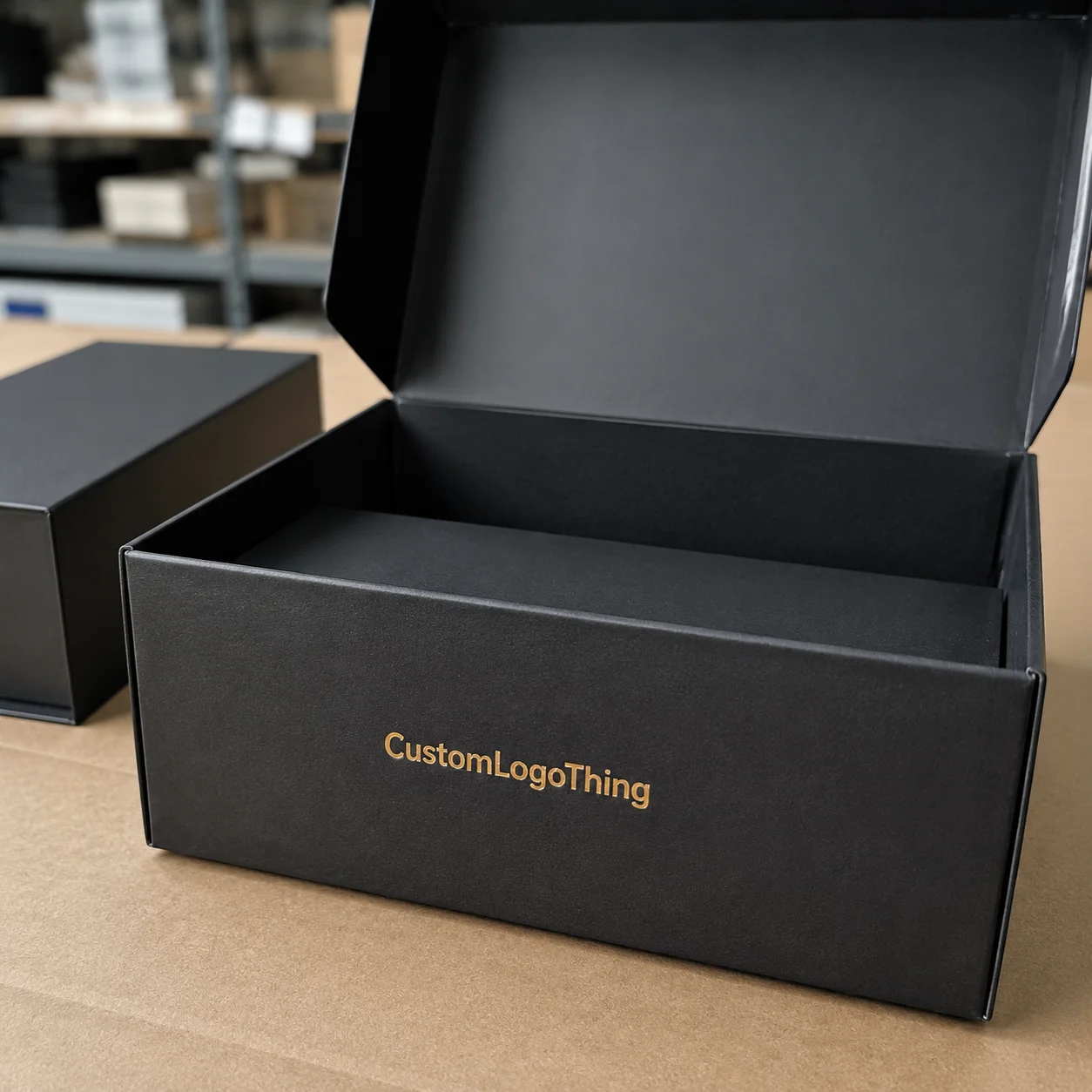
I still remember a Tuesday morning at a co-packer outside Newark where we staged two truffle lines side by side for a retail buyer walk-through. Same ganache recipe, same 12-piece count, same MSRP at $18. One line used a plain reverse tuck carton printed 4/0 on 300gsm SBS. The other moved into a rigid two-piece box, 1.5mm greyboard wrapped with 157gsm art paper, finished with one gold foil logo hit and a black EVA tray. The buyer team sold through the premium-looking pack at roughly triple the rate in pilot stores, and that single test is why chocolate packaging boxes custom work deserves serious attention.
From a technical standpoint, chocolate packaging boxes custom means building around your product instead of forcing product into a stock format. You adjust the dieline in ArtiosCAD, pick board grade and GSM, choose print process (offset, digital, or flexo), define coating or lamination, engineer inserts, and lock finish steps like embossing or foil based on channel and handling conditions. A chocolate line shipping DTC through midsummer needs a different structure-and-barrier strategy than a boutique assortment sold from a climate-controlled glass counter.
Chocolate allows very little margin for packaging mistakes. I’ve watched fat bloom show up in under 72 hours after cases sat near a loading dock at 29°C. I’ve seen cocoa butter aroma migrate into low-grade board where no odor barrier plan existed. I’ve also seen beautiful matte black cartons pick up greasy fingerprints by day two because anti-scuff film was removed to save a few cents and replaced with a light aqueous coat that couldn’t carry the load. Inside chocolate packaging boxes custom programs, tiny details on a monitor often become major factors in freshness perception, giftability, and reorder behavior.
Most successful systems use three packaging layers with clear roles. Primary packaging sits in direct contact with chocolate, usually foil or flow wrap. Secondary is your branded carton or rigid box. Tertiary handles transit protection, often E-flute mailers or RSC shippers with partitions. Strong product packaging ties these layers together so branding survives shipping and product condition holds through delivery.
More than once I’ve sat through 90-minute color debates around one Pantone shift while compression strength got five rushed minutes at the end. That ratio burns money. A 350gsm C1S carton with poor lock geometry fails faster than a 300gsm carton with the right structure and insert support.
You’ll see how real factory workflows run in this guide: development sequence, material decisions, cost drivers, test methods, frequent failure points, and RFQ structure that produces accurate quotes. If a launch or rebrand is on your calendar, this gives you a plan you can put to work immediately.
How Chocolate Packaging Boxes Custom Development Works from Concept to Press
Successful chocolate packaging boxes custom production follows a repeatable sequence, even when suppliers label stages differently. A dependable path looks like discovery brief → structural engineering → artwork adaptation → proofing → sampling → transit testing → production → pack-out. Skip any one stage and the bill usually appears later as rework, spoilage, claims, or launch delays.
Who owns each stage
The brand team sets channel mix, target costs, sustainability requirements, and shelf goals. Packaging engineers build structure and tolerance windows. Prepress technicians handle trapping, overprint settings, and separations. Press operators tune density and registration. Finishing crews execute lamination, foil, embossing, and gluing. QA inspectors verify dimensions, adhesion strength, and visual defects against AQL criteria. Logistics teams coordinate case counts, pallet patterns, and Incoterms. Clear ownership keeps chocolate packaging boxes custom programs from drifting into expensive assumptions.
Factory stations and process detail
Structural work usually starts in ArtiosCAD, with fold allowances based on board caliper, then moves to sample table cutting for fast fit validation. Print method selection follows: offset for color precision and premium shelf impact, digital for short runs below about 3,000 units with frequent SKU changes, flexo for tertiary corrugate. Printed sheets go to steel-rule die-cutting, then to optional window patching where PET visibility panels are required.
Finishing lines may include hot foil stamping around 95–130°C depending on foil series, emboss/deboss with matched dies, matte or gloss lamination, spot UV, and soft-touch film. Gluing operations run side-seam or crash-lock styles using water-based or hot-melt systems tuned for bond and line speed. Final QC checks squareness, dimensions, print shift, foil registration, and rub resistance. I’ve seen outstanding custom printed boxes downgraded by one missing rub test at sign-off.
Sampling types and when to use them
- Plain white sample: validates structure and fit in 24–48 hours.
- Digital mockup: checks layout and visual hierarchy before plates.
- Color-accurate hard proof: validates brand color against target Delta E tolerance.
- Pre-production sample: near-final with actual board and finish stack.
For most chocolate packaging boxes custom projects, two pre-production samples are the minimum I recommend: one stored under normal conditions and one pushed through stress conditions with elevated humidity and temperature.
Food-contact and compliance checkpoints
Folding cartons are typically indirect food contact, yet documentation still matters: low-odor inks, migration-safe adhesives, board specifications, and supplier declarations. Pull those files early, not at PO week. ISTA protocols provide useful transport durability benchmarks; resources are available at ISTA. Responsible fiber sourcing should be backed by FSC chain-of-custody documentation verified at FSC.
The feedback loop that changes economics
One structural tweak can shift the entire cost model. On a Chicago run, we deepened an insert cavity by 4mm to prevent truffle-to-lid contact. Protection improved immediately, but board yield dropped from 12-up to 10-up per sheet, shipping cube increased by 8%, and unit cost moved from $0.64 to $0.71 at 20,000 units. Decisions in chocolate packaging boxes custom development should include engineering, purchasing, and logistics on the same call for that reason.
Key Design and Material Factors for Chocolate Packaging Boxes Custom Success
The strongest chocolate packaging boxes custom outcomes come from fitting structure to actual use conditions, not from selecting decorative effects first.
Structure by product and channel
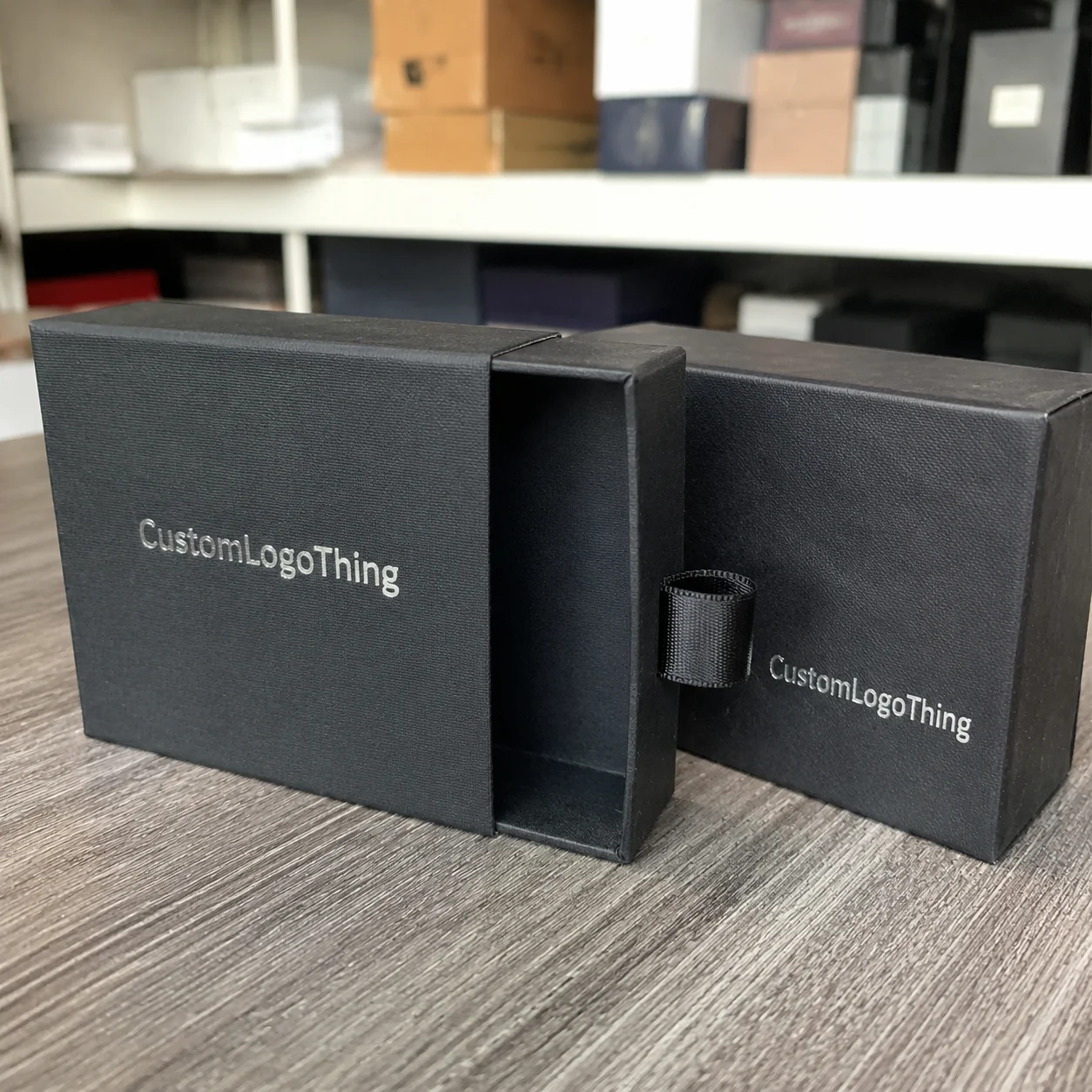
Single bars often run well in straight tuck end cartons at 300–350gsm SBS. Heavier assortments in the 250g–500g range benefit from auto-lock bottoms that reduce shelf-handling failures. Gift formats gain value perception from rigid setup boxes, shoulder-neck constructions, or lift-off lids. Sleeve-plus-tray designs can create a premium unboxing moment when tray friction is dialed in correctly. I’ve watched buyers reject otherwise beautiful samples because the tray slid too easily and spilled product during store demo handling.
Material selection that actually performs
Secondary packaging materials usually include SBS/C1S paperboard, kraft board for natural aesthetics, rigid chipboard wraps, and E-flute micro-corrugate for e-commerce routes. PET windows add visibility and can raise conversion, though local recycling systems may treat those formats differently by region, so verify before spec lock. During one West Coast launch, switching from 350gsm C1S to 400gsm solved long-panel bowing that appeared in humid storage rooms.
Insert engineering choices
Insert design controls movement, finish protection, and in-box presentation. Paperboard partitions stay cost-efficient and recyclable. Molded pulp reduces plastic use, though dimensional control must be tighter for premium piece alignment. Thermoformed trays deliver high repeatability and line speed. Brands pushing sustainability goals have seen good results with paper-formed inserts plus selective reinforcement tabs. Across most programs, insert selection is central to chocolate packaging boxes custom performance.
Barrier and finishing decisions
Matte lamination creates an upscale look yet scuffs quickly unless anti-scuff film is included. Gloss lamination improves color pop and rub resistance. Aqueous coatings remain budget friendly but can be limited where grease transfer is a risk. Soft-touch films feel premium and can increase fingerprint visibility depending on pigment and handling frequency. Spot UV and foil elevate package branding, but registration tolerances and press capability should be verified before approval.
Print method tradeoffs
Offset remains the primary method for premium branded packaging at medium and high volumes. Digital printing fits test runs, seasonal variants, and multilingual SKUs with shorter lead times. Flexo suits transit packaging where photo-level detail is less critical. I usually map annual SKU volume before locking process choice so teams don’t carry offset setup costs on short-run variants.
Communication on pack: what shoppers need first
Readability at 3–6 feet drives shelf decisions. Flavor coding should stay consistent on front and side panels. Allergen statements need contrast and predictable placement. Net weight shouldn’t disappear under decorative art. QR traceability can add confidence for origin-led chocolate ranges. Great packaging design keeps storytelling and compliance in balance without visual clutter.
Sustainability with real-world constraints
Recycled content, FSC sourcing, and plastic reduction all fit inside chocolate packaging boxes custom development, though each decision carries tradeoffs. Higher recycled fiber can shift white point and mute color intensity slightly. Some compostable coatings change glue performance and line speed. Specialty stocks may extend lead time if local inventory is thin. Define non-negotiables early, then validate performance before scale production.
Cost and Pricing Breakdown: What Drives Chocolate Packaging Boxes Custom Quotes
Most buyers open with unit price, and that makes sense. Still, a chocolate packaging boxes custom quote is a layered stack of material, setup, tooling, labor, finishing, assembly, freight, and expected overrun. Comparing only a final number can push a project toward the wrong supplier for the wrong reason.
Quote anatomy with practical numbers
For a two-piece Rigid Gift Box at 5,000 units, a common structure looks like this: material and wrap paper around $0.42/unit, print and setup equivalent around $0.09/unit, foil plus emboss around $0.06/unit, hand assembly near $0.21/unit, QA and packing around $0.04/unit, freight to a U.S. warehouse roughly $0.11/unit. That lands near $0.93/unit, with one-time tooling often in the $480–$1,200 range depending on complexity. A folding carton version of similar footprint may fall around $0.18–$0.39/unit at comparable quantity.
MOQ and scale effects
At 1,000 units, setup charges are spread across too few pieces and unit cost stays high. At 50,000 units, make-ready and tooling amortize, so rates drop. One confectionery client moved from 3,000 to 20,000 cartons on the same spec and lowered landed cost from $0.31 to $0.19 per unit. Volume planning is one of the most powerful levers in chocolate packaging boxes custom economics.
Style and finish premiums
Rigid formats cost more than folding cartons due to thicker board, manual wrapping, and slower assembly speed. Pantone matching can add prepress time. Metallic inks, multi-hit foil, spot UV, and inside printing each add cost and schedule sensitivity. I prefer one standout finish executed cleanly over a stack of effects that creates consistency issues.
Hidden costs people miss
- Revision rounds after plate release (plate remake charges)
- Expedited production windows (rush surcharge 10%–25%)
- Split shipments to multiple warehouses
- Storage fees if delivery is delayed
- Packing-line incompatibility that forces manual rework
I’ve sat in negotiations where a low headline quote became expensive after freight terms and QA expectations were finally clarified. For chocolate packaging boxes custom, lock Incoterms, inspection level, and defect tolerances in writing before approval.
Apples-to-apples quote comparison table
| Specification Item | Supplier A | Supplier B | Why It Matters |
|---|---|---|---|
| Board | 350gsm C1S | 300gsm C1S | Different stiffness changes crush resistance and feel |
| Finish Stack | Matte lam + spot UV | Aqueous only | Scuff resistance and premium look differ significantly |
| Insert Type | Paperboard partition | No insert | Movement control affects breakage and presentation |
| Incoterm | FOB Shenzhen | DDP Chicago | Freight and duty responsibility change landed cost |
| QA Standard | AQL 2.5 | Visual check only | Defect risk and claim enforceability vary |
For budgeting, I usually split planning into three buckets: pilot run, scale run, and an 8%–12% contingency. Gift lines should also track cost-per-acquisition impact, not only packaging expense. Strong retail packaging can lift pickup enough to justify a higher box cost.
Step-by-Step Plan: From Idea to Delivered Chocolate Packaging Boxes Custom Order
Teams that want predictable outcomes need a structured path. I’ve used this framework with startups buying 2,000 units and enterprise teams buying 200,000+.
- Build the packaging brief. Include exact product dimensions, piece count, chocolate type, target market, channel (retail, DTC, wholesale), certifications, sustainability goals, and budget range. Add expected temperature and humidity exposure. Detailed briefs produce sharper chocolate packaging boxes custom quotes.
- Approve structure before artwork polish. Choose materials based on compression needs, insert support, and logistics conditions. A premium-looking reference image should never outrank physical performance requirements.
- Prepare artwork with production rules. Use correct bleed (often 3mm), trapping, CMYK/Pantone logic, barcode quiet zones, and legal copy hierarchy. Confirm minimum legible text size for reverses and foil elements.
- Review prototypes under real conditions. Test under cold storage where relevant (for example 4–8°C), retail lighting, and shipping simulation. A simple matrix works well: drop heights, compression load, and high-temperature dwell time.
- Lock milestones and owners. Set tooling release date, press slot booking, production window, inline QC checks, final inspection, pack-out, and ship date. Shared trackers with named ownership reduce slippage.
- Run a pilot batch. Even 500–2,000 units can expose assembly bottlenecks, transit scuffing, or flavor hierarchy confusion. Capture defect rates and customer comments before scale.
- Set reorder triggers. Define reorder points by weekly burn rate and transit lead time to avoid rush surcharges and emergency air freight in seasonal peaks.
Sample timeline you can plan around
For moderate-complexity folding carton chocolate packaging boxes custom work, a realistic range is often 12–15 business days from proof approval to production completion, plus transit time by route. Rigid builds with foil, embossing, and hand assembly often land in the 20–30 business day range. New tooling and multiple revision loops require additional buffer. Most teams underestimate this; complexity and volume usually extend schedules rather than shrink them.
Where teams usually gain time
Fast-moving teams share two habits: they freeze structure early and finalize legal copy before hard proof cycles. A brand I supported in Austin cut nine days from total timeline by locking allergen and net-weight hierarchy before first hard proof. Their chocolate packaging boxes custom launch hit shelf right on holiday window.
If your assortment is expanding, review options on Custom Packaging Products and keep structural systems consistent across SKUs. Standardized footprints reduce tooling count and simplify warehousing.
Common Mistakes Brands Make with Chocolate Packaging Boxes Custom
Smart teams still make avoidable mistakes in chocolate packaging boxes custom programs, especially during rapid growth phases.
Mistake 1: Beauty over protection. A carton can photograph perfectly and still fail in transit. One launch showed 6.8% scuffing because the tray had too much lateral play. A 1.5mm geometry revision fixed the issue.
Mistake 2: No real-world testing. Skipping drop, compression, or heat checks is expensive. A test matrix costs far less than reprinting 30,000 units. Use ISTA-style checks with defined pass/fail criteria.
Mistake 3: Too many finishes. Layering matte lam + soft touch + spot UV + multi-hit foil can hurt consistency and lead time. One clean foil hit with tight registration usually performs better than stacked effects.
Mistake 4: Ignoring packing-line reality. Some chocolate packaging boxes custom structures look great but run slowly on semi-auto lines. If your target is 35 boxes per minute and design tops out at 18, labor cost rises fast.
Mistake 5: Late compliance edits. Legal changes after plate making trigger remakes and schedule slips. Copy should be locked before tooling and plate release.
Mistake 6: Assumed sustainability claims. “Eco-friendly” is a marketing phrase, not a specification. Confirm recycled-content percentages, FSC status, adhesive behavior, and local recyclability acceptance before print approval. If useful, align with EPA recycling resources.
Mistake 7: No reorder policy. Without inventory triggers, teams pay rush premiums and air freight at peak demand, erasing sourcing gains.
Brands tightening systems usually do better by starting from a stable core structure from Custom Packaging Products and introducing flavor or seasonal variation through print layers rather than rebuilding structure every cycle.
Expert Tips and Actionable Next Steps for Chocolate Packaging Boxes Custom Projects
After two decades inside plants from New Jersey to Shenzhen, my advice is consistent: begin simpler than the creative brief suggests, test more aggressively than budget instincts prefer, and document each decision as if a handoff happens tomorrow.
Tips that improve outcomes quickly
- Start with one hero SKU. Build one scalable chocolate packaging boxes custom platform first, then expand into flavor families.
- Use a test matrix. Define temperature, humidity, drop height, and compression load with pass/fail thresholds before production PO release.
- Standardize board and finishes. Keeping two or three approved stacks (for example 350gsm C1S matte lam, 400gsm C1S gloss lam, and rigid 1.5mm wrap) makes reorders cleaner and faster.
- Track a packaging scorecard. Monitor defect rate, unboxing feedback, shelf pickup, and repeat purchase indicators monthly.
Supplier briefing template you can copy
Project: Chocolate assortment gift box, 16 pieces, target retail $24.99
Box style: Rigid two-piece + insert (paper-based preferred)
Dimensions: 220 x 160 x 38 mm (internal)
Quantity tiers: 3,000 / 10,000 / 25,000
Material preference: 1.5mm greyboard + 157gsm printed wrap; FSC-certified option requested
Print spec: 4/0 CMYK + 1 Pantone, outside only
Finishes: Matte lamination + single gold foil logo (top lid)
Compliance: Indirect food-contact declarations, low-odor ink statement, migration-safe adhesive statement
QA: AQL 2.5 major / 4.0 minor, dimensional tolerance ±1.0 mm
Commercial terms: Quote FOB and DDP options; separate tooling, unit production, and freight
Timeline: Sample in 5 business days, production slot within 3 weeks after approval
Action checklist
- Gather product specs and environmental exposure assumptions.
- Collect 3–5 reference packs for structure and finish benchmarking.
- Define budget bands for pilot and scale runs.
- Shortlist 2–4 suppliers and request matched samples.
- Compare line-item quotes with identical specs.
- Run pilot, measure outcomes, then lock production calendar.
Need options spanning folding cartons, rigid formats, and shipping protection? Review Custom Packaging Products and build around a repeatable system instead of one-off hero concepts.
Disciplined execution turns chocolate packaging boxes custom from a pure cost line into a growth tool. I’ve watched brands lift shelf pickup, reduce transit damage, and improve repeat orders by tightening structure, clarifying specifications, and improving supplier communication loops. Keep details sharp from brief through QA and your chocolate packaging boxes custom investment can return value far beyond packaging alone.
What makes chocolate packaging boxes custom perform better on shelf and in shipping?
Chocolate packaging boxes custom perform better when structure, materials, and finishing are engineered as one system: a fitted insert that limits movement, board strength matched to product weight and route conditions, protective finish layers that resist scuffing and fingerprints, and clear labeling that supports quick purchase decisions. In practical terms, premium chocolate boxes that pass transit testing, preserve aroma, and present cleanly at retail consistently beat stock formats on conversion and reorder rates.
FAQs
How much do chocolate packaging boxes custom orders usually cost per unit?
Unit pricing for chocolate packaging boxes custom depends on structure, board grade, finish stack, order volume, and freight terms. Folding cartons in mid-volume programs often land around $0.18–$0.45, while rigid gift boxes commonly run higher, frequently in the $0.60–$1.40+ range depending on insert type and hand assembly intensity. Tooling and setup are front-loaded, so larger runs usually improve the unit rate. Request line items that separate tooling, production, and freight so comparisons stay fair.
What is the typical production timeline for chocolate packaging boxes custom runs?
A normal chocolate packaging boxes custom timeline covers structural design, proofing, sampling, approvals, production, and shipping. Folding carton production often completes in about 12–15 business days after approval, while rigid boxes with foil, embossing, and manual assembly usually need longer windows such as 20–30 business days. Add schedule buffer for revision rounds, holiday closures, and transit variability.
Which materials are best for premium chocolate packaging boxes custom designs?
Rigid chipboard wrapped with printed paper remains a common choice for premium gifting. Retail bars and mid-tier assortments often perform well in high-grade SBS/C1S folding cartons at a lower cost point. The right chocolate packaging boxes custom material combination depends on protection targets, tactile expectations, channel handling, and sustainability requirements.
Can chocolate packaging boxes custom solutions be eco-friendly and still look premium?
Yes. Recycled-content boards, FSC-certified fibers, and plastic-free inserts can still support a premium appearance through strong structure, paper texture, clean typography, embossing, and restrained foil accents. For chocolate packaging boxes custom sustainability decisions, verify local recyclability against actual collection infrastructure and final finish choices.
What should I include in an RFQ for chocolate packaging boxes custom suppliers?
Include product dimensions, box style, quantity tiers, board preferences, print colors, finish requirements, insert details, QA criteria, delivery terms, and timeline expectations. Attach dielines or reference samples where possible. In chocolate packaging boxes custom RFQs, also ask for sample options, dimensional tolerances, compliance declarations, and a full split of tooling versus recurring production costs.