Most guests will never ask whether a uniform patch is woven, embroidered, PVC, or faux leather. They will notice if it curls after three washes, scratches the back of a robe, or makes a polished boutique uniform look like a bowling league shirt. That is why a practical Logo Patches Material guide for hotel boutiques matters more than the size of the item suggests.
Logo Patches Material Guide for Hotel Boutiques: What Actually Changes the Guest Experience
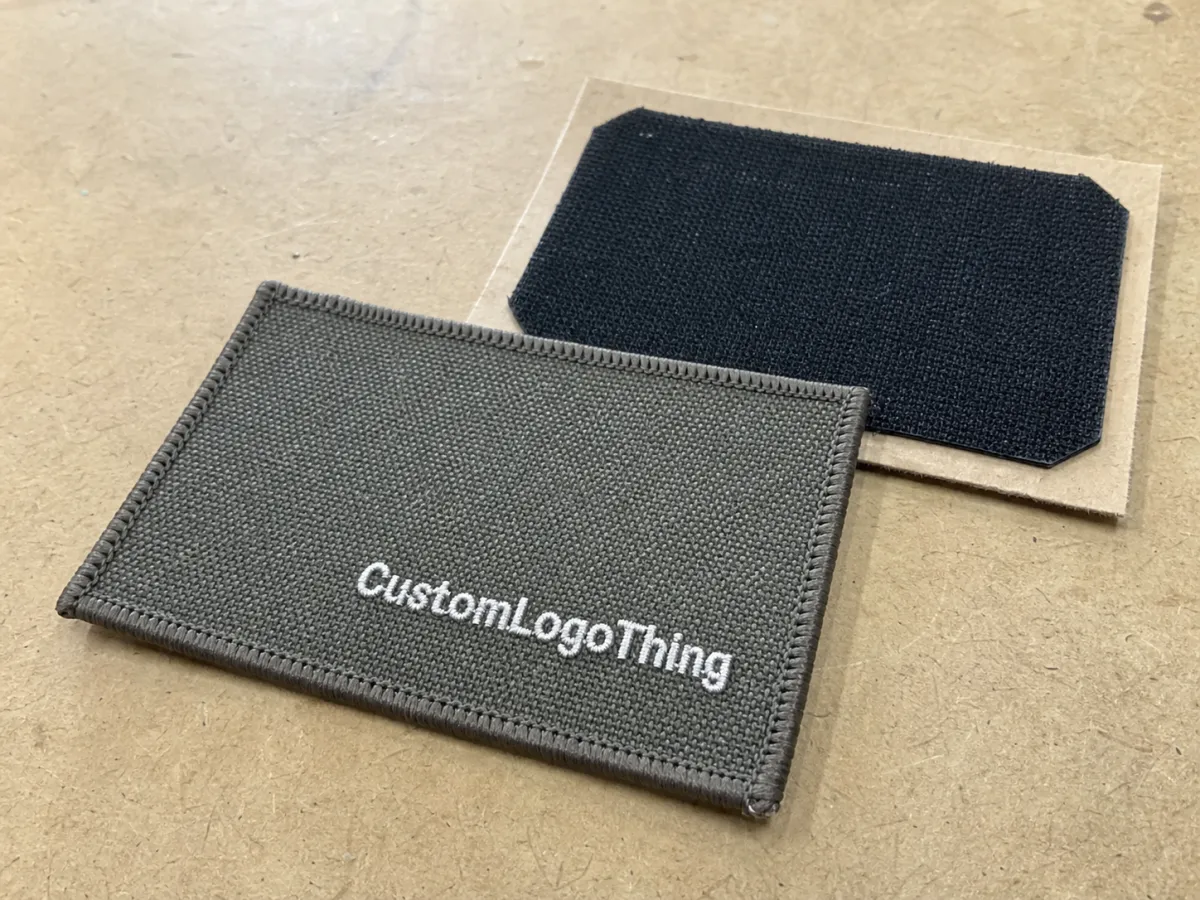
Logo patches are branded components attached to garments, accessories, robes, caps, aprons, tote bags, spa uniforms, or retail apparel. They can be sewn on, heat pressed, made with Velcro backing, or built as removable badges with pin or magnetic hardware. Simple object. Many ways to get it wrong.
Hotel boutiques have a more specific challenge than standard retail brands. Staff apparel has to survive washing, movement, body heat, storage, and repeated wear without irritating the person wearing it. Gift-shop merchandise has to look good on a shelf, support retail margins, and match the property’s visual language. A patch on a concierge blazer is not solving the same problem as a patch on a resort tote bag.
Material choice affects texture, perceived luxury, wash durability, cleaning method, edge finish, color accuracy, minimum order quantity, and unit cost. One small patch can complicate a buying meeting. Welcome to branding.
The main custom patch materials are woven, embroidered, faux leather, genuine leather, rubber PVC, chenille, printed fabric, metal-look, and hybrid patches. Each one has a place. None of them is automatically “premium,” no matter what a supplier’s sales sheet says. A beautiful leather patch on the wrong staff uniform can become a laundry problem by week two.
Buying rule: Choose the patch material after you know the garment, cleaning method, placement, and guest-facing purpose. Picking by appearance alone is how nice brands end up with stiff, badly placed decoration.
The goal is not to memorize factory jargon. The goal is to match patch material to hotel positioning, garment type, usage, budget, and timeline before the sample charge has already been spent.
How Patch Materials Work on Uniforms, Robes, Caps, and Retail Goods
A patch is not just the visible logo. It has a face material, thread or print layer, backing, border, and attachment method. Each layer affects hand feel, durability, edge behavior, and price. A 2.5-inch patch with a merrowed border and sew-on backing behaves differently from the same artwork as a laser-cut heat-press label.
Woven patches
Woven patches are made from tightly woven threads. They are best for small text, fine lines, crests, coordinates, room numbers, and boutique logos with thin typography. They look flatter and more refined than embroidery. For hotel robes, spa tunics, sleeve marks, and subtle retail labels, woven patches often give the cleanest result at 1.5 to 3 inches wide.
Embroidered patches
Embroidered patches use raised stitching for texture. They feel classic, established, and hospitality-friendly. They work well for bolder logos, heritage marks, uniform polos, aprons, and caps. They are not ideal for tiny serif text unless unreadable fuzz is part of the brand system. Thread has thickness. Physics remains undefeated.
Leather and faux leather patches
Leather patches can be debossed, embossed, printed, foil-stamped, or laser-engraved. Genuine leather reads upscale and natural. Faux leather can look sharp, cost less, and offer better color consistency. Both are strong options for lodge apparel, premium retail caps, jackets, totes, and spa retail pieces. They are less friendly for high-heat laundering, especially if staff garments go through commercial wash and dry cycles.
PVC and rubber patches
PVC patches are waterproof, dimensional, and durable. They fit outdoor resort gear, pool staff caps, luggage tags, rain jackets, beach bags, and activewear. They can feel too sporty for fine-dining uniforms. Use them where water resistance and shape stability matter more than a soft fabric hand.
Printed fabric patches
Printed or sublimated fabric patches are useful for full-color artwork, gradients, illustrations, seasonal boutique drops, and small runs where woven detail would be too complex. Durability depends on fabric, ink system, and washing. Ask whether the print is sublimated, screen printed, or digitally printed. Those are different production methods, not interchangeable labels.
Attachment matters as much as material. Sew-on patches are usually the most reliable for hotel uniforms. Heat press can look clean, but it is fabric-dependent. Velcro works for security, event staff, and interchangeable roles. Adhesive backing is usually temporary unless the supplier specifies a permanent pressure-sensitive adhesive and the garment supports it.
Key Material Factors: Comfort, Wash Durability, Brand Feel, and Placement
Start with the use case before aesthetics. A concierge blazer patch does not need to survive the same abuse as a housekeeping apron, pool towel wrap, or retail cap that guests wear hiking. If a staff uniform is washed 2 to 5 times per week, durability is a core spec, not a pleasant bonus.
Comfort comes first on robes, spa tunics, undersleeves, and lightweight shirts. Soft woven patches and low-profile embroidered patches work better near skin contact areas. PVC, leather, thick embroidery, and chenille belong on outerwear, bags, hats, or retail items where stiffness will not irritate the wearer.
Laundering is the next filter. Staff garments may be industrial washed, dry cleaned, or home washed. Woven and embroidered patches usually handle repeated washing well when properly sewn with compatible thread. Leather needs caution. PVC handles moisture, but high dryer heat can create warping or edge stress depending on formulation and backing.
Brand positioning changes the answer too. Woven reads clean and premium. Embroidery reads classic and established. Leather reads upscale, rustic, or resort-luxury. PVC reads modern and active. Chenille reads nostalgic, collegiate, and playful. None is “best” without the hotel context.
Artwork fit is where buyers often get surprised. Tiny text, detailed crests, and thin lines favor woven or printed patches. Bold monograms look great in embroidery, leather, or PVC. Full-color art usually points to printed fabric or sublimated patches. A good supplier should say when a logo needs simplification at the final size.
Placement changes the spec. Chest patches should usually stay subtle, often 2 to 2.75 inches wide. Sleeve patches can carry a little more detail, around 2 to 3 inches. Hem patches are quiet luxury territory, usually 1 to 1.5 inches. Hats and bags can take 2.5 to 4 inches. Larger patches work when the patch is the design feature, not just the brand mark shouting for attention.
| Material | Best Hotel Use | Typical Size Range | Comfort Level | Wash Durability |
|---|---|---|---|---|
| Woven | Robes, spa uniforms, sleeve labels, detailed crests | 1.25–3 in. | High | High when sewn |
| Embroidered | Polos, aprons, caps, classic staff uniforms | 2–4 in. | Medium | High when sewn |
| Faux or Genuine Leather | Retail caps, jackets, totes, lodge merchandise | 1.5–4 in. | Medium to low near skin | Medium; avoid hot wash cycles |
| PVC / Rubber | Pool gear, outdoor apparel, luggage tags, active resort goods | 2–4 in. | Low near skin | High for moisture, caution with heat |
| Printed Fabric | Seasonal retail drops, full-color art, gradients | 1.5–4 in. | High to medium | Varies by ink and fabric |
This is where most cost-saving happens: catching mismatches early. Stiff patch on soft robe. Leather on hot-wash uniform. Tiny typography forced into embroidery. These are not creative risks. They are predictable procurement errors.
Process and Timeline: From Artwork to Approved Hotel Patch Sample
The standard patch process is predictable: artwork review, material recommendation, digital proof, sample or pre-production photo, approval, bulk production, quality check, and shipping. Skip steps if you enjoy surprises. Most buyers do not.
Before requesting a quote, prepare the basics: vector logo file if possible, target size, garment type, placement, quantity, preferred attachment method, wash requirements, and brand references. Vector artwork in AI, EPS, or clean PDF format usually speeds quoting. A low-resolution screenshot from a presentation deck does not count as production art, no matter how confidently someone emails it.
Digital proofing often takes 1 to 3 business days after specs are clear. Physical sampling commonly takes 5 to 10 business days, depending on the material and complexity. Woven and embroidered samples are usually faster than molded PVC, complex leather treatments, or unusual backing hardware.
Bulk production for standard woven or embroidered patches often runs 10 to 20 business days after approval. PVC molds, specialty leather, metallic thread, custom shapes, exact color matching, or rush freight can add time. If your uniform vendor needs patches before sewing garments, build that into the calendar.
Rush production may be possible for simple woven or embroidered patches, but rushing a bad spec creates faster disappointment. Approve the right sample, not the first sample. This matters most for robes, stretch fabrics, textured knits, and anything headed into commercial laundry.
Hotel planning has more moving parts than a normal apparel order. Coordinate patch timing with uniform vendor deadlines, staff onboarding, seasonal boutique launches, spa menu rollouts, and property opening schedules. If the patch is part of a retail kit, also think about hangtags, kraft paper wraps, corrugated cardboard shippers, and branded packaging inserts. Presentation is not only the patch.
Order extra units. A 5% to 10% overage is sensible for replacements, new hires, damaged garments, and boutique reorders. Reopening production for 17 extra patches later is exactly as annoying and expensive as it sounds.
Cost and MOQ: What Drives Unit Cost for Custom Logo Patches
Patch pricing is driven by material, size, quantity, color count, backing, edge finish, artwork complexity, sampling needs, and shipping method. The cheapest quote is often cheap because something useful was removed from the spec. Funny how that works.
For planning only, small woven or embroidered patches may land around $0.60 to $2.50 per unit at medium to higher quantities, depending on size and detail. Smaller runs can be higher. PVC, leather, chenille, metallic thread, custom shapes, and specialty backings often move into the $1.50 to $5.00+ per unit range. Large, dimensional, or retail-grade patches can go beyond that.
Many custom patch orders start around 50 to 100 pieces for simpler woven or embroidered styles. PVC molds, specialty leather treatments, or complex custom shapes may require higher minimums because setup time has to be justified. A 30-piece order can be possible, but the unit price may look rude.
Setup costs may include digitizing, weaving files, mold fees, color matching, or sample fees. They are not automatically a scam. They are the cost of turning a logo file into something machines can produce. If a quote has no setup fee but a higher unit cost, the setup may simply be buried. Ask.
Budget tradeoffs are straightforward. Woven patches are usually efficient for detailed logos. Embroidery is cost-effective for classic marks. Printed fabric can be economical for full-color art or seasonal drops. Leather and PVC cost more, but they can support premium retail pricing on caps, jackets, totes, and resort accessories.
Do not judge only by unit cost. A cheaper patch that fails in laundry, feels stiff on a robe, or makes a luxury boutique tee look like a trade-show giveaway is not cheaper. It is bad math with a logo on it.
| Patch Type | Common MOQ | Planning Price Range | Cost Drivers | Best Buying Move |
|---|---|---|---|---|
| Woven | 50–100 pcs | $0.60–$2.50+ | Size, thread colors, fine detail, border | Use for detailed boutique marks and small text |
| Embroidered | 50–100 pcs | $0.75–$3.00+ | Stitch count, coverage, size, backing | Use for bold staff logos and classic uniforms |
| Leather / Faux Leather | 50–100 pcs | $1.25–$4.50+ | Material, debossing, engraving, shape | Use for retail caps, totes, jackets, lodge goods |
| PVC / Rubber | 100+ pcs | $1.50–$5.00+ | Mold, layers, colors, thickness | Use for outdoor, poolside, and luggage items |
| Printed Fabric | 50–100 pcs | $0.80–$3.00+ | Print method, fabric, finish, color coverage | Use for full-color retail artwork or seasonal drops |
A practical quoting method: request two or three material options at the same size and quantity. For example, ask for a 2.25-inch woven, embroidered, and faux leather patch at 250 and 500 pieces. That gives you an actual comparison instead of random price points floating around a spreadsheet.
If the boutique sells packaged apparel or guest amenities, ask about packaging too. Recycled materials, FSC certified paper stocks, post-consumer waste content, and biodegradable packaging can support the same brand values as the patch itself. For paper sourcing, the Forest Stewardship Council is a useful reference point. For transport testing and packaged goods handling, ISTA standards are worth knowing, especially if boxed retail kits ship between properties.
Step-by-Step Buying Guide for Choosing the Right Patch Material
Use this buying process before asking for samples. It keeps design, operations, purchasing, and the uniform vendor from arguing with different assumptions. Always charming. Rarely productive.
- Define the item category. Separate staff uniforms, spa robes, housekeeping apparel, caps, retail tees, tote bags, jackets, and guest amenities. Each item has a different wash cycle, wear pattern, and comfort requirement.
- Match the hotel brand mood. A coastal boutique might use woven cream-and-navy labels. A mountain lodge might choose debossed faux leather. A modern urban hotel might use black PVC or tonal embroidery.
- Check artwork complexity. Fine lines, small text, and detailed crests point toward woven or printed patches. Bold initials and simple icons can work beautifully in embroidery, leather, or PVC.
- Decide attachment early. Sew-on is safest for laundering. Heat press is clean for compatible garments. Velcro is useful for interchangeable roles. Pins, magnets, and badges need hardware planned from the start.
- Choose size and placement using real garments. Print a paper mockup at full scale and tape it to the garment. Low-tech. Also brilliant. It prevents expensive nonsense.
- Review the proof properly. Check edge type, thread colors, backing, scale, and logo simplification. Do not approve a proof only because the logo is centered.
- Test the sample on the garment. This matters for robes, stretch fabrics, textured knits, lightweight shirts, and uniforms going through commercial laundry.
For a staff polo, a 2.25-inch embroidered patch may be perfect. For a spa robe, a 1.5-inch woven hem label may feel more elegant and less scratchy. For a retail cap, faux leather or PVC can justify a higher shelf price. Same brand. Different patch. That is the point of a useful material guide.
Common Mistakes Hotel Boutiques Make With Patch Specs
Mistake 1: choosing the prettiest material without considering laundry. Leather may look gorgeous on a retail cap and terrible after repeated hot washing on staff apparel. Ask for wash guidance before approval.
Mistake 2: forcing tiny text into embroidery. If the logo has micro lettering, woven or printed patches usually produce cleaner results. Embroidery can only shrink so far before letters become decorative fuzz.
Mistake 3: oversizing chest patches. Boutique hotels usually need refined branding, not a billboard on a server’s shirt. Use larger patches for bags, jackets, hats, and retail pieces.
Mistake 4: ignoring garment fabric. Heat press backing may not bond well to every textile. Thick patches can pull, pucker, or distort lightweight fabrics. Stretch fabrics need extra caution because the patch usually does not stretch the same way.
Mistake 5: ordering exactly the number needed. Hotels have turnover, lost garments, replacements, damaged aprons, and unexpected retail demand. Exact quantities sound tidy until the first missing uniform set.
Mistake 6: approving colors on a phone screen. Thread, leather, PVC, and printed fabric all reflect color differently. Use Pantone references or physical color cards when the brand color matters. A screen preview is a direction, not a color standard.
Mistake 7: skipping a sample because the order is urgent. Sampling is not a delay when it prevents a full box of patches nobody wants to sew onto expensive uniforms. If the item is guest-facing, sample it.
Mistake 8: forgetting the end user. A scratchy patch on a robe or spa tunic is a guest-experience problem, not just a production problem. A stiff badge on a staff shirt becomes an employee comfort issue after an eight-hour shift.
The point is not to make patches complicated for sport. It is to catch predictable problems while they are still cheap to fix.
Build a Patch Spec Sheet Before You Request Samples
Create a one-page patch spec sheet before contacting suppliers or sending the project to purchasing. It keeps design, operations, uniform vendors, and boutique managers aligned. One page. Not a 42-slide brand deck. Mercy.
Include these fields:
- Hotel name and property or collection
- Department or product line
- Patch use case: staff, retail, spa, pool, event, guest amenity
- Garment or product type
- Target patch size range
- Placement: chest, sleeve, hem, cap front, tote pocket, robe cuff
- Preferred material and backup material
- Attachment method: sew-on, heat press, Velcro, pin, magnetic, adhesive
- Quantity and likely reorder quantity
- Target delivery date
- Laundry method: home wash, industrial wash, dry clean, spot clean
- Retail or staff use
- Packaging needs, including kraft paper wrap, hangtag, or corrugated cardboard shipper
Build three sample directions if budget allows: one premium option, one practical uniform option, and one budget-conscious option. For example, faux leather for retail caps, woven for robes, and embroidered for staff polos. That gives the team real choices instead of vague opinions.
Send garment photos or physical garment samples when possible. The best patch supplier cannot magically know that a robe fabric is fluffy, stretchy, textured, or impossible to heat press. If the garment is already selected, test the patch on that exact fabric before bulk approval.
Ask for proof details: actual patch size, border type, backing, color references, estimated production time, MOQ, and setup fees. If sustainability claims matter for packaging or boutique presentation, ask for documentation on recycled materials, FSC certified paper, or post-consumer waste content. Claims without specs are just marketing confetti.
Before rollout, attach one sample to the real garment. Wash it. Wear it. Check the edges. Check comfort. Confirm the branding still feels right after the garment moves, folds, and gets handled by actual humans. A careful Logo Patches Material guide for hotel boutiques should end there: not with a prettier mockup, but with a patch that survives use and still looks intentional.
FAQs
What is the best material for logo patches for hotel boutiques?
Woven patches are usually best for detailed, refined hotel branding and small text. Embroidered patches work well for classic staff uniforms with bold logos. Faux leather or genuine leather is better for premium retail caps, jackets, totes, and lodge-style merchandise. PVC is best for waterproof, outdoor, poolside, or resort gear, but it may feel too casual for luxury uniforms.
How do I choose between woven and embroidered patches for hotel uniforms?
Choose woven patches when the logo has fine lines, small lettering, crests, or a clean boutique look. Choose embroidered patches when you want raised texture, traditional hospitality styling, and a bolder logo. If the patch sits near the skin or on lightweight fabric, woven is often smoother and less bulky. Always ask for a proof at the final size because embroidery detail changes fast when the patch gets small.
What patch backing is best for hotel boutique apparel?
Sew-on backing is the most reliable choice for uniforms that are washed often. Heat press backing can work for retail tees, caps, or light-use apparel if the fabric is compatible. Velcro backing is useful for security, events, role changes, or interchangeable name and department patches. Adhesive backing is generally for temporary placement or positioning before sewing, not long-term hotel use.
How much do custom logo patches cost for hotel boutique orders?
Pricing depends on material, size, quantity, color count, backing, edge finish, and artwork complexity. Woven and embroidered patches are often the most cost-efficient for medium to large uniform runs. PVC, leather, chenille, metallic thread, and specialty shapes usually cost more because of setup and material requirements. Ask for quotes at two or three quantity levels so you can see where the unit cost drops.
How long does production take for custom hotel logo patches?
Digital proofing often takes 1 to 3 business days once the artwork and specs are complete. Physical samples commonly take about 5 to 10 business days, depending on material and complexity. Bulk production for standard woven or embroidered patches often takes around 10 to 20 business days after approval. PVC molds, leather treatments, rush shipping, or complex approvals can extend the timeline, so plan around uniform rollout dates.