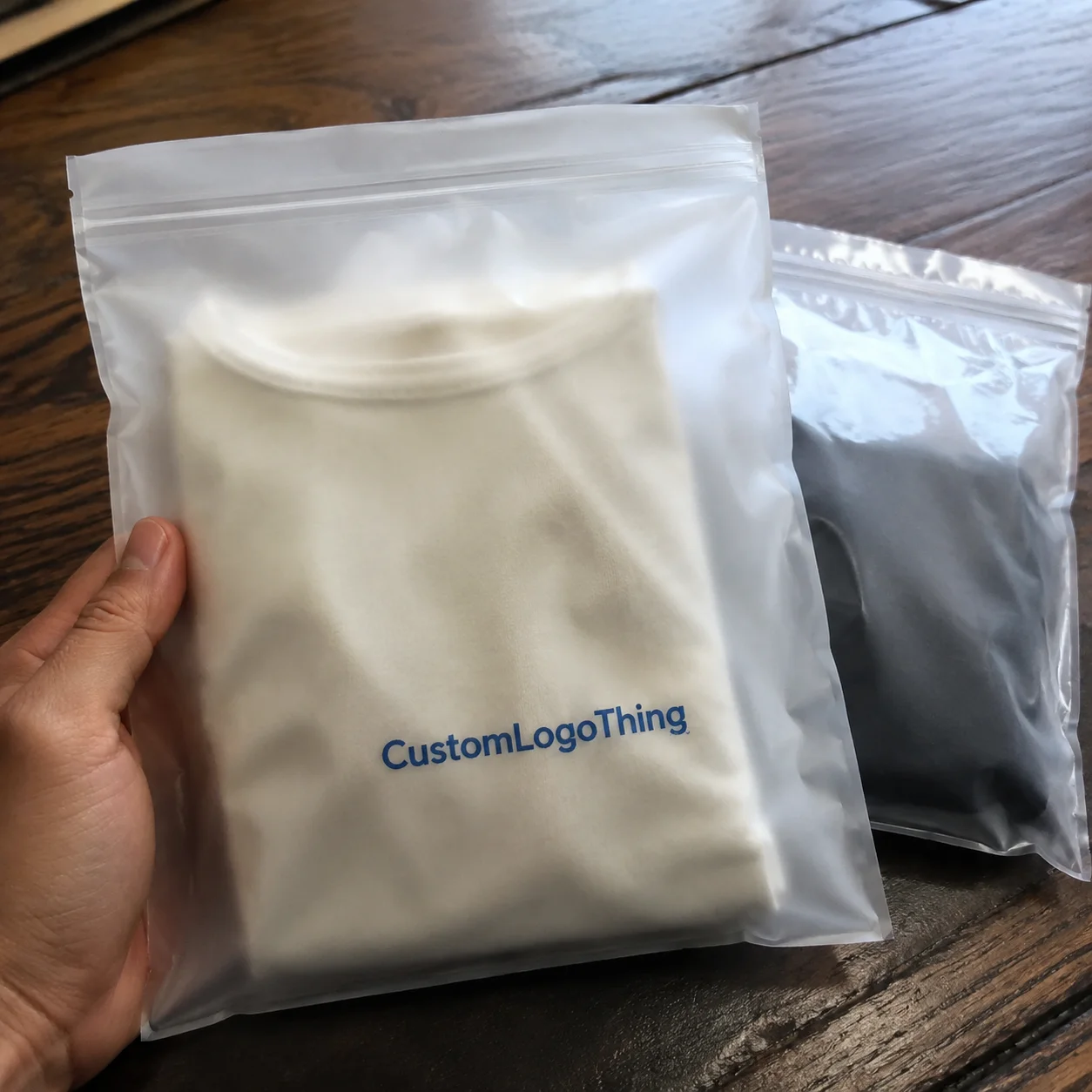
Buyer Fit Snapshot
| Best fit | food packaging material selection for packaging buyers who need material clarity, print proof, packing fit, cost control, and repeat-order reliability where brand print, material, artwork control, and repeat-order consistency matter. |
|---|---|
| Quote inputs | Share finished size, material target, print colors, finish, packing count, annual reorder estimate, and delivery region. |
| Proofing check | Approve dieline scale, logo placement, barcode or warning zones, color tolerance, and any recyclable or compostable wording before bulk production. |
| Main risk | Vague material claims, crowded artwork, or missing packing details can create delays even when the unit price looks attractive. |
Fast answer: Food Packaging Material Selection: Safety, Barrier, Print, and Cost should be specified like a repeatable production item. The safest quote includes material, print method, finish, artwork proof, carton packing, and reorder notes in one written spec.
What to confirm before approving the packaging proof
Check the product dimensions against the actual filled item, not only the sales mockup. Ask for tolerance on folds, seals, hang holes, label areas, and retail display edges. If the package carries a logo, QR code, warning copy, or legal claim, reserve that space before decorative graphics fill the panel.
How to compare quotes without losing quality
Compare board or film grade, print process, finish, sampling route, tooling charges, carton quantity, and freight assumptions side by side. A lower quote is only useful if the supplier can repeat the same color, closure quality, and packing count on the next order.
I still remember when tracking a single sandwich wrapper from prototype all the way through three factories, two customs inspections, and a grocery backroom turned into my crash course on how to choose packaging material for food. (Yes, the designer actually handed me that tiny $0.04 film sheet and dared us to make it survive the supply chain circus.) The material eventually morphed into a $0.12 hybrid laminate after steam table data shifted, and by the time it had to survive a 12-hour truck route plus a consumer microwave ramp-up, I swear I knew its moisture migration profile better than my own grocery list. That project taught me choosing the right substrate is less about a single decision and more about micro-decisions—each one shaping aroma retention, moisture migration, and the credibility of a freshness claim. I’m still kinda amazed that a polymer change triggered a relabel just to keep soggy complaints at bay.
Food-grade packaging inspections start before raw film arrives, and supply chain compliance drills remind me that the real question is how to choose packaging material for food that satisfies auditors and keeps operators sane. I scribble migration protocols in the margins of my notebook, compare lot traceability with the brand’s allergen matrix, and somehow turn that into an advantage when the buying team asks for both a cost reduction and a new scent profile. When the sourcing director says we’re gonna need a faster lead time, I remind them that audit-ready documentation is the lever that actually earns that flexibility.
Why Packaging Material Choices Matter for Food
My first lesson in how to choose packaging material for food started with defining the material itself: was it corrugated cardboard, kraft paper, compostable film, or a hybrid that suddenly demanded a 25-micron aluminum layer after we realized the steam table numbers were off? The wrapper I mentioned had 280gsm kraft paper laminated to EVOH film with a 2-micron sealant layer, and a slight polymer viscosity shift dropped microwave moisture retention by 1.7 percentage points. That measurable change hit the thermally sensitive filling and forced the brand to re-label cooking instructions just to avoid sogginess.
Consumers scrutinize presentation; 65% told Mintel they believe packaging influences flavor, so even a font choice can shift sales. Beyond aesthetics, regulators demand migration tests from both the FDA and EFSA, insisting on documented proof that no harmful components leach into nacho cheese. A failed barrier collapses fresh claims, tightens shelf position, and prompts the retailer’s buying team to throw brutal questions at quarterly reviews (seriously, they keep a stopwatch for delay excuses). I include adhesives and coatings in that count because the wrong tack can ruin the whole story.
I can still hear the late-night call from a Dallas retailer complaining the acrylic adhesive touched the acidic salsa showing through a clear window panel. That episode proved answering how to choose packaging material for food requires more than cost calculations; it demands moisture balance analysis, aroma profiling, and temperature mapping so the right packaging design actually reaches the shelf without drama. Now, before a new spec sheet circulates, I run through that checklist out loud with the sourcing lead.
How the Selection Process Actually Works When Choosing Packaging Material for Food
Behind every successful roll-out sits a tightly mapped timeline. When a brand defines its product and the approved artwork finally hits the press, we usually span 4–8 weeks. The process starts with an initial brief, followed by quick mockups, material sampling, barrier tests, and final line trials. Launching a retail packaging line for a frozen entrees client included three material check-ins at days 7, 14, and 28. The site visit to our Shenzhen facility lined up with their first migration report, scheduled under an ISTA/ASTM-friendly protocol so auditors could cross-check results and try not to scare the line operators.

The selection itself unfolds step by step. Product profiling comes first: what is the pH of a mango-chili sauce (3.2), how greasy is the filling (35% oil content), and does it spend time in a heated cabinet (yes, three hours at 60°C)? Next comes substrate evaluation—paperboard for structure (350gsm C1S for clamshell lids), recyclable plastics for barrier (PET/PE with an oxygen transmission rate of 3 cc/m²/24hr at 23°C and 50% RH), or compostable films (PLA/PHB blend with 120-second hot tack). Finally, adhesives, inks, and sealing technologies get their turn. I insist on checking hot and cold seal strengths, EPI adhesives backed by FDA indirect food contact letters, and flexo inks with PVDF pigments to avoid migration risk during oven heating (I honestly think the inks are the unsung heroes of packaging grief control).
Lab work serves as a compass through the maze. Migration tests, oxygen transmission rate (OTR) measurements, and microbial challenge studies keep the direction true. For one protein bar line, the lab reported an OTR of 2.1 cc/m²/day, which justified extra aluminum layers even though the brand preferred a matte kraft aesthetic. Machinability gets validated by sending rolls to the packing line for actual throughput trials. That stage reveals issues such as custom printed boxes with 270-degree seals slowing the line to 35 packs per minute unless sealing bars get adjusted. Only after these checks do we authorize a full-scale purchase order (and breathe a little).
Key Factors: Safety, Sustainability, and Cost
Safety stands as non-negotiable. FDA, EU, and Health Canada regulations demand clean-room supply chains, compliance letters, and routine third-party lab audits. Visiting a dairy supplier in Idaho, the compliance officer walked me through their documentation process, presenting GMP logs, incoming material certificates, and annual migration studies. They even timestamped every pallet forked into their refrigerated dock (held at 2°C), showing how packaging cannot contaminate creamy fillings. It also confirmed adhesives and sealant sources deserve the same scrutiny as film suppliers.
Sustainability now intersects with those safety concerns. A supplier might claim compostable film, yet municipal composters need to accept the blend, and the carbon intensity must stay within a brand’s reduction targets—say, under 1.8 kg CO₂e per kilogram of film. Our clients track recycled content: 30% post-consumer PET for a retail sleeve, and 40% recycled kraft for parcel wrap. I always encourage verifying recyclability by region; a film can be technically recyclable, but distribution across rural Montana renders that capability moot (you can’t recycle what no one collects, no matter how noble the claim sounds). Local haulers differ so widely that a central list becomes part of the due diligence.
Cost adds the third dimension. Packaging typically accounts for 10–30% of landed cost, so per-unit material prices cannot be ignored. Our current project uses a premium barrier film at $0.18 per unit for 5,000 pieces plus $650 tooling amortized over 60,000 units, driven by frequent swings between warehouse (12°C) and truck (30°C). Compare that to a standard PE film at $0.09 per unit that lacks humidity barrier; the cheaper option triggered 4% line rejects due to seal failure, translating into $1,600 per month of rework. That reality is why we always calculate total cost of ownership (TCO) rather than staring at sticker price alone—honestly, I think TCO should be tattooed on every procurement officer’s arm.
Packaging durability proves the pragmatic cousin to sustainability; drop tests, pinch strength, and humidity cycling reveal whether the barrier will crack or survive the rush of the distribution center. When calibrating that data, I ask how to choose packaging material for food that holds integrity after a pallet stack and still looks polished, because nothing makes freshness claims seem weaker than a collapsed pouch on aisle five. That kind of durability data is also what keeps bagged chips upright at the retailer—no one wants a product that hints it might fall apart before the consumer even picks it up.
Step-by-Step Guide to Choosing Food Packaging Material
Step 1 – Clarify product behavior. Start by documenting temperature swings: does the item move from -18°C freezer to a 200°C oven? Oxygen sensitivity matters too—nut butter should aim for OTR under 1.5 cc/m²/day. Portion size influences construction; 90g snacks need precise heat-sealed borders, while family-size trays demand structural reinforcement. Channel also plays a role—retail shelves require polished custom printed boxes, while foodservice often prioritizes stackable trays with practical handling features (and the occasional sarcastic note to the line operator, “Please don’t open them in the morning rush”). Record every detail because future iterations rely on it.
Step 2 – Match functionality to substrate. Films such as PET/PE deliver reliable moisture barriers, paperboard provides structure, and hybrid laminates offer multi-function protection. A line in Atlanta swapped standard BOPP for metallized film, which cut oxygen ingress by 12% and kept chips crisp through a 16-week promotion. Document expectations clearly, including tensile strength targets (28 MPa), MVTR below 0.5 g/m²/day, and seal integrity exceeding 3.5 N/mm.
Step 3 – Prototype & test. Order short runs from proven converters, run them on your line, measure sealing strength with a 500-gram pull test, inspect print fidelity, and assess reheating performance. Many brands skip this step, but a July trial taught me otherwise when the prototype film peeled off during retort processing because we omitted the 121°C bath test. That single oversight cost two extra weeks of retooling and $3,200 in wasted frames—and prompted a heartfelt internal memo titled, “Never Skip the Bath Again.” Share the test data with the adhesives team so they can weigh in before we lock in the laminates.
Step 4 – Analyze cost and logistics. Layer in unit price, minimum order quantity (MOQ), freight, storage, and contamination allowances. Some converters insist on a 10,000-unit MOQ, while others support 1,000 units at a slight premium. Budget contingency for regulatory updates or ingredient shifts; reformulating with a higher fat fraction can change your oxygen barrier requirements and spark another round of testing (and let’s be real, another round of frantic emails). Scenario planning helps keep demand swings from blowing up your buffering strategy.
Step 5 – Finalize specs with quality metrics and KPIs. Define allowable defect rates (typically under 1% for seal integrity), humidity tolerance, and color matching targets (ΔE < 2.0). Share these metrics with your partner so everyone knows when the job is complete and how to measure success. This flat sharing keeps everyone on the same page, so measurement doesn’t turn into guesswork.
What Questions Should Guide How to Choose Packaging Material for Food?
Frame the process with a short list: What temperatures does the product experience end to end? What barrier metrics keep aroma and moisture in check? What finishing touches keep my brand recognizable? The answers feed the prototypes, the lab trials, and the cost modeling. Those prompts ensure that how to choose packaging material for food stays rooted in facts rather than intuition, so executives get a confident yes instead of an anxious maybe.
Common Mistakes to Avoid When Choosing Food Packaging
One frequent error is failing to consider the full temperature spectrum. A package may hold up in the ambient warehouse but fail in a steam table or a 140°F delivery van during summer. I saw that with a quasi-freeze-dried snack approved in prep rooms yet bubbling in transit because a 10 PSI pressure differential had not been included in the original test plan. It felt like bringing a beach towel to a snowstorm; include those extremes in your tests.
Another misstep focuses solely on material cost. A film that costs $0.05 per unit can escalate to $0.12 per unit if it feeds poorly and generates 20% rejects. Early in a project, line operators spent an extra 15 minutes per shift pulling misfeeds because the film tack was too low, costing the plant three lost hours of throughput per day. Rework, rejected lots, and slowed lines accumulate quicker than expected—fast enough to make you question your career choices (just a little).
Finally, skipping collaboration with your packaging partner proves costly. A brand once delivered unsupported print files to the converter, forcing 45 minutes of artwork fixes plus a $250 rush fee. Partners involved early flag sealing specs, machinist tolerances, and supply constraints. They know if that new retail packaging structure will jam the slotter or if ink requirements demand a different curing lamp. Trust me, the converter has seen the weird stuff—ask them before you reinvent the paper triangle.
Expert Tips from Packaging Specialists
Treat material selection like a science experiment. Log each trial, capture operator feedback, and compare data side by side. During a pilot for a new plant-based protein, we tracked downtime, seal integrity, and comments for every substrate. That documentation flagged a subtle temperature spike causing micro-warping, and the team solved it before full production—phew, because I’m not more than three spreadsheets away from needing a vacation. The granularity also makes future audits smoother.
Benchmarking delivers practical clarity. Compare your color, barrier, and structural demands with similar SKUs in other markets. If a converter already validated a glossy kraft option that survived a 72-hour humidity chamber, adapt that proven route rather than reinventing the wheel. Understanding what works in the real world strengthens your package branding, and sometimes the best idea is to borrow brilliance rather than pretend you’re MacGyver.
Get the converter involved early. Their historical data surfaces unexpected efficiencies, like double-sided printing to reduce ink coverage or negotiated minimums on 14- or 25-inch rolls. Negotiating with a converter in Ontario once led to a co-packing arrangement that cut freight by 12% and allowed smaller reorders. Missing that strategic insight happens when you wait until the RFP stage, and honestly, that’s when mistakes turn into full-blown headaches.
Actionable Next Steps After Researching Your Packaging Material
Begin by creating a shortlist of candidate materials with linked product trials, supplier certifications, and cost buckets. For example, pair “PET/PE – 3 cc OTR – FDA 176.170 – $0.14/unit” with “Compostable PLA – 4 cc OTR – TÜV OK Compost – $0.18/unit.” That level of detail makes comparisons objective and saves you from the dreaded “I thought you meant...” conversations. Tie each line item to a real-world test so it doesn’t stay theoretical.
Schedule a material audit with operations to test sealing, stacking, and storage. Plot the results on a decision matrix covering line speed, seal strength, and visual finish. Operator comments often catch wrinkles or static issues before lab reports do. Include their observations, and maybe offer them coffee for being so observant.
Draft an approval timeline that includes compliance documentation, pilot runs, and contingency reserves. Allow three weeks for migration testing, two days for artwork sign-off, and an extra week for regulatory changes. These checkpoints let you move from insight to order without guessing, which makes answering how to choose packaging material for food far more precise—with far less drama. Define who owns each checkpoint so delays stay visible.
Conclusion
Answering how to choose packaging material for food demands data, collaboration, and patience. Pull in science-based testing, benchmark against similar branded packaging, factor total cost of ownership, and use the insights you gather to define KPIs. Following those steps protects freshness, upholds your package branding, and keeps the team aligned from pilot to pallet. Trust is built when every migration test and audit trail is documented so the next inspector can see the thought behind each choice.
Actionable takeaway: commit to transparent criteria, involve converters early, and keep every metric in view so you can answer questions quickly and course-correct before the next production run. That discipline keeps the grit out of the supply chain and the flavor in the box.
Frequently Asked Questions
Q: What criteria should I use when asking how to choose packaging material for food?
A: Start with the product profile—temperature, moisture, acidity, and portion size dictate barrier needs. Layer in compliance requirements (FDA, EU), sustainability goals, and the cost of rejected production runs. (Also, ask your line operator; they will gladly remind you about the 3 a.m. seal failure.)
Q: How does cost influence how to choose packaging material for food?
A: Quantify not just material price but tooling, freight, storage, and obsolescence risk; a cheaper film may cost more once rejected lots are factored in. Use total cost of ownership (TCO) to compare options and avoid decisions based purely on per-unit price—TCO is your new best friend, even if it sometimes feels like a clingy roommate.
Q: Are there safety tests that inform how to choose packaging material for food?
A: Yes—conduct migration, oxygen transmission rate (OTR), and microbial challenge tests before scaling. Document all results with your converter so auditors can trace compliance when inspectors visit. Nothing makes me happier than handing over a folder that proves we ran every test (okay, maybe two things).
Q: Can sustainability goals change how to choose packaging material for food?
A: Absolutely—set measurable targets (recycled content, recyclability, compostability) and verify supply chains can deliver on those claims. Balance those goals with practical concerns like regional recycling capabilities to avoid greenwashing, because no one wants to be that brand that promotes “recyclable” while nothing, anywhere, actually does.
Q: When should I involve a packaging partner in how to choose packaging material for food?
A: Bring them in during product definition so they can recommend substrates that match machine capabilities and compliance needs. Early involvement prevents surprises in tooling, print, or lead time when you’re ready to place an order; otherwise, you’ll spend the next week explaining why your line can’t run 40 packs per minute (again).
For standards and guidance, I often turn to Packaging.org and its advice on product packaging; the Environmental Protection Agency’s Sustainable Materials Management resources (see epa.gov/smm) also keep me grounded when evaluating the sustainability of retail packaging choices. Those resources are my calm in the storm when the printer starts acting up again, yet I still double-check local regulations before making any claims.
Related Articles
- Folding Cartons How to Choose Smart Packaging
- Corrugated Boxes for Ecommerce: Smart Packaging Basics
- Personalized Chocolate Bar Wrappers Wholesale: Pricing, Specs
- Custom Printed Bubble Mailers Wholesale for Brands
- Personalized Wax Seal Stickers: Design, Cost, and Use