A 50-unit capsule can still need three label versions: size, care, and seasonal branding. That is why clothing labels MOQ for Boutique brands is rarely just a question of unit count. The real constraint is variation, because one small run can split into multiple artwork files, colorways, and finishing choices before the first box ships.
Buyers often compare the lowest quote and miss the hidden math. A small minimum can become expensive once setup charges, proof revisions, sampling, and separate runs for each version start to stack up. In practice, the label that looks cheapest on paper can raise your unit cost if it creates rework or forces a rushed reorder later.
Boutique brands also live with a different kind of pressure than mass-market lines. The assortment is narrower, the launch windows are tighter, and the label has to do more than identify the garment. It needs to fit the hand feel, survive wash cycles, and support the brand impression in a few seconds of customer contact. That is a small surface with a lot riding on it.
Why Boutique Brands Outgrow Low MOQ Label Offers Fast
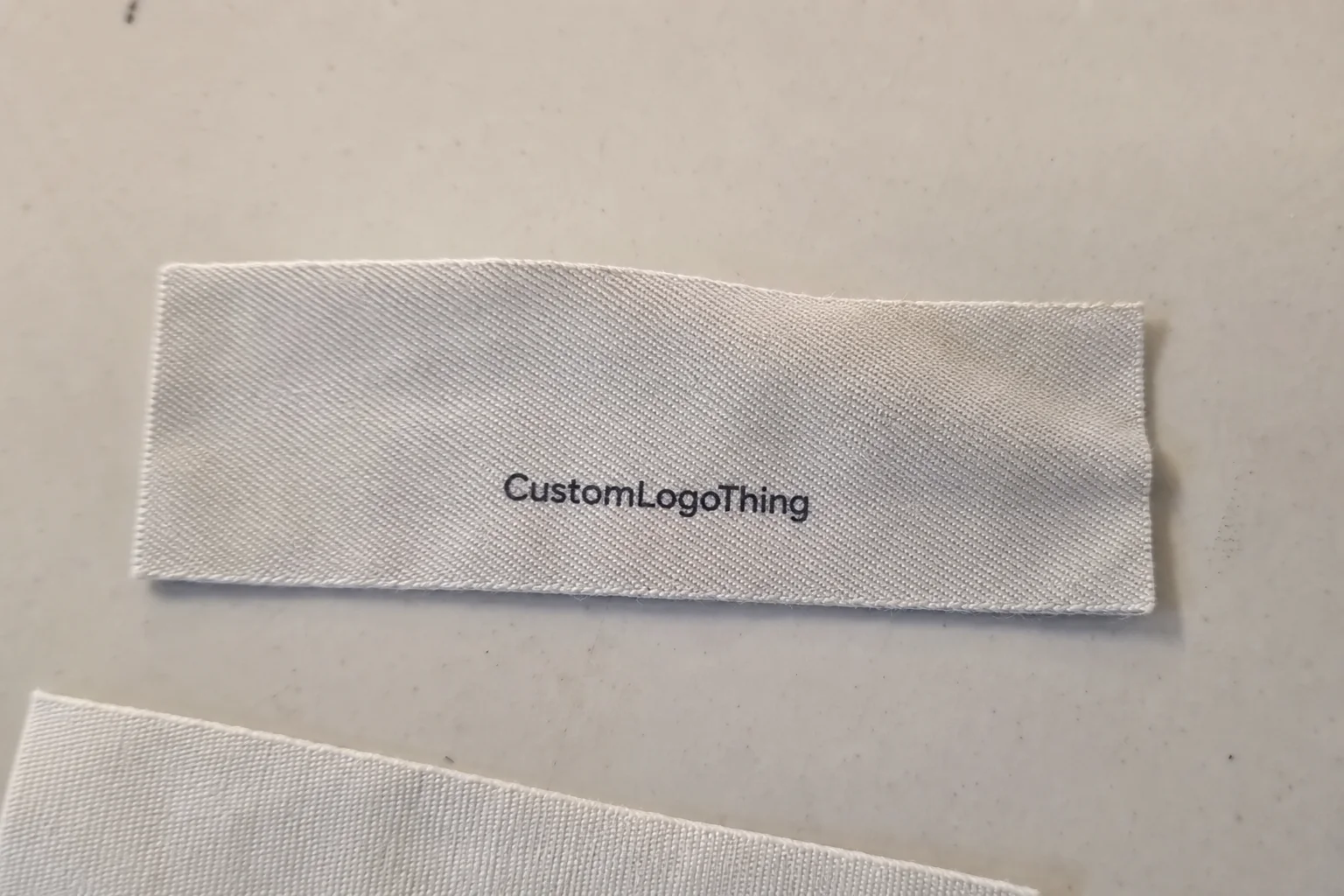
Small brands do not scale like chain-store apparel, but they do not buy labels one garment at a time either. A boutique launch might need neck labels for tees, side-seam labels for knitwear, and care labels for all of it. Add a holiday drop or a fabric refresh, and the order matrix changes fast. That is where MOQ stops being a simple minimum and becomes a planning problem.
The lowest MOQ quote usually looks attractive because it hides the tradeoff. The supplier may charge separate artwork prep, narrow the size options, or spread tooling fees across a smaller run. If the design changes later, those fees repeat. A brand that orders 100 labels with three revisions can end up paying more cost per piece than a brand that orders 500 labels once with a clean spec sheet.
From a packaging buyer's point of view, labels are not a commodity. They are the first tactile brand signal customers handle, and retail buyers notice consistency before they notice the garment itself. The edge finish, the thread density, the print opacity, and the fold style all say something. If those details look improvised, the line feels improvised.
That matters more for boutiques because the assortment is usually tighter. One weak label can affect the whole collection's perceived value. A clean woven edge or a soft printed satin tag does not just look better in a sample photo. It reduces returns, makes reorders easier, and keeps the same visual language across product categories.
For brands with small runs and repeat capsules, the goal is not the absolute lowest minimum. The goal is a minimum that still lets you reorder without excess stock sitting in a drawer. If you need flexibility across sizes, seasonal colorways, and restocks, the right vendor is the one that can quote accurately and repeat the same result later.
There is another practical issue that often gets missed: label MOQ is rarely isolated from the rest of the garment order. If your sewing contractor wants labels in bundles by size or colorway, the label count may need to match your packing logic rather than your total garment quantity. A small mismatch there can slow down finishing and add labor that never appears on the label quote itself.
Ask for the quote that reflects the real production shape: one design, one size, one finish, one timeline. Once the order starts splitting into exceptions, the cost story changes quickly.
Clothing Label Formats That Fit Small-Run Apparel Lines
There is no universal best label. There is only the right format for the garment, the wash cycle, and the customer experience you want. Boutique brands usually choose among woven labels, printed satin labels, cotton labels, heat-transfer labels, and hang tags paired with sewn-in branding. Those are the formats that show up most often in small-run apparel, and they behave differently in production.
Woven labels are usually the default for a premium feel. They hold detail well, especially when the artwork is simple and the color count stays under control. Printed satin labels work better if the brand wants a softer hand feel or needs more readable care text in a smaller space. Heat-transfer labels remove the sewn-in tag entirely, which can be useful for athleisure, childrenswear, or loungewear where scratch-free comfort matters.
Cotton labels sit between the two worlds. They give a natural texture, but they can limit very fine detail. Hang tags are not a replacement for legally required garment information, but they do add a controlled brand surface when the sewn-in label needs to stay minimal.
Use the garment itself as the filter. Tees can handle printed or heat-transfer branding easily. Knitwear often benefits from woven labels because the structure feels deliberate. Childrenswear needs careful placement and wash durability. For limited-edition drops, speed may matter more than ornate construction, so a simpler label that ships quickly can be the smarter choice.
Here is the buyer-first rule: choose the format that reduces rework, not the one that looks best in one sample image. If a label is beautiful but unreadable, itchy, or hard to sew, it is a liability. That is why brands often pair Custom Labels & Tags with a sample test before committing to a full run.
There are also practical differences in how each format behaves after washing and pressing. Woven labels usually keep their shape well, but the edges need to be cleanly cut or folded to avoid scratchiness. Printed labels can soften over time if the ink film is too thin or if the base fabric is too slick. Heat-transfer labels save seam space, yet they depend on correct press temperature and pressure during application. A label spec that looks fine in a spreadsheet can still fail if the sewing room or decorator cannot apply it consistently.
Material, Fold, and Finish Specs That Change the Final Result
The spec sheet is where the quote is won or lost. Before you ask for pricing, lock down the material, fold style, width, height, color count, and application method. The difference between satin and damask is not cosmetic alone; it changes texture, readability, and the cost structure underneath the quote. The same is true for cut-and-fold, center-fold, end-fold, and loop-fold constructions.
Fold style affects both presentation and production speed. A center-fold neck label can sit neatly inside a seam and create a clean retail finish. A side-seam label may be better for an external brand mark. A loop-fold can be easier for larger items, but it is not always the best choice for small garments. The more precise the fold instruction, the less room there is for interpretation.
Compliance details also need to be decided early. Boutique brands often forget that a label has to carry fiber content, country of origin, size marking, and care instructions in a readable format. If the line is sold across channels, those details need to stay consistent from batch to batch. A label that looks elegant but fails basic identification requirements is not a branding win.
Finish options change the way a customer reads the garment. Soft-edge trimming reduces scratchiness. Matte surfaces look more understated, while a light sheen can make colors feel richer. Some suppliers can match thread and print colors tightly enough to keep seasonal collections visually consistent, which matters when a brand uses one signature tone across multiple fabric bases.
For paper hang tags or recycled carton inserts, sustainability claims should be handled carefully. If a supplier offers FSC-certified paper, ask for the chain-of-custody detail, not just the logo. For broader packaging context, FSC provides the baseline language brands should understand before making claims on-pack. If the label or tag has to travel with a larger shipping packout, transit durability is worth checking against ISTA guidance so the materials survive fulfillment without scuffing or tear-out.
A practical spec sheet usually shortens the quote cycle. It also reduces back-and-forth over artwork size, ink coverage, and finishing allowances. That is where serious suppliers separate themselves from opportunistic ones. They do not just sell labels; they translate production into a cleaner buying decision.
One more detail matters more than most buyers expect: color approval. A navy thread can read black under warehouse lighting, and a cream satin can shift warm or cool depending on the base cloth. If your brand relies on strict color matching, ask for a physical strike-off or a photo under neutral light before production. That single check can prevent a full batch from landing slightly off-brand.
Clothing Labels MOQ for Boutique Brands: Pricing and Quote Breakpoints
This is the part most buyers want first, and for good reason. MOQ, setup charges, and bulk pricing decide whether a line stays profitable. But the quote only makes sense if you know what drives it. Clothing label pricing is shaped by production method, number of versions, color count, size, and whether the supplier must create new tooling for the order.
Woven labels often have a different break point from printed labels because they rely on loom setup and thread selection. Heat-transfer labels can price differently again because the transfer film, print pass count, and application test all affect the order economics. The real mistake is comparing only the headline minimum. A low MOQ with high setup charges can cost more than a higher minimum with better unit pricing.
| Label Type | Typical MOQ Range | Main Cost Drivers | Typical Cost Per Piece | Best Fit |
|---|---|---|---|---|
| Woven damask label | 100 to 500 per design | Thread count, color count, tooling fees | $0.12 to $0.38 | Premium branding, repeatable basics |
| Printed satin label | 50 to 250 per design | Print coverage, finish, fold style | $0.08 to $0.22 | Softer hand feel, detailed care text |
| Cotton label | 100 to 300 per design | Material selection, edge finishing, artwork complexity | $0.10 to $0.30 | Natural or heritage positioning |
| Heat-transfer label | 50 to 200 per design | Artwork setup, film type, application testing | $0.15 to $0.45 | Tag-free comfort, athleisure, childrenswear |
| Hang tag plus sewn-in label set | 100 to 500 per set | Print method, stock, finish, perforation | $0.18 to $0.55 | Launches needing strong shelf presentation |
These numbers are directional, not universal. Still, they show the pattern: the more specialized the construction, the more likely you are to pay for setup work rather than pure material. If a supplier quotes low on unit price but adds separate setup charges for each size or colorway, the savings can disappear. That is why a clean comparison should include the true cost per piece, not just the quoted minimum.
There is also a better way to buy. Consolidate artwork whenever possible. Standardize sizes across collections. Keep one label width for tees and another for outerwear rather than inventing new dimensions for every release. If a price break appears at 500 or 1,000 pieces, buying slightly above forecast can lower the unit cost enough to justify a modest buffer stock. That is usually better than placing two rush reorders later.
For brands comparing suppliers, ask three direct questions: what is included in the setup charge, whether a rerun reuses existing tooling, and how the quote changes if you increase quantity by one break point. Those answers expose the real economics faster than any glossy sales sheet.
One hidden cost is mismatch between the label order and the sewing plan. If a factory has to pause to sort labels by style, size, or colorway, labor costs rise even if the labels themselves are inexpensive. A slightly higher MOQ that lets you pack by production line can be cheaper than a lower MOQ that creates sorting work for the finishing team.
Production Steps, Lead Time, and Reorder Timing
Label production is usually straightforward, but the delays tend to happen in the same few places. Artwork review, proof approval, color matching, and shipping method determine most of the timeline. If the brand submits incomplete copy or keeps changing the fold style, the schedule stretches. A tight approval process is the fastest path to a clean result.
Most suppliers follow a sequence like this: file review, proof creation, sampling if needed, production, trimming or finishing, and dispatch. Each stage has its own risk. A proof with the wrong dimensions can add days. A material substitution can change the hand feel. A late approval can push the order into the next production queue.
Lead times vary, but small boutique orders often land in the 12 to 15 business day range after proof approval if the spec is simple and the queue is moving normally. More complex labels, special finishes, or multiple versions can extend that. Shipping method matters too. Air freight shortens transit but increases landed cost, while sea freight or consolidated shipping can be cheaper if the launch date has some buffer.
Reorders are where disciplined brands gain an edge. If the artwork and specifications are locked, repeat runs move faster because the supplier does not have to rebuild the file or re-validate the structure. That matters for brands with seasonal drops, core basics, or fast restocks. A reorder calendar built around launch dates beats the panic of ordering after the last carton is already open.
Before you Request a Quote, prepare these items:
- Final dimensions and fold style
- Artwork files in a clean format
- Garment type and placement method
- Target launch window
- Care or compliance copy, if needed
That list seems basic, but it cuts noise. It also helps the supplier quote accurately the first time. For seasonal lines, the difference between a good plan and a late one is often just whether the label order was placed with enough runway.
There is a quality-control side to timing as well. If the first production run has not been checked against a physical sample, the reorder should not be treated as automatic. Review the stitching margin, print alignment, adhesive or transfer hold, and wash performance before scaling up the next batch. A repeat order is only low risk if the original spec held up under use.
What Boutique Brands Should Expect From a Reliable Label Supplier
A reliable supplier does more than quote a low number. They review artwork clearly, catch inconsistent dimensions, explain material tradeoffs in plain language, and keep the repeat order consistent. Boutique brands need that level of discipline because they do not have waste built into the business model. One miss can affect a large share of the line.
Responsiveness matters, but price alone is not enough. A cheap vendor can become the expensive one if proof corrections drag on or if a misprint delays launch. The better supplier shows their process up front: what they need, what they can hold to tight tolerance, and what variables will change the quote. That kind of transparency is worth paying for because it reduces surprises.
Trust shows up in operational details. Are the dimensions documented? Is the artwork version controlled? Does the supplier tell you when a thread color will shift slightly under different lighting? Do they offer samples or material guidance before production starts? Those are practical indicators that the relationship will hold past the first order.
Small brands also benefit when a vendor can handle modest quantities without treating them like an exception. Boutique buyers are not asking for luxury service; they are asking for repeatability at a size that fits the line. That is why many brands end up building a shortlist of suppliers and comparing their real service behavior against the product samples. The difference is often visible within the first two quotes.
If you are comparing vendors, ask for a sample photo, a material recommendation, and a direct explanation of what happens if the art changes after approval. If the answers are vague, the order risk is probably higher than it looks. A good partner can handle a small run without turning it into a special favor.
Good suppliers also understand that small orders can be operationally awkward. They will tell you whether your requested quantity sits below a profitable line, whether your chosen construction needs extra handwork, or whether the label can be simplified without hurting the garment. That kind of pushback is useful. It means the quote is being built from process reality, not just a price sheet.
Next Steps to Order the Right Labels for Your Boutique Line
Start with three things: dimensions, artwork, and garment use. Once those are clear, request pricing for one primary format and one fallback option. That keeps the quote apples-to-apples and makes the MOQ discussion much easier. It also prevents the supplier from pricing a vague concept instead of an actual production job.
If the collection is new, a pilot run is often the smartest move. Order enough to test wear, wash, and consumer reaction, then repeat the same spec if the response is strong. That approach works especially well for brands with limited drops or uncertain size curves. The first batch becomes a controlled test instead of a speculative inventory bet.
Use internal resources too. A useful starting point is the FAQ page for common order questions, followed by a review of similar projects in Case Studies. If the brand needs to compare product structures side by side, the Custom Labels & Tags page helps narrow the format before pricing begins.
Then ask for the quote using final specs, not a rough sketch. Confirm MOQ, unit price, setup charges, and lead time before you place the production order. That is the cleanest way to protect the launch schedule and avoid paying twice for preventable changes. For clothing labels moq for boutique brands, the best order is the one that fits the garment, the margin, and the reorder plan at the same time.
It also helps to think beyond the first launch. If the label will be reused for multiple drops, settle the spec now so you are not re-designing it under deadline later. A stable label system makes merchandising easier, simplifies reorders, and keeps the brand presentation consistent across seasons.
What is the typical clothing labels MOQ for boutique brands?
MOQ depends on label type, color count, and finishing, but small boutique orders are often possible when the design is simple and the artwork is finalized. If you need multiple versions or premium construction, the minimum usually rises because setup time and production complexity increase.
Which clothing label type is best for small apparel brands?
Woven labels work well for a premium look and repeatability, while printed labels are often better for softer hand feel and small-batch flexibility. Heat-transfer labels are useful when the brand wants a tag-free finish or needs to avoid sewn-in seams.
How do I lower the unit cost of clothing labels?
Reduce the number of versions, simplify the artwork, and standardize size and fold style across products. Ordering a slightly higher quantity can also lower the unit cost if the pricing breaks are significant.
How long does production usually take after approval?
Lead time depends on proof approval speed, production queue, and shipping method. The fastest path is to submit final artwork and specifications up front, then approve the proof without revisions.
What should I include when requesting a quote for boutique clothing labels?
Include dimensions, label type, fold style, quantity, artwork files, garment use, and any care or compliance copy. Adding your launch date helps the supplier confirm whether the timeline works before you commit.


