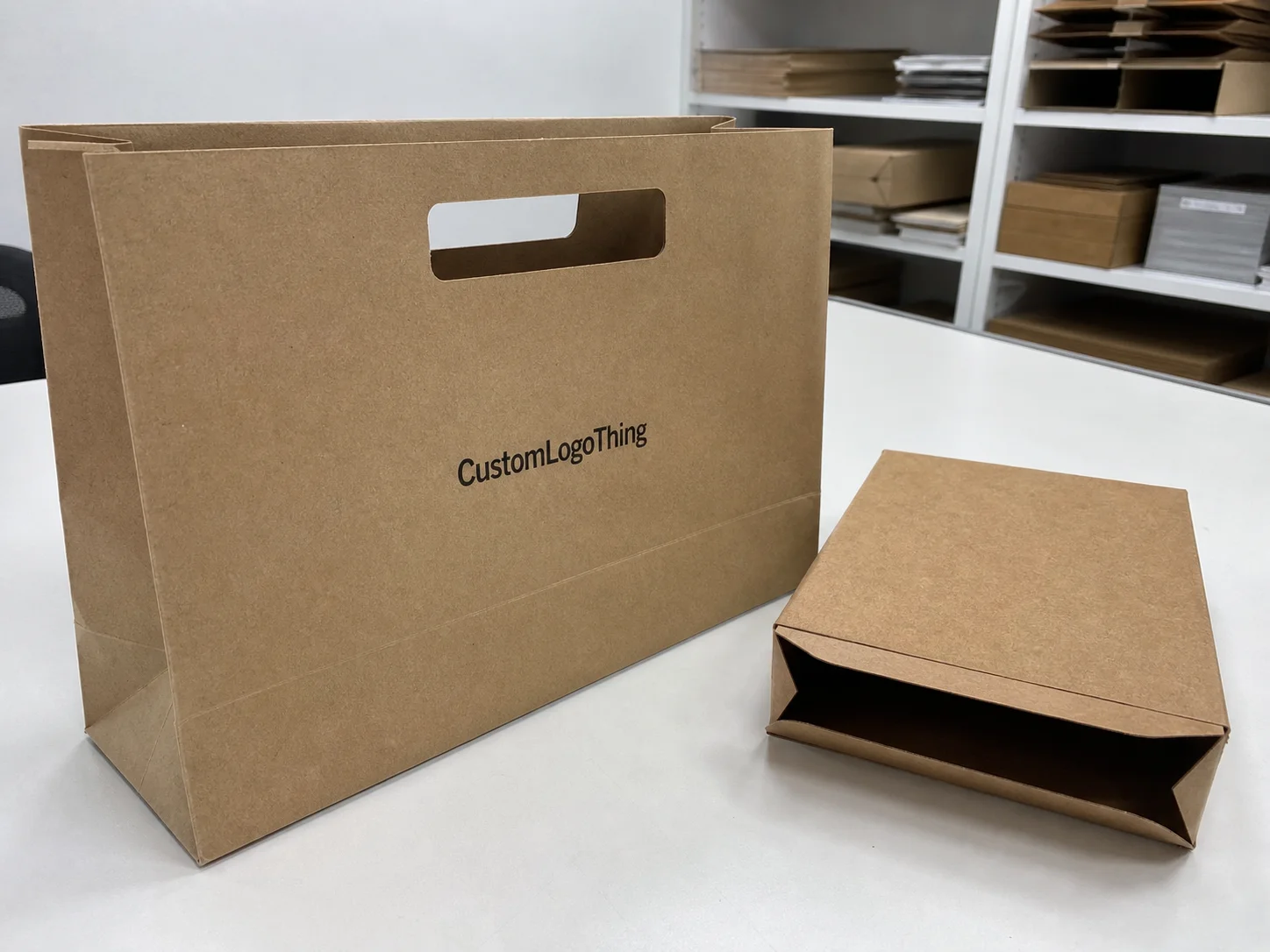
Buyer Fit Snapshot
| Best fit | CMYK Poly Mailers Bulk projects where brand print, material claims, artwork control, MOQ, and repeat-order consistency need to be specified before quoting. |
|---|---|
| Quote inputs | Share finished size, material target, print colors, finish, packing count, annual reorder estimate, ship-to region, and any compliance wording. |
| Proofing check | Approve dieline scale, logo placement, barcode or warning zones, color tolerance, closure strength, and carton packing before bulk production. |
| Main risk | Vague material claims, crowded artwork, missing packing details, or unclear freight terms can make a low unit price expensive after revisions. |
Fast answer: CMYK Poly Mailers Bulk: Pricing, Specs, Lead Time and MOQ should be specified like a repeatable production item. The safest quote records material, print method, finish, artwork proof, packing count, and reorder notes in one written spec.
Production checks before approval
Compare the actual filled-product size with the drawing, then confirm tolerance on folds, seals, hang holes, label areas, and retail display edges. Reserve space for logos, QR codes, warning copy, and material claims before decorative graphics fill the panel.
Quote comparison points
Review material grade, print process, finish, sampling route, tooling charges, carton quantity, and freight assumptions side by side. A quote is only useful when the supplier can repeat the same color, closure quality, and packing count on the next order.
CMYK Poly Mailers Bulk orders make sense for brands that need packaging to do more than close around a product and get it through the carrier network. A plain white mailer can ship the item just fine. Once artwork, color, and a stable spec enter the picture, the same mailer starts carrying brand identity, customer experience, and fewer frustrating reorders in one piece. From a packaging buyer's point of view, that often means less label work, less manual handling, and fewer last-minute exceptions when the launch calendar gets crowded.
Custom Logo Things keeps the buying side straightforward: clear specs, direct pricing ranges, and enough detail to support an actual purchasing decision instead of a guess built off a polished mockup. If you are comparing Custom Poly Mailers against generic stock bags, the difference usually shows up fast. Cost per unit, color consistency, and how the package looks after it has been packed, stacked, and handled in transit all tell the story. That is the part people notice when the box cutter opens the carton.
Why CMYK Poly Mailers Bulk work harder than plain mailers
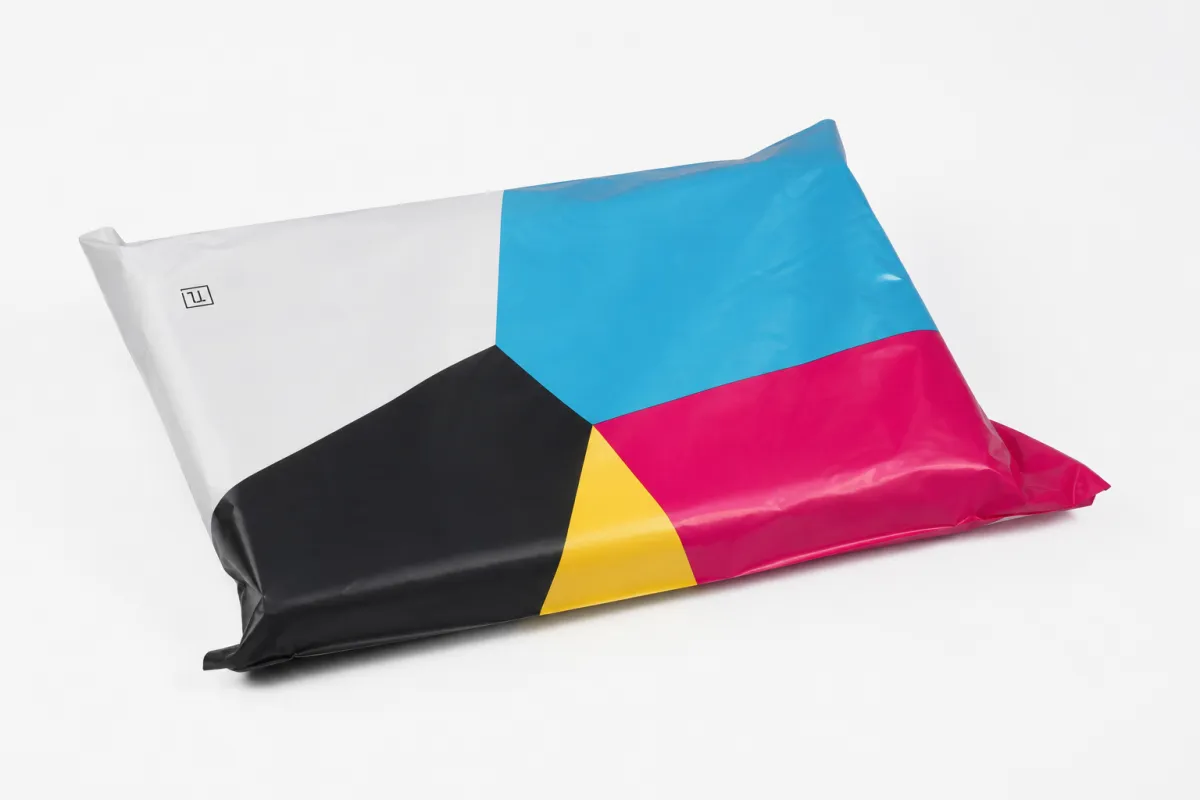
CMYK poly mailers bulk pricing looks like a packaging decision on the surface. In practice, it is a labor decision too. If your team is printing labels, aligning inserts, fixing misreads, or redoing shipments because the outer package looks inconsistent, the "cheap" mailer is not cheap. A branded mailer removes a few moving parts from the process, and that matters more than people admit.
CMYK gives you visual range that single-color printing cannot match. Gradients, photos, textured backgrounds, pattern-heavy layouts, and cleaner multi-color logos all benefit from full-process color. That is one reason CMYK poly mailers bulk runs are popular with apparel brands, subscription kits, cosmetics, and accessory sellers that need the package to feel like part of the brand system. A one-color print can still work. It just reaches its limit sooner.
Bulk buying also keeps consistency tighter. If you run the same mailer across pop-up events, web orders, and replenishment cycles, you avoid the "new order, new shade, new surprise" problem. I have seen brands reorder in small lots and end up with three near-matching greens and a customer service headache. Buying CMYK poly mailers bulk keeps the visual standard steadier, especially when the same dieline and artwork need to hold across seasons.
There is another advantage people overlook: bulk inventory buys time. If the marketing team changes a SKU name, or the warehouse shifts to a different packing station, the mailers are already on hand. No last-minute scramble. No rush fee because the launch moved up by four days. When teams ask for CMYK poly mailers bulk, they are usually solving for reliability as much as unit price.
Plain mailers are fine for pure utility. Once shipping presentation matters, the branded option is doing more work for nearly the same handling effort. That is the real tradeoff. You are not paying only for print. You are paying for fewer labels, stronger shelf presence in the pack area, and a package that does not feel like an afterthought.
For teams comparing packaging routes, it helps to separate outer-packaging needs from carton needs. Outer mailers are usually closer to digital printing or flexographic printing workflows, while rigid cartons may use offset printing, coating, and heavier finishing. Different tools. Different costs. Different results. That is why Custom Packaging Products can be a smarter starting point than forcing one packaging format to do everything.
A pretty mockup is nice. A mailer that splits at the seam is not.
CMYK Poly Mailers Bulk: product details that change print quality
CMYK poly mailers bulk orders live or die on a few unglamorous details. Film thickness, surface finish, print method, and sealing construction matter far more than a polished mockup on a screen. If the material is too thin, the bag stretches and the image distorts. If the finish is wrong, the color reads flatter than expected. If the seal is weak, the package fails where nobody wants it to fail.
Common polyethylene thickness ranges for mailers usually sit around 60-100 microns, or roughly 2.4-4.0 mil depending on the structure and supplier. Thinner films can lower unit cost, but they can also feel flimsy and show transit wear faster. Thicker films add durability and usually improve puncture resistance, which matters if the product has corners, hardware, or boxed edges. For CMYK poly mailers bulk, I usually treat thickness as a packaging decision, not a cosmetic one.
Finish changes how the print reads. A glossy surface can make color pop harder, while a matte surface usually looks softer and more premium, especially for muted branding. That is not magic. It is print finishing and light reflection. If your artwork depends on rich blacks, small text, or subtle gradients, the finish can affect legibility more than the layout itself. With CMYK poly mailers bulk, the finish should fit both the brand tone and the product inside.
Print behavior on film is different from print on paperboard. CMYK on flexible packaging can handle strong graphics, but very dark floods, heavy coverage, and rich photographic detail should be checked against the actual film and the exact ink system. Flexographic printing is common for larger runs, while digital printing is often better for shorter runs or more variable artwork. A buyer comparing those methods against offset printing on cartons needs to remember this: film moves, stretches, and scuffs. Paper does not behave the same way.
Useful functional features are worth paying for if they solve a real problem. Double adhesive strips help with returns. Tear notches make opening easier without damaging the contents. Opaque backing keeps the inside from showing through, which matters for privacy and visual cleanliness. Barcode space avoids cluttering the artwork. Return-address placement keeps the shipper details visible without taking over the entire design. These details are small until they are missing.
A mailer can look sharp in a mockup and still fail in transit if the print rubs, the color shifts, or the film scuffs during packing. That is why CMYK poly mailers bulk should be judged on how the sample looks after handling, not just on a digital proof. A good proof is useful. A handled sample tells the truth.
For brands that care about sourcing and materials, recycled content options are worth asking about. Some films include post-consumer or post-industrial recycled content, but the exact percentage and performance profile vary. If sustainability claims matter to your marketing team, ask for documentation instead of taking a nice-sounding line at face value. The same advice applies if you want chain-of-custody paperwork from organizations like FSC for associated paper components or inserts.
Specifications to confirm before ordering CMYK Poly Mailers Bulk
CMYK poly mailers bulk should be ordered from a spec sheet, not from a mood board. Start with the size. Internal dimensions matter more than outside dimensions because the usable cavity needs to fit the product and allow for seal area, side seals, and a little production tolerance. If the item is bulky or irregular, fold allowance matters too. A flat tee and a boxed kit do not belong in the same mailer size just because the numbers look close.
Carriers care less about the logo than the fit and function of the package. If the mailer is overstuffed, the seal can stress. If it is too loose, product shifts around and the package feels sloppy. In practical terms, the best CMYK poly mailers bulk choice is the one that fits the product with enough margin for a clean seal, but not so much extra space that the contents rattle around.
Material specs should be called out clearly. Ask for the film thickness, seal strength, and puncture resistance. If the supplier can provide data tied to an ASTM method or internal test method, that is better than a vague "strong enough" answer. For transit performance, many buyers also sanity-check packaging against ISTA procedures. If you want a general reference point for transit testing, ISTA publishes industry test guidance at ista.org. That does not replace supplier testing, but it keeps the conversation grounded.
Artwork setup is where a lot of avoidable trouble starts. Keep the bleed generous enough for film movement, and keep important elements inside a safe zone. A common working range is 3-5 mm bleed and a 5-8 mm safe zone, though the exact numbers should come from the supplier's dieline. Small type near the edges is risky. Fine lines can vanish. Dark blocks can band if the artwork pushes the press too hard.
Resolution matters more than clients want to hear. Raster images should usually be prepared at 300 dpi at final size when possible. Logos are better as vector files. If a supplier asks for editable source files, send them. It reduces back-and-forth and lowers the odds that a scaled screenshot becomes the final print asset. For CMYK poly mailers bulk, that kind of file discipline saves time and money.
Proofing should be treated as a checkpoint, not a formality. Confirm the following before sign-off:
- Mailer size and internal dimensions match the product.
- Artwork sits correctly on the dieline and does not drift into the seal area.
- Color expectations are realistic for film, not paper.
- Barcodes scan cleanly if they are part of the design.
- Return-address, logo, and website placement are visible after folding.
- Any special features like double adhesive strips or tear notches are included in the quote.
If you are ordering CMYK poly mailers bulk for multiple SKUs, confirm whether the same base film and print setup will be used across all sizes. That keeps the look consistent and simplifies reorders. It also avoids the classic mistake of approving one size and assuming every other size will behave exactly the same. It will not.
Buyers who need a broader sourcing view can compare mailers against other formats through Wholesale Programs. That is often where teams notice they are paying for the wrong thing. A small packaging change can shave labor, reduce damage, or make the unit economics less annoying. Packaging is funny that way. The boring details are usually the profitable ones.
CMYK Poly Mailers Bulk pricing, MOQ, and unit cost
CMYK poly mailers bulk pricing is shaped by more inputs than most quote requests capture. Size, thickness, print coverage, number of colors, finish, and packaging format all influence the final number. If the order needs proof development, custom sampling, or special packing into retail-ready bundles, those costs can move the total more than the artwork itself. A buyer who only asks for a headline unit price is usually missing the real picture.
MOQ tiers matter because setup work gets spread across the run. A small order carries the same prepress, proofing, and machine setup work as a much larger one, so the unit cost stays higher. Once you move into a larger band, the per-piece number can drop quickly. For CMYK poly mailers bulk, the jump from a few hundred pieces to a few thousand can make the quote look dramatically different. That is normal, not suspicious.
Here is a practical pricing view for Custom CMYK Mailers. These are broad ranges, because no honest supplier can quote a single number without size and spec details:
| Quantity Band | Typical Unit Cost | Typical Use | Notes |
|---|---|---|---|
| 500-999 pcs | $0.28-$0.48 | Testing a new design or SKU | Higher setup impact; best for limited launches |
| 1,000-2,999 pcs | $0.18-$0.34 | Growing DTC brands | Usually the sweet spot for first serious reorder |
| 3,000-5,000 pcs | $0.14-$0.26 | Steady monthly volume | Better economics if artwork stays fixed |
| 5,000+ pcs | $0.11-$0.22 | High-volume or multi-channel shipping | Freight and storage planning matter more here |
That table is a real-world guide, not a promise. A small mailer with light coverage will sit at the lower end. A larger size with full-bleed graphics, double adhesive strips, or heavier film will sit higher. If someone quotes CMYK poly mailers bulk at an eye-catching low number, ask what is excluded. Setup? Freight? Packaging? Revisions? Usually one of those got left out on purpose or by mistake. Either way, the total changes.
Hidden costs are where budget plans get sloppy. Freight can erase a low ex-factory price. Rush charges show up when artwork changes late. Extra carton packing, split deliveries, and multi-SKU sorting all add time or money. If the order is going into multiple warehouses, ask for the cost of separate drop points. A quote that looks cheap on paper can get less friendly after shipping and handling are included.
Ask for two numbers every time: ex-factory and landed. Ex-factory helps you compare manufacturing. Landed tells you what the product actually costs after freight and related fees. If you are buying CMYK poly mailers bulk for a recurring program, landed pricing is the number that matters to finance. Everything else is a partial view dressed up as a quote.
One more practical point: if your artwork is heavily full-bleed, ask whether the supplier uses digital printing, flexographic printing, or a hybrid workflow. Different methods affect setup time and unit economics. A shorter-run branded mailer may cost more up front but save money if it avoids overstock and artwork waste. A larger stable program usually benefits from flexographic printing. There is no universal winner. There is only the right process for the run length.
Production process and lead time for CMYK Poly Mailers Bulk
CMYK poly mailers bulk production usually follows a predictable path, and the shortest projects are the ones where nobody improvises. First comes artwork handoff. Then the supplier reviews the dieline, bleed, and print setup. After that, proof approval locks the job. Only then does printing begin. Once the print is done, the film needs curing or drying as needed, followed by cutting, sealing, packing, and final quality control.
That sounds orderly because it is. Delays tend to show up when the file is wrong, the proof comes back late, or the buyer changes the artwork after approval. In a clean run, sample development may take 3-7 business days. Production often lands around 10-18 business days after proof approval, depending on quantity and process. Freight is its own clock. Domestic shipping may add a few days. Air freight is faster. Sea freight is cheaper and slower. None of that is mysterious.
If timing is tight, here is what actually helps:
- Send ready-to-print files with the dieline respected.
- Keep one person responsible for approvals.
- Answer proof questions quickly.
- Avoid artwork changes after the proof is signed off.
- Decide on finishing details before production starts.
That last point matters. If the order needs matte versus glossy finish, special print finishing, or a return-adhesive strip, sort that out early. A lot of schedule pain comes from vague approvals. "Can you make it look cleaner?" is not a production instruction. It is a delay with manners.
Shipping method changes the total timeline, and buyers should budget for it from the start. Air freight can make sense for a launch deadline or a replacement run. Sea freight makes sense when the order is larger and the calendar allows it. Domestic dispatch is simpler if the supplier has stock or a local finishing facility. With CMYK poly mailers bulk, the right shipping method depends on inventory pressure, cash flow, and how badly you need the packaging on-site.
Quality control should not be a checkbox. A proper QC pass checks print registration, color consistency, seal strength, edge trim, and packaging count. If the supplier offers production samples or pre-shipment inspection photos, review them. If your brand depends on consistency, ask for the sample against a confirmed reference, not just "looks good enough." That phrase has caused more reprints than anyone likes to admit.
CMYK poly mailers bulk buyers who want to understand packaging test language can also look at transport testing standards and moisture handling expectations. I do not expect every brand to become a lab, but it helps to know the vocabulary. Film thickness, dart impact, and seal integrity are not marketing words. They are the difference between a package that survives the route and one that comes back in a damaged carton.
Why choose us for CMYK Poly Mailers Bulk orders
Buying CMYK poly mailers bulk should feel controlled, not risky. That is the standard we build around at Custom Logo Things. Brands do not need a pitch about magical packaging. They need clear answers on size, film, print coverage, MOQ, and what the reorder path will look like six months later. If the supplier cannot explain that cleanly, the order is already harder than it should be.
Consistency is the real value. A good mailer program gives you repeatable sizing, dependable color output, and fewer surprises when the second or third order lands. That matters most for growing brands, because a one-off nice result is easy. Repeating the same result across CMYK poly mailers bulk runs is where packaging suppliers earn their keep.
We also keep artwork support practical. If a file needs bleed adjustments, safe-zone corrections, or a cleaner logo placement, that gets addressed before production starts. Nobody wins by discovering an edge crop after the order is printed. We would rather fix the file than explain a preventable problem later.
Transparent quoting is part of the job. If the order is outside a standard size band, or if the print coverage is heavy, the quote should say so. If the MOQ is higher because of the print method or film structure, that should be plain too. That is why our buyers often pair CMYK poly mailers bulk requests with other packaging items through Custom Packaging Products or with volume planning through Wholesale Programs. It keeps the sourcing conversation focused on what actually matters: Cost, Lead Time, and fit for purpose.
There is also a risk-reduction angle. If your brand ships apparel, accessories, supplements, or promotional kits, the outer package is part of the customer experience. Sloppy packaging creates avoidable support tickets. Clean packaging lowers that noise. CMYK poly mailers bulk can do that job well if the spec is honest and the proofing is taken seriously.
Honestly, most packaging mistakes are not dramatic. They are small. A logo too close to the seam. A film that is a little too thin. A color expectation that came from a screen instead of a proof. Good sourcing prevents those little mistakes from becoming expensive ones. That is the real advantage of working with a team that treats the order like a production spec instead of a decorative exercise.
Next steps for placing a CMYK Poly Mailers Bulk order
If you are ready to move on CMYK poly mailers bulk, start with the basics and keep them organized. You need target quantity, mailer size, artwork files, print coverage notes, and any special features you want built in. If there are multiple sizes, list them separately. If you need opaque backing, double adhesive, or a specific finish, say that up front. The cleaner the request, the cleaner the quote.
Once the quote is back, ask for a digital proof. If the design is unusual, the coverage is heavy, or the color matters a lot, request a physical sample too. That is not overkill. That is normal buying behavior for CMYK poly mailers bulk. A proof catches layout issues. A sample tells you how the film, finish, and print actually look in hand.
Approvals should be explicit. Confirm the following before production starts:
- Quantity and MOQ tier
- Mailer dimensions and thickness
- Print method and color expectations
- Finish and any special features
- Shipping method and destination
- Timeline from proof approval to dispatch
That approval path keeps everyone honest. It also prevents the classic "I thought that was included" problem. If you are comparing CMYK poly mailers bulk against other packaging options, ask for landed pricing and compare it against the labor it replaces. Sometimes the better-looking package is also the better-cost package. Sometimes it is not. The numbers decide.
For brands scaling into recurring replenishment, plan the reorder rhythm now. Decide how much buffer inventory you need, where it will live, and when the next production slot should open. That is how packaging stops being a panic item and becomes a stable part of the supply chain. A good mailer program should feel boring in the best possible way.
Send the request, review the proof, check the sample, and lock the run. That is the whole process. If you need help with CMYK poly mailers bulk, Custom Logo Things can walk through the spec, quote the run clearly, and keep the process from turning into a guessing contest.
What artwork files work best for cmyk poly mailers bulk?
Use editable vector files when possible, plus linked images at print-ready resolution. Include bleed and safe-zone notes so the design does not get cut too tight on the edges. Send PMS references only as guidance if you expect exact color matching on film. CMYK film printing is not a perfect color copier, and treating it like one only creates avoidable back-and-forth later.
How much do cmyk poly mailers bulk usually cost per unit?
Unit cost depends on size, film thickness, print coverage, and quantity tier. A larger order usually lowers the per-piece price, but freight and setup fees still matter. Ask for a landed quote so you can compare the real total instead of a headline number. That is the number your budget actually feels.
What is a realistic MOQ for cmyk poly mailers bulk orders?
MOQ varies by supplier, size, and print method, but bulk pricing usually starts becoming efficient at mid-hundreds to low-thousands. Smaller runs are possible, but the unit price is usually higher. If you are testing a new design, ask for the lowest viable run before scaling up. No point buying too much of a bad decision.
What lead time should I expect for cmyk poly mailers bulk after proof approval?
Production time depends on the order size and whether artwork is already finalized. Samples, revisions, and freight can add days or weeks to the total schedule. If timing is tight, confirm rush options before you approve the proof. Once the file is signed off, changes cost time.
Can cmyk poly mailers bulk handle full-bleed designs and gradients?
Yes, CMYK is a strong choice for complex graphics, gradients, and photo-style artwork. Very dark floods and edge-to-edge coverage should still be checked against the film finish and proof sample. Always review a digital proof and, when possible, a physical sample before mass production. The screen is not the package.
CMYK poly mailers bulk work best when the buyer treats them like a production spec, not a design accessory. Get the size right, confirm the film, check the proof, and compare landed pricing before you commit. Do that, and CMYK poly mailers bulk becomes a practical packaging system instead of a recurring headache. That is the point, after all.