Buyer Fit Snapshot
| Best fit | Custom Toy Boxes with Window projects where brand print, material claims, artwork control, MOQ, and repeat-order consistency need to be specified before quoting. |
|---|---|
| Quote inputs | Share finished size, material target, print colors, finish, packing count, annual reorder estimate, ship-to region, and any compliance wording. |
| Proofing check | Approve dieline scale, logo placement, barcode or warning zones, color tolerance, closure strength, and carton packing before bulk production. |
| Main risk | Vague material claims, crowded artwork, missing packing details, or unclear freight terms can make a low unit price expensive after revisions. |
Fast answer: Custom Toy Boxes with Window: Design, Cost, Lead Time should be specified like a repeatable production item. The safest quote records material, print method, finish, artwork proof, packing count, and reorder notes in one written spec.
Production checks before approval
Compare the actual filled-product size with the drawing, then confirm tolerance on folds, seals, hang holes, label areas, and retail display edges. Reserve space for logos, QR codes, warning copy, and material claims before decorative graphics fill the panel.
Quote comparison points
Review material grade, print process, finish, sampling route, tooling charges, carton quantity, and freight assumptions side by side. A quote is only useful when the supplier can repeat the same color, closure quality, and packing count on the next order.
Custom toy boxes with window do one thing especially well: they let the toy introduce itself before the shopper ever opens the carton. On a crowded shelf, that matters more than a lot of brands expect. A parent can spot the color, scale, character, or finish in a heartbeat, and that quick visual check often does more than a block of copy ever could. For a lot of products, custom toy boxes with window are the difference between a glance and a sale.
From the buyer side, the format is easy to read. You have a printed paperboard box with a die-cut opening and a clear film panel, usually PET or acetate, so the product stays protected while still visible. That is why custom toy boxes with window show up on collectible figures, craft kits, gift sets, and other toys that benefit from a direct view. The product starts doing the selling before the rest of the box even gets its turn.
If you are comparing packaging formats, think in terms of retail packaging, not just box style. A well-built window carton can lift perceived value without changing the toy itself. It also gives your package branding a cleaner job: frame the product, guide attention, and keep the shelf presentation tidy. If you want to compare more structures, the Custom Packaging Products page is a practical place to review options before you settle on one.
A window is not decoration. It is a sales tool, and if the cutout lands in the wrong place, it can make a good toy look cheap.
What Are Custom Toy Boxes with Window?
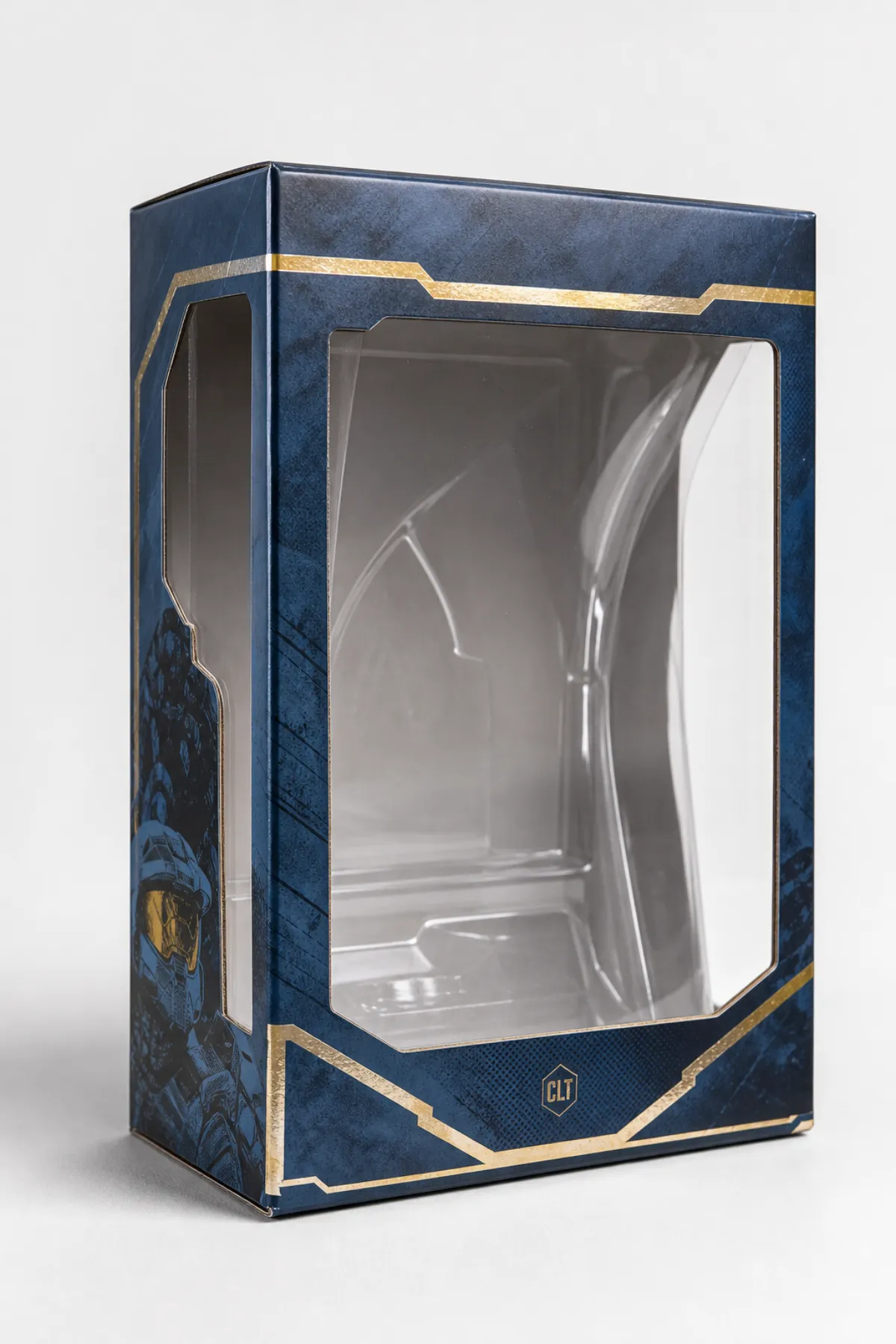
Custom toy boxes with window are printed cartons or rigid packages that use a transparent opening so the buyer can inspect the product without opening the box. In most cases, that opening is backed by a clear film that keeps dust out and helps the structure hold its shape. The outer shell may be built from 18pt to 24pt paperboard, SBS stock, or coated artboard, depending on the weight of the toy and the level of finish the brand wants to present.
The format works because toys are visual by nature. A figure with strong colors, a craft kit with multiple pieces, or a doll with a distinctive face often sells faster when the shopper can verify what is inside. Custom toy boxes with window reduce hesitation. They also solve one of the most common retail problems: a product that looks strong in a render but fades into the background because the shopper cannot quickly tell what makes it different.
That is why custom toy boxes with window appear across so many channels. In retail, they help a product stand out in a matter of seconds. In subscription kits, they give the unboxing experience a preview without giving away the whole story. In gifting, they make the item feel more intentional and less like generic product packaging. If the toy has color, detail, or texture worth showing, hiding it behind a solid carton can waste shelf space.
There is a trust factor too. Parents and gift buyers want to know they are getting the right size, the right number of pieces, and the right level of finish. Custom toy boxes with window make that easier. The shopper can verify the toy instead of relying only on a photo or a few lines of copy. That seems small, but on busy shelves small advantages are the ones that move units.
For brands building a stronger shelf story, custom toy boxes with window can sit right in the middle of packaging design and merchandising strategy. They do not replace graphics. They support them. Good custom printed boxes use the window to frame the product, not fight it. The strongest versions make the toy feel organized, deliberate, and worth taking home.
In practical terms, the format is simple, but the business effect is not. Custom toy boxes with window can support premium pricing, improve shelf clarity, and lower buyer hesitation. That is a strong return for a paperboard box with a clear cutout.
How Custom Toy Boxes with Window Improve Shelf Appeal
Shoppers do not read packaging first. They scan shape, color, contrast, and the product cues they can pick up at a glance. That is why custom toy boxes with window work so well: the window shortens the decision process. Instead of asking the customer to imagine what is inside, you let the toy do the talking. For character toys, small sets, and collectible items, that visual shortcut can matter more than a full panel of copy.
Good custom toy boxes with window use the opening as part of the layout. The print should frame the product, not compete with it. If the toy has a bright face, the window can center on that. If the product includes multiple pieces, the clear area should show the most appealing arrangement, not just the first thing that fits. That is basic packaging branding, yet it is surprising how often brands miss the mark and place the cutout too low, too high, or too close to a seam.
Window placement also changes the feel of the package. A small, well-positioned opening can make the box feel controlled and premium. A huge opening can make it look underbuilt. That is the tradeoff. Custom toy boxes with window should reveal enough to build trust, but not so much that the carton loses structure or visual authority. Too much exposure and the package starts reading like a bargain bin item. Too little and the window turns into a decorative hole with a billing line attached.
In practice, the strongest categories are the ones with clear visual payoff: collectible figures, dolls, puzzles with bundled pieces, DIY craft sets, and branded gift items. If the product is highly tactile or has a signature finish, custom toy boxes with window help the buyer judge quality before checkout. That matters because toy buyers are not only buying entertainment. They are buying confidence that the item inside matches the price on the shelf.
There is also a practical upside. Window cartons can reduce returns caused by confusion, wrong assumptions about size, or mismatched expectations. They are not magic, but they do narrow the gap between marketing and reality. That makes the box itself part of retail packaging performance, not just a container.
For brands with a clear visual identity, custom toy boxes with window can strengthen the look of a broader line. The same layout, typography, and color system can carry across several SKUs while the window shape changes to suit each toy. That keeps the shelf set cohesive and helps buyers recognize the brand faster, which is the kind of practical retail win that actually matters.
Custom Toy Boxes with Window Cost, Pricing, and MOQ Factors
Pricing for custom toy boxes with window comes down to a handful of variables, and most of them are predictable. Box size, board thickness, print coverage, window shape, finishing, inserts, and order quantity all affect the quote. If one of those changes, the price changes with it. That sounds obvious, yet plenty of buyers compare numbers that are not actually based on the same specification, then wonder why one quote looks unusually low. The usual answer is that something is missing.
For small runs, setup costs are spread across fewer units, so unit pricing rises quickly. For larger quantities, those same setup and die fees get diluted. A common range for custom toy boxes with window might land around $0.22-$0.65 per unit at 5,000 pieces for a straightforward folding carton, depending on board, print coverage, and the complexity of the cutout. At 500-1,000 units, that can climb to roughly $0.85-$1.80 per unit, and sometimes higher if the structure is unusually complex or the finish is heavy.
That is only a starting point. Premium toy packaging with thicker board, rigid construction, foil, embossing, or a more complex insert system can push costs higher. If the box includes multiple windows, a shaped window, or a custom tray that holds the toy in place, the price rises again. For brands selling higher-margin toys, that added cost is often justified. For entry-level products, it needs a closer look.
MOQ matters because it changes the economics of everything else. A low minimum order quantity helps when a new line is being tested, but it usually means a higher unit cost. Larger orders improve the cost per box, but they also require confidence in sales velocity and storage space. There is no shortcut here, only math with a nicer print finish.
Hidden costs are where people often get frustrated. Tooling, dielines, sampling, freight, and inserts can quietly move the final landed cost above the quoted price. If you are ordering custom toy boxes with window, ask whether the quote includes the die cut, the film window, the glue application, and the shipping carton style. One supplier's "all-in" price can be another supplier's starting point. That is standard packaging behavior, even if it is not especially charming.
| Option | Typical Material | Best For | Relative Cost | Notes |
|---|---|---|---|---|
| Basic folding carton | 18pt SBS, PET window | Light toys, starter runs | Lower | Fast to assemble, good for clean graphics and simple shapes |
| Premium folding carton | 20pt-24pt board, acetate or PET window | Giftable toys, stronger shelf presence | Medium | Better stiffness, more room for special finishes |
| Rigid box | Greyboard with wrapped printed sheet | High-end collectibles | Higher | More premium feel, longer assembly time, higher freight volume |
| Window carton with insert | Paperboard plus molded pulp or paper insert | Heavier toys, shaped items | Higher | Better product control in transit, stronger presentation |
Use that table as a pricing lens, not a promise. A quote only means something if the specs match. If one supplier uses thinner board, a smaller window, no insert, and a lighter finish, of course it looks cheaper. That is not better pricing. That is simply less packaging.
There is also a sustainability angle that can affect cost. Some buyers want recyclable paper-only structures, while others are fine with PET film as long as the package is clear and durable. If sustainability is part of the brief, check expectations against EPA recycling guidance and your market's local requirements. A beautiful box still needs to make sense once it leaves the shelf.
One more point: the cheapest quote is not the smartest quote if the window scratches easily, the glue line fails, or the carton arrives flat and weak. For custom toy boxes with window, the box has to survive storage, shipping, shelf handling, and a lot of curious fingers. Cheap packaging that fails in retail becomes expensive in every other way.
Key Design Factors for Custom Toy Boxes with Window
Fit comes first. A toy that slides around behind the window looks sloppy, even if the print looks strong. Custom toy boxes with window need dimensions that hold the product in the right position without making assembly miserable. If the toy has a shape that tilts or rolls, you usually need an insert, a tray, or a structured cavity to keep the display angle clean.
The box structure matters just as much as the graphics. Tuck-end cartons are common and economical. Auto-lock bottoms save time on assembly and add strength. Sleeve-and-tray styles can feel more premium. Rigid boxes are a stronger fit for collectibles or gift sets. Each structure changes the cost, the shipping volume, and the final feel of the package. For custom toy boxes with window, structure is not a side detail. It is the part that holds the concept together.
Window size deserves more attention than it usually gets. Too large, and the package loses stiffness and starts feeling cheap. Too small, and the customer cannot see why the toy is worth buying. The right size depends on the product. A figure with a strong silhouette might need only a partial reveal. A craft kit or play set may need a wider opening so the buyer can see multiple components. The goal is to frame the toy like a display case, not expose it like something on a clearance table.
Materials should match the category. A basic line might use coated paperboard with a PET film window and no insert. A premium line may use thicker SBS, a matte lamination, spot UV, and a paperboard tray. If the toy is heavy, the box may need a tighter lock or a sturdier insert system. If it is light, the structure can stay simpler. That flexibility is part of why custom toy boxes with window are so useful: they can move from economy to premium without changing the selling logic.
Print treatment also shapes perception. Gloss works well for bright, playful toy brands because it gives the graphics more energy. Matte can make the packaging feel calmer and more expensive. Soft-touch can add a premium feel, though it also shows scuffs more easily. Spot UV on logos or character details can help the front panel stand out. Good branded packaging should keep the eye on the product, not on the finish list.
Safety and compliance matter too. Toy packaging should have smooth edges, secure glue lines, and a window material that does not create a handling hazard. If the package is shipping long distances, testing against packaging standards such as ISTA procedures can help catch weak points before the run goes out the door. That matters most for heavier toys or anything with a fragile display window.
From a buyer's perspective, the strongest custom toy boxes with window are the ones that feel obvious once they are finished. The toy sits in the right place. The colors read from a distance. The box opens cleanly, stacks well, and holds up on shelf. Nothing about that is flashy. It simply works, which is usually what the brand needed from the start.
Production Steps, Timeline, and Lead Time Explained
Production starts with a brief, not with artwork. A proper brief for custom toy boxes with window should include the toy dimensions, weight, orientation, any insert needs, target quantity, and the look you want on shelf. Without that, every later step gets slower. People like to jump straight to visuals, then discover the toy does not fit the box they imagined. That is a very efficient way to waste time.
After the brief, the supplier creates the dieline. That is the flat template showing folds, panels, glue areas, and the window cutout. Once the dieline is approved, the artwork is placed and checked against the structure. This is where a lot of issues appear: text too close to the fold, window too low, logo blocked by the toy, or a barcode placed where a seam affects scan quality. Good custom toy boxes with window depend on this stage to prevent costly rework later.
Sampling is where reality enters the room. A sample lets you check fit, window clarity, print color, finish, and assembly. If the toy sits wrong, the sample shows it. If the film scratches, the sample shows it. If the glue line looks weak or the cardboard feels too soft, the sample shows it. Skipping this stage is how buyers end up with a full run of boxes that almost work. Almost is not a useful unit of measurement in packaging.
Timeline depends on the structure. Simple folding cartons may move from proof approval to production in about 10-15 business days, with another 3-7 days for freight depending on route and service level. More complex custom toy boxes with window, especially rigid or insert-heavy builds, often need 15-25 business days after approval. If special finishes are involved, expect the timeline to stretch further.
Lead time also gets longer when the brief keeps changing. Late artwork edits, structural tweaks after sampling, or unclear material instructions all add days. Seasonal demand matters too. Before major retail periods, plants get busy and slots fill up. If a launch date matters, build a buffer around sampling and approvals. That buffer is not pessimism. It is practical planning.
Here is a simple rule I like for custom toy Boxes With Window: work backward from the launch date, then leave room for one correction round. If you do not need it, great. If you do, the schedule still survives. If you skip it, everybody suddenly has a strong opinion about "faster shipping" and "why is this taking so long."
For brands ordering through a broader packaging program, it helps to keep your Custom Packaging Products organized by SKU and launch window. That makes repeat ordering faster and lowers the chance of mixing specs across different toys. The less chaos in the paperwork, the fewer surprises in production.
Common Mistakes When Ordering Custom Toy Boxes with Window
The biggest mistake is designing for the artwork first and the toy second. A box can look beautiful on a PDF and still fail on shelf because the product sits awkwardly behind the window. Custom toy boxes with window need the display angle to be part of the design from the start. If the toy does not show well, the package has already failed before a shopper picks it up.
Another common mistake is making the window too large. More visibility sounds appealing, yet the biggest opening is rarely the smartest one. Oversized windows weaken the carton, add cost, and can expose the toy to dust or scuffing. For custom toy boxes with window, the point is controlled visibility. You want enough reveal to build trust, not so much exposure that the box loses its own structure.
Bad spec sheets create a lot of avoidable pain. If you leave out the toy weight, insert requirement, exact dimensions, or display orientation, the quote you get may be incomplete or wrong. Then the sample stage turns into a repair job instead of a verification step. A clean spec sheet should read like a manufacturing instruction, not a marketing wish list.
Some buyers also skip physical sampling because they assume a render is enough. It is not. A render will not show scratched film, weak glue, or a toy that shifts during transport. A physical sample is how you check whether custom toy boxes with window can survive real handling. If the box is supposed to look premium, it has to behave premium in your hand, not just on screen.
Sustainability is another place where mistakes creep in. A buyer may want recyclable packaging but never check how the window material affects that goal. Some markets accept PET film. Others prefer paper-only solutions where possible. If that is part of the brand promise, bring it into the brief early. The best product packaging decisions are honest about tradeoffs instead of pretending every material is equally green because a brochure said so.
Finally, do not skip the shelf test. Put the sample on an actual shelf or table with other products around it. If the toy disappears, the box is not doing its job. Custom toy boxes with window should hold attention from a few feet away. That is the basic standard, and it is still surprising how many packages miss it.
Expert Tips and Next Steps for Custom Toy Boxes with Window
Start with one SKU. There is no benefit in redesigning an entire catalog before the structure has been proven. Pick a high-volume or high-margin toy and build the first version of custom toy boxes with window around that product. Once the format works, you can adapt it to other sizes with less risk. That is a much cleaner way to handle packaging design than trying to solve every product at once.
Keep your spec sheet tight. Include dimensions, weight, orientation, insert needs, target MOQ, finish preferences, and the exact product angle you want visible through the window. If you want the face front and center, say so. If you want the full accessory set visible, say that too. The more specific the brief, the fewer assumptions in production. Assumptions are where budgets quietly disappear.
Ask for like-for-like quotes. Same board, same window film, same print finish, same quantity, same insert style. If the spec changes, the quote comparison becomes useless. Many buyers think they are comparing suppliers when they are really comparing different products. That is not sourcing. That is self-inflicted confusion.
Approve one physical sample and test it hard. Stack it. Shake it. Ship it. Leave it under store lighting and see whether the film reflects too much glare. Check whether the toy stays put and whether the clear panel still looks clean after handling. If the sample passes those tests, custom toy boxes with window are probably ready for the full run.
Also think about how the packaging fits the rest of the line. If your brand already uses bold color blocks and playful typography, keep the new structure consistent. If the range is more premium, use restraint in the graphics and let the window do the work. The strongest custom printed boxes feel like they belong to the brand, not like they were borrowed from another category.
If you are balancing speed, cost, and presentation, a practical plan looks like this: lock the structure, confirm the landed unit cost, set the sample deadline, and release production only after the sample is approved. That process may feel plain. It also saves money.
For teams building a broader packaging program, I would keep Custom Packaging Products in one place and update it by SKU tier: economy, mid-tier, and premium. That way you can move quickly without mixing specs and ordering the wrong box for the wrong toy. It sounds basic because it is. Basic is useful. Basic ships on time.
Custom toy boxes with window are worth the effort when visibility matters, the product has shelf appeal, and the box needs to do more than contain the toy. If you get the structure, materials, and lead time right, the package becomes part of the sale instead of just a shipping shell. That is exactly where custom toy boxes with window earn their place.
For brands that want a package to look right, ship safely, and sell faster, custom toy boxes with window usually justify the extra planning. Not because they are flashy. Because they are practical. In packaging, that is the kind of advantage that keeps paying off.
Are custom toy boxes with window better than fully closed toy boxes?
They are usually better when the product itself needs to be seen to sell, like figures, dolls, collectibles, or colorful play kits. Closed boxes work better when you need full graphic storytelling, extra tamper protection, or lower material cost. If shelf visibility matters more than mystery, custom toy boxes with window usually win.
What material works best for custom toy boxes with window?
Most brands use paperboard for the outer box and clear PET or acetate film for the window. PET is common because it stays clear and handles retail handling well, while acetate is often chosen for a clean look. The best choice depends on cost, recyclability goals, and how much protection the toy needs.
How much do custom toy boxes with window cost per unit?
Unit cost depends on size, board thickness, print coverage, finish, window shape, and order quantity. Low quantities usually cost more per box because setup and tooling are spread across fewer units. To compare quotes properly, use the same specs across suppliers and ask what is included in the price.
How long is the production timeline for custom toy boxes with window?
Simple jobs can move quickly, but sampling, revisions, and approval rounds add time fast. Custom structure, special finishes, and large orders usually extend the lead time. The safest approach is to plan the timeline around sample approval first, then production and freight.
Can custom toy boxes with window hold heavy or premium toys safely?
Yes, but the box structure and insert design need to match the toy weight and shape. Heavier items usually need stronger board, better locking styles, or a rigid structure instead of a basic carton. For premium toys, the window should feel intentional and sturdy, not like a cheap cutout.

