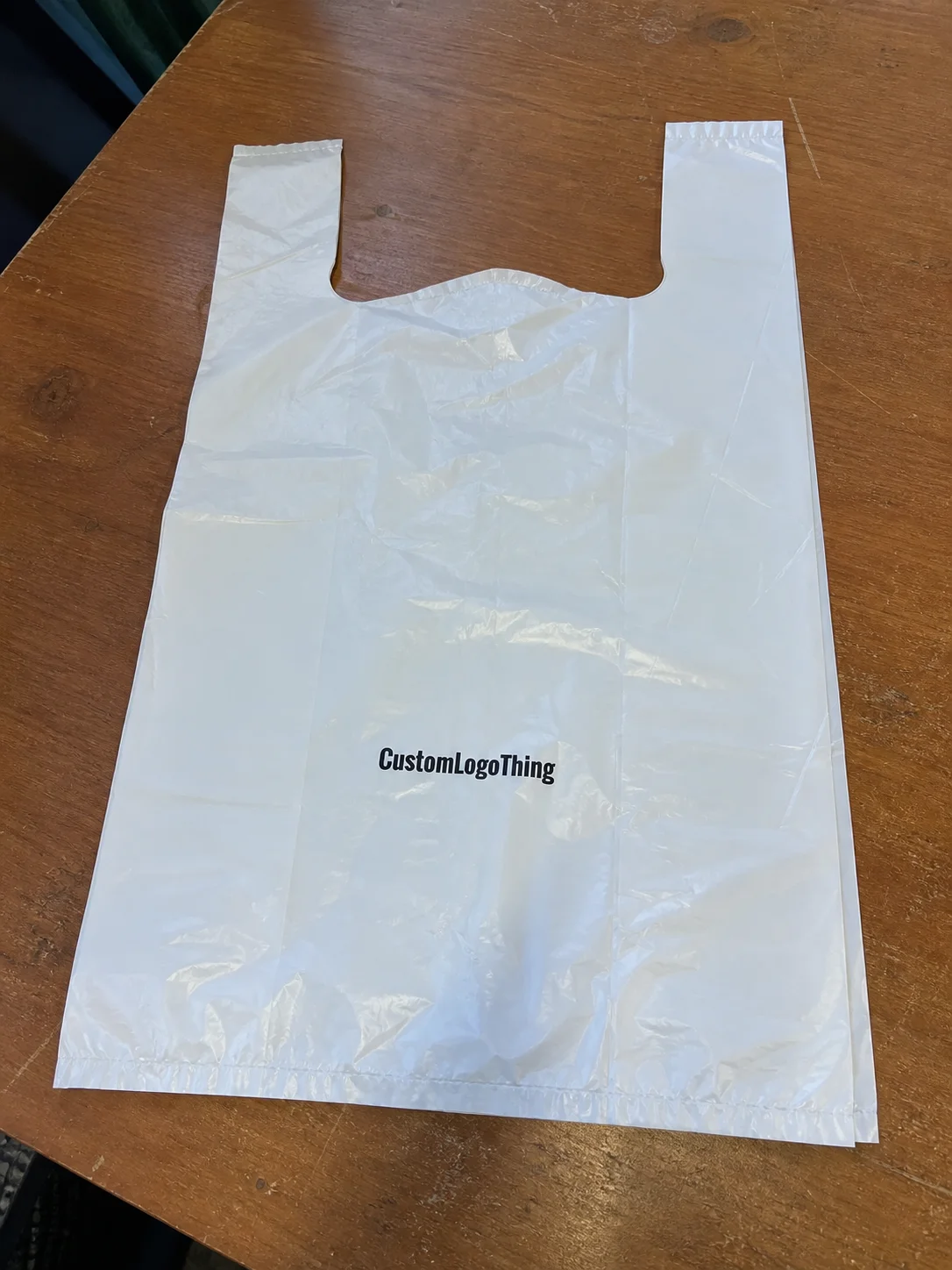
Buyer Fit Snapshot
| Best fit | Tear Resistant Poly Mailers Bulk for Tough Shipping projects where brand print, material claims, artwork control, MOQ, and repeat-order consistency need to be specified before quoting. |
|---|---|
| Quote inputs | Share finished size, material target, print colors, finish, packing count, annual reorder estimate, ship-to region, and any compliance wording. |
| Proofing check | Approve dieline scale, logo placement, barcode or warning zones, color tolerance, closure strength, and carton packing before bulk production. |
| Main risk | Vague material claims, crowded artwork, missing packing details, or unclear freight terms can make a low unit price expensive after revisions. |
Fast answer: Tear Resistant Poly Mailers Bulk for Tough Shipping should be specified like a repeatable production item. The safest quote records material, print method, finish, artwork proof, packing count, and reorder notes in one written spec.
Production checks before approval
Compare the actual filled-product size with the drawing, then confirm tolerance on folds, seals, hang holes, label areas, and retail display edges. Reserve space for logos, QR codes, warning copy, and material claims before decorative graphics fill the panel.
Quote comparison points
Review material grade, print process, finish, sampling route, tooling charges, carton quantity, and freight assumptions side by side. A quote is only useful when the supplier can repeat the same color, closure quality, and packing count on the next order.
Tear Resistant Poly Mailers Bulk for Tough Shipping
One split mailer rarely stays a small problem. A torn bag in transit can set off a replacement shipment, a support ticket, a refund, and a review that points straight at the packaging. That chain reaction is the real reason tear Resistant Poly Mailers Bulk deserves attention: the purchase is not about a cheap pouch, it is about cutting avoidable shipping friction across every order that leaves the dock.
Apparel, soft goods, accessories, and other low-crush items often fit poly mailers better than boxes once labor, freight, and storage are folded into the math. The key is matching the film, the seal, and the size to the product that is actually moving through the pack line. Unit price matters, but it rarely tells the whole story. A mailer that looks inexpensive on a quote sheet can turn costly once it starts tearing, splitting, or failing under pressure. Strong tear resistant poly mailers bulk programs are built around the product profile, not a generic packaging habit.
For Custom Logo Things buyers, the real goal stays practical: fewer damage claims, fewer repacks, and a steadier fulfillment line. Specs drive that result, not slogans. And yes, the right bag can feel kinda boring in the best possible way - it just shows up and does its job.
Tear Resistant Poly Mailers Bulk: Why Damage Costs More Than the Mailer
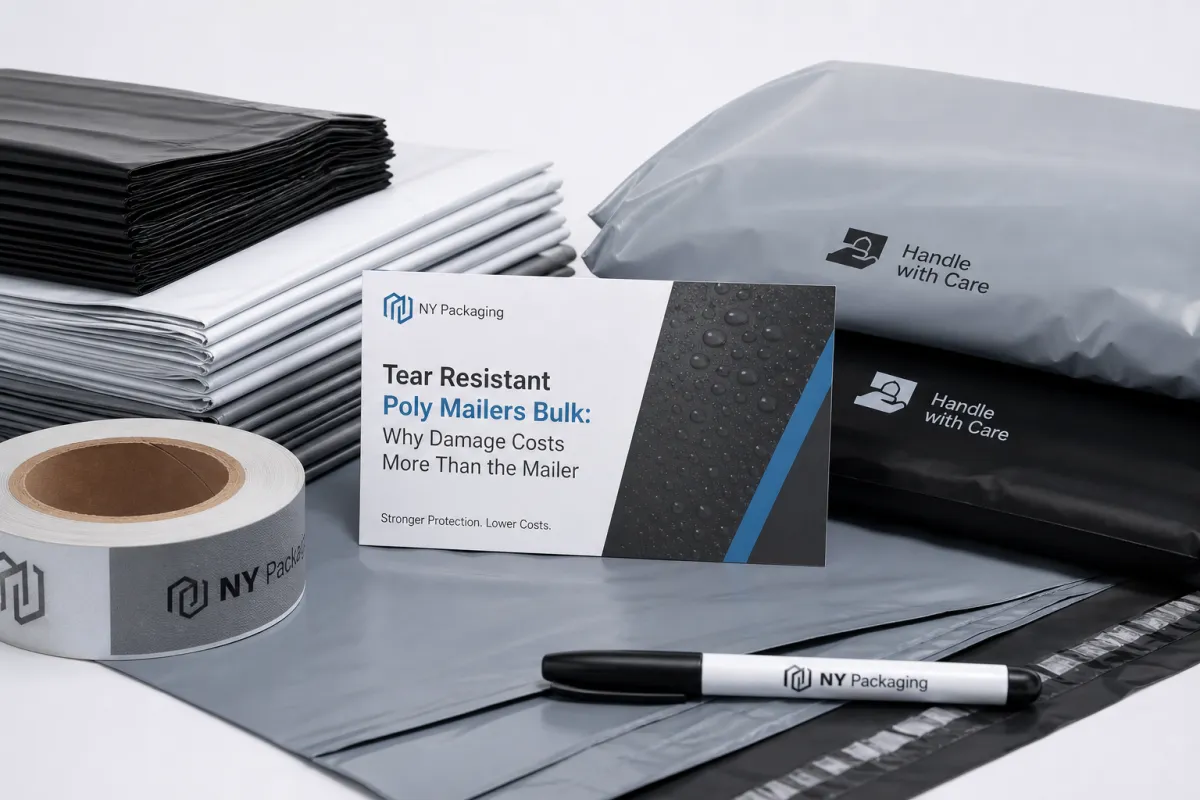
A mailer may cost only a few cents, yet a failed shipment can multiply that cost several times over. Replacement freight, return labels, customer service time, and lost margin can push the true loss into the single digits or even higher, depending on the channel and SKU. A brand shipping 10,000 orders each month does not need a dramatic drop in damage rate to see the difference on the ledger. A small improvement is enough to move real money, which is the commercial logic behind tear resistant poly mailers bulk.
Damage also shows up in places buyers do not always expect. Apparel can snag on seams. Folded cartons inside soft mailers create pressure points. Zippers, hang tags, hardware, and rigid inserts can work like tiny puncture tools once a shipment gets handled a few times. The mistake is assuming that only fragile products need better protection. Flexible packaging fails in a handful of predictable ways: snagging, seam splitting, edge puncture, and closure failure. Better tear resistant poly mailers bulk reduce those weak points before they show up as claims.
Bulk buying matters because repeat orders expose inconsistency fast. A single lot with a weak adhesive strip or a narrower seal can show its flaws right away on the packing line. Stable inventory also becomes easier to manage when the spec stays the same from one reorder to the next. There is less scrambling, fewer substitutions, and fewer last-minute questions about whether the next carton of tear resistant poly mailers bulk will behave like the last one.
A damaged parcel is not just a packaging issue. It is a labor issue, a freight issue, and usually a customer trust issue.
That is why buyers should weigh landed cost and failure risk together instead of staring at unit price alone. A mailer that comes in a few cents cheaper but raises claims is not cheaper at all. It is more expensive in disguise. The best tear resistant poly mailers bulk programs keep the packout line predictable while protecting the product through the roughest parts of fulfillment.
Shipping test programs use the same logic. Organizations such as the International Safe Transit Association publish test procedures that help buyers judge actual transport performance rather than marketing claims. That mindset is useful even for simple soft packaging, where the smallest seam flaw can become the most expensive part of the order.
- Damage avoidance: even a modest drop in claim frequency can offset a stronger mailer spec.
- Labor control: fewer rewraps and fewer replacement picks keep the warehouse moving.
- Inventory stability: bulk buying supports more consistent packout through busy seasons.
- Brand protection: the outer package is often the first physical impression a buyer gets.
Product Details: What Makes Tear Resistant Poly Mailers Bulk Different
Poly mailers all look similar at a glance, yet the construction can vary a great deal. The strongest tear resistant poly mailers bulk usually use multi-layer polyethylene film, coextruded construction, and a carefully controlled seal. Those layers are balanced to handle stretch, puncture resistance, and split resistance at the same time. A mailer can be thin and still perform well when the film chemistry and layer structure are engineered properly.
Thickness only tells part of the story. A 2.5 mil bag with a good film blend can outperform a thicker low-grade option that tears the moment it bends around a corner or gets squeezed in a chute. Buyers often focus on gauge because it is easy to compare on a quote sheet. In real use, tensile strength, puncture resistance, and seam quality do more of the work than thickness alone. That is one reason tear resistant poly mailers bulk should be tested with samples instead of assumptions.
Common functional features include moisture resistance, opacity, a smooth label surface, and a pressure-sensitive closure strip. Print quality matters as well for branded e-commerce. Logos, compliance text, and return instructions need to stay legible after handling. Too much gloss or softness can cause labels to lift and barcodes to become less reliable. Good tear resistant poly mailers bulk balance toughness with printability, so the bag still looks clean after it has been through the work of shipping.
Buyers usually want to ask about these construction details:
- Multi-layer film: often used to slow tear propagation and improve overall toughness.
- Reinforced seam edges: helps the bag survive bends and pulling during sealing and packing.
- Self-seal closure: adhesive quality should hold through pressure, handling, and temperature swings.
- Opaque surfaces: useful for privacy, returns, and presentation.
- Custom print compatibility: important for logos, warnings, and shipping notes.
Use cases run wide. Apparel is the obvious fit, but accessories, beauty products, replacement parts, stationery kits, and light household goods also work when the items are not crush-sensitive. That broad range is exactly why tear resistant poly mailers bulk remain such a common purchasing category. They sit in the middle ground: lighter than corrugated, stronger than generic shipping bags, and easier to store than a full box system.
For teams building a wider packaging program, it helps to compare adjacent product families. See Custom Packaging Products if you need a broader sourcing view, or review Custom Poly Mailers if you want to narrow the spec conversation to bag formats first.
Specifications to Compare Before You Buy Tear Resistant Poly Mailers Bulk
Spec sheets often look almost identical while the packages themselves perform very differently. That is why the first comparison should be grounded in dimensions and film details. For tear resistant poly mailers bulk, the most useful numbers are finished width and length, usable internal space after the seal, film thickness in mils, and seal width. A bag that looks correct on paper can still be too tight once the product is folded, stacked, and slipped inside.
Durability is easier to discuss when the numbers can be tested. Ask for tensile strength data, puncture resistance, and seam performance if the supplier has it. Some plants reference ASTM methods such as ASTM D882 for tensile properties or ASTM D1709 for dart impact resistance, depending on the film structure and the way the sample is evaluated. A buyer does not need a lab to purchase packaging, but a common language helps separate meaningful claims from vague ones.
Product shape matters too. Soft apparel usually works with a lighter spec than items with corners, hardware, or denser folds. A hoodie bundle is a different shipping problem than a flat tee. A boxed accessory kit adds another layer of pressure points. Many buyers order a sample set of tear resistant poly mailers bulk options and run them through actual packout conditions before placing the full order.
| Option | Typical Film | Best Fit | Typical MOQ | Indicative Unit Cost at 5,000 pcs | Notes |
|---|---|---|---|---|---|
| Stock poly mailer | 2.5-3.0 mil | Light apparel, low-risk soft goods | 500-1,000 | $0.08-$0.16 | Fastest to source, fewer branding options |
| Reinforced tear-resistant mailer | 3.0-4.5 mil | Mixed apparel, layered items, accessory kits | 1,000-3,000 | $0.12-$0.24 | Better balance of tear resistance and cost |
| Custom printed tear-resistant mailer | 3.5-4.5 mil | Brand-forward e-commerce programs | 3,000-10,000 | $0.15-$0.32 | Higher setup cost, stronger brand impact |
Warehouse operations should also look at the details that never appear on the front page of a quote. Does the label stick cleanly? Does the opening strip peel without splitting? Can the mailer survive folding, stacking, and compression in a corrugated master carton? Can the team load it efficiently on the pack line without fighting the material? Those are the practical signals that separate average packaging from dependable tear resistant poly mailers bulk.
If sustainability metrics play a role in the buy, review the full package instead of judging the bag in isolation. Right-sizing and waste reduction often matter as much as raw material choice. The EPA's recycling and waste guidance at EPA recycling resources is a useful reference when you are comparing packaging footprints and disposal communication.
Pricing, MOQ, and Quote Factors for Tear Resistant Poly Mailers Bulk
Quote sheets can mislead buyers who only scan the unit price. For tear resistant poly mailers bulk, the real price drivers are size, film gauge, print coverage, color count, closure type, and quantity. Larger bags use more resin. Custom print adds setup work. A stronger adhesive strip or a special film blend can move the number again. Buyers who understand those drivers can recognize a fair quote much faster.
MOQ follows production efficiency. Stock sizes usually support lower volumes because the tooling and setup already exist. Custom sizes and printed programs require more preparation, which raises the minimum order. That is expected. What matters is whether the MOQ fits the business cycle. A brand shipping 800 units a month should not lock itself into a massive run of tear resistant poly mailers bulk unless the inventory plan can support it.
Quotes should always be compared on the same basis. One supplier may quote by piece, another by carton, and another by pallet. Some include tooling, some do not. Some build freight into the price, and some leave it out. A fair comparison for tear resistant poly mailers bulk should answer four questions: what is included, what is excluded, what is the lead time, and what happens if the proof changes.
A practical way to sort the options looks like this:
- Stock mailers: lowest setup burden, fastest delivery, fewer customization options.
- Custom size only: useful when the product fit is the main issue.
- Custom size plus print: best for brand identity, but the highest setup and proofing load.
- Special film or reinforced spec: worth the extra spend if damage rates are measurable.
Unit cost also needs to be measured against freight and storage. A lighter bag may lower outbound freight and reduce warehouse cube. A stronger seal may reduce the number of replacement shipments. A slightly more expensive tear resistant poly mailers bulk program can still win on total landed cost if it cuts labor and damages at the same time.
That is the kind of math most packaging teams use internally, even when the marketplace conversation gets stuck on price per thousand. Honest comparison usually means asking for sample cartons, freight assumptions, and a clear definition of film spec. Without that, buyers end up comparing different products that happen to share the same category label.
Quote checklist for buyers:
- Exact dimensions, including width, length, and seal allowance.
- Film thickness and construction details.
- Print colors, artwork coverage, and any special finishes.
- Packing format per carton and estimated pallet count.
- Freight terms, sample cost, and production timeline.
Process and Lead Time: From Spec Sheet to Delivery
The order process should stay straightforward. Requirements review comes first, then the quote, then artwork or sample approval, then production, inspection, and shipment. Cleaner inputs usually produce cleaner output. A vague brief almost always creates avoidable delay, especially with tear resistant poly mailers bulk where fit, seal, and print layout all matter.
Lead time depends heavily on whether the order is stock or custom. Standard mailers can move quickly because the film and size already exist. Custom dimensions, custom print, or special film formulations stretch the schedule because the plant has to set up, confirm, and sometimes recheck the run. For many buyers, a realistic custom timeline lands around 12-15 business days from proof approval, plus transit. Seasonality and raw material availability can shift that window.
What slows orders down most tends to be the ordinary stuff: unclear dimensions, late artwork changes, color matching debates, and delayed sample sign-off. Those are production bottlenecks, not surprises. A team that wants dependable tear resistant poly mailers bulk delivery should decide the spec early and keep the approval loop short. A one-day delay on proof approval can cascade into a missed ship date when the schedule is tight.
Testing belongs in the process too, even when the test is informal. Many teams pack the product, seal the bag, and move it through repeated handling cycles to mimic warehouse and transit conditions. Some compare the result to common drop and vibration practices similar to the frameworks described by ISTA. If you want a broader reference point, the standards library at ISTA is a practical starting place.
Three habits keep the schedule predictable:
- Confirm dimensions before artwork begins.
- Approve samples or mockups quickly.
- Align quantity with the plant's actual production window.
The result is less rework and fewer surprises at receiving. That matters because tear resistant poly mailers bulk often sit directly in the path of fulfillment performance. If packaging arrives late, the shipment slips. If packaging is inconsistent, the line slows down. Good planning shrinks both risks.
Why Choose Us for Tear Resistant Poly Mailers Bulk
Most buyers do not need more noise. They need consistency they can trust on every reorder. A serious tear resistant poly mailers bulk supplier should be able to repeat the same film quality, the same sizing, and the same sealing behavior from one run to the next. That consistency is not a luxury. It is what keeps packouts stable when volume rises or when multiple warehouses begin using the same bag.
Direct production oversight matters because it shortens the distance between a specification and the finished product. Marketplace resellers can help in a pinch, but they often add another layer of uncertainty. If the goal is a repeatable packaging standard, the cleaner route is usually a supplier that can answer detailed questions about material, construction, and quality checks. That matters most for tear resistant poly mailers bulk, where small differences in film or seam performance can turn into real claims.
At Custom Logo Things, the value is practical rather than flashy: responsive quoting, help translating shipping requirements into a usable spec, sample support, and packaging that fits the way your team actually works. If your operation already uses custom packaging, it helps to keep the whole stack under one sourcing roof. The path can be as simple as comparing Custom Poly Mailers against other Custom Packaging Products and then building the buy around the option that performs best in real use.
For teams with steady demand, volume programs can also reduce reorder friction. The less time spent chasing inventory, the more time stays available for sales and fulfillment. That is where Wholesale Programs become useful: not because wholesale is trendy, but because repeat orders deserve a repeatable supply model.
There is a trust factor that buyers rarely say out loud. If a supplier helps reduce damage claims by even a small percentage, the relationship becomes easier to defend internally. Procurement wants numbers. Operations wants fewer exceptions. Customer service wants fewer complaints. Strong tear resistant poly mailers bulk can support all three.
The best packaging supplier is not the one with the loudest promise. It is the one that keeps the spec steady when the order size, artwork, or season changes.
Next Steps: How to Place Your Bulk Order
Start with the basics. Measure the product in its packed state, not just the flat dimensions. Note the target weight, whether the item has corners or hardware, and how much clearance is needed for insertion and sealing. Those details determine whether tear resistant poly mailers bulk should be sized tightly for efficiency or a little larger for packing speed.
Samples should come next. A fit test is worth more than another round of guessing from a spec sheet. Put the product in the bag, seal it, stack it, and move it around the way it will move in your warehouse. If the closure lifts or the seam stretches too much, adjust before production. That is the point where tear resistant poly mailers bulk decisions save money instead of spending it.
A practical buying sequence looks like this:
- Gather product dimensions, monthly volume, shipping method, and print requirements.
- Request one stock option and one custom option.
- Review samples for fit, seal, opacity, and label adhesion.
- Confirm MOQ, freight, and production timeline.
- Set reorder points so the next purchase is not rushed.
After the first shipment cycle, review the damage rate, packing speed, and any customer complaints tied to the outer package. If the numbers improve, keep the spec. If not, adjust the film, size, or closure before the next run. That kind of review turns tear resistant poly mailers bulk from a line item into a controlled packaging system.
For brands shipping apparel, soft goods, and lightweight accessories, the smartest move is usually simple: do not buy on price alone. Order samples, compare the specs, and choose the bag that fits the work. When the sample, spec sheet, Pricing, and Lead Time all line up with the shipping job, tear resistant poly mailers bulk becomes a practical way to lower damage risk and keep fulfillment costs in check.
What size tear resistant poly mailers bulk should I order for apparel?
Measure the folded product first, then add clearance for insertion and sealing so the package does not strain the closure. Shirts, hoodies, and light soft goods usually perform best in a size that keeps the contents flat without forcing the seam. A sample fit test is the safest way to confirm the final size before ordering tear resistant poly mailers bulk.
How thick should tear resistant poly mailers be for bulk shipping?
Light apparel often works with a mid-range film, while heavier or sharper-edged items need a thicker construction. Thickness alone should not decide the purchase. Film quality, seam strength, and puncture resistance matter just as much. Ask suppliers to show mil thickness and performance details side by side so you can compare tear resistant poly mailers bulk on equal terms.
Are tear resistant poly mailers bulk orders cheaper than corrugated boxes?
Usually yes for lightweight, non-fragile products because poly mailers reduce freight weight and storage cube. Boxes still make sense for crush-sensitive items, but they add material, packout labor, and space. The cleaner comparison is total landed cost, not just the line item on the quote. For many apparel and accessory shipments, tear resistant poly mailers bulk has a lower overall cost profile.
What is the MOQ for custom tear resistant poly mailers bulk orders?
MOQ depends on size, film choice, print coverage, and whether the order is stock or custom made. Printed and custom-sized runs usually need higher quantities to offset setup work. The best approach is to request several quote tiers so you can see how the unit cost changes as the volume rises for tear resistant poly mailers bulk.
How long does production take for tear resistant poly mailers bulk orders?
Stock items can move quickly, while custom sizes or printed orders need additional proofing and production time. Lead time also depends on artwork approval, raw material availability, and shipping method. If timing is tight, ask for sample approval and a production schedule before placing the order so your tear resistant poly mailers bulk purchase stays aligned with demand.