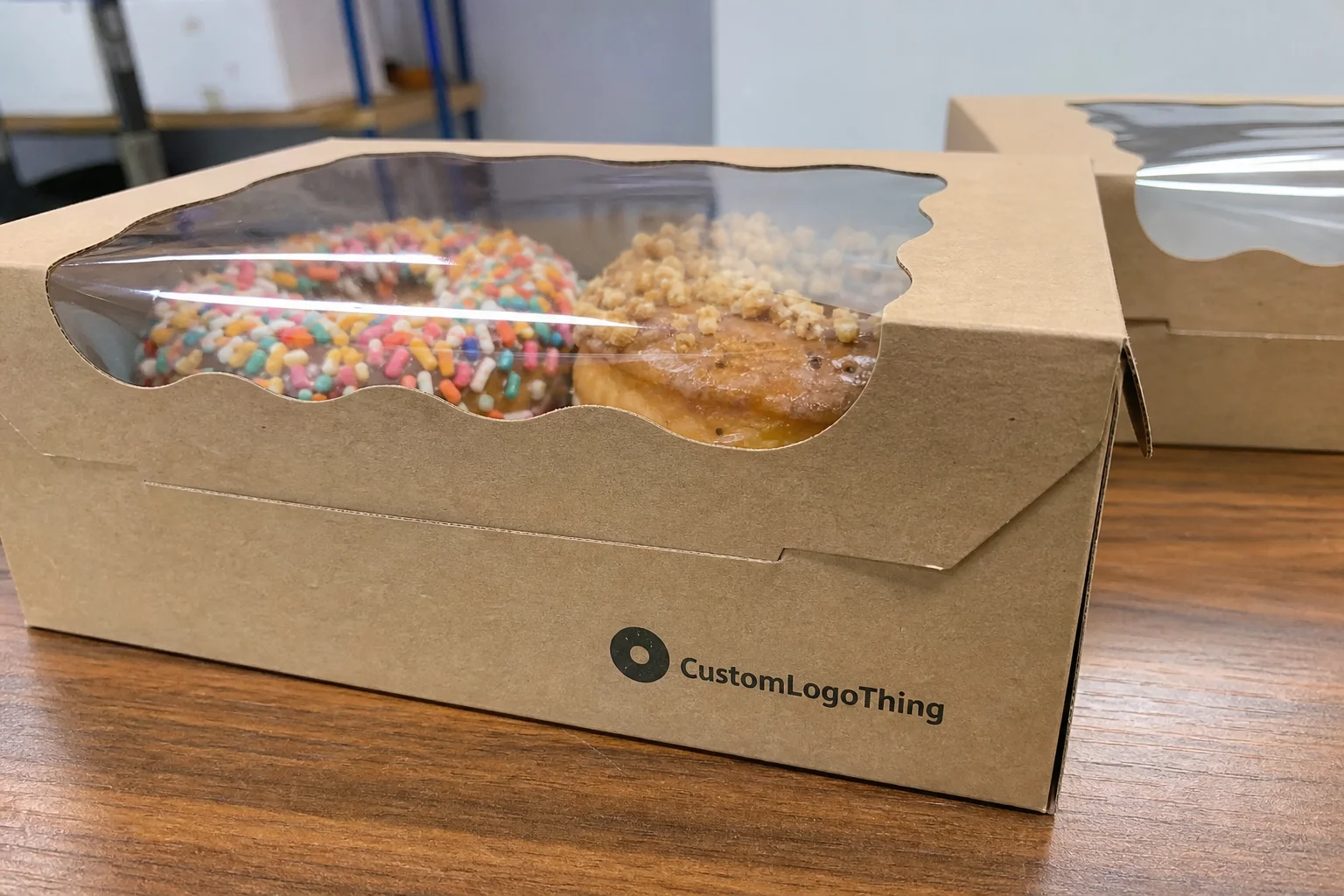
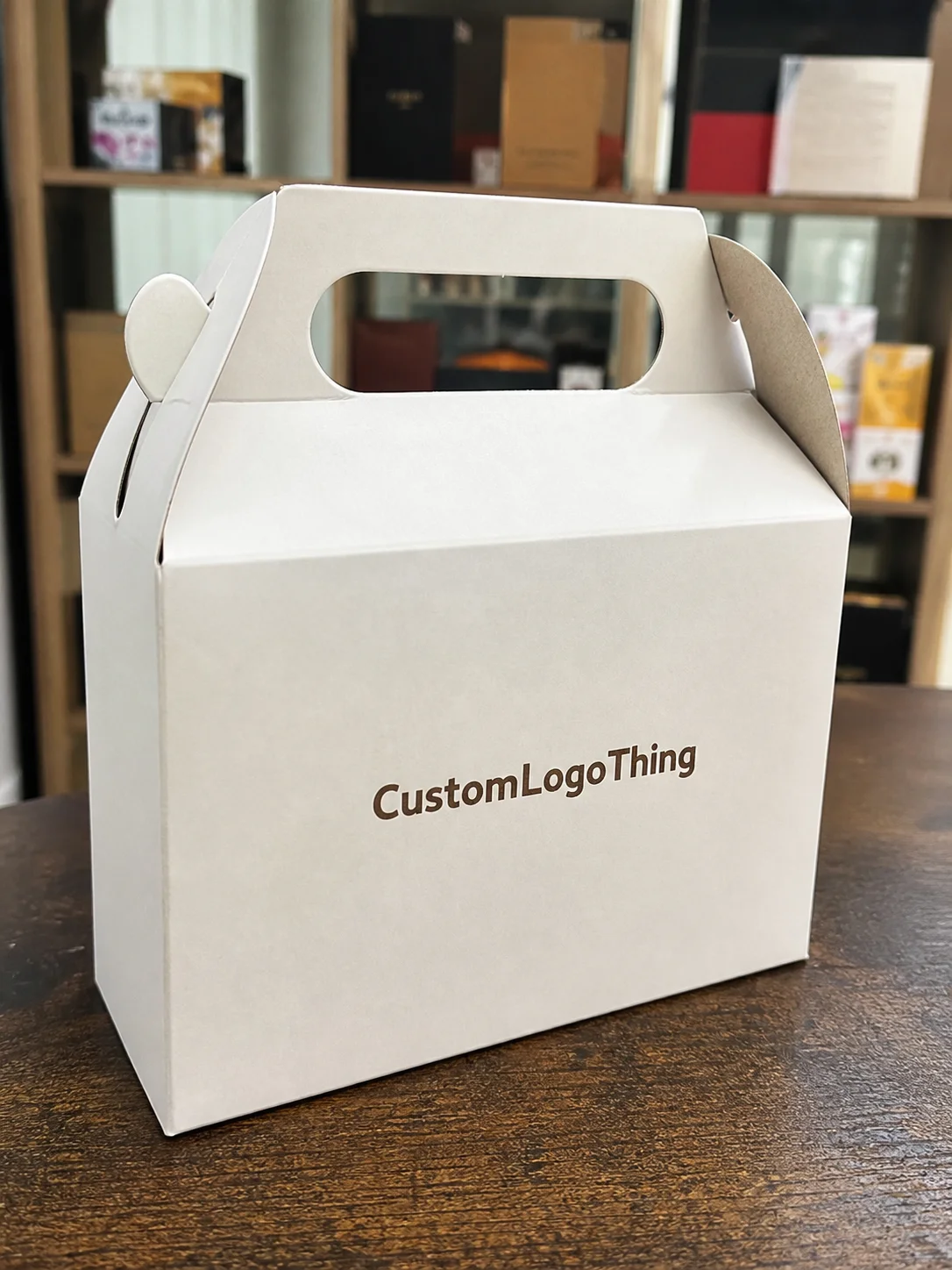
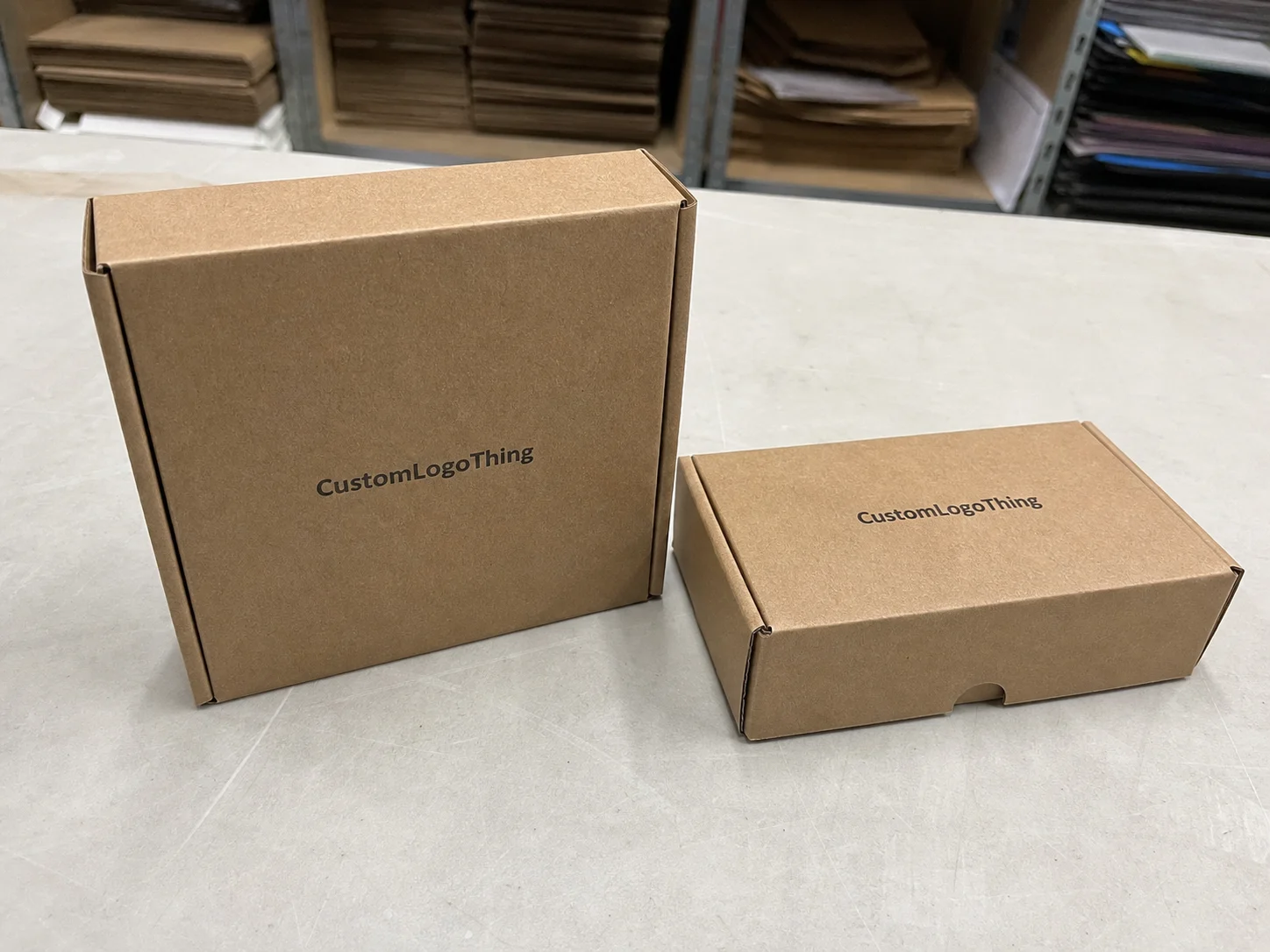
Colored Mailer Boxes Wholesale is a packaging decision that reaches far beyond appearance. A colored mailer changes how the product feels before it is opened, how efficiently the packing line moves, and how much extra finishing a brand needs to make the shipment feel complete. In practice, one well-specified mailer can replace a separate label, reduce the need for an outer sleeve, and carry most of the unboxing presentation on its own.
Buyers usually see that once they compare the quote against the actual work the box has to do. Shipping cost matters, but so do labor minutes, damage rates, storage density, and reorder consistency. A plain box may look cheaper on paper, yet the total landed cost can climb once a brand adds inserts, labels, and extra handling to make the package look finished.
Wholesale Programs, Custom Packaging Products, and Custom Poly Mailers often sit in the same buying discussion, but mailer boxes tend to win where structure and presentation need to work together. That distinction matters before anyone starts comparing print options or finishes.
Why colored mailer boxes change the unit economics of shipping
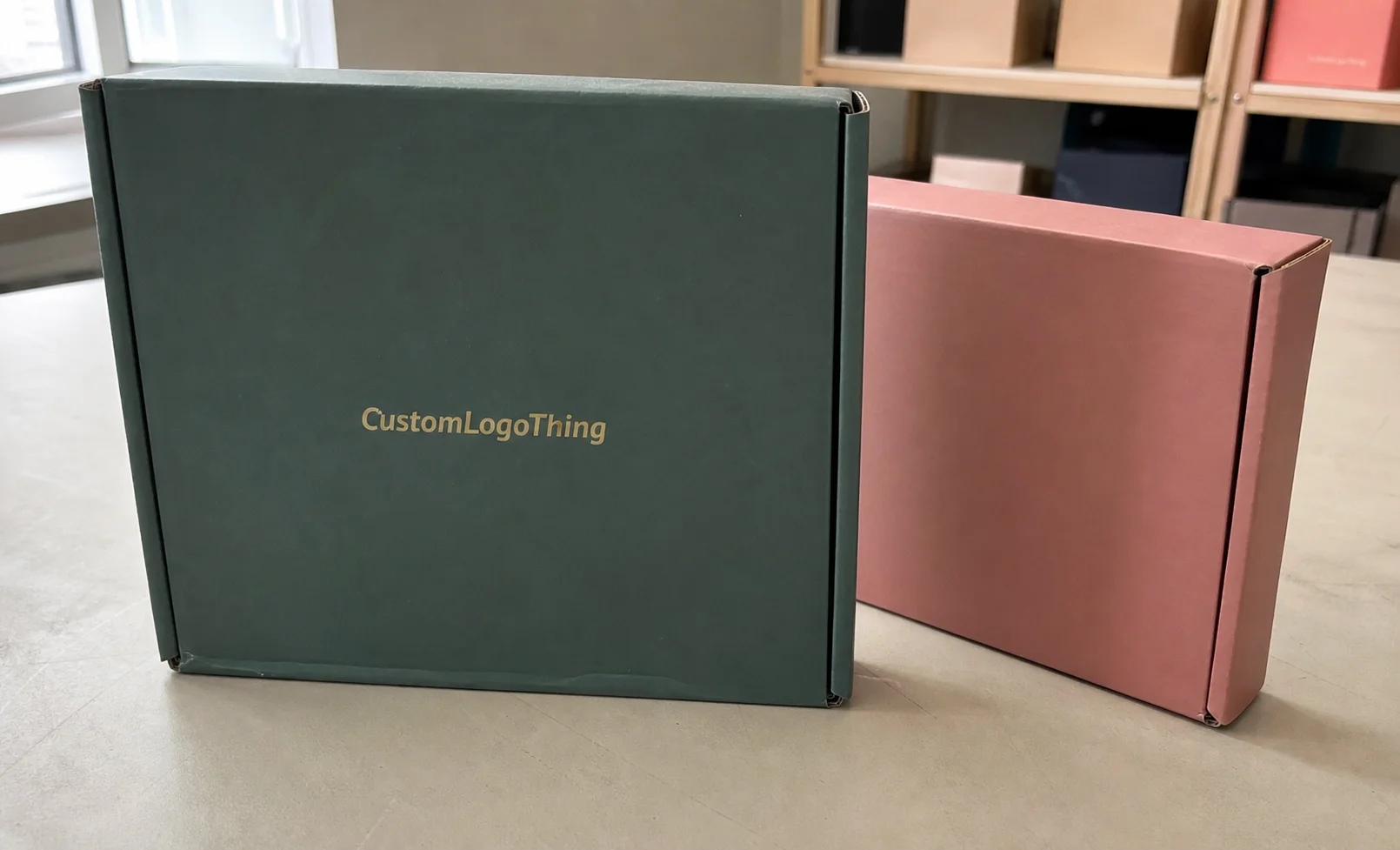
A mailer box is often the first physical brand touchpoint a customer sees. If the color, closure, and print are deliberate, the product starts with a cleaner frame of reference. That can lift perceived value before the seal is broken, which is one reason colored mailer boxes wholesale orders are usually tied to brand strategy, not just packaging taste.
Color can do useful work without adding another component. A strong base tone, a restrained logo hit, and a clear message panel can reduce the need for extra inserts or external labels. It can also shorten pack time, because the team is handling one branded component instead of building a package from multiple layers.
There is a logistics side as well. Consistent color makes cartons easier to sort across SKUs, especially for subscription kits, apparel, beauty, and gift-driven orders. A warehouse team moving hundreds of boxes a day should not need to inspect tiny print variations to identify a product line. The box itself should signal what it is.
For the buyer, the useful comparison is not plain versus colored in isolation. It is whether the colored version lowers assembly time, supports repeat runs, and improves the customer’s first impression enough to justify the added print and finish cost. In many programs, the box is part of the revenue system, not a side expense.
“The best wholesale packaging choice is rarely the lowest unit price. It is the box that keeps labor predictable, protects the product, and still looks intentional on arrival.”
That is the right lens for buying colored mailer boxes wholesale. Price matters, but the full job is what determines whether the box earns its place.
Colored mailer box styles, finishes, and branding options
Most buyers begin with structure, because structure determines how the box folds, closes, and survives transit. Tuck-top mailers are common and economical. Roll-end front-tuck mailers feel firmer in the hand and usually close with better rigidity. Rigid-look e-commerce styles sit higher on the presentation scale and are used when a brand wants a premium feel without moving into a true rigid box build.
Finish changes the tone quickly. Solid PMS color coverage looks cleaner than a weak tint sitting on an absorbent board. Matte lamination usually reads more restrained and premium. Gloss intensifies the color and creates a brighter retail feel. Aqueous coating is often the practical middle ground when a brand wants protection without the heavier surface feel of lamination.
Decoration should be chosen with restraint. Spot UV, foil, and interior print all have a place, but they add setup cost and can increase the risk of registration issues. Buyers often overspend here. A disciplined one-color exterior with a precise logo placement will usually outperform a crowded layout that tries to do too much.
Category matters. Bold colors work well for subscription kits, launch boxes, and seasonal promotions. Muted tones usually suit skincare, wellness, and premium accessories. Interior color is worth attention when the box opens on camera, because the inside surface is now part of the unboxing sequence whether the brand planned for it or not.
Color matching is not guesswork. Printers work within tolerances that are affected by substrate absorbency, coating, ink system, and even the run order on press. A buyer with strict color standards should ask how the supplier handles Pantone matching, approval samples, and repeat-run consistency. “Close enough” is rarely good enough once the first reorder lands.
Durability still comes first. A high-gloss box that scuffs easily will disappoint faster than a simpler matte box that arrives clean. For heavier products, board grade and closure style should be decided before decorative extras. For lighter contents, visual impact can carry more of the budget because the shipping stress is lower.
There is also a practical difference between a design that photographs well and a design that survives the real workflow. A box with sharp contrast and clean typography may look strong online, but if the finish marks during packing or scratches in transit, the presentation value drops quickly. Good wholesale packaging has to perform in storage, during packing, and after delivery, not just on a mockup.
Specification checklist for wholesale orders
The fastest way to avoid quote mistakes is to define the box completely before requesting pricing. Start with inside dimensions, not outside dimensions. Then account for product clearance, insert thickness if needed, and the number of units per master carton. Those details remove most of the back-and-forth that slows a first order.
Board grade needs to match the product and the route. E-flute is common for lightweight retail items and presentation boxes. Heavier contents or longer parcel routes may need a stronger corrugated construction. If the box will sit in a warehouse or travel through a rougher shipping network, ask about stacking strength, crush resistance, and moisture tolerance rather than asking only how the box looks on press.
The performance questions matter. Ask about edge crush, burst strength, print registration, and how repeat orders are controlled so a reorder six months later does not drift in color tone. A supplier that cannot explain those basics is not set up for dependable wholesale volume.
Artwork files should include the dieline, bleed, and a clear safe zone around folds and glue areas. Most printers want vector artwork, high-resolution images where necessary, and a labeled spot-color callout if the design uses PMS values. If a logo crosses a seam, the supplier should confirm the fold behavior before final approval, not after production starts.
Storage and compliance details belong in the spec sheet too. Pallet configuration, humidity exposure, carton counts, and warehouse handling expectations all affect how the order arrives and how it stores. Brands shipping into humid regions should ask whether the board and coating can hold up during warehouse dwell time without warping or softening.
For teams that want a standards-based reference point, organizations such as ISTA and EPA recycling guidance are useful for packaging performance and material context. They do not replace supplier testing, but they do help frame the right questions.
A practical wholesale spec sheet usually includes:
- Inside dimensions in inches or millimeters
- Product weight and any fragile components
- Board type and target strength level
- Print coverage, finish, and color references
- Insert requirement, if applicable
- Units per master carton and pallet preference
- Receiving dock constraints, if freight is involved
That list sounds basic, but it is usually enough to cut quote revisions in half. The better the starting information, the less time is spent correcting avoidable errors.
Pricing, MOQ, and quote drivers buyers should compare
Price moves mostly with size, board grade, print coverage, finish complexity, and volume. A small box with one-color print on a standard board is a different job from a large box with full exterior coverage, matte lamination, and a custom insert. Those differences affect material use, press time, finishing, and packing labor.
MOQ changes the shape of the quote. Lower quantities carry more setup cost per unit because prepress, tooling, proofing, and press setup are spread across fewer boxes. Larger runs usually reduce unit price, but only if the brand actually needs the inventory. Ordering too much to chase a lower per-box rate is a false economy when the boxes sit in storage for months.
Compare quotes on the same basis. Ask whether the price includes tooling, a pre-production proof, freight to your receiving dock, and packing into master cartons. A quote that leaves those items out may look lower while the landed cost ends up higher.
Common add-ons include special inks, protective coatings, custom inserts, and split shipments. Even a small change can move the number more than expected. A second color may add a separate plate or another setup pass. A custom insert can add both material cost and assembly time. Specialty finishes usually carry the highest risk of schedule creep because they add more points where a defect can appear.
| Option | Typical Buyer Fit | Approx. Cost Impact | Operational Tradeoff |
|---|---|---|---|
| One-color exterior, no finish | High-volume, utility-first brands | Lowest | Fastest to produce, least visual depth |
| Solid color plus matte or gloss finish | DTC, gift, and subscription packaging | Moderate | Better brand feel, higher setup and material cost |
| Full coverage with interior print and spot UV | Premium launches and campaign boxes | Highest | More design control, tighter registration requirements |
For planning purposes, a simple run can be priced in the low tens of cents above a plain kraft version, while full coverage, premium coating, and custom insert work can move materially higher, especially on short runs. That spread is normal. What matters is whether the added cost buys back labor time, better presentation, or fewer shipping issues.
The procurement rule is straightforward: the lowest unit cost is not always the lowest landed cost. Damage rates, replenishment frequency, and pack-line labor can outweigh a few cents saved per box. That is especially true for colored mailer boxes wholesale programs that reorder every few weeks and need color consistency from one batch to the next.
Production steps and lead time from proof to pallet
The production path is usually predictable. It starts with artwork review and structural confirmation, then moves to prepress, sampling or proofing, production, finishing, packing, and freight booking. A well-run supplier keeps each stage visible and assigns an approval point before the next one begins.
The most common delay is not printing. It is spec drift. A buyer changes the dieline after artwork has been laid out, or a product measurement turns out to be off by a few millimeters, or a finish changes after the proof arrives. Any one of those adjustments can reset parts of the schedule and push delivery further out than expected.
For timing, a practical expectation is often 12 to 15 business days from proof approval to production completion on a straightforward run, though larger orders, imported materials, or more complex finishing can extend that. Sampling or mockup approval may take a few days to a week depending on revisions. Buyers should separate sample timing from full run timing, because they are not the same stage.
Ask for a pre-production proof, a production schedule, and shipment milestones. Those three items remove a lot of uncertainty. A supplier that gives exact dates for each stage is easier to manage than one that only says the order is being processed.
Lead time should also be tied to inventory planning. Holiday kits, seasonal drops, and promotional launches need packaging scheduled well ahead of live dates. A packaging stockout can stop a product from shipping even when the inventory itself is sitting on the shelf. That kind of delay is expensive and avoidable.
Some teams also consult Packaging Institute resources for packaging material and shipping context. The goal is not to over-engineer the box. It is to avoid under-specifying a part of the order that has to perform across warehouse, transit, and customer handling.
One practical detail worth asking about is whether the supplier runs a final carton count and visual check before dispatch. That check should confirm quantity, print alignment, finish quality, and pallet labeling. It does not replace testing, but it catches the kind of obvious issues that should never leave the dock.
How to choose a supplier for repeat wholesale runs
Capability comes first. Consistent color control, reliable corrugate sourcing, and repeat-run matching matter more than polished sales language. A supplier can be pleasant to work with and still be a poor fit if the second reorder arrives with a different tone or a different fold feel.
Quote clarity is a useful filter. Good suppliers state dimensions, print process, finish, MOQ, lead time, and excluded costs in writing. They also explain how price changes when artwork, quantity, or structure changes. That makes purchasing easier and lowers the chance of dispute later.
Sample accuracy is another signal. If a mockup arrives with the wrong board feel, the wrong fold behavior, or an off-color print, the production order may carry the same risk. A reliable repeat-run partner knows how to tighten those issues before full volume starts.
Flexibility matters for growing brands. If the supplier can adjust box size, insert design, or print coverage without forcing a brand to restart the process from zero, the buyer keeps momentum. That matters for teams managing several SKUs or rolling campaign packaging.
Operational support matters too. Domestic warehousing, consolidated freight options, and coordination across multiple SKUs reduce receiving pain. The benefit is practical: fewer calls, fewer missed deliveries, and fewer pallets stranded in the wrong dock bay.
Trust should be measured by outcome, not tone. For colored mailer boxes wholesale orders, good performance looks like fewer defects, fewer schedule slips, and fewer corrections between the first order and the reorder. That is what repeat buyers should track.
If a supplier can provide a clean reorder record, clear proof approvals, and stable color across batches, that is a better signal than a long list of packaging categories on a website. Repeatability is the real test.
Common ordering mistakes that inflate cost and delay delivery
One frequent mistake is approving artwork before confirming the exact dieline and inside dimensions. If the fit is wrong, the design work has to be redone. That costs time and often triggers reproofing fees or a schedule reset.
Another mistake is designing for appearance only. A box that looks ideal on a screen may fail once the product is packed, especially if the item shifts, includes accessories, or needs room for a protective insert. Packaging should be built around the real pack-out method, not an idealized mockup.
Overcomplicated finishes create avoidable risk. Heavy decoration can raise cost, increase defect chances, and slow production without improving the customer experience in a meaningful way. In many cases, a stronger color choice and cleaner logo placement will do more for the brand than extra effects.
Changing quantity after proof approval also causes problems. It can shift pricing tiers, alter the production schedule, and sometimes require revised carton packing. If a buyer expects flexibility, that needs to be discussed before the proof is signed off.
There is also a common timing mistake: shipping packaging too close to the product launch. A one-week slip on the boxes can block fulfillment even if the product inventory has already arrived. The packaging schedule should be built with enough buffer to absorb freight delays, production corrections, and receiving lag.
The fix is simple. Lock specs early, test the sample with the actual product inside, and document approvals cleanly. That discipline saves money and removes a lot of friction from repeat orders.
Next steps for a fast wholesale order
Start with three inputs: box dimensions, target quantity, and artwork or brand color references. If the product needs an insert, include the insert specs too. That gives the supplier enough information to quote accurately without unnecessary back-and-forth.
Request a sample or mockup before full production. Fit, color, fold behavior, and logo placement are easier to correct at that stage than after thousands of units are printed. For brands with strict visual standards, Pantone references or prior production samples make approval much more reliable.
Compare two or three suppliers on unit cost, lead time, and included services. A lower price that excludes freight, proofing, or master-carton packing is not a better deal. Ask direct questions and keep the comparison consistent across all quotes.
Confirm shipping method, pallet count, and reorder policy before approving the order. Reorders should be simpler than first runs if the supplier has done the work correctly. If they are not, the buyer is carrying too much of the operational burden.
Once the specs are locked and the sample is approved, request a formal quote for colored mailer boxes wholesale. That is the point where the buying decision becomes efficient, because it is based on actual dimensions, actual print coverage, and a realistic timeline.
FAQ
What affects the price of colored mailer boxes wholesale the most?
Box size and board grade usually drive the largest price swing. Print coverage, finish type, and color matching requirements can raise the unit cost as well. Higher order quantities generally reduce per-box cost because setup expenses are spread across more units.
What MOQ should buyers expect for colored mailer boxes wholesale?
MOQ varies by supplier, box style, and print complexity. Lower-MOQ orders usually cost more per unit than larger runs. Ask whether the MOQ applies to one size, one artwork version, or the full order total, because that changes how the quote should be read.
How long does production usually take?
Timing depends on proof approval, materials, and the print method. Sampling or mockup approval is often the first schedule gate. Buyers should confirm both sample time and full production time before placing the order so replenishment planning is based on real lead times.
Can I order custom sizes with colored mailer boxes wholesale?
Yes, most wholesale runs can be made to custom dimensions. The supplier will usually need exact inside measurements and the product weight. Custom sizing may change MOQ, lead time, and freight packing, so it should be confirmed before artwork is finalized.
What should I send to get an accurate quote?
Send inside dimensions, quantity, artwork files, and preferred finish. Include product weight, shipping requirements, and any insert or coating needs. If color accuracy matters, provide Pantone references or prior production samples so the supplier can estimate the job correctly.