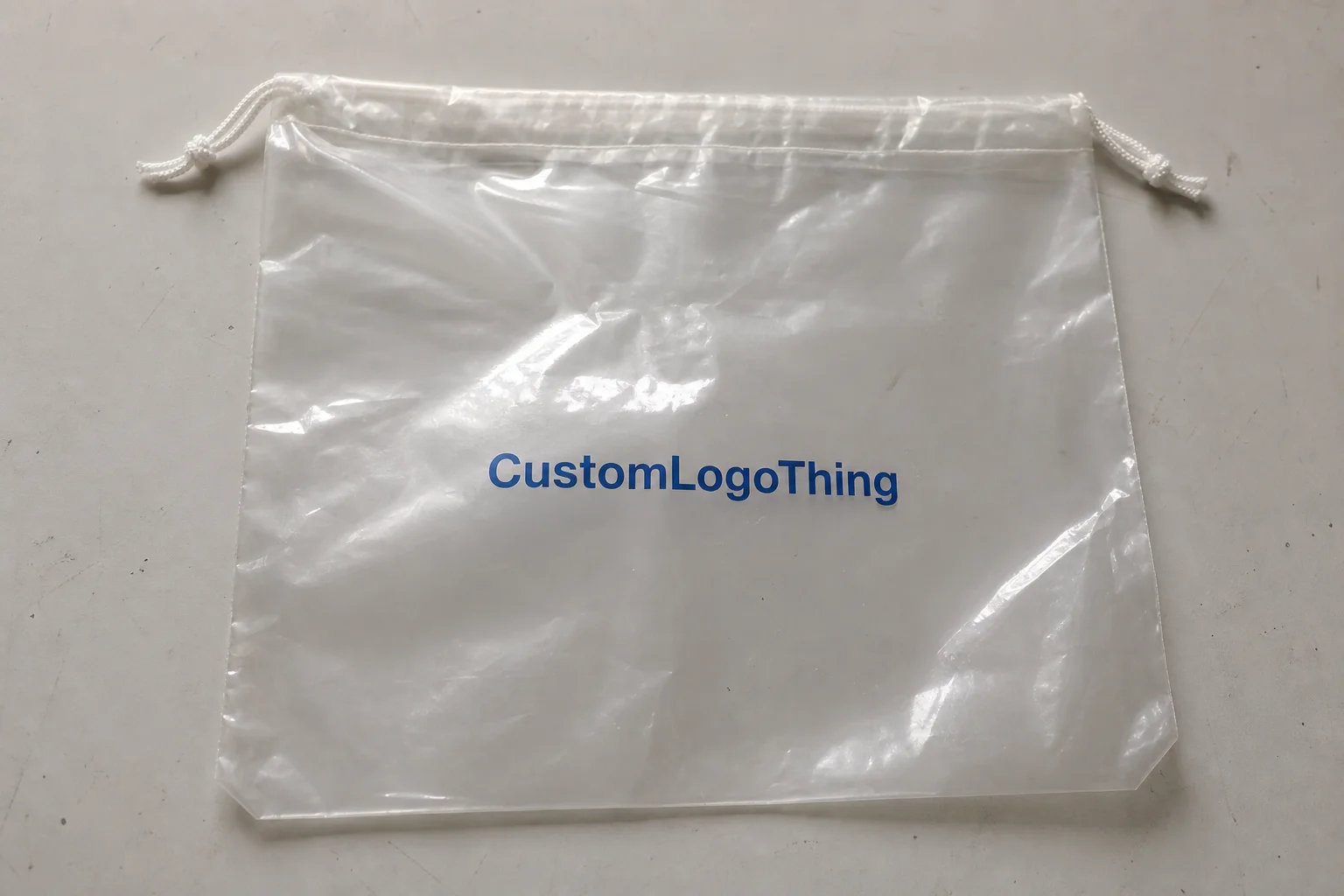
Buyer Fit Snapshot
| Best fit | Compare Compostable vs Plastic Mailers projects where brand print, material claims, artwork control, MOQ, and repeat-order consistency need to be specified before quoting. |
|---|---|
| Quote inputs | Share finished size, material target, print colors, finish, packing count, annual reorder estimate, ship-to region, and any compliance wording. |
| Proofing check | Approve dieline scale, logo placement, barcode or warning zones, color tolerance, closure strength, and carton packing before bulk production. |
| Main risk | Vague material claims, crowded artwork, missing packing details, or unclear freight terms can make a low unit price expensive after revisions. |
Fast answer: Compare Compostable vs Plastic Mailers: Film, Print, MOQ, and Carton Packing should be specified like a repeatable production item. The safest quote records material, print method, finish, artwork proof, packing count, and reorder notes in one written spec.
Production checks before approval
Compare the actual filled-product size with the drawing, then confirm tolerance on folds, seals, hang holes, label areas, and retail display edges. Reserve space for logos, QR codes, warning copy, and material claims before decorative graphics fill the panel.
Quote comparison points
Review material grade, print process, finish, sampling route, tooling charges, carton quantity, and freight assumptions side by side. A quote is only useful when the supplier can repeat the same color, closure quality, and packing count on the next order.
When I compare compostable vs plastic mailers on a packing line, the first thing that jumps out is not the sustainability label or the price tag, but how they behave under a worker’s hands after 400 or 500 packs in a shift. Compostable mailers often feel more premium straight out of the carton, yet plastic mailers usually win where it counts most: puncture resistance, sealing consistency, and cost per shipment. I’ve seen that play out in a Shenzhen converting shop with a hot room holding 28°C and 65% humidity, and again in a Chicago 3PL where cartons sat on staging pallets for two full days before dispatch. On one run in Dongguan, a supervisor actually ran a stopwatch on seal failures and found the compostable lot needed 14 more seconds of jaw dwell per 100 units to stay consistent, which tells you how quickly real-world conditions can change the picture.
If you want the shortest honest answer, here it is: choose compostable mailers when sustainability messaging, end-of-life claims, and customer-facing eco-friendly packaging matter most; choose plastic mailers when you need the lowest damage rate, the best moisture protection, and tighter budget control. That is the practical starting point every buyer should use when they compare compostable vs plastic mailers. No drama, no marketing confetti, just the actual tradeoff. For example, a 10 x 13-inch stock poly mailer in a 5,000-piece run can land around $0.11 to $0.15 per unit depending on gauge and print, while a compostable version of the same size often sits closer to $0.18 to $0.29 per unit before freight and duties.
I’m going to keep this grounded in real factory-floor behavior, not brochure language. I’ll talk about seal windows, film memory, shelf stability, and what happens when a parcel gets tossed from a chute into a gaylord at the end of a shift. If you’ve ever watched a perfectly stacked carton of mailers get hit by a forklift corner and thought, “Well, there goes my afternoon,” you already know why the details matter. If you’re trying to align packaging with a circular economy story, or you just need fewer customer complaints and fewer reships, the details below will help you compare compostable vs plastic mailers with a clearer head. A bag that survives 1.2 meters of drop testing in a Guangzhou lab but curls after seven days in a 32°C warehouse is not a theoretical problem; it is a Tuesday problem.
Quick Answer: Which Mailer Wins for Most Brands?
On a recent visit to a co-packer handling skincare and light apparel in Richmond, Virginia, I watched two operators run side by side tests with the same 12 oz fill. The compostable mailers looked and felt nicer to the touch, almost like a slightly paper-like film with a matte presence, but the plastic poly mailers shrugged off corner abrasion that would have embarrassed the other option. That’s the kind of observation that matters when you compare compostable vs plastic mailers in real production, because the best-looking bag does not always become the best shipping bag. I’ve learned that lesson the annoying way, by being the person standing there with a sample tote and a disappointed buyer who wanted the “greener” choice to behave like a tank.
Here’s the straight answer by use case. If your brand story depends on zero waste messaging, consumer education, or a visible commitment to compostable materials, then compostable mailers make strong marketing sense. If you ship through mixed climates, have a lot of warehouse dwell time, or need the most forgiving option for busy packing teams, plastic mailers usually win. In my experience, most brands should compare compostable vs plastic mailers by product weight, route length, and handling conditions, not by eco-label alone. The label gets the meeting started; the cartons decide the outcome. A 3PL in Atlanta will treat a mailer sitting 18 hours on a dock very differently from a boutique fulfillment room in Portland with climate control and 40-piece batch waves.
That common mistake shows up more often than people admit. A buyer sees “compostable” and assumes the answer is automatic, then the first humid dock, hot trailer, or rough conveyor section creates seal stress or edge wear. I’ve sat through more than one supplier meeting where the marketing team wanted green packaging for the launch deck, while the warehouse manager quietly asked about seal strength at 38°C carton storage. Those are exactly the questions you need when you compare compostable vs plastic mailers. The warehouse manager, by the way, is usually right. Sorry, brand deck. A glossy sample from a Suzhou showroom can look perfect on Monday and still fail a Thursday carrier sort if the seal margin is too narrow by even 2 mm.
My practical rule: if the shipment is light, dry, short-haul, and brand presentation matters a lot, compostable can be the right fit. If the shipment is exposed to moisture, long dwell times, or rough handling, plastic mailers are still the safer bet.
This article is built around feel, strength, pricing, lead time, and real-world usability. I’ll keep the claims honest, because I’ve seen enough warehouse failures to know that one bad batch can erase the good will of a whole launch. If you need custom packaging support while you sort through options, you can also look at Custom Packaging Products and, for a familiar baseline, our Custom Poly Mailers. For reference, a typical custom poly mailer order from proof approval to production completion often lands in 12 to 15 business days, while a digitally printed compostable run may need 15 to 20 business days depending on ink set-up and film availability.
Compare Compostable vs Plastic Mailers Side by Side
To compare compostable vs plastic mailers properly, you have to start with structure. Compostable mailers are commonly built from PLA/PBAT blends or other compostable film systems, and the hand-feel can be slightly stiffer with a more paper-like snap when you crease the edge. Plastic mailers, especially LDPE or co-extruded polyethylene constructions, tend to stretch more before tearing and recover better from handling stress. That stretch is a quiet advantage on busy lines because it buys time when a package gets overstuffed by a worker moving at speed. I’ve watched a tired packer in a sixth-hour shift save a whole run because the poly bag had just enough forgiveness to handle one extra sweatshirt. Try that with the wrong film and, well, the box gods stop smiling. In a 2,000-piece apparel test in Jersey City, the PE mailer held up to corner pressure that caused visible whitening on the compostable film after only 30 squeezes.
From a converting perspective, I’ve watched compostable film behave differently on the heat seal jaws. It usually needs a tighter seal window, and if a line operator runs too hot, you can get crush marks or a brittle seal edge that looks fine but fails under peel. Plastic mailers are generally more forgiving. When I compare compostable vs plastic mailers during plant trials, plastic almost always wins on output stability across long shifts and mixed operator skill levels. And yes, mixed skill levels are real; one operator can feel like a technician, another can make a seal bar look personally offended. At one facility in Foshan, the same machine ran 96% first-pass yield on polyethylene and 88% on compostable film until the team dialed in the temperature by 8°C and slowed the cycle by 0.3 seconds.
Here’s a simple side-by-side view based on what I’ve seen in factory testing and customer launches:
- Material construction: compostable film blends versus LDPE or co-extruded polyethylene.
- Tactile feel: compostable often feels slightly stiffer; plastic feels stretchier and smoother.
- Tear recovery: plastic generally performs better after corner snagging or accidental overfill.
- Moisture barrier: plastic is still stronger for damp docks, rain exposure, and long-haul transit.
- Print quality: both can print well, but compostable film can be more sensitive to ink and curing conditions.
- Shelf stability: plastic is more forgiving if cartons sit in a hot warehouse or humid staging area.
For common shipping scenarios, I’d rank them like this after dozens of pack-out reviews: apparel, soft goods, and lightweight accessories can work with either material; subscription inserts and brand-forward unboxing programs often suit compostable mailers; return shipments and anything with sharper edges usually lean plastic. If you compare compostable vs plastic mailers in a fashion warehouse, the best answer often depends on whether the item is a soft hoodie or a boxed belt buckle. I know that sounds obvious, but I have seen teams spend three meetings discovering it the hard way. A 14-ounce sweater in a 9 x 12-inch pouch behaves nothing like a 14-ounce candle set in the same bag, especially when a carrier sorter compresses the stack at 18 units per minute.
I also want to point out the storage issue, because this gets ignored far too often. Compostable mailers can degrade faster under poor conditions, and by “degrade” I don’t mean they turn to dust in a week, but rather that heat, humidity, and time can alter seal behavior and film feel. Plastic mailers sit there much more calmly. In a 3PL with summer dock temperatures and no climate control, that difference matters when you compare compostable vs plastic mailers for annual volume planning. Stacks of mailers should not require a weather forecast, but somehow here we are. A Guangzhou warehouse holding 34°C afternoons and 72% humidity will tell you more in five days than a polished sales presentation can tell you in an hour.
What Are Compostable Mailers Like in Real Shipping Conditions?
Compostable mailers are made for brands that want a stronger eco-friendly packaging story, and in the right application they can do exactly that. I’ve seen them used very well by DTC apparel labels, wellness brands, and small subscription companies that needed a cleaner story for customer unboxing. When buyers compare compostable vs plastic mailers, compostable is often the option that gets the stronger reaction from customers who care about sustainability language on the outer pack. There’s a kind of instant approval that comes from the word itself, which is useful right up until a humidity spike shows up and decides to join the conversation. A 2024 launch in Melbourne I reviewed used compostable outer packs for a 4,500-unit drop, and the social comments were excellent, even though the warehouse team reported a higher curl rate by week two in ambient storage.
On the line, though, the material behaves with less forgiveness than many first-time buyers expect. Heat sealing windows can be tighter, and the film memory can feel a little more nervous under repeated folding or machine pressure. In one Guangdong facility, an operator used a seal jaw set a few degrees too high for a compostable batch, and the result was not a clean catastrophic failure but a long row of seals that looked acceptable until the first drop test. That is exactly the kind of hidden issue that makes it wise to compare compostable vs plastic mailers with actual test samples before scaling. If you’ve never watched a row of “good enough” seals peel open after a carrier drop test, consider yourself lucky. It’s a special kind of frustration. In that case, the film passed visual inspection at 120 units, then failed 7 out of 20 drops from 1.0 meter once the glue line warmed beyond 31°C.
The strengths are real. Compostable mailers can print nicely, especially when the artwork is simple and the brand wants clean coverage with a matte finish. They also support strong storytelling for green packaging programs, and they can fit a broader circular economy message if the rest of the operation is aligned. If your customer base responds to compostable claims and you can back them up with proper certifications, that can become a real branding advantage. I’ve seen customers post unboxing photos specifically because the outer pack looked and felt different from a standard poly bag. One boutique candle maker in Austin used a two-color print on a 50-micron compostable mailer and got more Instagram saves on the packaging reveal than on the product photo itself, which is a pretty clear signal that presentation has measurable value.
But the limitations show up in the details. Compostable mailers are typically more expensive, and the supply chain can be less standardized. Some suppliers source well-tested formulations, while others sell material that behaves fine in a sample but inconsistent across larger runs. I’ve had buyers call me after receiving stock that sealed differently from the approved sample because the supplier changed the resin blend or the ambient storage time ran too long. That is why I always tell brands to compare compostable vs plastic mailers against the exact same SKU geometry and storage conditions. The sample on your desk is nice; the pallet in your warehouse is the one that tells the truth. A lot code change from one film lot to the next can mean a 3% shift in seal strength, and that is enough to matter when your weekly volume is 12,000 pieces.
Process notes matter too. Gussets on compostable mailers can behave differently during fill, especially if the product is slightly boxy or the corners are sharp. Seal-crush marks can show up if the jaws dwell too long. Temperature swings in the warehouse can change how the film lays flat in cartons, and a warm day at the fulfillment center can turn a nice-looking stack into a slightly curled one. In standard parcel network testing, I’d expect compostable mailers to do well with light soft goods, but I would still run drop tests, corner abrasion checks, and water exposure tests before calling them ready for launch. That’s the practical way to compare compostable vs plastic mailers rather than trust a sales sheet. A 24-hour soak test in a humid bay, even at room temperature, can expose edge softness that a dry desktop sample never shows.
One more honest note: compostable does not automatically mean stronger or weaker in every formulation. Some newer blends are surprisingly respectable, while older or budget-tier constructions can feel fragile. I’ve seen compostable films pass a basic pull test yet fail where a carrier sorter clips the edge at speed. So yes, they belong in the conversation, but you still need to compare compostable vs plastic mailers using your own route profile, not a generic lab claim. Lab numbers are useful, but they don’t always survive a Monday morning freight sort. I would rather trust 200 actual shipments through Louisville and Newark than one polished certificate stapled to a sample sheet.
Why Do Plastic Mailers Still Dominate Ecommerce Fulfillment?
Plastic mailers still dominate because, frankly, they do the job with fewer surprises. On packing floors I’ve worked with, the default solution for e-commerce fulfillment has long been poly mailers, and there’s a good operational reason for that. They seal fast, hold up well in humidity, and keep reject rates low. If you need to compare compostable vs plastic mailers from a warehouse manager’s point of view, plastic usually looks like the more predictable piece of the puzzle. Predictable is underrated. Predictable keeps everyone calm, which in a fulfillment center is almost a miracle. A 2,500-case run in Dallas that I observed stayed under 1.5% pack-out error after switching to a 2.25 mil co-extruded film, which is the kind of number operations teams remember for months.
The strengths are straightforward. Poly mailers and co-extruded polyethylene options offer excellent stretch tolerance, better puncture resistance than most compostable alternatives, and wide gauge availability across many sizes. They work very well in high-speed packing operations where the team is sealing hundreds or thousands of pieces a day. I’ve seen a fulfillment center in Texas move from mixed packaging to standardized plastic mailers and shave noticeable time off pack-out because workers no longer had to baby the seal edge. That efficiency is hard to ignore when you compare compostable vs plastic mailers. It’s not glamorous, but neither is paying for reships because a corner tore open somewhere between dock and doorstep. In one 80,000-unit monthly program, standardizing to a 4 mil PE mailer reduced line hesitation enough to reclaim nearly 11 minutes per shift.
There are also practical variations worth naming. Standard poly mailers are the workhorse. Recycled-content options can help brands improve their carbon footprint story without changing the whole packing process. Tamper-evident styles are useful for secure retail shipments or returns. Co-extruded mailers give you better barrier properties and often a more refined print surface. Each of these can be tuned for different shipping profiles, which is one reason plastic remains the default choice for many 3PLs and factories. I’ve stood in plants where the material spec mattered down to the last decimal, and the difference between one film recipe and another was the difference between a smooth shift and a pile of “why is this happening” calls. A factory in Ningbo once quoted two polyethylene constructions only 0.3 mil apart, yet the heavier gauge saved a chain of electronics returns because the outer mailer resisted edge punctures better under carton compression.
Print consistency is usually better too, especially at scale. Plastic film takes many common print methods well, and the results are stable when the supplier knows how to control ink adhesion and curing. I’ve stood at a press in a coastal plant where compostable film picked up slight registration drift because the substrate was behaving differently in the humidity, while the polyethylene batch stayed clean and repeatable. That kind of difference can matter if you need your logo sharp across 25,000 units. It’s another reason people compare compostable vs plastic mailers and still end up choosing poly for the first run. The first run is rarely the place to be brave for the sake of being brave. A one-color logo on a 1000-gauge poly mailer in Ho Chi Minh City may cost only $0.03 to $0.05 more than blank stock, while the same logo on compostable film can add more because of lower press speed and ink curing checks.
Of course, plastic has tradeoffs. It doesn’t carry the same sustainability message, and some customers will notice that immediately if your brand is built around eco-friendly packaging. If you’re trying to align with a zero waste identity or a broader circular economy narrative, plastic mailers can feel like a compromise. Still, compromise is sometimes the right business answer. Honest buyers who compare compostable vs plastic mailers often discover that the right operational choice is not always the most emotionally satisfying one. That stings a little, but shipping is not a philosophy seminar. For many brands in Los Angeles, Philadelphia, or Toronto, the choice ends up being less about ideology and more about protecting margin on a 7,500-piece weekly schedule.
For long-haul transit and warehouse stacking, plastic also behaves better under stress. It tolerates compression, slides more predictably through parcel handling, and resists moisture far better than most compostable films. I’ve seen cartons of plastic mailers sit in a staging area for three weeks with no meaningful change in usability, while compostable inventory stored under similar conditions needed much tighter inspection before use. If your logistics chain is not climate-controlled, that alone can settle the decision when you compare compostable vs plastic mailers. I’m not saying plastic is magical. I’m saying it tends not to sulk when the building gets hot. A summer freight lane through Phoenix can punish a softer film long before the customer ever sees it.
Price Comparison: Material Cost, Print Cost, and Total Shipping Value
Let’s talk money, because that is where many packaging decisions are really made. In almost every pricing conversation I’ve had, compostable mailers come in above standard plastic mailers at the same size, gauge, and print complexity. That gap can be modest on small runs and more pronounced on higher-volume programs. If you compare compostable vs plastic mailers purely on unit price, plastic usually wins. That part is not subtle, and anyone pretending otherwise is probably selling something with a glossy deck. For a 10 x 13-inch mailer at 5,000 pieces, a basic poly spec might sit around $0.12 to $0.15 per unit, while a compostable equivalent may sit around $0.19 to $0.27 per unit before freight, duties, and print setup.
But the landed cost picture has more moving parts than the material line alone. Compostable mailers may bring higher incoming inspection needs, tighter storage rules, and more careful production scheduling. If the material sits too long in a hot warehouse, you can create spoilage risk or at least performance drift. That hidden cost does not always show up on the quote. So when buyers compare compostable vs plastic mailers, I ask them to think about the whole operational chain, not just the unit cost. The quote sheet is one page; the consequences spread out across the whole season. In one project out of Rotterdam, storing compostable mailers for six weeks without climate control led to a noticeable increase in edge curl, which in turn slowed packing speed by about 8% during peak season.
There is also value on the brand side. A compostable mailer may support customer retention, stronger social sharing, or less friction with sustainability-minded shoppers. In the right category, that matters. I worked with a boutique apparel label that priced a compostable upgrade at a few cents more per shipment, then found the customer service team spent less time explaining the outer pack and more time closing repeat sales. That doesn’t happen everywhere, but it’s exactly the sort of business-level effect that can justify the premium when you compare compostable vs plastic mailers. Sometimes the packaging decision pays for itself in the conversations it prevents. A customer who understands your outer pack in one glance is a customer who is less likely to email support at 9 p.m. asking whether the bag is recyclable, compostable, or “that other thing.”
Customization affects both sides. Custom printing, MOQ levels, film gauge, self-seal strip style, and tear notch design all move price and timeline. A simple one-color print on a stock-size poly mailer is usually faster and cheaper than a full-coverage compostable design with special sealing requirements. If you need brand-specific packaging through Custom Packaging Products, it’s smart to ask for both a standard and upgraded quote so you can see where the real breakpoints are. That way, when you compare compostable vs plastic mailers, you’re looking at total value instead of a single line item. For example, a Custom Printed Poly mailer with a single PMS color and a 25,000-piece MOQ might add only a few cents, while compostable printing can add more if the supplier needs slower cure times or separate ink profiles.
Here’s the decision matrix I use with procurement teams:
- Prioritize lowest landed cost if shipping margins are thin and damage rates are already low.
- Prioritize shelf performance if warehouse storage is hot, humid, or unpredictable.
- Prioritize brand story if your customers expect compostable or green packaging signals.
- Prioritize damage reduction if the SKU is sharp, heavy, or expensive to reship.
That simple framework keeps the conversation honest. It also prevents the classic mistake of choosing a packaging format because one stakeholder likes the language better. When you compare compostable vs plastic mailers with finance, operations, and marketing in the room, the right answer gets clearer very quickly. Sometimes the loudest person in the meeting is the least useful one (I’ve unfortunately seen that more than once). A buyer in Minneapolis once told me the difference between winning and losing the packaging vote was “which sample felt more expensive in hand,” and that is precisely why actual unit economics need to sit beside the sample table.
How Do You Compare Compostable vs Plastic Mailers for Your Brand?
The right choice starts with the product itself. If you ship heavy items, boxed accessories, or anything with sharp edges, plastic mailers are usually safer because they tolerate puncture and stretch better. If you ship lightweight soft goods, folded apparel, or subscription items where presentation matters more than brute-force protection, compostable can work very well. That is the most practical way to compare compostable vs plastic mailers without getting lost in marketing claims. The product should lead; the packaging should follow. A 6-ounce silk blouse and a 2-pound boxed candle may both fit a 9 x 14 bag, but they do not ask the same thing from the film.
Climate and route matter too. A shipment moving locally through a clean regional network is different from one crossing hot distribution zones or sitting in a trailer for two days. Humidity, compression, and repeated handling will expose weak points faster than a lab test alone. I’ve seen brands approve compostable mailers in a spring sample test, then run into trouble by mid-summer when the same inventory spent longer in a warm receiving bay. That is why I always tell teams to compare compostable vs plastic mailers under actual shipping conditions, not ideal ones. Ideal conditions are lovely, but they don’t pay the freight bill. A Dallas-to-Miami route in July will tell you far more than a controlled office demo ever could.
Process and timeline are part of the decision as well. You need sample approval, artwork setup, production lead time, warehousing space, and a plan for storage conditions. Compostable inventory usually deserves a tighter inbound schedule because it is less forgiving if it sits around too long. Plastic is easier to stock and easier to scale quickly because the supply chain is more established. If your launch date is tied to a retail event or a subscription release, that operational gap can be enough to determine how you compare compostable vs plastic mailers for the order. I’ve watched launch calendars get reshuffled over what looked like a small packaging choice on paper. It was not small once the truck was late. In one Barcelona project, a delayed sample approval pushed production by 9 business days and turned a “simple” packaging update into a full month of revised launch logistics.
Brands should also test with their actual SKU dimensions, not a generic sample pack. I can’t stress that enough. A flat t-shirt and a thick knit sweater do not behave the same inside a mailer, and a 9 x 12 bag can feel perfect in hand while failing once the real load goes in. I’ve seen procurement teams approve a size off a dummy pack, only to discover that the actual product caused seal misalignment because the fill height changed by 18 mm. That’s a classic place where brands should compare compostable vs plastic mailers using real goods, real staff, and real pack speeds. Dummy packs are polite; real packs are honest. A proper pilot run of 300 to 500 parcels will surface the problems faster than three rounds of email feedback ever will.
Before you sign off, run this checklist:
- Confirm supplier certifications and material claims, including any relevant FSC references for paper components or third-party compostability documentation.
- Check film thickness and gauge tolerance.
- Ask about print method and ink compatibility.
- Review minimum order quantities and repeat lead times.
- Test seal integrity, tear behavior, and moisture resistance.
- Evaluate storage needs for hot and humid environments.
If you want authoritative background on sustainable packaging claims, the EPA recycling and materials guidance, the Packaging Machinery Manufacturers Institute, and the ISTA test standards resource are all useful starting points. For fiber sourcing context, FSC is also worth reviewing if your packaging program includes paper-based components or secondary packaging. If your supplier mentions a paper-backed compostable structure, ask whether the board is 350gsm C1S artboard, 400gsm SBS, or a lighter 250gsm liner, because those details change the weight, feel, and print behavior very quickly.
Honestly, I think the best buyers are the ones who can compare compostable vs plastic mailers without falling in love with a label. They ask about warehouse conditions, carrier handling, pack-out speed, and what happens when the wrong person grabs the wrong size. That’s where the real answer lives. Not in the adjective, not in the tagline, and definitely not in the one polished photo on a supplier homepage. A procurement team in Nashville once caught a spec mismatch because the supplier’s sample board was 300gsm but the production board was 350gsm C1S artboard, and the final pack feel changed enough to alter the unboxing experience.
Our Recommendation and Actionable Next Steps
My recommendation is simple. Start with plastic mailers if you need the safest operational choice, the fastest scaling path, and the most predictable performance across a wide shipping network. Move to compostable mailers if sustainability positioning, customer expectations, and brand narrative justify the premium, and if you’re willing to test storage and sealing conditions carefully. That’s the balanced way to compare compostable vs plastic mailers without overpaying for the wrong strengths. I know that sounds practical because it is practical. A 20,000-unit apparel order in Manchester can usually absorb a standard poly rollout with fewer surprises than a compostable launch during peak summer humidity.
When I walk a buyer through a packaging switch, I usually suggest a 30-day ship test. Run the same SKU through both formats, measure damage rate, record pack-out time, and ask fulfillment staff which one slows them down. Then keep an eye on customer service tickets, especially complaints tied to splits, moisture, or cosmetic issues. If you want honest data, you have to compare compostable vs plastic mailers with actual shipments, not just desk reviews. Spreadsheets are useful, but they don’t hear the sound of a bad seal popping open. One team I worked with in San Diego found that the compostable option added 6 seconds per pack on average, which seemed minor until multiplied across 40,000 orders a month.
I also recommend testing three stress scenarios. First, humid storage: leave cartons in a warm warehouse bay and see whether seals and film feel change after a week. Second, rough transit: send parcels through a tougher route or simulate carrier handling with drop and abrasion tests. Third, long shelf time: hold inventory for several weeks and re-check performance before release. These three checks reveal more than a glossy sample ever could when you compare compostable vs plastic mailers. And yes, they’re a little tedious (which is exactly why they save money later). In a Jakarta test, the mailer that looked best in the sample room showed the highest edge whitening after only 10 days in ambient storage.
Do not forget to collect input from the people closest to the failure points. Fulfillment staff know which bag jams the line. Customer service knows which package creates the most complaints. Procurement knows which supplier misses dates. Marketing knows which format fits the campaign story. The smartest decisions happen when all four voices are heard, especially if you are building eco-friendly packaging that needs to work as hard as it looks. That is the practical, experience-based way to compare compostable vs plastic mailers and still sleep well after launch. A 15-minute stand-up with the warehouse lead in the room will often save you from a 15-day correction later.
If you are ready to move from comparison to action, request samples in the exact size you need, ask for quoted lead times such as 12 to 15 business days from proof approval where applicable, and insist on a clear spec sheet with film type, seal style, gauge, and storage guidance. Then approve one format, test it in real conditions, and scale only after the numbers agree with the story. That’s how I’ve seen strong brands build reliable packaging programs, one measured decision at a time. For custom runs, a straightforward 5,000-piece quote should always include unit price, carton count, production city, and freight window, whether the factory is in Shenzhen, Ningbo, or Ho Chi Minh City.
In the end, the best way to compare compostable vs plastic mailers is to respect both the brand story and the factory floor. Choose the material that fits the product, the climate, the staff, and the customer promise. If you do that, you’ll get a mailer program That Holds Up in the real world instead of just looking good in a presentation. I’d rather approve a slightly plainer poly mailer that ships 99 out of 100 orders cleanly than a beautiful compostable bag that needs constant babysitting in a humid distribution center. So the actionable takeaway is simple: pilot both on the exact SKU, in the exact warehouse conditions, then make the call using damage rate, pack speed, and storage behavior—not vibes.
Compare Compostable vs Plastic Mailers: decision table
| Decision area | Best fit | What to verify | Risk if skipped |
|---|---|---|---|
| Board or flute choice | Product protection, stacking strength, and shipping distance | Caliper/flute, crush resistance, and sample fit | Weak structure or oversized cartons increase damage and freight cost |
| Print and finish | Retail presentation, unboxing, and shelf recognition | Color proof, coating, scuff resistance, and logo placement | A good dieline can still look cheap if finish and color drift |
| Packing method | Hand packing, ecommerce fulfillment, or retail-ready cartons | Inner count, master carton, label position, and warehouse handling | Good packaging slows operations if pack-out is ignored |
FAQ
Compare compostable vs plastic mailers: which is stronger for shipping?
Answer: Plastic mailers are usually stronger in puncture resistance, stretch, and moisture protection. Compostable mailers can still be strong enough for light products, but they are less forgiving in rough transit and less tolerant of moisture exposure. If you need to compare compostable vs plastic mailers for heavy or sharp-edged goods, plastic is usually the safer bet. In a 1,000-piece test using 8 oz apparel plus a hanger card, the polyethylene option typically absorbs handling stress better and shows fewer edge splits after drop testing from 1 meter.
Are compostable mailers more expensive than plastic mailers?
Answer: Yes, compostable mailers usually cost more per unit and can also come with tighter production and storage requirements. The higher cost can still make sense if sustainability branding, customer expectations, or a strong green packaging story are central to the purchase. When brands compare compostable vs plastic mailers, the premium often pays off only when the marketing value is real and measurable. For instance, a 5,000-piece custom run might price at $0.14 to $0.17 for a plain poly option and $0.22 to $0.31 for a compostable equivalent, depending on print coverage and MOQ.
How long does it take to produce custom compostable vs plastic mailers?
Answer: Production timing depends on artwork approval, material availability, and print method, but compostable mailers often require more careful scheduling. Plastic mailers are generally easier to source and scale quickly because the material supply chain is more established. If you need to compare compostable vs plastic mailers on timing, ask for exact lead times tied to proof approval and shipment size. A standard poly order may ship in 12 to 15 business days from proof approval, while a compostable order can take 15 to 20 business days, especially if the supplier is running in Shenzhen, Dongguan, or a similar high-volume converting hub.
Which mailer is better for apparel brands?
Answer: For lightweight apparel, both can work well, but plastic mailers often offer better protection and lower shipping risk. Compostable mailers may be the better marketing fit for fashion brands focused on sustainability messaging. Apparel teams should compare compostable vs plastic mailers by garment thickness, return risk, and how much the outer pack matters to the customer experience. A 6 oz tee, for example, may ship fine in either format, while a heavyweight hoodie with a rigid hang tag usually benefits from the stretch and puncture resistance of poly.
Do compostable mailers need special storage conditions?
Answer: Yes, they should be kept in a cool, dry warehouse away from excessive heat and humidity. Poor storage can affect seal performance and shelf life more quickly than with standard plastic mailers. If your team needs to compare compostable vs plastic mailers for a live operation, storage discipline is one of the biggest differences to verify early. A carton left for two weeks in a 30°C receiving bay can look fine on the outside and still show curl or seal drift once the first 200 units are packed.