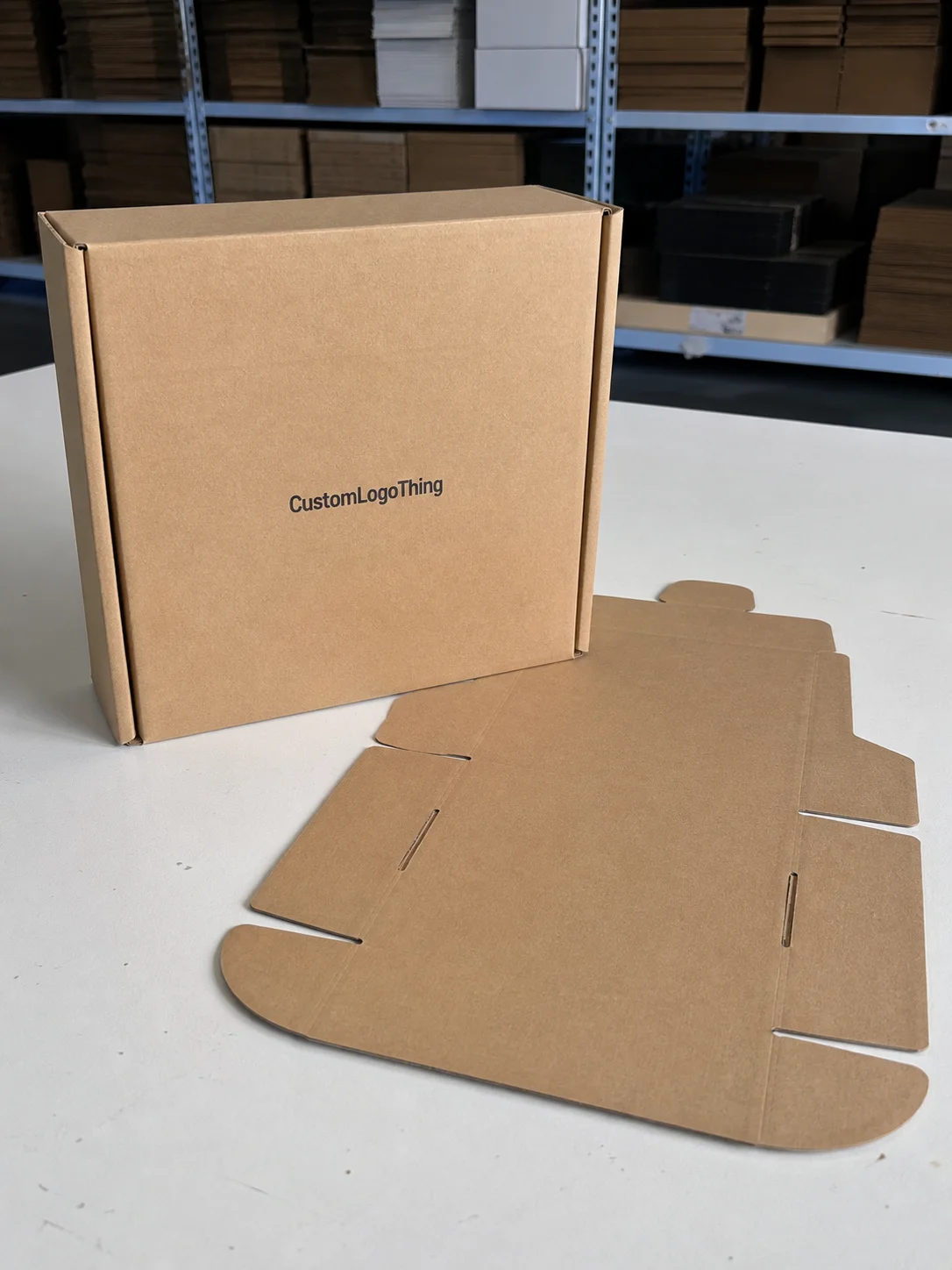
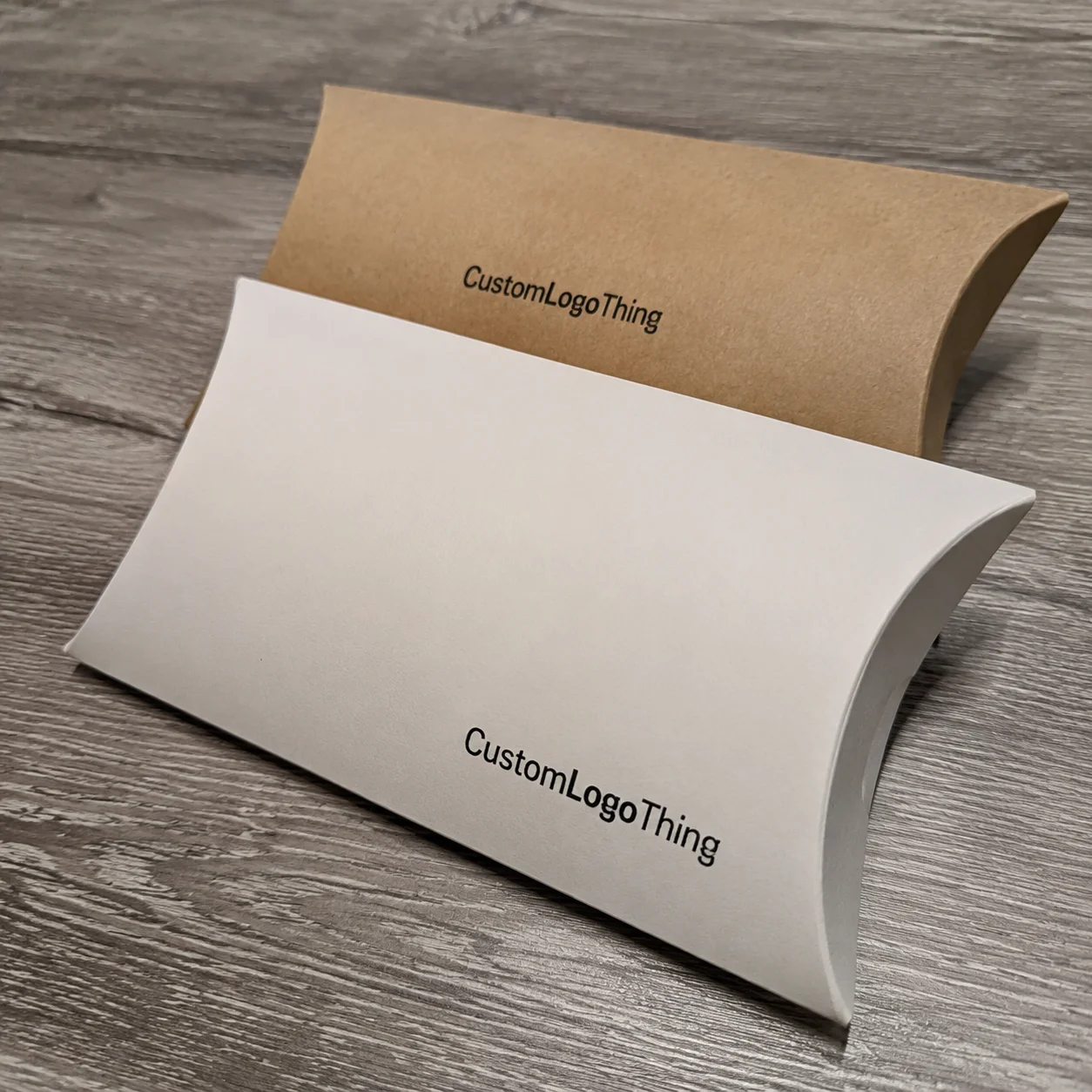
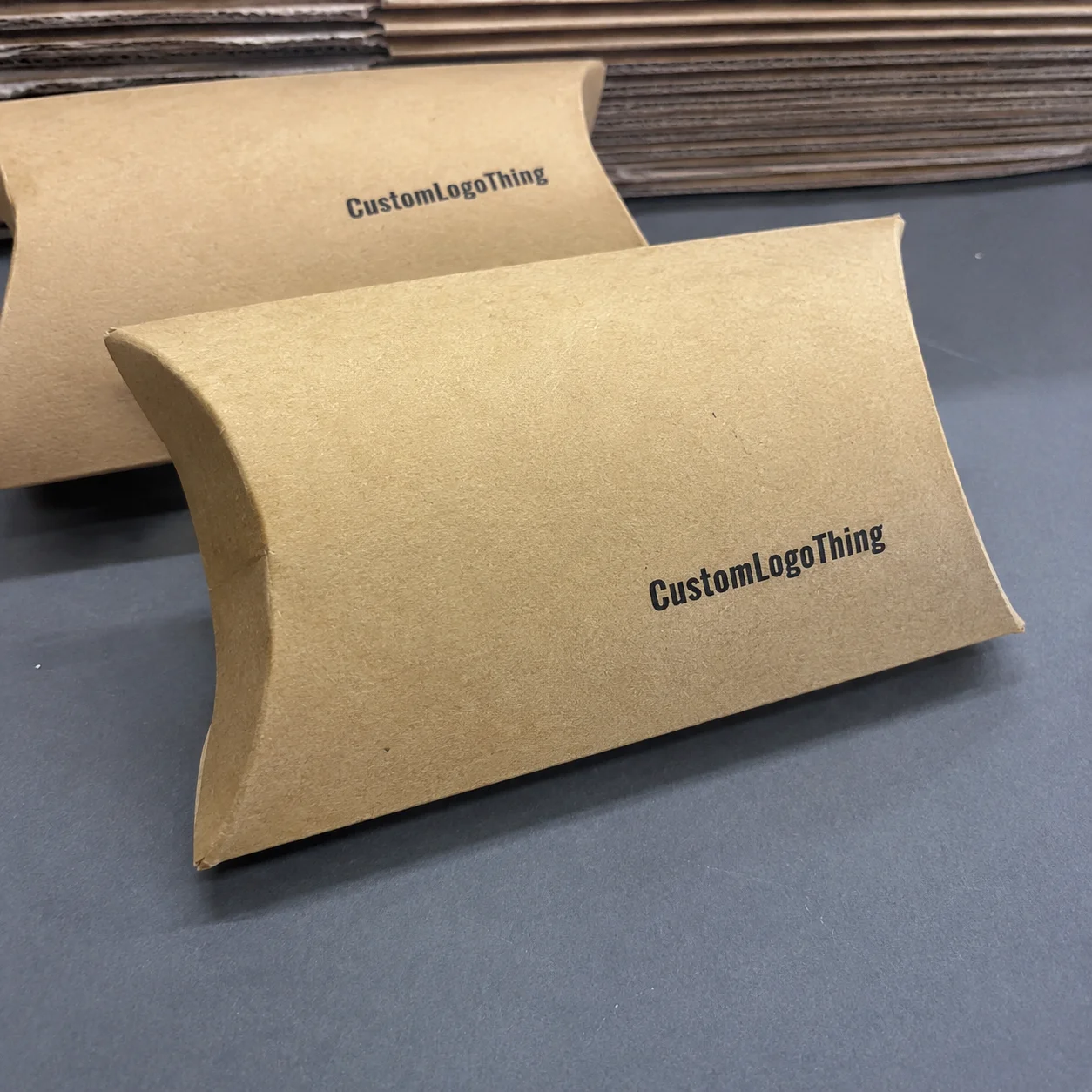
Buyer Fit Snapshot
| Best fit | compare corrugated vs rigid boxes choice for brands for packaging buyers comparing material specs, print proof, MOQ, unit cost, freight, and repeat-order risk where brand print, material, artwork control, and repeat-order consistency matter. |
|---|---|
| Quote inputs | Share finished size, material target, print colors, finish, packing count, annual reorder estimate, and delivery region. |
| Proofing check | Approve dieline scale, logo placement, barcode or warning zones, color tolerance, and any recyclable or compostable wording before bulk production. |
| Main risk | Vague material claims, crowded artwork, or missing packing details can create delays even when the unit price looks attractive. |
Fast answer: Compare Corrugated vs Rigid Boxes Choice for Brands: Dieline, Finish, Proof, and Buyer Review should be specified like a repeatable production item. The safest quote includes material, print method, finish, artwork proof, carton packing, and reorder notes in one written spec.
What to confirm before approving the packaging proof
Check the product dimensions against the actual filled item, not only the sales mockup. Ask for tolerance on folds, seals, hang holes, label areas, and retail display edges. If the package carries a logo, QR code, warning copy, or legal claim, reserve that space before decorative graphics fill the panel.
How to compare quotes without losing quality
Compare board or film grade, print process, finish, sampling route, tooling charges, carton quantity, and freight assumptions side by side. A lower quote is only useful if the supplier can repeat the same color, closure quality, and packing count on the next order.
Quick Answer: Compare Corrugated vs Rigid Boxes
I’ve watched brands spend 3x more on Rigid Boxes only to ship products that didn’t need them. Happens more than people admit. If you compare corrugated vs rigid boxes with shipping first, corrugated usually wins on protection and cost. If you compare corrugated vs rigid boxes with unboxing first, rigid usually wins on presentation. Clean split. The mess starts when buyers try to force one box to do both jobs badly.
Here’s the blunt rule I give clients after years of factory visits and too many sample rounds: corrugated is the better choice for strength, lower unit cost, and faster production. Rigid is the better choice for premium feel, shelf presence, and that “wow” moment customers post on Instagram. When I compare corrugated vs rigid boxes for a launch, I ask one question first: what does the box need to do before anything else?
That sounds obvious, but people skip it. A subscription kit shipping 12 ounces across the country does not need the same structure as a $180 fragrance set sitting behind glass in a retail store. I’ve seen a client in Shenzhen insist on a magnetic rigid box for a skincare product that shipped in a mailer anyway. The box looked beautiful. The freight bill looked rude.
There’s a hidden tradeoff most buyers miss. Corrugated is usually quicker to source because the production path is simpler, and that matters if you need 5,000 or 20,000 units without drama. Rigid boxes often need tighter tolerances, more hand assembly, and more finish checks. One sloppy wrap line, one misaligned lid, and the whole box looks off by a few millimeters. That tiny mismatch is the kind of thing that makes a premium box feel cheap.
So yes, compare corrugated vs rigid boxes based on what you value most: protection, presentation, or a practical middle ground. I’ll break down the box types, real pricing factors, production timelines, and the decision path I use with brands that care about margin and customer experience. If you’re buying packaging for an e-commerce brand, a retail line, or a gift set, the choice gets much easier once you look at landed cost instead of just the quote on page one.
Top Box Options Compared: Corrugated vs Rigid
Let’s define the players clearly, because packaging jargon gets messy fast. Corrugated boxes include single-wall shipping cartons, double-wall cartons, Custom Printed Mailers, folding shipper-style boxes, and retail-ready corrugated packaging. If you compare corrugated vs rigid boxes in practical terms, corrugated is the workhorse category. It’s built from fluted board, usually E-flute, B-flute, C-flute, or a combination, depending on how much crush resistance you need.
Rigid boxes are a different animal. These are set-up boxes, Magnetic Closure Boxes, shoulder neck boxes, drawer boxes, telescoping two-piece boxes, and presentation packaging assembled from thick chipboard wrapped with printed paper. When I compare corrugated vs rigid boxes side by side in a sample room, rigid always feels heavier in the hand. That weight matters. Consumers read it as value, even when the contents are identical.
Strength and structure are where the difference becomes obvious. Corrugated flexes a little and absorbs impact better in transit, which is why courier networks and warehouse stacks tend to treat it more kindly. Rigid holds its shape beautifully, but it’s not built to take repeated abuse unless you add an outer shipper. A beauty brand I worked with wanted to ship rigid boxes naked in parcel mailers. We tested 18 units with basic drop tests, and the corners scuffed badly after the second fall. The fix was simple: outer corrugated shipper, rigid inside.
Branding surface is another major contrast. Rigid gives you a cleaner canvas for soft-touch lamination, foil stamping, embossing, and spot UV. If you want a luxury look, rigid is usually the stronger choice. Corrugated can still look excellent with the right print method, a clean varnish, and careful design, but it’s more honest about being a shipping box. Some brands like that. It feels modern. Less “perfume counter,” more “smart direct-to-consumer.”
Product fit matters too. If you sell subscription kits, apparel, books, supplements, or anything that gets handled by a courier before the customer sees it, corrugated usually makes more sense. If you sell jewelry, perfume, premium electronics, influencer kits, or gift sets where the packaging is part of the product story, rigid can be worth the extra cost. I’ve negotiated with suppliers on both sides, and the big difference is this: corrugated is often more forgiving, while rigid is less forgiving and more expensive to get wrong.
“The fancy box is not the winner. The box that survives the warehouse, the truck, and the customer’s front step is the winner.”
Detailed Review: Corrugated Boxes in Real Use
If you compare corrugated vs rigid boxes for real shipping performance, corrugated gets my vote almost every time. The pros are straightforward: lower unit cost, better shipping durability, lighter weight, easier customization, and strong performance for fulfillment. I’ve seen corrugated mailers hold up through multi-stop parcel routes that would have destroyed a pretty rigid box with exposed corners. Courier abuse is not elegant, so your packaging shouldn’t be fragile just because your brand story is.
The cons are real too. Corrugated usually has a less premium feel, more visible structural edges, and less of that dense luxury impression you get from chipboard. If a customer is opening a $300 product, some brands worry that corrugated feels too practical. Sometimes they’re right. Sometimes they’re just chasing the look of premium instead of the actual economics of premium.
Where corrugated shines is direct-to-consumer shipping, bulk transport, subscription programs, and branded mailers that need to do a lot with very little. In our Shenzhen facility, I once watched a run of 8,000 custom mailers get adjusted from a glossy flood coat to a matte aqueous finish because the client wanted better scuff resistance without adding cost. That kind of decision is exactly why I like corrugated: small changes can improve performance without blowing up the budget.
Material choices matter. Single-wall corrugated works for many apparel, accessory, and lightweight retail projects. Double-wall is better for heavier product loads, stacked shipment, or items that need a stronger crush rating. Common print options include flexographic printing for simpler runs, litho-laminated top sheets for sharper visuals, and digital print for faster sampling and shorter runs. If a supplier cannot explain flute type, board grade, and print method in plain English, I get suspicious quickly.
Testing matters more than pretty mockups. I always ask for drop tests, crush resistance checks, tape performance checks, and basic transit simulation. A box might look gorgeous under studio lights and still fail when a carrier drops it from 36 inches, which is a common baseline in many packaging test protocols. For reference, ISTA publishes transit testing standards that many brands use as a benchmark, and the ISTA testing standards site is worth bookmarking if your product is fragile or high-value.
Here’s the mistake I see too often: buyers over-specify board strength and pay for protection they don’t need. A 32 ECT box is not automatically “better” than a 44 ECT box if the product is light and the ship method is controlled. On the flip side, some people choose a glossy finish that looks nice in photos but hides branding and shows fingerprints like crazy. Pretty does not always equal practical.
If you want to see more structural options while you plan a launch, review Custom Packaging Products and compare them against your shipping needs. If the product is going through parcel carriers, also check Custom Shipping Boxes because a well-built shipper saves more money than a fancy finish ever will.
Detailed Review: Rigid Boxes and When They’re Worth It
Now for the polished cousin. If you compare corrugated vs rigid boxes purely on perceived value, rigid usually wins. The pros are easy to spot: premium feel, stronger shelf presence, excellent unboxing, and better support for luxury branding. A good rigid box feels like a product in its own right. That’s why high-end cosmetics, watches, candles, and gifting brands keep coming back to it.
The downside? Higher unit price, more labor, more storage space, and slower production. Rigid boxes are built from thick chipboard, then wrapped with printed paper or specialty stock. That wrapping step sounds simple until you watch a line of workers aligning corners, gluing edges, and checking wraps for bubbles. It’s skilled labor. That costs money. When a supplier quotes rigid boxes at a suspiciously low price, I assume one of three things: weak board, sloppy glue work, or a finish that will fall apart after the first warehouse pull.
Common rigid box formats include magnetic lid boxes, drawer boxes, two-piece telescoping boxes, shoulder neck boxes, and specialty presentation Boxes with Custom inserts. I’ve seen premium tech brands use drawer-style rigid boxes with EVA foam inserts and satin pulls, and the result is strong if the product price supports it. But if the product retails at $24, that same structure can feel like renting a tuxedo to deliver a sandwich.
Finishes are where rigid can shine. Soft-touch lamination gives a velvet feel. Foil stamping can add crisp metallic detail. Embossing and debossing add texture. Spot UV can pick out logos and patterns cleanly. Ribbon pulls, molded inserts, and printed interior panels take the experience further. Done well, rigid packaging can make the customer slow down and pay attention. Done poorly, it looks like an expensive box with a crooked lid. Small problem. Big embarrassment.
Factory reality matters here, and this is where I’ve had the most candid supplier conversations. Rigid boxes require tighter die-cut and wrapping tolerances than many buyers realize. A 1.5 mm alignment issue may not matter in corrugated, but in rigid it jumps out immediately. I remember a sample meeting where a client approved a beautiful black rigid box, then rejected the full run because the lid sat slightly off-center on one side. They weren’t wrong. Premium buyers notice details that mass-market buyers ignore.
So, when should you use rigid? Jewelry. Perfume. Luxury candles. premium gift sets. Influencer mailers meant to be filmed. Limited editions. Anything where opening the box is part of the product story. If the box is meant to sit on a dresser, shelf, or retail display before the product is even touched, rigid can earn its keep.
Price Comparison: What You’ll Actually Pay
Now let’s talk money, because packaging people love pretending the quote is the whole story. It isn’t. If you compare corrugated vs rigid boxes on price alone, corrugated is usually cheaper per unit because it uses less labor, simpler construction, and more efficient shipping. A Custom Printed Corrugated mailer might land around $0.45 to $1.20 per unit depending on size, print coverage, board grade, and quantity. A rigid box with basic wrap and no fancy insert may start closer to $1.50 to $3.50 per unit, and it can climb fast once you add foil, embossing, or specialty inserts.
That is not fake pricing. That is real-world packaging economics. I’ve negotiated corrugated runs at roughly $0.18/unit for 5,000 pieces when the design was simple and the print coverage was light. I’ve also seen rigid boxes jump by $0.70 to $1.25 per unit just because of a ribbon pull, a custom insert, and a matte soft-touch wrap. The supplier always makes the same face when they explain it. “Yes, but this finish is premium.” Translation: your budget is now working harder.
Cost drivers are easy to list and hard to ignore. Raw board, printing method, lamination, inserts, hand assembly, freight, and Minimum Order Quantity all affect the final number. Corrugated usually wins because the manufacturing path is shorter and the cartons ship more efficiently. Rigid boxes cost more because chipboard construction, manual wrapping, and the extra cubic space they occupy during freight all add up. A pallet of rigid boxes can take more room than a pallet of corrugated flats, which means storage and inbound freight can quietly eat margin.
There’s also a less obvious cost trap: cheap rigid quotes often hide weak materials or bad glue. I’ve opened sample boxes where the corners split after two openings, which is a hilarious way to ruin a premium launch. Not funny-haha. Funny-terrible. If you want durable, elegant rigid packaging, ask for board thickness, wrap stock, adhesive type, and insert material before you approve anything. Also ask how many manual steps are involved, because labor is usually where the real money goes.
Here’s the break-even question I use with clients: will the box help close more sales or justify a higher product price? If the answer is yes, rigid may pay for itself. A luxury candle brand selling at $68 can often absorb a higher packaging cost if the packaging helps the retail story and improves repeat gifting behavior. A utilitarian supplement brand selling at $19 usually cannot. I’ve seen brands lose margin because they fell in love with a box instead of the economics behind it.
If you want more context on packaging cost structure and material choices, the EPA recycling and materials strategy pages are helpful for thinking through material efficiency and waste. And if your brand uses certified paper, FSC is the standard many buyers ask for when sustainability claims matter.
How to Choose: Process, Timeline, and Ordering Factors
Timeline is where a lot of brands get surprised. If you compare corrugated vs rigid boxes on speed, corrugated usually moves faster from design to production because the process is simpler. Rigid often needs more sample iterations, more hand assembly, and more finish approvals. That means the calendar stretches. If you need packaging for a launch tied to a trade show or a retail ship date, those extra days matter.
My rule is simple: confirm product weight, shipping method, brand position, budget, and storage space before you Choose the Box. That sounds basic, but it prevents bad decisions. A 2-pound glass product shipped monthly through parcel carriers has very different packaging needs than a 200-gram gift set sold in a boutique. If you ignore that difference, you end up paying either for under-protection or for presentation you don’t need.
Prototype testing should be non-negotiable. Ask for physical samples, test drop performance, check closure fit, and compare shelf presentation under real lighting. I’ve sat in client meetings where the mockup looked incredible under white studio lamps and then turned dull and muddy in the store’s warm lighting. That is why I always recommend checking samples in the actual environment where the box will live. If it sits on a retail shelf at 3000K lighting, test it there. Not in a conference room with perfect overheads.
MOQ and lead time pressure also affect the decision. Rigid boxes often come with higher minimums and longer production windows. Corrugated can be friendlier if you’re launching fast or testing demand. I’ve seen founders order 10,000 rigid boxes before proving sales velocity, then scramble to store them in a warehouse corner while cash got tied up in inventory. That’s not strategy. That’s a storage problem with a logo on it.
Logistics matter too. Corrugated ships and stores more efficiently because it’s usually flat-packed, which reduces freight cost and warehouse space. Rigid packaging often takes up more volume because it arrives assembled or semi-assembled, depending on structure. If your inbound freight rate is already painful, adding air to the shipment is not the smartest move.
Supplier communication tells you a lot. If a supplier cannot explain board grades, finish options, and assembly steps clearly, I treat that as a red flag. A decent vendor should be able to break down material thickness, wrap stock, insert options, and testing methods without hiding behind vague marketing language. I’ve sat through too many quote calls where the answer to every question was “premium material.” That is not an answer. That is a dodge.
Our Recommendation: Which Box Wins for Most Brands
Here’s my honest take after years of factory visits, quoting rounds, and supplier negotiations: if you compare corrugated vs rigid boxes for most brands, corrugated wins more often than people expect. It protects margin, handles shipping better, and scales more cleanly. If your packaging needs to survive transit and keep landed cost under control, start with corrugated.
Rigid wins when the box is part of the premium experience and the customer opens it before anything else matters. If the box is the first emotional touchpoint, rigid can justify itself. I’ve had clients tell me the packaging was the reason their gift sets sold through at retail, and I believe them. That said, the box still has to support the economics. Fancy does not pay freight bills.
For some brands, a hybrid approach is the smartest move. Use a corrugated outer shipper for transit, then place a rigid inner presentation box inside for the unboxing moment. That works well for high-value products where protection and presentation both matter. It’s more expensive than plain corrugated, obviously, but less risky than asking a rigid box to do all the shipping work by itself.
“The right box is not the fanciest one. It’s the one that protects margin and supports the customer experience without making your ops team miserable.”
If you are still undecided, here’s the checklist I’d use before placing a full order: request samples, compare landed costs, test transit damage, review the branding mockups in real light, and confirm lead times. Then compare corrugated vs rigid boxes one more time with actual product data, not opinions from the room’s loudest person.
My final recommendation is simple. Start with corrugated for launch validation if you need speed, control, and practical shipping performance. Upgrade to rigid when the product, pricing, and customer story prove that the added cost makes sense. That’s how I’ve seen brands stay healthy instead of getting seduced by packaging that photographs well but drains the budget. If you compare corrugated vs rigid boxes honestly, the best choice usually reveals itself pretty fast. That’s the part most teams miss, and it’s kinda the whole point.
FAQs
How do I compare corrugated vs rigid boxes for shipping damage?
Answer: Corrugated usually performs better in transit because it absorbs impact and crush forces more effectively. Rigid boxes are better for presentation, but they often need an outer shipper if the product will travel far. For fragile items, I always recommend testing both with a drop test before ordering in volume.
Is corrugated packaging always cheaper than rigid boxes?
Answer: Usually yes, because corrugated uses less labor and simpler construction. But pricing changes with print coverage, inserts, coatings, and board strength. A well-built rigid box can sometimes make sense if it increases perceived value and supports a higher retail price.
Which is better for luxury branding, corrugated or rigid boxes?
Answer: Rigid boxes usually win for luxury branding because they feel heavier, cleaner, and more premium. Corrugated can still look upscale with good print and finishing, but it does not deliver the same tactile experience. If the unboxing moment matters most, rigid is usually the stronger choice.
How long does it take to produce corrugated vs rigid boxes?
Answer: Corrugated boxes are often faster to produce because they involve less hand assembly. Rigid boxes usually take longer due to wrapping, gluing, and finishing steps. Sampling also matters, so always allow extra time for proofing, especially on custom finishes.
What should I ask a supplier before choosing between corrugated and rigid boxes?
Answer: Ask for landed cost, MOQ, lead time, and sample options for both box types. Request material specs, finish options, and shipping carton recommendations. Ask how they test fit, strength, and consistency before you commit to a full order.