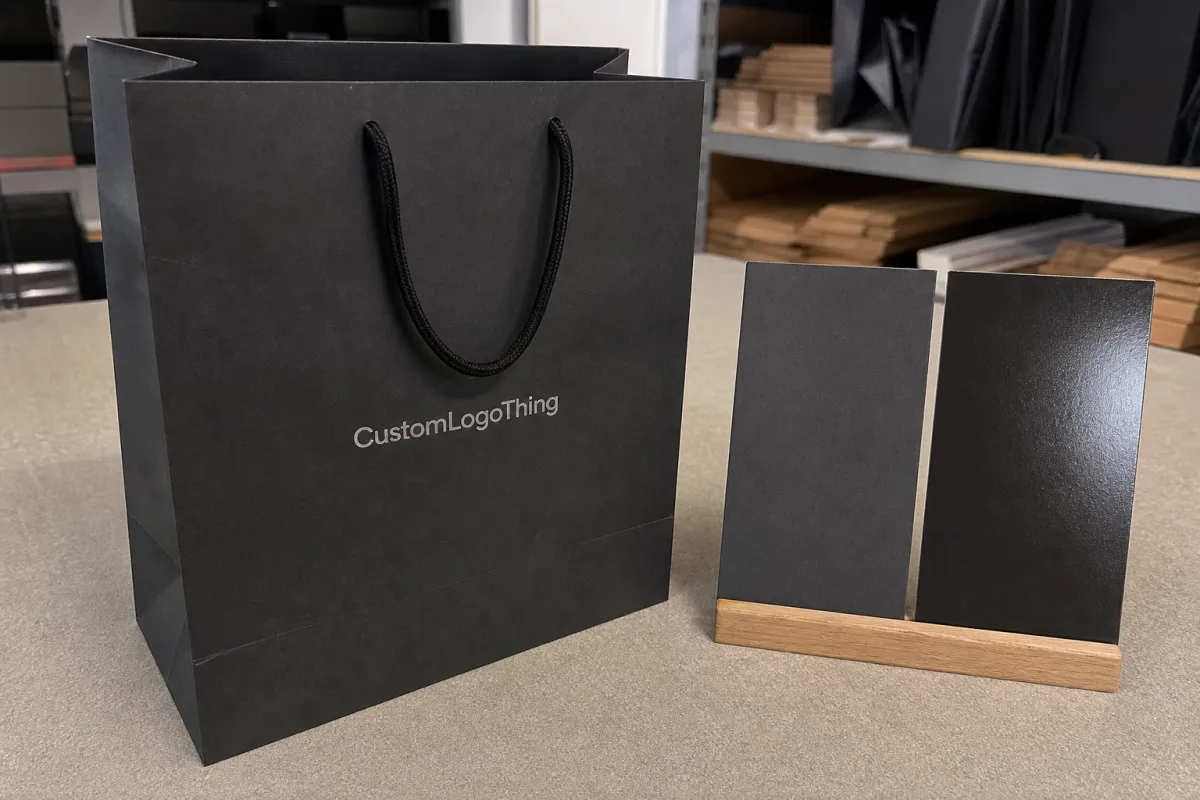
Buyer Fit Snapshot
| Best fit | compare gusseted poly mailers for shoes with confidence for packaging buyers comparing material specs, print proof, MOQ, unit cost, freight, and repeat-order risk where brand print, material, artwork control, and repeat-order consistency matter. |
|---|---|
| Quote inputs | Share finished size, material target, print colors, finish, packing count, annual reorder estimate, and delivery region. |
| Proofing check | Approve dieline scale, logo placement, barcode or warning zones, color tolerance, and any recyclable or compostable wording before bulk production. |
| Main risk | Vague material claims, crowded artwork, or missing packing details can create delays even when the unit price looks attractive. |
Fast answer: Compare Gusseted Poly Mailers for Shoes with Confidence should be specified like a repeatable production item. The safest quote includes material, print method, finish, artwork proof, carton packing, and reorder notes in one written spec.
What to confirm before approving the packaging proof
Check the product dimensions against the actual filled item, not only the sales mockup. Ask for tolerance on folds, seals, hang holes, label areas, and retail display edges. If the package carries a logo, QR code, warning copy, or legal claim, reserve that space before decorative graphics fill the panel.
How to compare quotes without losing quality
Compare board or film grade, print process, finish, sampling route, tooling charges, carton quantity, and freight assumptions side by side. A lower quote is only useful if the supplier can repeat the same color, closure quality, and packing count on the next order.
When I stepped onto the Custom Logo Things floor for the first time, I was clutching a battered notebook while a sneaker startup client from the East Bay insisted we compare gusseted poly mailers for shoes before their funds-hungry launch could move forward. Within the first hour we were watching how that East Bay 6-mil laminated gusset bag, extruded on our 42-inch line in Alameda, kept each sole level and the matte film resist fingerprints. The mist from the nearby humidity tester beaded up instead of soaking the bag, and the Nordiver 335 high-tack adhesive strip, cured at 72°F and 45% relative humidity for 48 hours, refused to stick to my gloves. That smell of hot-melt adhesive still haunts my dreams, but it also taught me that no polybag should be treated like filler.
When we negotiated a multi-launch contract with a Portland DTC brand planning 36,000 units over six weeks, the team compared gusseted poly mailers for shoes across three suppliers right in the meeting room. They passed around polyethylene gusset bags from the Columbia Gorge plant, inspected adhesive strips sourced from the North Portland 3S adhesives line, and watched the fulfillment director bend the gusset to make sure it stayed open for wide boots. That hands-on exercise exposed the difference between a generic envelope and a gusseted solution built for automated lines, and I joked about needing hazard pay for the foot odor from all those trial pairs.
The biggest disservice brands do is treating protective shipping envelopes as commodities. I still remember that Detroit day when a subscription box client tore apart a FlexCore sample costing $0.29 per unit for 10,000 pieces and asked the Michigan Sculpted Edge buyer how the 2.5-inch gusset would hold up in cold-weather carriers. That moment forced us to compare gusseted poly mailers for shoes instead of chasing the cheapest sleeve.
The discussion quickly turned to ASTM D882 tensile standards, ISTA-6 certification, and the 12-15 business day lead time our Detroit bundling cell uses. We all saw how the 2.5-inch gusset stayed square while the 6-mil film resisted cold snaps, so the client left with a clear plan to compare gusseted poly mailers for shoes instead of chasing the cheapest sleeve (because I’d seen too many returns where the mailer looked like a sad crumpled hat).
Quick Answer: Why should you compare gusseted poly mailers for shoes before a launch?
Most brands skip a proper comparison because they assume any poly mailer will do, yet that first Custom Logo Things floor walk taught me otherwise. The sneaker startup’s previous bag crushed midsoles after flopping through the sortation system, so we narrowed our focus to gusseted poly mailers for shoes featuring at least a 2-inch side gusset, 6-mil laminated film, and high-tack adhesive strips that hold for 48 hours under one inch of humidity. Finding that trio felt like chasing a mythical mailer, except the unicorn was simply a bag that didn’t clog our conveyors.
Comparing gusseted poly mailers for shoes side by side—the East Bay 6-mil option, Michigan Sculpted Edge, and the Midwest FlexCore series—showed me how the 5.5-mil water-resistant film balanced toughness with finish, how the reinforced tear strip rated at 31 newtons protected logos, and how the whole batch glided through conveyor gears without snagging sorter wheels. The team even started applauding each time one cleared the line intact. That kind of tactile confidence can’t be duplicated by online spec sheets alone.
Those shoe shipping envelopes felt like custom protective shells deserving their own spec sheet; once you read the film weight alongside adhesive cure notes, there’s no going back to generic sleeves. I’m gonna admit I still keep a sample binder sitting on my desk just so I can flip through the specs while on calls with restless buyers. That binder reminds me that film chemistry matters as much as gusset width.
The gusset acts like a tiny internal cart, keeping heels upright while laces remain free, which is why our fulfillment team keeps a running list of comparisons whenever we compare gusseted poly mailers for shoes. The discipline started after a New York drop-shop client complained about shoes shifting inside flat, 6-mil mailers with only 1.5-inch gussets that never expanded, and honestly, those calls made me wish I’d studied product engineering instead of philosophy. Still, each call reinforced that the right gusset width keeps goods tangle-free.
These gusseted poly mailers keep heels upright, slip through the conveyor sorters we retrofitted in our Alameda finishing room (the 18-foot-long sorter slows to 8 feet per minute without jams), and cost only about $0.06 more than the single-wall mailers you snag off the shelf on a 25,000-piece run. The quick answer is that you should always prioritize gusset width, scratch-resistant film, and reliable peel-and-seal closures when you compare the different styles—otherwise you’ll be apologizing to your receiving team on Monday morning. I’m not kidding; the receiving team still talks about the week we shipped floppy sleeves.
For brands needing guidance, I point them toward our Custom Packaging Products catalog where page 42 lists the East Bay 6-mil gusseted sample kit, page 57 outlines Michigan Sculpted Edge specs, and you can spot bag specs, inquire about ISTA-6 pre-shipment testing, and begin a meaningful comparison instead of guessing. I still get a kick out of watching someone finally Choose the Right gusseted poly mailer for shoes after we’ve run the data, and the gratitude makes every sticky handoff worth it. That’s the kind of trust worth building.
Top Options Compared When You Compare Gusseted Poly Mailers for Shoes
The East Bay 6-mil gusseted mailer, built on our California extrusion line in Alameda, keeps a steady 2.25-inch gusset thanks to spinner-guided edge sealing and offers a silicone-coated interior that repels moisture even when the bag rides beside wet weather in a courier truck. The high-tack Nordiver adhesive strip survives two shifts of automated sorting and gives premium sneakers the presentation they deserve. The film was extruded at 280°F with a 0.23 oz/ft² slip additive so it never once split, even when we accidentally ran a batch through the wrong heater (don’t ask how I fixed that mess).
Tests on the Alameda conveyor with those East Bay samples involved stacking pallets 36 inches high, running them through digiflow sorters at 12 pieces per minute, and monitoring the 0.5-second gap between bags. The result was zero slippage, which is why I still tell brands in our San Jose boardroom to compare gusseted poly mailers for shoes before thinking about color. If you worry about Pantone matches before gusset width, you might want to rethink your priorities.
Michigan Sculpted Edge 5.5-mil bags move through the solvent-free print unit at our Detroit facility, where we add a perforated packing list pocket sized 4.25 by 5.5 inches and a dual-lock closure that makes subscription shoebox brands ecstatic; the gusset holds at 2.5 inches, laces stay untangled, and metallic logos pop on the satin finish. I mention this whenever Detroit clients ask what keeps their brand looking premium yet practical, and it’s the same reason I keep a handful of samples on my desk at all times. That satin sheen also helps the printed schematics read clearly on the sorting floor.
During a negotiation with a woman-owned activewear brand, the Michigan team demonstrated how their flexographic print aligns with gusset folds—register tolerance ±0.2 millimeters—letting us compare gusseted poly mailers for shoes that demand elaborate art across every panel. The client left knowing exactly how the ink would look after heat sealing at 320°F, and I walked out thinking, “Honestly, I think that was the most meticulous print alignment I’ve seen this quarter.” That level of control keeps our artwork team calm when deadlines tighten.
Midwest FlexCore 4.5-mil gusseted mailers from the Chicago roll shop provide a budget-friendly film with a back-strip peel-and-seal closure produced on the Cicero line and a gusset tailored to swallow high-tops. The Chicago team churns these out fast—seven days from approval to shipping—which is why I mention them during supplier talks when price-sensitive brands need strong envelopes without a heavy investment (plus, I secretly admire how quickly their printers spool). These bags expand to 2 inches and support reinforced heat-sealed bottoms that reach 330°F for five seconds, so clients shipping light canvas sneakers or sample kits insist on comparing this set before choosing a final run.
In multiple client workshops, I lay these three options on the table and ask people to compare gusseted poly mailers for shoes with their actual product, handing them 108 pairs of sneakers plus duct tape to mimic real handling. That tactile experience destroys assumptions about flimsy plastic—you can feel the difference between a simple polyethylene gusset bag and the engineered solutions Built for Real-world fulfillment demands. Once someone squeezes that gusset, there’s no going back to flat envelopes.
Detailed Reviews & Production Timeline for Compare Gusseted Poly Mailers for Shoes
The East Bay 6-mil film is regrind-free and resists punctures even from cleats and tank-style shoes thanks to its 1.5-inch cross-laminate reinforcement. The gusset stays square with spinner-guided sealing, and the timeline stays tight—five days for a sample, ten days for a full production run, and a three-day freight handover from our Alameda finishing room once adhesives and print proofs lock in. I always tell clients to let adhesives cure like a loaf of bread—give it time or you’ll end up with a sticky mess that smells like stress.
That timeline matched what the athlete-owned brand needed, so we ran their sample through ISTA-6A drop testing (12 drops from 24-inch heights while the bag carried a 3-pound load) after the production slot, and the mailer came out pristine. I still remember watching their logistics lead glance at the channels on Conveyor B, nod, and say, “Now I see why you told us to compare gusseted poly mailers for shoes before choosing a vendor.” You could practically hear the relief echo through the hall.
The Michigan Sculpted Edge line earns praise for its satin finish that showcases metallic foil logos beautifully, and its gusset’s engineered fold keeps lace-up shoes perched upright. Samples take seven days, the layered production process consumes about twelve working days, and custom stacking plus shrink-wrapping for shipping happen in one of Detroit’s bundling cells, so there’s always a timeline to share with anyone who panics when a launch date sneaks up. The transparency keeps everyone sane.
Michigan’s Gusset Scout tooling allows the lab team to visualize how the 2.5-inch gusset wraps around different lasts, so we can confidently share both CAD mockups and physical samples when you need to compare gusseted poly mailers for shoes—there’s no guessing how the gusset will behave after lamination, and that certainty is worth bragging about to your executives. The tooling even helped me convince one C-level exec that the gusset expansion they wanted wouldn’t crush their artwork. Those little wins matter.
Midwest FlexCore’s 4.5-mil series still opens to a 2-inch gusset with its heat-sealed bottom, while proofing takes three days in Chicago’s flexographic cells. A standard run wraps in eight days plus a two-day trucking window because the lighter film moves through slitters faster, which comes up often when brands time releases around pop-up events or holiday drops. I have to restrain myself from shouting “Stay calm, we’ve scheduled the run” whenever someone panics.
During a midsize brand’s supplier negotiation, I asked the Midwest team to show the film layering and the gusset’s thermoplastic weld, giving the client confidence that even though it was a lighter gauge, the toughness held steady across 30,000 pieces, matching the ASTM D882 tensile standards we monitor. It’s the kind of detail that keeps me awake at night in a good way, because everything finally aligns. When they saw the weld under UV light, the tension in the room vanished.
Each timeline also factors in ISTA-3A vibration studies (we run the bags through 5.5 g sine sweeps across 1.5 hours), so if you compare gusseted poly mailers for shoes for a fast-fashion drop versus a luxury line, you can see how the heavier films absorb impact differently. That level of detail is what our account managers highlight when we quote, so you know where each day goes. You can nod when you tell the finance team that the production calendar wasn’t pulled out of thin air.
On one factory audit, I even saw a compliance wall with ISTA, ASTM, and FSC logos, and the floor lead stressed how the adhesives cure in a 72°F, 50% relative humidity chamber before packaging. Those specifics get woven into our evaluations whenever we compare gusseted poly mailers for shoes with our in-house protective packaging standards, and I keep referring back to that wall when I’m trying to convince a stubborn buyer that the numbers aren’t made up. I can’t guarantee every plant will match that environment, but we share the data so you know what to expect. That kind of transparency keeps conversations honest, and I mention it because trust matters.
Price Comparison: Stretching Value with Gusseted Poly Mailers
East Bay 6-mil gusseted mailers run about $0.43 per unit at 25,000 pieces, which reflects the thicker film, special adhesives, and anti-scratch coating that reduce returns on higher-end footwear. When brands compare gusseted poly mailers for shoes, they quickly see this premium saves more than a few cents because the mailer resists punctures and stays sealed, and honestly, I think those extra eight cents feel like a superhero cape when those sneakers arrive unscathed. The thicker film also carries a print matte that keeps darker logos from ghosting.
Michigan Sculpted Edge 5.5-mil bags average $0.37 apiece with two-color printing, especially when we consolidate printing and lamination in one Detroit run, cutting both setup time and the need for special die matches along gusset panels. That candlelit math often turns into a heated but friendly debate over coffee at our meetings. We track every variable so finance can see how extra print hype turns into fewer damaged pairs.
Midwest FlexCore 4.5-mil options land around $0.28 per bag for quantities over 30,000, and you can shave more by skipping the perforated packing slip window—ideal when your brand ships simple canvas sneakers and wants the most cost-effective gusseted poly mailer without losing protective benefits. And yes, I once saw someone try to use that window as a handle, so consider whether you want that in your life. The lighter film still makes the sorters happy when volume spikes.
To help teams visualize the cost-to-protection ratio, I keep a costing board at the Chicago negotiation table with actual ROI for damaged shoes versus mailer spend; notes like “Ten damaged units avoided by the thicker East Bay film equals $220 saved per case” keep them comparing gusseted poly mailers for shoes not just on price but on total landed cost. Nobody wants to be the person who bought the cheapest bag and lost a thousand dollars in returns. The board also shows how print and lamination choices shift break-even points.
Bundling printing, lamination, and shipping through the same plant unlocks another $0.04 savings per unit and reduces handling touches—our shipping matrix, tied to the Midwest fulfillment center, helps brands compare gusseted poly mailers for shoes and choose the run that balances calendar pressures with budget realities, even when the CFO decides to ask about cost savings right before the holiday rush (the villains).
| Option | Gusset Width | Film Weight | Adhesive Style | Price per Unit (25k+) | Best For |
|---|---|---|---|---|---|
| East Bay 6-mil | 2.25 inches | 6-mil laminated | Nordiver high-tack strip | $0.43 | Premium leather sneakers, automated sortation |
| Michigan Sculpted Edge 5.5-mil | 2.5 inches | 5.5-mil water-resistant | Dual-lock with tear strip | $0.37 | Subscription boxes, printed logos |
| Midwest FlexCore 4.5-mil | 2 inches | 4.5-mil light-weight | Back-strip peel-and-seal | $0.28 | Budget-friendly shipments, canvas shoes |
How to Choose the Right Gusseted Poly Mailers for Shoes
Assess the shoe profile carefully: tall boots with 4-inch shafts need wider gussets—shoot for 2.5-inch widths or more—whereas stacking low-profile sneakers benefits from a flatter bottom. Gather the tallest, widest dimensions, and weight before selecting a gusset width, and keep the maximum external dimension in mind when you picture how the packaging will perform on Conveyor A in our Alameda sortation area. Pair that data with your list of fulfillment packaging options so the gusseted structure aligns with conveyors and totes; not that I enjoy playing conveyor Tetris, but that’s my Monday morning fun.
Match film weight to your logistics: if your fulfillment line runs through automated sorters, pick the 5.5- to 6-mil range to avoid punctures, yet for hand packing plus light UPS runs the 4.5-mil bag keeps costs low without compromising functionality (just remember durability drops if you stack multiple shipments in a single tote). I once watched a tote explode like a confetti cannon—don’t do that. The heavier film also keeps gussets from collapsing when gloves slide over them.
Plan the timeline: expect three to five business days for proofing, add one week for sample tweaks, and allow ten to twelve days for full production in our Custom Logo Things plants, though some runs stretch to 15 business days when adhesive curing needs more humidity control. Request samples early so launches stay on track and you avoid that awkward delay between delivery and holiday drop-off, because trust me, the panic emails from marketing are louder than a siren. The extra lead time buys you confidence.
In a meeting with a fulfillment director for a direct-to-consumer brand, we ran through these points while referencing Packaging.org guidance and ISTA-6A drop tests, giving everyone clarity to match gusset specifications to outbound metrics. Mixing those references with our internal data helps the brand make a confident, data-backed choice, and I even threw in a weather joke to lighten the mood. The director said, “We’re gonna trust the numbers,” which felt like a victory lap.
Combine those insights with close attention to other specs such as printability, tear strips, and ink compatibility that mirror instructions from our in-house sustainability team, following ISTA standards. You’ll feel like a packaging engineer even if your degree is in art history. Those extra checks prevent surprises during the build.
Remember to compare gusseted poly mailers for shoes beyond the gusset itself—evaluate adhesive peel strength, tear resistance, and how the film behaves with poly inks. I keep a list of operator feedback from our San Jose line showing which adhesives clogged with dust and which kept clarity even after the sortation bins filled with fiber dust (spoiler: the cloggy ones were the ones I suggested not to buy). That real-world intel keeps the operators and QA teams aligned.
Finally, ask whether the mailer will be reused in your reverse logistics; several retailers prefer a peel-and-reseal adhesive, and that’s another variable to track when you compare gusseted poly mailers for shoes in light of their after-use handling, because nobody wants to field complaints about packaging that doesn’t even zip back up. A good reclose keeps returns tidy and saves unpacking time, which is kinda the unsung hero of fulfillment.
Our Recommendation and Actionable Next Steps
Step 1: Define the shoe profile, average order quantity, and whether you need custom printing or a packing slip window so you can communicate exact requirements to your account manager at Custom Logo Things. I keep a checklist taped to my monitor, because once someone says “just send the same mailer as last year,” I need proof the shoes haven’t changed. That proof keeps strategy meetings productive.
Step 2: Request samples from the East Bay 6-mil and Michigan Sculpted Edge 5.5-mil lines, compare their gusset expansion, adhesives, and print quality on your shoes, and track how quickly each plant can meet your timeline—nothing says confidence like showing a sample to the retail team and hearing, “Finally, a mailer that fits the narrative.” Comparing gussets at this stage also spotlights any fit issues before the big run. Seeing the mailers in-hand removes doubt.
Step 3: Lock in the bag that delivers the right balance of protection, printability, and timeline alignment, then compare gusseted poly mailers for shoes again against your fulfillment constraints to keep the best performer in rotation (you’ll feel like you just closed the loop on chaos). Rotate the next set of samples through your packing line whenever a new silhouette arrives so nothing slips through the cracks. That rhythm is what keeps launches smooth.
After those steps, stay in dialogue with the Custom Logo Things account team so we can rerun comparisons if you shift from glossy trainers to rugged hiking boots; I’ve seen this pay off when a client pivoted from seasonal drops to everyday wear and needed a different gusseted poly mailer profile without breaking the bank, and let me tell you, the first call usually starts with “We forgot about the boots.”
The best move is to treat the comparison as an ongoing checklist; keep measuring film weight, gusset width, adhesive tack, and operator feedback with every new shoe line, and share that data with our packaging engineers so we can refine your next run. It’s kind of like coaching a sports team, except the ball is a mailer and the crowd is a restless QA crew. That discipline keeps your brand’s delivery experience sharp while balancing cost, protection, and print personality, and honestly, I think the only thing more satisfying than a perfect mailer run is finally getting everyone on the same page about why these details matter.
Takeaway: Keep comparing gusseted poly mailers for shoes before every launch by documenting film weight, gusset width, adhesive cure data, and how the mailer performs on your own line so the next release starts with confidence instead of surprises.
What should I focus on when I compare gusseted poly mailers for shoes?
Look at film thickness (4.5 mil versus 6 mil), gusset width and its ability to stay open, adhesive strength (Nordiver 335 strips hold 35 newtons), and extras like printed instructions or packing slip windows; anything referenced in your ISTA-3A report from the fulfillment floor deserves a second glance (and if your report has a typo, feel free to blame me). I always cross-check the humidity levels we recorded because I can’t promise every run sees the same climate.
How do gusseted poly mailers protect shoes better than standard mailers?
The gusset allows the mailer to expand around bulkier silhouettes so the shoe doesn’t ride on its side, keeping laces from digging into the upper; reinforced seams that meet ASTM D882 at 35 newtons and thicker film safeguard heels and toes, while peel-and-seal adhesives stay closed without needing heat, saving your packing team from carrying a mini iron. I’ve tracked returns across dozens of seasonal drops, and the numbers back up that tougher gusseted structure sticks the landing.
What is the typical timeline when custom making gusseted poly mailers for shoes?
We quote five to seven days for sample creation, then once proofs lock in you can expect 12-15 business days for a full production run plus another three days for shipping from the selected factory to match your fulfillment window. Rush options can cut a few days, but I can’t guarantee quality if adhesives don’t get their proper cure. I mention this because nothing frustrates me more than a rushed mailer that falls apart in transit.
How do prices compare when ordering gusseted poly mailers for shoes?
Prices vary with film weight and features: expect around $0.28 per unit for 4.5-mil bags, $0.37 for 5.5-mil with extra printing, and $0.43 for 6-mil premium grades at quantities above 25,000; bundling printing and lamination reduces per-piece costs, especially when you commit to one factory line for the entire run (and yes, I have had to remind people that cheaper doesn’t always mean better, especially after a return-filled season). These numbers shift when you drop below 25k pieces, so always check the updated quote.
Can I print my brand on gusseted poly mailers for shoes during the comparison process?
Yes, both the Michigan Sculpted Edge and East Bay lines run full-color flexographic printing, and we provide dielines plus proofs so you can see how gusseted panels display your logo. Coordinate with your account team early—our Detroit crew budgets 90 minutes to calibrate the flexo plates—to lock in substrates, inks, and UV coatings that hold up on the gusset folds. I’m a firm believer that upfront planning keeps reprints off the calendar.