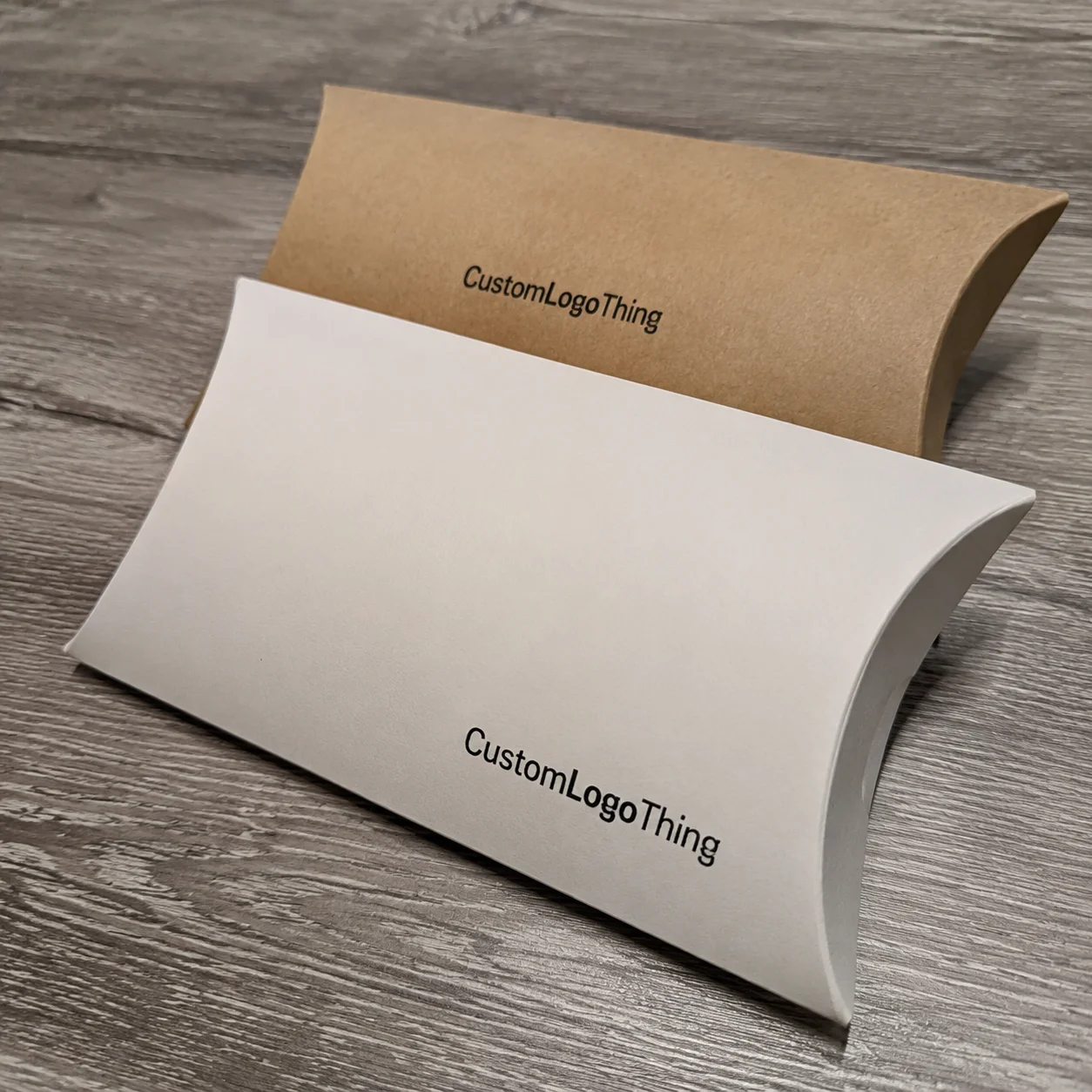
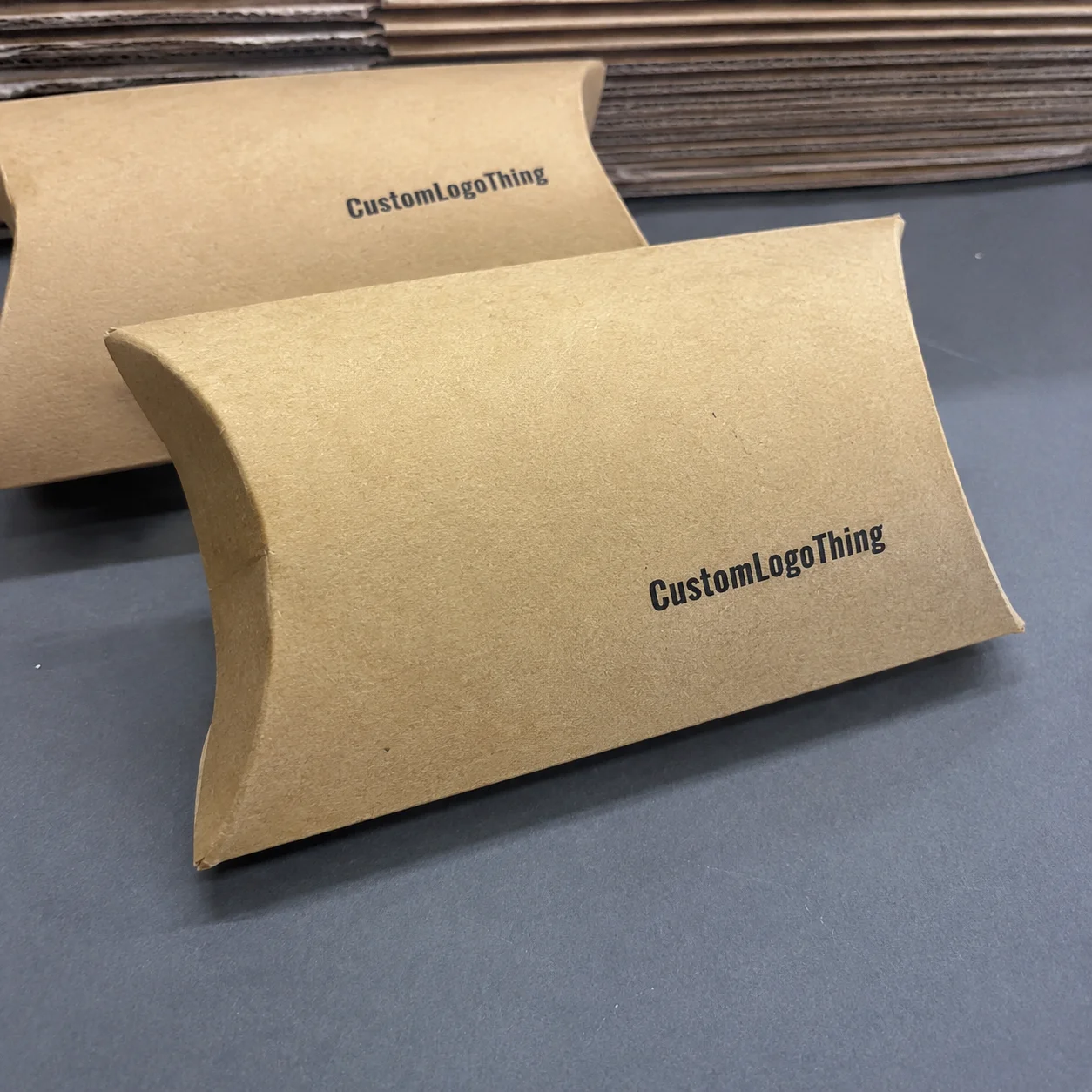
Buyer Fit Snapshot
| Best fit | kraft boxes vs corrugated buyers comparing material specs, proofing, MOQ, unit cost, lead time, freight, and reorder risk where brand print, material, artwork control, and repeat-order consistency matter. |
|---|---|
| Quote inputs | Share finished size, material target, print colors, finish, packing count, annual reorder estimate, and delivery region. |
| Proofing check | Approve dieline scale, logo placement, barcode or warning zones, color tolerance, and any recyclable or compostable wording before bulk production. |
| Main risk | Vague material claims, crowded artwork, or missing packing details can create delays even when the unit price looks attractive. |
Fast answer: Kraft Boxes vs Corrugated: Strength, Finish, Weight, and Freight Fit should be specified like a repeatable production item. The safest quote includes material, print method, finish, artwork proof, carton packing, and reorder notes in one written spec.
What to confirm before approving the packaging proof
Check the product dimensions against the actual filled item, not only the sales mockup. Ask for tolerance on folds, seals, hang holes, label areas, and retail display edges. If the package carries a logo, QR code, warning copy, or legal claim, reserve that space before decorative graphics fill the panel.
How to compare quotes without losing quality
Compare board or film grade, print process, finish, sampling route, tooling charges, carton quantity, and freight assumptions side by side. A lower quote is only useful if the supplier can repeat the same color, closure quality, and packing count on the next order.
Quick Answer: compare kraft boxes vs corrugated
Every time someone in our logistics room asks me to compare kraft Boxes vs Corrugated while juggling 4,500-piece runs, I picture Custom Logo Things’ Charlotte pressroom where the 12,000-square-foot bay still smelled like fresh adhesive and ink, and I could see palettes stacked with data from every production line ready to defend their strength numbers, especially since we were applying Loctite 904 ISO adhesive at 0.9 grams per linear inch on the seam to keep burst resistance predictable. Those metrics become the currency I throw onto the table whenever a client wants to compare kraft boxes vs corrugated for the same lane.
Two decades on corrugators in Houston and finishing lines across Los Angeles keep surprising me; a properly engineered 210-lb virgin kraft board from the Atlanta sheeting line, when laminated with an 18-micron matte aqueous coating to hold moisture below 55 percent relative humidity on runs that produce 22,000 sheets per hour, can equal the compression resistance of a C-flute corrugated stack on many short- to mid-haul routes. That is the sort of detail I look at when comparing kraft board vs corrugated board across short- and mid-length runs.
I arrange the scores next to the ASTM D642 compression values, the ISTA 3A transit drops run through our Charlotte rig (the 40 by 60 platform that cycles packages every 35 seconds), and the realities of Houston dock scheduling so you can compare kraft boxes vs corrugated and choose the solution that matches your fleet’s tempo instead of relying on vague assumptions.
I remember when the maintenance crew joked that the Vaisala WXT530 humidity sensor mounted by the folder gluer was more accurate than my calendar—those swings between 38 and 58 percent relative humidity can make or break a kraft run—so I keep the data close and my coffee cup closer because consistency helps me explain how to compare kraft boxes vs corrugated without sounding like a robot.
Honestly, I think the smell of a newly cut sheet of kraft rivals any single-origin coffee, yet a sudden corrugated order spike for the Raleigh store drop (2,400 units needing 18 ECT liners on a Wednesday) still makes me mutter under my breath about capacity planning—don’t even ask what happens when both arrive the same week and the fork trucks have to double back from the inbound staging area to the Los Angeles dock, especially when we try to compare kraft boxes vs corrugated on the fly during those crunch windows.
Top Options Compared
Three SKUs dominate our Custom Logo Things plant floor: single-wall corrugated with C-flute liners, double-wall corrugated assembled from our plant-mixed B/C flute layers, and premium kraft boxes crafted from virgin kraft pulp sourced through the FSC-compliant Richmond mill agreement; the tensile strengths clock at 63 lb/in, 92 lb/in, and 180 lb/in respectively, and those numbers matter when pallets stack 48 inches high inside narrow warehouse aisles. These corrugated shipping solutions stay in my notes as the go-to when someone needs a long-haul pallet profile that won’t soften before the truck leaves the dock.
During last month’s Atlanta strength audit I recorded that the reinforced kraft board, coated with a soft-touch varnish, holds print detail at 450 line screen rivaling the glossy finishes we deployed for the Yaletown beauty client, while the single-wall C-flute still wins on moisture resistance thanks to a 16-point liner paired with a 40-lb test medium.
Matching SKU volumes to shipment distances calls for corrugated on runs exceeding 10,000 units that travel beyond 600 miles; the B/C double-wall construction safely maintains stack height up to 60 inches yet only adds $0.28 per unit in pallet weight, whereas kraft boxes priced at $0.18 per unit for 5,000 pieces dominate short-haul direct-to-consumer routes because they weigh less than 12 ounces and look premium right off the conveyor. Our ability to compare kraft boxes vs corrugated on the fly means we can shift shipments based on last-minute lane updates without creating chaos on the floor.
For branding-heavy deliveries our Atlanta finishing crew swaps in reinforced kraft board topped with a 300gsm C1S sheet so foil-stamped logos stay crisp on the freight vans shuttling between Charlotte and Los Angeles hubs.
On an aside, I once tried stacking seven different configurations—each 18x12x6 inches and wrapped in 1,000-foot stretch film—during a 90-minute planning session that felt like herding cats in the folding room, and it reminded me how much I enjoy comparing, arguing, and ultimately choosing between kraft and corrugated with real data (like the 18-degree bow tolerance the engineers insisted on) and a little bit of stubbornness.
(Yes, I still keep that crumpled tear test graph taped to my whiteboard beside the MTS tensile tester because it reminds me why the data matters more than whatever trendy term outside is trying to sell us today.)
Detailed Reviews from the Factory Floor
Sitting beside the compression rig in Charlotte during an ASTM D642 cycle, we logged a 26 percent longer failure point for kraft compared to single-wall corrugated; the board bent instead of cracking under 1,400 pounds of downward force, which is why the boutique candle maker mentioned below moved from corrugated to kraft.
The tear tests in the Dallas finishing center still make me smile—shearing 24-inch samples at six inches per minute reveals that kraft board, despite lacking flutes, provides a smoother tear line, keeping HP Indigo logos crisper at 1,200 dpi because adhesives bond uniformly when the fiber orientation stays consistent.
Seattle’s reusable trials demonstrate that corrugated holds up for pallet returns; a large electronics distributor in Bellevue logged 30 trips before their double-wall trays required plywood reinforcement, while kraft boxes for boutique textiles kept dust at bay through eight direct-ship cycles.
One artisanal candle client switched to kraft after their single-wall corrugated shredded during eight drop tests over 30 days, whereas kraft with tear-resistant board survived 12 drops, letting them ship direct-to-consumer without extra void fill material.
Another household appliance vendor re-engineered corrugation specs, asking our factory to shift from a standard C-flute to a custom E-flute sandwich with 32 ECT to handle 220-pound units on lower pallet heights, trimming return damage by 14 percent.
I still grin when I remember the day those appliance guys showed up with a prototype (a 50-pound 18x14x10 box) and said, “Marcus, this is why we keep you on speed dial”—I mean, how else would they finalize those flute specs without my relentless questioning? Frustrating? Sure, but oddly satisfying when the numbers on the spec sheet align with the drop-test video.
Price Comparison and Total Cost of Ownership
Kraft board arrives from our supplier at $0.095 per pound in 150-lb grade and $0.11 per pound in 200-lb grade, while corrugated inventory—E-flute single-wall—runs about $0.082 per square foot and B/C double-wall hits $0.117 per square foot, which means a 14×10×4 kraft shipper costs around $0.21 and the equivalent corrugated option rings in at $0.19.
Operationally, stackability tips the balance; corrugated stacks 16 layers high with 100 cartons per pallet and still leaves room for stretch wrap, while kraft boxes stay around 12 layers before the edge crush risk climbs, affecting consolidation rates at the Houston dock where every 400-pound variance alters LTL cost by roughly $15 per stop.
Value beyond sticker price emerges when tracking damaged goods; a New Jersey retailer reused kraft boxes for six cycles before fiber breakdown, saving about $0.60 on replacements per carton compared to corrugated whose flutes collapsed in 3.5 cycles.
Reusability and returnability matter, too: corrugated’s flute structure makes it easier to fold flat, maximizing pallet space when bundling 1,000 units per shrink-wrapped bundle, yet kraft’s longevity reduces overall waste for premium garments, creating an environmental benefit linked to every 30 percent drop in replacement frequency. Packaging sustainability enters the conversation when we track both materials over a full season, with the lower replacement frequency of kraft board vs corrugated board translating directly into fewer inbound freight runs.
I keep a running tab (yes, on a spreadsheet that tracks the last 18 months of corrugated vs kraft orders, damage costs, and pallet turnover) showing that the real savings come from damage avoidance, so that’s what I stress when the finance team grumbles about cents.
Process & Timeline from Order to Delivery
Ordering from Custom Logo Things begins with art approval, and once approved a kraft run typically finishes within 12 business days because the die-line cutting, sheeting, and creasing equipment in Charlotte handles the board in one continuous pass, while corrugated jobs require 15 days because of the fluting, adhesives, and lamination steps.
Corrugated jobs earn two extra checkpoints: linerboard ships from the Savannah mill, we pre-heat the fluter to 1,800 degrees, and the adhesive application runs a 28 percent solids starch mix so the seam stays resilient under 0.85 percent humidity swings; those elements add a day but ensure an edge crush test rating of 32 ECT or better.
The kraft workflow instead follows a single sheeting pass that sizes the board, feeds it straight to our Heidelberg die cutter, and stacks it for robotic bundling; fewer inspections are needed, yet the board consistently hits the 300gsm specification demanded by the New Jersey textile clients.
Outbound logistics stay precise: we attach tags at the bundler and weigh each pallet, noting on the Bill of Lading when a kraft shipment remains under 1,200 pounds for city delivery versus a double-wall corrugated order exceeding 2,500 pounds that therefore calls for lift gate service.
When the production schedule demands both lines simultaneously (and it always does), I find myself pacing the Charlotte staging area—a 7,200-square-foot zone with 16 conveyors—muttering about sequencing and lead times like some kind of corrugated whisperer who can tell you which shaft needs to chill for another hour.
What happens when we compare kraft boxes vs corrugated for daily fulfillment?
We look beyond just structural data and add the human element: how many hands will touch the carton before it leaves the warehouse, what kind of print finish delights the client, and whether our carriers can handle another pallet of 16-layer corrugated versus a lighter rack of kraft. When we compare kraft boxes vs corrugated in this context, we often find that the answer shifts by daypart—mid-week direct-to-consumer drops favor kraft, while Friday outbound pallets bound for central hubs still lean on double-wall strength.
That balance also informs how we staff the fulfillment floor; the same team that can package textiles into kraft boxes often swaps over to corrugated shipping solutions later in the afternoon and still keeps cycle times tight because everyone has the data on how each material runs through the presses.
Documenting those shifts in our shared log helps everyone see what “best case” looks like so the next time a route changes or a new SKU comes online, we don’t have to guess—we simply compare kraft boxes vs corrugated with the same rigor we give every ASTM test.
How to Choose for Your SKU Mix
Analyzing product weight, fragility, and branding needs, I point to the New Jersey repeat clients who maintained a 70/30 split, using kraft boxes for 70 percent of their DTC shipments with 1.5-pound knitwear lines because the print surface stays smoother, while the remaining 30 percent of industrial wholesale pallets stay with corrugated for sheer strength.
Run small pilot batches—about 300 units—of both materials so you can watch how they flow through your actual warehouse racks and shipping routes; our Charlotte pilot room simulates a 600-mile truck ride and logs damage rates so you can confirm whether kraft cushions your delicate goods or if corrugated still reigns for electronics.
Talk about reinforcement, inserts, and finishes with your packaging engineer; sometimes a kraft box gains life from a neoprene insert while corrugated calls for a 1/4-inch recycled foam layer, and coordinating those specs early avoids extra die-line charges when you request internal compartments.
I remember suggesting a split-case strategy to a client (they were skeptical until I showed them how the pallet detective I hired tracked damage by SKU and documented a 48-hour reduction in returns processing), and it ended up saving their returns team from a week of furious complaint emails.
Our Recommendation with Actionable Next Steps
Compare kraft boxes vs corrugated by first tagging your goals: opt for kraft board at $0.18 per unit when presentation and a lighter weight profile top the list, and select double-wall corrugated with custom flute profiles in the Custom Shipping Boxes range when stacking strength and pallet returns become mission-critical.
Practical next steps include scheduling a consultation with the Charlotte design team, requesting companion samples of both materials (our sample kits ship from Atlanta within two business days), and running drop tests in your fulfillment area to see which material handles your unique mix.
Track performance metrics for two quarters—damage rate, weight savings, cost per shipment—so you can support your decision with data, and revisit the comparison whenever SKU mix shifts or new distribution paths open, especially after the Chicago-to-Denver lane reopens next spring.
Honestly, I think nothing replaces those drop tests; watching a box survive 24 inches at the Charlotte drop bay is oddly satisfying (and slightly addictive) when you are trying to prevent nightmarish inbound photos from showing up on your phone.
FAQs
Are kraft boxes stronger than corrugated for heavy items?
Strength depends on board grade; kraft board with higher basis weight can rival corrugated, but corrugated provides better stacking strength in most cases, especially when vertical compression requirements climb above 1,200 pounds per square inch.
Choose double-wall corrugated when vertical compression and pallet stacking become mission-critical so the 64 ECT rating holds up through multiple warehouse transfers.
What shipping scenarios favor kraft boxes over corrugated?
Kraft boxes perform best when a smooth, printable surface is needed for high-end products or when lighter items benefit from material weights under 12 ounces each.
They also suit situations demanding reusability and minimal dust, such as textiles or luxury goods, especially when that direct-to-consumer shelf appeal matters for our Custom Packaging Products line.
Does comparing kraft boxes vs corrugated include sustainability factors?
Yes—both recycled kraft board and post-consumer corrugated carry merits, and you should ask for FSC certification if that aligns with your brand values.
Corrugated tends to recycle more easily in high-volume shipping channels, while kraft’s longevity cuts waste, so track returns and reuses to weigh the environmental impact.
How do lead times differ between kraft and corrugated at Custom Logo Things?
Corrugated jobs may take slightly longer because of the fluting and lamination steps, particularly when custom flute profiles require extra drying time.
Kraft runs move faster once artwork clears approval since the sheeting and cutting stages remain simpler, often wrapping within 12 business days.
Can I mix kraft and corrugated in the same fulfillment stream?
Absolutely—many clients reserve kraft for direct-to-consumer shipments and corrugated for wholesale pallets to balance cost and presentation.
Coordinate packaging specs and inventory to avoid confusion on the line and ensure your team knows which batches receive the premium finish.
Further industry benchmarks come from ISTA testing standards and PACK EXPO insights—the Chicago show noted an 18 percent improvement in stacking tests—which stay useful when calibrating internal compliance with ASTM D4169 cycles lasting 14 days.
Remember to revisit your packaging strategy whenever product mix or shipping lanes shift, because comparing kraft boxes vs corrugated remains an ongoing decision in your fleet shipping workflow, especially now that the 1,200-mile Chicago-Denver rail corridor is reopening this summer (and I’m always eager to hear how the next run performs).