Request Candle Brand Kraft Paper Bags Supplier Quote
Small Candle Bags Carry More Load Than Buyers Expect
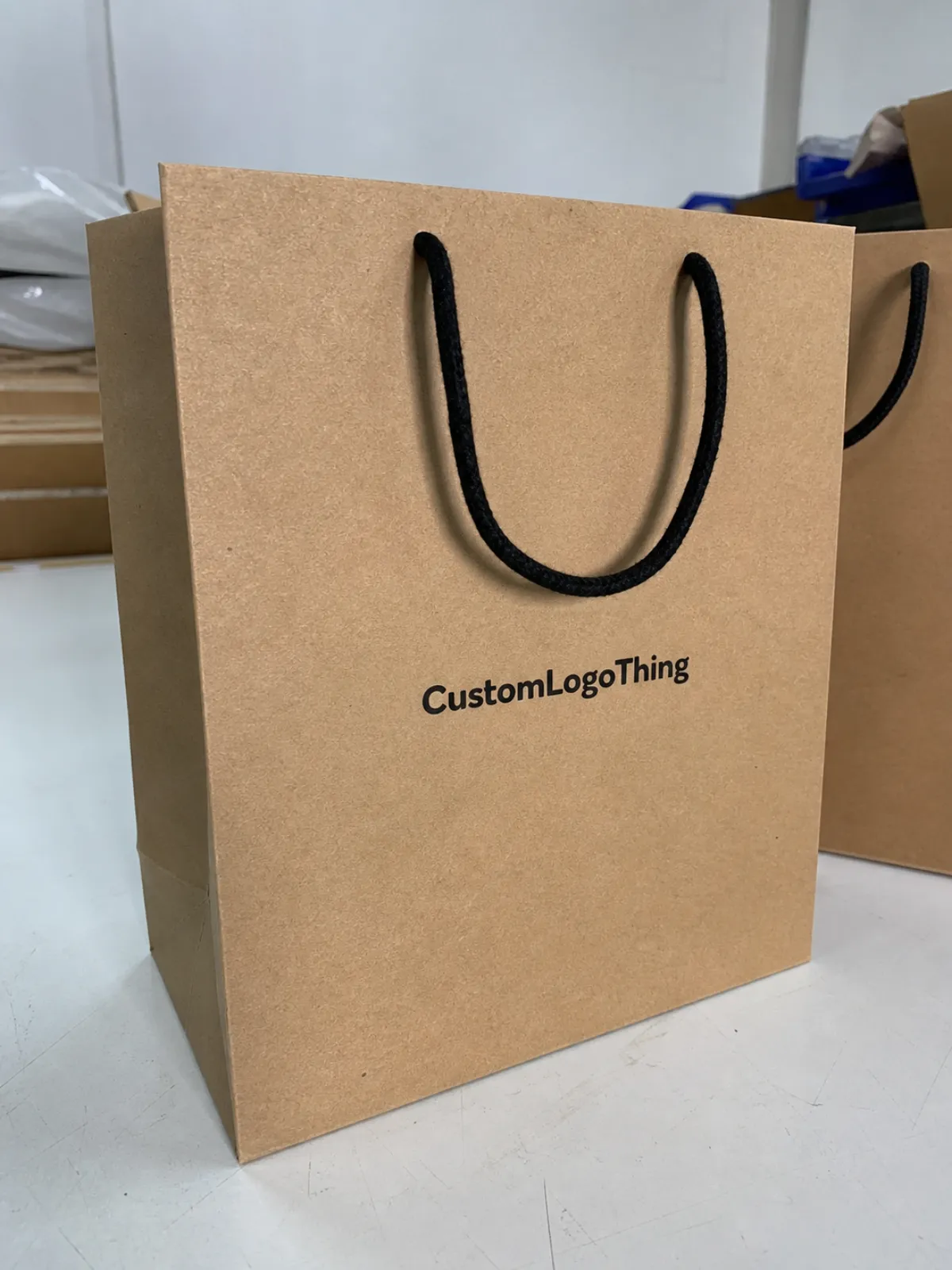
A 7 oz or 10 oz glass candle may look harmless on a shelf, but hand a customer two jars, tissue, a sample card, and a receipt, and that little retail bag suddenly has real work to do. Buyers asking for a candle brand Kraft Paper Bags Supplier Quote are not simply buying a brown paper bag. They are specifying carryout packaging that has to protect glass, hold its shape at the counter, support the brand presentation, and stay comfortable in the customer’s hand after purchase.
Candles create pressure points that are easy to miss during early packaging planning. The weight sits low and concentrated. A glass rim or carton edge can rub against the inner fold. Fragrance oil residue on an outer carton or label can mark paper with a more open surface. If the candle line uses a carefully printed label, embossed box, or soft-touch wrap, the bag needs the same level of control: straight logo placement, tidy handle attachment, stable color, and enough stiffness to stand while staff add tissue.
Custom Logo Things helps buyers turn a general request into production details that can be quoted and manufactured consistently. The useful details include paper grade, bag size, side gusset, bottom width, handle style, ink coverage, finish, carton packing, and shipping method. Miss one of those points, and two suppliers may appear to quote the same kraft paper bag while actually pricing very different strength levels, print results, and landed costs.
Kraft Paper Bags can feel rustic, apothecary, minimalist, botanical, luxury, or seasonal. The difference usually comes from stock color, print technique, handle material, and finishing choices. Brown kraft with a one-color black logo feels handmade and grounded. White kraft with controlled offset printing feels cleaner and more modern. Black kraft with foil can push a candle line toward gift packaging. None of those directions is automatically better; the right one depends on candle weight, brand identity, order quantity, retail use, and how much handling the bag must survive before it reaches the customer.
Practical rule: quote the bag around the candle, not around a catalog size. Jar width, filled weight, and the expected number of units per bag should drive the specification.
Candle Brand Kraft Paper Bags Supplier Quote Details
A professional candle brand kraft paper Bags Supplier Quote should include more than a unit price. Ask for bag dimensions, paper GSM, kraft color, handle type, print colors, logo placement, finishing, MOQ, sample cost, bulk unit cost, tooling or plate charges, packing method, lead time, and freight terms. A quote that only says “custom kraft bag” with a price leaves too much room for substitution.
The common paper choices are natural brown kraft, white kraft, black kraft, and dyed or specialty kraft. Natural brown kraft suits handmade, soy wax, beeswax, botanical, and low-ink designs. White kraft is stronger for clean-label artwork and brighter color reproduction. Black kraft gives excellent contrast, although readable branding may require opaque ink, foil, or screen printing. Specialty kraft can be effective for limited-edition scents, but availability and MOQ should be checked before artwork is locked.
Handle selection changes both cost and performance. Twisted paper handles are the everyday retail choice because they balance strength, price, and recyclability. Flat paper handles suit lighter promotional bags and budget event packaging. Cotton rope handles feel more premium for gift candles, but they need reinforced holes or patching and usually raise the unit cost. Ribbon handles fit holiday collections and boutique gift sets. Die-cut handles can look sharp on compact bags, though the paper around the handhold must be thick enough to resist stretching.
Printing should be matched to the artwork and the substrate. Flexographic printing is efficient for repeat logo runs and simple color layouts. Offset printing supports sharper multi-color designs, especially on white kraft or coated paper. Screen printing gives stronger opaque coverage on dark stocks. Hot foil, embossing, and debossing add a more tactile finish, but the artwork must use clean shapes and realistic detail. Very fine distressed marks may look beautiful on a digital proof and break down on a stamp or textured kraft surface.
Buyers can also request reinforced top folds, bottom cards, matte varnish, spot varnish, foil logos, debossed marks, hang tag strings, tissue pairing, sticker seals, and custom carton labels for warehouse handling. For paper sourcing questions, many brands ask about FSC certified options, recycled materials, or post-consumer waste content. Availability depends on paper color, thickness, finish, and order quantity, so those requirements should be part of the quote rather than added after price approval.
Bag Size, GSM, Handles, and Structural Specs for Candles
Start with the candle. Measure jar width, depth, and height, then allow space for tissue, insert cards, or a second unit if that is common at checkout. A heavy candle forced into a narrow bag puts stress on the gussets and makes the handles work harder than they should. That is how a cheap bag turns into an expensive complaint.
Common formats are simple enough once the product is measured. A small flat-handle kraft bag can work for one travel tin, wax melt box, or votive. A medium gusseted bag is usually better for one standard glass jar. A wider boutique bag holds two candles side by side without stacking. A taller gift bag may be needed for a candle plus diffuser bundle, especially if tissue height is part of the presentation.
Paper weight should be treated as a performance range, not a magic number. Lighter kraft in the 100-120gsm range may suit sample tins, cards, or very small accessories. Mid-weight kraft around 140-180gsm often works for single candle purchases, depending on jar weight and bag size. Heavier kraft, sometimes 200gsm or above, becomes more relevant for glass jars, bundles, and premium gifting, especially with a reinforced bottom board.
| Use Case | Typical Bag Direction | Practical Spec Notes | Estimated Unit Range |
|---|---|---|---|
| One travel tin or votive | Small kraft bag with flat or twisted paper handle | 100-140gsm may be suitable if product weight is low | $0.12-$0.22 at larger quantities |
| One 7 oz to 10 oz glass candle | Medium gusseted kraft bag with twisted paper handle | 140-180gsm with controlled handle glue application | $0.18-$0.35 for common custom runs |
| Two glass candles | Wider boutique bag with square bottom | 180gsm or heavier, plus bottom reinforcement if needed | $0.32-$0.60 depending on print and freight |
| Premium gift set | Heavy kraft or specialty paper with rope or ribbon handle | Reinforced holes, foil, embossing, or upgraded finish | $0.55-$1.20+ depending on materials |
Side gussets help the bag open cleanly at the counter. Square bottoms improve packing and allow the bag to stand while staff place the candle inside. Reinforced bases reduce stress where a jar concentrates its weight, much like an insert spreads pressure inside a shipper box. For candles, the bottom panel often matters more than first-time buyers expect.
Handle attachment deserves close attention. Twisted handles must be glued consistently inside the folded top. Rope handles need reinforced holes or patching. Die-cut handles require enough paper thickness around the cutout so the handhold does not stretch. Basic checks can include a sample load test, rub test for ink, fold cracking review, handle pull test, color comparison under neutral light, and carton drop consideration for export shipments. If a brand ships internationally, guidance from ISTA testing practices can help frame transport risk, even for retail bags packed inside master cartons.
Cost, MOQ, and Unit Pricing Factors for Custom Kraft Bags
A clean quote depends on quantity, paper weight, bag size, handle style, print colors, ink coverage, finishing, inspection requirements, packing method, and shipping destination. Freight can be a larger factor than expected because paper bags are light but bulky. A carton full of bags can take up space long before it becomes heavy.
MOQ is not only a supplier preference. Setup, printing, drying, forming, handle attachment, and packing all take time. A small run can be useful for testing a new scent line, a pop-up market, or a seasonal gift set, while larger production runs usually reduce unit cost because fixed steps are spread across more bags. Many candle brands undercount real usage at first because they calculate the launch event and forget wholesale orders, replacements, staff samples, photography needs, and buffer stock.
Feature choices move cost quickly. A one-color logo on brown kraft is usually more economical than full-coverage printing. Foil stamping adds setup and material cost. Rope handles cost more than paper handles. Reinforced bottoms add labor and material. Full-coverage dark ink may need extra process control to avoid rub-off or cracking, which can affect both price and lead time.
For a realistic comparison, ask the supplier to separate product cost and freight where possible. Courier can be practical for samples or urgent small runs. Air freight is faster but expensive for bulky cartons. Sea freight can lower landed cost for larger runs, though it requires more planning and a longer calendar. A quote that hides freight inside the unit price may look tidy, but it can make reorder planning harder.
Buyers who provide artwork, target size, quantity, delivery address, and preferred delivery date receive cleaner pricing faster. Buyers who send only a logo and ask for the cheapest bag often get a weak specification. Weak specifications are risky for glass candles because the bag is being asked to carry more than a lightweight retail accessory.
- Economy direction: brown kraft, one-color logo, twisted paper handle, standard carton packing.
- Retail-ready direction: mid-weight kraft, reinforced top, controlled logo position, handle pull review.
- Gift direction: heavier stock, foil or embossing, rope or ribbon handle, bottom card, tissue pairing.
Process and Lead Time From Artwork to Finished Paper Bags
The production path usually moves through requirement review, size recommendation, material selection, artwork checking, quote confirmation, sample approval when needed, bulk printing, bag forming, handle attachment, inspection, carton packing, and shipment. The sequence is not complicated, but each step prevents a different kind of waste.
Artwork review is one of the first places problems appear. Vector files are preferred because they keep logo edges clean. Small type must be checked for legibility, especially on textured kraft paper. Foil or embossing areas need clean outlines without tiny gaps or distressed edges that will not stamp well. Logo placement must account for folds, gussets, top turns, and handle position. A mark centered on a flat dieline can look slightly wrong once the bag is formed.
Sampling can happen in several ways. Digital mockups are fast for layout confirmation. Plain structural samples help verify size, standing shape, and strength. Printed pre-production samples are best when color, foil, embossing, or finish approval is critical. If a brand is preparing a retail launch, that extra sample step may be worth the time because it answers practical questions before bulk production begins.
Lead time depends on material availability, print complexity, order quantity, finishing steps, sample approval speed, holiday peaks, and destination shipping method. A simple repeat order may move faster than a new black kraft bag with foil, rope handles, and custom carton labels. Every revision to size, color, handle, or finish after proofing can reset part of the schedule, especially if plates, dies, or specialty materials have already been prepared.
A good buyer-side habit is to confirm artwork, quantity, ship-to address, and event deadline before ordering. Build in buffer time for customs, warehouse receiving, internal packing, or retail launch setup. If your candle bags need to arrive before a market weekend or wholesale rollout, share that timing with Custom Logo Things early through Contact Us so the quote reflects the right shipping method, not just the lowest production price.
Print, Finish, and Branding Choices That Fit Candle Retail
A kraft paper bag should work with the candle label, not compete with it. Strong retail bags repeat the brand mark, color palette, scent family cue, or gift message while leaving the candle itself as the hero product. For a small candle brand, restraint often looks more premium than a crowded layout.
One-color black or white ink suits clean apothecary branding. Muted earth tones can support coconut wax, soy wax, botanical, or recycled-material positioning. Metallic foil makes sense for luxury fragrance lines, holiday drops, and gift sets. Seasonal accent colors can refresh a core bag without changing the whole packaging system. If the candle label already carries detailed illustration, the bag may only need a centered logo and a short line of copy.
Finishes should be chosen honestly. Uncoated kraft feels tactile and natural, but it can show scuffs depending on handling. Matte lamination may improve scuff resistance on certain printed surfaces, yet it can affect recyclability depending on construction. Spot varnish can highlight a mark without coating the whole bag. Foil stamping adds shine, but it requires careful artwork setup and usually a die charge.
Sustainability-minded options should be discussed in practical terms: recyclable paper constructions, paper handles, water-based inks where suitable, reduced ink coverage, FSC certified sourcing requests where available, and right-sized bags that avoid unnecessary material. Some brands also ask about post-consumer waste content or biodegradable packaging language. Claims should match the actual material and local disposal conditions; broad environmental wording can create confusion if it is not backed by the specification.
Retail usability matters too. Bags should stand open at the counter, accept tissue cleanly, fit behind a register, pack efficiently in cartons, and look consistent when stacked or photographed for ecommerce inserts. A packaging system can include kraft bags, candle boxes, labels, thank-you cards, hang tags, tissue, and stickers. Custom Logo Things can help align those pieces so the unboxing experience feels intentional without overbuilding every component. For examples of coordinated branded packaging, review the Custom Logo Things Case Studies.
Quality Checks That Prevent Torn Handles and Dull Printing
Low-spec candle bags tend to fail in predictable places: handles pull loose, paper tears at the top fold, bottom seams open under glass weight, ink rubs off on hands, or logo placement drifts too close to folds. None of these issues feels small to a customer carrying a glass candle through a parking lot.
Incoming material control should check kraft paper weight, surface consistency, color variation, stiffness, and print suitability before production moves into bulk printing. Kraft paper has a natural look, so some shade variation can occur, but the acceptable range should be understood before printing thousands of pieces. For white kraft, brightness and surface smoothness affect color accuracy. For black kraft, ink opacity and foil adhesion need extra attention.
During production, operators should monitor print registration, ink density, foil alignment, glue application, gusset formation, handle placement, folded top consistency, and bottom sealing. A small drift at the printing stage can become a visible alignment problem once the bag is folded. Glue that looks acceptable under a light load may fail when two glass jars are carried together.
Finished-bag inspection can include random checks for size tolerance, visual defects, handle pull, print clarity, packing count, and carton labeling. For export shipments, cartons should be packed so bags do not crush, bend, or absorb moisture during transit. Some buyers also request carton marks by SKU, scent collection, or warehouse zone to make receiving easier.
Buyer responsibilities matter. Send clean artwork. Confirm Pantone or reference colors when needed. Approve proofs carefully. Share expected candle weight instead of relying on bag dimensions alone. Custom Logo Things asks technical questions early because a good-looking kraft paper bag still has to carry the product safely from shelf to car.
Next Steps Before You Request a Custom Bag Quote
Before requesting a candle brand kraft paper bags supplier quote, gather the candle jar dimensions, approximate filled weight, number of candles per bag, preferred bag style, kraft color, handle style, artwork file, print colors, target quantity, delivery location, and deadline. If the exact bag size is unknown, send the candle measurements and packing goal so the supplier can recommend a practical gusset and paper weight.
Ask for two or three specification levels if you are comparing options. One can be an economical one-color kraft option. Another can be a stronger retail-ready version with reinforced construction. A third can be a premium gift version with foil, rope handles, upgraded paper, or tissue coordination. That comparison is more useful than asking several suppliers to quote “a custom bag” with no shared specification.
To avoid overpaying, do not choose oversized bags by guesswork, avoid unnecessary full-coverage ink if the natural kraft look supports the brand, and combine seasonal or core designs where possible to reach better production quantities. To avoid under-specifying, do not use thin paper for heavy glass candles, do not skip handle testing, and do not approve artwork without checking how the logo sits on the folded, gusseted bag.
The clearest custom bag quote starts with real product information: candle weight, preferred kraft bag size, logo file, order quantity, and delivery deadline. Send those details to Custom Logo Things, and the team can price the right construction rather than the cheapest guess.
FAQ
What information is needed for a candle brand kraft paper bags supplier quote?
Send the candle jar size, filled weight, number of candles per bag, target bag dimensions if known, kraft paper color, handle style, logo artwork, print colors, quantity, delivery address, and deadline. If you are not sure about the size, provide the candle dimensions and intended packing style so the supplier can recommend a practical gusset and paper weight.
What GSM is best for custom kraft paper bags for candles?
The right GSM depends on candle weight, bag size, and handle style, but glass candle jars usually need stronger kraft stock than lightweight retail accessories. For heavier jars or two-candle purchases, ask about reinforced tops, reinforced bottoms, and handle pull testing rather than choosing GSM by number alone.
Can kraft paper candle bags be printed with foil or full-color artwork?
Yes, kraft paper bags can support one-color logos, multi-color printing, foil stamping, embossing, debossing, and selected varnish effects depending on paper surface and artwork. Full-color designs may require white kraft or coated surfaces for cleaner color accuracy, while brown kraft is often better for simple, high-contrast branding.
What affects MOQ and pricing for candle packaging paper bags?
MOQ and pricing are affected by bag size, paper weight, handle choice, print method, number of colors, finishing, order quantity, carton packing, and freight method. Larger quantities usually reduce unit cost because printing setup, forming, and finishing time are spread across more bags.
How long does production take for custom kraft paper bags for candle brands?
Turnaround depends on artwork readiness, sample requirements, material availability, print complexity, order quantity, finishing steps, and shipping destination. To protect a launch or seasonal sale date, approve artwork quickly and build in extra time for sampling, freight, customs, and warehouse receiving.

