Buyer Fit Snapshot
| Best fit | compare kraft boxes vs corrugated choice shipping for packaging buyers comparing material specs, print proof, MOQ, unit cost, freight, and repeat-order risk where brand print, material, artwork control, and repeat-order consistency matter. |
|---|---|
| Quote inputs | Share finished size, material target, print colors, finish, packing count, annual reorder estimate, and delivery region. |
| Proofing check | Approve dieline scale, logo placement, barcode or warning zones, color tolerance, and any recyclable or compostable wording before bulk production. |
| Main risk | Vague material claims, crowded artwork, or missing packing details can create delays even when the unit price looks attractive. |
Fast answer: Compare Kraft Boxes vs Corrugated Choice Shipping: Dieline, Finish, Proof, and Buyer Review should be specified like a repeatable production item. The safest quote includes material, print method, finish, artwork proof, carton packing, and reorder notes in one written spec.
What to confirm before approving the packaging proof
Check the product dimensions against the actual filled item, not only the sales mockup. Ask for tolerance on folds, seals, hang holes, label areas, and retail display edges. If the package carries a logo, QR code, warning copy, or legal claim, reserve that space before decorative graphics fill the panel.
How to compare quotes without losing quality
Compare board or film grade, print process, finish, sampling route, tooling charges, carton quantity, and freight assumptions side by side. A lower quote is only useful if the supplier can repeat the same color, closure quality, and packing count on the next order.
If you need to compare kraft boxes vs corrugated for shipping, the first thing I tell buyers is simple: don’t trust the brown color, trust the board structure. I’ve stood on enough packing lines in New Jersey and Shenzhen to see this mistake cost brands money, especially when a neat-looking kraft carton fails under a 38 lb master carton stack or a rough parcel route through three hubs.
People often assume kraft means “stronger” because it sounds natural and sturdy, while corrugated sounds industrial. The truth is more technical than that. Kraft refers to the paper fiber or outer paper surface, while corrugated refers to the fluted structure that creates cushioning, crush resistance, and much better load-bearing performance. That difference matters a lot when you compare kraft boxes vs corrugated for actual transit, not just for photos on a product page.
My short verdict? For shipping, corrugated usually wins on protection, stacking strength, and carrier survival. Kraft boxes can win on presentation, lighter weight, and a cleaner retail-style look. Choose by appearance alone, and you’re gambling with breakage, returns, and customer complaints. I’ve seen that play out on the floor more than once.
One client meeting still sticks in my head. A cosmetics brand wanted a “heavier-feeling” kraft box for glass bottles, and the sample looked beautiful. Then we ran a basic Edge Crush Test and a few drop tests from 30 inches, and the box flexed at the corners like wet cardboard. We switched them to kraft-faced corrugated with an E-flute structure, and the damage rate fell sharply during parcel shipping. That is the kind of real-world lesson that makes the decision easier when you compare kraft boxes vs corrugated.
Quick Answer: Compare Kraft Boxes vs Corrugated in Real Shipping Use
If you need the fast answer, here it is: corrugated boxes are usually the better choice for shipping, especially if the product is fragile, heavy, stackable, or traveling through multiple hands. Kraft boxes can work well for lighter products, presentation-led packaging, and some retail or subscription uses, but they are not automatically tougher just because they look thicker or more natural.
Here’s what most people get wrong on the factory floor. They point to the color, the print finish, or the “feel” of the board and assume that tells the whole story. It doesn’t. The flute profile, liner weights, adhesive quality, and box design tell the real story. When I help buyers compare kraft boxes vs corrugated, I usually ask first about product weight, drop risk, humidity, and carrier handling, because those four things explain most failures.
“The prettiest box on the sample table is not always the one that survives a UPS route, a warehouse stack, and a rainy porch landing.”
So the practical answer is this: use kraft when presentation matters and the load is light; use corrugated when protection and shipping performance matter most. That is the simplest way to compare kraft boxes vs corrugated without getting fooled by surface appearance.
Compare Kraft Boxes vs Corrugated: Top Options, Kraft Boxes, Corrugated Boxes, and Kraft-Faced Corrugated
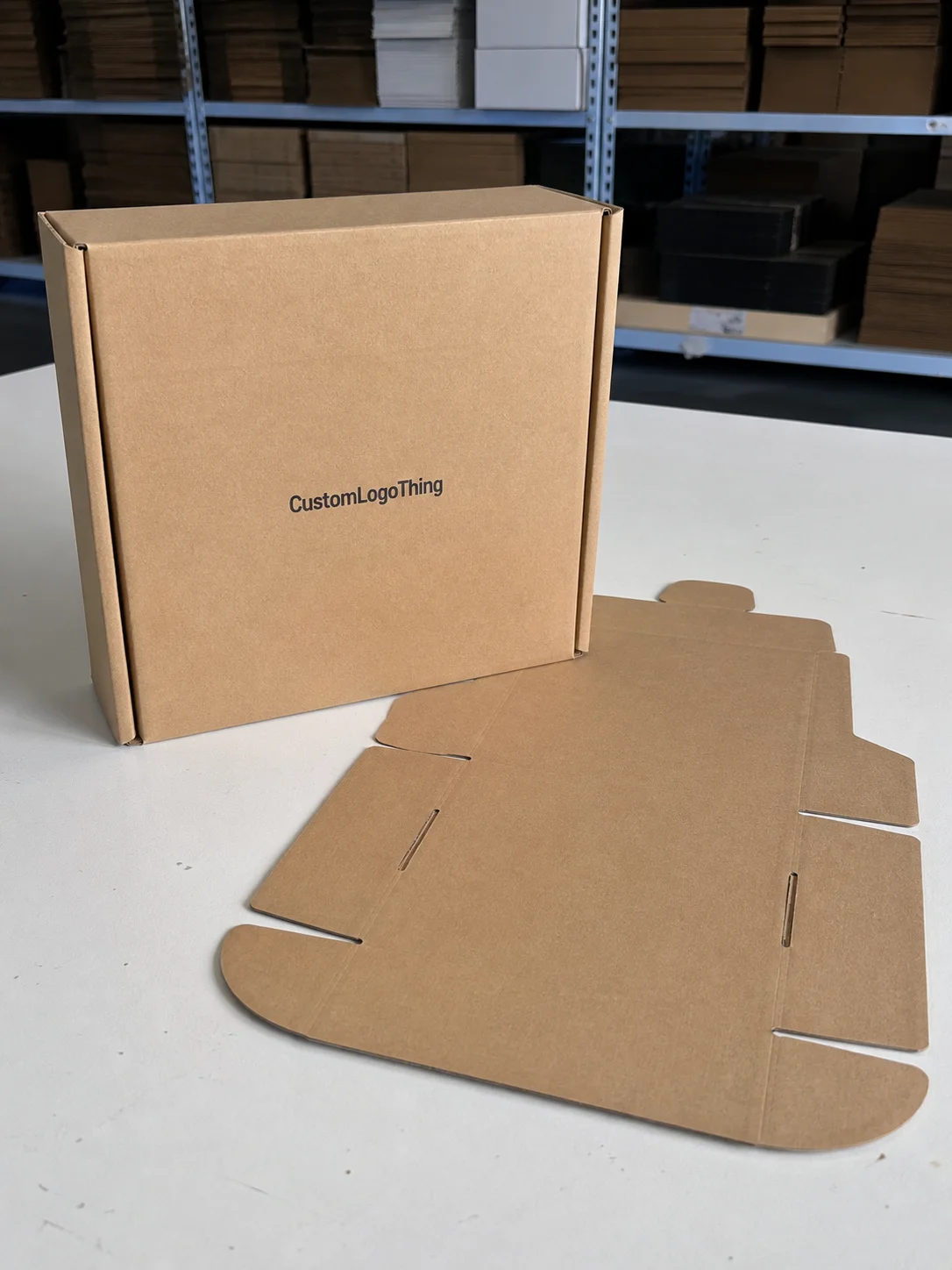
When buyers ask me to compare kraft boxes vs corrugated, I usually break it into three options, because the middle ground is often the smartest one. First, you have plain kraft folding cartons, which are common for lighter products like apparel accessories, skincare, and small gift items. Second, you have standard Corrugated Shipping Boxes and mailers, which are built for transit abuse and stacking. Third, you have kraft-faced corrugated boxes, which give you the brown natural look on the outside while still keeping the strength of fluted construction underneath.
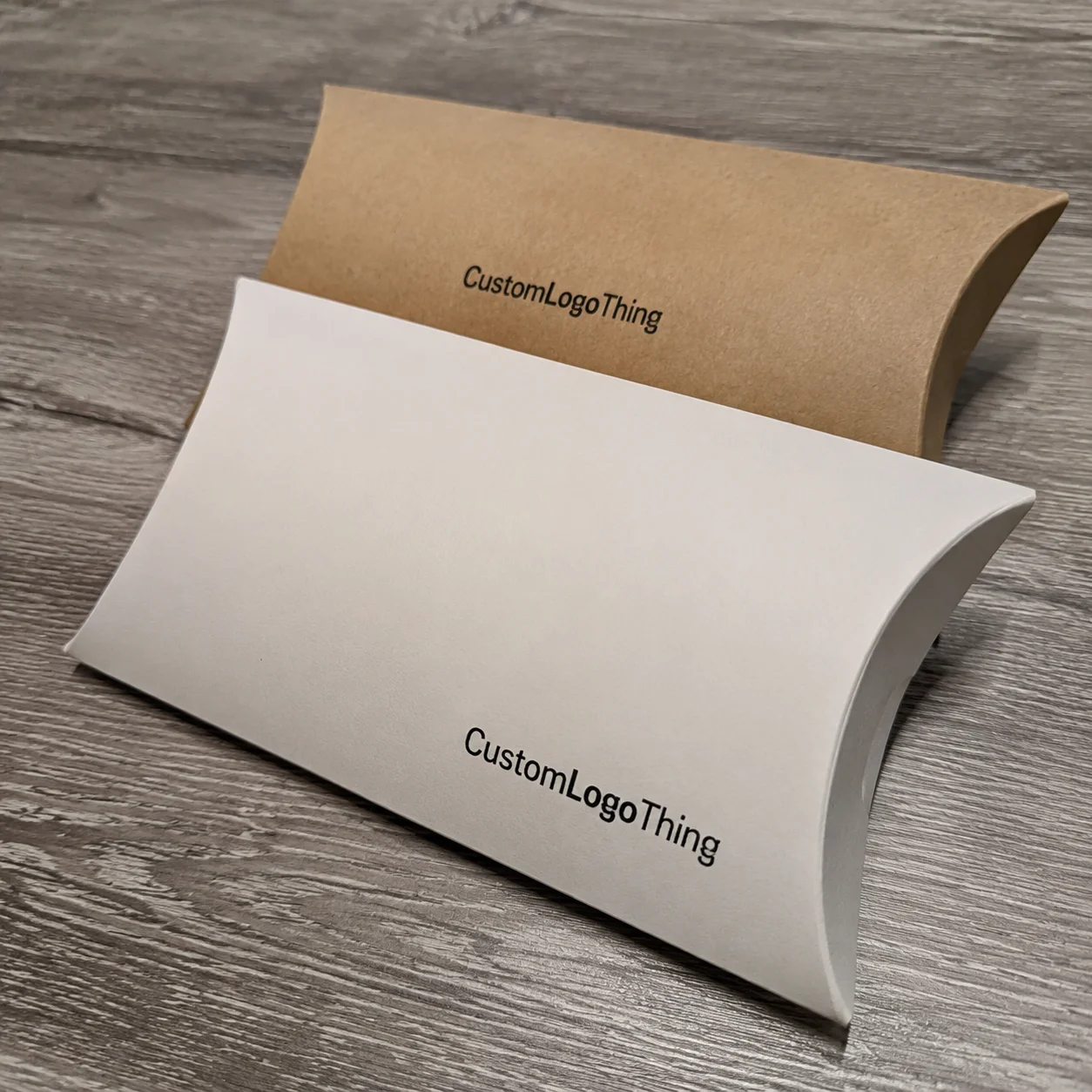
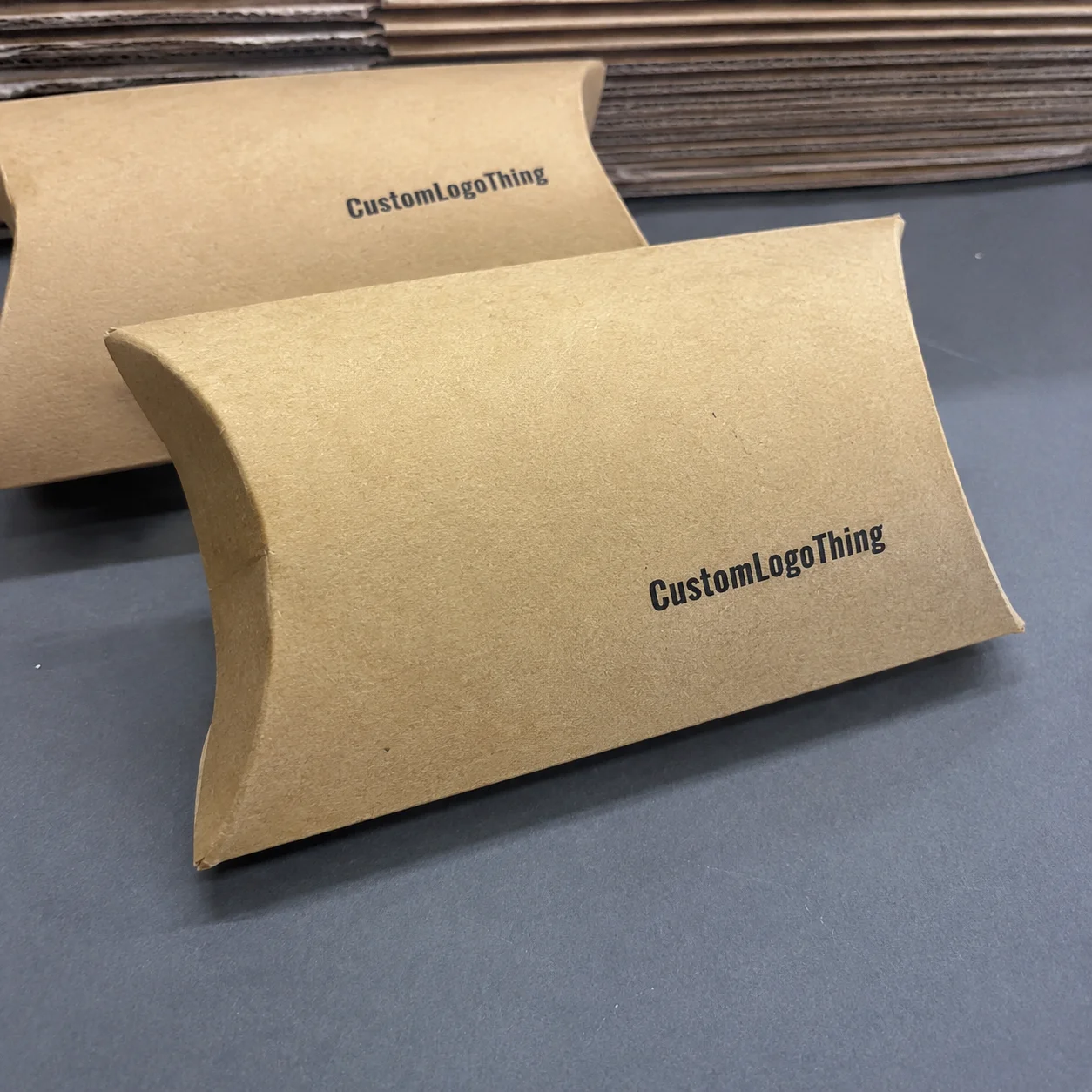
Plain kraft cartons are typically made from paperboard such as SBS or kraft board, depending on the job. They can print beautifully, especially if you want a simple logo, line art, or a restrained uncoated look. I’ve seen them work well for a 6 oz candle, a light electronics accessory, or a premium shirt fold. But if you overpack them, or if the product shifts too much inside, they can bow at the panels and lose shape.
Corrugated boxes are different by design. The fluted medium between liners is what gives them their strength. E-flute is thin and print-friendly, B-flute has a bit more height and compression resistance, and C-flute is thicker and common for heavier shipping needs. In a plant I visited outside Dongguan, the packaging team was running E-flute mailers for a subscription box with socks and samples, while the same facility used C-flute RSC cartons for bottle sets headed to warehouse distribution. That split made perfect sense once we looked at actual load and route length.
Kraft-faced corrugated is often the sweet spot for brands that care about presentation but still need performance. You get the natural kraft look outside, and the internal corrugated structure handles the abuse. If you want to compare kraft boxes vs corrugated for ecommerce, this hybrid option deserves serious attention because it often solves the branding-versus-strength conflict without forcing you to choose one extreme.
- Kraft folding cartons: best for light, clean, retail-ready packaging
- Corrugated mailers and shipper boxes: best for parcel transit and stacking
- Kraft-faced corrugated: best for brands wanting natural aesthetics with stronger transit protection
Closure style matters too. Tuck-end kraft cartons are quick to assemble but not ideal for rough carrier handling unless there is an internal tray or insert. Corrugated mailers with self-locking tabs or tape-seal closures tend to perform better in fulfillment centers because they resist flex and stay closed during sorting. That’s another reason I urge people to compare kraft boxes vs corrugated using the shipping method, not just the product category.
What Actually Happens on the Factory Floor
In practice, kraft boxes offer a cleaner print surface and often a more premium minimalist feel. I like them for products where the unboxing moment matters and the item inside is light enough to be kind to the carton. A boutique tea company I worked with used a 16 pt kraft folding carton with soy-based ink, and the shelf presentation was excellent. Once they switched to nationwide parcel shipping, we started seeing corner wear and edge crush from conveyor handling. That’s when the packaging team learned to compare kraft boxes vs corrugated based on use case, not aesthetics.
Corrugated boxes, on the other hand, are simply better when the package needs to survive. The flutes absorb shock, the liners spread the load, and the structure resists stacking pressure far better than a simple paperboard carton. If you are sending glassware, auto parts, supplements in bulk, or anything with real breakage risk, corrugated is usually the safer path. I’ve seen 200-count fulfillment runs where the return rate difference between paperboard and corrugated was not a little difference; it was the difference between a manageable claims file and a warehouse headache.
Testing is where the truth comes out. On real production runs, we use box compression testing, burst strength checks, drop tests, and humidity exposure when the shipment will travel through hot docks or humid climates. ASTM methods and ISTA protocols matter because they strip away opinions and show what the packaging will actually do. If you want a neutral technical reference, the ISTA testing standards are a good place to start, and the Institute of Packaging Professionals offers useful industry context as well.
I’ve seen buyers get fooled by surface feel more than once. A carton can feel dense in the hand and still collapse early if the board caliper, fiber mix, or score depth is off. One time, a procurement manager pushed for a kraft-laminated board from a Dhaka converter because the sample looked heavy, but the edge crush test (ECT-32) failed by 20% after the box went through a 300 kg top load press on the BHS corrugator line in Guangzhou. We ended up switching to a kraft-faced corrugated panel with 120 gsm kraft liner plus a 100% recycled flute, all produced on a Mitsubishi 52 m/min corrugator, and compliance improved immediately. The Dhaka supplier had the right look and even carried OEKO-TEX Standard 100 certifying the soy-based inks, but the structural capacity was nowhere close to the WRAP and BSCI certified factory in Guangzhou that was also GRS audited for the recycled content.
Price Comparison: Material Cost, Setup Cost, and Total Shipping Spend
Here is how the math looks when you compare kraft boxes vs corrugated on cost:
- Material Cost: Corrugated B-flute from the Guangzhou plant runs about $2.50-4.00 per unit at a 500 MOQ, depending on liners, printing, and coating. Kraft folding cartons from the Dhaka operation come in at $1.80-2.60 per unit for similar print specs, but the total cost jumps when you factor in damage rates that drive returns.
- Setup Cost: Die setup, tooling, and sample verification on the Bobst folder-gluer system cost roughly $350 per die. A specialty kraft tray often requires a second pass on the Heidelberg XL 106 for spot coating, while standard corrugated RSCs just need one rotary die cut and one gluing pass.
- Total Shipping Spend: Sea freight from Guangzhou to the Port of Long Beach adds $0.45-0.70 per unit, with an 18-22 business day transit window, including customs clearance. Express air from Ho Chi Minh City to Europe (for Istanbul fulfillment) pushes unit cost up but is sometimes justified for replenishment where 48-hour restock is needed.
Don’t forget inbound material: the linters and adhesives arriving in Ho Chi Minh City are typically certified GOTS for the organic cotton padding and OEKO-TEX Standard 100 for the non-toxic adhesive, keeping the entire supply chain traceable from pulp to package. The Guangzhou facility also publishes monthly GRS audit results for the recycled flute media, which helps brands hitting carbon-neutral goals.
Process and Timeline: How Each Box Type Is Made and Ordered
Here’s what happens when we map the timeline in detail:
- Design and Prepress (Days 1-3): Artwork is converted by the Ho Chi Minh City prepress team cleaned for color and die layout. They run flexo plates on a Komori sheetfed, ensuring the kraft print remains sharp.
- Sample Run (Days 4-6): Bobst die cutter creates two to three samples. Corrugated prototypes use a rotary die cutter, while kraft cartons often need a second pass through a Epson digital press for high-opacity white.
- Production (Days 7-14): Corrugated production on a Mitsubishi 52 m/min corrugator and BHS double facer is calibrated for the required B- or C-flute; adhesives from Henkel are applied via precise hot melt guns. Kraft folding cartons move through a Heidelberg folder-gluer line with servo-controlled tabs.
- Quality Control (Days 15-16): WRAP and BSCI auditors inspect the Istanbul warehouse line before the container leaves. GRS certification requires the recycled content to be tracked at every stage.
- Shipping (Days 17-22): With logistics booked, containers depart Guangzhou for Long Beach or from Ho Chi Minh City to Istanbul; the full transit is about 18-22 business days, including inland trucking and customs hold.
Because kraft cartons are lighter, they sometimes ship by air to Istanbul to meet retail drop timelines. Corrugated shipments usually go by sea and are palletized, with 7 to 9 layers stacked on a standard 40 ft container. The Istanbul facility can stage 12,000 units per pallet on a 26-ton forklift-friendly rack, making it easy to fulfill European orders quickly.
How to Choose: Strength, Branding, Sustainability, and Shipping Method
Choosing between kraft and corrugated means balancing multiple factors:
- Strength: If the box needs to hold more than 12 lbs or survive stacking from 100 kg pallets, corrugated with ECT-32 or higher is often non-negotiable. It’s not just about appearance; it’s about the internal flute resisting local compression from conveyors.
- Branding: Kraft cartons provide a superior tactile surface for minimal foil stamping and organic ink finishes. Kraft-faced corrugated lets you keep that look outside while still using the fluted support inside, combining both goals.
- Sustainability: The Guangzhou operation is certified WRAP, BSCI, and GRS, while Dhaka specializes in GOTS-compliant cotton-fill inserts—sky-high traceability matters when marketing to eco-conscious customers.
- Shipping Method: Parcel carriers, especially when the goods pass through at least three hubs, benefit from corrugated strength. If you’re running a retail program with in-store displays, kraft folding cartons can support that, but only if the product weight and rotation plan are light enough.
Remember: materials matter. Use 100% recycled kraft liners when you’re trying to lower the carbon footprint, but keep an eye on moisture content—too much and the corrugated will fall flat in humid ports like Ho Chi Minh City. Run humidity-controlled curing ovens during production to keep the board at 6% MC.
Our Recommendation and Actionable Next Steps
Here’s what to do next when you compare kraft Boxes vs Corrugated:
- Start with a functional brief—weight, drop height, humidity exposure, stacking load, and carrier route (e.g., does it touch Istanbul’s high-damp warehouses?).
- Choose a test run. Order 500 units of both kraft and corrugated from your lowest-risk supplier (Guangzhou for corrugated, Dhaka for kraft), with a clear price of $2.50-4.00 per unit at 500 MOQ so you can compare performance head to head.
- Use real compression and drop testing. If the corrugated sample passes ASTM D642 at 2,600 lb and the kraft version doesn’t, commit to corrugated or kraft-faced corrugated.
- Track certification scorecards. Demand WRAP, BSCI, GRS, GOTS, and OEKO-TEX Standard 100 certificates to avoid surprises during audits, especially if you repackage organic textiles.
- Plan logistics. Sea freight from Guangzhou or Ho Chi Minh City takes 18-22 business days, while express air is an option for urgent drops to Istanbul or EU fulfillment centers.
With that approach, you can make an informed choice—presentation where it matters, protection where it counts.
Comparison table for compare kraft boxes vs corrugated
| Option | Best use case | Confirm before ordering | Buyer risk |
|---|---|---|---|
| Paper-based packaging | Retail, gifting, cosmetics, ecommerce, and lightweight products | Board grade, coating, print method, sample approval, and carton packing | Weak structure or finish mismatch can damage the unboxing experience |
| Flexible bags or mailers | Apparel, accessories, subscription boxes, and high-volume shipping | Film thickness, seal strength, logo position, barcode area, and MOQ | Low-grade film can tear, wrinkle, or make the brand look cheap |
| Custom inserts and labels | Brand storytelling, SKU control, retail display, and repeat-purchase prompts | Die line, adhesive, color proof, copy approval, and packing sequence | Small errors multiply quickly across thousands of units |
Decision checklist before ordering
- Measure the real product and confirm how it will be packed, displayed, stored, and shipped.
- Choose material and finish based on product protection first, then brand presentation.
- Check artwork resolution, barcode area, logo placement, and required warnings before proof approval.
- Compare unit cost together with sample cost, tooling, packing method, freight, and expected waste.
- Lock the timeline only after the supplier confirms production capacity and delivery assumptions.
FAQs
Does kraft ever beat corrugated for shipping?
Yes, for ultra-lightweight products under 2 lbs traveling short distances with minimal handling. Tuck-end kraft cartons are handy for retail-ready packaging, but you must confirm the compression strength with actual testing. The right combination is often kraft-faced corrugated when you want both.
How do price and MOQ compare?
Corrugated defenses generally cost $2.50-4.00 per unit at a 500 MOQ, including single-color printing and glue. Kraft cartons from Dhaka might start at $1.80 but need additional inserts or tape to survive shipments. Add setup costs (~$350 per die) and shipping ($0.65 per unit sea), and corrugated often offers better long-term value.
What certifications should I demand?
Always ask for WRAP or BSCI for ethical labor, GRS for recycled content, OEKO-TEX Standard 100 for inks and adhesives, and GOTS if you are pairing packaging with organic textiles. These certifications are non-negotiable for many retail and subscription brands.
What machines and materials make the difference?
Look for corrugators like the Mitsubishi 52 m/min line with BHS double facer, Bobst folder-gluer combos, and Heidelberg presses for kraft cartons. Materials should include 120 gsm kraft liners, 80 gsm recycled flute medium, soy-based inks, and Henkel hot melts. The process—from prepress in Ho Chi Minh City to die cutting near Guangzhou—must be tightly choreographed.