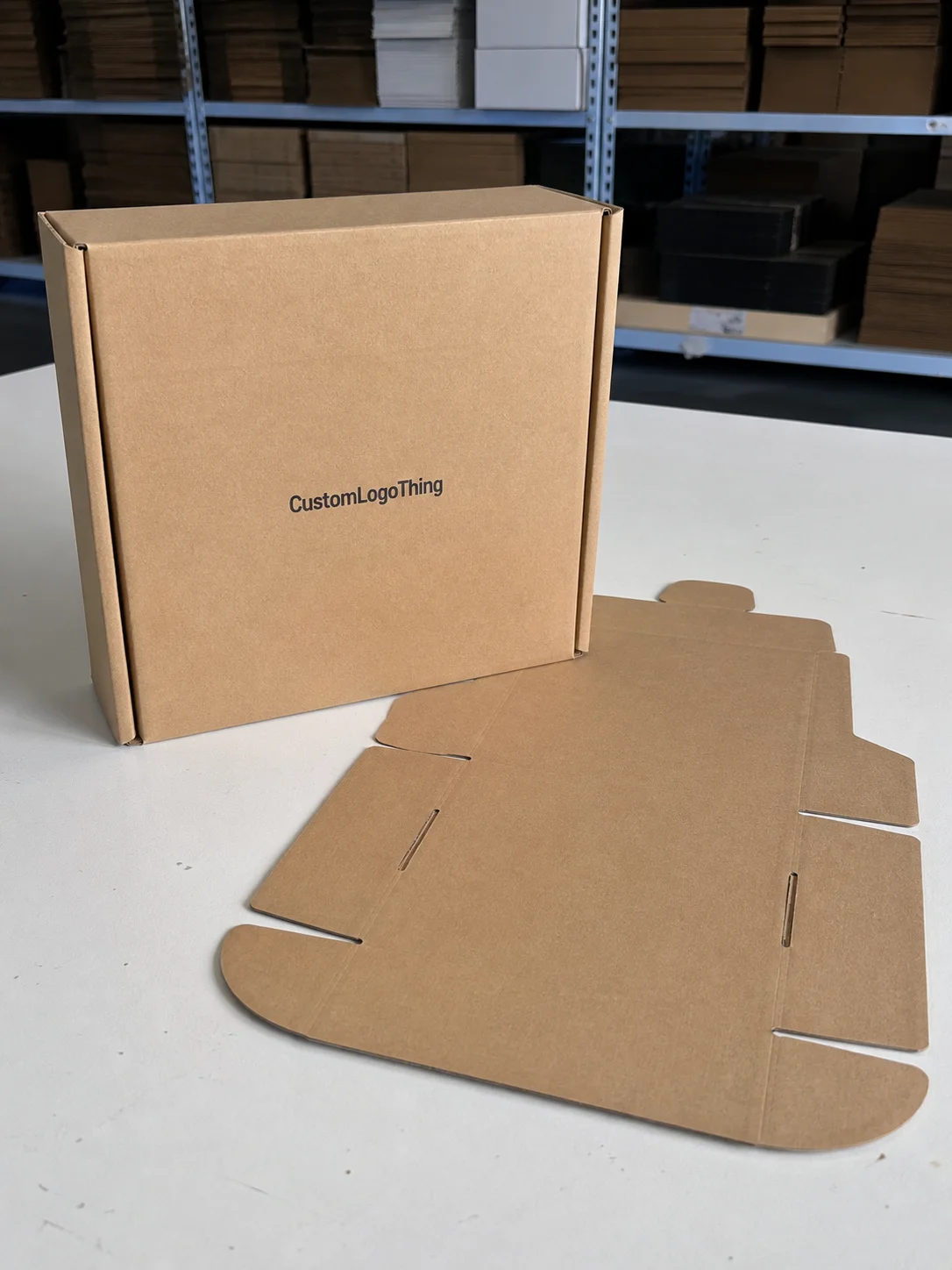
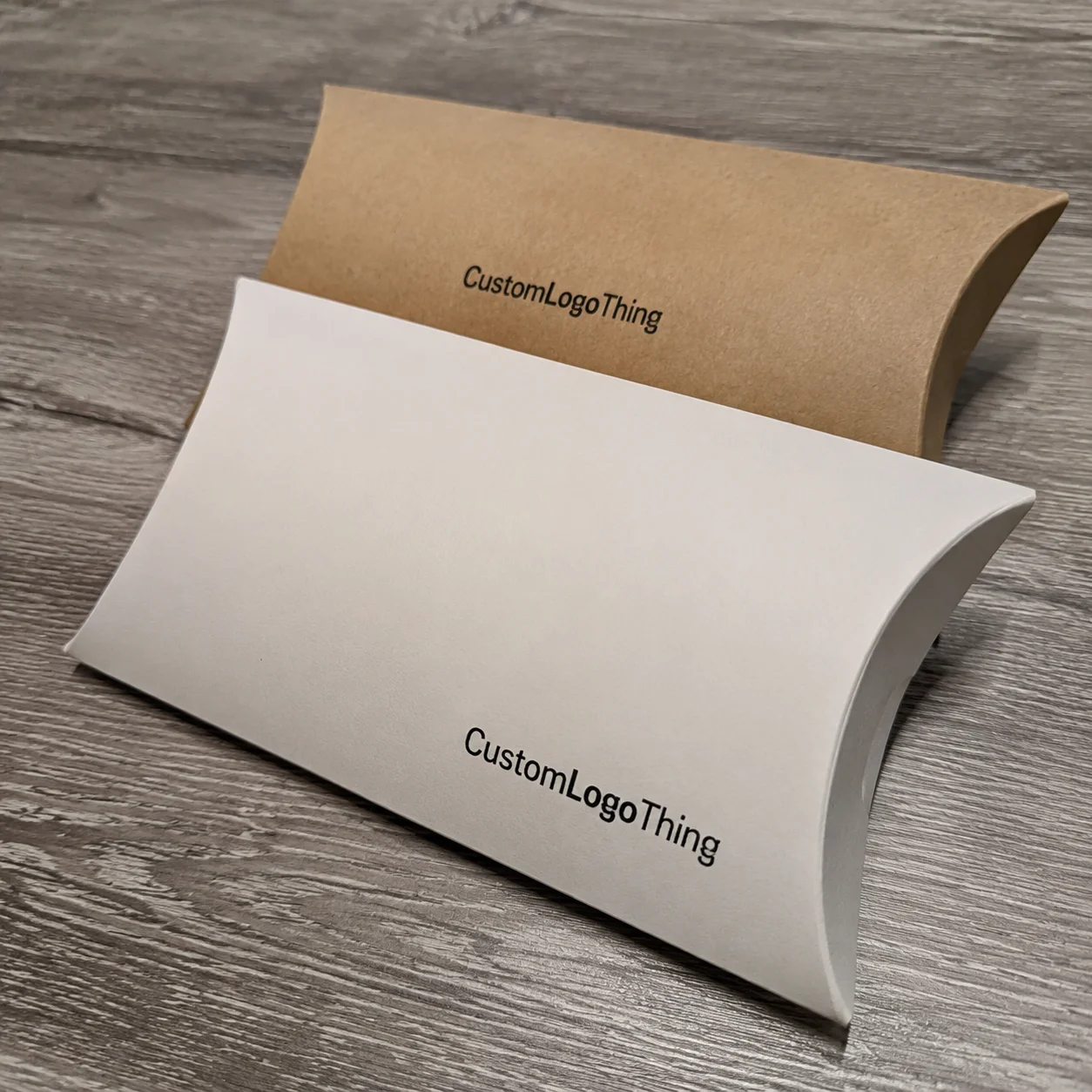
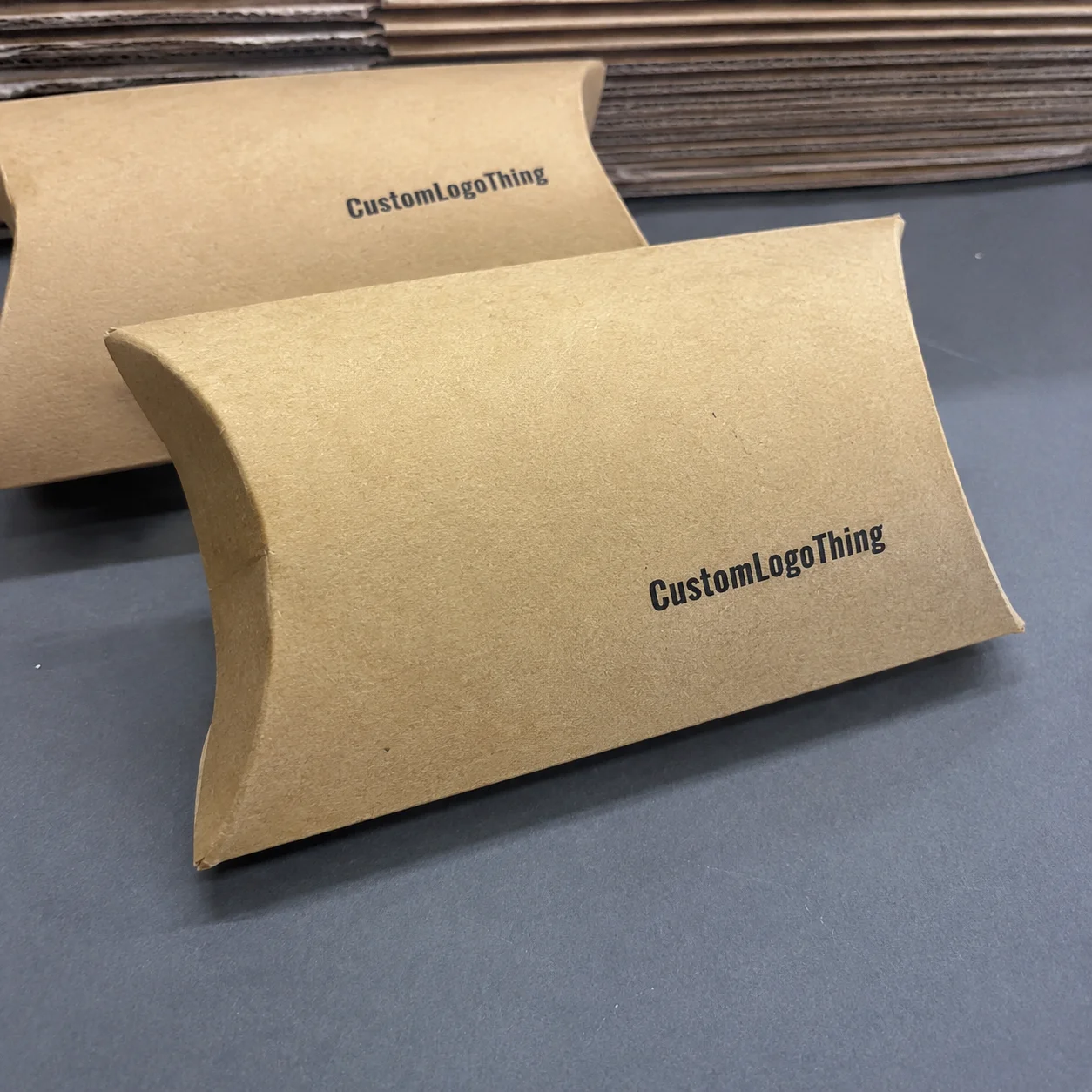
Buyer Fit Snapshot
| Best fit | compare kraft boxes vs corrugated shipping choice for packaging buyers comparing material specs, print proof, MOQ, unit cost, freight, and repeat-order risk where brand print, material, artwork control, and repeat-order consistency matter. |
|---|---|
| Quote inputs | Share finished size, material target, print colors, finish, packing count, annual reorder estimate, and delivery region. |
| Proofing check | Approve dieline scale, logo placement, barcode or warning zones, color tolerance, and any recyclable or compostable wording before bulk production. |
| Main risk | Vague material claims, crowded artwork, or missing packing details can create delays even when the unit price looks attractive. |
Fast answer: Compare Kraft Boxes vs Corrugated Shipping Choice: Dieline, Finish, Proof, and Buyer Review should be specified like a repeatable production item. The safest quote includes material, print method, finish, artwork proof, carton packing, and reorder notes in one written spec.
What to confirm before approving the packaging proof
Check the product dimensions against the actual filled item, not only the sales mockup. Ask for tolerance on folds, seals, hang holes, label areas, and retail display edges. If the package carries a logo, QR code, warning copy, or legal claim, reserve that space before decorative graphics fill the panel.
How to compare quotes without losing quality
Compare board or film grade, print process, finish, sampling route, tooling charges, carton quantity, and freight assumptions side by side. A lower quote is only useful if the supplier can repeat the same color, closure quality, and packing count on the next order.
Quick Answer: Compare Kraft Boxes vs Corrugated
I still remember one morning on a packaging line in Secaucus, New Jersey, when a brand owner pointed at a stack of brown boxes and said, “Those are all basically the same, right?” I nearly laughed, then immediately had to bite my tongue because I knew exactly where that conversation was headed. That is the kind of assumption that gets brands into trouble, because once you compare kraft Boxes vs Corrugated, the differences show up fast on the factory floor and in transit. A kraft box can be about appearance, light weight, and a clean natural look; corrugated is about structure, cushioning, and surviving a truck ride that includes vibration, stacking, and the occasional hard drop from 36 inches onto a concrete dock. Packaging is not glamorous until a pallet tips, and then suddenly everybody wants to talk about panel compression like they discovered religion.
The plain-language version I use with buyers all the time is simple: kraft usually describes the paper face or the box style, while corrugated describes the fluted board structure that gives the carton its strength. That distinction matters more than most people expect. You can absolutely have a kraft-finished corrugated box, and I have specified that combination for candle brands in Los Angeles, subscription kits in Dallas, and even a small electronics client in Atlanta that wanted a warm brown exterior but still needed ASTM D4169-style transit performance. So when you compare kraft boxes vs corrugated, it is not always a clean either-or decision; board grade, flute type, liner stock, print method, and product weight all change the answer.
My fast buying rule is straightforward. Choose kraft boxes when presentation, lightweight packaging, and retail appeal matter most. Choose corrugated when stacking strength, transit abuse, and product protection matter most. If your product is a 6-ounce soap bar or a folded apparel set, kraft can make sense. If your product is a glass diffuser, a 2-pound hardware kit, or a multi-unit shipper going through parcel networks, corrugated usually wins before the box even leaves the plant. A standard kraft folding carton might use 300gsm C1S artboard or 350gsm SBS depending on the finish, while a shipping-grade corrugated box may use 32 ECT single-wall board, 44 ECT, or a BC-flute double-wall spec for heavier loads. Honestly, I think this is the part a lot of teams want to skip because it sounds too basic, but basic is often where the money gets saved.
In my experience, the people who compare kraft boxes vs corrugated best are the ones who ask about the whole journey, not just the box sitting on a table. I have seen beautiful kraft cartons scuff badly in fulfillment because the corners were too soft for automated packing, and I have seen ordinary corrugated mailers perform better than expected because the manufacturer chose a stronger E-flute with a decent kraft liner. The rest of this review is written from that same factory-floor angle: what survived drop testing, what looked better under retail lights, what handled warehouse abuse, and what actually cost less once freight and damage were counted. And yes, I have also seen one perfectly nice box become a sad flattened square because someone stacked a pallet like they were building a cardboard Jenga tower in a warehouse off I-78.
Compare Kraft Boxes vs Corrugated by Use Case
When I compare kraft boxes vs corrugated for real projects, I usually start with the sales channel, because a box that works for a boutique shelf display may fail miserably in a fulfillment center with 18-inch carton stacks and constant tape-seal repetition. E-commerce mailers, subscription boxes, retail-ready product boxes, and bulk shipping cartons are not the same job, even if they all start as brown board on a pallet in Chicago, Ontario, or Charlotte. I remember one project where the brand team kept sending me photos of a gorgeous shelf carton while the operations team kept saying, “Yes, but it has to survive Tennessee in August.” Both were right, and both were talking past each other.
E-commerce mailers are where the comparison gets interesting. A kraft mailer can feel premium for light items like jewelry, skincare sachets, and apparel accessories, especially if the print is restrained and the unboxing moment matters. Yet if the parcel has to survive conveyor belts, sortation chutes, and a three-foot drop from a loading platform, corrugated mailers usually handle the abuse more calmly. I have watched kraft mailers crease at the edge where the tuck flap meets the side wall, while corrugated mailers with a rigid flute structure kept their shape after the same handling cycle. On a 5,000-piece run, that difference can matter as much as a $0.03 unit cost swing if your return rate changes by even 1.5%.
Subscription boxes are a mixed case. Brands often want a kraft exterior because it photographs well and gives the customer that natural, handcrafted feeling, but inside the carton, they still need corrugated strength if the kit includes jars, bottles, or metal parts. That is why I often recommend a kraft-finished corrugated construction for these programs. It gives the brand the look they want while keeping the box honest about what it has to do in shipping. The box gets to look charming and still not fall apart the second it meets a UPS belt in Louisville, which feels like a miracle only until you realize engineering did the heavy lifting.
Retail-ready product boxes tend to favor kraft-style folding cartons for lighter goods. Cosmetics, small candles, artisan snacks, and apparel accessories usually benefit from the cleaner print registration and smoother surface you get with paperboard-style kraft constructions. The box can sit on a shelf, take a barcode label, and still look polished after a few handling passes. A 350gsm C1S artboard or 400gsm kraft paperboard can give a crisp shelf presence, while a standard E-flute corrugated tray may look bulky on retail shelves unless the design is handled carefully with a high-quality liner and strong graphics.
Shipping cartons in fulfillment centers are the territory where corrugated earns its keep. Single-wall, double-wall, and triple-wall constructions all exist for a reason, and flute profiles like A-flute, B-flute, C-flute, E-flute, and combinations such as BC-flute change both protection and printability. A double-wall corrugated box can carry far more load in compression than a lightweight kraft folding carton, and that is why palletized warehouses in New Jersey, Ohio, and Texas rely on it for stacked goods, case packs, and long-distance freight. A 44 ECT box may be acceptable for lighter ship-outs, while a 275# test or 48 ECT spec is more common when pallet pressure is real.
The tradeoff I have seen most often on production runs is clear: corrugated usually wins on crush resistance, while kraft usually wins on visual simplicity and lower bulk. That does not mean kraft is weak or corrugated is ugly. It means the structure and the use case need to match. If you compare kraft boxes vs corrugated by only one factor, such as appearance or unit price, you will miss the bigger picture and probably end up reordering boxes after the first damage report comes in. And trust me, nothing wakes up a procurement team faster than a pile of damaged returns and a very unimpressed finance department.
For buyers who like side-by-side clarity, I always suggest a comparison table covering strength, printability, sustainability perception, transit performance, and storage efficiency. That simple table often settles arguments faster than a long sales call, especially when the procurement team and the branding team are pulling in opposite directions. If you need product inspiration while planning that table, I would also look through Custom Packaging Products and compare several structures before deciding on a final spec.
- Kraft boxes: best for presentation-heavy, lightweight, and shelf-facing products.
- Corrugated boxes: best for shipping-heavy, fragile, or higher-weight products.
- Kraft-finished corrugated: useful when you need both look and protection.
Detailed Reviews: Performance, Print, and User Experience
To really compare kraft boxes vs corrugated, you have to get past the marketing language and look at how the material behaves on the line. Kraft-style boxes, especially folding cartons made from paperboard, die-cut cleanly, score neatly, and fold predictably when the creasing rule is set correctly. On a decent folder-gluer in Guangdong or Dongguan, they can run fast and stack compactly in the warehouse. I have seen one cosmetics client in California save nearly 18% of their storage footprint simply by switching from bulkier protective packaging to a well-designed kraft carton with an inner insert. The production manager called it “the rare packaging decision that made everyone less grumpy,” which, frankly, is about as glowing a review as you get in a factory.
The downside shows up in the places most buyers do not see. Kraft surfaces can scuff at the corners, show edge wear near the score lines, and bruise if they are packed too tightly against a pallet strap. If the paper stock is too light, the corners start to round off after a few cycles through handling. That does not always happen, but it happens enough that I warn customers to test the actual product weight, not just the empty box in a sample room. A 300gsm or 350gsm kraft paperboard can look solid on a table, but with a 1.2-pound product and an insert that shifts, the carton can show wear in just one distribution loop. I have had clients hold a sample box like it was a finished luxury item and then act shocked when the real pack-out turned it into a stress test. Paperboard has feelings too, apparently.
Corrugated, by contrast, earns its reputation in shipping. The fluted inner layer acts like a shock absorber, and the board structure distributes load across the panel rather than letting one impact point take the full hit. In rough parcel networks, that matters. I once visited a Midwest fulfillment center in Indianapolis where a small appliance brand had been losing 4 to 6 units per thousand to corner crush and puncture because they insisted on a lighter carton. The moment they moved to an E-flute corrugated mailer with a thicker liner, breakage dropped hard, and their returns team stopped chasing damaged claims every afternoon. That was one of those days when everyone on the floor suddenly became interested in flute profiles, which is a sentence I never thought I would say out loud.
Print and branding are where the choice gets more subjective, and that is where a lot of people compare kraft boxes vs corrugated in a very shallow way. Kraft usually gives a warm, natural look with muted colors, especially if you are printing on uncoated brown stock or using simple black, white, or one-spot designs. That can feel artisanal and honest. It can also make subtle colors disappear into the paper tone if the artwork is too light. Corrugated can support sharper graphics depending on the liner stock and printing method, but the quality varies a lot. A good high-definition flexo job on a clean kraft liner can look excellent; a poor one can look muddy and cheap very quickly. I still remember one sample from a plant in Hangzhou where the logo looked like it had been printed through a fog machine. Nobody wanted that carton, and I honestly cannot blame them.
Customer experience also shifts with the material. Kraft cartons often feel boutique and refined, especially for beauty, candle, and gift packaging. Corrugated feels more utilitarian unless it is upgraded with a nice outer liner, insert system, or printed finish. That is not a criticism; it is just the truth from handling thousands of cartons. Some customers actually prefer the honest shipping feel of corrugated, especially for tools, supplements, and subscription replenishment orders where function matters more than ceremony. I have even had a brand owner in Brooklyn tell me, “If it looks too delicate, our customers think we overpack.” Fair enough. Perception is a strange beast.
Here are the test conditions I care about most when I compare kraft boxes vs corrugated for a client:
- Vibration testing to see whether the contents shift, rub, or tear the box wall.
- Corner-drop testing from typical parcel heights, usually around 30 to 36 inches.
- Compression testing for pallet stacking, especially if the carton will sit under 25 to 40 pounds of load.
- Humidity exposure for warehouses with summer moisture or cold-chain condensation risk.
- Tape-seal durability to see whether the closing flap holds under repeated handling.
In those tests, corrugated usually fails later, and kraft fails earlier unless the product is light and well-supported. That is not always the case, but it is common enough that I would never approve a heavy SKU in a kraft-style carton without a live sample and a transit trial. I have had one client ask for a premium unboxing look for glass droppers, and we solved it with a kraft exterior over a corrugated structure plus molded pulp inserts. That combination gave them the look they wanted without gambling on broken bottles. It was one of those rare moments where everyone nodded in the sample room because, shockingly, the box did exactly what it was supposed to do.
If you are balancing retail appeal and shipping strength, a good middle path is to look at Custom Shipping Boxes built with a kraft-finished outer liner. That route often gives the design team a natural surface while still protecting the product in the parcel network.
Common mistake: choosing kraft for heavy items just because it feels more premium. Premium is nice, but a broken product is not premium at all. I have also seen the opposite mistake, where brands overbuild corrugated for a lightweight item and then wonder why their freight bill climbed and their unboxing felt overly industrial. The right answer is almost always the one that matches the actual product load, not the one that wins a mood board.
“We thought the brown box was the whole story, but after two drop tests and a warehouse run, the board structure made the difference, not the color.”
Price Comparison: Material, Freight, and Hidden Costs
Price is where many conversations about compare kraft boxes vs corrugated go sideways, because buyers look only at the per-unit quote and ignore the full landed cost. A kraft box can look cheaper on paper, especially for simple folding cartons, but that number changes fast if you need inserts, extra mailers, void fill, or secondary protection. Corrugated can look more expensive upfront, but it can reduce breakage, returns, and replacement shipments enough to pay for itself before the first replenishment cycle ends. I have sat through more quoting meetings than I care to count where everybody nodded at the lowest unit price and then acted shocked when the actual order cost ballooned like a bad balloon animal.
In practical quoting, I have seen simple kraft folding cartons start around $0.15 per unit for 5,000 pieces when the size is standard and the print is one color on 300gsm C1S artboard. With a custom dieline, specialty coating, or heavier 400gsm stock, that number can move to $0.22 to $0.38 per unit. Corrugated mailers or shipping cartons in similar quantities might land around $0.24 to $0.55 per unit for lighter single-wall constructions, and more for double-wall or custom-printed jobs. A 12 x 9 x 4 inch E-flute mailer with one-color flexo print may quote very differently from a 16 x 12 x 8 inch BC-flute shipper with full-area graphics and a die-cut handle. Those numbers move with board grade, flute type, coatings, die complexity, and whether you are ordering a common size or a custom dieline.
Freight matters too. Corrugated cartons often occupy more space in flat storage, and that can increase warehouse handling costs if the cartons are bulky or nested inefficiently. Kraft folding cartons usually pack flatter and can be easier to store in higher volumes, which helps brands with limited backroom space in Newark, Toronto, or Phoenix. But if the corrugated structure lets you reduce the use of void fill or downsize the carton, your shipping cost may improve. I have seen brands shave 9 to 14 ounces from parcel weight simply by switching to a better-fitting corrugated carton and removing the oversized outer shipper. That sounds small until you multiply it by tens of thousands of orders and realize the freight bill is quietly eating the snack budget.
There are hidden costs that procurement teams sometimes miss during compare kraft boxes vs corrugated reviews:
- Tooling and dielines: custom dies, plates, and setup fees can shift the economics quickly.
- Sample production: structural mockups and printed proofs may add time and expense, but they save mistakes.
- Inventory storage: flat cartons are efficient, but awkward carton dimensions waste pallet space.
- Freight class: heavier or bulkier corrugated can change shipping cost by lane and carrier.
- Assembly labor: if a box takes 20 extra seconds to form, that adds real labor cost on a packing line.
One lesson from a client meeting I remember well in Atlanta: the team had a box quote that was 11% cheaper for kraft, so they wanted to approve it immediately. We ran a quick landed-cost review and found that the kraft choice required extra tissue wrap, a corrugated shipper, and a second label application. Once labor, materials, and re-ship costs were counted, the “cheaper” box ended up costing more. That is why I always tell people to compare kraft boxes vs corrugated using total cost per shipped order, not just carton price.
If your product is fragile, the economics can flip even faster. A slightly stronger corrugated box that prevents one damaged return per few hundred shipments can erase the price difference almost immediately. On the other hand, for light apparel or small non-breakable items, a simple kraft carton may be the more sensible route because the product does not need the extra protection that corrugated brings. The cheapest unit price is not always the cheapest total cost, and I have learned that the hard way on more than one project.
How Do You Choose Between Kraft Boxes vs Corrugated?
If you want to compare kraft boxes vs corrugated correctly, start with the product itself before you look at artwork or box style. Measure the exact length, width, and height of the item in its final pack-out state. Weigh it with inserts, labels, seals, and any inner wrap already included. Then define the shipping method, because a box that rides inside a boutique tote is a different animal from a carton that gets tossed on a parcel belt and stacked five high in a truck trailer leaving Savannah or El Paso.
I like to ask buyers five questions before I quote anything: How heavy is the item? How fragile is it? What shipping method will it use? What kind of customer experience do you want? How much storage space do you have for flat cartons? Those answers usually make the decision clearer than a long design meeting. If the item is 3 ounces and the goal is a polished retail impression, kraft may be enough. If the item is 2.8 pounds and has glass, metal, or liquids inside, corrugated starts making more sense immediately. A 6 x 4 x 2 inch skincare kit and a 14 x 10 x 8 inch glassware set should never be evaluated with the same box logic.
Production timelines vary too. Simple kraft folding cartons can move faster because the construction is straightforward, especially if the board stock is standard and the print is uncomplicated. Custom corrugated jobs often require more material discussion, board selection, print setup, structural testing, and in some cases a revised insert design. I have seen a clean kraft carton move from approved dieline to production-ready in 10 to 14 business days from proof approval, while a Custom Corrugated Shipping box with inserts and printing took 12 to 15 business days from proof approval when the structural sample needed no revision and the board was already in stock at the converter. Add a second proof cycle, and that same corrugated program can stretch to 18 or 20 business days. That is normal, not a delay story. Good factories would rather catch a weakness in sampling than ship a weak box into a warehouse full of angry returns.
The workflow in a serious packaging plant usually looks like this:
- Dieline creation based on product dimensions and shipping requirements.
- Material sourcing for paperboard, corrugated sheets, liners, inks, and coatings.
- Printing using offset, flexo, digital, or a combination depending on the run size.
- Die cutting and scoring to form clean folds and accurate panel geometry.
- Gluing or folding depending on whether the box is a rigid setup or a mailer-style carton.
- Final pack-out testing to check fit, closure, and stacking behavior.
When I visited a corrugated converter near Atlanta in 2024, they were running B-flute and E-flute jobs side by side for two different clients, and that was a perfect reminder that structure matters more than the word “box.” One client needed print fidelity and a smoother feel, while the other needed load-bearing strength for bulk goods. Both boxes were brown, but the engineering behind them was completely different. That is the part buyers do not always see when they compare kraft boxes vs corrugated from a photo online.
Before You Order, I recommend checking these details with your manufacturer:
- Exact carton dimensions and product tolerance
- Maximum ship weight and fill weight
- Print method and ink coverage
- Need for inserts, dividers, or void fill
- Packaging line speed and machine compatibility
- Pallet configuration and stacking height
- Expected storage humidity and temperature range
One more thing: watch for lead-time risks tied to specialty inks, uncommon board grades, or design changes after sample approval. I have seen a small change in panel size turn into a two-week delay because the die had to be adjusted and the liner stock had to be rebooked at a factory in Yiwu. That kind of thing does not happen every day, but it happens often enough that I always tell clients to freeze their specs before mass production starts. Otherwise, you end up with a production schedule held together by coffee and optimistic emails.
Our Recommendation: Best Choice by Product Type
Here is my honest verdict after years of standing on factory floors, watching cartons get assembled, stacked, dropped, and shipped: if your product is lightweight, visually driven, and meant to feel retail-friendly, choose kraft boxes. If your product is shipping-heavy, fragile, or higher in weight, choose corrugated. That is the clean answer, and in most cases it is the right one. When people compare kraft boxes vs corrugated and try to force one material to do everything, they usually end up overspending somewhere or underprotecting the product. I have seen more than one brand try to “simplify” their packaging and accidentally create three new problems. Efficient? Not exactly.
Apparel often works well in kraft, especially for folded shirts, socks, and accessories, where the box is part of the presentation. A 350gsm kraft folding carton with a matte aqueous coating can look polished and hold shape nicely for lighter garments. Candles depend on the vessel; a light tin candle can live happily in kraft, but a 12-ounce glass candle jar usually deserves corrugated protection with a fitted insert. Cosmetics often benefit from kraft or kraft-finished structures because branding and shelf appeal matter so much. Subscription kits are a mixed bag, and I often recommend corrugated with a clean printed exterior because the contents are usually too varied to trust to a light carton alone.
Electronics should usually lean corrugated unless the item is tiny and well-padded. I have seen too many charger kits, smart-home devices, and small speakers arrive in attractive but underbuilt cartons that crushed at the corner during parcel transit. If the contents are sensitive to impact, corrugated gives you a safer starting point. Food-safe packaging can go either way depending on the format, but print compliance, liners, coatings, and barrier needs should be checked early, not after the design is approved. A snack box using 300gsm SBS may be fine for shelf display, while a shipping shipper may need a grease-resistant corrugated insert or inner wrap.
A hybrid approach makes a lot of sense for brands that want both worlds. A corrugated mailer with a kraft-print appeal can protect the contents without looking industrial. A kraft-look exterior with reinforced internal protection can keep the premium feel while surviving actual shipping abuse. I have also seen brands use corrugated for the outer shipper and kraft for the inner retail carton, which is a smart split when presentation at unboxing matters but the outer box needs to do the hard work.
If you are still unsure whether to compare kraft boxes vs corrugated for your next run, my best advice is to order short-run samples before committing to full production. Test one sample in a drop scenario, another in a compression scenario, and compare the breakage rate, print impact, and packing speed side by side. A sample run of 200 to 500 pieces is usually enough to expose weak points before you commit to 5,000 or 10,000 units. That small trial often reveals more than a week of opinions in a conference room. And yes, the sample stage can feel slow when everyone is impatient, but it is a lot less annoying than explaining damage claims after launch.
For brands building a custom packaging program, I would also review Custom Packaging Products alongside a few Custom Shipping Boxes options so you can compare presentation and protection in the same decision set. In my experience, the best choice balances appearance, performance, and total landed cost instead of chasing the prettiest carton or the strongest carton alone.
Final take: compare kraft boxes vs corrugated by testing the product, not by trusting the material name. Kraft is often the right answer for lightweight and polished packaging. Corrugated is often the right answer for shipping protection and warehouse survival. The right box is the one that reaches your customer intact, looks good doing it, and keeps your cost per shipped order under control.
Compare Kraft Boxes vs Corrugated: decision table
| Decision area | Best fit | What to verify | Risk if skipped |
|---|---|---|---|
| Board or flute choice | Product protection, stacking strength, and shipping distance | Caliper/flute, crush resistance, and sample fit | Weak structure or oversized cartons increase damage and freight cost |
| Print and finish | Retail presentation, unboxing, and shelf recognition | Color proof, coating, scuff resistance, and logo placement | A good dieline can still look cheap if finish and color drift |
| Packing method | Hand packing, ecommerce fulfillment, or retail-ready cartons | Inner count, master carton, label position, and warehouse handling | Good packaging slows operations if pack-out is ignored |
FAQs
Are kraft boxes stronger than corrugated boxes for shipping?
No, usually not. Corrugated boxes are typically stronger for shipping because the fluted layer adds cushioning and compression resistance. Kraft boxes can be strong enough for light products, but they are not the same as a structural corrugated shipping carton, especially for parcels moving through hubs in Memphis, Indianapolis, or Dallas.
Is corrugated better than kraft boxes for e-commerce packaging?
Usually yes if the product needs transit protection, stacking strength, or resistance to parcel abuse. Kraft may be better for lightweight parcels where presentation matters more than impact resistance and the item itself does not need much cushioning. A 4-ounce skincare set can often ship in kraft, while a 2-pound glass kit usually needs corrugated.
Can you print custom branding on kraft boxes vs corrugated?
Yes, both can be printed. Kraft often gives a natural, muted look, while corrugated print quality depends heavily on the liner stock and printing method. For sharp graphics and rich color, I always recommend samples on the exact board before full production, whether that board is 350gsm C1S artboard or an E-flute liner from a converter in Shenzhen or Foshan.
Which is more cost-effective: kraft boxes or corrugated boxes?
The cheaper unit price is not always the cheaper total cost. Corrugated may save money by reducing damage and returns, while kraft may save money for lightweight products that do not need extra protection. The correct comparison is total landed cost per shipped order, not just a carton quote like $0.15 or $0.32 per unit in isolation.
How do I choose between kraft boxes vs corrugated for my product?
Start with product weight, fragility, shipping method, and the customer experience you want to create. Then compare sample boxes in real packing and transit tests before deciding on full production. That is the most reliable way to make the call, and it usually takes less time than fixing a failed launch after the boxes arrive in your warehouse.
Authority references: For broader packaging and shipping standards, I often point buyers to the ISTA testing standards and the EPA recycling guidance when they want to talk through transit performance and end-of-life considerations. If sustainability claims matter to your brand, the FSC certification system is also worth reviewing before final material selection.