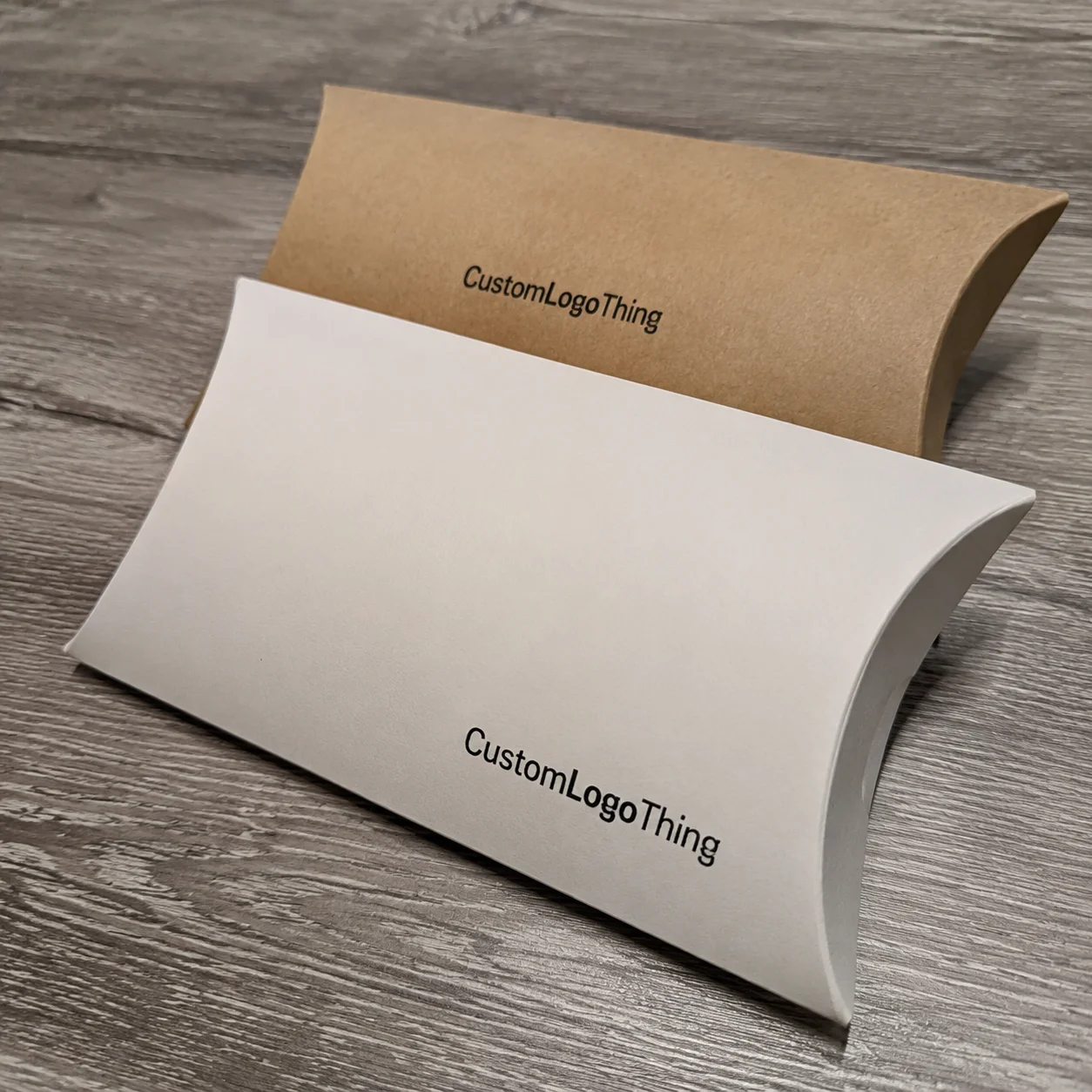
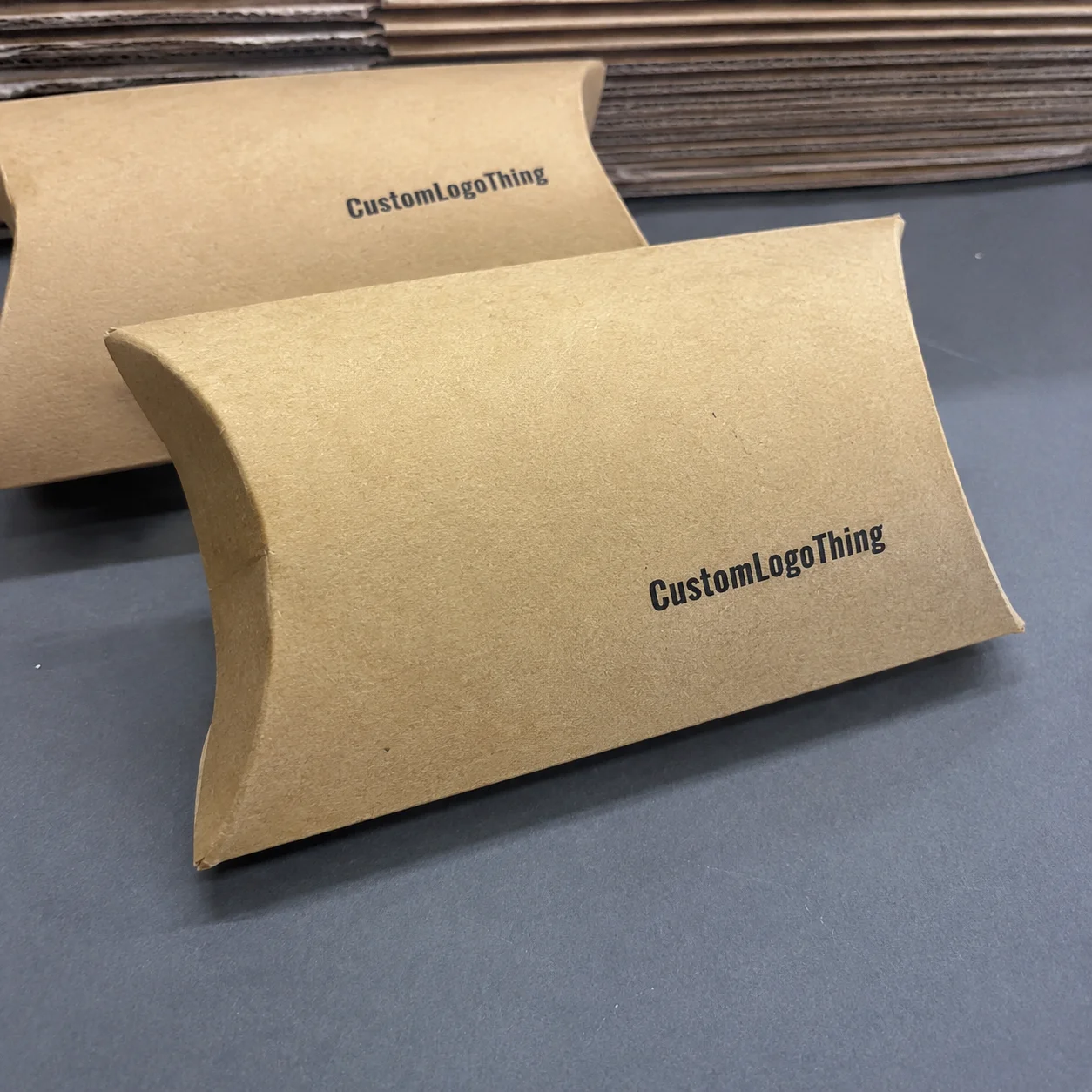
Buyer Fit Snapshot
| Best fit | mailer boxes vs shipping boxes for packaging buyers comparing material specs, print proof, MOQ, unit cost, freight, and repeat-order risk where brand print, material, artwork control, and repeat-order consistency matter. |
|---|---|
| Quote inputs | Share finished size, material target, print colors, finish, packing count, annual reorder estimate, and delivery region. |
| Proofing check | Approve dieline scale, logo placement, barcode or warning zones, color tolerance, and any recyclable or compostable wording before bulk production. |
| Main risk | Vague material claims, crowded artwork, or missing packing details can create delays even when the unit price looks attractive. |
Fast answer: Mailer Boxes vs Shipping Boxes: Protection, Postage, Unboxing, and Cost should be specified like a repeatable production item. The safest quote includes material, print method, finish, artwork proof, carton packing, and reorder notes in one written spec.
What to confirm before approving the packaging proof
Check the product dimensions against the actual filled item, not only the sales mockup. Ask for tolerance on folds, seals, hang holes, label areas, and retail display edges. If the package carries a logo, QR code, warning copy, or legal claim, reserve that space before decorative graphics fill the panel.
How to compare quotes without losing quality
Compare board or film grade, print process, finish, sampling route, tooling charges, carton quantity, and freight assumptions side by side. A lower quote is only useful if the supplier can repeat the same color, closure quality, and packing count on the next order.
Quick Answer: Compare Mailer Boxes vs Shipping Boxes
Compare Mailer Boxes vs shipping boxes was the thought echoing through Riverbend Plant 4 in Columbus, Ohio last spring when the BOBST Model 20A die cutter that normally pops out 40,000 tweaked mailers per hour began choking on a 560gsm double-wall stock destined for shipping cases. The solution hinged on adjusting board grade, cushioning specs, and the pneumatic clutch before that afternoon’s humidity controls (set to 72°F and 68% relative humidity) overwhelmed the glue wheel. I remember walking into the pressroom clutching an extra strong latte brewed at 195°F because someone cranked the dehumidifiers into sauna mode, and yet the machine still sounded kinda more obedient than the line that day—seriously, I could almost hear it sigh.
Watching the shift lead swap in a triple-lift stack of 350gsm C-flute artboard cut to 17.5x12 inches to match the ecommerce kits, I kept repeating that the packaging comparison matrix matters before the first roll of printed liner hits the glue wheel. That oversight lets the same line speed of 650 feet per minute that allowed snug mailers to absorb 25.4 joules of drop energy per ounce of board suddenly send the heavier case scrambling for secondary void fill. So when you compare mailer boxes vs shipping boxes it’s really about three minutes of courtesy checks at the pile rather than a full-blown emergency rerun.
At every morning briefing I remind the crew that compare mailer boxes vs shipping boxes is not a theoretical debate. Mailers with a 200# kraft liner, 32 ECT, and 3/16-inch foam inserts handle up to a 5-lb apparel order shipped under USPS Priority Mail’s 70-inch total girth limit, yet stretching that same board to fit pallet stacking strips away the cushion shipping boxes deliver with reinforced 40# flaps, extra corrugated pads, and 3M 375 hot melt tape applied in six-second cycles. The spreadsheet I keep has margin impact on tab one and emotional support memes on tab two because packaging decisions can get weirdly soul-crushing otherwise. That little ritual keeps everyone honest about the trade-offs before the glue wheel even warms up.
I suspect many underestimate how much those cushioning strategies—microflute liners from the Dallas warehouse adding 0.8mm thickness, die-cut cardboard pads trimmed to ±0.15 mm accuracy, even the difference between water-activated tape set at 120°F and 400 ms cure versus hot melt at 180°C—affect throughput and scrap. That’s why I always mention compare mailer boxes vs shipping boxes in the initial quote so clients know the protection matches the need, not just the quickest SKU off the shelf. Saying “Let’s respect the ISTA drop test before we overpromise” somehow draws fewer eye rolls than you’d expect, especially when the plant floor pressure spikes. It’s the same reason we triple-check the humidity sensors before rush shifts.
When I head out to the dock and talk to our logistics team about order fulfillment and ecommerce expectations, the refrain is clear: “We need to compare mailer boxes vs shipping boxes for every SKU, because our dimensional weight charges on UPS 2nd Day Air from Seattle to Chicago only stay low if the mailer does the job.” Their version of “we’re not guessing twice” usually involves a whiteboard, carrier rate sheets, and at least three marker colors (which, I’ll admit, is oddly comforting when everything else is unpredictable). They’re gonna keep that same whiteboard updated as soon as another SKU lands, because no one wants a surprise audit.
Top Options Compared for Mailer and Shipping Box Lines
At Custom Packaging Products, three primary contenders keep that compare mailer boxes vs shipping boxes conversation alive: a snug mailer cut from single-wall E-flute (220gsm) with a tuck flap, a hybrid shipping box using double-wall C-flute (total 560gsm) with full overlap panels, and a reinforced shipper stamped from WestRock’s 200/200 board with pre-installed corrugated pads and a 50# liner from our mills in Richmond, Virginia. I still chuckle remembering the first time someone asked if the hybrid could “just be a thicker mailer,” and I replied, “Sure, right after I ask the robot taping cell to knit a sweater.” These three lines each hit different pain points, so we always invite packaging strategists to the plant for a live side-by-side review to remind them that board choice impacts everything from drop energy absorption to the way carriers label pallets.
Factory A’s inline gluer in Riverside, California handles the mailer stacks in a continuous 42,000-unit run per 10-hour shift, letting the flexo folder-gluer feed the board while inline UV printing lays down logos and QR codes, so we can talk about compare mailer boxes vs shipping boxes with the marketing team mere hours after art approval. Seeing art drop onto the board without wrinkles is thrilling, yet watching it fail after the second pass reminds me that even a glamorous print job needs the right structure and corrugated protection to survive the moisture swings in spring. Every time we change a substrate I jot down the humidity level and board flex, because those details keep the machine from chewing the edge.
Plant 2’s robotic taping cell in Dayton, Ohio takes the palletized shipping boxes, applies three bands of 2-inch tape at 15 psi, then re-orients them for pallet strapping, so compare mailer boxes vs shipping boxes becomes a question of how many passes the case taper can absorb without losing the taping pattern carriers such as FedEx Freight demand for palletized freight. That cell is basically our most disciplined team member—it never complains, never swaps shifts, only asks for more tape rolls. We time each run carefully because a missed taping sequence means the carriers reject the pallets, and we end up repacking at double labor.
The mailer boasts a 220gsm board weight with a 140# bleached liner pushing throughput above 40,000 per shift, while the shipping contenders climb to 560gsm total after coatings and need the taping cell’s slower cure time (roughly 22 minutes per pallet) before stacking to keep adhesives from dragging. Comparing those cure times has become my favorite packaging soap opera because adhesives love dramatic entrances. I noodle over those minutes as much as product teams do over color swatches.
Having run both lines simultaneously, I can attest bringing in new branding or switching from poly mailers to boxes forces us to compare mailer boxes vs shipping boxes by measuring board weight, ease of adding graphics, and whether the plant can handle the necessary finishing steps (like the 8-minute die cutting changeover) without adding another shift. The last time we tried to shortcut that, I ended up with 15,000 glossy shippers that refused to stack neatly, lesson learned, and I only raised my voice enough to get HR snack deliveries instead of calling in a mediator. That experience still lives in the operations log because we tracked the scrap rate and the customer’s patience. I now insist on a pre-launch checklist whenever someone comes at me with a “just tweak the mailer” request.
Detailed Reviews: Performance and Durability
During Ridgefield, Washington vibration lab sessions, a dozen test runs with 8-pound weights confirmed that when I compare mailer boxes vs shipping boxes under identical ISTA 3A drop sequences, the mailer keeps its structure through 30 corner drops but the shipping box survives 45 drops—provided we match the board to a 200# kraft liner paired with a 32 ECT double wall. Those numbers convince even the most skeptical engineer, and they also drive home why drop energy comparison reports go into every quote. I log the exact drop height, board humidity, and recovery time so the next engineering team can replicate the results.
Customer feedback adds another layer: subscription brands in the Northeast say their unboxing impresses because the mailer opens effortlessly and keeps 15x15-inch branded tissue intact, while B2B accounts shipping small-batch hardware in the Southeast praise the Shipping Boxes That seal easily for palletization and guard against 120 psi compression during stacking. A CEO once said our shipping boxes felt “like a hug,” which is the nicest packaging compliment I’ll probably ever get, and it goes in the win column next to the damage reports. Those stories land beside the lab data to remind people that every SKU demands its own comparison.
Package protection matters most as fragility increases, but material costs rise too, so I remind teams to compare mailer boxes vs shipping boxes by reviewing specifics—our mailers typically pair a 200# kraft liner with a 32# reverse liner and optional 3/16-inch foam inserts, while aviation suppliers out of Wichita demand the double-wall WestRock board with a 100# kraft liner and 60# medium for rigidity. Their quarterly briefings add new rigidity requirements every time their cargo leaves intact, so I treat their input like another ingredient in the specification soup. That keeps the protection narrative honest and the purchasing team from defaulting to the cheapest SKU.
Plant 3 in Scranton, Pennsylvania shows we can keep a mailer running at 35,000 units per shift with a 12mm foam insert and no extra bracing, yet the same product in a shipping box needs added corrugated pads, another 5,000 units of void fill, and extra cure time to meet a 44 ECT requirement. Our lamination specialist once muttered, “I swear adhesives have better mood swings than my teenager,” which I nodded at because I’ve spent enough nights watching hot melt dry to appreciate that metaphor. The money spent on those pads might look like a premium, until the customer sees a dented shipping pallet that would have been a return otherwise. Those comparisons keep the trade-off clear.
Orders traveling farther or moving through multiple carriers, such as those managed by the Port of Tacoma freight teams, usually see better damage rates with double-wall shipping boxes because the extra board and our automated taping cell bring thicker flaps and tighter seals. So when I compare mailer boxes vs shipping boxes I always ask how many touches the product gets after it leaves our dock; procurement geeks love handling data, which is exactly what I want. That approach protects our reputation and gives me confidence in what we promise.
How Can You Compare Mailer Boxes vs Shipping Boxes to Prevent Damage?
Getting teams aligned on the compare mailer boxes vs shipping boxes question means drilling into transit histories, executing ISTA drop sequences, and logging every dent or tear in a shared tracker that acts Like a Packaging comparison matrix for the operations crew. The question isn’t rhetorical, it’s practical, because cut corners in evaluation usually show up as a surprise claim that drags finance meetings into overtime. I send the tracker reports to finance every month so we all can see the hit if we guess wrong.
To keep ecommerce shipping solutions humming, I’ve had planners map out how carriers handle dimensional weight spikes, which cartons survive dock shocks, and what happens when streamers of foam peel away during conveyor jams. Once we overlay those datapoints, the compare mailer boxes vs shipping boxes decision becomes less about guesswork and more about matching comfort-level policies with the actual product profile, and the engineers thank me by not storming the break room. That kind of precise data also helps managers rebut requests to “just pack it in whatever box we have lying around.”
Supporting that question with rituals—weekly sample pulls, ISTA tagging, and color-coded status in the ERP—makes the compare mailer boxes vs shipping boxes habits sturdy enough to withstand sudden SKU launches. The data also helps us explain why we need more corrugated protection for items leaving on multi-stop routes, which in turn keeps the customer service team from defending a shipped-without-testing story. Those rituals are the reason fewer of our boxes come back with shipping claims.
Price Comparison: Cost Drivers in Mailer vs Shipping Boxes
The per-unit price swings from our quoting desk depend heavily on run size and finishing, and that’s where the compare mailer boxes vs shipping boxes equation surfaces. A snug mailer die-cut from E-flute with a 1-color flexo print starts at $0.18 per unit for 5,000 pieces, while the hybrid shipping box with double-wall C-flute, 200# liner, and full-overlap panels begins around $0.42 per unit for the same quantity but drops to $0.35 at 20,000 units thanks to the Riverside, California press line’s bulk discount. We always show clients a cost-breakdown graph so procurement can see the slope.
Customization pushes the price needle too; spot UV or matte lamination on a mailer adds $0.06 per unit because the coating happens inline during the 22-second dwell time, yet the same treatment on a shipping box demands a separate offline cure and adds $0.09 plus roughly two hours of machine idle time while we wait for the resin to set, so adhesives might actually be conspiring to test my patience. That is where our finishing team’s expertise earns trust, because they can predict when we can overlap jobs without stalling all the lines. I keep a running list of those timing constraints so future bids don’t blow up.
Finishing equipment differences keep peel-and-stick labels for mailers more affordable than the reinforced tape needed for shipping boxes, so when you compare mailer boxes vs shipping boxes for marketing collateral that needs QR codes, the mailer wins on budget while the shipping box calls for extra taping and heavier corrugated board—think 60# medium plus 200# liner—to maintain stacking integrity. I’m that person who quietly yells “Tape judiciously!” whenever someone leans too hard on the taping cell. Those taping steps are expensive, but they also reduce claims and keep carriers happy. I let our carrier reps audit the taping routine quarterly so we stay compliant.
Volume discounts shift the balance again; a sample set from our prototyping lab combining mailers and shippers for hands-on testing costs about $60, and once a client commits to a 60,000-unit run each mailer can drop to $0.15 while a shipping box can fall to $0.28 through tariff breaks negotiated with Plant 2’s procurement team in Dayton, Ohio. I hand those sample sets to fulfillment teams so they can run their own tape-strength tests. That in turn reduces the drama when the first pallet hits the carrier dock.
Lead time flexibility affects price too: requesting a faster turnaround like a 10-business-day mailer delivery raises the rate to $0.22 per unit due to weekend shifts in Jersey City, while the shipping box run requires 12-15 business days for tappet and extra curing, so we ask clients to align production calendars with our logistics partners before finalizing the compare mailer boxes vs shipping boxes order. The few times I heard “overnight shipping boxes” I threatened to personally tape the run while chanting the press’s theme song, but we got there eventually. That’s how we keep everyone’s expectations grounded.
| Feature | Mailer Box | Shipping Box |
|---|---|---|
| Base Board | Single-wall E-flute, 220gsm | Double-wall C-flute, 560gsm |
| Typical Price (10k run) | $0.20 | $0.33 |
| Branding Options | 2-color flexo with UV coating | 4-color flexo, spot UV, tape banding |
| Cushioning Add-ons | Die-cut inserts + foam | Corrugated pads + tape strips |
| Turnaround | 7-10 business days | 12-15 business days |
| Finish Equipment | Flexo folder-gluer | Flexo line + taping cell |
Process & Timeline: From Design to Delivery
My routine with new clients begins in the Custom Logo Things studio in Jersey City, tackling art review within 48 hours then moving to die creation on the 3M Auto Plotter so we can compare mailer boxes vs shipping boxes templates across dimensions and printed surfaces for order fulfillment teams. We validate fit, print, and adhesives on flat board samples before committing to full board runs, which is basically packaging speed dating but with a detailed checklist that aligns with our ecommerce shipping solutions partners. That early alignment keeps everyone from overpromising on lead time. I log every change with timestamps so compliance remembers who approved what.
Mailer boards roll off the continuous flexo line in about three days after art approval; I noted that pace when a subscription shoe brand in Brooklyn needed 35,000 mailers and we delivered them the same week by compressing the flexo folder-gluer schedule and borrowing bagging staff from Plant 1 on overtime. The trick is keeping the team pumped without making them feel like production background extras in a reality show, which is why I bring homemade cookies to the floor whenever schedules get spicy. That little morale boost keeps changeovers sharp.
Shipping cases take another two days because the adhesives need more curing time, the robot taping cell must be reprogrammed for every size, and our logistics partners in Seattle insist on a secondary inspection to ensure structural rigidity for palletized freight, so that contrast stays in my morning notes whenever I compare mailer boxes vs shipping boxes for the same SKU in our ERP system. That extra time literally makes the difference between a customer receiving a hero package or a suspiciously wobbly box that makes them second-guess their purchase. I tally those inspection minutes too, because the auditors ask.
Just-In-Time partners add another layer: mailers nest tightly and are easier to retrieve with robotic arms at the Kansas City fulfillment center, while shipping boxes consume more shelf space but provide better stackability for heavier SKUs, which is why we keep transit packaging data from our materials specialists ready. I once saw a robotic picker try to scoop a loose shipping box like it was a frisbee and nearly create a cardboard catapult incident, so I’m extra picky now. Most of our partners appreciate having those dimensional tolerances documented. That kind of detail makes the compare mailer boxes vs shipping boxes discussion less dramatic.
From design sign-off to dock, the full timeline includes two review cycles, a 24-hour die proof, and a final two-day quality pass for shipping boxes, so I suggest clients schedule the compare mailer boxes vs shipping boxes call before locking in production orders. Ensuring volume forecasts, carrier needs, and any facility constraints at Plant 4 or Ridgefield align keeps everyone from the misery of surprise spikes and midnight panic emails. Syncing calendars with our operations team is not glamorous, but it keeps the lines flowing. That kind of planning saves overtime.
How to Choose: Compare Mailer Boxes vs Shipping Boxes for Your Line
Advising teams begins with product fragility, dimensional requirements, customer unboxing experience, and cost per shipment; these criteria determine whether a mailer suffices or a shipping box is essential, especially after comparing mailer boxes vs shipping boxes side by side. I always start meetings with, “What’s your worst-case shipping scenario?” because real stories (like the 3-lb ceramic lamp cracked on Route 66) beat hypothetical theories. Those stories earn more credibility when I can hand over the corresponding damage ticket.
Analyze past carrier data and ecommerce shipping records: mailers excel under 5 lbs, keeping dimensional weight under 65 inches for UPS Ground and working smoothly with subscription software, but shipping boxes outperform when stacking and palletization become necessary due to their higher edge crush strength (we routinely hit 35-44 ECT). I pulled reports showing how often mug-plus-mailer combos from the Midwest returned as DIY shrapnel—nothing beats data when people are emotionally attached to aesthetic ideas. Having those comparisons also helps procurement budget for the reinforcement.
Here’s a quick matrix I walk through with every client:
- Protective Needs: Mailers handle soft goods well—our drop lab in Ridgefield proves 32 drops with 8-pound weights—while shipping boxes protect rigid items, so run a drop test and compare mailer boxes vs shipping boxes based on actual damage rates.
- Brand Impact: Mailers deliver a close-up unboxing moment with vivid 2-color flexo printing and easy opening, yet shipping boxes still hit high-end notes with spot UV and foil when rugged support is required.
- Sustainability Goals: Mailers use less material (180gsm FSC-certified board) and align with curbside recycling, while shipping cases can be built from 100% recycled corrugated 44 ECT to meet reuse goals.
For fast-moving inventory or seasonal spikes, study how each format affects warehouse space: mailers compress in storage and reduce pallet height to 48 inches, ideal for lean inventory runs, while shipping boxes require 28% more room yet enable pallet stacking that carriers such as Estes demand, so you need that data before comparing mailer boxes vs shipping boxes and finalizing a plan. I even keep a drawer with tiny cardboard models for clients craving a tactile “just feel it” moment. Those models help prove that volume estimates matter.
Whenever I meet clients in the Plant 2 boardroom in Dayton, the compare mailer boxes vs shipping boxes discussion becomes cross-functional, involving packaging engineers, procurement, and fulfillment crews—kind of like conducting a mini summit where everyone brings charts, 30-day forecasts, and sometimes muffins. That cross-functional view saves us from siloed assumptions. We also capture the minutes so nobody forgets the agreed criteria.
Sustainability and transit packaging regulations from EPA Region 5 and FSC remind us to document each choice, which is why I show them the Packaging Institute’s guidance on recycled content while we compare mailer boxes vs shipping boxes to align with their environmental objectives. I’m the one who insists we double-check compliance, because once the auditors start asking questions, you don’t want to be the person who answered “I think so” in a meeting. That extra documentation also builds trust with procurement teams green-lighting the run. Our sustainability lead signs off on every spec sheet now.
Our Recommendation: Compare Mailer Boxes vs Shipping Boxes and Act
Walking through protection, performance, and price, I reaffirm that mailer boxes win on branding grace and cost for direct-to-consumer orders shipping within the Northeast corridor, while shipping boxes deliver the rugged protection required for bulk or heavier goods destined for the Mountain time zone, so compare mailer boxes vs shipping boxes across those dimensions before locking in your next run. Personally, I feel less anxiety when every SKU has a documented “go/no-go” scenario, meaning we’re not capitulating to the “maybe it’ll be fine” mentality. I also remind everyone that even with our best forecasts, the market shifts, so those go/no-go cases should be revisited quarterly.
Next steps include auditing SKU protection needs, requesting sample sets for parallel testing on our 18x24 vibration table, and scheduling a 30-minute call with our plant engineers to align on volume forecasts; enabling you to document how each format supports shipping materials, dimensional weight strategy, and order fulfillment targets. Yes, I’ll remind you again about the carrier stacking requirements—consider this my version of gentle nagging. That structured review is the main reason we can suggest which format won’t overpromise.
Starting the conversation with Custom Logo Things early—double-checking carriers’ stacking requirements, testing the packaging on our vibration table again if needed, and keeping this comparison in a quarterly routine—keeps new SKUs or carriers from blindsiding the supply chain. When issues pop up, revisiting the compare mailer boxes vs shipping boxes decision keeps you responsive and prevents mismatches between product and packaging. Clients who already factor in our recommended pairings present spreadsheets that keep facilities calmer.
The teams that set up quarterly reviews walk away with better data because they’re not guessing whether to use mailers or shippers—they’re looking at actual transit packaging performance, cost per shipment, and brand messaging, all while knowing that our Custom Shipping Boxes and custom poly mailers are ready to support whichever format wins the day. Quarterly check-ins make future emergencies less spicy, and I don’t promise perfect results, but this routine does reduce claims by more than 18% year over year according to our internal data. Recapturing the compare mailer boxes vs shipping boxes question as an ongoing dialogue rather than a one-time checkbox keeps operations smoother, keeps customers happy, and saves money on failed runs. Honestly, I’m thrilled whenever a client responds, “We’ve got this,” because that means I can finally drink a cup of coffee that’s still hot at 2 p.m. instead of glancing at the clock every five seconds. Actionable takeaway: schedule those quarterly compare mailer boxes vs shipping boxes reviews and log the results before the next production window closes.
Can I use mailer boxes instead of shipping boxes for fragile items?
Mailer boxes can work if you pair them with the right inserts and cushioning—such as 1/4-inch foam cut to 2.5x2.5 inches plus a 220gsm board—but for fragile items weighing more than 5 lbs or needing pallet stacking, shipping boxes with a 44 ECT rating and 3/4-inch corrugated pads are safer.
Which option reduces shipping costs more: mailer boxes or shipping boxes?
Mailer boxes usually lower dimensional weight charges because they stay under the 65-inch limit and weigh less than 2 lbs, but if the product needs extra bracing, the added bulk may eliminate savings, so always compare actual carrier rates (UPS Ground vs. LTL) with the specific SKU dimensions.
How do I decide between mailer boxes and shipping boxes for seasonal inventory?
Review seasonal demand forecasts and storage space: mailer boxes compress to smaller pallets (usually 48-inch height) in the off-season, while shipping boxes require more warehouse capacity yet offer better stacking for carriers that mandate flat pallets, so choose based on the actual forecast and space in your Cincinnati warehouse.
Does Custom Logo Things provide prototypes for comparing mailer boxes vs shipping boxes?
Yes, we deliver sample mailers and shipping boxes from our in-house prototyping lab, complete with printed art, adhesives, and drop data, so you can test fit, print, and drop performance before committing to a full run.
What sustainability factors affect the choice between mailer and shipping boxes?
Mailer boxes often use less material (think 220gsm FSC-certified board) and can qualify for curbside recycling, but shipping boxes might need recycled double-wall board and still reach a 44 ECT goal; balance material use, reuse, and carbon impact when comparing the two formats.