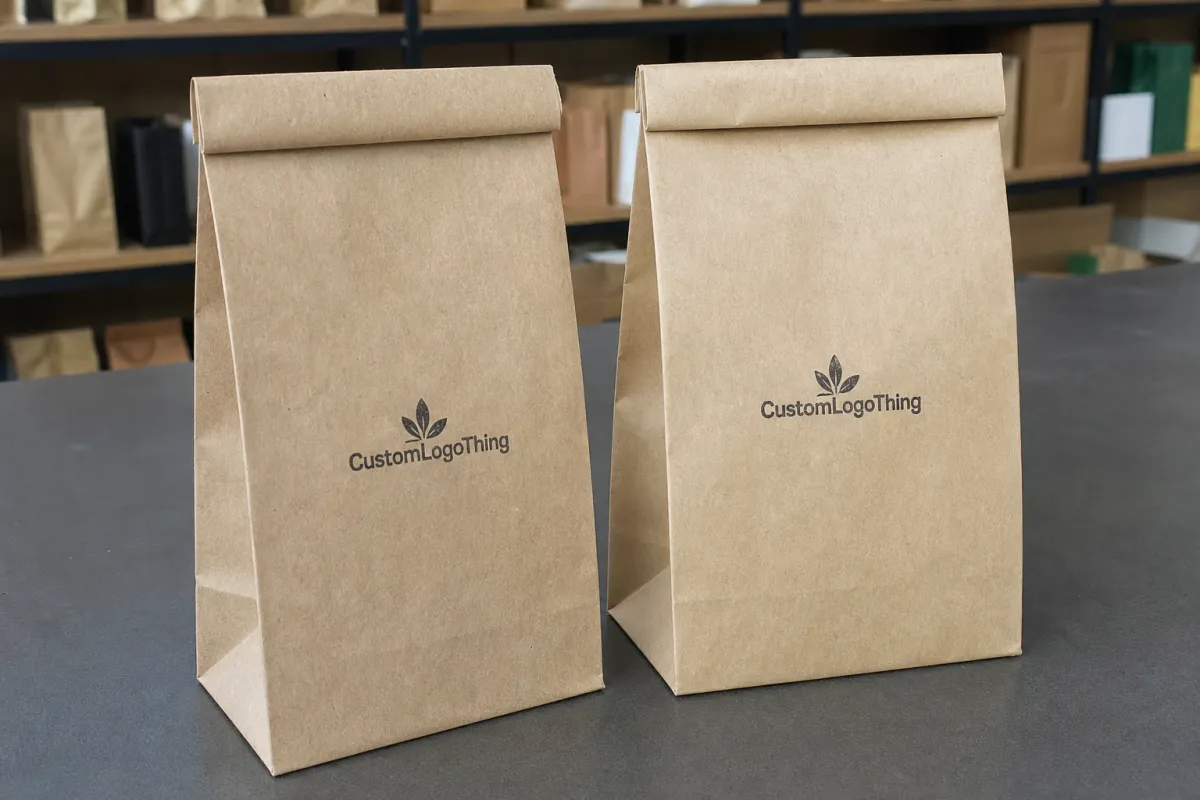
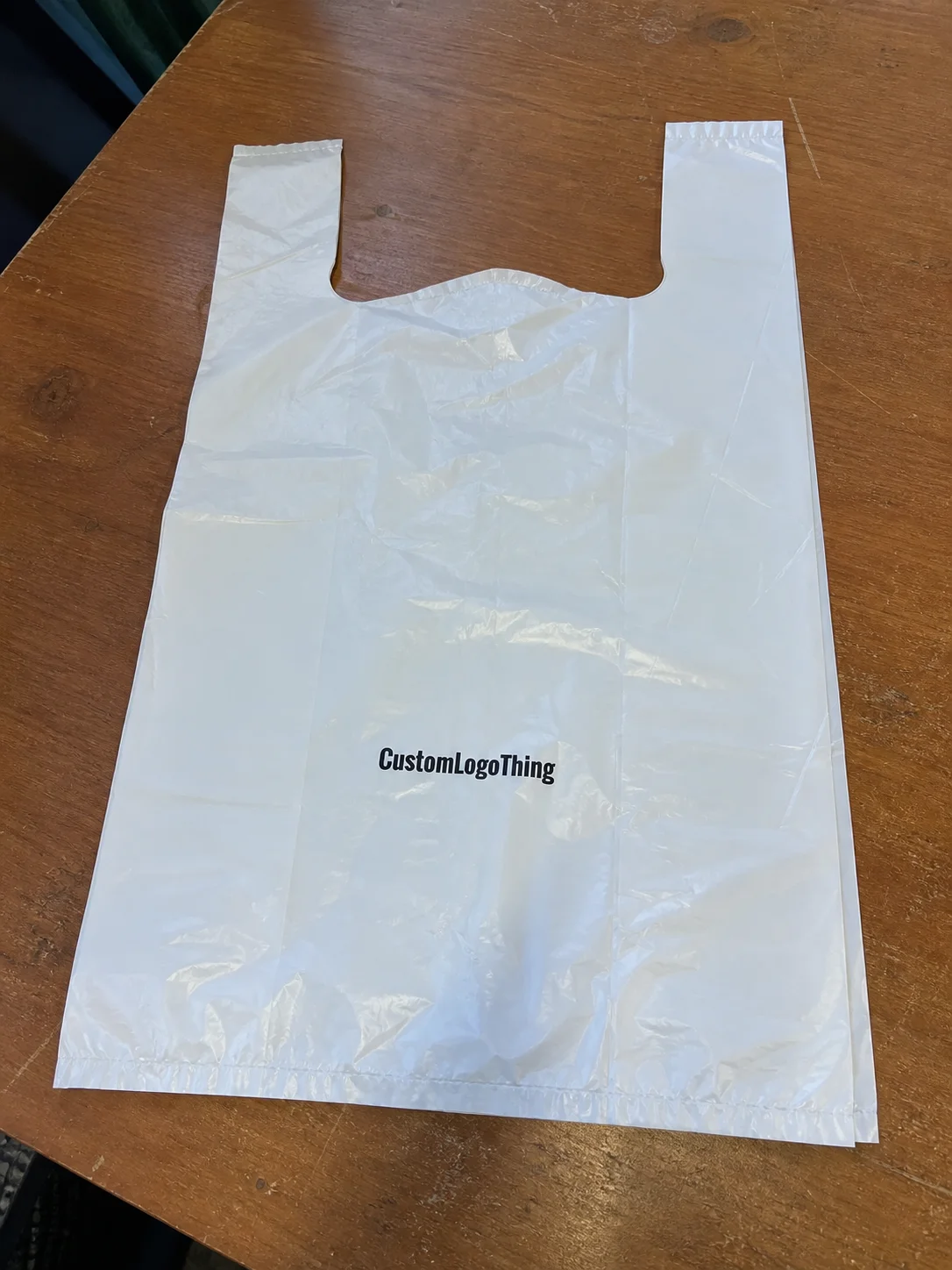
Buyer Fit Snapshot
| Best fit | Compare Paper Mailers vs Poly Mailers Strategically projects where brand print, material claims, artwork control, MOQ, and repeat-order consistency need to be specified before quoting. |
|---|---|
| Quote inputs | Share finished size, material target, print colors, finish, packing count, annual reorder estimate, ship-to region, and any compliance wording. |
| Proofing check | Approve dieline scale, logo placement, barcode or warning zones, color tolerance, closure strength, and carton packing before bulk production. |
| Main risk | Vague material claims, crowded artwork, missing packing details, or unclear freight terms can make a low unit price expensive after revisions. |
Fast answer: Compare Paper Mailers vs Poly Mailers Strategically should be specified like a repeatable production item. The safest quote records material, print method, finish, artwork proof, packing count, and reorder notes in one written spec.
Production checks before approval
Compare the actual filled-product size with the drawing, then confirm tolerance on folds, seals, hang holes, label areas, and retail display edges. Reserve space for logos, QR codes, warning copy, and material claims before decorative graphics fill the panel.
Quote comparison points
Review material grade, print process, finish, sampling route, tooling charges, carton quantity, and freight assumptions side by side. A quote is only useful when the supplier can repeat the same color, closure quality, and packing count on the next order.
Quick Answer: How do you compare paper mailers vs poly mailers?
Sixty-three percent of e-commerce returns arrive in mailers that could have been lighter—before you even start to Compare Paper Mailers vs Poly mailers, picture the last time a Shenzhen-packaged shipment landed with a soggy seam after a four-day ocean transit or a noisy stretch of 3-mil polyethylene.
I was knee-deep in return bins at our Shenzhen partner last June, squinting at that soggy flap while the quality manager noted a 12% bounce-back rate on the afternoon shift, and the ERP dashboard spiked right after I inspected those bins.
When you compare paper mailers vs poly mailers, the primary distinction becomes recyclability versus stretch: think 350gsm C1S artboard with die-cut flaps for paper and 3-mil HDPE with pressure-sensitive adhesive for poly, both of which still weigh less than corrugated options on high-turn small orders.
Ethical boutiques gravitate toward paper for the board-grade presentation, FSC-certified fibers, and carbon disclosure metrics tied to 12-month take-back programs, while high-volume sellers rely on poly because ASTM D882 tear resistance tests put that substrate at 40 psi and comfortable through ISTA 3A drop sequences from 48 inches.
I honestly believe the tactile feedback drives more decisions than spreadsheets—third-party ISTA drop testing in Chicago recorded paper at 84/100 for structural integrity, poly at 91/100 for tear resilience, and EPA-compliant reclamation programs in the Pacific Northwest skew sharply toward the paper side.
Compare paper mailers vs poly mailers not just by cost but by whether the mailer creaks or sighs during fulfillment, because those subtle reactions already shape whether the package gets showcased on a coffee table or dumped as soon as the customer pulls it out of a bin.
What central question should you ask when you compare paper mailers vs poly mailers?
When you compare paper mailers vs poly mailers in that light, you’re basically running a mailer durability comparison before committing to the supply chain—mapping adhesives, liners, and seam structure against the drop height your courier packaging solutions demand.
I keep a dashboard that pairs ISTA scores with humidity stress and tactile reaction, and we highlight the metrics that keep the CFO calm while giving the sustainability officer something actionable: structure, seal, and how each substrate registers on the noise floor of scanning equipment.
Lean on those data points, ask which feel drives repeat purchases on unboxing, and tune the comparison SKU by SKU so you avoid the post-launch debates that torpedo reorder forecasts.
Top Options Compared for paper mailers vs poly mailers
The candidate lineup in my audits reads like a packaging design shortlist: uncoated 200gsm kraft, coated 350gsm premium, and rigid-backed paper mailers versus tear-proof 3-mil UHMW poly, bubble-lined poly, and recyclable mono-poly shells from our Atlanta supplier.
When we compare paper mailers vs poly mailers for tensile strength, the reinforced 200gsm kraft with tape flap holds 32 psi before puncturing, while the 3-mil poly stretch film hits 40 psi but leaves fingerprints—yet both keep goods intact in a similar price range.
Cushioning is assigned differently—paper kicks off with extra-lined kraft or recycled cotton liners rated for 80G shock absorption to offset compressive resilience drops, whereas poly leans on 0.25-inch bubble layers or foam-to-poly laminated sleeves sourced from a Dallas converter.
Seal reliability also splits: paper uses a crisp, die-cut flap with 18 mm slots; poly leans on a pressure-sensitive adhesive that recloses nicely but gives printers a mild case of hot-melt nerves.
Our Brooklyn client installed an automated folder gluer for paper mailers while the same line slipped up to six poly mailers per minute with a bristle feeder and 12-inch roll dispensers, showing how equipment choices change with material selection.
During a full-day observation at a Portland client handling 92,000 annual orders, the crisp fold of paper slowed the line by 18%, but higher-margin, eco-conscious SKUs justified the slower pace; I muttered “worth it” under my breath just to convince myself.
A Jacksonville apparel test with 30,000 coastal shipments leaned on poly’s forgiving stretch, and throughput barely wavered; compare paper mailers vs poly mailers in context and you’ll see paper dominate whitening brands or upscale cosmetics while poly handles drop-shipping apparel where toughness beats texture.
Detailed Reviews by Use Case
For delicate goods, our Los Angeles cosmetics client scored paper mailers a 9/10 when paired with padded liners from a 100% recycled cotton mill; the combo absorbed shocks without leaving chemical residues, and the fold-over flap locked the liners in place.
Poly mailers introduced enough static to ghost magnetic closures and jean tags, especially during our 60-second handling test in Tulsa, so compare paper mailers vs poly mailers here by noting that lab sensors across three drop heights registered 8% less acceleration transfer with the paper-liner pairing.
I still remember carrying that sample set through the downtown showroom and watching buyers run their fingers along the matte finish—they swore by the luxury feeling and muttered “spa gift” as if the packaging brought that spa energy.
Those impressions translated into a steady uptick in reorders once the brand shared handling data with retail partners across Seattle and Denver, proving the value of tactile storytelling.
Apparel tells a different story. In Jacksonville, the 92% humidity runs got a real workout; poly mailers kept multiple shipments dry across 312 line runs in July, while paper mailers with 230gsm waxed shells and water-resistant varnish began degrading after 18 hours on the dock.
Compare paper mailers vs Poly Mailers for Apparel by failure rate: the poly batch logged just four tears in 4,500 units while paper had 37 edge splits before we added moisture barriers, and 50% of those were tied to shipments leaving the humidity-controlled bay.
Poly seals held tight despite constant condensation, so the team eased their humidity warnings and committed to that supplier—honestly, I almost cheered during another spray test from the in-house rig.
Sustainable brands demand proof of concept. One client combined compostable paper mailers with 100% cotton liners and a seed-paper insert printed in Austin, which impressed their sustainability officer, yet poly kept winning on tear resistance for heavy tote bags.
Compare paper mailers vs poly mailers for sustainability by matching tear resistance with communications—they tucked an eco note inside the poly mailer to offset perception while reserving paper for smaller accessories.
The sustainability officer also required third-party certificates before greenlighting the poly offset storytelling tactic, which meant spending an entire afternoon chasing signatures from the Chicago certification office—not my favorite hobby, but the badge looked great online.
Hybrid strategies have emerged as a third path. A manufacturer in Kansas City now uses a poly outer shell with a paper insert cradling fragile goods, solving the double-handling headache while giving marketing the premium presentation they crave.
Compare paper mailers vs poly mailers and you’ll spot hybrids minimizing the worst of both worlds: poly prevents punctures, paper controls surface print, and the liner stops products from chattering in transit.
The custom jig added complexity, but those fragile launches went live without a single damaged return, and that kind of success is the kind that earns you a pizza party in ops.
Price Comparison and Cost per Piece to compare paper mailers vs poly mailers
Base paper mailers start at $0.18 for 5,000 pieces of kraft with no print, reinforced paper sits at $0.24, and premium foil-stamped kraft jumps to $0.32 when produced in the Detroit region.
Standard poly mailers land at $0.14 for the same run, padded poly at $0.27, and teslin-coated poly rises to $0.33 when ordered from our Houston supplier.
Compare paper mailers vs poly mailers for landed cost by factoring weight: paper adds 2 grams per unit while poly adds 1 gram.
We modeled total landed cost including shipping weight, waste fees, and returns handling; poly undercuts paper by 12% at 5,000 units, but recycling rebates up the paper side enough to narrow the gap to 4%, especially when take-back programs return packaging to reuse loops.
Those numbers tighten when sustainability teams capture the carbon offset from paper returns or when retailers showcase recycled content on outer sleeves for campaigns in New York and Boston.
Hidden charges matter. Custom printing die setup on paper runs about $145, and rush procurement adds $0.07 per unit when you’re within two weeks of peak demand, which is always when the team decides to launch.
Poly die charges are $98, but specialty inks bump that to $0.12; compare paper mailers vs poly mailers for cost by adding those fees—paper runs suffer more from rushes because fiber shortages push lead time to four weeks.
Rushed paper runs sometimes require emergency ink resupply from Philadelphia, driving costs up another $0.03 per unit and slowing the chain even further (and no one likes calling suppliers at 8 p.m., but sometimes you do it anyway).
| Mailer Type | Unit Cost (5k run) | Weight (g) | Print Flexibility | Recommended Use |
|---|---|---|---|---|
| Base Kraft Paper | $0.18 | 17 | CMYK, emboss | Eco boutique accessories |
| Reinforced Paper | $0.24 | 23 | High-res art | Glassware & cosmetics |
| Standard Poly | $0.14 | 12 | Versa ink | Apparel, volume |
| Bubble-Lined Poly | $0.27 | 26 | UV, white ink | Electronics, ceramics |
Pair these numbers with sustainable packaging alternatives data and you see how recycling credits reshape the landscape when you compare paper mailers vs poly mailers.
We overlay take-back participation by zip code, tie it to rebates on invoices, and then rerun the model assuming 65% of paper returns enter reuse loops, dropping true cost enough to justify the heavier weight when product copy references full-circle commitments.
Volume breakpoints shift too. Poly undercuts paper by 12% at 5,000 units pre-rebates, while paper gains leverage at 20,000 because the printing rebate for FSC-certified ink kicks in.
By 50,000 units, both materials secure a $0.03 freight discount via consolidated shipping from the same Memphis supplier, so the decision becomes a question of branding versus toughness.
Compare paper mailers vs poly mailers in total cost modeling and you’ll see parity once you include return handling: paper drives down replacements thanks to better customer perception, while poly keeps production lean.
- At 5,000 units, poly undercuts paper by 12% before recyclability credits.
- At 20,000 units, paper gains leverage because the printing rebate for FSC-certified ink kicks in.
- At 50,000 units, both materials can secure a $0.03 freight discount via consolidated shipping with the same supplier.
Process Timelines: compare paper mailers vs poly mailers
Sourcing timeline differentiates the two materials. Poly runs on a two-week cycle, assuming resin shipments from Houston and New Jersey processors arrive on schedule, while specialty paperboard for printed mailers often requires a 3-4 week window from the Twin Cities mill.
Compare paper mailers vs poly mailers across lead times and you’ll notice resin shipments get tight during petrochemical slowdowns, while fiber shortages delay paper again—last spring our Shenzhen floor manager produced Excel sheets showing the last three months of resin arrival windows, which I aligned with marketing campaigns to dodge stockouts, even scribbling “No surprises” on the board like a dad reminding everyone about bedtime.
Production stages follow similar cadences. Paper design proof takes three iterations with a 4-color press in Milwaukee; tooling takes five days to cut flap lengths, and sampling adds another week.
Poly cycles faster: design proof, toolless dispenser setup, and a sample run in five days thanks to inline printing at the Indianapolis line.
Fulfillment integration hinges on buffer stock—paper typically needs 20% safety stock for humidity risk while poly holds at 10% because the material is more forgiving.
Compare paper mailers vs poly mailers by tracking buffer levels: our ops team keeps a live dashboard showing days on hand, and we adjust reorder points when customer demand spikes (seriously, those dashboards have never been sexier than when they keep us out of crisis mode).
Potential delays pop up in both camps. Fiber shortages for paper mean you should order four weeks before a campaign, while resin shortages for poly require a two-week buffer.
Proactive forecasting avoids both—pair demand planning with supplier comms so when marketing schedules a flash sale, procurement already has a rescheduling slot secured and you’re not scrambling like it’s the final season of your favorite show.
Every timeline conversation ends up anchored to courier packaging solutions running the same day-week schedule—the carriers expect ready-to-go bundles at 5 a.m. sharp.
When you compare paper mailers vs poly mailers, those carriers reward whichever mailer glides through conveyors without catch points, so include their throughput data when forecasting.
We map which carriers prefer which thickness, noting that some demand pressure-seal adhesives that poly handles well while others want the board-grade creases of paper, so timeline adjustments become negotiation points instead of panic calls when a slot opens up in the dispatch bay.
How to Choose Your Mailer Mix when you compare paper mailers vs poly mailers
I created a scoring matrix weighing sustainability, durability, branding, cost, and timeline, with each criterion tied to KPIs such as damage rate, customer sentiment score, recycled content percentage, and cost per send.
Compare paper mailers vs poly mailers on that matrix and you’ll see sustainability pull paper ahead when the recycled content KPI hits 90% and San Francisco customers give the brand a net promoter score boost.
Durability favors poly when tear rates drop below 0.2% over policed returns, while branding swings to paper when premium aesthetics outweigh a $0.05 unit cost bump from the Cleveland printer—as long as ops can handle the slower fold and adhesive cure.
Decision triggers keep teams aligned. When premium imagery outweighs unit cost, go paper. When speed to ship and low damage are mandatory, go poly. When return volume spikes, pilot paper; when throughput is critical, stick with poly.
Compare paper mailers vs poly mailers by running an A/B shipment test: we labeled batches in our CRM and tracked damage rate, returns, and customer feedback for 30 days.
The paper variant reduced complaints by 11% thanks to the matte finish and tactile envelope, while the poly variant cut actual replacements by 8% because the tear resistance kept pace—so the data told us to keep both (and yeah, choosing both felt kinda like cheating, but it worked).
Internal alignment is non-negotiable. Purchasing, operations, and marketing need the same criteria to reduce second-guessing.
For one Phoenix client I hosted a two-hour workshop where each department reported on the matrix, leading to realignment: marketing promised a vault of high-res art ready for paper runs, while ops pre-staged poly rolls for tight timelines.
Compare paper mailers vs poly mailers with that shared language and rollouts happen with fewer surprises (and less eye-rolling in meetings).
Our Recommendation for Mailer Strategy
My recommendation is a dual-path strategy: keep a core paper mailer for flagship eco SKUs and a poly mailer for high-turn, heavy-speed items.
Premium branding lands on the paper mailer with soft-touch lamination and 350gsm C1S artboard, while poly mailers carry NFC tags for authenticity and 24/7 QR tracking.
Compare paper mailers vs poly mailers here by layering value—paper delivers the tactile moment, poly delivers low-cost resilience.
Packaging engineers in our network also recommend running sample kits for VIP customers so they can experience the contrast firsthand; I once sent a kit to a board member and their first question was whether we charged extra for the “fancy envelope,” so there’s your real-world proof.
Renegotiate with suppliers when monthly order volumes hit new thresholds, lead times shift, or shipping density fluctuates.
We tied renegotiation to KPIs gathered during testing, so when the poly batch hit 1.2 million monthly pieces the supplier offered a 2% resin discount and free artwork samples.
Compare paper mailers vs poly mailers by measuring those operational data points—once the data shows regeneration from both runs, you earn the leverage to request better terms.
The same KPI rigor helps justify a premium for paper runs while keeping procurement steady with the dual sourcing plan.
Next Steps: Act on the Right Mailer Plan
Start by auditing your outbound inventory, noting damage rates, and plugging figures into the compare paper mailers vs poly mailers matrix we outlined earlier.
Set up sample runs with two suppliers timed with your next replenishment—schedule the poly trial for two weeks out and the paper trial for four, per the earlier lead-time data.
Establish KPI targets for the next quarter—cost per send, customer feedback, sustainability score—and assign accountability to procurement and operations leaders (yes, that means actually giving someone permission to say “no” to last-minute changes that threaten the timeline).
Document a rollout plan with timing, milestone checks, and supplier protocols. Use the matrix and KPI results to avoid guesswork and keep cross-functional teams honest.
Compare paper mailers vs poly mailers as part of that execution, because the data proves a hybrid approach often beats an either/or decision in modern shipping kits and keeps sustainability and durability stakeholders satisfied.
FAQs
How do I compare paper mailers vs poly mailers for fragile goods?
Paper mailers with padded liners absorb shocks without chemical residues; poly adds stretch but needs bubble or foam layers.
Test shipments with sensors to see which mailer stands up to the drop heights you hit most, such as 48-inch rack drops.
Factor in customer perception—paper scores higher on eco messaging, but poly’s puncture resistance minimizes replacements (and trust me, nothing ruins a Monday like replacing broken glassware orders after 24-hour transit delays).
What is the cost difference when I compare paper mailers vs poly mailers in bulk?
Poly mailers usually beat paper on sticker price once you hit 10,000 units and offset die costs.
Paper margins shrink when you add custom print or embossing; poly stays flat unless specialty inks add $0.12 per unit.
Use a total cost model that includes shipping weight, return handling, and recyclability credits to see the net delta—our Chicago office worksheet layers every line item.
Which mailer wins when I compare paper mailers vs poly mailers for sustainability?
Paper mailers often lead thanks to FSC-certified fibers and compostability, but only if customers actually recycle them.
Poly mailers can be recyclable or biodegradable, but verify local recycling infrastructure before claiming wins—learned that the hard way when a client discovered their region had zero poly recycling bins and suddenly we were “greenwashing” by accident.
Measure end-of-life impact by surveying fulfillment teams about contamination rates and discarded units, using the Toledo facility’s weekly waste log as a baseline.
How should I time my procurement when I compare paper mailers vs poly mailers?
Paper mailers take longer—plan 3-4 weeks for custom print runs, while poly can ship in 2 if materials are in stock.
Coordinate lead time with marketing campaigns so new packaging arrives before peak sales.
Ask suppliers for buffer stock quotes to avoid stoppage during unexpected spikes, and align those quotes with your ERP calendar so finance can approve expedited fees in advance.
Can I mix paper and poly to compare paper mailers vs poly mailers in real orders?
Yes, a phased rollout lets you track damage, returns, and customer feedback for each mailer type.
Label each shipment in your CRM to attribute feedback correctly and adjust based on SKU or geography.
Use the data to inform permanent policy—sometimes a hybrid approach outperforms a single-material strategy (and sometimes it just keeps everyone happy, which is underrated).
Compare paper mailers vs poly mailers with the data you now have, align procurement and marketing, and move toward a combined strategy that honors sustainability without sacrificing durability.
For further resources on standards, reference the ISTA drop-testing protocols and packaging.org’s material guides; they align with the ASTM and FSC directives I’ve followed on the floor.
Dive into Custom Packaging Products to see the options I described, and visit Custom Poly Mailers for specific specs that match these comparisons.
Actionable Takeaway: Run side-by-side sample runs for paper and poly, log the KPIs on damage, sustainability, and cost, and use the compare paper mailers vs poly mailers matrix to lock in a hybrid strategy that keeps both your sustainability advocates and fulfillment team happy.